
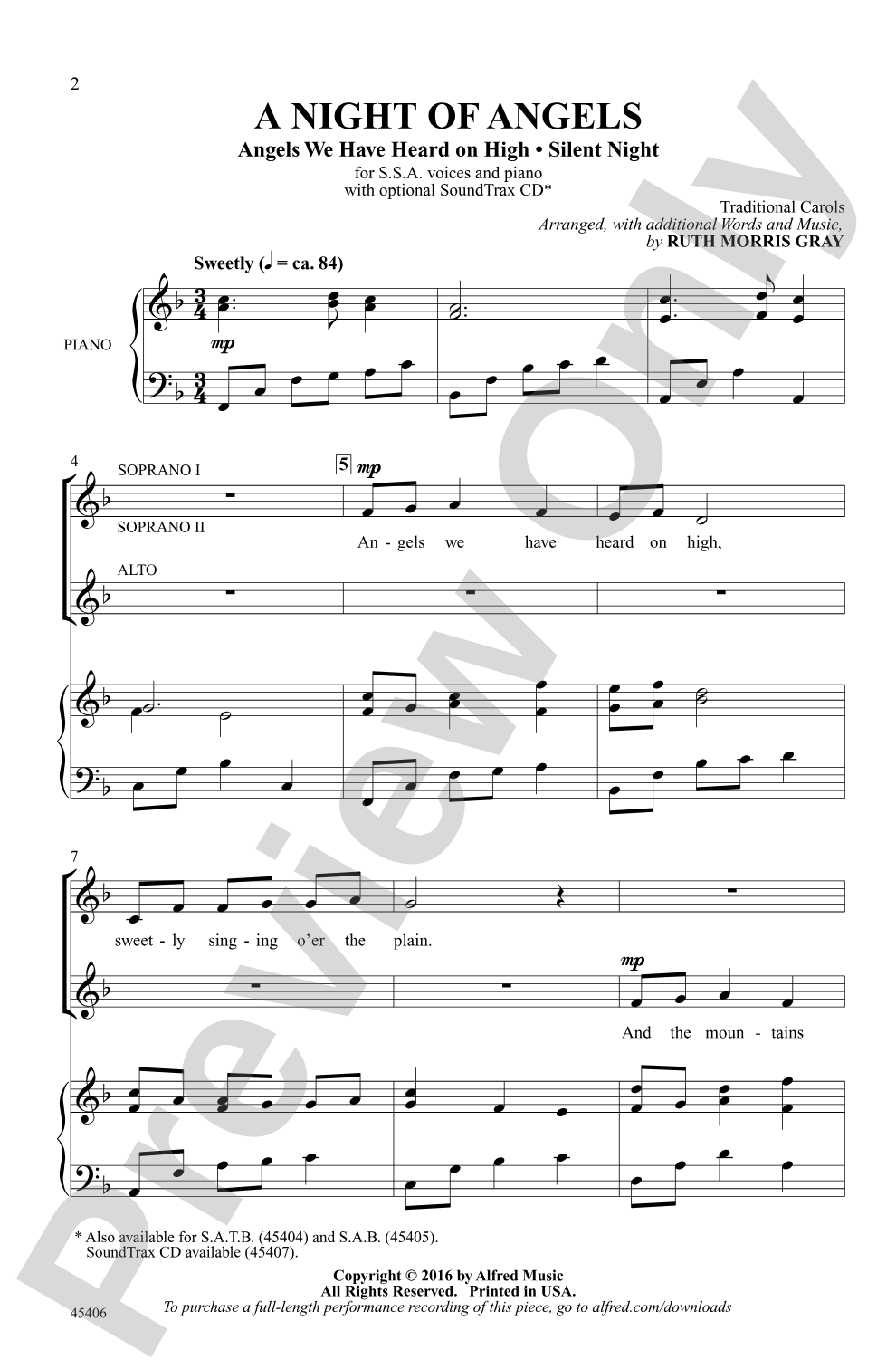
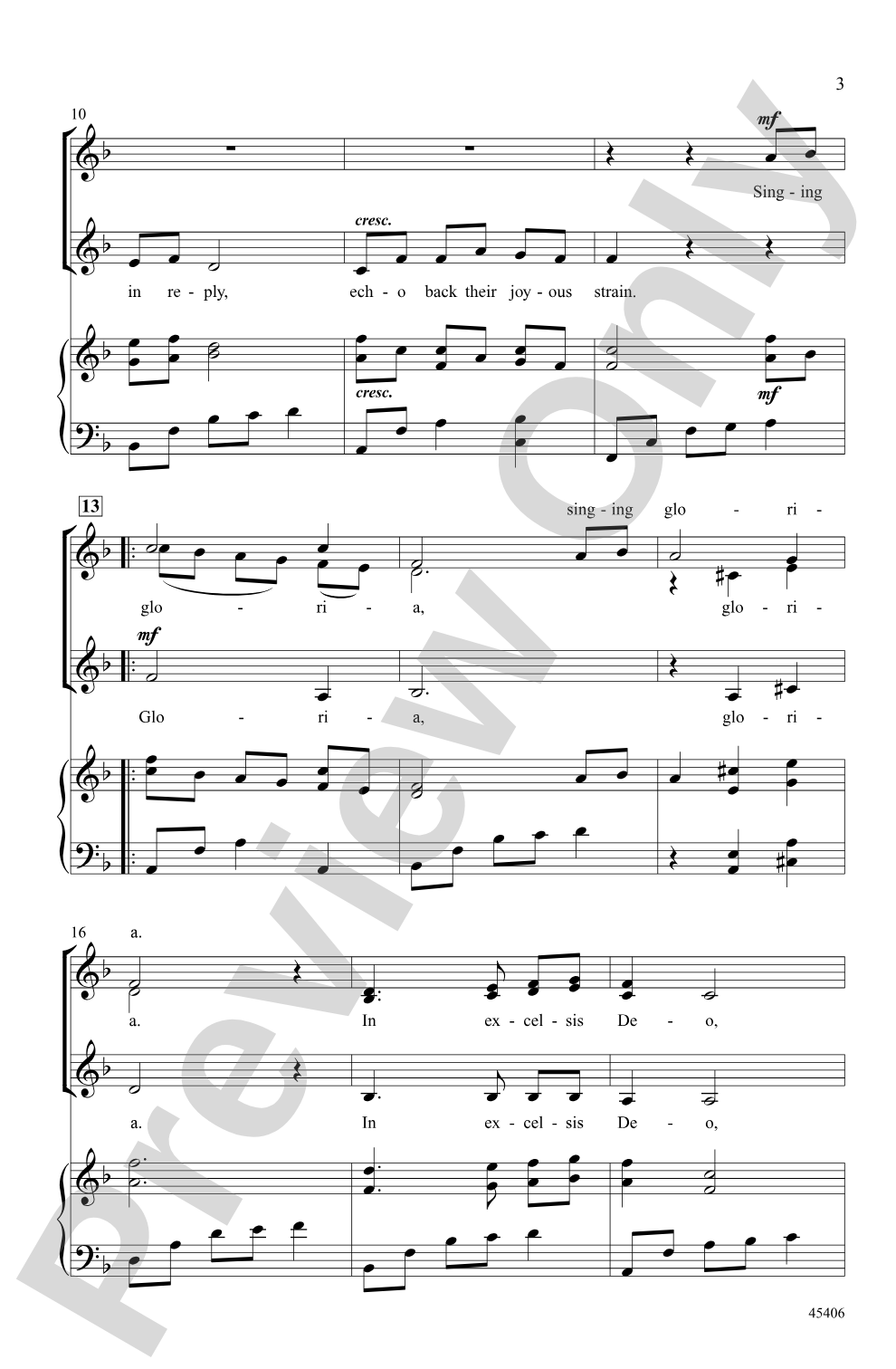

A Night of Angels: SSA Choral Octavo
Angels We Have Heard on High / Silent Night
Traditional Carols / arr., with additional words and music, by Ruth Morris Gray
Item: 00-PO-0003652
$1.90
Minimum order quantity: 20 copies
Pickup currently not available
Related Items
A Night of Angels: SATB Choral Octavo |
$1.90
|
View | |
A Night of Angels: SAB Choral Octavo |
$1.90
|
View | |
A Night of Angels: SoundTrax Digital Audio Download |
$27.99
|
View | |
A Night of Angels: SATB Choral Octavo |
$1.90
|
View | |
A Night of Angels: SAB Choral Octavo |
$1.90
|
View | |
A Night of Angels: SSA Choral Octavo |
$1.90
|
View | |
A Night of Angels: Choral Octavo SoundTrax CD |
$27.99
|
View |
Description
Here's a gorgeous setting of the text from "Angels We Have Heard on High" that includes a beautifully arranged verse of "Silent Night." Featuring long legato lines, expressive phrasing, and warm choral writing, this ethereal piece ignites musicality.


A Night of Angels: SSA Choral Octavo isn't in MakeMusic Cloud just yet...but it could be. Let us know you'd like to see it, and you'll help shape what comes next. In the meantime, start a free trial and dive into thousands of interactive titles your students can play along with today.
Request This Title
Tell us you want it.
Start Your Free Trial
Explore everything that's ready to play right now.
Sample Audio
1
Audio File
--:--
0:00
0:00
Sample Video
No sample videos found.
Additional Details
Series:
Alfred Choral Designs
Publisher:
Alfred Music
Page Count:
12
SKU:
00-PO-0003652
More about this title
About the Arranger: Ruth Morris Gray
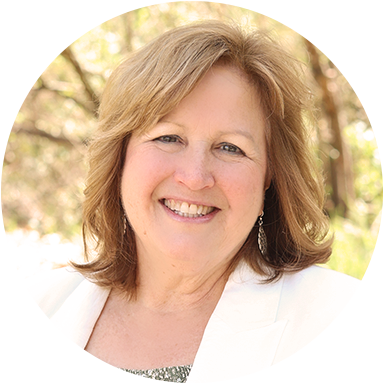
Ruth Morris Gray serves as Director of Choirs at Rosemead High School in California, where she has shaped the choral program since 2004. She holds a Bachelor of Music in Piano Performance and Composition from Biola University and a Master of Arts in Music Composition from UC Santa Barbara, credentials that inform her distinctive approach to arranging.
With over 100 published choral compositions to her name, Gray brings both compositional sophistication and classroom experience to her work. Beyond her roles as composer, arranger, director, and performer, she is an active traveler and outdoor enthusiast who shares her passion for music and life with her husband, Douglas.
Why we love this
Gray's arrangement transforms two beloved Christmas texts into a unified, contemplative piece that feels fresh without losing reverence. The combination of legato writing and expressive phrasing creates an arrangement that sounds far more ambitious than its 12 pages suggest, making it genuinely rewarding for singers to inhabit.
What to expect
The piece unfolds with the grace of a winter evening. Long, warm vocal lines create an atmosphere of stillness and reflection, while the interweaving of two sacred texts feels like a gentle conversation rather than a medley. The orchestration supports without overwhelming, letting the voices shine with clarity and emotional depth.
Who it's for
This octavo suits intermediate to advanced SSA or SSAA choirs seeking a sophisticated yet accessible Christmas selection. Directors programming holiday concerts will find it bridges the gap between familiar carol and original choral composition, appealing to singers who want musicality without excessive technical demands.
How to get the most out of it
- Shape the long legato lines with subtle dynamic swells rather than flat sustain; this keeps the ethereal quality alive across phrases and prevents the SSA voicing from sounding thin.
- Balance the transition between the "Angels We Have Heard on High" material and the "Silent Night" verse by treating them as distinct emotional moments; let the shift in text and melody guide your phrasing naturally.
- Use the recorded accompaniment to lock your ensemble's phrasing together, especially during moments where the vocal lines sustain over harmonic movement.
- Pay attention to breath placement within legato passages; mark breaths where the text and musical phrase suggest them, not arbitrarily, to preserve the flowing quality.
How to use it
Place this near the close of a holiday concert, where its introspective character can serve as a moment of repose before a final, more energetic selection. It also works beautifully as the centerpiece of a small sacred concert or a service of lessons and carols, where the blend of two beloved traditions resonates with both singers and audience.
Skills your students will build
- Sustaining long legato lines across multiple phrases
- Singing expressive phrasing with dynamic control in SSA voicing
- Navigating harmonic changes while maintaining vocal independence
- Blending three-part or four-part texture with tonal unity