
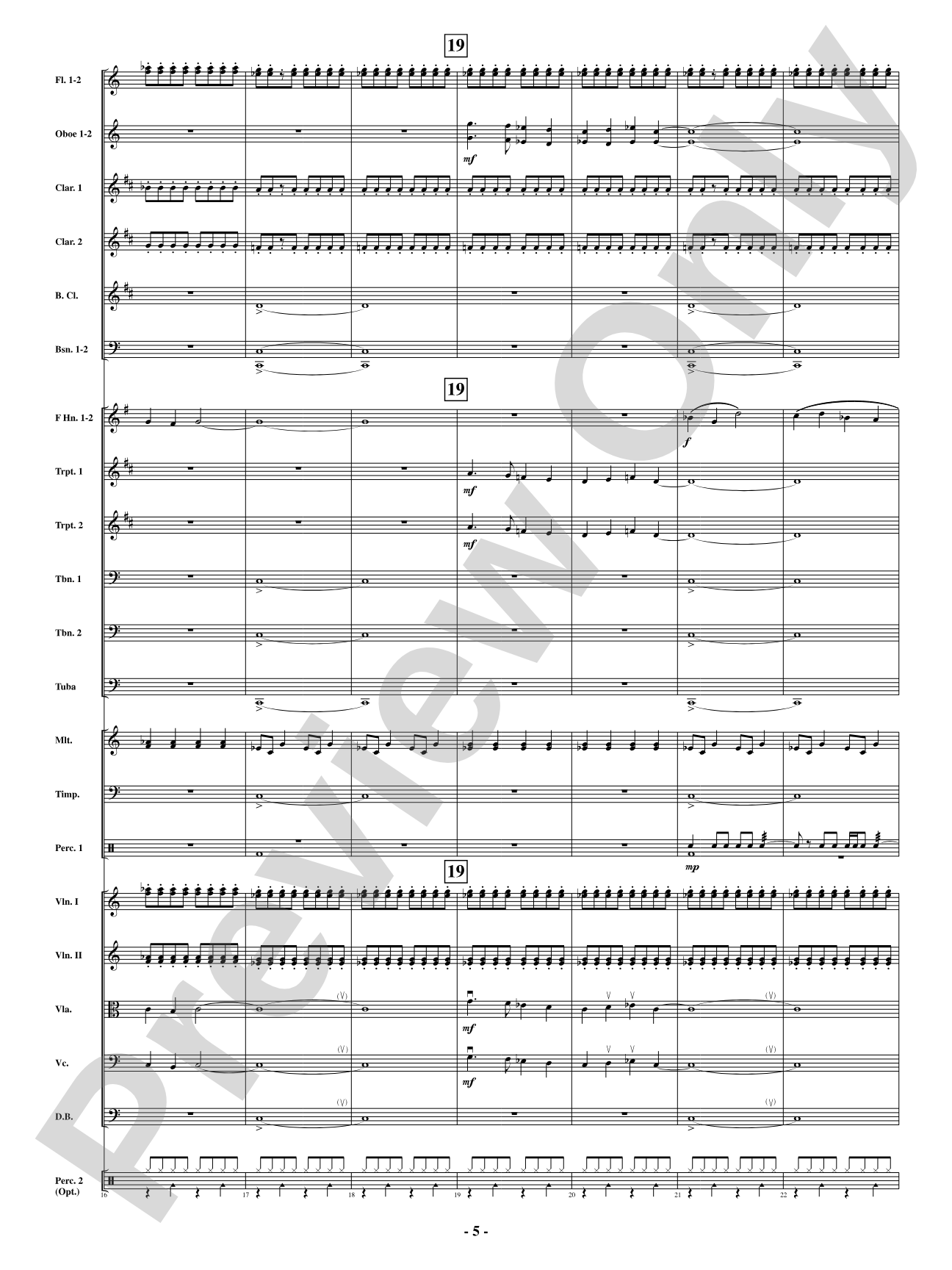
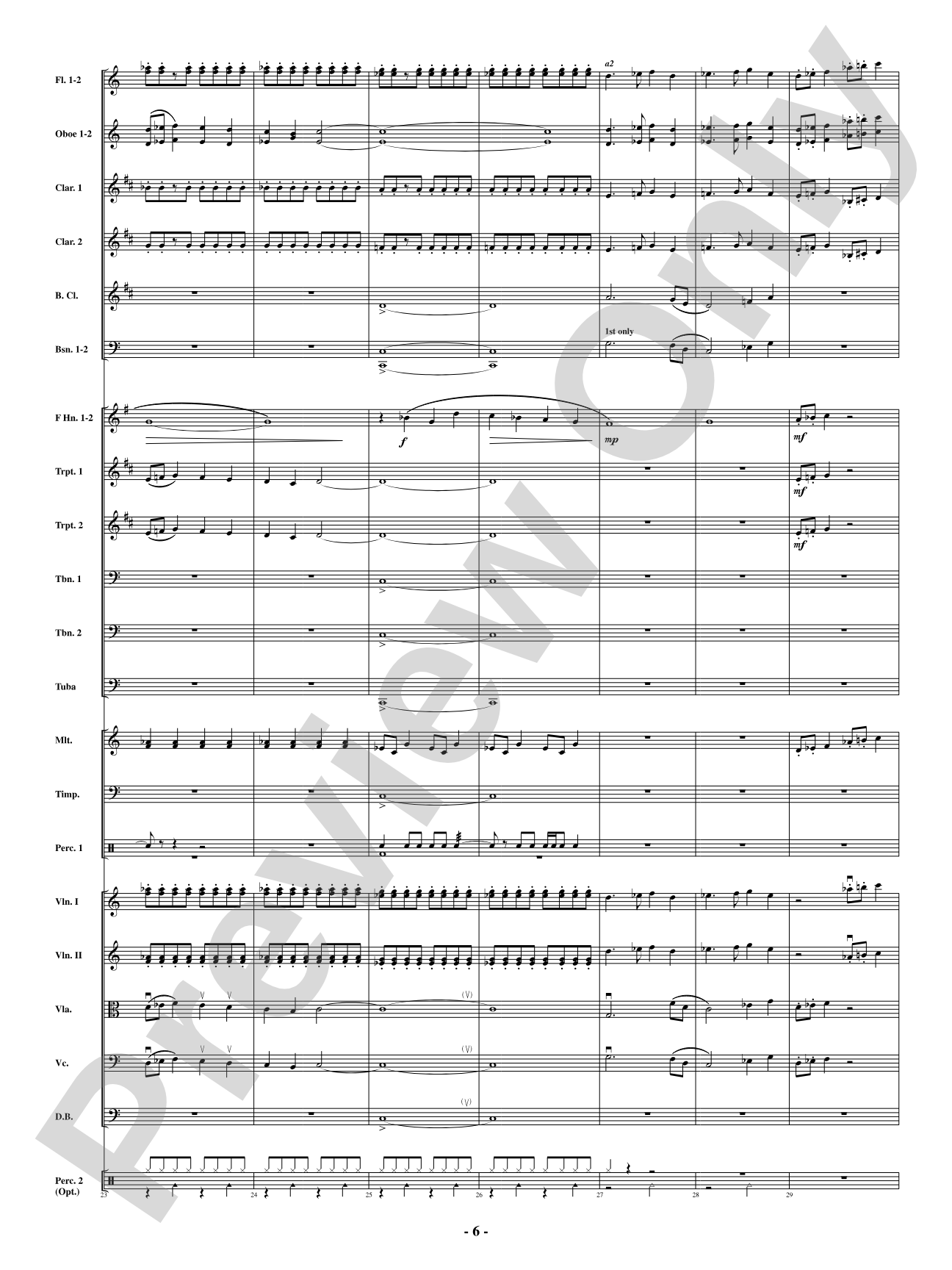
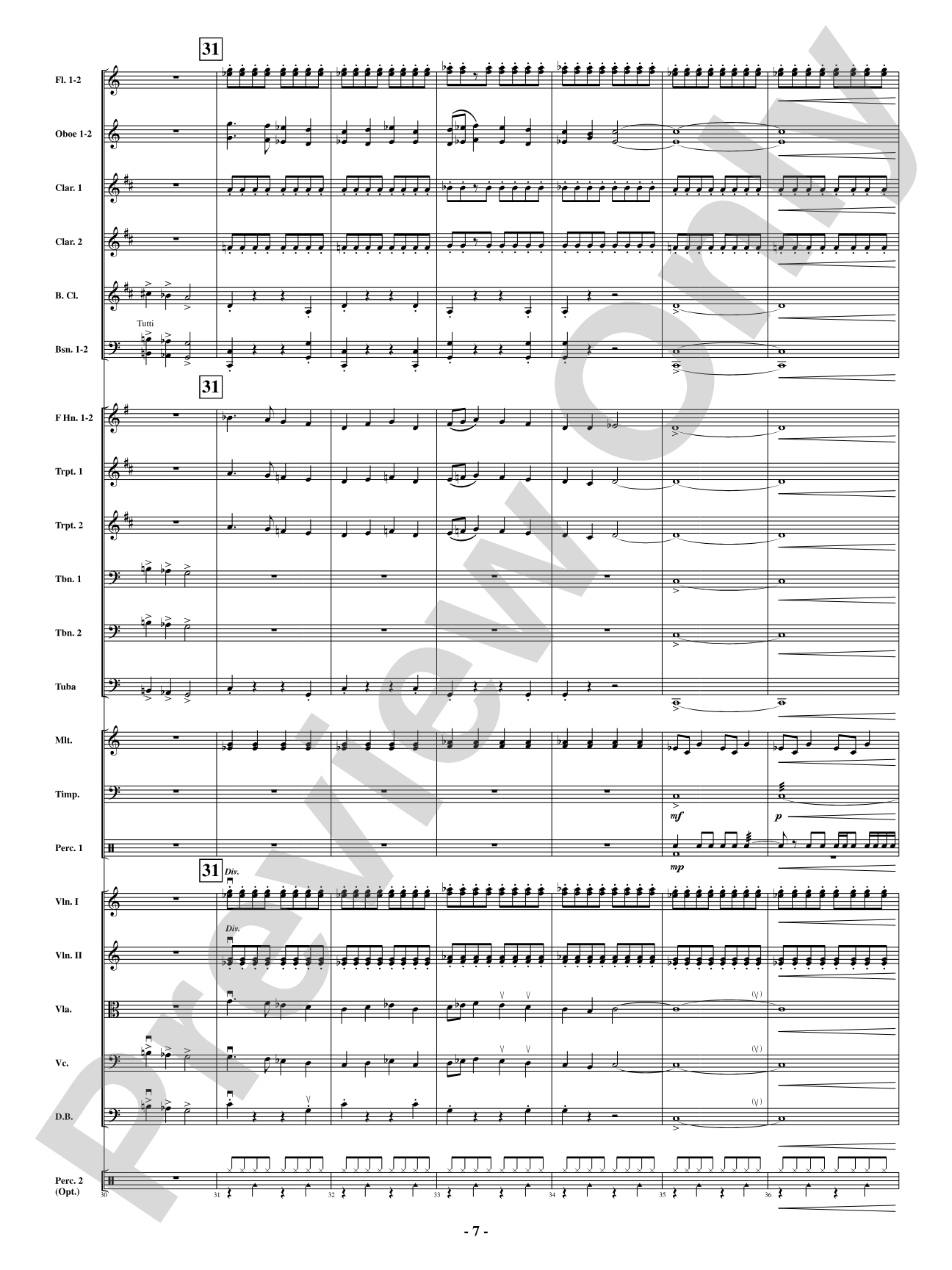
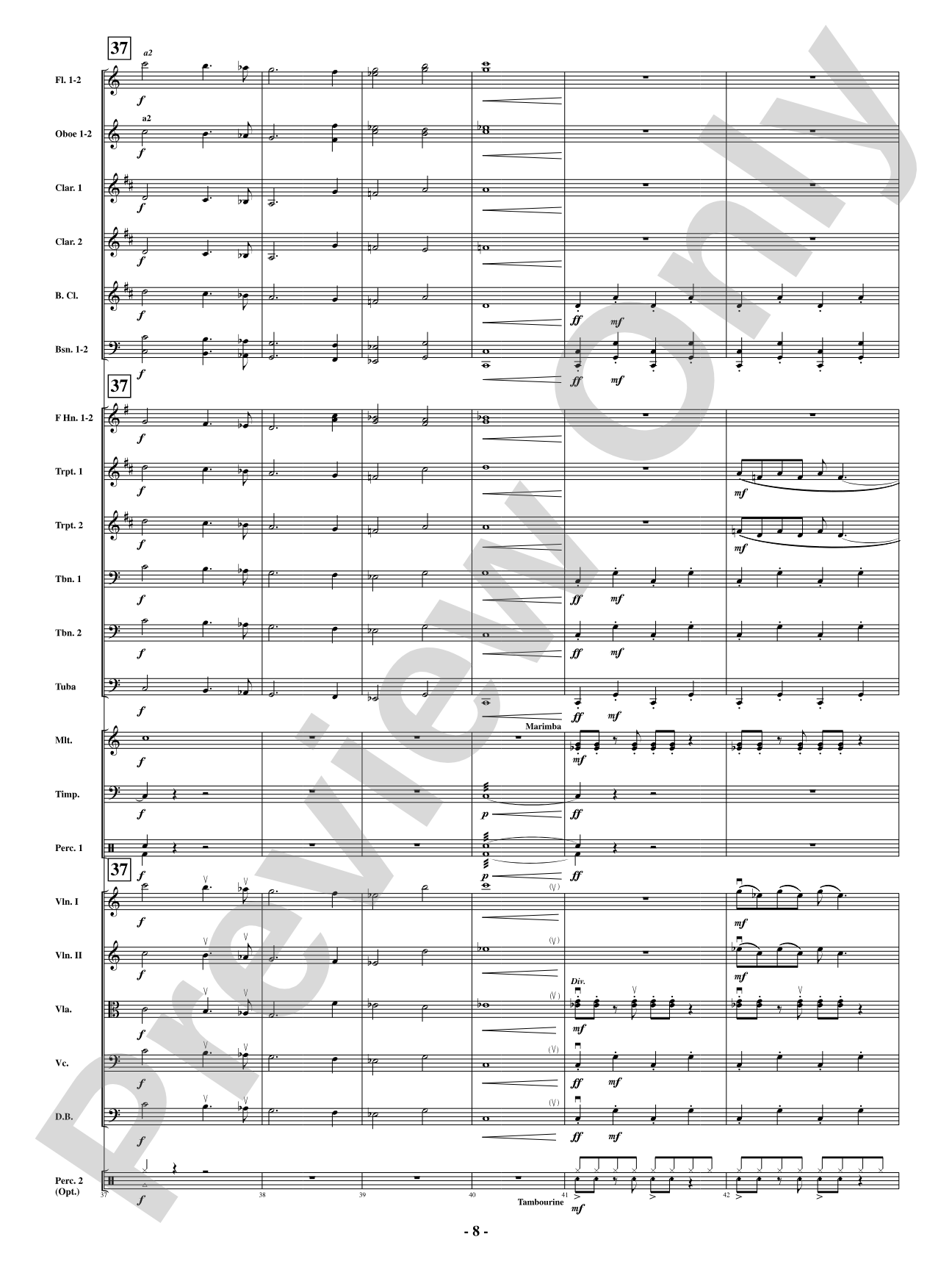
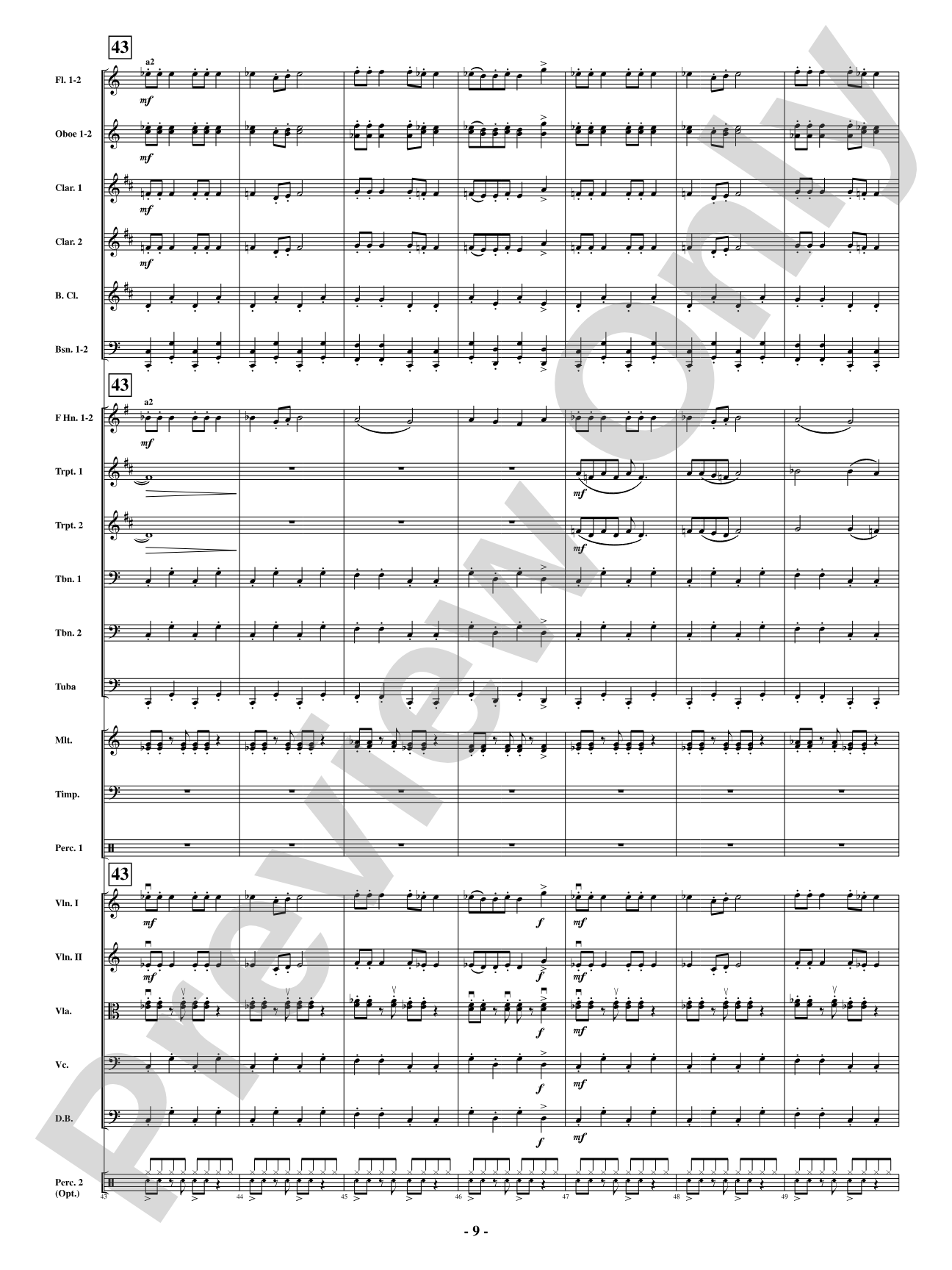
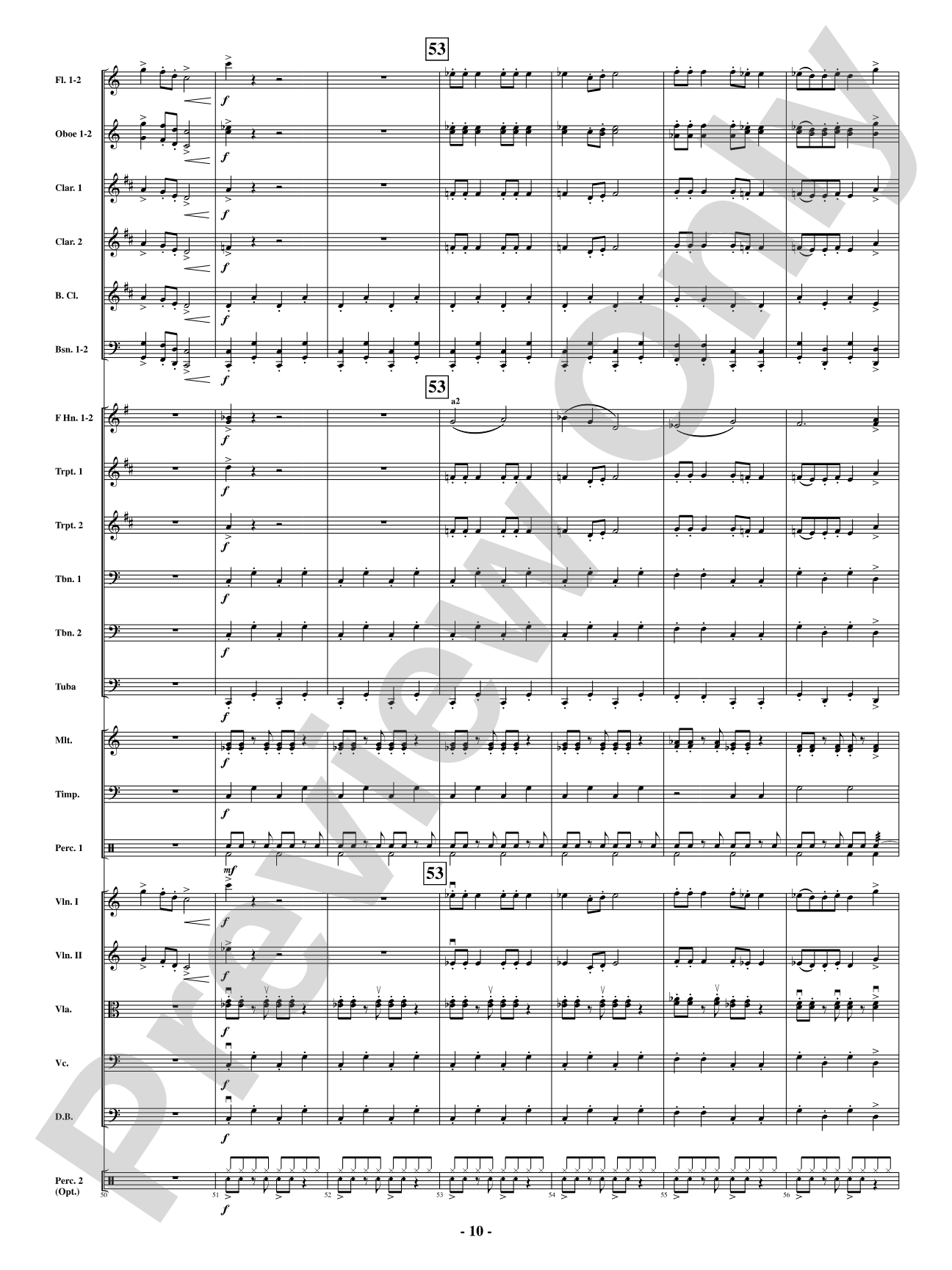
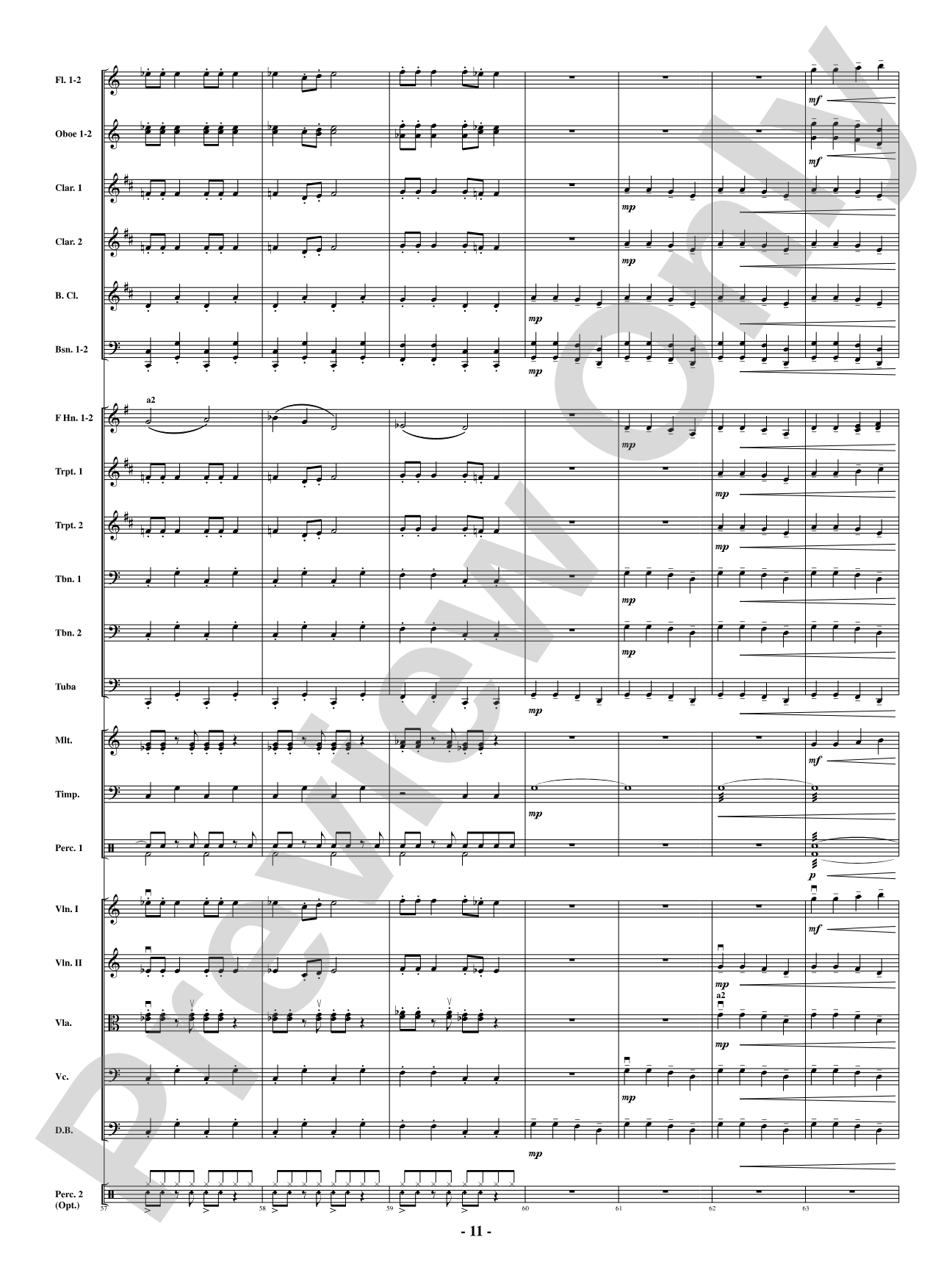
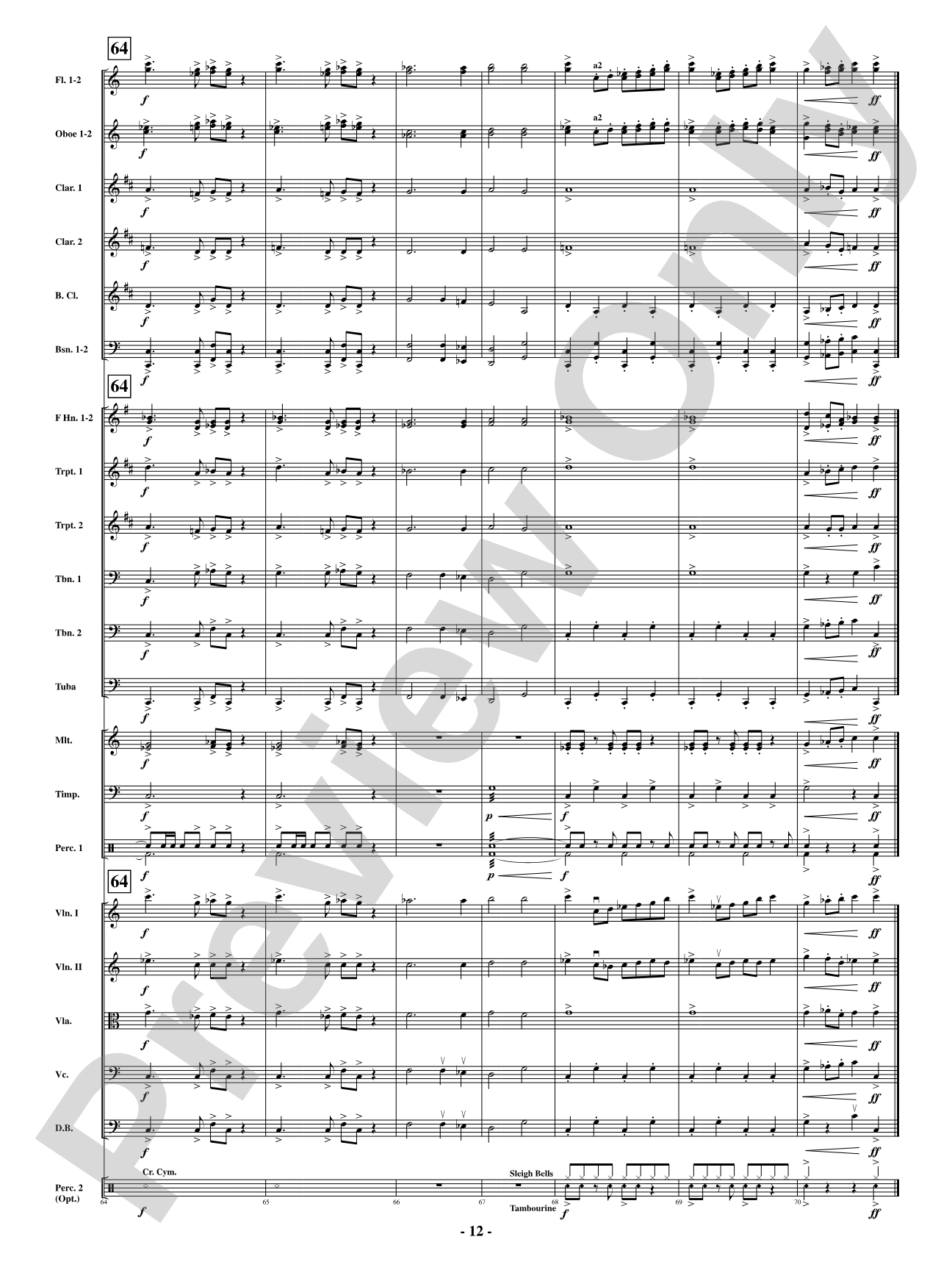




A Minor Holiday Celebration: Full Orchestra Conductor Score & Parts
Arranged by Robert W. Smith
Grade: 2.5
Item: 98-PK-RWS2385
$80.00
Pickup currently not available
Buy Extra Parts (Digital PDF Download)
Parts Added to Cart!
Related Items
A Minor Holiday Celebration: Concert Band Conductor Score & Parts |
$65.00
|
View | |
A Minor Holiday Celebration - For String Orchestra: String Orchestra Conductor Score & Parts |
$60.00
|
View | |
A Minor Holiday Celebration: Concert Band Conductor Score & Parts |
$65.00
|
View | |
A Minor Holiday Celebration: Concert Band Conductor Score |
$10.00
|
View | |
A Minor Holiday Celebration: Full Orchestra Conductor Score & Parts |
$80.00
|
View | |
A Minor Holiday Celebration: Full Orchestra Conductor Score |
$10.00
|
View | |
A Minor Holiday Celebration: String Orchestra Conductor Score & Parts |
$60.00
|
View | |
A Minor Holiday Celebration: String Orchestra Conductor Score |
$10.00
|
View |
Description
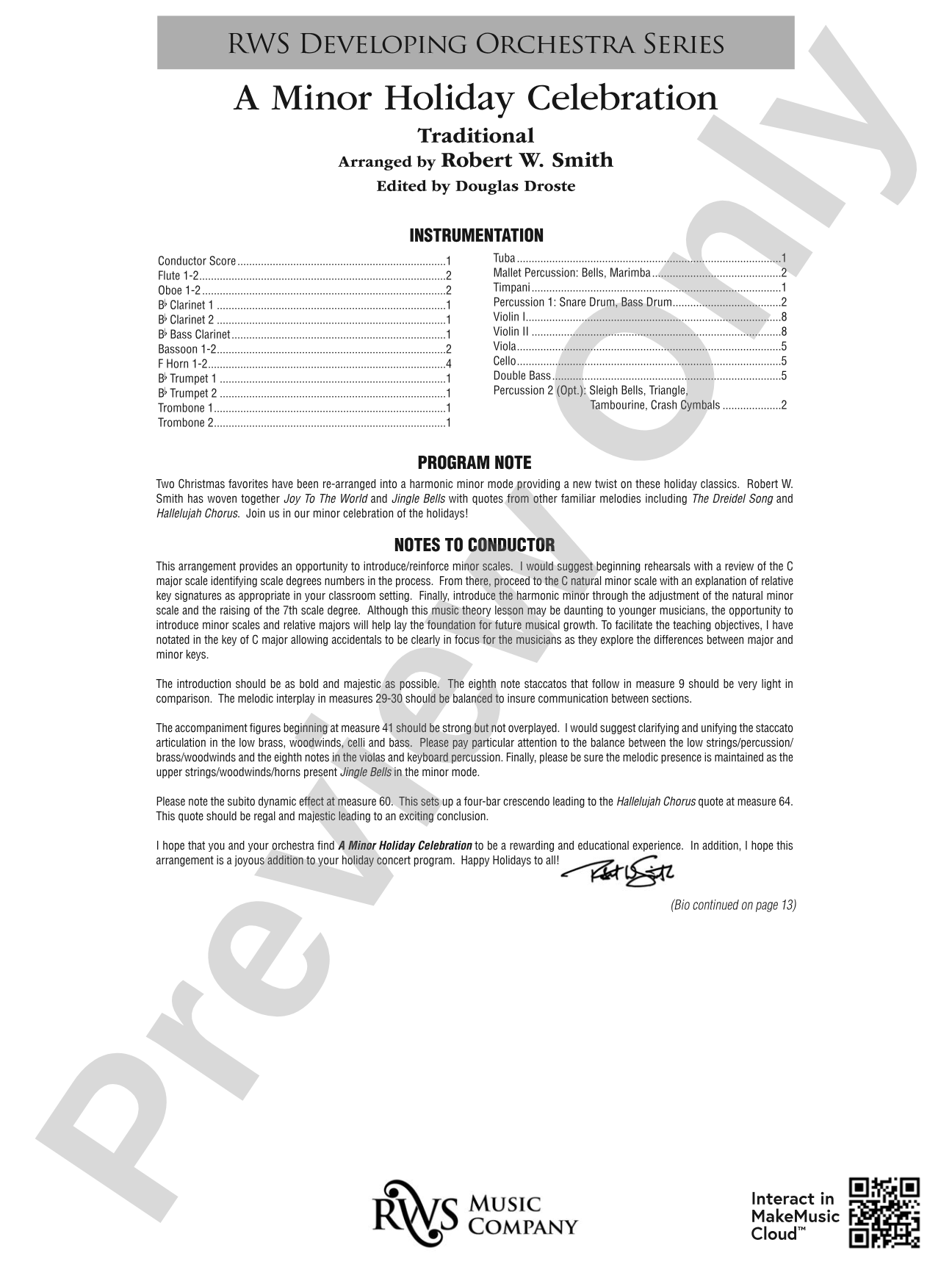
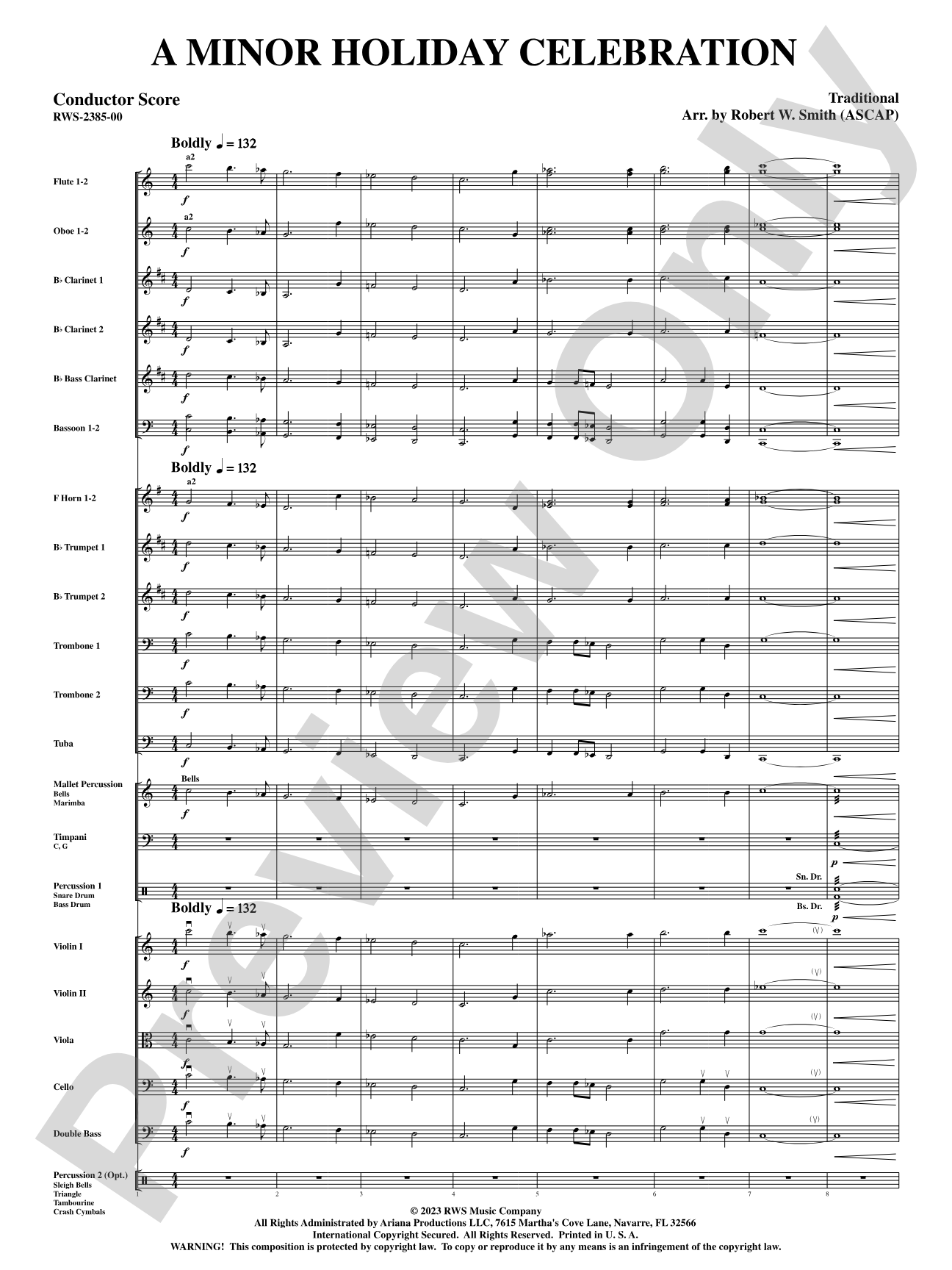
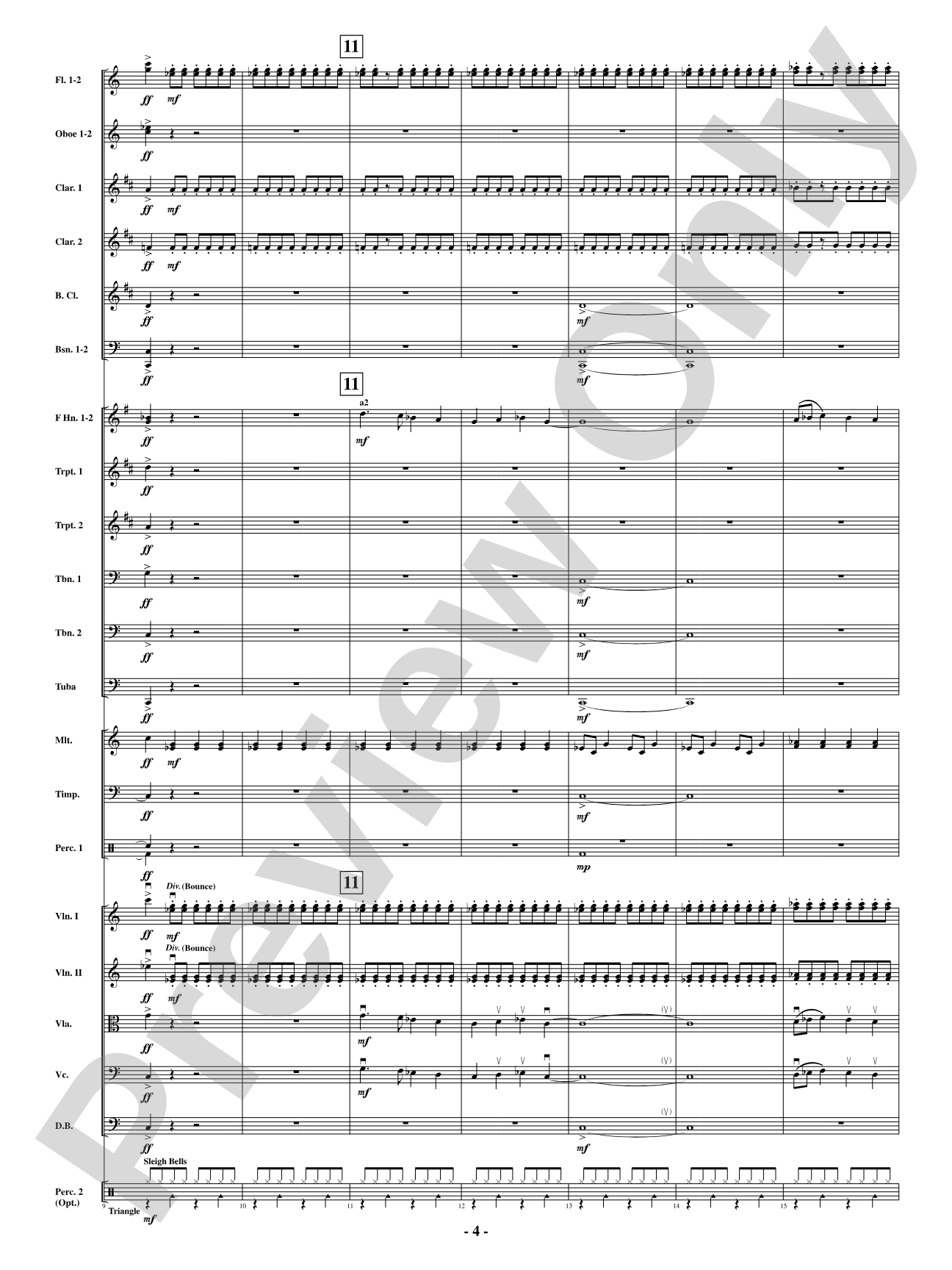
Two Christmas classics have been masterfully re-arranged into a harmonic minor mode providing a new twist on these holiday favorites. Robert W. Smith has woven together "Joy To The World," "Deck The Halls" and "Jingle Bells" with quotes from other familiar melodies including "The Dreidel Song" and "Hallelujah Chorus." A welcome addition to the holiday repertoire for developing orchestra.
Original Item#: RWS-2385-00


Original Item#: RWS-2385-00
Discover MakeMusic Cloud: thousands of interactive titles your students can play along with today.
Sample Audio
1
Audio File
--:--
0:00
0:00
Sample Video
No sample videos found.
Additional Details
Series:
RWS - Developing Orchestra
Publisher:
RWS Music Company
SKU:
98-PK-RWS2385
More about this title
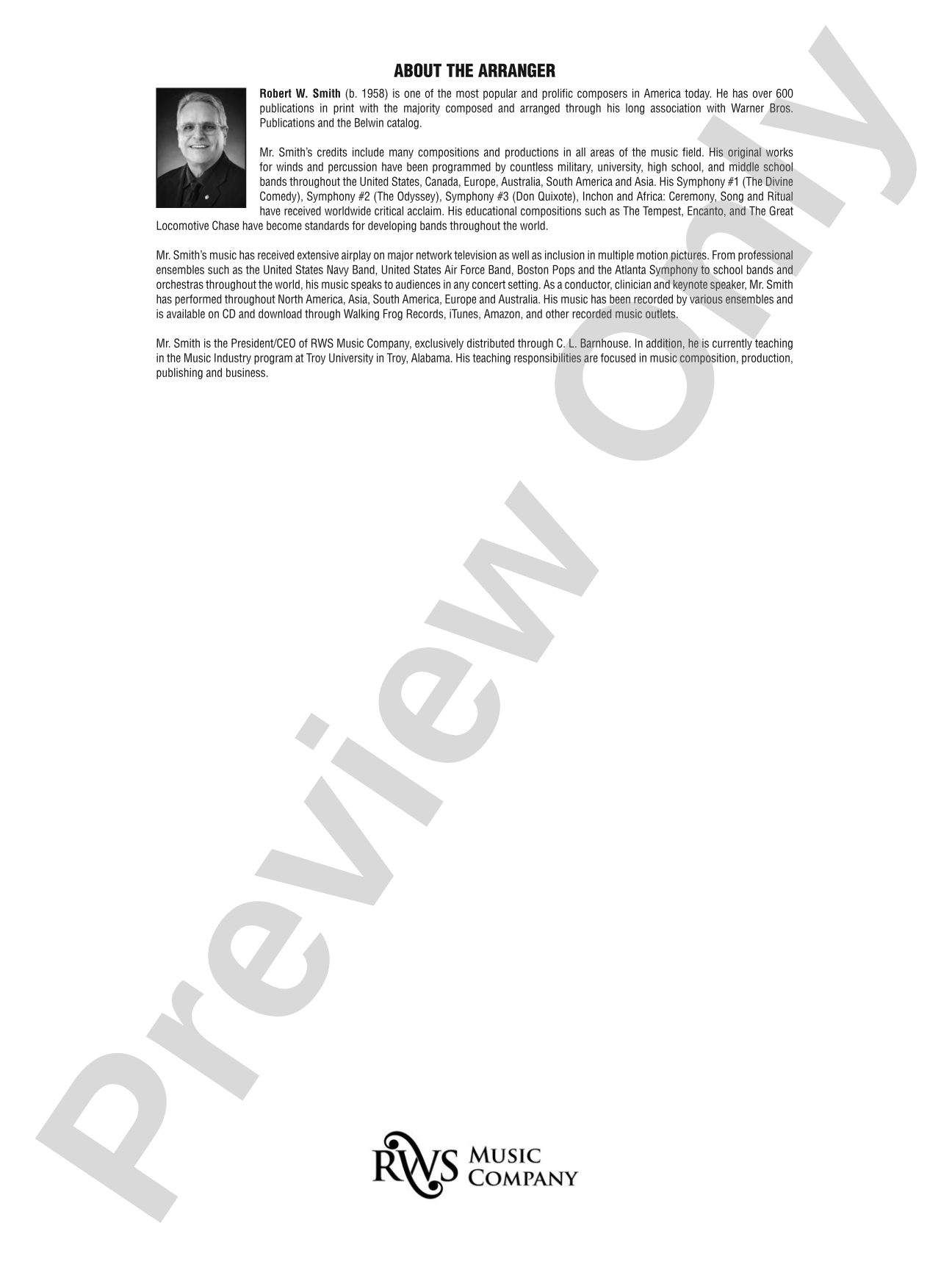
About the Arranger: Robert W. Smith

Robert W. Smith has established himself as a leading voice in American orchestral and concert band composition, with more than 400 published works to his name. A graduate of Troy State University and the University of Miami, Smith has built a career marked by both original compositions and skillfully crafted arrangements that speak to developing ensembles and advanced musicians alike. His symphonic works, including The Divine Comedy and The Odyssey, have traveled to concert halls across North America, Europe, Australia, and Asia, earning respect from both performers and audiences.
Beyond the concert hall, Smith's music has appeared in television broadcasts, Olympic ceremonies, and signature American events ranging from the Macy's Thanksgiving Day Parade to Opening Day at Dodger Stadium. As a conductor and clinician, he has worked with ensembles throughout the United States, Canada, Japan, Australia, and Europe, bringing both compositional insight and practical knowledge of how music functions in performance. His catalog demonstrates a gift for accessibility without compromising musical substance, making him a trusted name for educators seeking repertoire that challenges growing musicians.
Why we love this
Smith approaches these familiar carols with real imagination, transforming them through harmonic minor tonality rather than simply transposing them down. The weaving of multiple melodies (including the unexpected Hallelujah Chorus) feels organic rather than cluttered, and the orchestration sits comfortably for Grade 2.5 ensembles without requiring virtuosic soloists. Holiday concerts need arranging work that sounds fresh without abandoning the tunes audiences recognize.
What to expect
The shift to minor mode creates a contemplative, almost mysterious quality that respects the spiritual roots of these carols while giving them contemporary edge. Hearing "Joy To The World" and "Deck The Halls" in a harmonic minor setting feels both familiar and slightly unsettling in the best way, as if you're encountering old friends in candlelight rather than fluorescent brightness. The embedded quotes add moments of warmth and recognition without losing the arrangement's unified harmonic language.
Who it's for
This arrangement serves conductors leading developing orchestras (middle school through early high school) who want holiday programming that moves beyond the predictable. It works equally well for community orchestras and youth ensembles seeking a single piece that can anchor a seasonal concert without demanding advanced technical facility from every section.
How to get the most out of it
- Balance the minor-key harmonies so they darken the melodies without muddying them; the novelty here is color, not obscurity.
- Give the quoted passages (particularly the Hallelujah nod) clear articulation so listeners catch the reference without it feeling tacked on.
- Shape the transitions between the three main carols as genuine modulations, not abrupt sectional breaks. Conductor preparation around these moments prevents the piece from feeling episodic.
- The developing orchestra level assumes some players are still building confidence, so mark entrances clearly and consider extra rehearsal time on any passages where the minor harmonization creates unfamiliar intervals.
How to use it
Program this as a thematic anchor for a winter concert, using it to frame lighter holiday fare or deeper seasonal works. The arrangement's sophistication makes it a bridge piece, sophisticated enough to show growth since September but accessible enough to demonstrate inclusive programming for an audience. Position it where the minor tonality won't feel out of place among other selections, or let it stand alone as a concert statement that recontextualizes the season.
Skills your students will build
- Reading and performing in harmonic minor tonality
- Tracking thematic material across multiple instrumental lines simultaneously
- Responding to subtle harmonic color shifts within a single piece
- Balancing intonation in minor-key progressions that may feel less intuitive than major-key playing
- Maintaining rhythmic precision through sectional transitions and key areas