
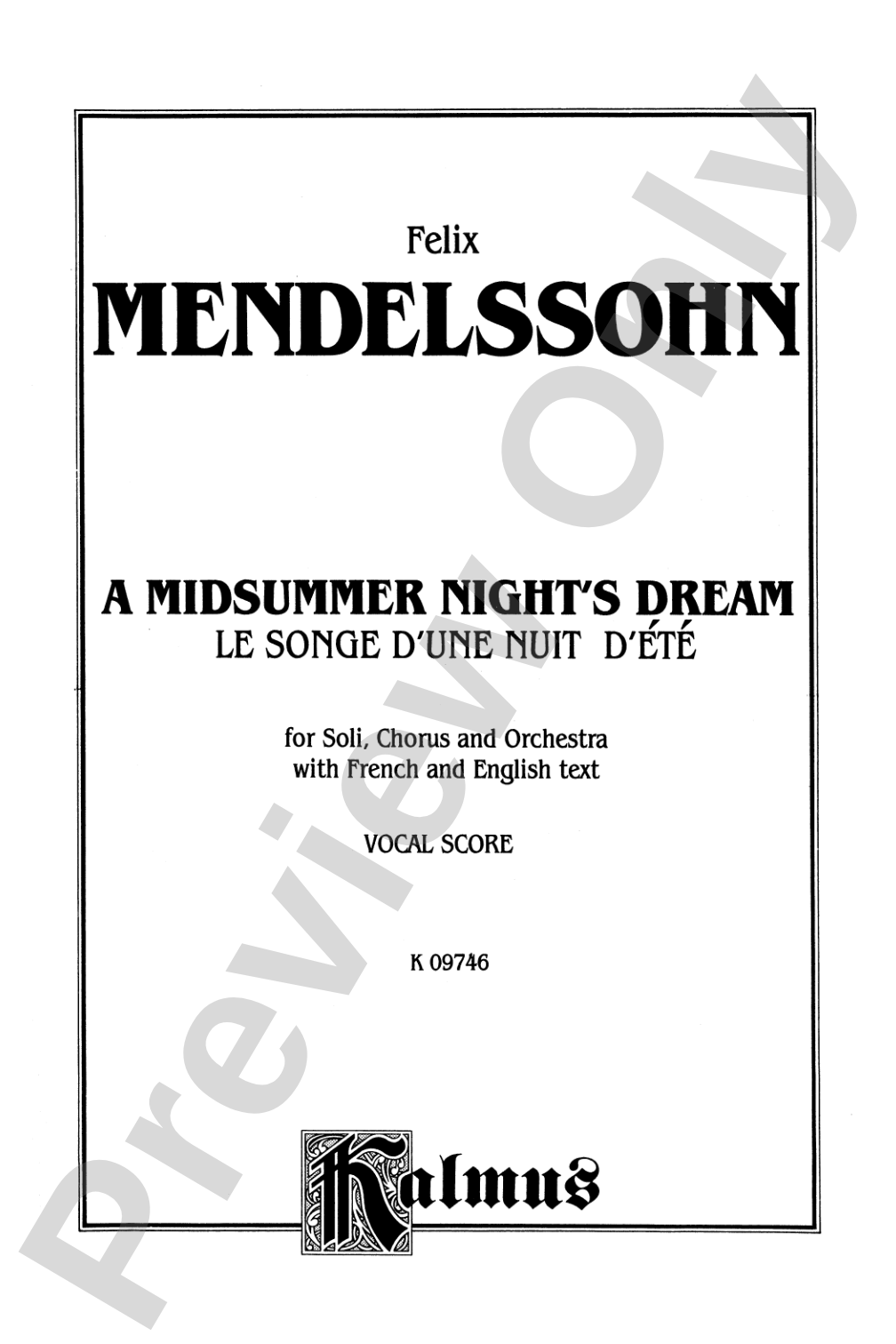

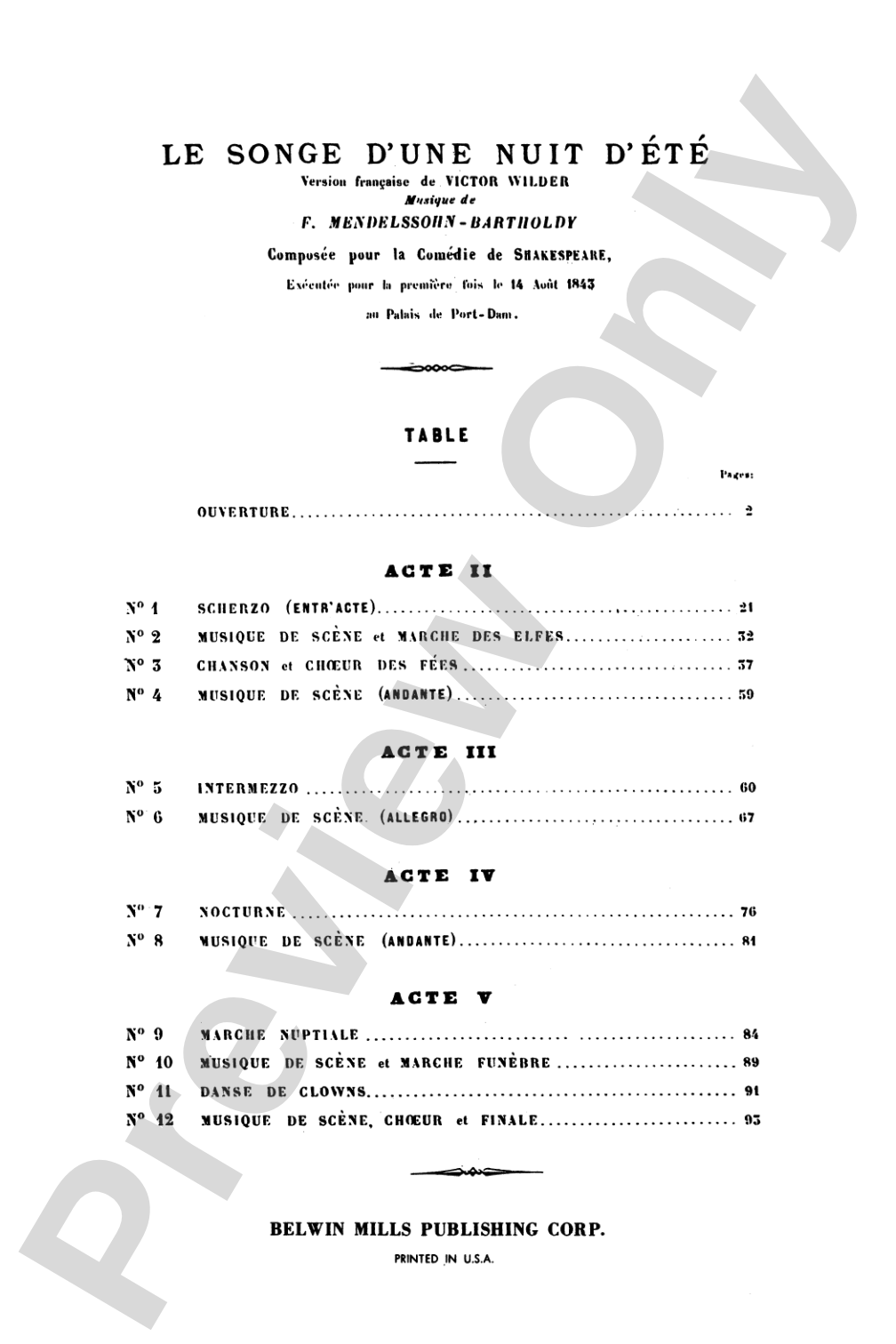
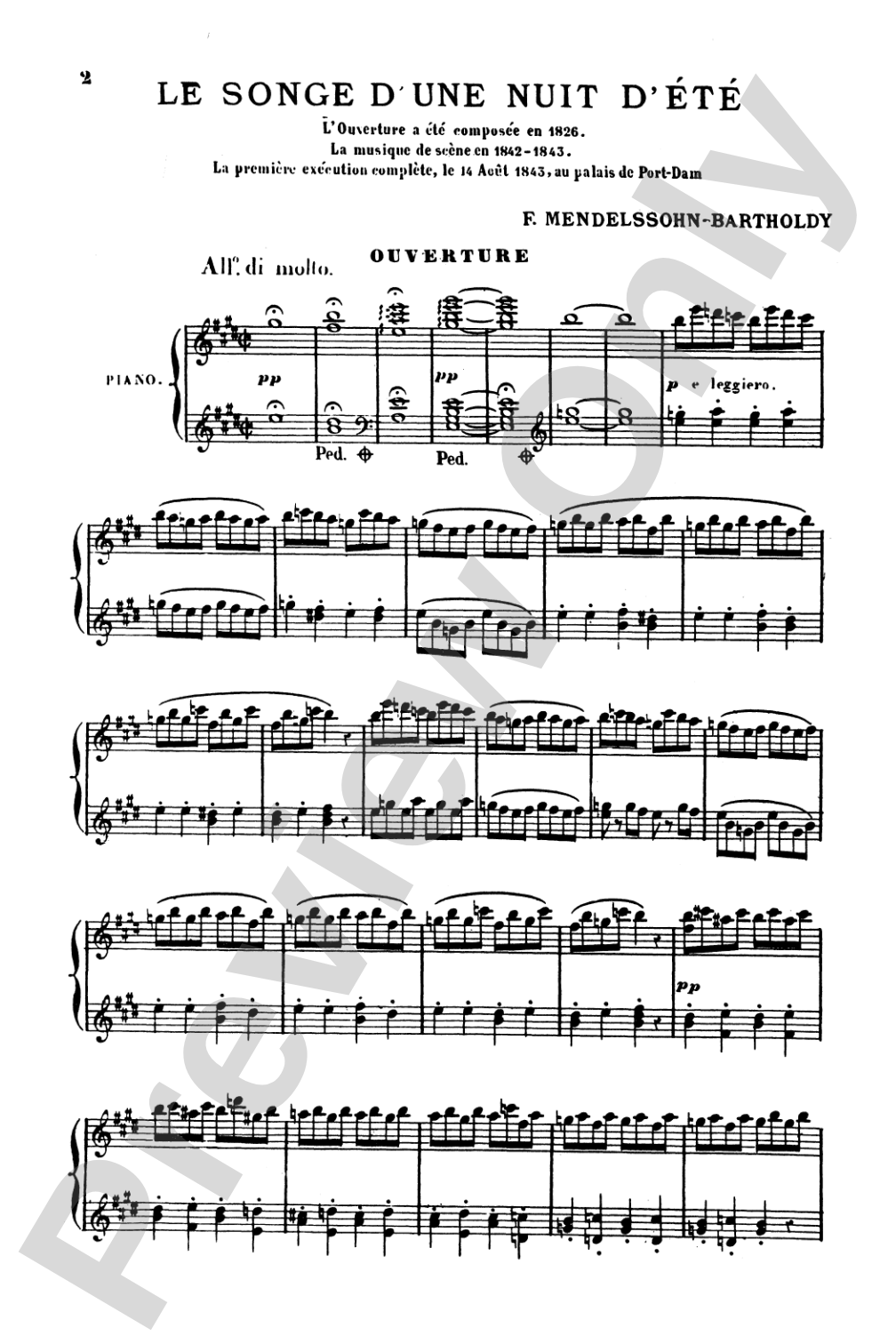
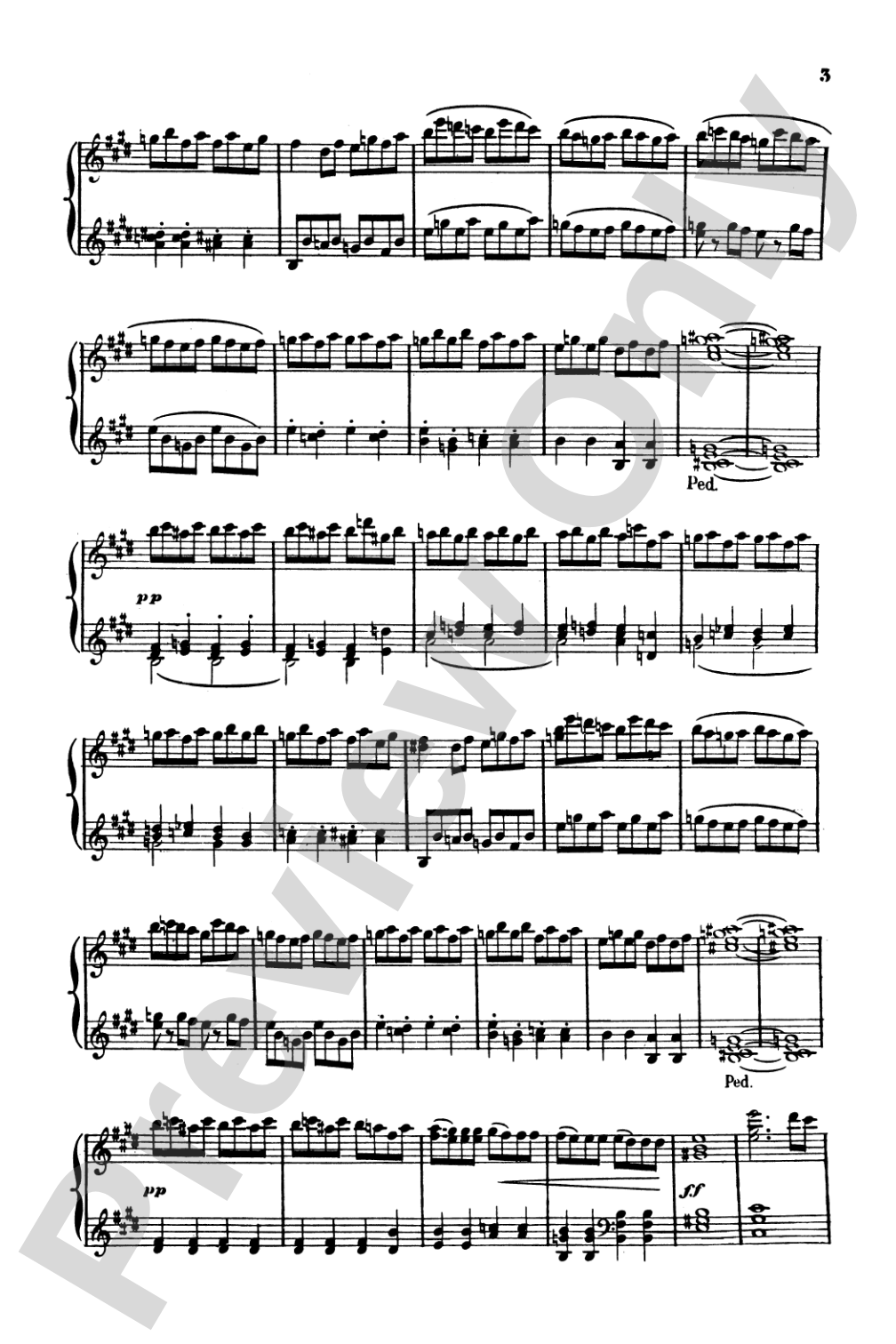
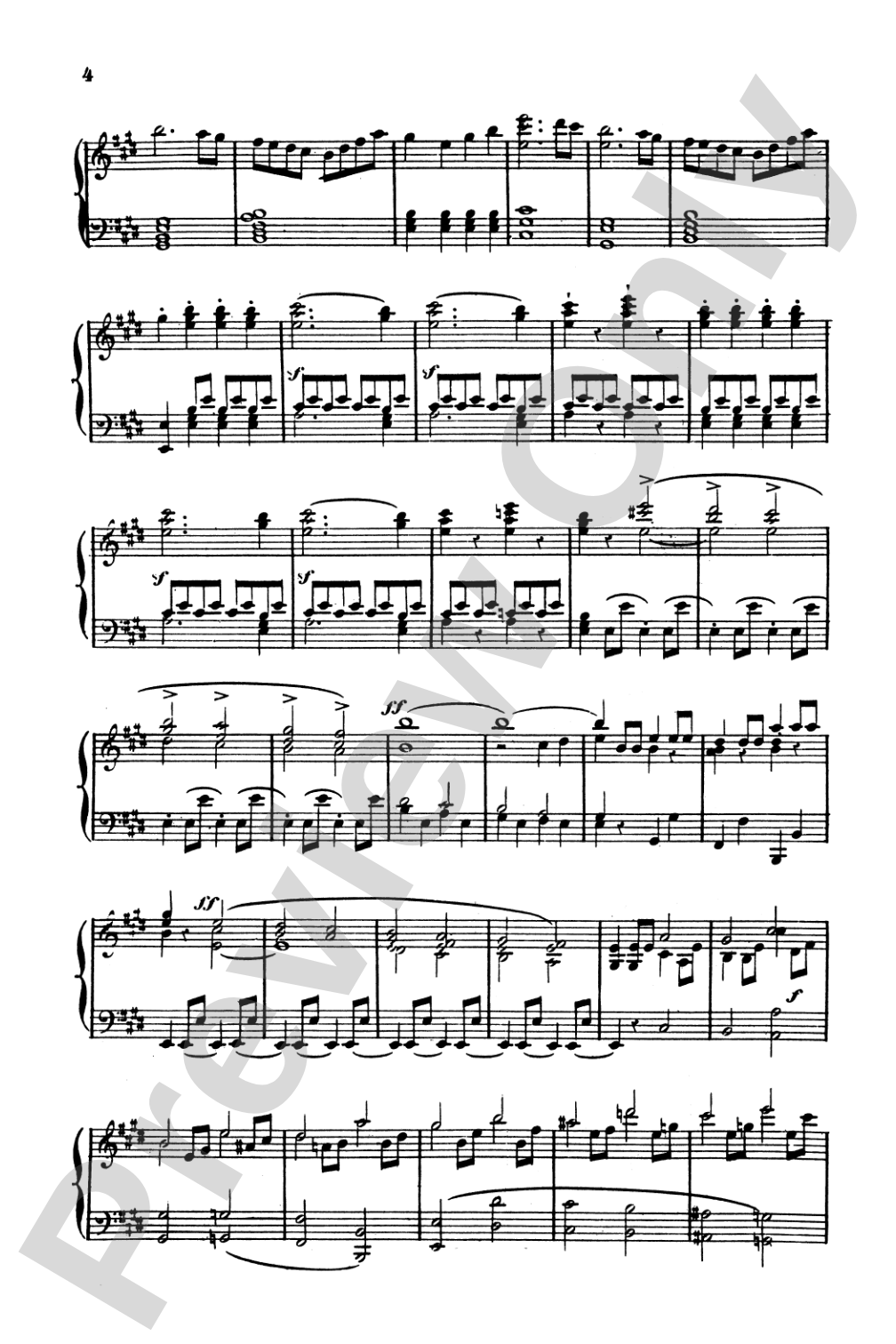
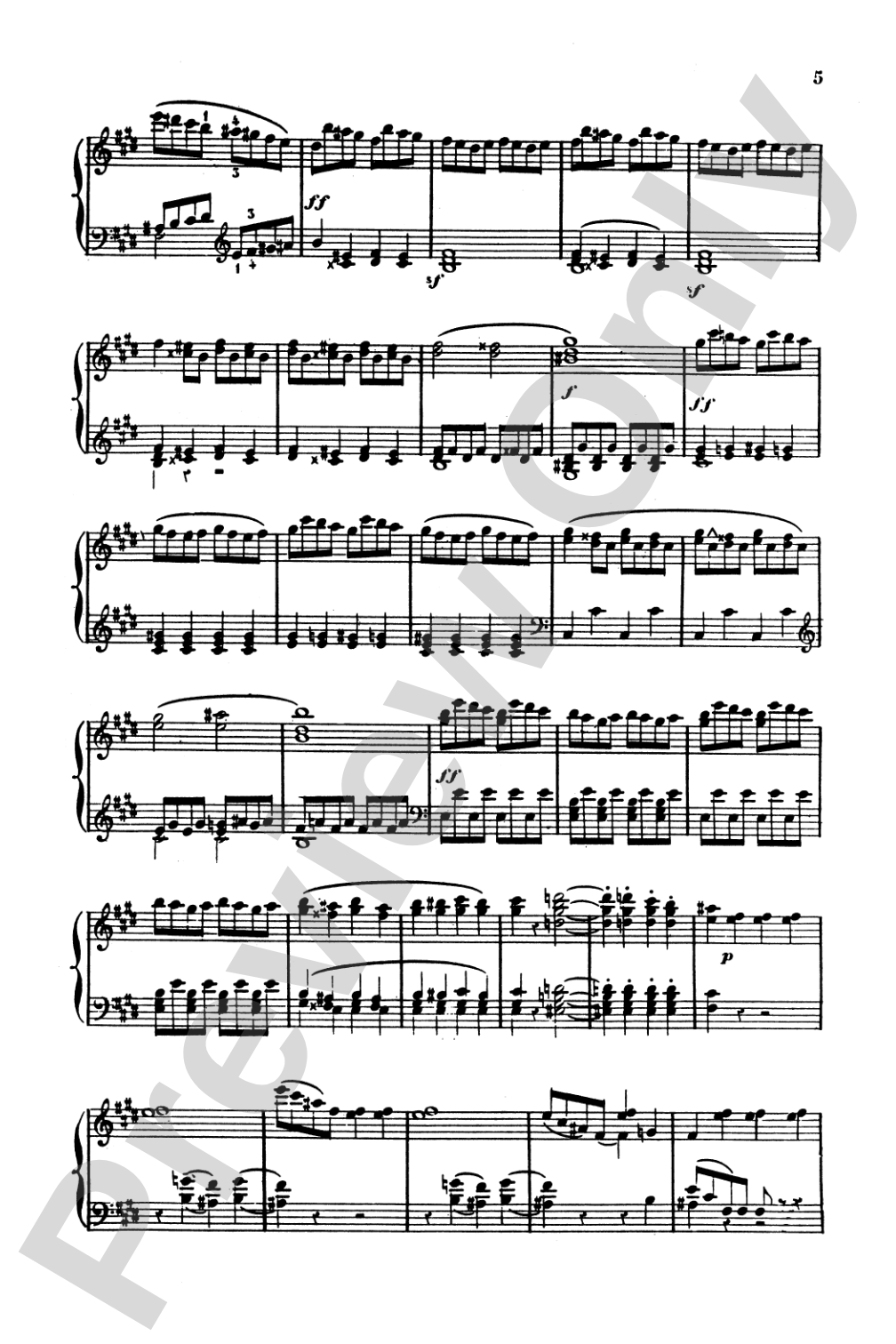
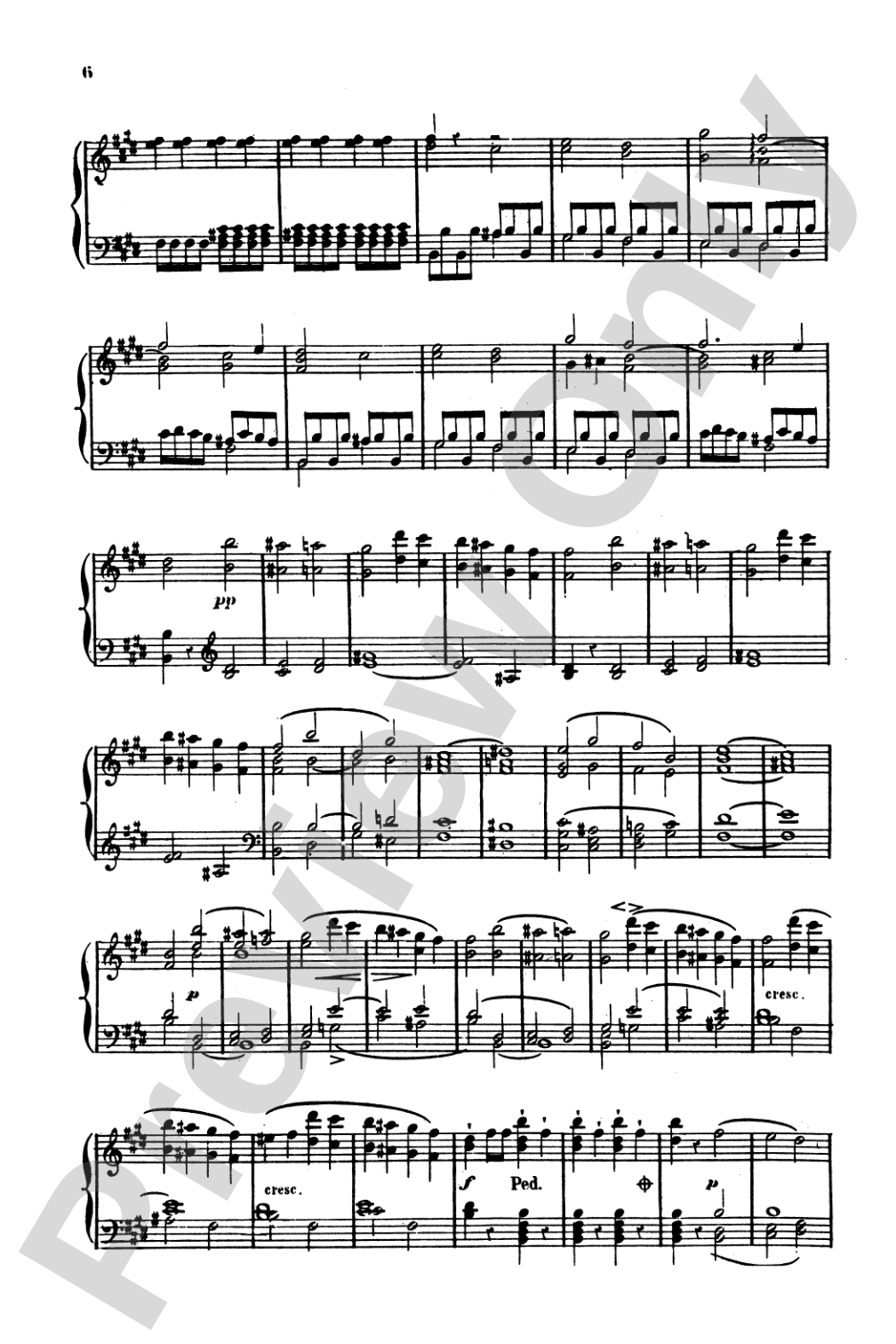
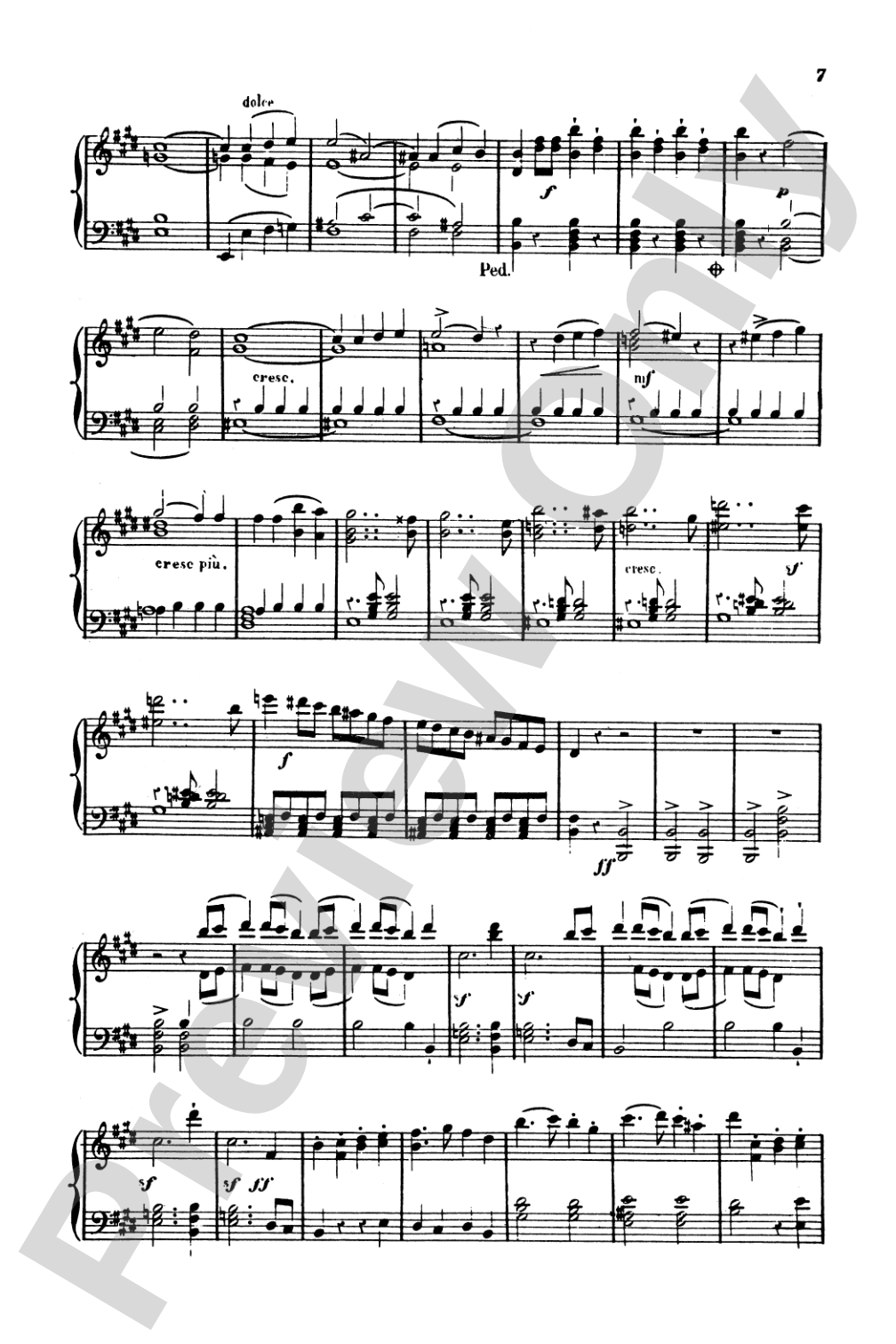
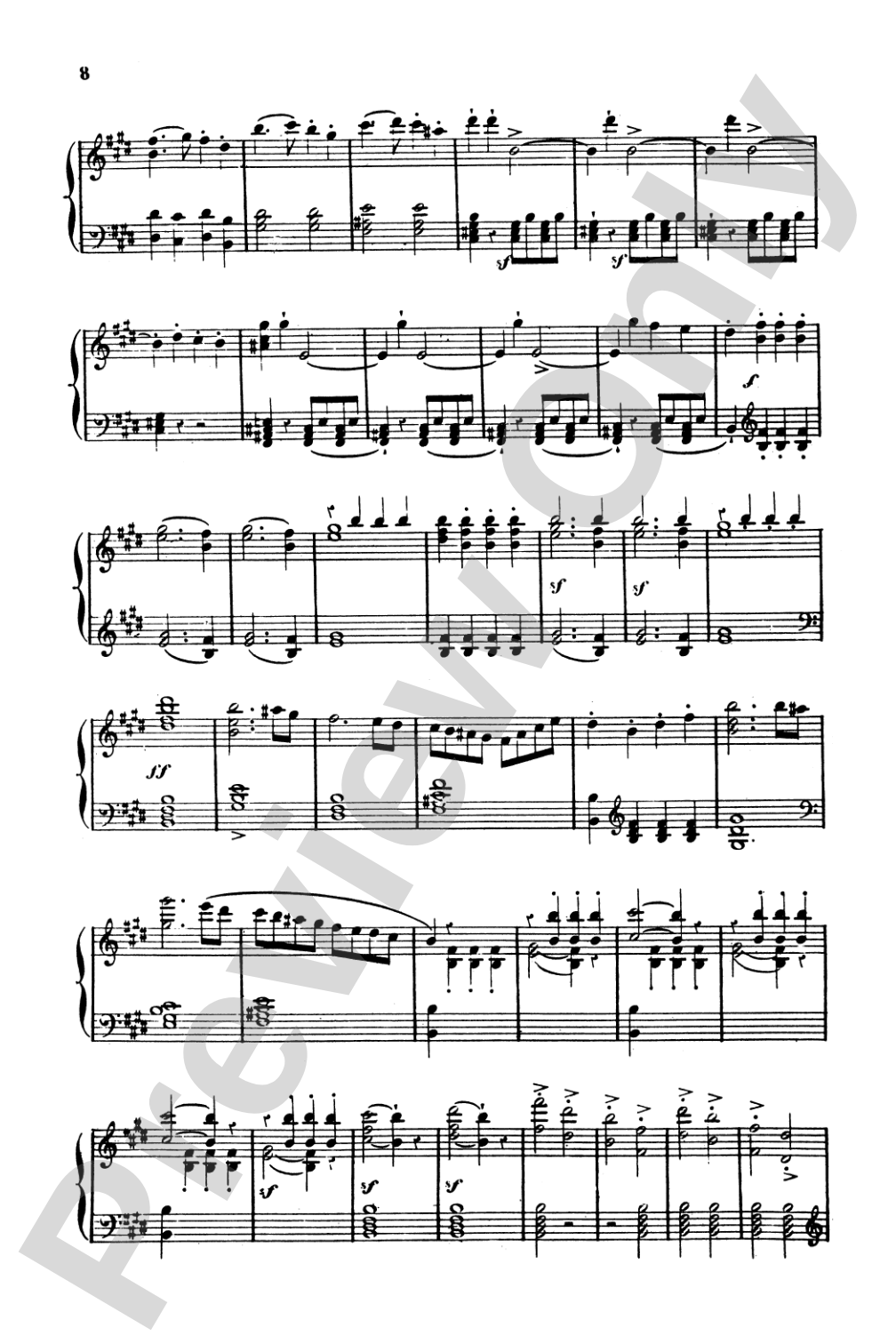
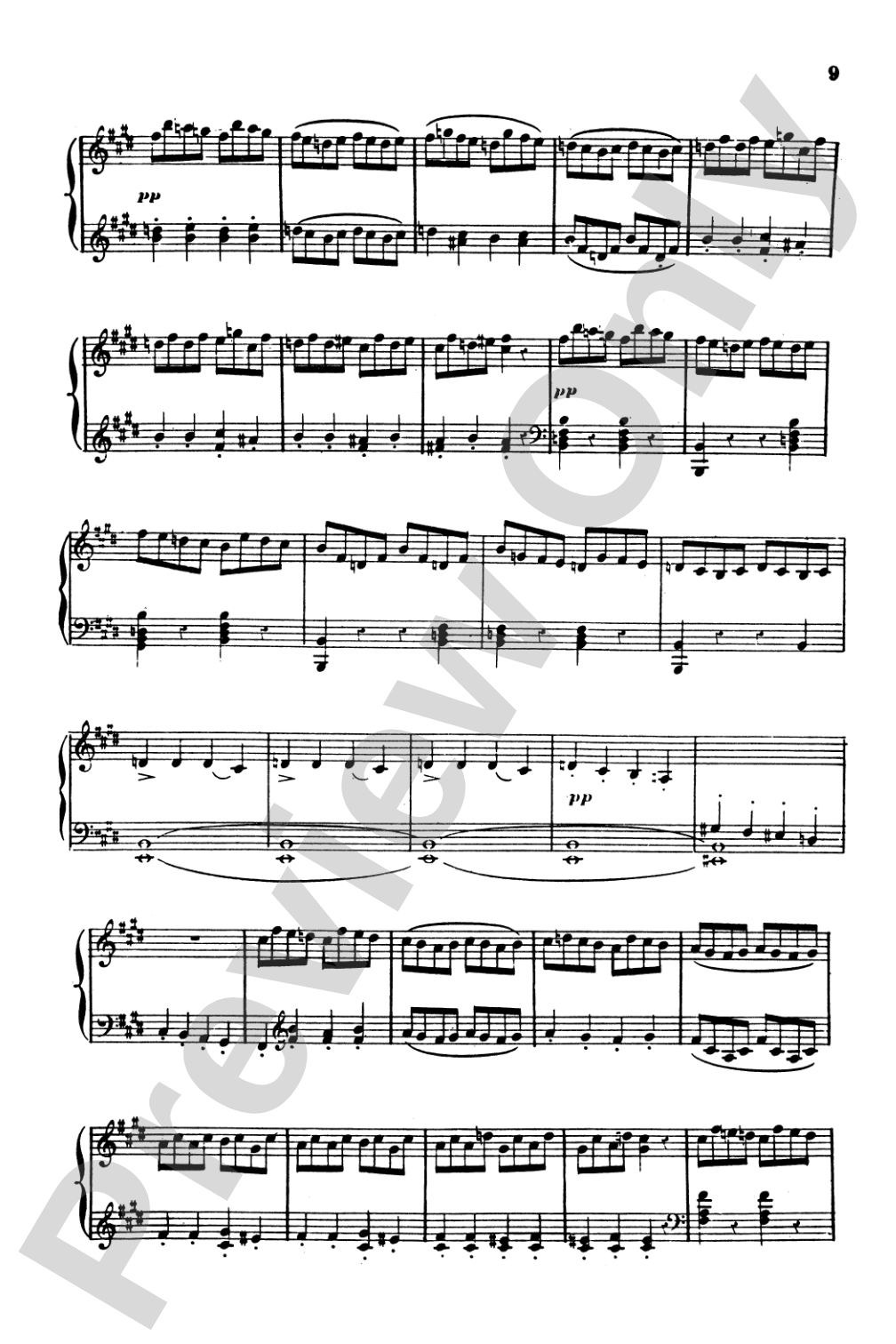
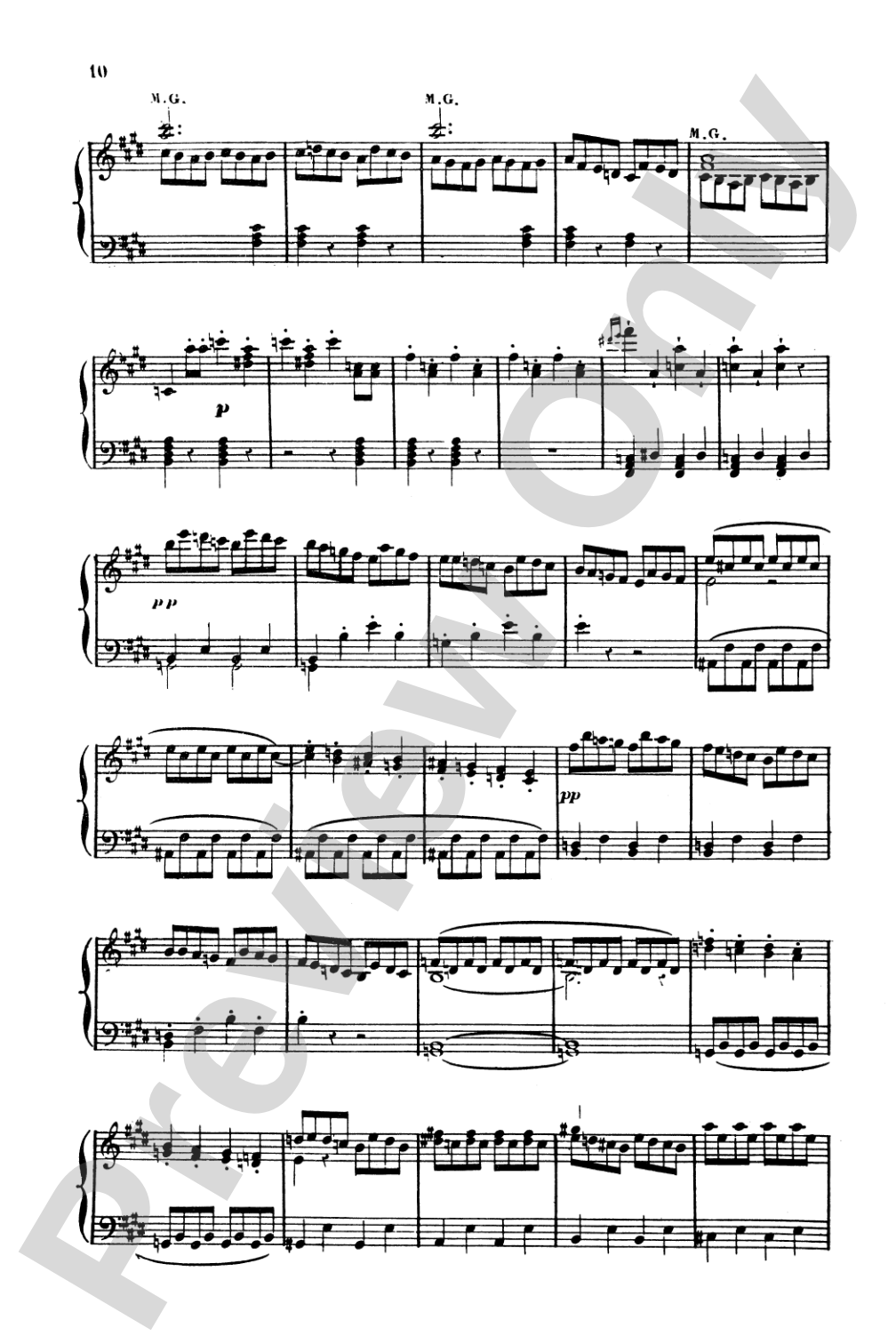
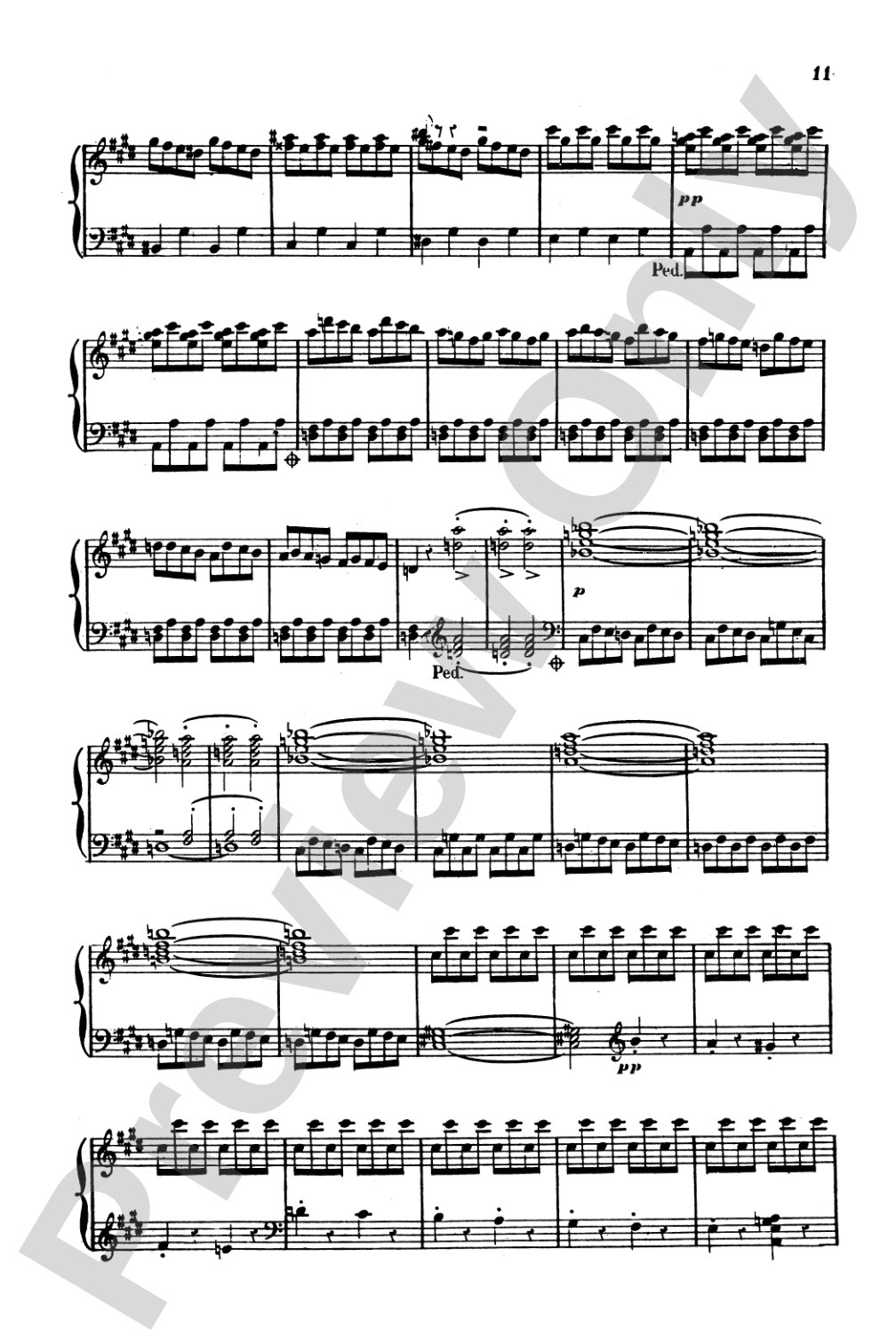
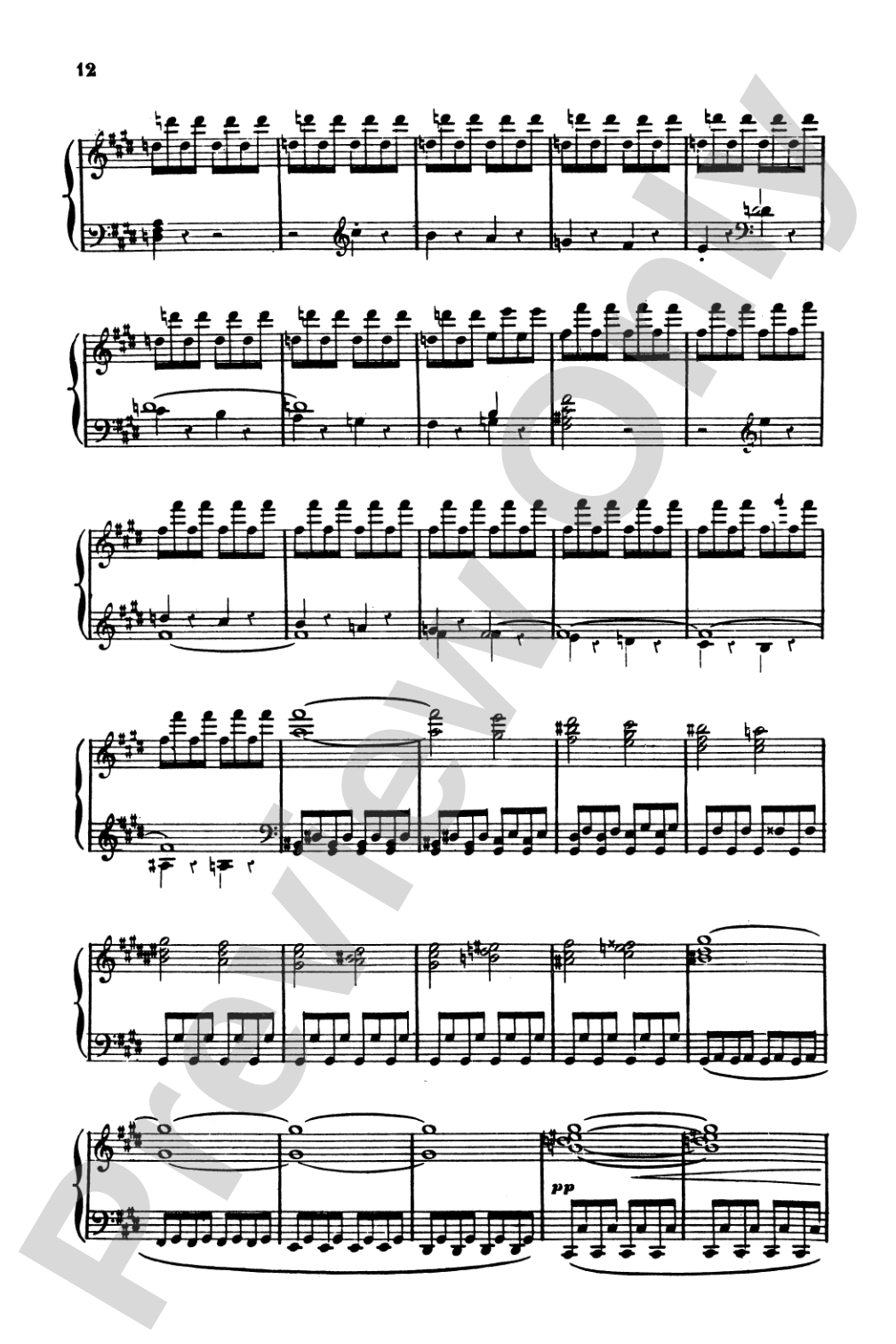
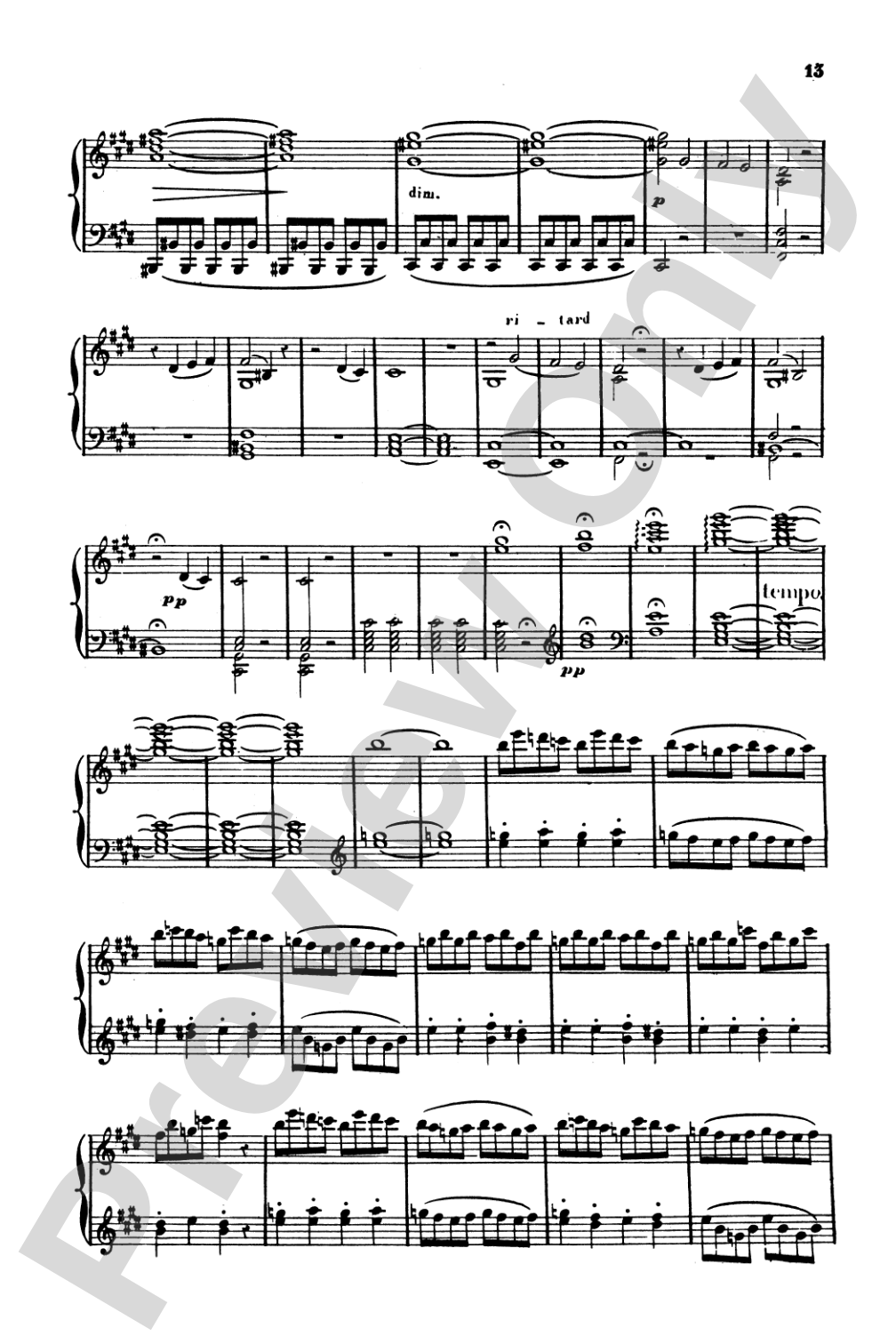
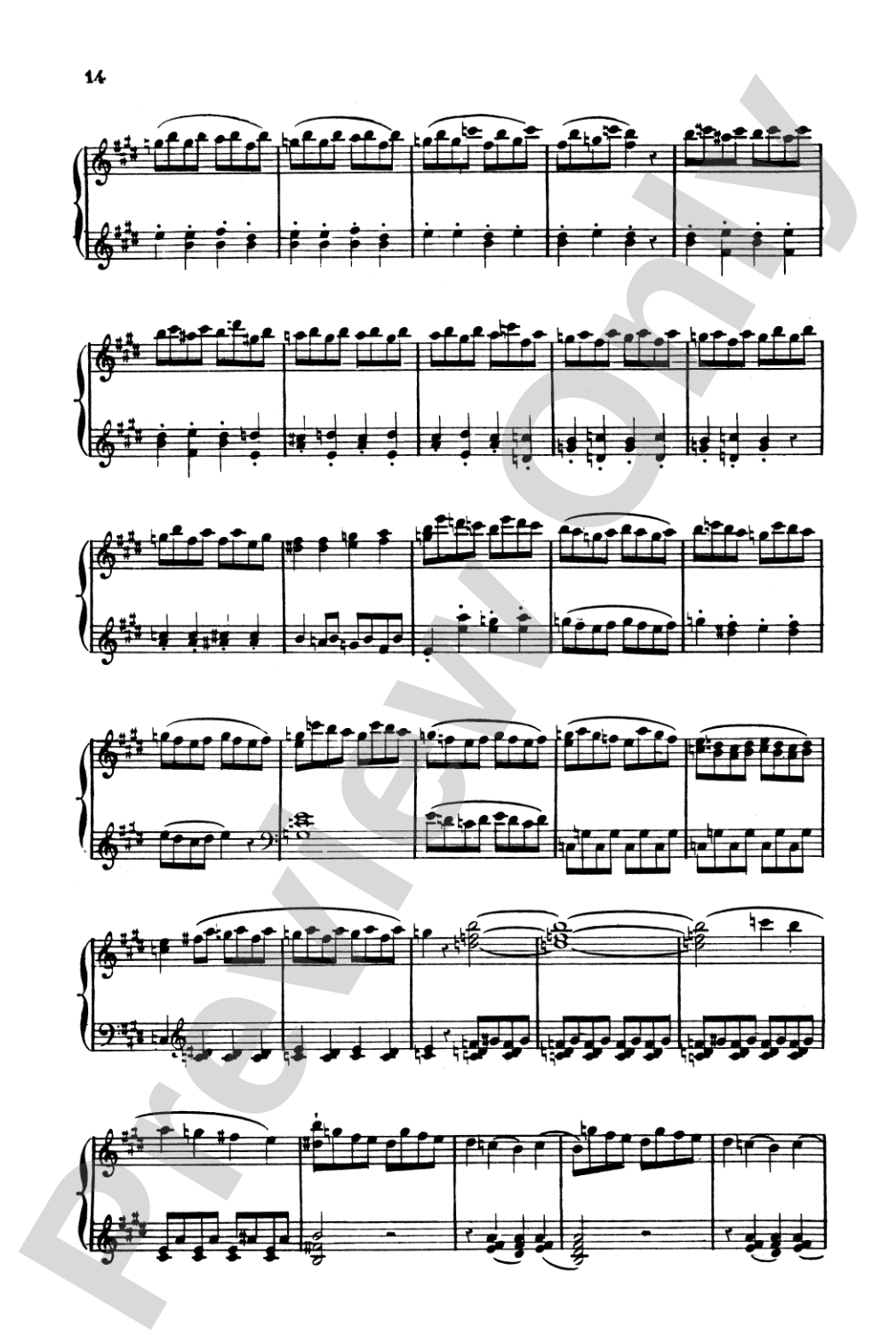
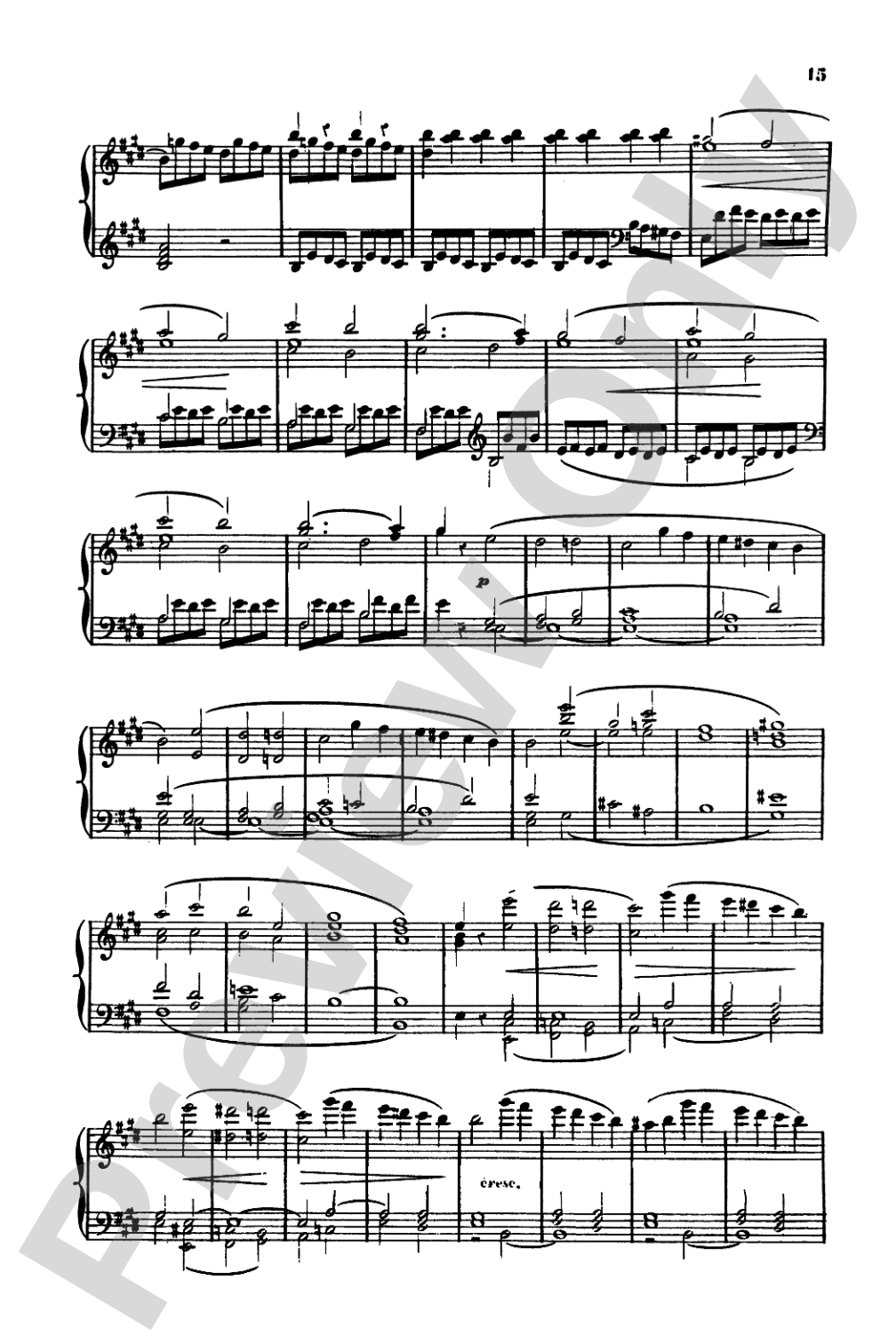
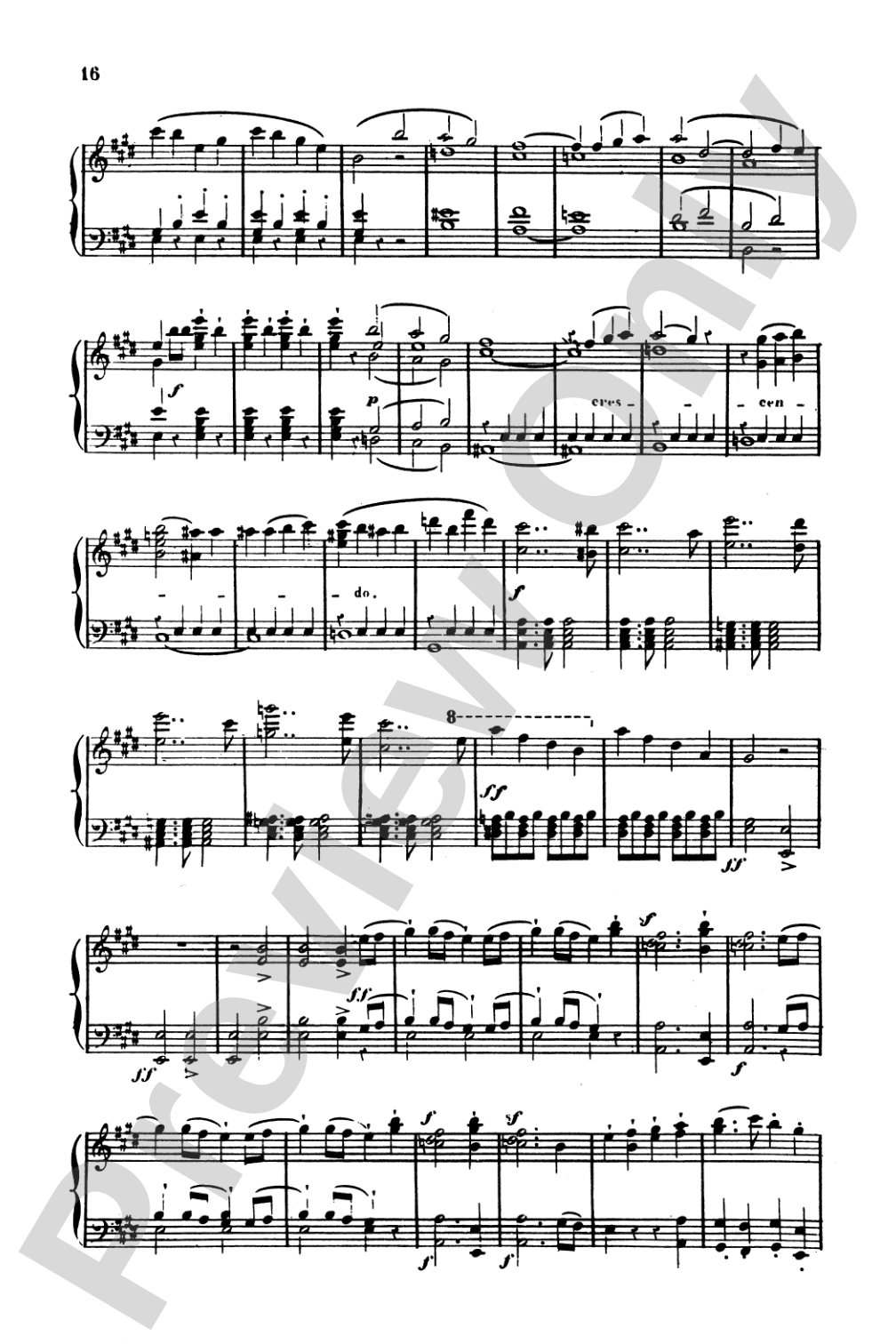
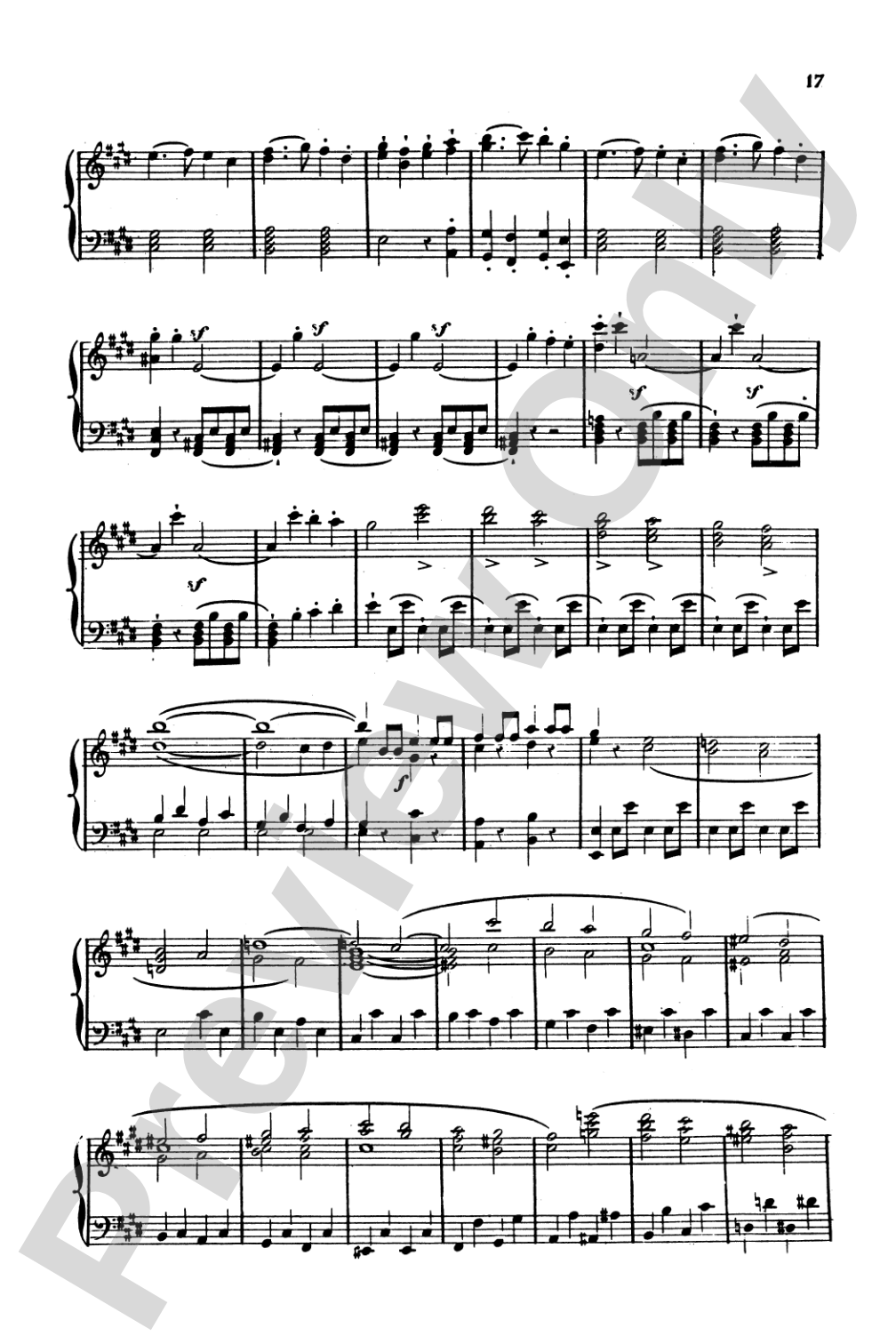
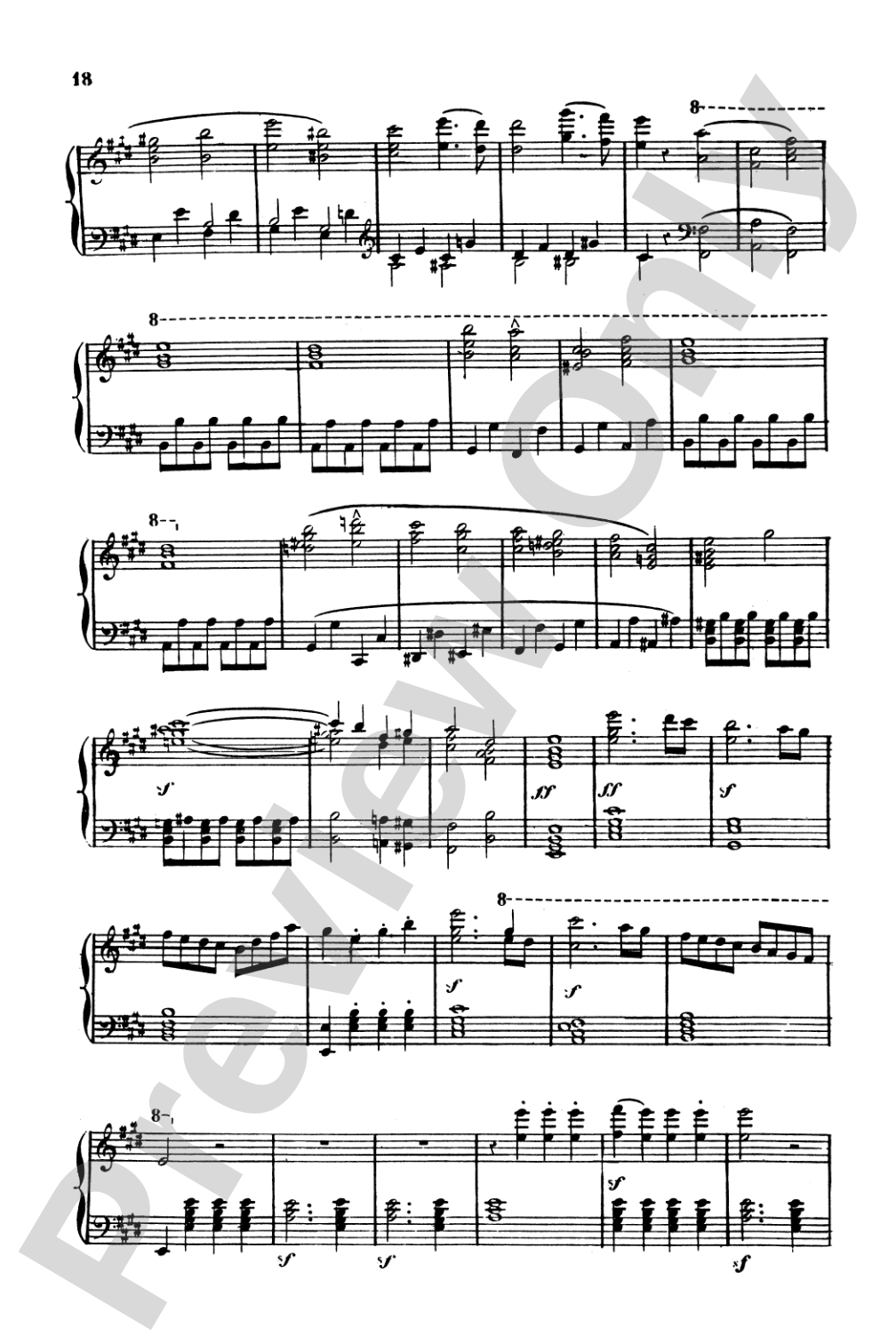
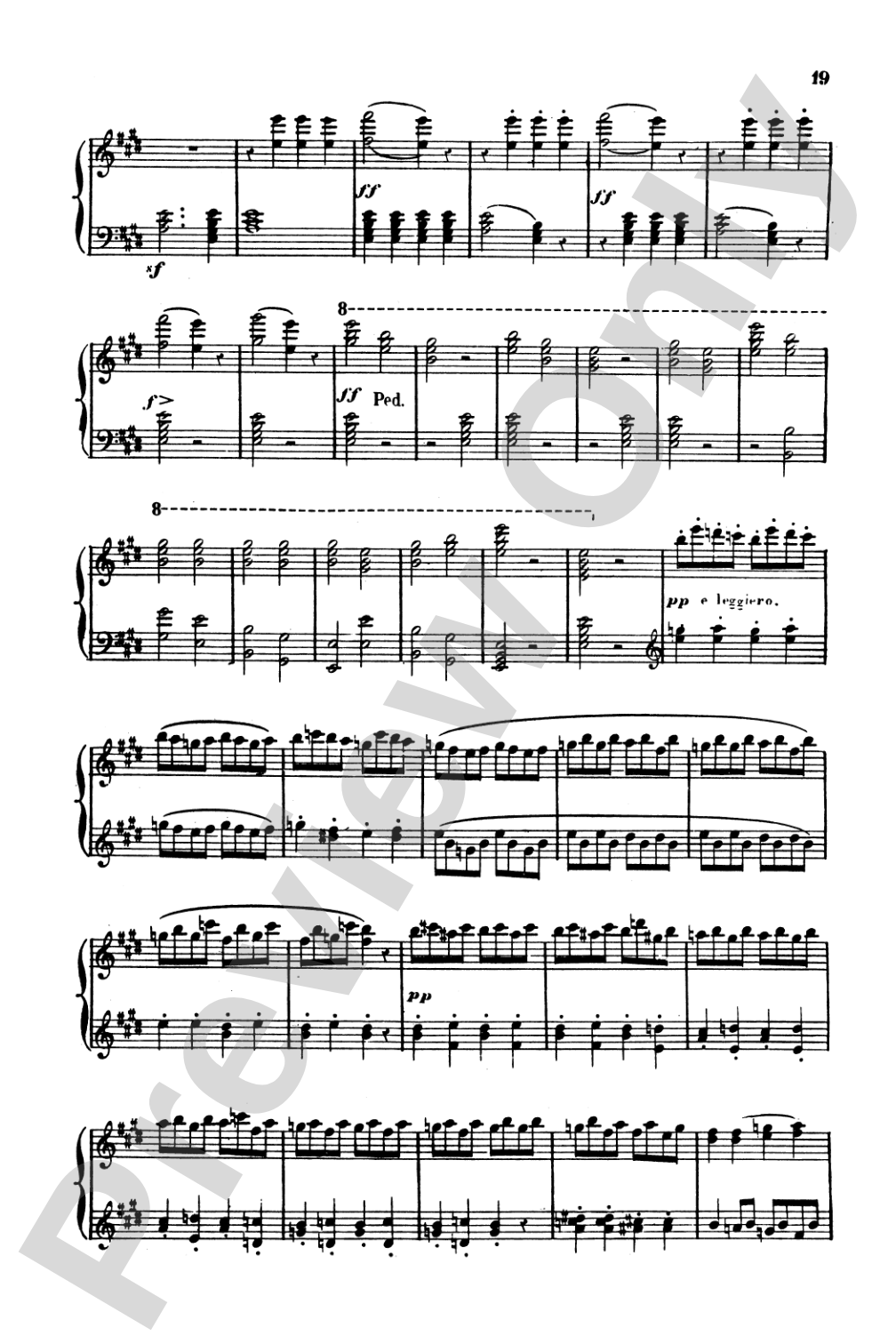
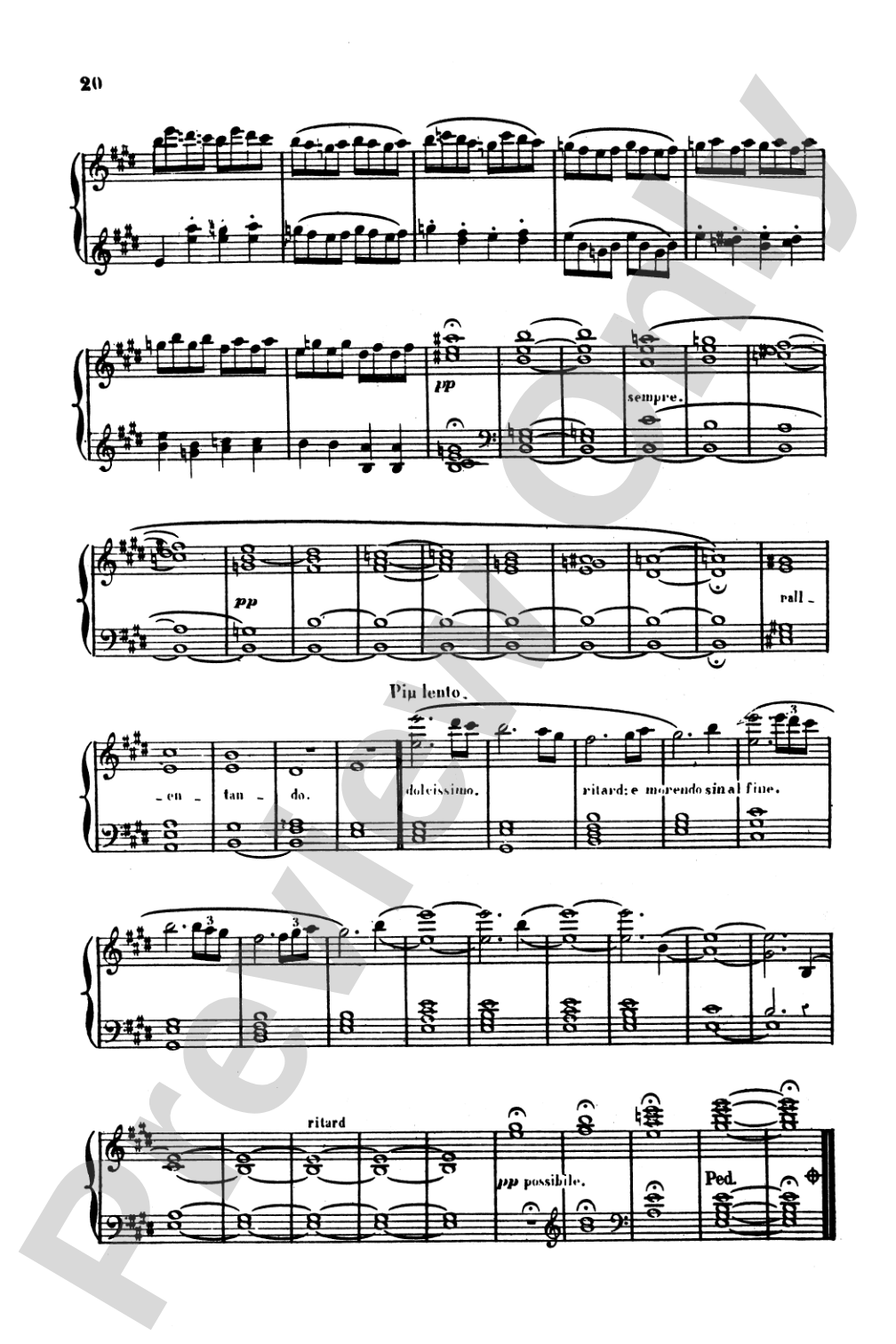

A Midsummer Night's Dream (Le Songe d'une Nuit d'été), Opus 61: Choir
By Felix Mendelssohn
Item: 00-PB-0001164
$19.95
Pickup currently not available
Related Items
A Midsummer Night's Dream (Le Songe d'une Nuit d'été), Opus 61: Choral Book |
$19.95
|
View |
Description
Expertly arranged Choral by Felix Mendelssohn from the Kalmus Edition series. This Choral Extended Work is from the Romantic era.


A Midsummer Night's Dream (Le Songe d'une Nuit d'été), Opus 61: Choir isn't in MakeMusic Cloud just yet...but it could be. Let us know you'd like to see it, and you'll help shape what comes next. In the meantime, start a free trial and dive into thousands of interactive titles your students can play along with today.
Request This Title
Tell us you want it.
Start Your Free Trial
Explore everything that's ready to play right now.
Sample Audio
No sample audio found.
Sample Video
No sample videos found.
Additional Details
Series:
Kalmus Edition
Publisher:
Alfred Music
Page Count:
108
SKU:
00-PB-0001164
More about this title
About the Composer: Felix Mendelssohn
Felix Mendelssohn (1809–1847) shaped the Romantic era through his gift for lyrical melody and structural clarity. A conductor, pianist, and prolific composer, he brought Shakespeare to the concert hall in ways that transformed how composers approached dramatic literature. His choral works reveal a deep understanding of the voice and an instinct for blending intimate lyricism with grand orchestral sweep.
Why we love this
Mendelssohn's operatic sensibility transforms Shakespeare's comedy into music that sings naturally. The choral writing sits comfortably across voices without sacrificing harmonic richness, and the range of moods (from buoyant fairy choruses to tender ensemble passages) keeps singers engaged throughout this substantial work.
What to expect
Ethereal and grounded at once. The fairy world shimmers with delicate counterpoint and shifting harmonies, while the lovers' scenes pulse with Romantic emotion. Mendelssohn keeps you suspended between the magical and the deeply human, his melodies unforgettable and his harmonies warm.
Who it's for
Advanced high school choirs, college and university ensembles, and community choirs ready for a major Romantic masterwork. This score demands solid musicianship, secure part independence, and singers who can sustain both lyrical and dramatic expression across a full evening work.
How to get the most out of it
- Balance the prominent solo lines against the choral texture; they're not in competition but in conversation. Mark dynamic relationships carefully so soloists anchor the sound without drowning out the choir.
- The fairy music demands clarity and rhythmic precision. Light attacks and quick releases will distinguish these sections from the weightier dramatic moments.
- Pay attention to phrase shapes rather than mechanical rhythm. Mendelssohn writes in long, singing lines that need space to breathe even when the harmonic rhythm quickens.
- Consider the accompaniment (whether orchestral, piano reduction, or organ) as a full character in the drama. Its independence from the choir matters as much as the voices themselves.
How to use it
Frame this as a season centerpiece or festival showcase rather than a concert opener. Its 108 pages demand rehearsal time and reward extended study. Pair it with lighter work earlier in the season, or program it as a standalone concert event with related instrumental music.
Skills your students will build
- Reading extended choral forms with multiple sections and tempo changes
- Balancing solo voices against choral textures in ensemble writing
- Sustaining Romantic-era phrasing and legit vocal production across long phrases
- Coordinating with accompaniment in works with independent orchestral or piano parts
- Interpreting dramatic character and mood shifts within a single large work