

A la Lata: TTBB Choral Octavo
Traditional Colombian Chant, music by Ruth Morris Gray
Item: 00-PO-0007850
$2.50
Minimum order quantity: 20 copies
Pickup currently not available
Description
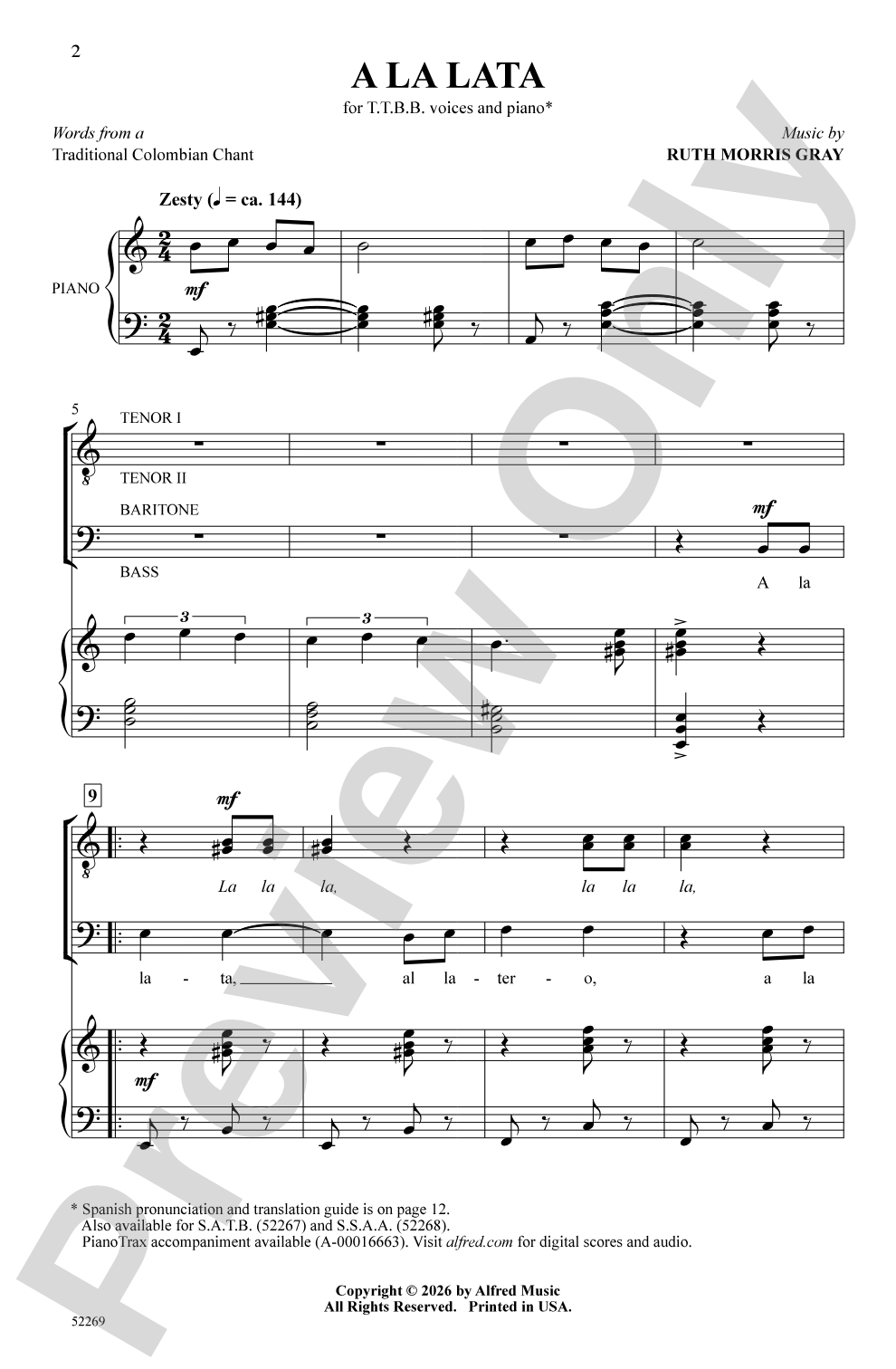
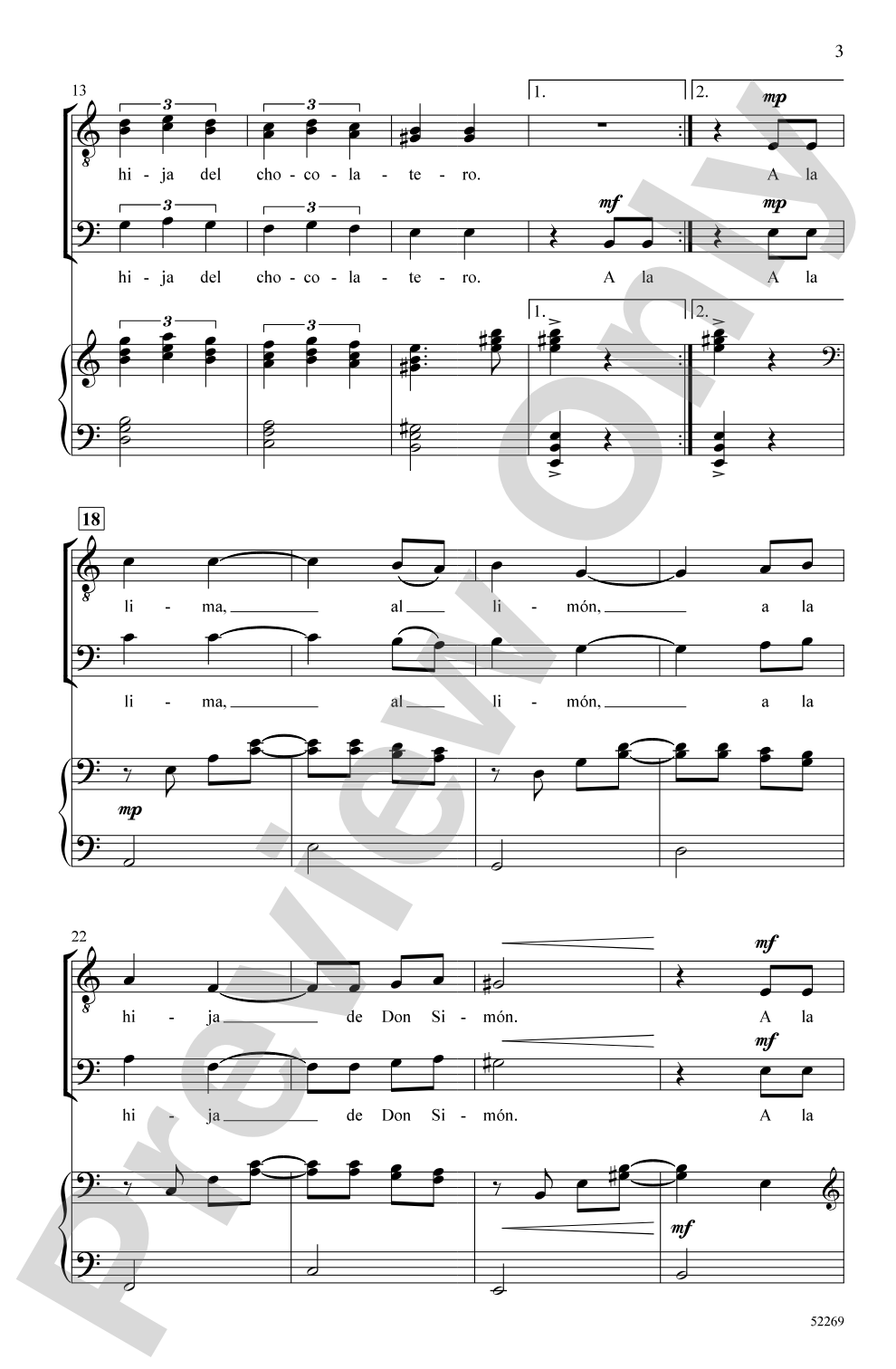
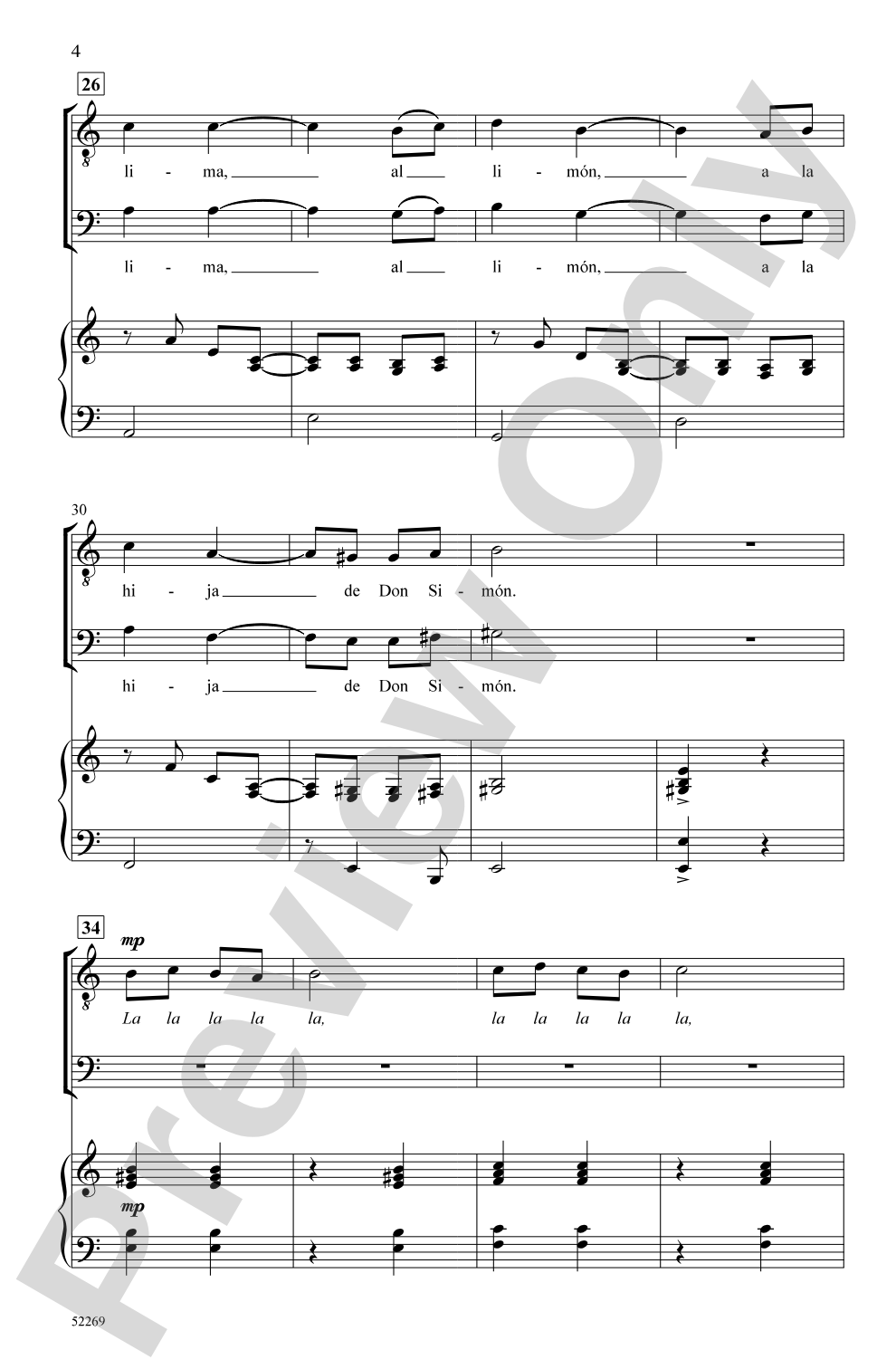
"A la lata" (meaning "to the tin can") is a traditional Colombian chant widely recognized across Latin America as a children's game. Ruth Morris Gray's zesty setting of the brief Spanish text boasts four sturdy voice parts supported by a big piano accompaniment. At the peak of the arrangement, the lowest voices sing a forte feature with upper voices on previously introduced counterlines. Resounding minor key harmonies are a pleasure to perform and create an impressive wall of sound.


A la Lata: TTBB Choral Octavo isn't in MakeMusic Cloud just yet...but it could be. Let us know you'd like to see it, and you'll help shape what comes next. In the meantime, start a free trial and dive into thousands of interactive titles your students can play along with today.
Request This Title
Tell us you want it.
Start Your Free Trial
Explore everything that's ready to play right now.
Sample Audio
1
Audio File
--:--
0:00
0:00
Sample Video
Additional Details
Series:
Alfred Choral Designs
Publisher:
Alfred Music
Page Count:
12
SKU:
00-PO-0007850
More about this title
About the Arranger: Ruth Morris Gray

Ruth Morris Gray brings decades of classroom experience to her arrangements and compositions. As Director of Choirs at Rosemead High School since 2004, she has mentored countless singers while building one of the most active choral programs in the region. Her background spans multiple disciplines: she holds degrees in Piano Performance and Composition from Biola University and a Master's in Music Composition from UC Santa Barbara, along with her California Single Subject Music Credential.
With over 100 published choral works to her name, Gray has established herself as a composer deeply committed to accessible, singable literature that energizes ensembles and audiences alike. Beyond the music building, she is an avid traveler, swimmer, reader, and cyclist who brings the same curiosity and vitality to her musical life that defines her arrangements.
Why we love this
Gray's arrangement transforms a familiar children's chant into genuine choral architecture. The payoff at the climax, where the lower voices step into the spotlight over counterlines in the upper parts, gives TTBB singers a moment of real vocal ownership that often gets overlooked in arrangements aimed at men's voices.
What to expect
Rhythmic and propulsive, with the infectious spirit of a playground game transformed into something harmonically sophisticated. The minor key gives it an unexpected depth, and when all four voice parts lock together in the climactic section, it creates the kind of wall of sound that reminds singers why they joined a choir in the first place.
Who it's for
TTBB choirs seeking repertoire that respects the four voices equally while delivering genuine musical excitement. This works for ensembles ranging from high school choirs to community groups and college singers who want something fresh enough for concerts and competitive enough for festivals.
How to get the most out of it
- Balance the piano accompaniment carefully during the opening to let the initial chant melody land clearly before texture thickens; it needs to feel conversational, not buried.
- Shape the forte passage in the lower voices as a true musical event. These singers have earned the moment, so let them sing with full resonance and confidence.
- Use the minor key tonality to your advantage by maintaining harmonic clarity in sectional rehearsals; the resounding quality comes from precision and blend, not volume alone.
- If using the recorded accompaniment, rehearse without it first so singers internalize the text and phrasing; then layer the piano to deepen the energy.
How to use it
This pairs beautifully in a concert program mixing world music and contemporary settings, or as a festival contest piece that showcases ensemble cohesion and harmonic awareness. The Colombian roots and Latin American recognition make it a natural fit alongside other folk-based choral literature, and its energy level works well as a second-half opener to shift the concert's momentum.
Skills your students will build
- Balancing four independent voice parts within a unified harmonic structure
- Singing with confidence and resonance in a featured section
- Interpreting minor key tonality and harmonic color
- Responding to a substantial piano accompaniment without losing vocal independence
- Performing music from world cultures with cultural respect and musicality