A Few Good Men Cover Image

A Few Good Men: Jazz Ensemble Conductor Score & Parts

$65.00 USD
Sale price  $65.00 USD Regular price 
Skip to product information
A Few Good Men Cover Image

A Few Good Men: Jazz Ensemble Conductor Score & Parts

By Gordon Goodwin

Grade: 5.5 (Advanced / Difficult)

Item: 00-JEM03003

makemusic Cloud badge

Need it now?

Buy Digital Version
$65.00
Shipped

One moment…

Description
Today's hottest writer, Gordon Goodwin delivers again. In a clever rock-march style, the melody of this big band chart develops thoroughly then leads into a solo section for alto, tenor, trumpet, trombone, or guitar. After the solos, the rhythm section backs off for a wild and wooly ensemble chorus that will challenge all the players in the band. A percussion part is included. You'll recognize this chart from the fabulous CD Gordon Goodwin's Big Phat Band: Swingin' For the Fences. This title is available in MakeMusic Cloud. (5:35)

Don't just read it, hear it, play along with it, and watch your students grow with it. In MakeMusic Cloud, A Few Good Men: Jazz Ensemble Conductor Score & Parts comes alive with professional accompaniment, adjustable tempo, and built-in practice tools that turn solo practice into real progress.

Sample Pages

Sample Audio
0:00
0:00
Sample Video
Additional Details
Series: Gordon Goodwin Series
Publisher: Alfred Music
Page Count: 64
ISBN10: 0-7579-3489-7
ISBN13: 978-0-7579-3489-6
UPC: 654979050704
SKU: 00-JEM03003

More about this title

About the Composer: Gordon Goodwin
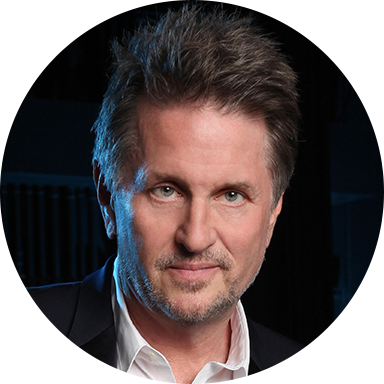
Gordon Goodwin

Gordon Goodwin began composing full works in his head before he could read music, writing down complete compositions as a young child. By thirteen, he had already completed his first big band chart, Hang Loose, launching a career that would make him one of jazz and film music's most distinctive voices. His work has earned three Emmy Awards and multiple Grammy nominations, with orchestrations heard across major films including Bad Boys II, Con Air, Remember the Titans, and Star Trek: Nemesis.

Beyond Hollywood, Goodwin has written for and performed alongside artists ranging from Christina Aguilera to Ray Charles, and conducted leading symphony orchestras in Atlanta, Dallas, Utah, Seattle, Toronto, and London. In 2000, he founded Gordon Goodwin's Big Phat Band, establishing himself as a bandleader and composer at the forefront of contemporary big band jazz. The ensemble's debut album made history as the first commercially released DVD audio title and earned two Grammy nominations, cementing Goodwin's reputation as both a meticulous orchestrator and a visionary bandleader.

Why we love this

Goodwin writes for the players and players you actually have. The solo section accommodates any lead voice in your section (alto, tenor, trumpet, trombone, or guitar), so you're not hunting for a substitute if someone's out. The ensemble chorus that follows demands precision and energy from the full band, turning a technically advanced moment into something viscerally rewarding to rehearse and perform.

What to expect

This chart splits the difference between the swagger of a marching band and the complexity of modern big band jazz. The opening melody has a bright, propulsive energy; the solo section breathes with sophistication; and the final ensemble chorus unleashes something wild and infectious that will land hard on your audience.

Who it's for

Advanced jazz ensembles ready for Goodwin's sophisticated big band writing and willing to invest in sectional work. Your band needs reliable soloists (at least one each from alto, tenor, trumpet, and trombone), a locked rhythm section, and players who understand how to balance individual expression with ensemble precision.

How to get the most out of it

  • Secure the rock-march groove in the rhythm section before adding the horn parts. The foundation here carries the entire arrangement, and locking that feel early will give soloists the confidence to stretch over it.
  • Choose your soloists early and let them practice over the accompaniment in context. Each solo voice sits differently in the texture, and familiarity with the chart will shape how freely they play.
  • Balance the ensemble chorus carefully. The band will want to drive hard here, but clarity matters more than volume. Mark your full section levels in rehearsal and remind players that precision creates the power.
  • Check your percussion part independently. The chart includes dedicated percussion writing that anchors the groove, and you'll need clean communication between kit and horns during the solo and ensemble sections.

How to use it

Program this as a finale or a centerpiece on a jazz concert where your ensemble can command a full platform. The energy and accessibility of the rock-march style appeal to general audiences, while the technical demands signal to listeners that they're hearing serious musicians at work. It also works well alongside more traditional swing charts as proof of your band's range.

Skills your students will build

  • Reading and executing rock-march articulation and phrasing
  • Trading solos cleanly within a big band texture
  • Balancing individual expression with ensemble cohesion
  • Responding to dynamic and rhythmic cues in complex ensemble passages
  • Interpreting percussion writing integrated into the jazz ensemble sound

You May Also Like
