
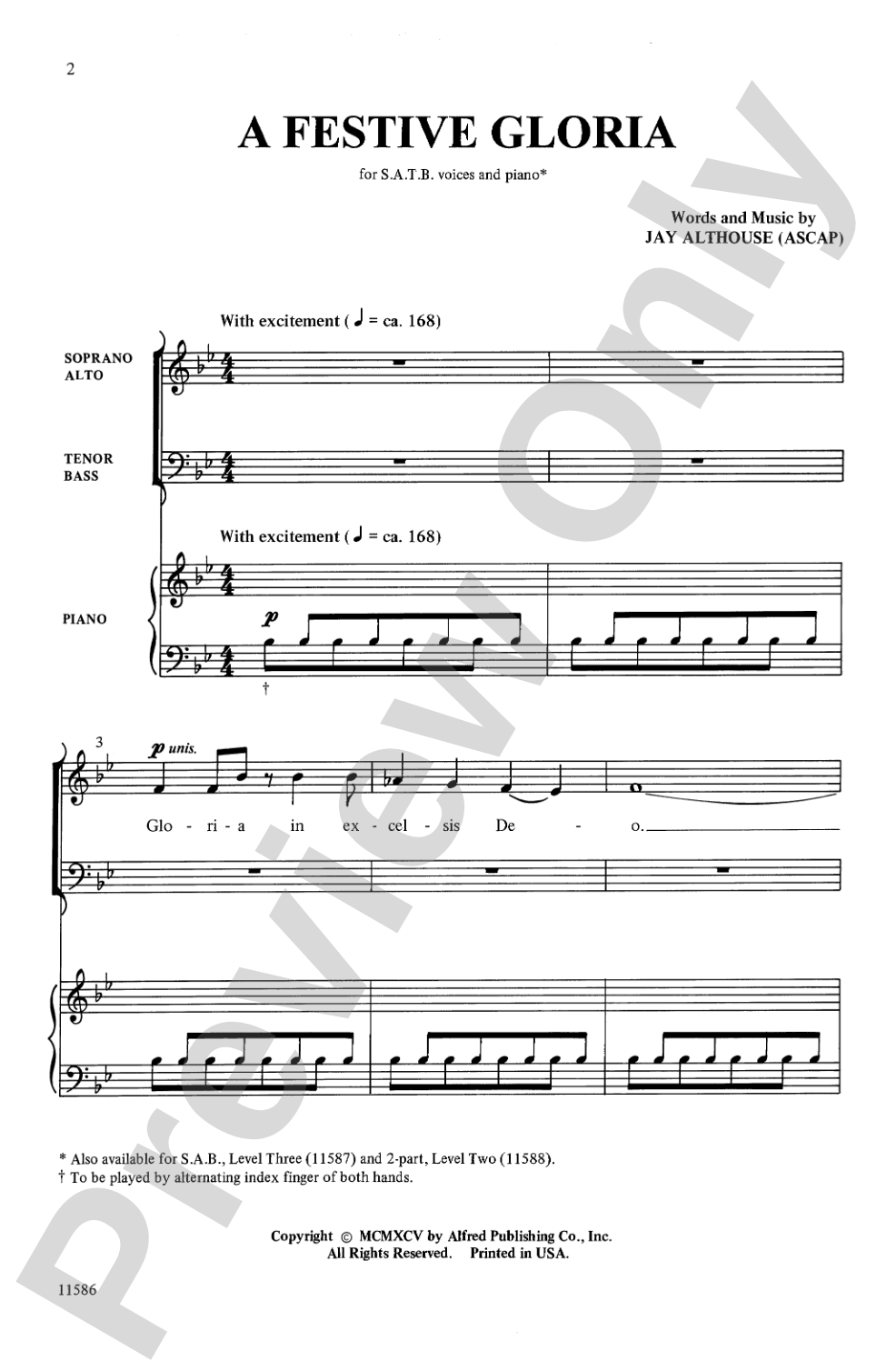

A Festive Gloria: SATB Choral Octavo
Music by Jay Althouse
Item: 00-PO-0003871
$2.25
Minimum order quantity: 20 copies
Pickup currently not available
Description
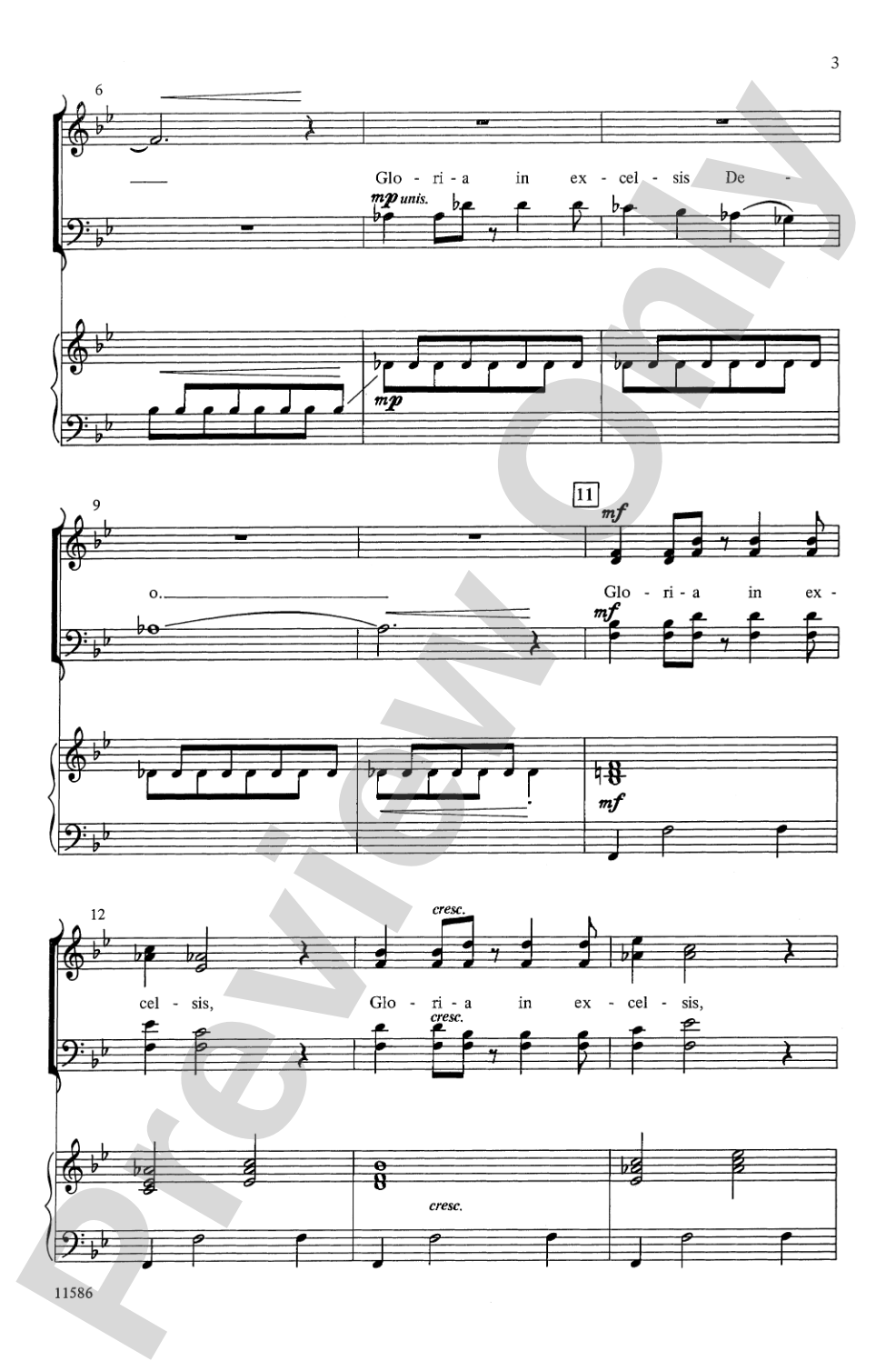
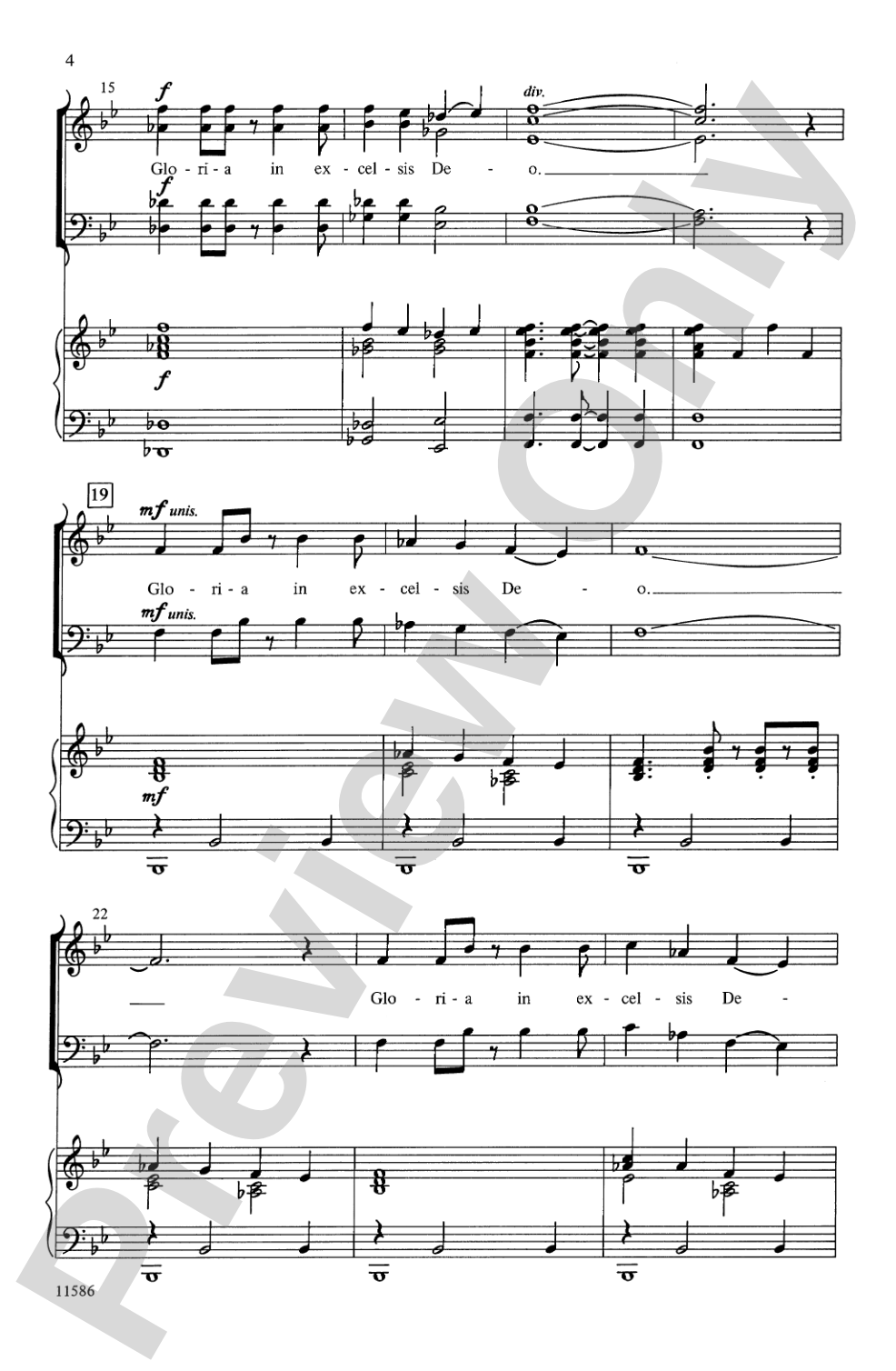
A powerful concert work featuring a strong piano accompaniment and driving, repetitive rhythms. Features an "echo" section, and a closing soprano/tenor descant. Uncomplicated voice-writing with much repetition makes for easy learning, a Jay Althouse trademark. Effective dynamic changes. Original, English text has no sacred references and is well-suited for school concerts.


A Festive Gloria: SATB Choral Octavo isn't in MakeMusic Cloud just yet...but it could be. Let us know you'd like to see it, and you'll help shape what comes next. In the meantime, start a free trial and dive into thousands of interactive titles your students can play along with today.
Request This Title
Tell us you want it.
Start Your Free Trial
Explore everything that's ready to play right now.
Sample Audio
1
Audio File
--:--
0:00
0:00
Sample Video
No sample videos found.
Additional Details
Series:
Alfred Archive Edition: Alfred Choral Designs
Publisher:
Alfred Music
Page Count:
12
SKU:
00-PO-0003871
More about this title
About the Composer: Jay Althouse

Jay Althouse holds degrees in Music Education and Music from Indiana University of Pennsylvania, where he was later honored as a Distinguished Alumnus. Early in his career, he spent eight years managing rights and licensing for a major educational music publisher and served on the Executive Board of the Music Publishers Association of America. As a composer, he has created more than 800 choral works performed across the English-speaking world and maintains active membership in ASCAP, regularly receiving the organization's Special Award.
Beyond composition, Althouse has co-written children's musicals with his wife Sally K. Albrecht, curated vocal solo collections including Folk Songs for Solo Singers, and authored several classroom resources on music literacy and composer study. His collaborative work "I Hear America Singing," written with Albrecht, received national recognition when it was performed by the San Francisco Girls and Boys Choirs at President Barack Obama's inauguration in 2009. He resides in North Carolina and continues to serve on the National Advisory Board of the Folk Art Society of America.
Why we love this
Althouse has engineered a concert piece that looks deceptively simple on the page but lands with real impact in performance. The repetitive, driving rhythms paired with the strong piano accompaniment give choirs immediate momentum, while the echo section and soprano/tenor descant add musical sophistication without demanding complex voice-leading. This is the kind of work that sounds polished in rehearsal quickly, freeing rehearsal time for interpretation and dynamics rather than note-learning.
What to expect
The piece pulses with festive energy; the repetitive rhythmic patterns and strong piano anchoring create a buoyant, celebratory momentum. The echo section invites playfulness while the soprano/tenor descant at the close lifts the sound into brightness and lift, creating a satisfying sense of arrival.
Who it's for
This octavo works well for intermediate to advanced high school choirs, collegiate choirs, or community ensembles looking for an accessible concert piece with real presence. Directors who value straightforward voice-writing and text clarity will find the uncomplicated voicing pairs perfectly with a secular program or interfaith concert setting.
How to get the most out of it
- Anchor the rhythmic drive through the piano accompaniment; have the pianist emphasize the steady pulse so singers can lock into the kinetic energy without overthinking their entrances
- Shape the dynamic changes deliberately and commit to the contrasts, as the piece relies on these shifts to sustain interest across its length
- In the echo section, crispen the articulation of the repeated text to make the call-and-response texture clear to the audience
- Balance the soprano and tenor descant carefully in the closing; it should soar above the rest of the choir without overwhelming the harmonic foundation
How to use it
Slot this as a strong mid-program work when you need a piece that energizes both singers and audience without the weight of sacred text. Its secular English lyrics make it flexible for winter holidays, spring concerts, or festive celebrations. The driving rhythms and bright closing also serve well as a bridge piece between more introspective works.
Skills your students will build
- Sustaining rhythmic precision through repetitive patterns
- Executing dynamic contrast intentionally and as an ensemble
- Balancing upper voice independence (soprano/tenor descant) with harmonic foundation
- Responding to echo cues and call-and-response textures with clarity