
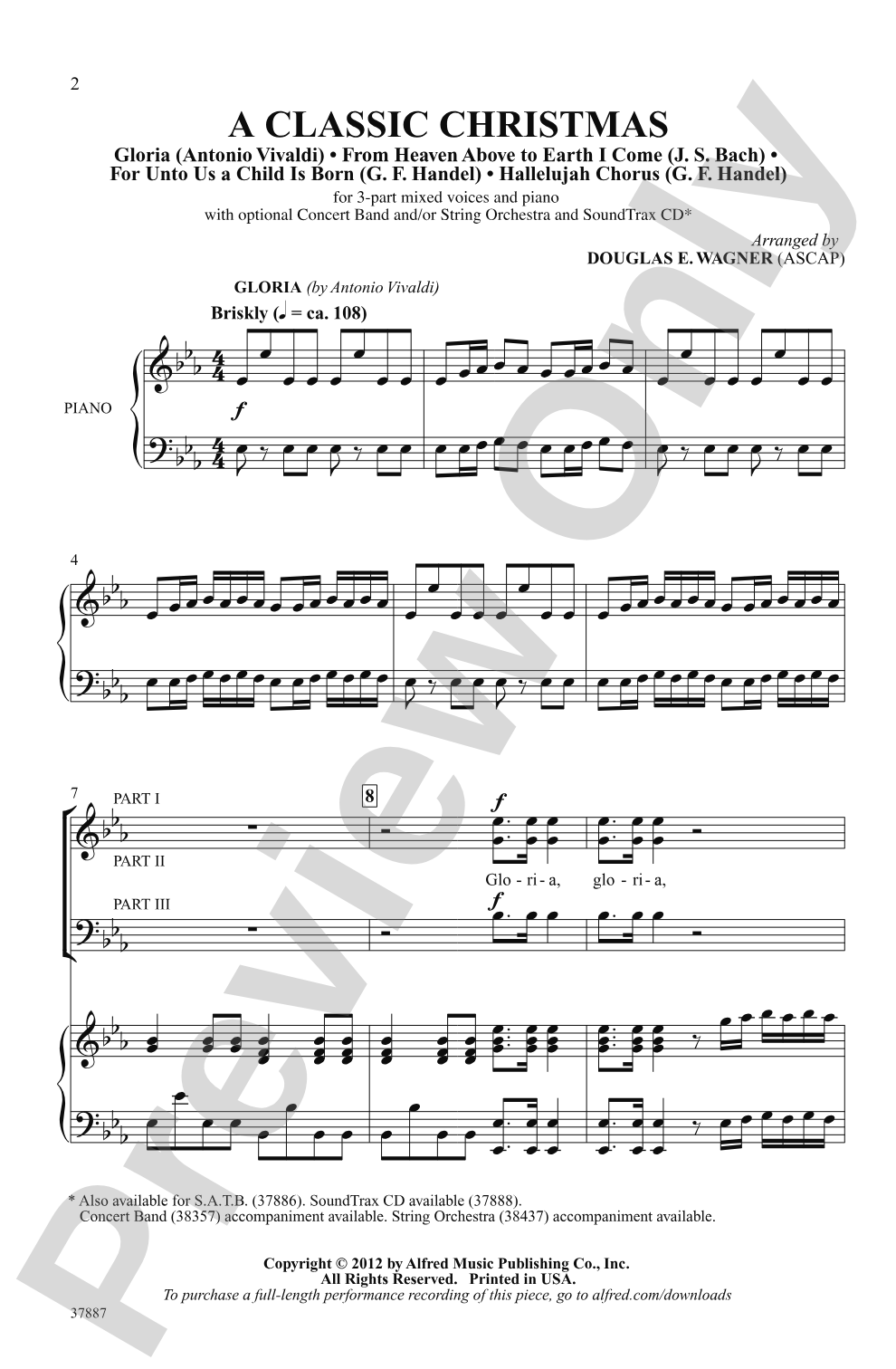

A Classic Christmas: 3-Part Mixed Choral Octavo
Featuring: Gloria (Vivaldi) / From Heaven Above to Earth I Come (Bach) / For Unto Us a Child Is Born (Handel) / Hallelujah Chorus (Handel)
Arr. Douglas E. Wagner
Item: 00-PO-0001250

$1.95
Minimum order quantity: 20 copies
Pickup currently not available
Related Items
A Classic Christmas: SoundTrax Digital Audio Download |
$27.99
|
View | |
A Classic Christmas: Concert Band Conductor Score & Parts |
$72.00
|
View | |
A Classic Christmas: String Orchestra Conductor Score & Parts |
$56.00
|
View | |
A Classic Christmas: SATB Choral Octavo |
$2.20
|
View | |
A Classic Christmas: Concert Band Conductor Score & Parts |
$72.00
|
View | |
A Classic Christmas: Concert Band Conductor Score |
$10.00
|
View | |
A Classic Christmas: String Orchestra Conductor Score & Parts |
$56.00
|
View | |
A Classic Christmas: String Orchestra Conductor Score |
$7.00
|
View | |
A Classic Christmas: SATB Choral Octavo |
$2.20
|
View | |
A Classic Christmas: 3-Part Mixed Choral Octavo |
$1.95
|
View | |
A Classic Christmas: Choral Octavo SoundTrax CD |
$27.99
|
View |
Description
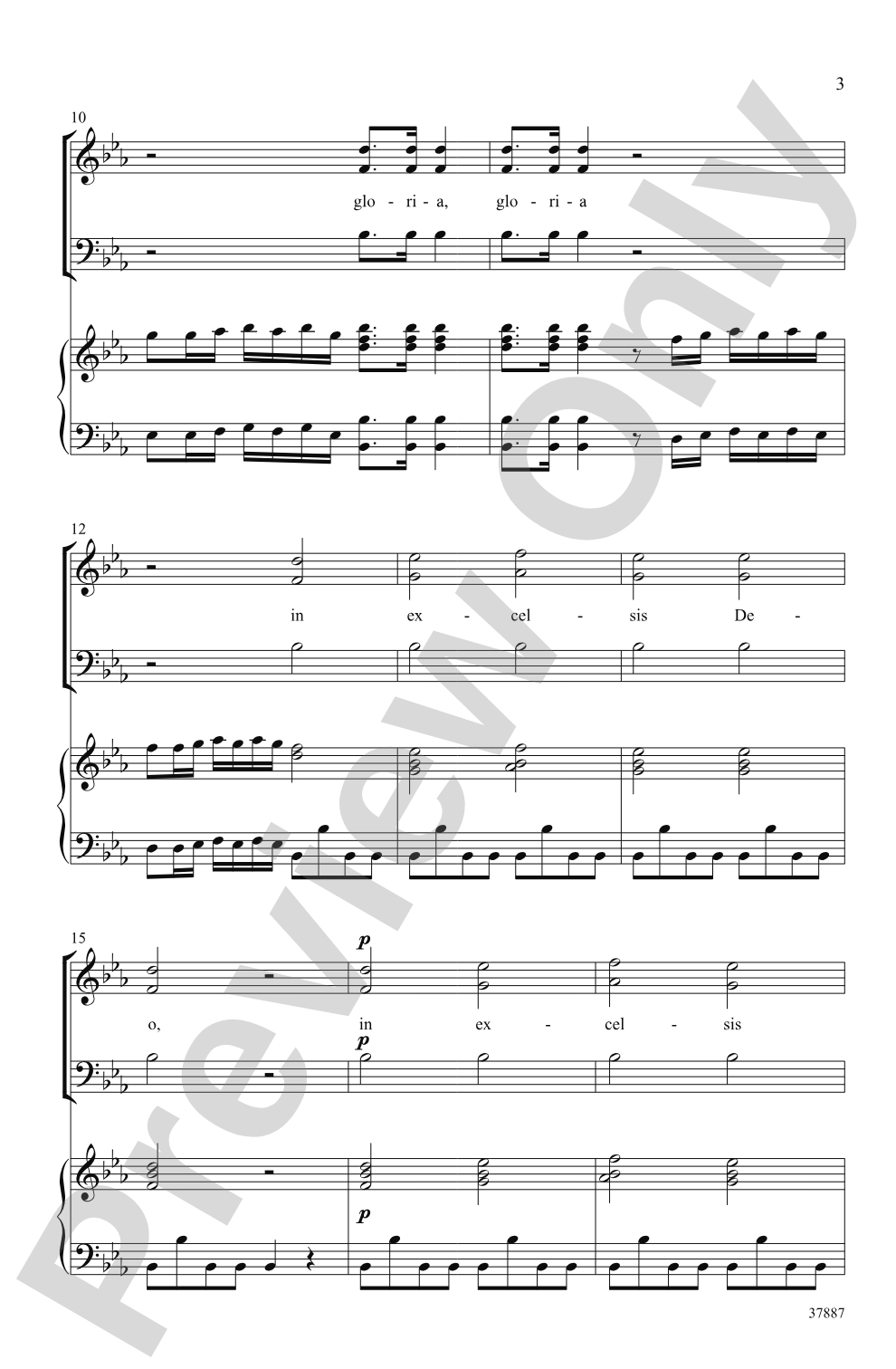
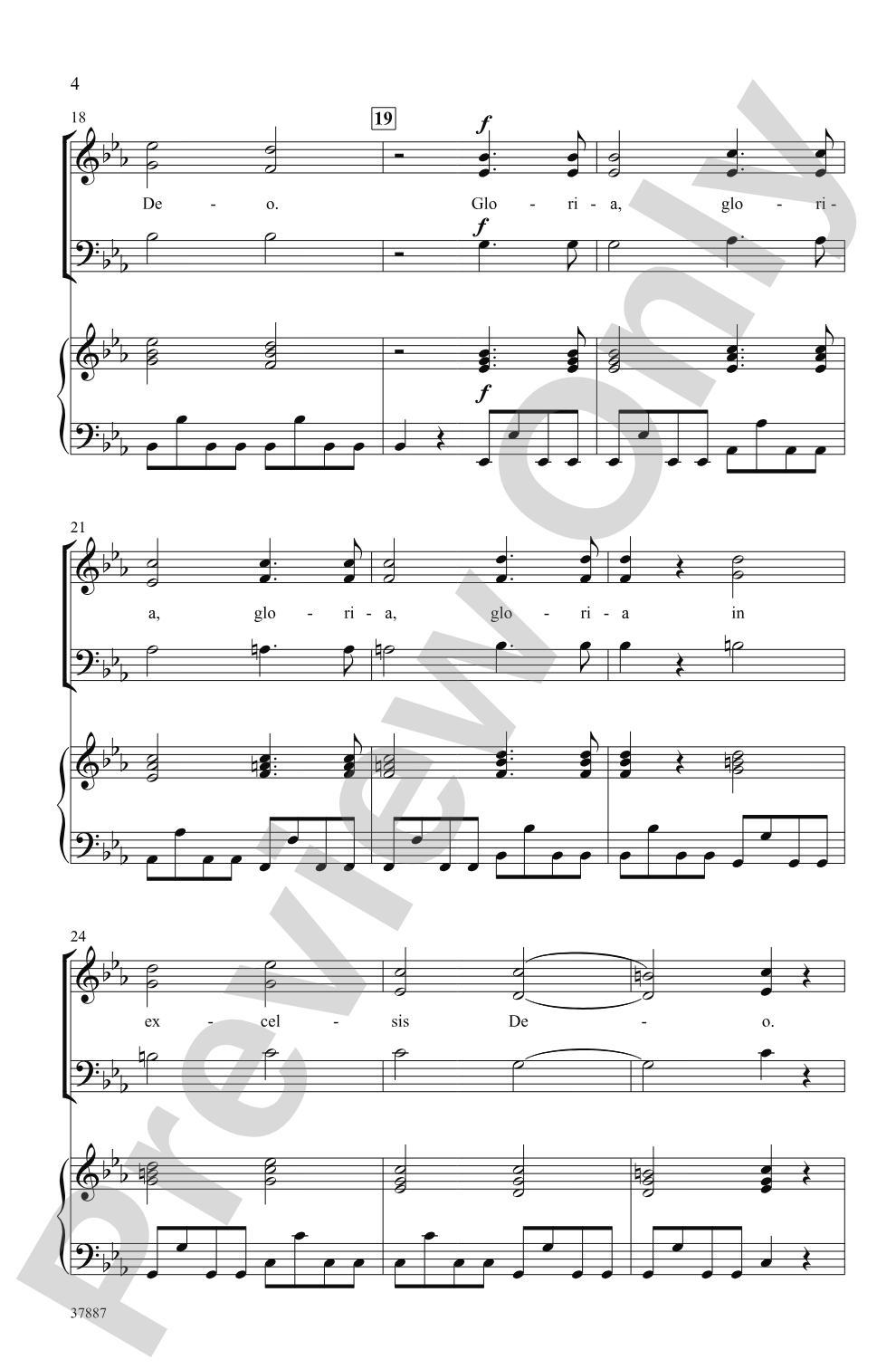
A holiday medley containing three cherished Baroque masterworks woven together in a festive musical celebration of the season. Showcase your entire music department on Vivaldi, Bach, and Handel by combining with the band, orchestra, or both!


Don't just read it, hear it, play along with it, and watch your students grow with it. In MakeMusic Cloud, A Classic Christmas: 3-Part Mixed Choral Octavo comes alive with professional accompaniment, adjustable tempo, and built-in practice tools that turn solo practice into real progress.
Open in the Player
Jump straight in and assign it today.
Start Your Free Trial
Open this title and explore the full library in minutes.
Sample Audio
1
Audio File
--:--
0:00
0:00
Sample Video
No sample videos found.
Additional Details
Series:
Alfred Choral Designs
Publisher:
Alfred Music
Page Count:
16
SKU:
00-PO-0001250
More about this title
About the Arranger: Douglas E. Wagner

Douglas E. Wagner brings three decades of high school music leadership into his work as a prolific composer and arranger. A Butler University graduate with degrees in music, Wagner spent his teaching career building school music programs before transitioning to full-time composition in the 1990s.
Since 1973, Wagner has published more than 3,500 works across choir, band, orchestra, handbells, organ, piano, and voice. His music reaches millions of performers annually, earning regular performances in concert halls, on broadcasts, and in schools across the United States and internationally. Wagner resides in Indianapolis with his wife, Sandy.
Why we love this
Wagner's arrangement transforms three iconic Baroque works into a cohesive medley that gives every section meaningful material while showcasing the full scope of your music department. The flexibility to perform this with band, orchestra, or both makes it an ambitious choice that justifies pulling resources from multiple ensembles for a single high-impact concert moment.
What to expect
A grand, ceremonial reading of the holiday season through the lens of Baroque grandeur. Each movement carries the weight and elegance of its source material while maintaining the festive warmth you'd expect from a Christmas program.
Who it's for
Choirs with solid sight-reading skills and access to larger instrumental forces. This arrangement works best for directors who want to create a showstopping finale or special concert moment that celebrates the breadth of their music department's capabilities.
How to get the most out of it
- Balance the three distinct movements of this medley so each Baroque masterwork lands with its own character rather than blending into a single block of sound. Slight tempo variation between sections clarifies the architecture.
- If performing with combined forces (choir, band, and orchestra), establish clear cues for entries and transitions in rehearsal so instrumental sections don't overwhelm the choral writing during exposed moments.
- The SAB voicing sits comfortably for mixed choirs with limited alto depth. Ensure sopranos aren't stretched too thin; consider doubling soprano parts with the first violins or clarinets if needed.
- Recorded accompaniment keeps ensemble independence crisp. Use it strategically in early rehearsals to lock the choral rhythm, then rehearse without it to build balance with live instruments.
How to use it
Reserve this for a December concert where you can realistically field choir plus at least one instrumental ensemble. It's the kind of statement piece that justifies a full rehearsal day; consider positioning it as a finale or second-half opener where the combined forces create maximum impact.
Skills your students will build
- Reading and performing SAB voicing with reduced alto coverage
- Blending three distinct musical periods and styles within one work
- Ensemble coordination with multiple instrumental forces
- Stylistic flexibility across Baroque sacred material
- Ensemble independence while following live accompaniment