A Chesapeake Bay Adventure Cover Image

A Chesapeake Bay Adventure: Concert Band Conductor Score & Parts

$78.00 USD
Sale price  $78.00 USD Regular price 
Skip to product information
A Chesapeake Bay Adventure Cover Image

A Chesapeake Bay Adventure: Concert Band Conductor Score & Parts

By Vince Gassi

Grade: 3.5 (Medium)

Item: 00-29480

makemusic Cloud badge

Need it now?

Buy Digital Version
$78.00
Shipped

One moment…

Description
This title is available in MakeMusic Cloud.

Don't just read it, hear it, play along with it, and watch your students grow with it. In MakeMusic Cloud, A Chesapeake Bay Adventure: Concert Band Conductor Score & Parts comes alive with professional accompaniment, adjustable tempo, and built-in practice tools that turn solo practice into real progress.

Sample Pages

Sample Audio
0:00
0:00
Sample Video
Additional Details
Series: Alfred Concert Band
Publisher: Alfred Music
Page Count: 274
UPC: 038081315607
SKU: 00-29480

More about this title

About the Composer: Vince Gassi
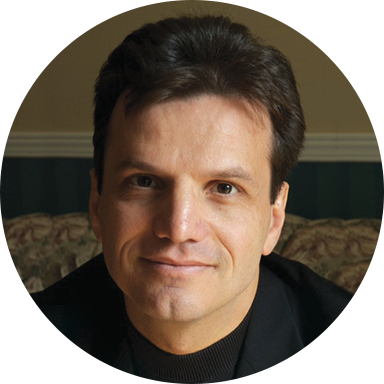
Vince Gassi

Vince Gassi has been composing for Alfred Music since 2006, building a catalog of more than 100 published works that span concert band, orchestra, and educational settings. His compositions balance musical substance with accessibility, a quality that has earned him consistent programming at regional and international festivals. Gassi holds a Bachelor of Music from the University of Western Ontario and studied composition and arranging at the Dick Grove School of Music in Los Angeles before completing his Ph.D. at York University in Toronto.

With 25 years of experience teaching instrumental music at the K-12 level, Gassi brings classroom reality to every score he writes. He regularly conducts as a guest clinician throughout North America and leads seminars on student engagement and digital workflows for music directors. His pieces appear frequently on the Midwest Clinic schedule and have been performed across North America, Europe, and Japan.

Why we love this

Gassi's descriptive writing captures genuine place and atmosphere without sacrificing musical substance. A Grade 3.5 band piece that sounds this engaging while remaining technically accessible is rare; the orchestration sits comfortably for developing players while offering enough harmonic color and rhythmic interest to keep experienced ensembles invested. The Chesapeake setting gives directors a concrete narrative hook for rehearsal and programming context.

What to expect

A scenic journey through water, landscape, and motion. The writing breathes naturally, with moments of reflection balanced against passages of forward momentum. Rhythmic vitality and accessible melodic content keep the ensemble engaged without demanding virtuosity.

Who it's for

Concert bands at the Grade 3.5 level seeking a piece with genuine musical character and regional interest. Directors programming for spring concerts or festivals will find a work that holds audience attention while remaining realistic for developing musicians.

How to get the most out of it

  • Balance the thematic material across sections so no single voice dominates the regional storytelling; feature your strong players in secondary lines to maintain clarity.
  • Bring out the character shifts between sections through articulation choices rather than dramatic tempo changes; Gassi's writing rewards nuanced phrasing.
  • Shape musical phrases through careful dynamic control; middle-school players often play too evenly, so model the rise and fall that makes the narrative arc effective.
  • Use the full 274-page score to mark cues and sectional landmarks early so rehearsals stay focused and students understand how their parts fit the larger picture.

How to use it

Program this as your concert opener or closer, where its descriptive clarity and moderate technical demands set a confident tone. It also works well as the centerpiece of a thematic program exploring geography, travel, or regional American music. Given its contest-appropriate length and balance, it's equally effective in festival rotation.

Skills your students will build

  • Phrase shaping and dynamic control in scalar and lyrical passages
  • Reading and balancing independent melodic lines within a full ensemble texture
  • Sustaining ensemble cohesion across tempo and character changes
  • Regional articulation awareness (distinguishing between lyrical, marcato, and propulsive sections)

You May Also Like
