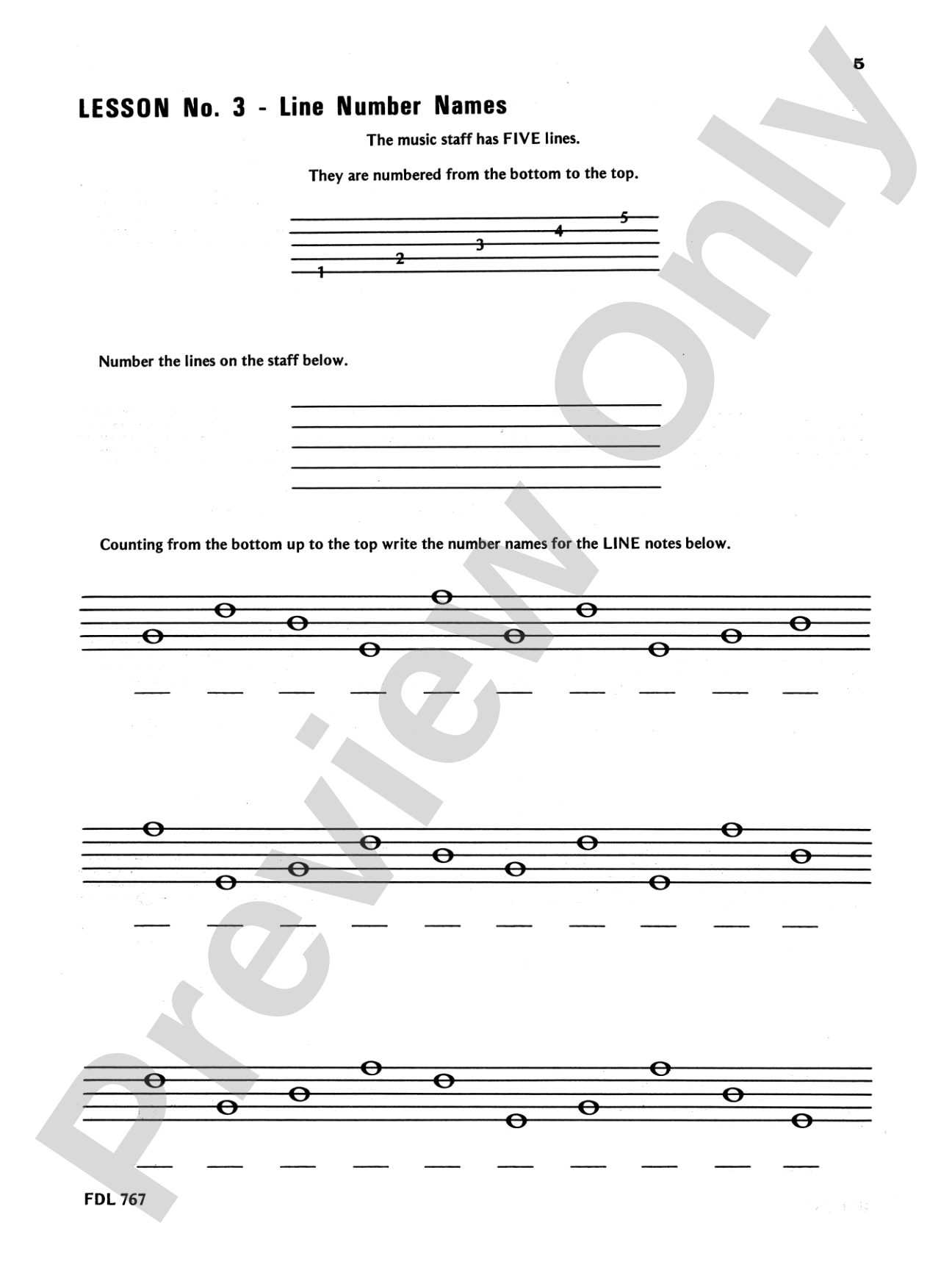
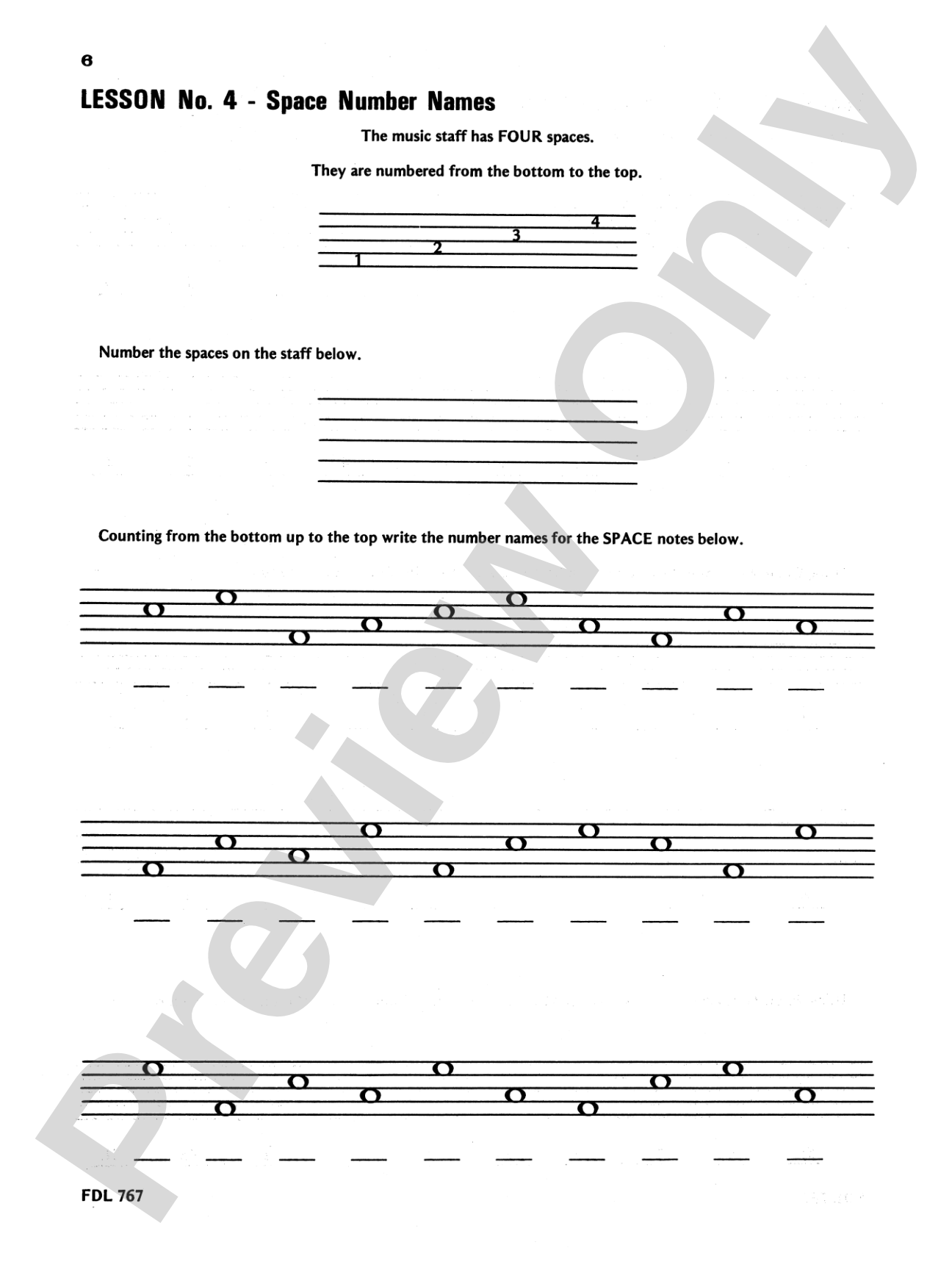
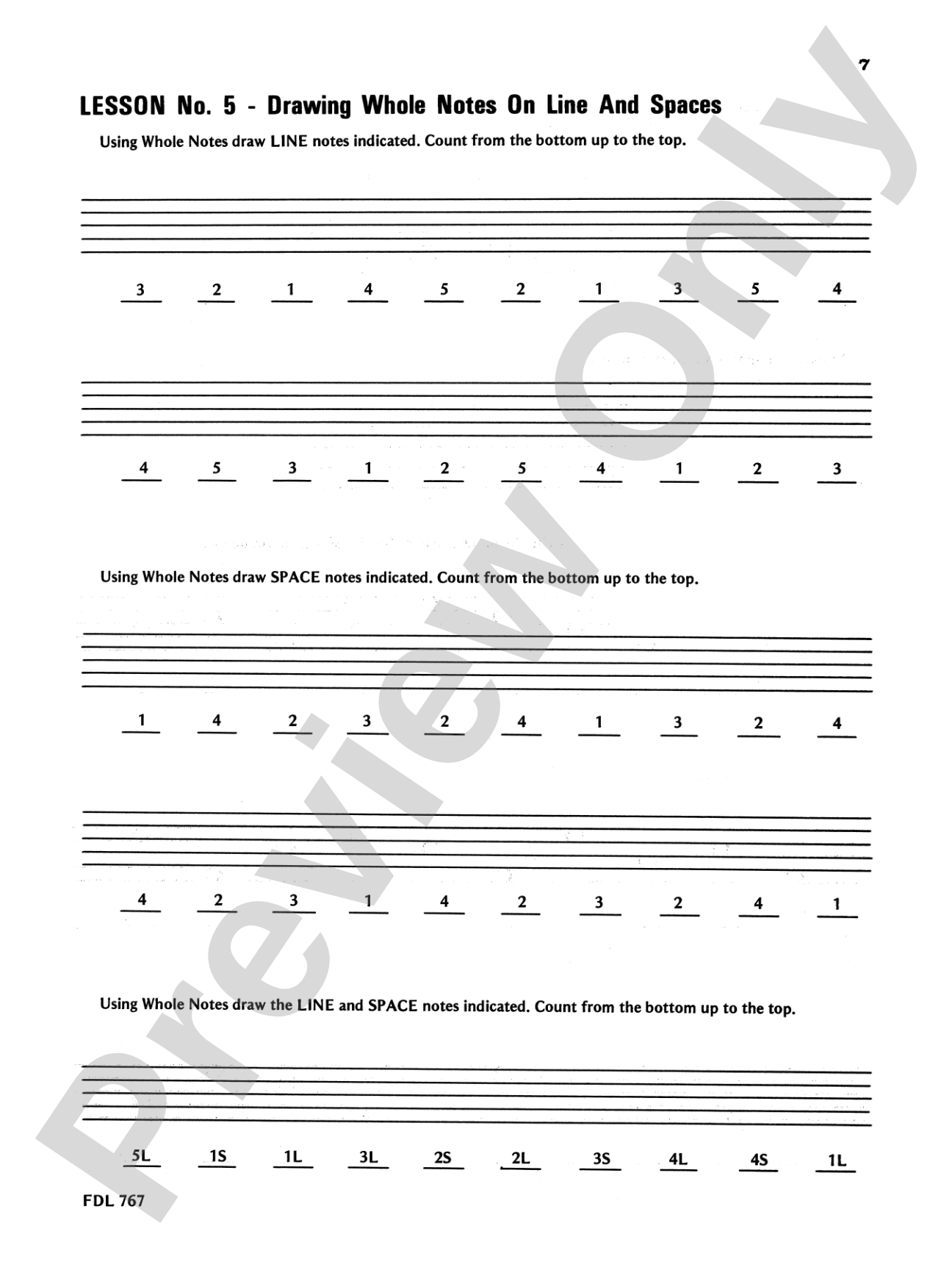
The 30 NOTE SPELLING LESSONS are for the reinforcement of the music fundamentals found in the early levels of the David Carr Glover Piano Library. They present note spelling on the grand staff, leger lines and spaces, chord note spelling, whole steps and half steps, forming tetrachords and major scales and notes and rests in 4/4, 3/4, 2/4, and 6/8 meter.
Discover MakeMusic Cloud: thousands of interactive titles your students can play along with today.
David Carr Glover shaped American piano pedagogy through his systematic, student-centered approach to music fundamentals. His piano library became a cornerstone method book series precisely because it balanced rigor with accessibility, breaking complex concepts into manageable, sequential lessons that teachers could trust to build genuine understanding.
Why we love this
These 30 lessons function as the perfect companion workbook for students progressing through early Glover repertoire. Rather than generic theory worksheets, each lesson targets the specific concepts students encounter in their pieces, making the connection between what they learn and what they play immediate and tangible.
What to expect
Structured and purposeful. These lessons invite students into systematic thinking about music without feeling like punishment or busywork. There's a quiet confidence in how each page builds on the last, never overloading but consistently deepening understanding.
Who it's for
Early elementary piano students working through the David Carr Glover Piano Library, particularly those who benefit from written reinforcement of what they're learning at the keyboard. Teachers seeking comprehensive, scaffolded theory support that aligns perfectly with their method book will find this essential.
How to get the most out of it
Assign lessons in tandem with the corresponding level of the Glover method book, not ahead of it. Students solidify concepts most effectively when they encounter them in both the lesson and their repertoire simultaneously.
Work through one lesson per week during lessons or as homework, allowing time for students to write, erase, and revise without rushing through the material.
Use the chord note spelling exercises as preparation before introducing chord inversions or broken chord patterns in actual pieces.
How to use it
Integrate these lessons as the theory and notation component of your early piano curriculum. They work best assigned consistently throughout the year alongside repertoire study, rather than bundled into a single review unit.
Skills your students will build
Reading notes on the grand staff and leger lines
Identifying chord tones and spelling triads in various positions
Constructing whole steps, half steps, tetrachords, and major scales
Reading and writing note values and rests in 4/4, 3/4, 2/4, and 6/8 time signatures
Translating notation symbols into keyboard understanding
You May Also Like
Scan to Complete Your Purchase
Use your phone's camera to scan the code below
You'll log in on your phone and the order will be added to your account