
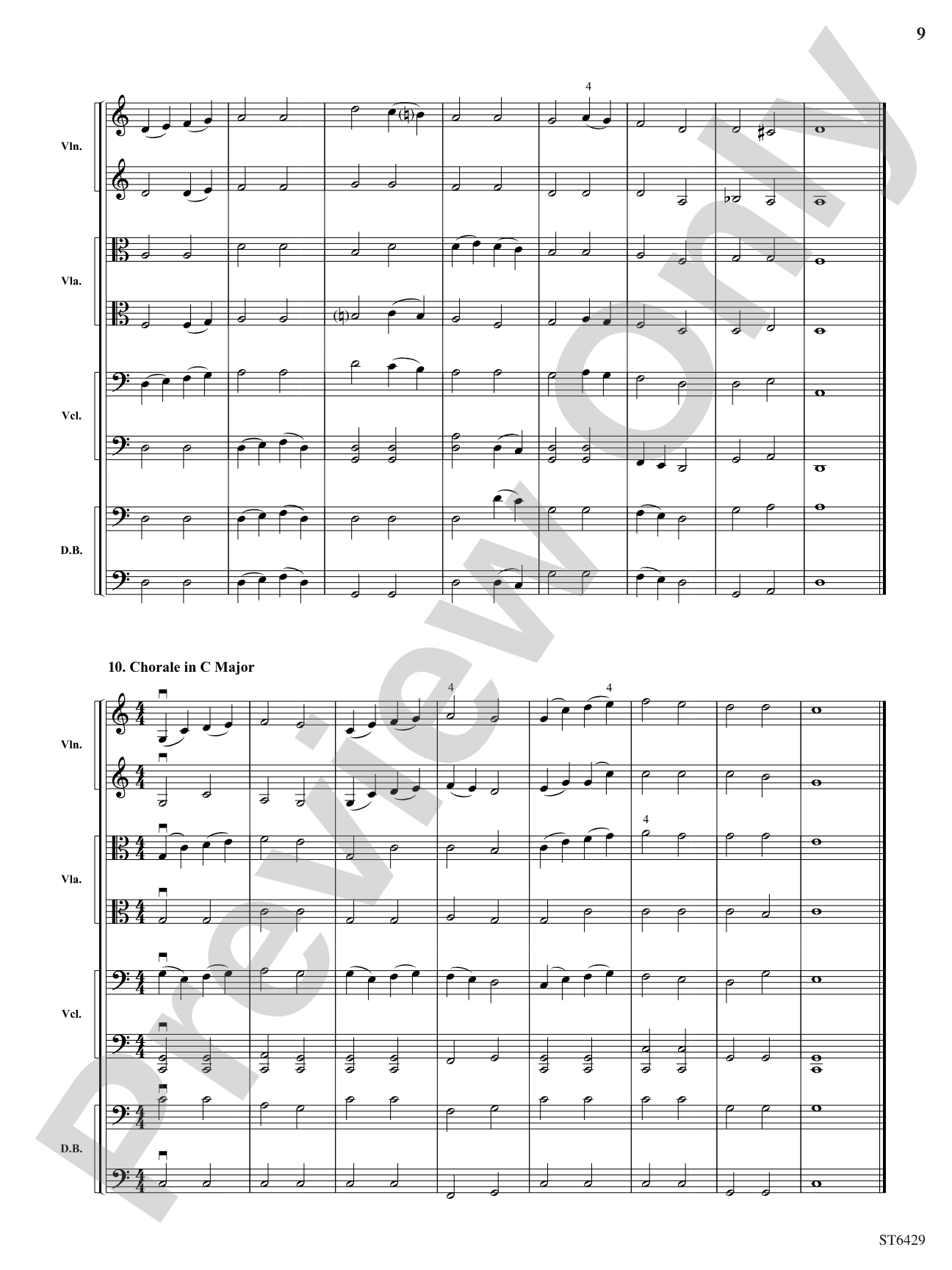

10 Intonation Studies and Chorales: String Orchestra Conductor Score & Parts
By Brian Balmages
Item: 98-DST6429

$65.00
Pickup currently not available
Buy Extra Parts (Digital PDF Download)
| Product | Price | Quantity |
|---|---|---|
| 10 Intonation Studies and Chorales: Score | $11.00 | |
| 10 Intonation Studies and Chorales: Violin | $7.00 | |
| 10 Intonation Studies and Chorales: Viola | $7.00 | |
| 10 Intonation Studies and Chorales: Violoncello | $7.00 | |
| 10 Intonation Studies and Chorales: Double Bass | $7.00 |
Parts Added to Cart!
Related Items
10 Intonation Studies and Chorales: String Orchestra Conductor Score & Parts |
$65.00
|
View |
Description
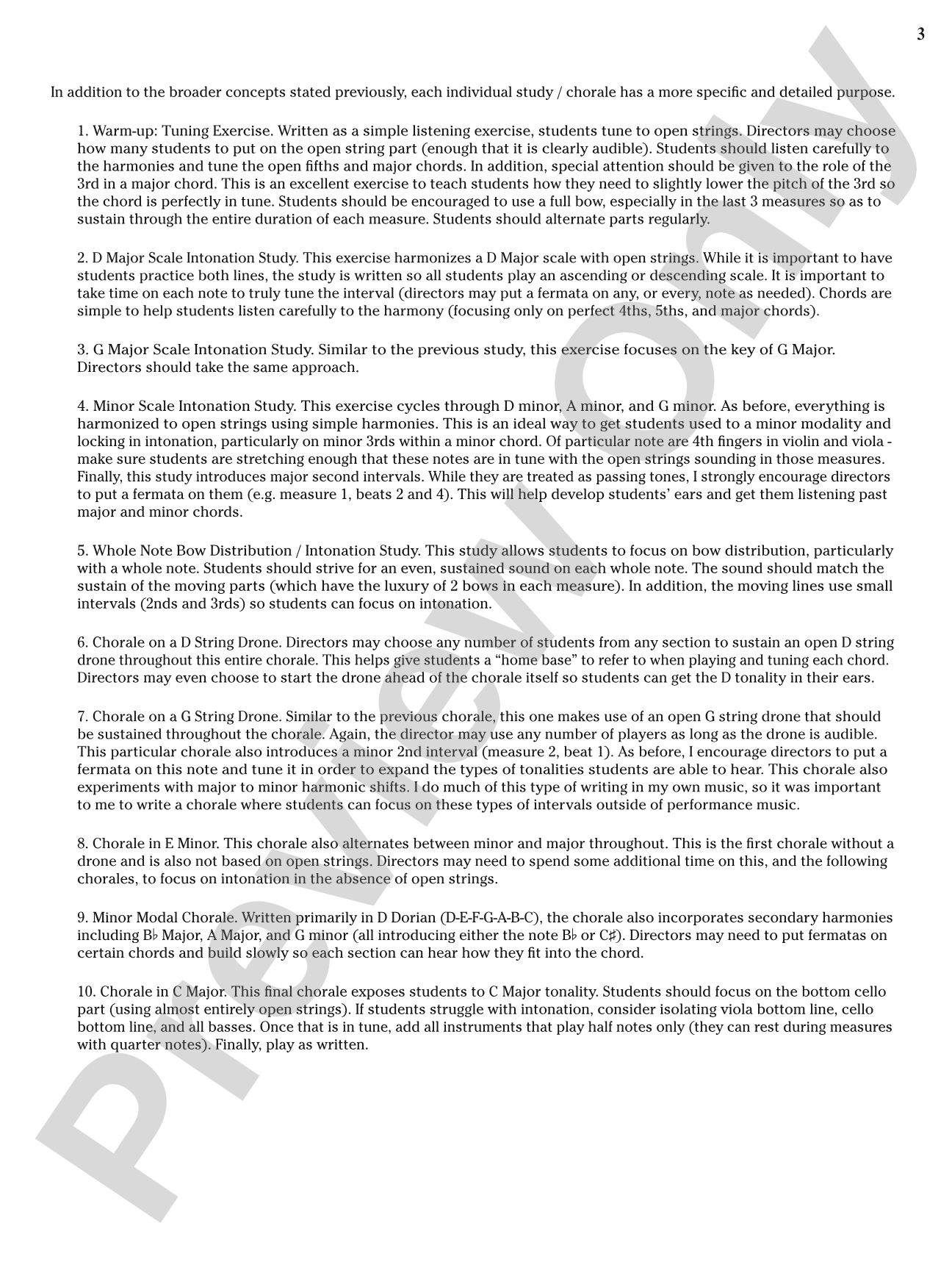
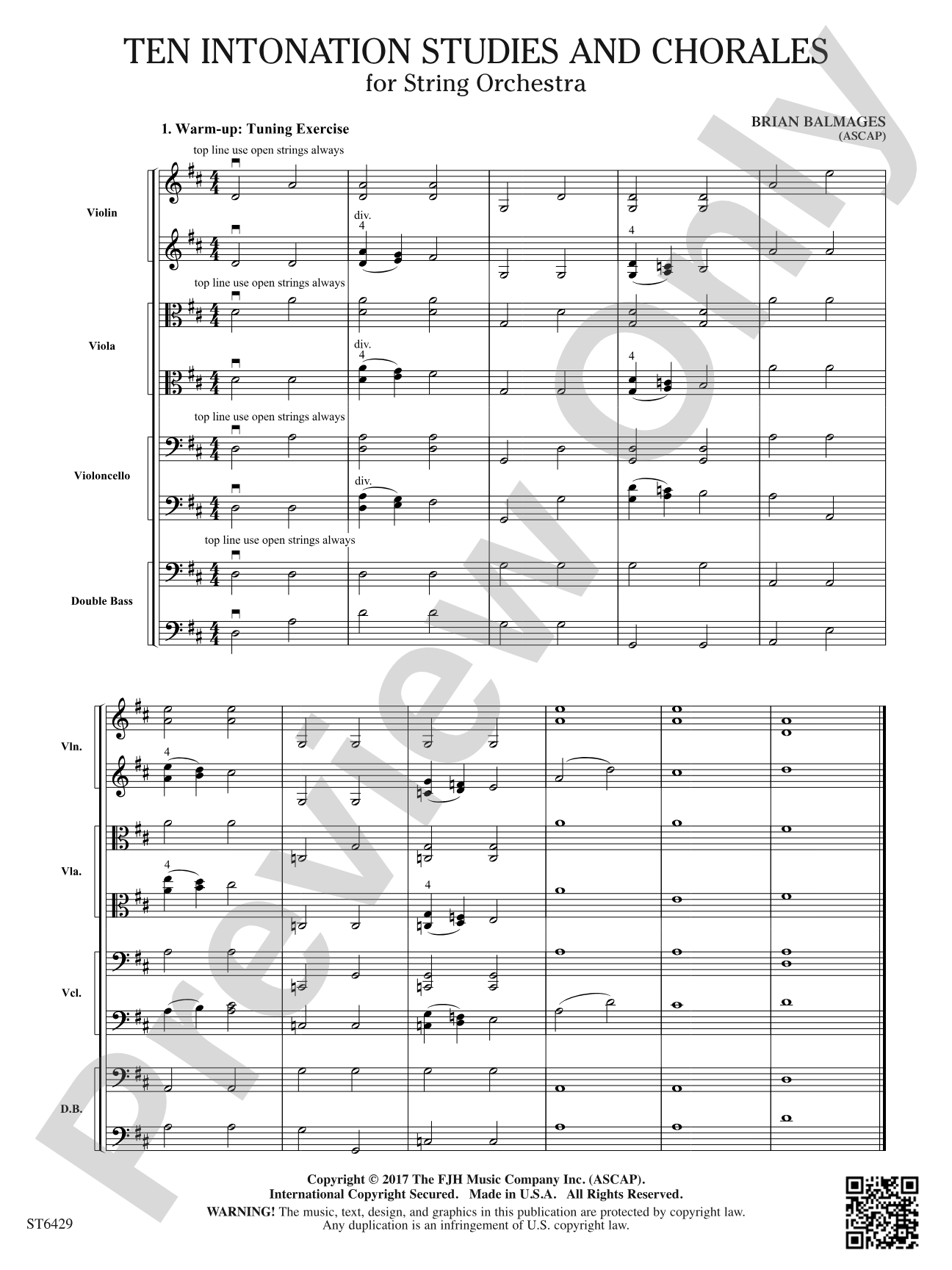
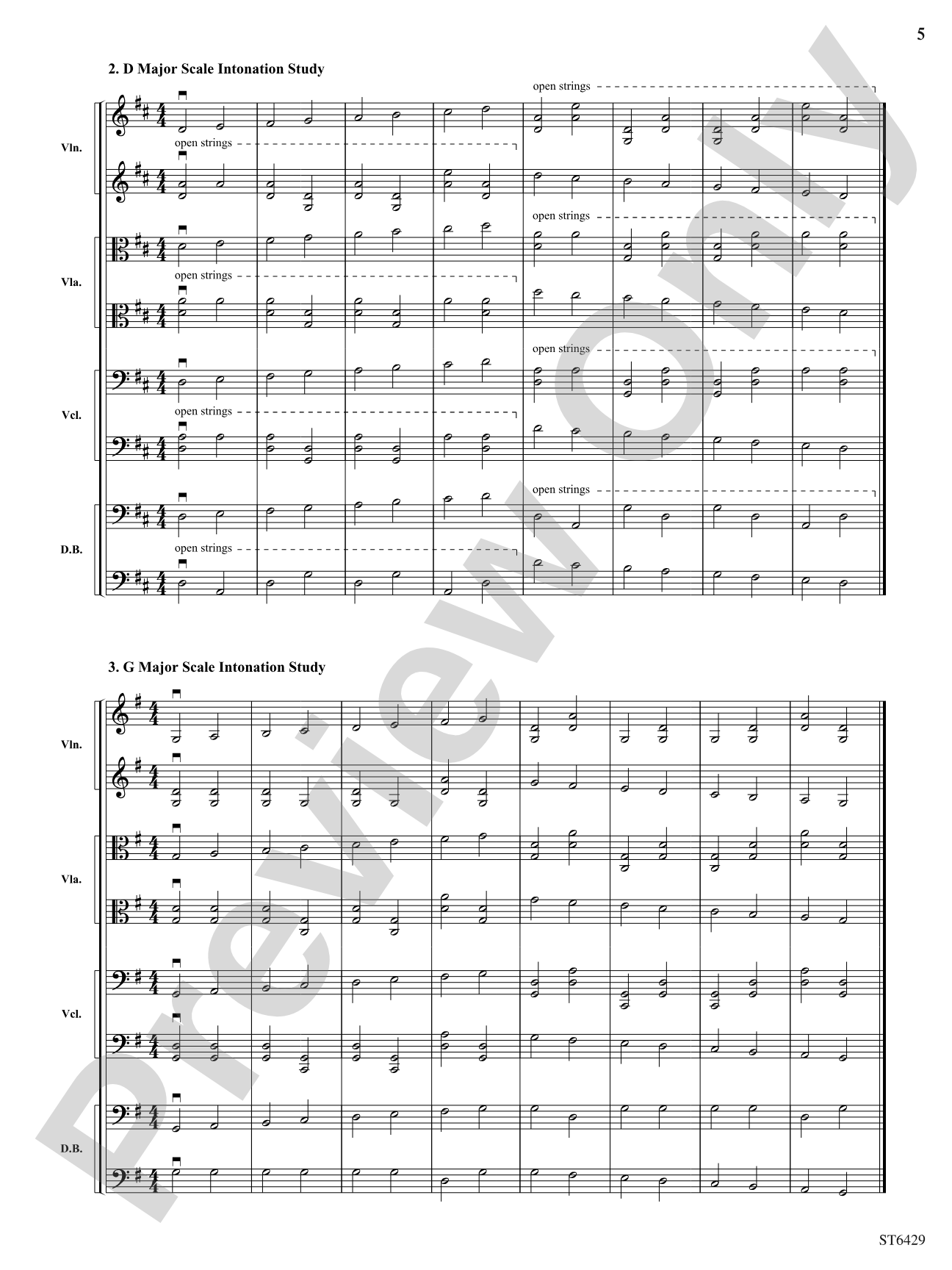
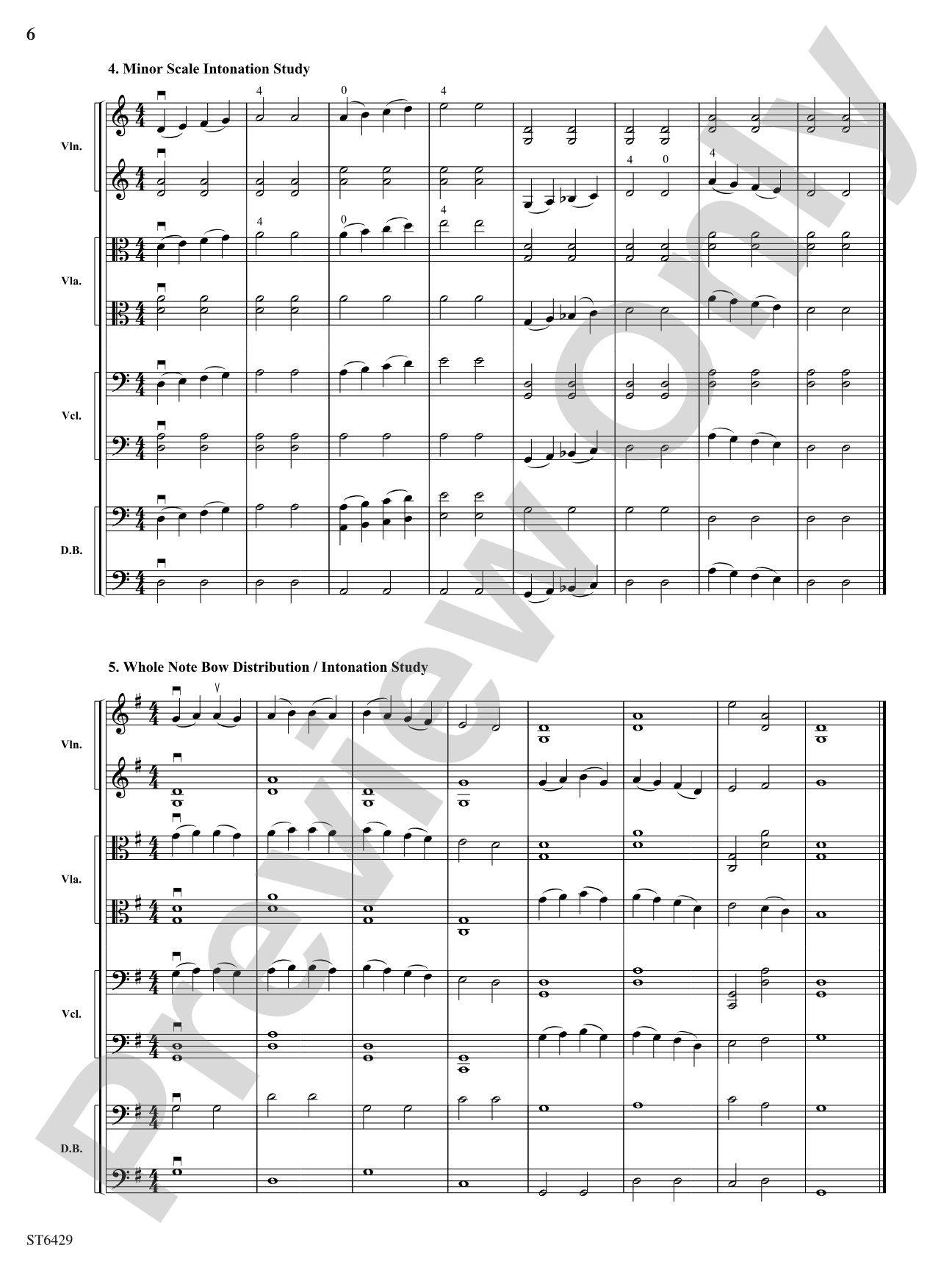
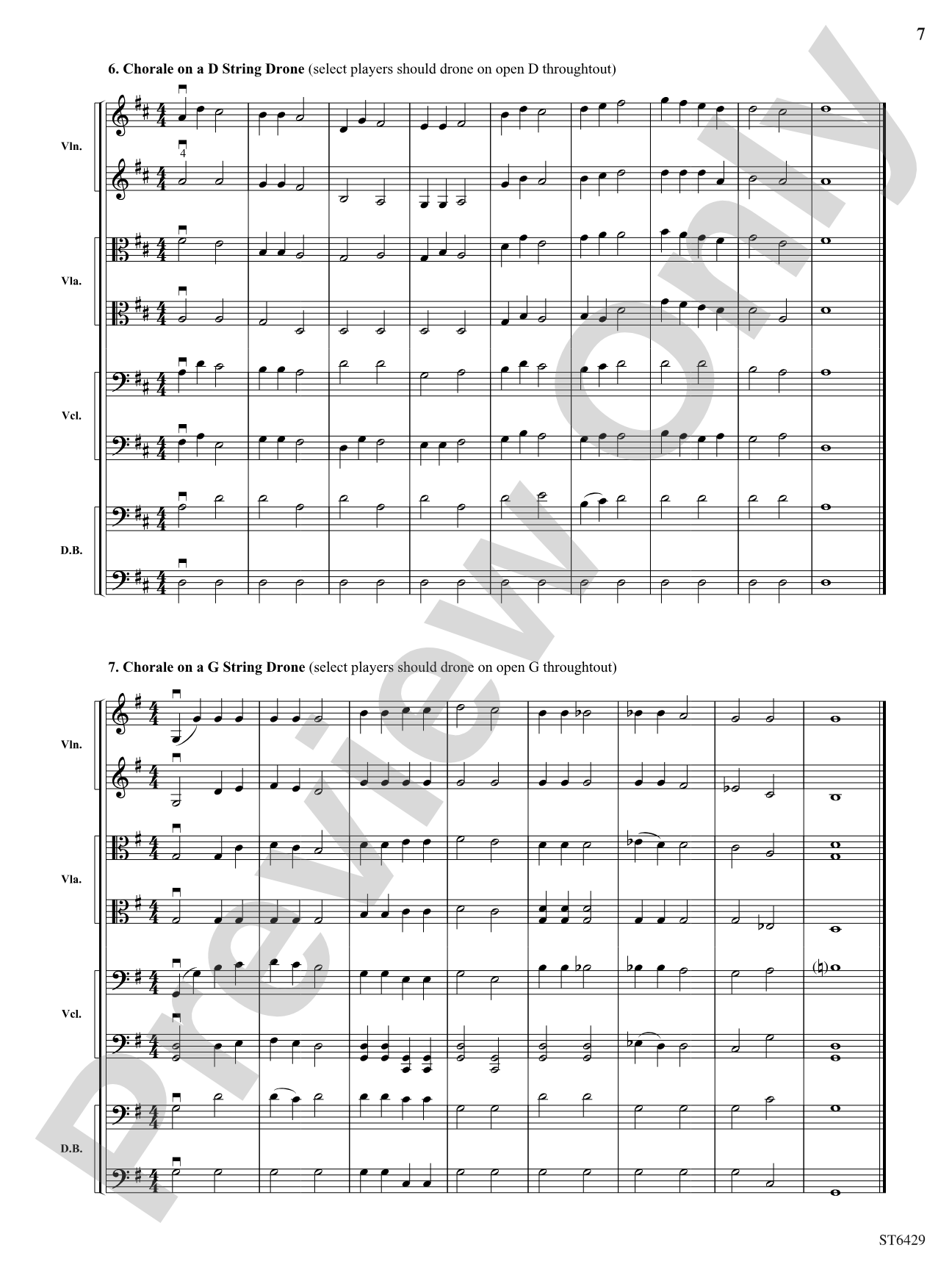
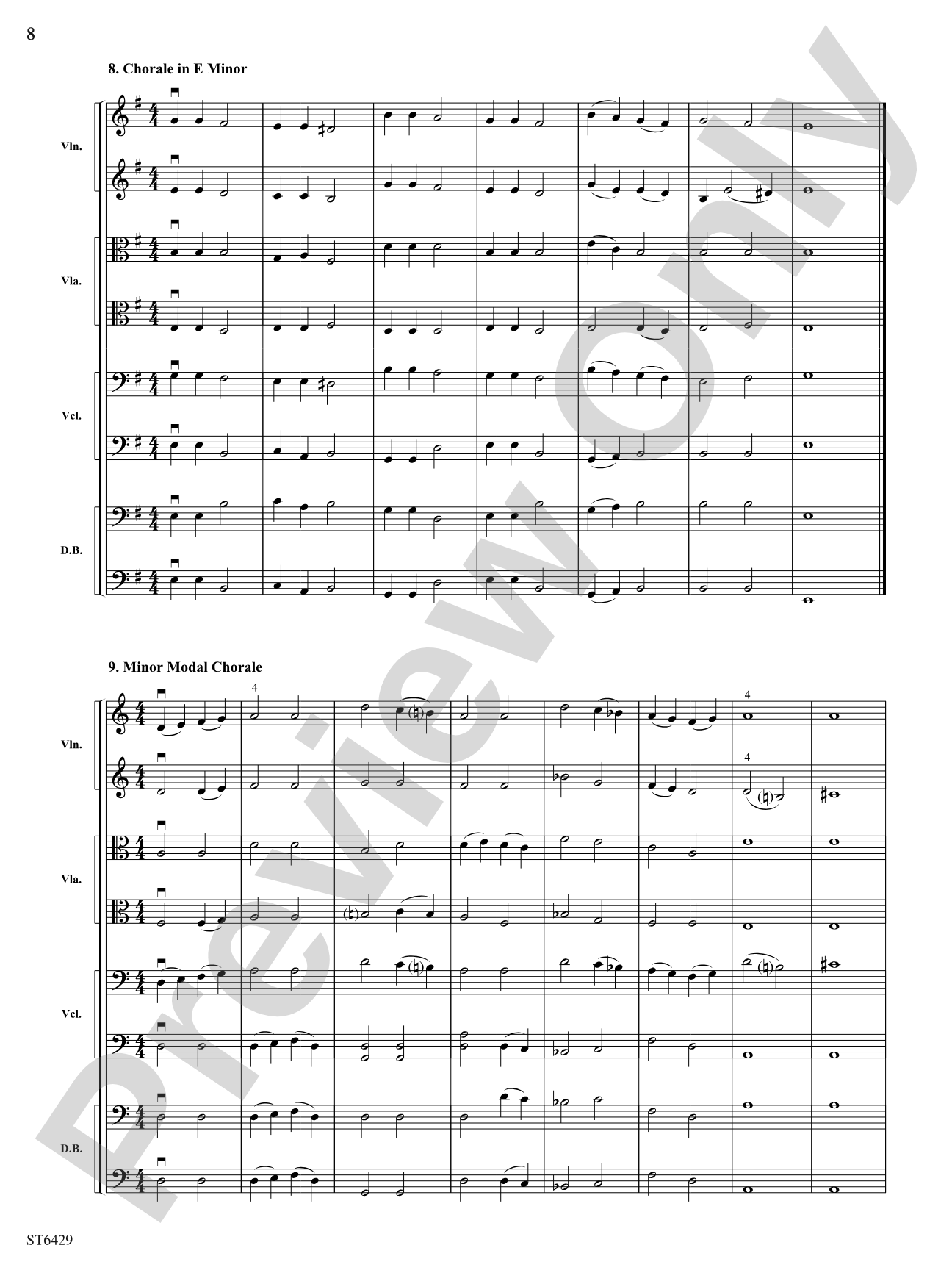
Enhance your warm-up and develop stellar intonation with this thoughtful set of 10 intonation studies and chorales. Designed to help students hear harmony in a logical and progressive way, exercises include harmonizing scales to open strings, the use of open string drones during chorales, studies in various keys, attention to bow distribution, and much more. Complete with an extensive discussion featuring practical uses for each study and suggested combinations throughout the year. A fabulous resource for all string orchestras, including honor orchestras!


Don't just read it, hear it, play along with it, and watch your students grow with it. In MakeMusic Cloud, 10 Intonation Studies and Chorales: String Orchestra Conductor Score & Parts comes alive with professional accompaniment, adjustable tempo, and built-in practice tools that turn solo practice into real progress.
Open in the Player
Jump straight in and assign it today.
Start Your Free Trial
Open this title and explore the full library in minutes.
Sample Audio
1
Audio File
--:--
0:00
0:00
Sample Video
Additional Details
Series:
FJH String Orchestra
Publisher:
The FJH Music Company, Inc.
SKU:
98-DST6429
More about this title
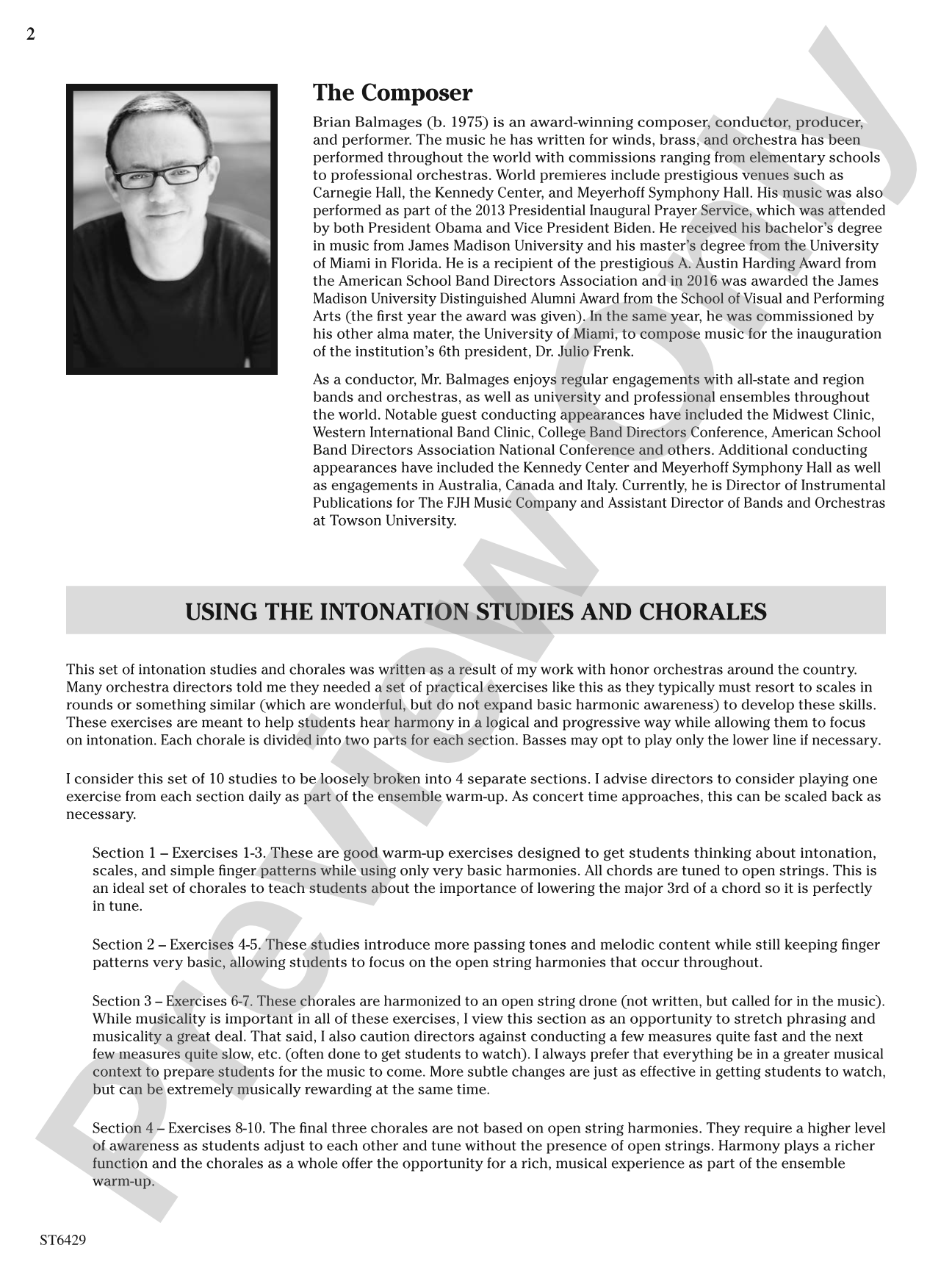
About the Composer: Brian Balmages

Brian Balmages has built an international reputation as a composer and conductor working across orchestral, band, and chamber music. His works have premiered in prestigious venues including Carnegie Hall, the Kennedy Center, and the Sydney Opera House, performed by ensembles ranging from professional orchestras to school groups. He received the A. Austin Harding Award from the American School Band Directors Association and won the 2020 NBA William D. Revelli Composition Contest. As a guest conductor, he regularly leads all-state and regional ensembles, university orchestras, and professional groups worldwide, with appearances at the Midwest Clinic, College Band Directors Conference, and state ASTA conferences.
Balmages holds degrees from James Madison University and the University of Miami, institutions that have both recognized his contributions to music. He was commissioned by the University of Miami to compose music for the inauguration of the institution's 6th president, and his compositions have been performed at significant national events, including the 2013 Presidential Inaugural Prayer Service. Currently, he serves as Director of MakeMusic Publications and Digital Education for Alfred and MakeMusic.
Why we love this
Balmages has created a genuinely practical resource that treats intonation as something students learn through listening and playing together, not through isolated drill. The progressive structure and the conductor's guide showing how to combine studies throughout the year save you planning time while building ensemble cohesion in a way that actually sticks.
What to expect
Clear and purposeful. Each study isolates a specific listening challenge (matching to open strings, hearing harmonic function, managing bow pressure in tune) so students move forward methodically rather than rehearsing general technique. The progression builds confidence.
Who it's for
String orchestra conductors at the secondary and university level who want a systematic, composer-guided approach to intonation development. These studies work equally well for standard orchestras and honor or festival ensembles preparing for competition or performance evaluation.
How to get the most out of it
- Start with open string drones to establish pitch center before moving to the harmonized scale studies. This sensory anchoring helps students internalize the harmonic environment they'll navigate.
- Rotate which students play the drone part across rehearsals so everyone develops the skill of matching pitch against a reference tone rather than relying on habit or section unison.
- Pause after each study to ask students what they noticed about intonation challenges in that key or harmonic context. Their ear awareness deepens when they name the problem themselves.
- Use the conductor's suggested combinations to build studies into your regular warm-up over weeks and months. Consistency matters more than cramming all ten into one rehearsal.
How to use it
Integrate these into your weekly warm-up cycle, rotating through different studies rather than repeating the same ones daily. The conductor's guide helps you sequence them strategically throughout the year, connecting them to the keys and harmonic contexts your mainstage repertoire demands.
Skills your students will build
- Matching pitch against open string reference tones
- Hearing and tuning harmonic intervals within diatonic harmony
- Adjusting intonation across different keys and harmonic contexts
- Sustaining steady pitch while managing bow distribution and pressure
- Listening to ensemble tuning as an active, collaborative skill rather than passive habit