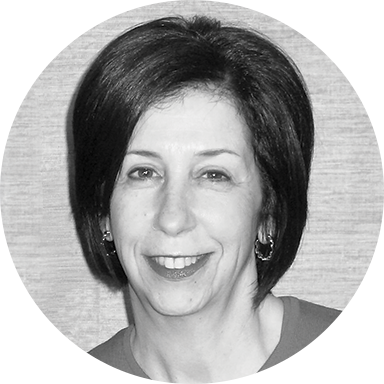
Jill Gallina, alongside her collaborator Dr. Michael Gallina, has built a career creating music and musical theater that resonates across elementary through high school levels. Her work has earned recognition from the Parents Choice Foundation, American Library Service, and ASCAP, and has appeared on major platforms including PBS, The Disney Channel, and The Boston Pops. Before transitioning to full-time composition, Gallina taught elementary music, bringing classroom experience directly into her writing.
The Gallinas' combined output has reached millions of singers worldwide, with their educational compositions and theatrical works performed thousands of times annually. Both hold degrees from the College of New Jersey, and together they lead workshops for educators across English-speaking countries. Their creative contributions extend beyond music into children's advocacy, having contributed to a United Nations documentary on youth rights. More details about their work can be found at www.gallinamusic.com.
Why we love this
Gallina brings authentic Spanish folk energy into an arrangement that sits perfectly for developing singers. The 3-part mixed voicing gives you flexibility with changing voices and uneven distributions, while the folk material itself carries natural rhythmic momentum that keeps singers engaged without requiring extensive interpretive coaching.
What to expect
Rhythmically alive and playful, with the kinetic energy folk music brings to a choir. The arrangement captures the spirit of movement embedded in the title itself, creating a performance that feels celebratory and immediate rather than classical or formal.
Who it's for
Middle and high school choirs looking for repertoire with cultural authenticity and built-in musicality. This works especially well for programs balancing concert season variety or for directors seeking material that feels fresh to singers without requiring extensive rehearsal time.
How to get the most out of it
Keep the articulation bright and bouncy; Spanish folk idioms lose their character when treated too formally
Experiment with the recorded accompaniment to lock the ensemble's pulse before pulling away to sing without it
Balance the three parts so the melody sings through clearly while the supporting voices add fullness without overwhelming
How to use it
Pair this with other world music selections for a culturally diverse concert, or use it as an energetic set closer that leaves the audience in good spirits. The nine-page length makes it manageable alongside larger works, and the folk character gives you a natural programming contrast to art songs or classical selections.
Skills your students will build
Singing in a non-English language with appropriate rhythmic inflection
Balancing three independent vocal lines while maintaining ensemble cohesion
Interpreting folk idioms and ornamentation
Responding to the rhythmic vitality of Spanish-language material
You May Also Like
Scan to Complete Your Purchase
Use your phone's camera to scan the code below
You'll log in on your phone and the order will be added to your account