
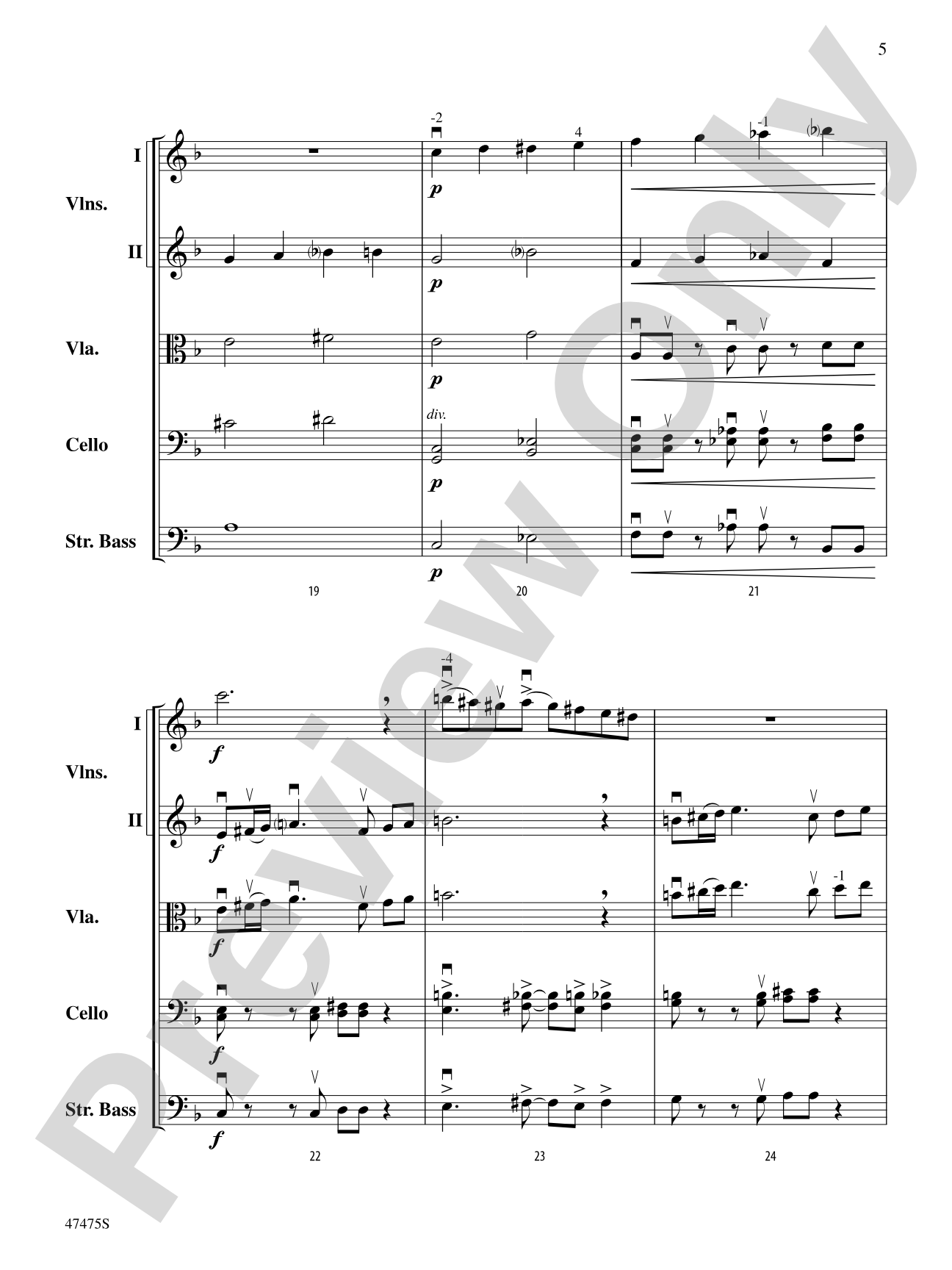
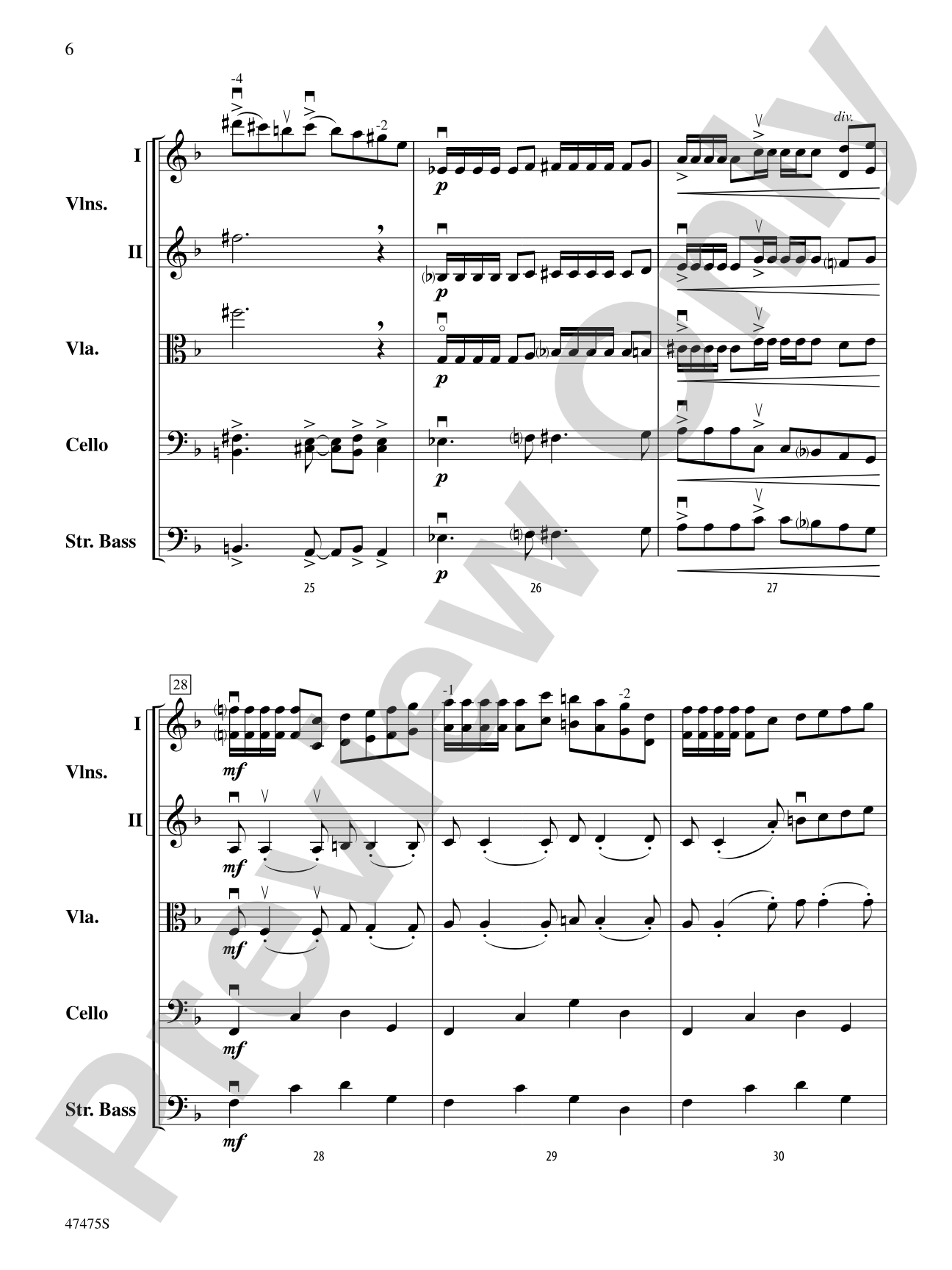
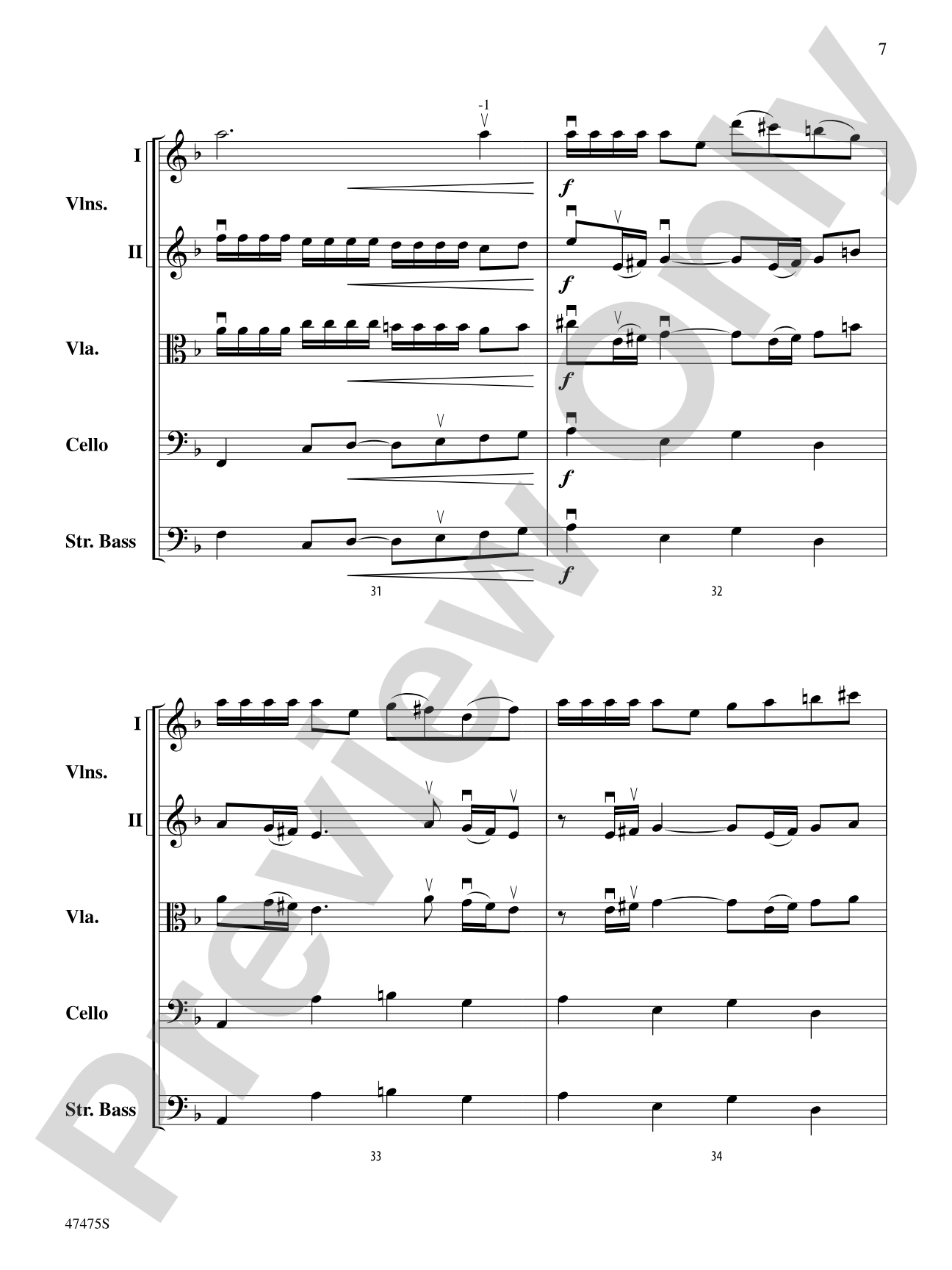
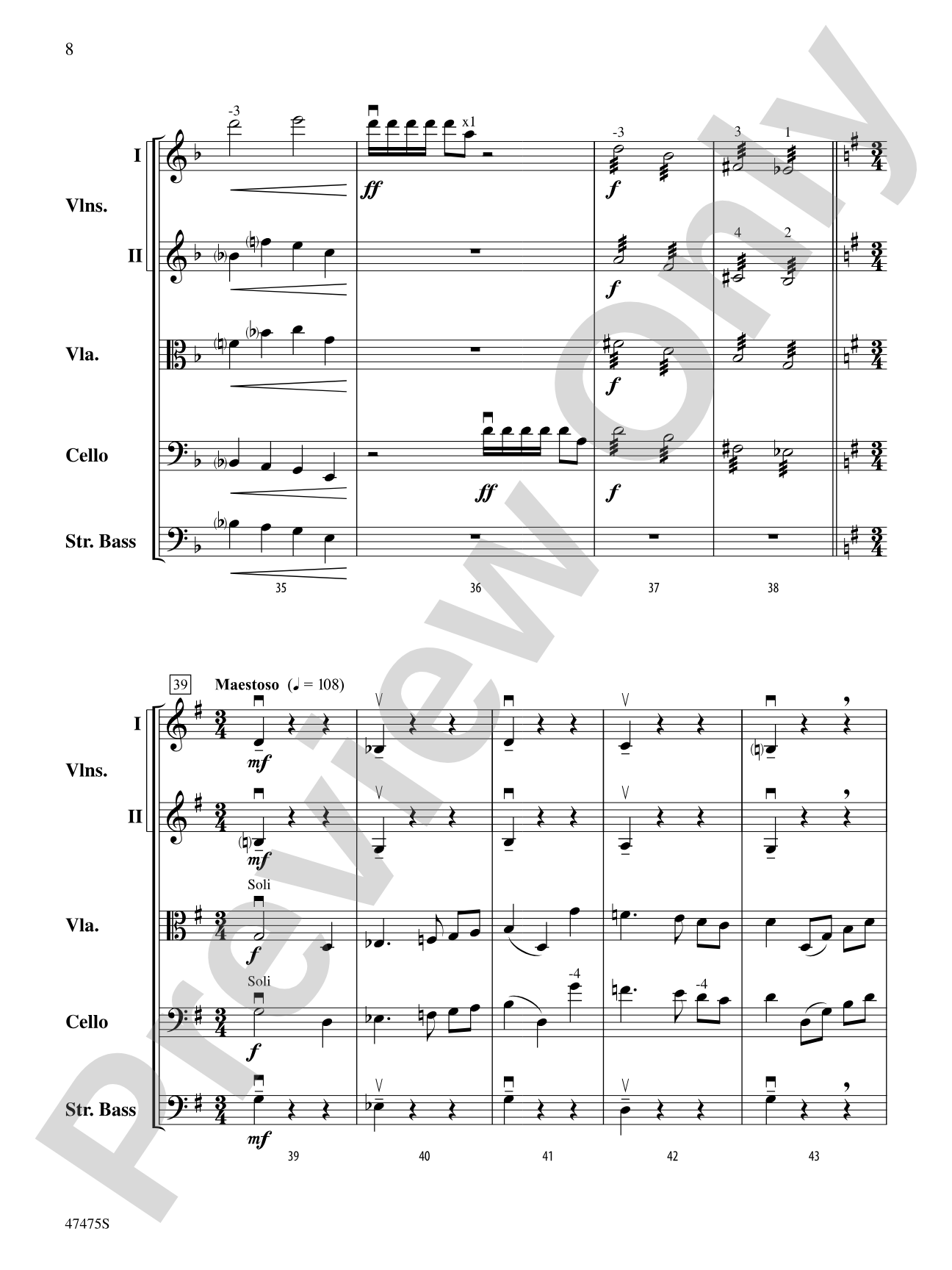
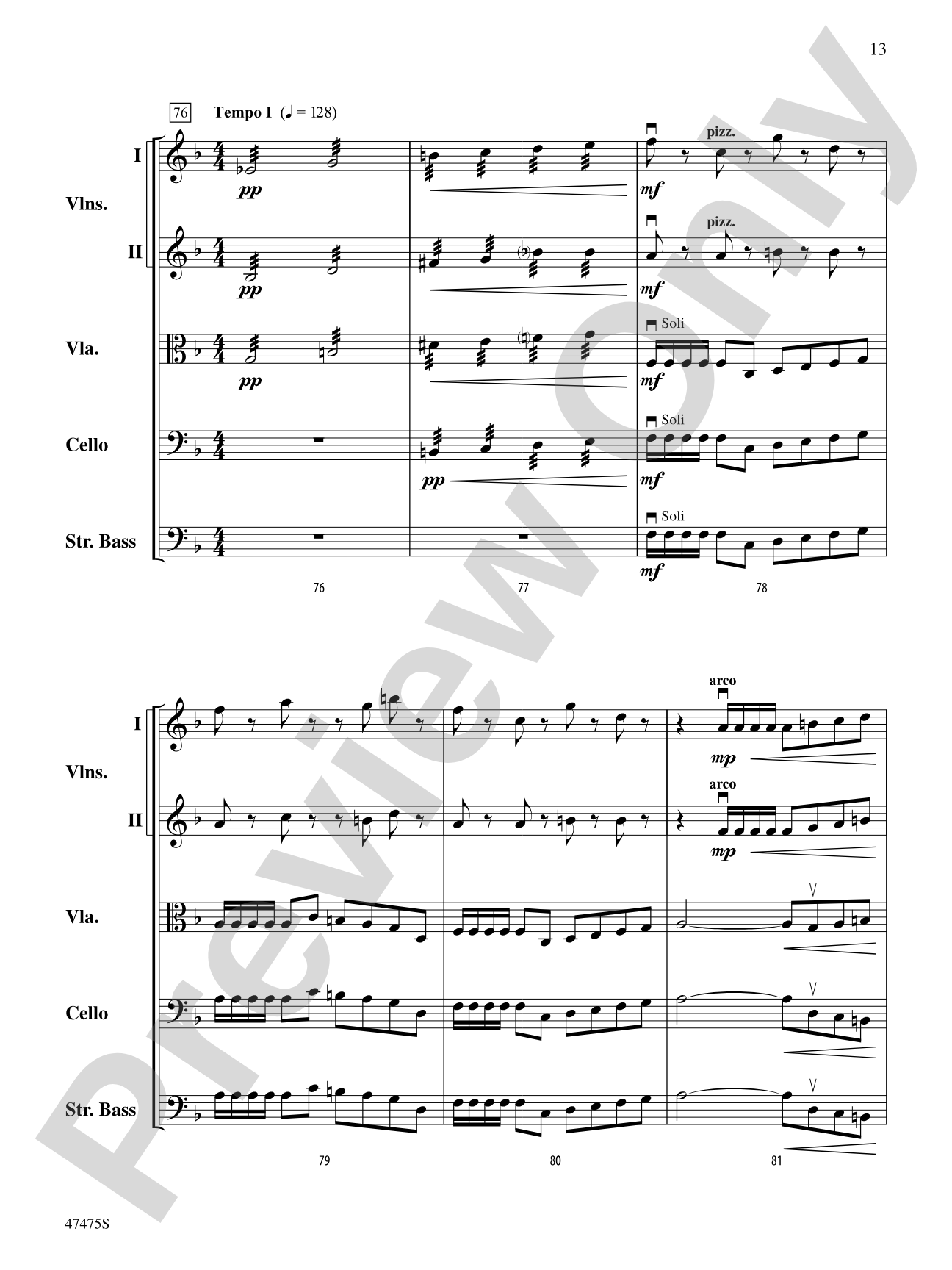
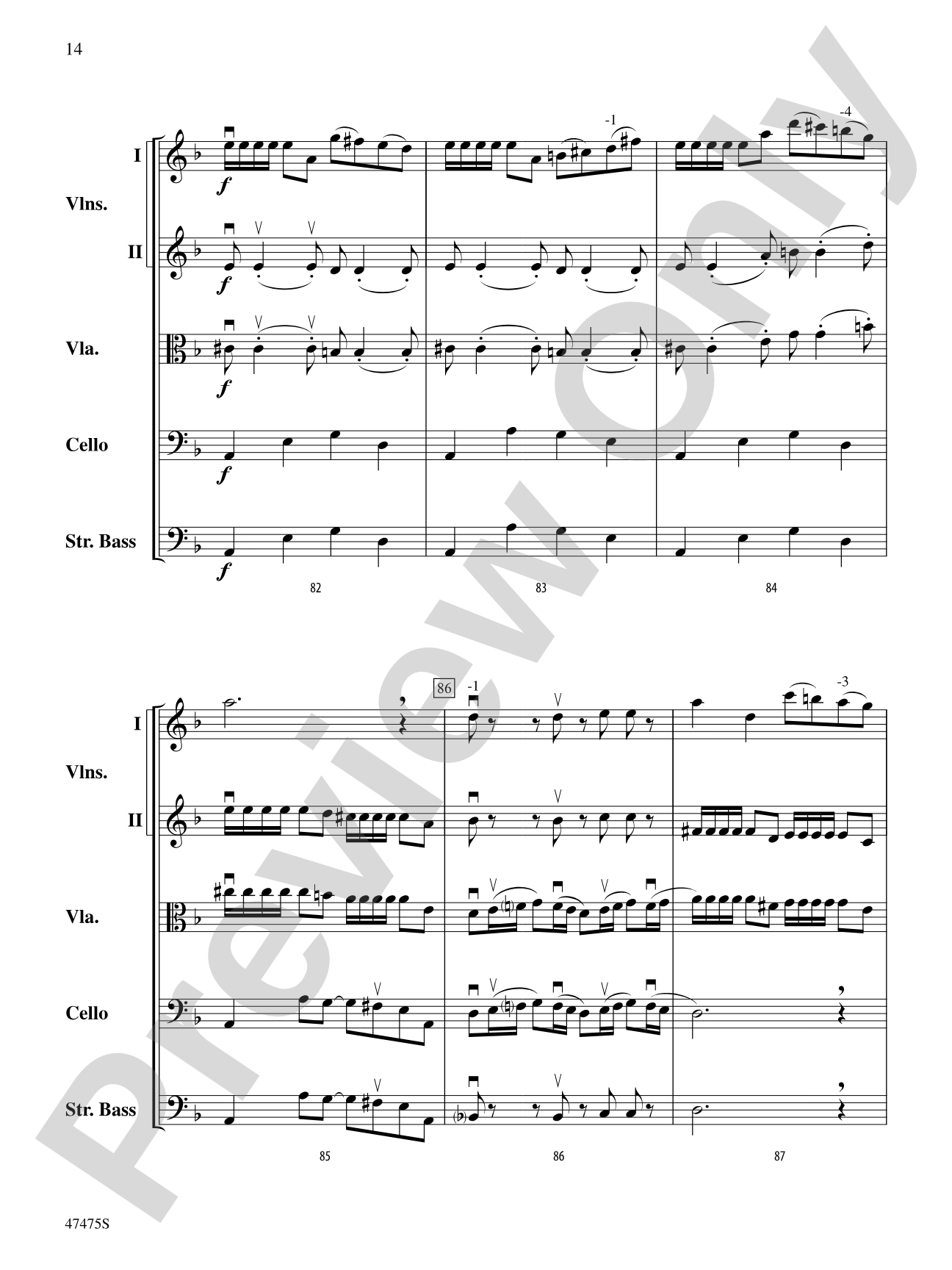
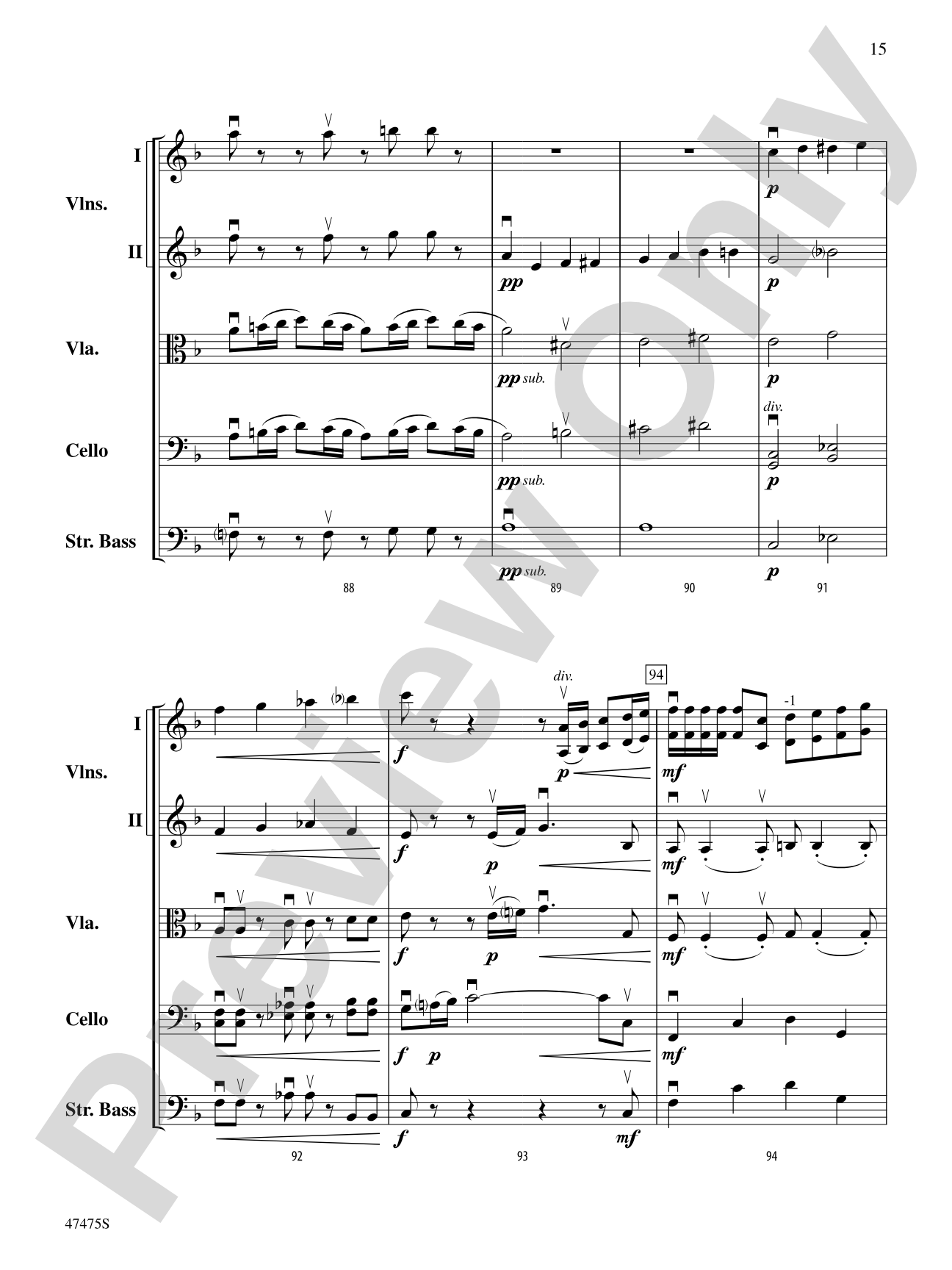
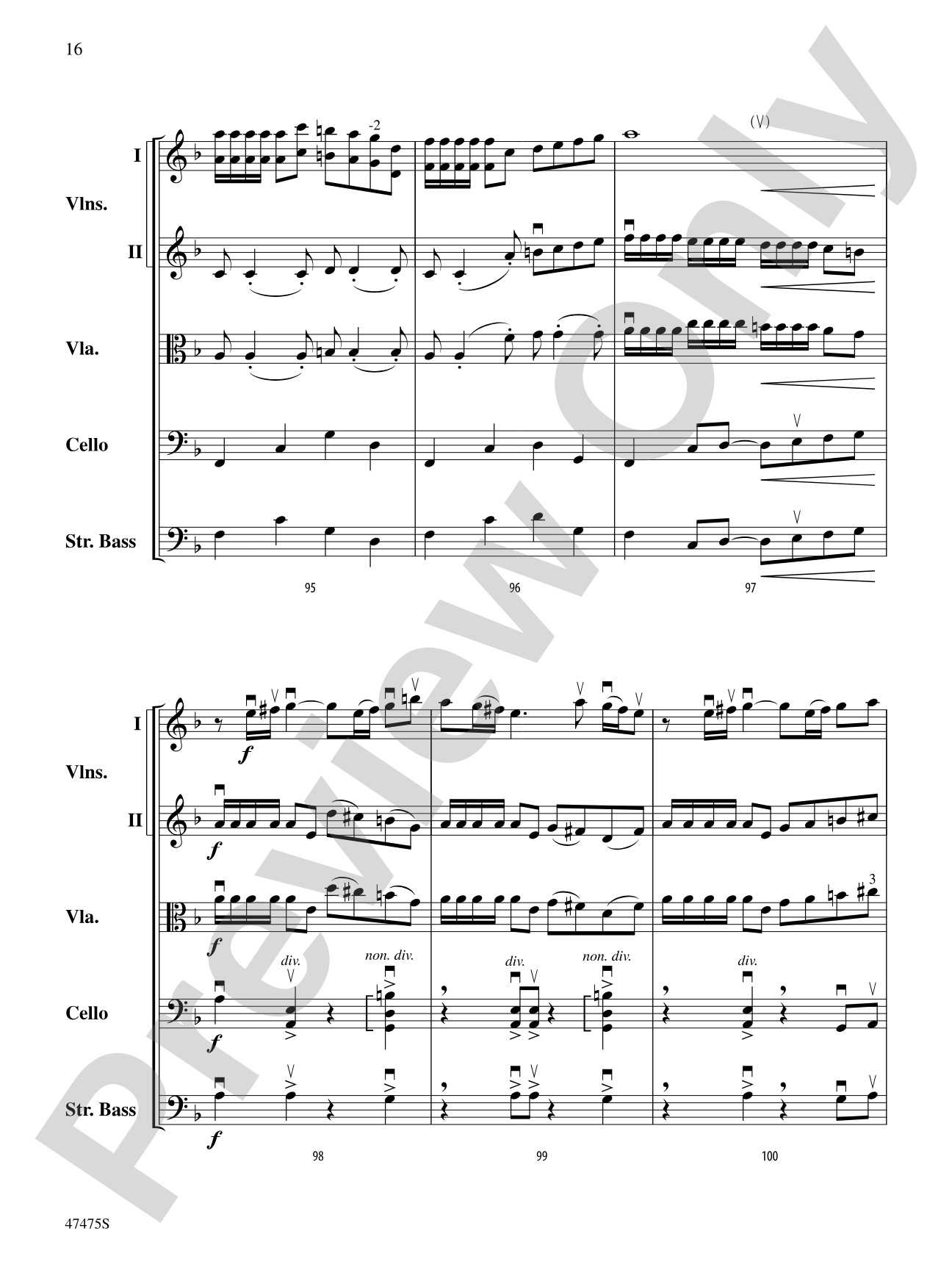
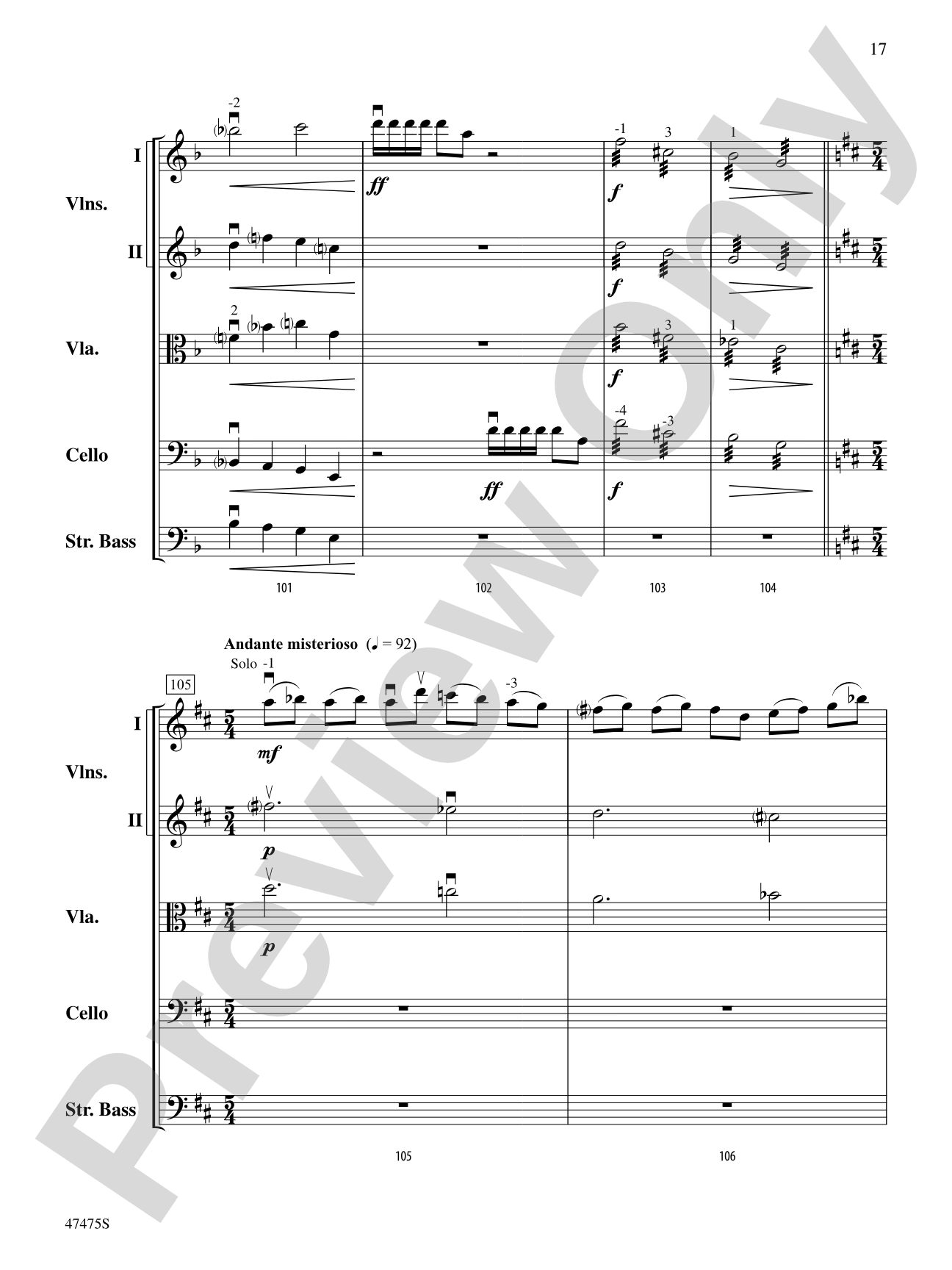
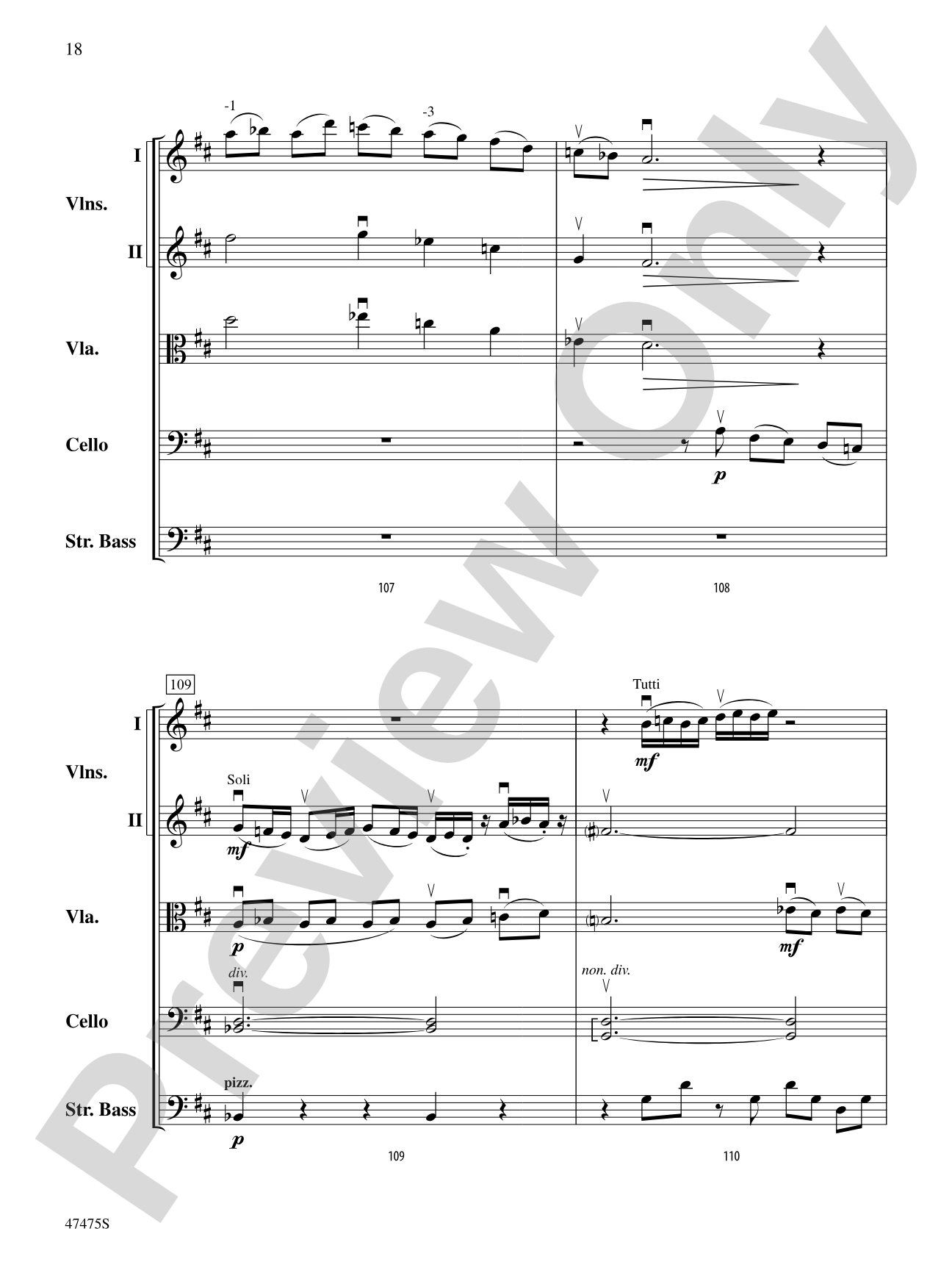
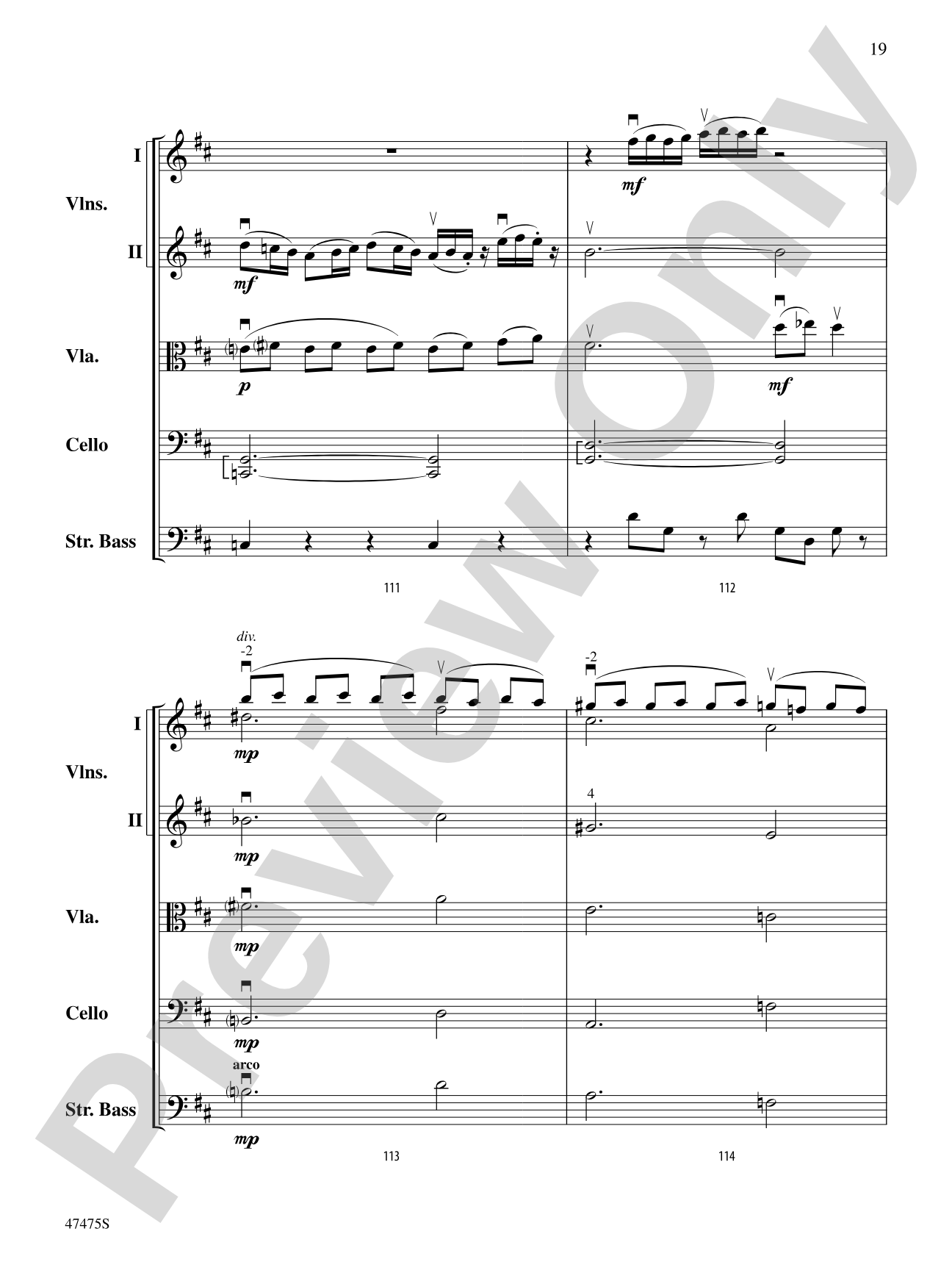
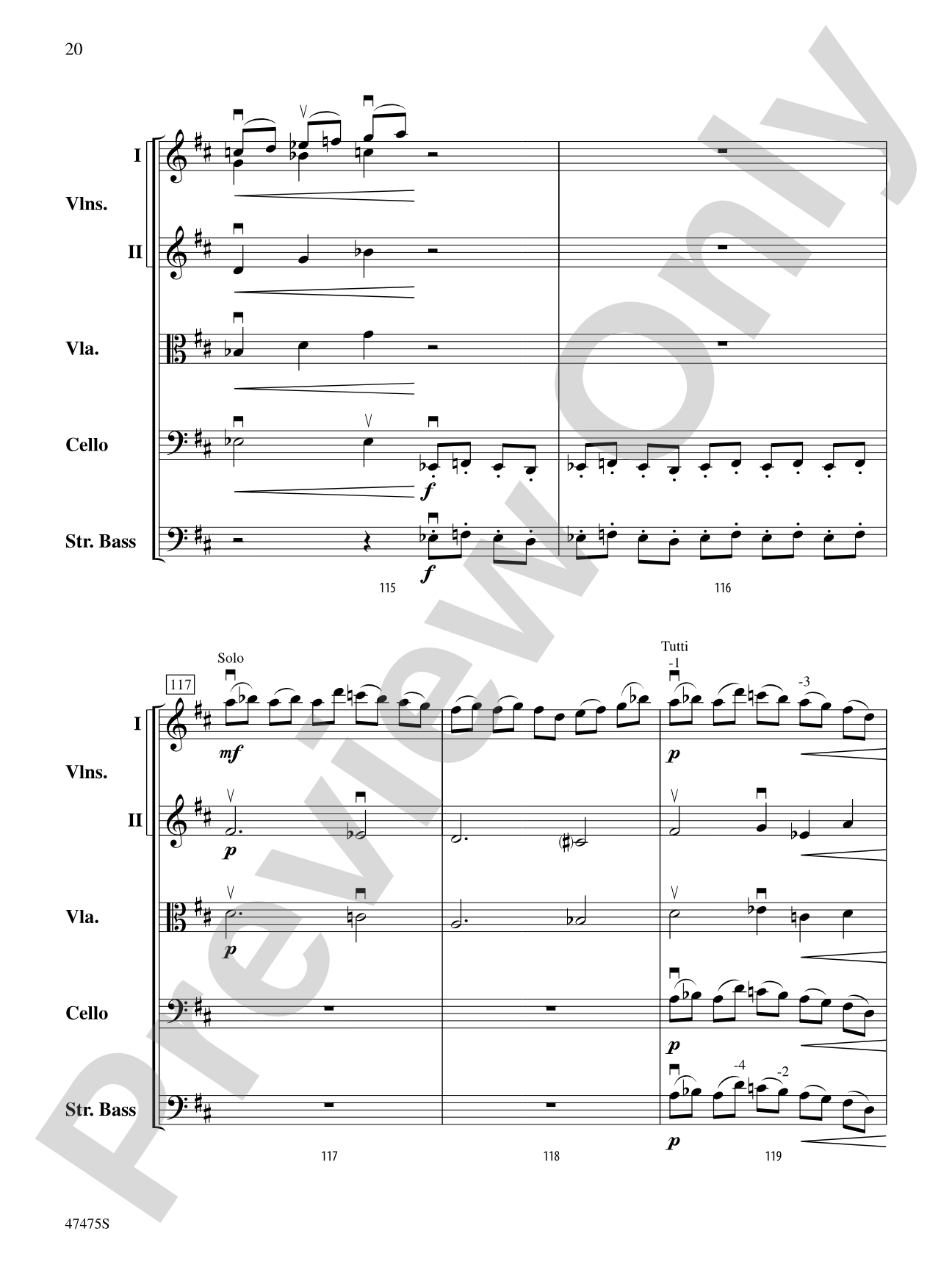
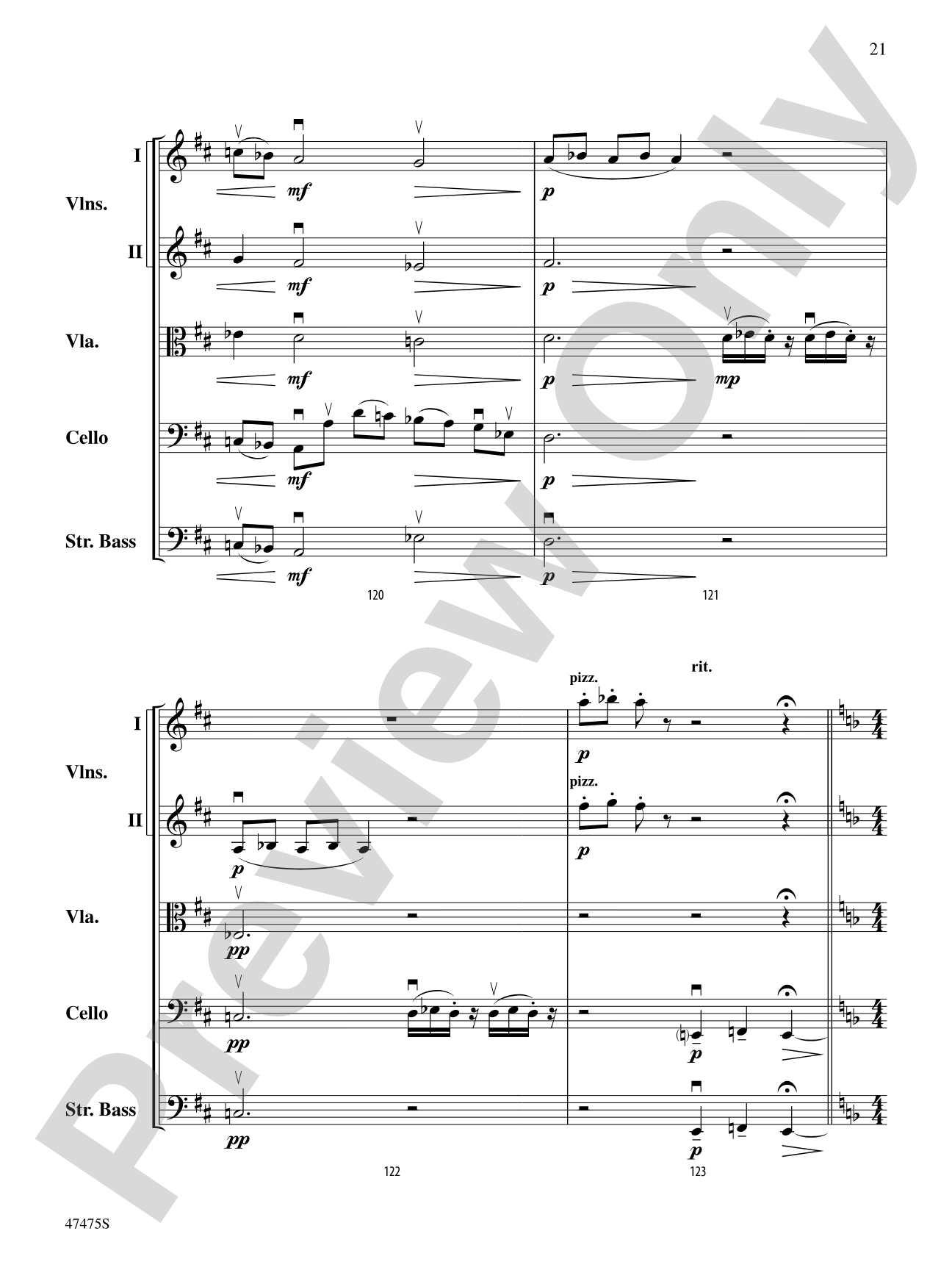
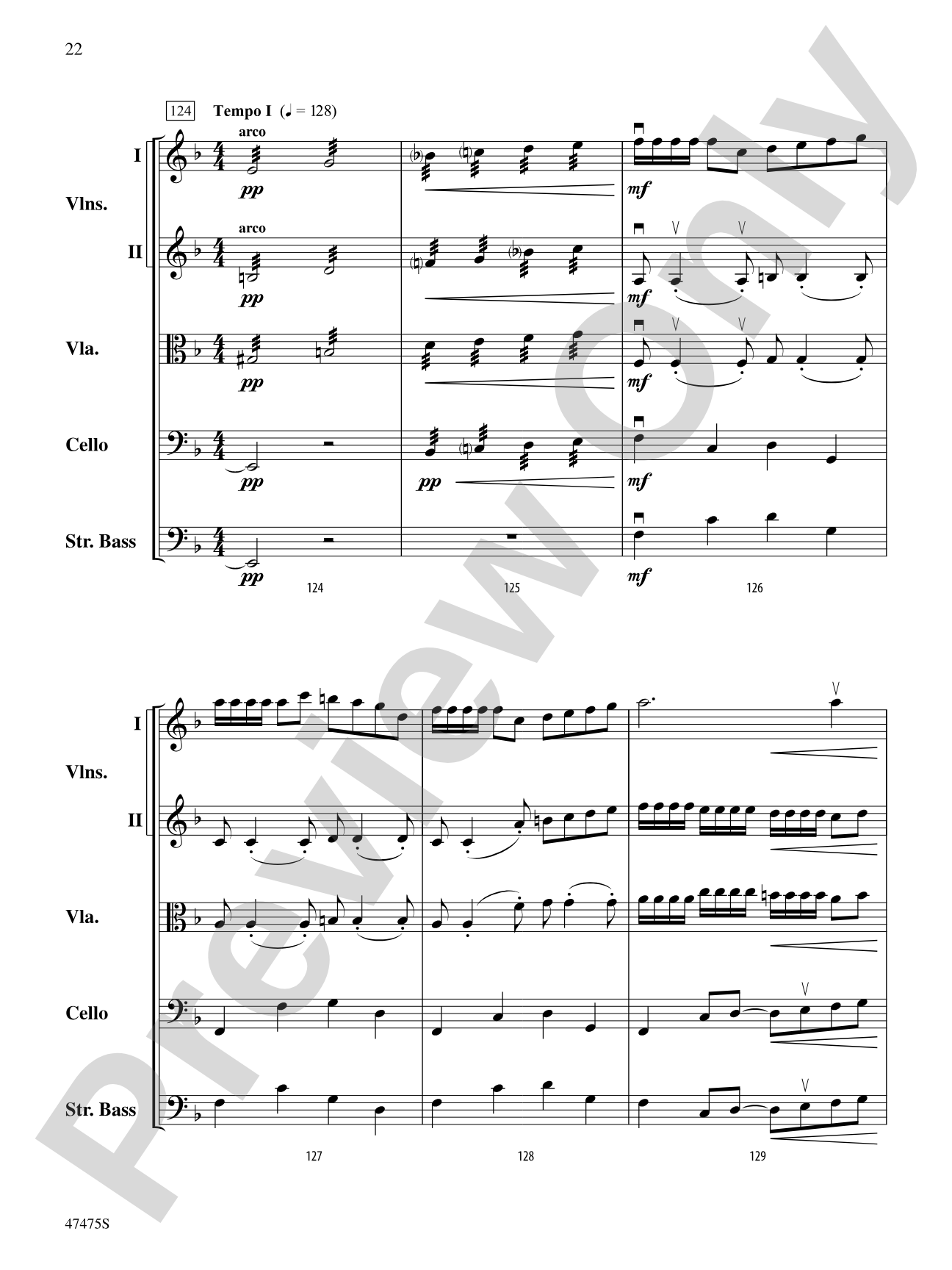
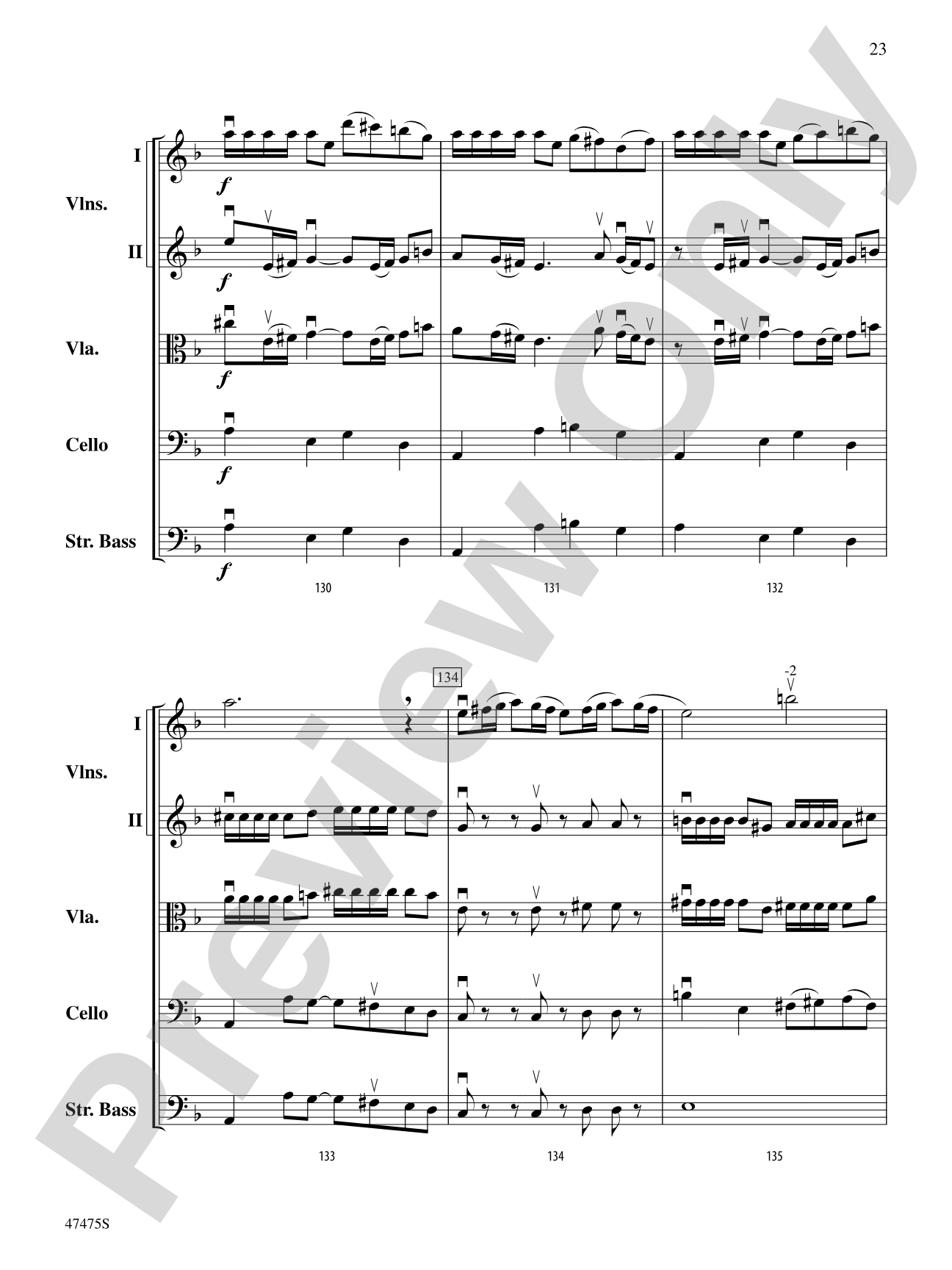
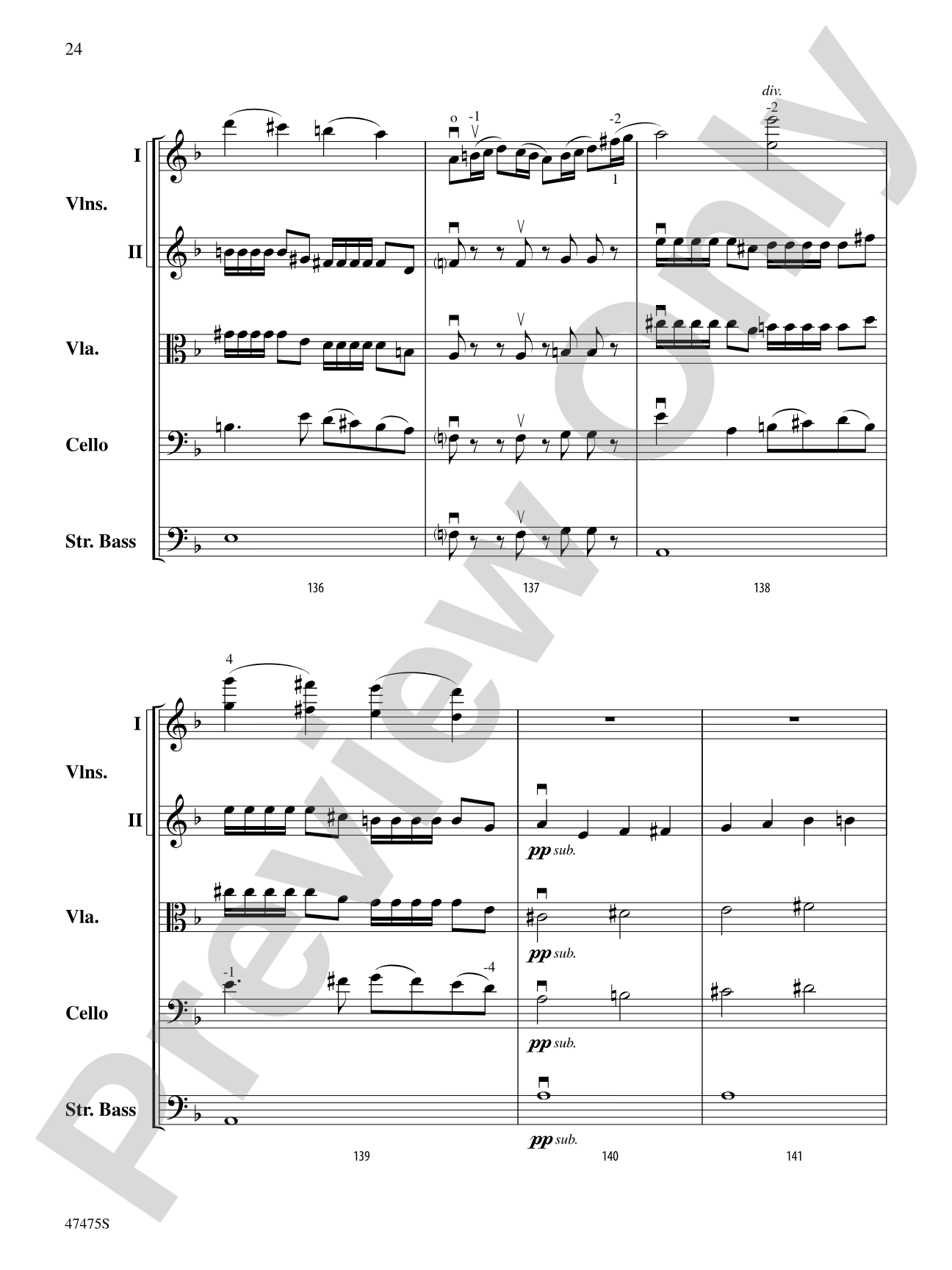
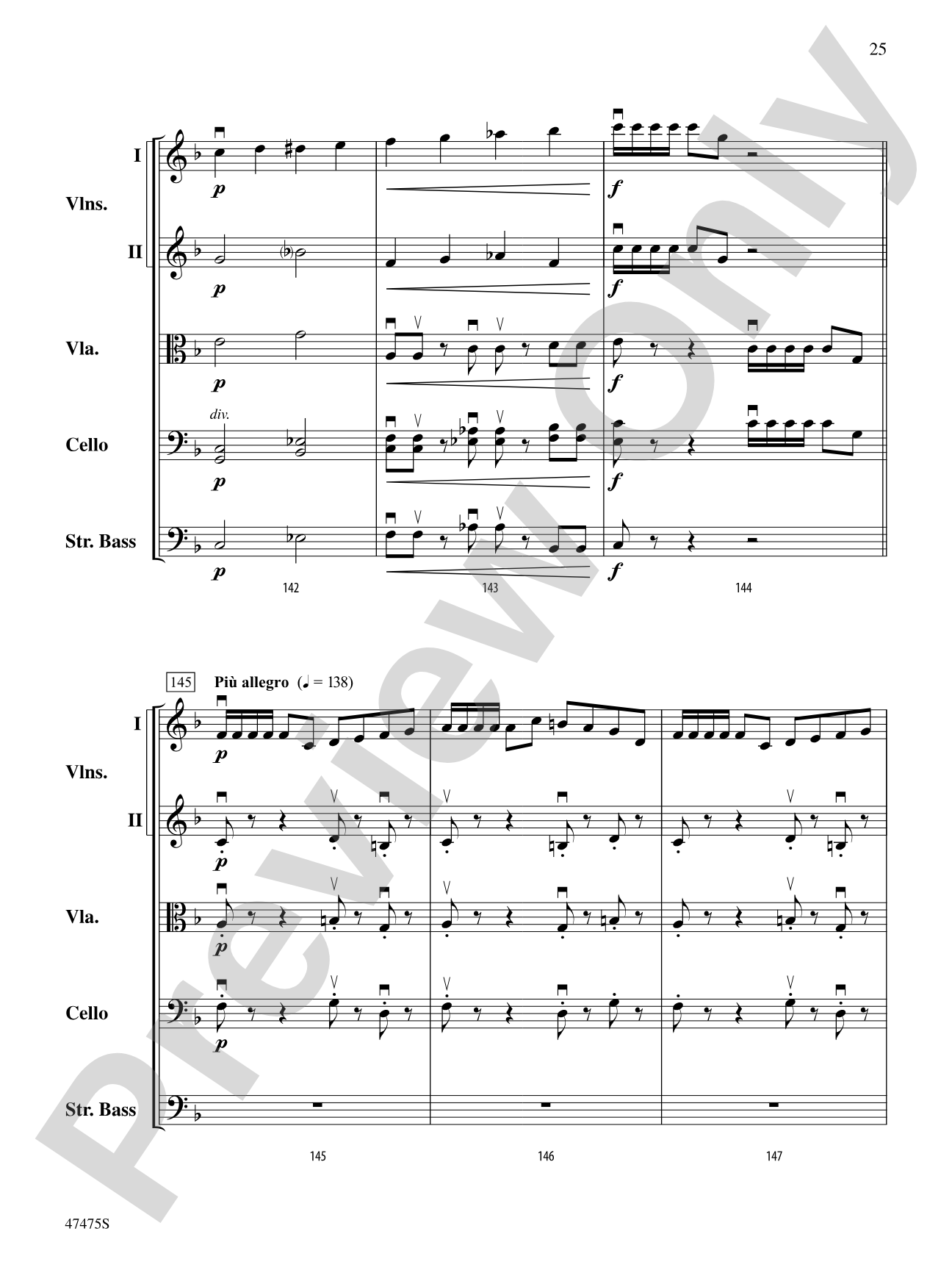
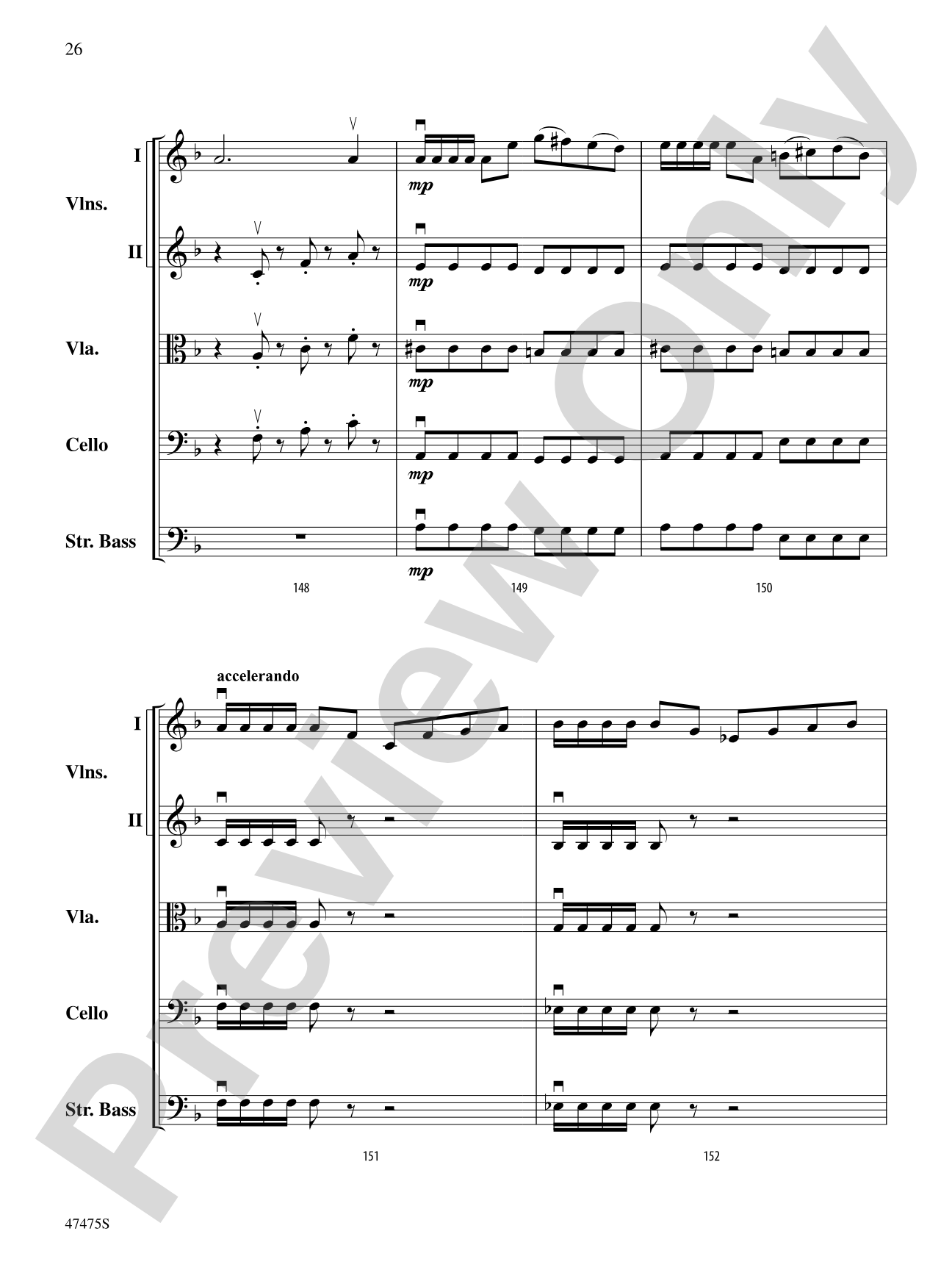
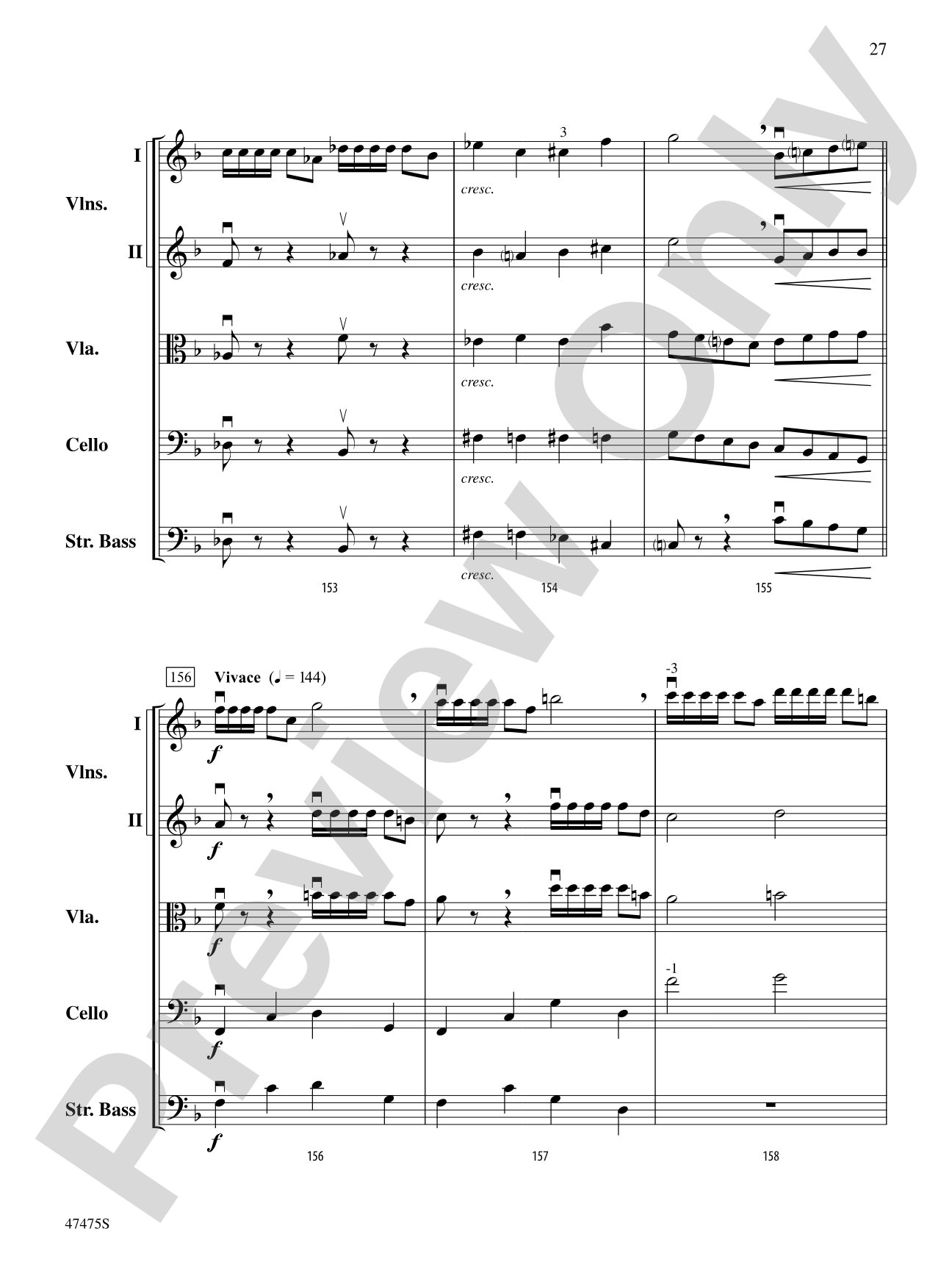
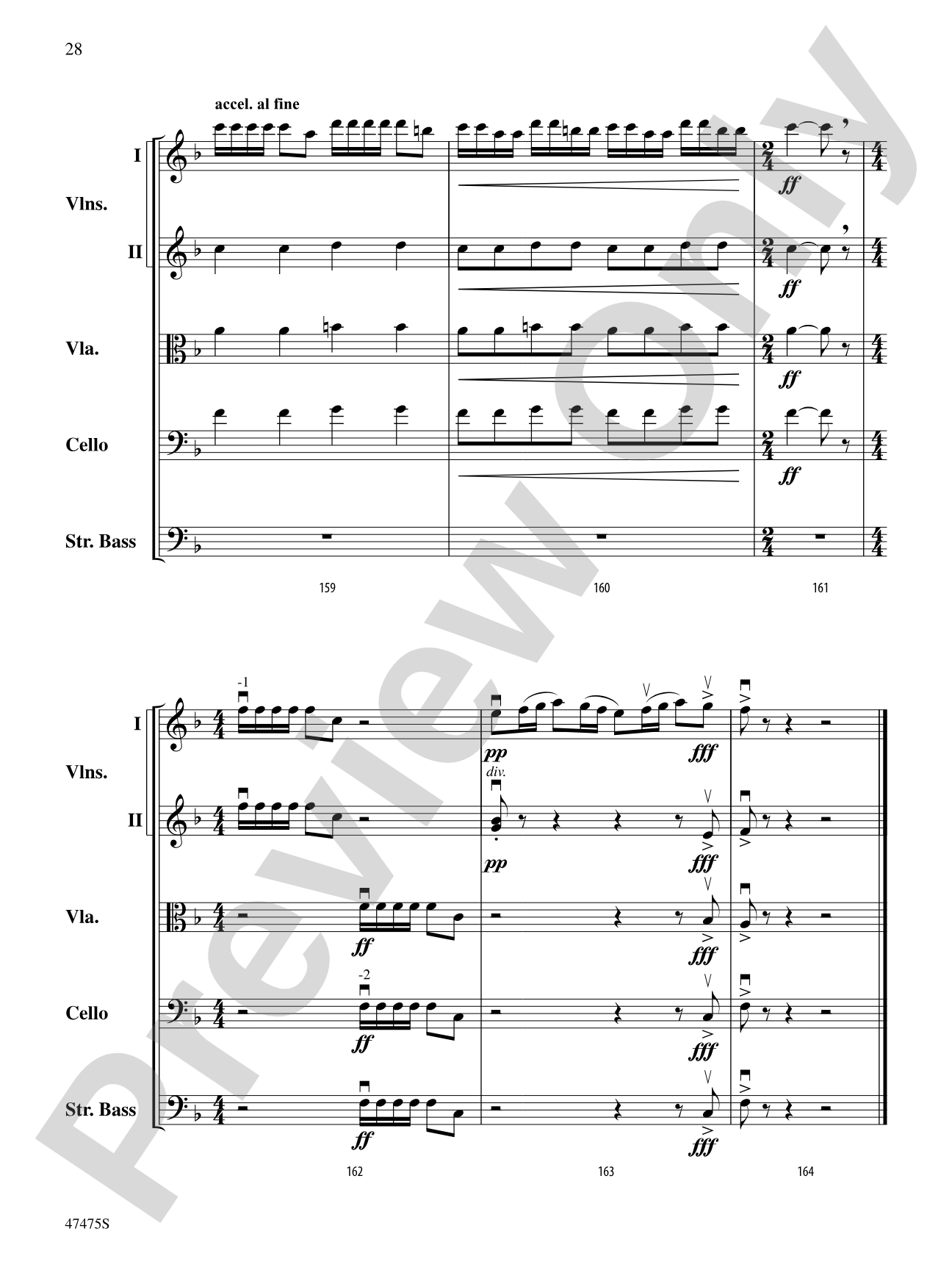

Zoom!: Score
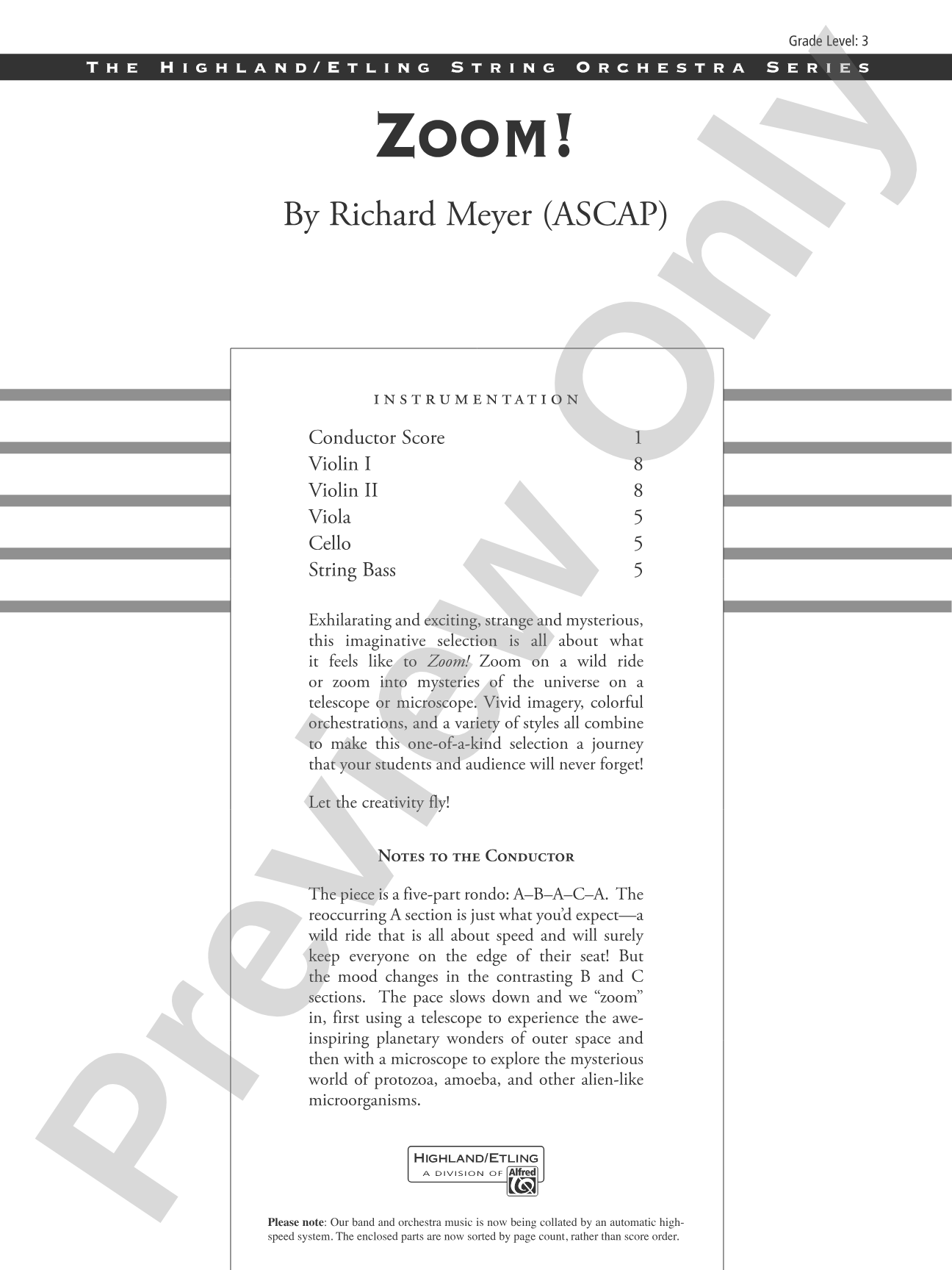
By Richard Meyer
Grade: 3
Item: 00-PR-0006208
$10.00
Pickup currently not available
Description
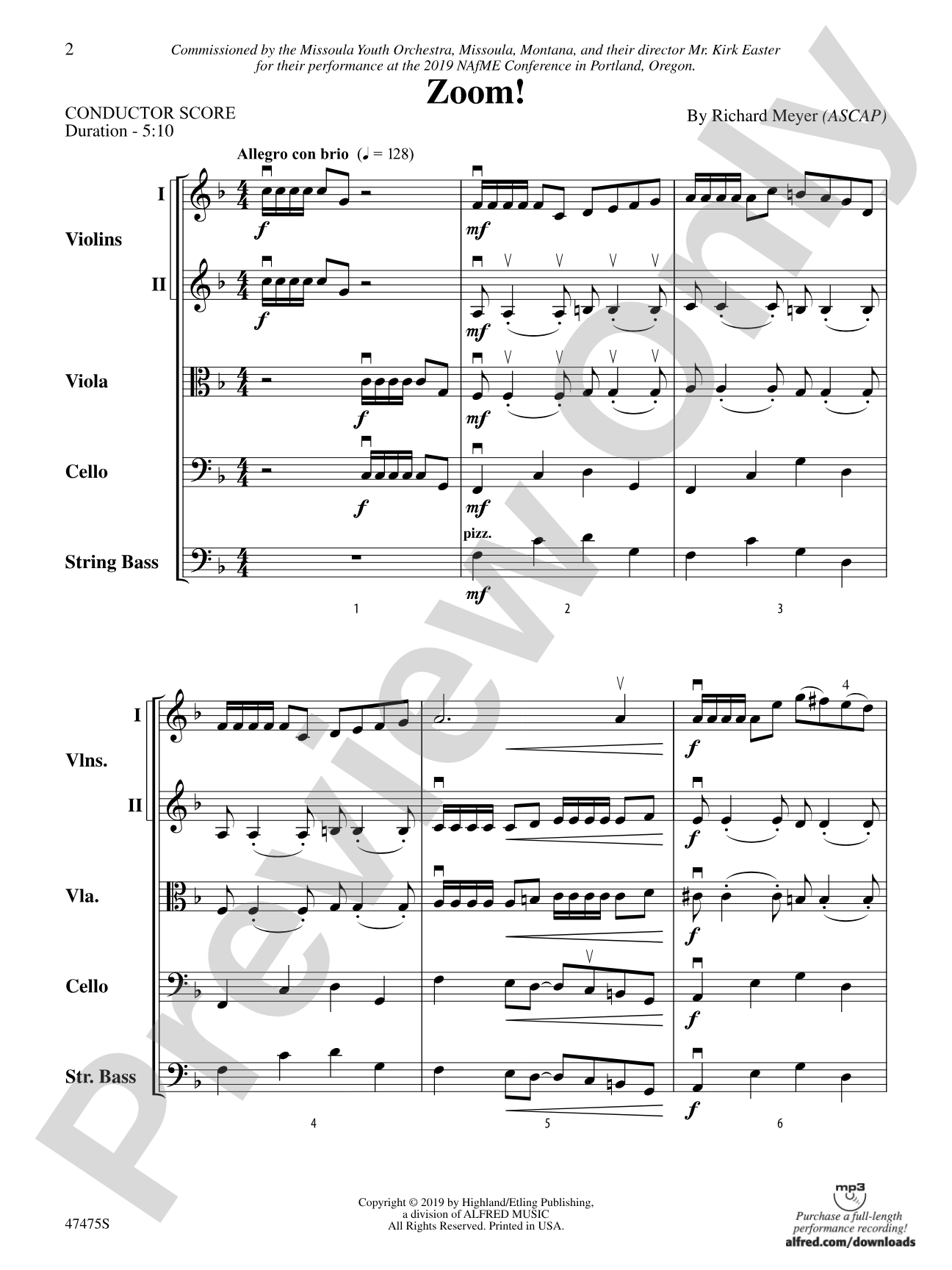
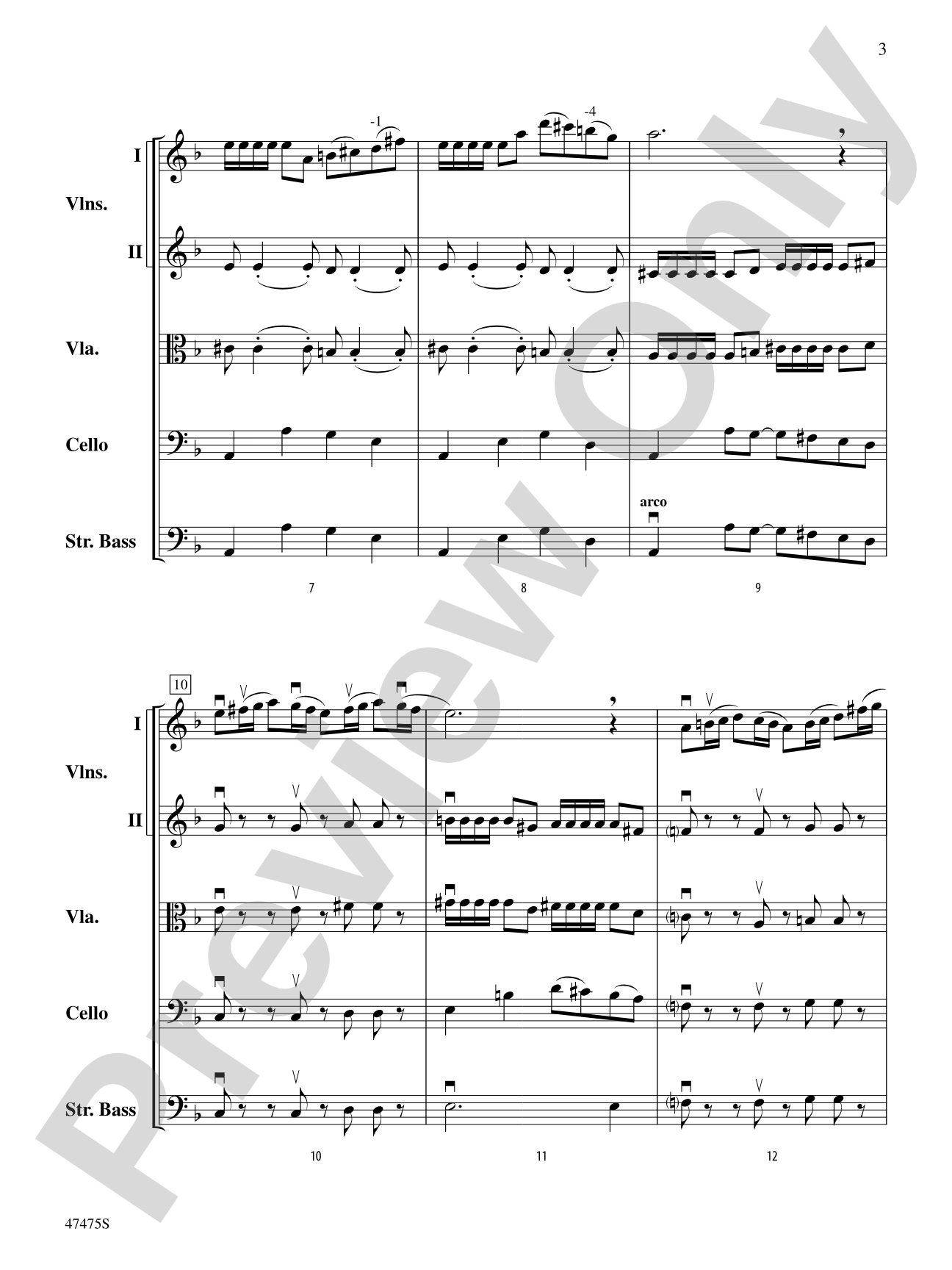
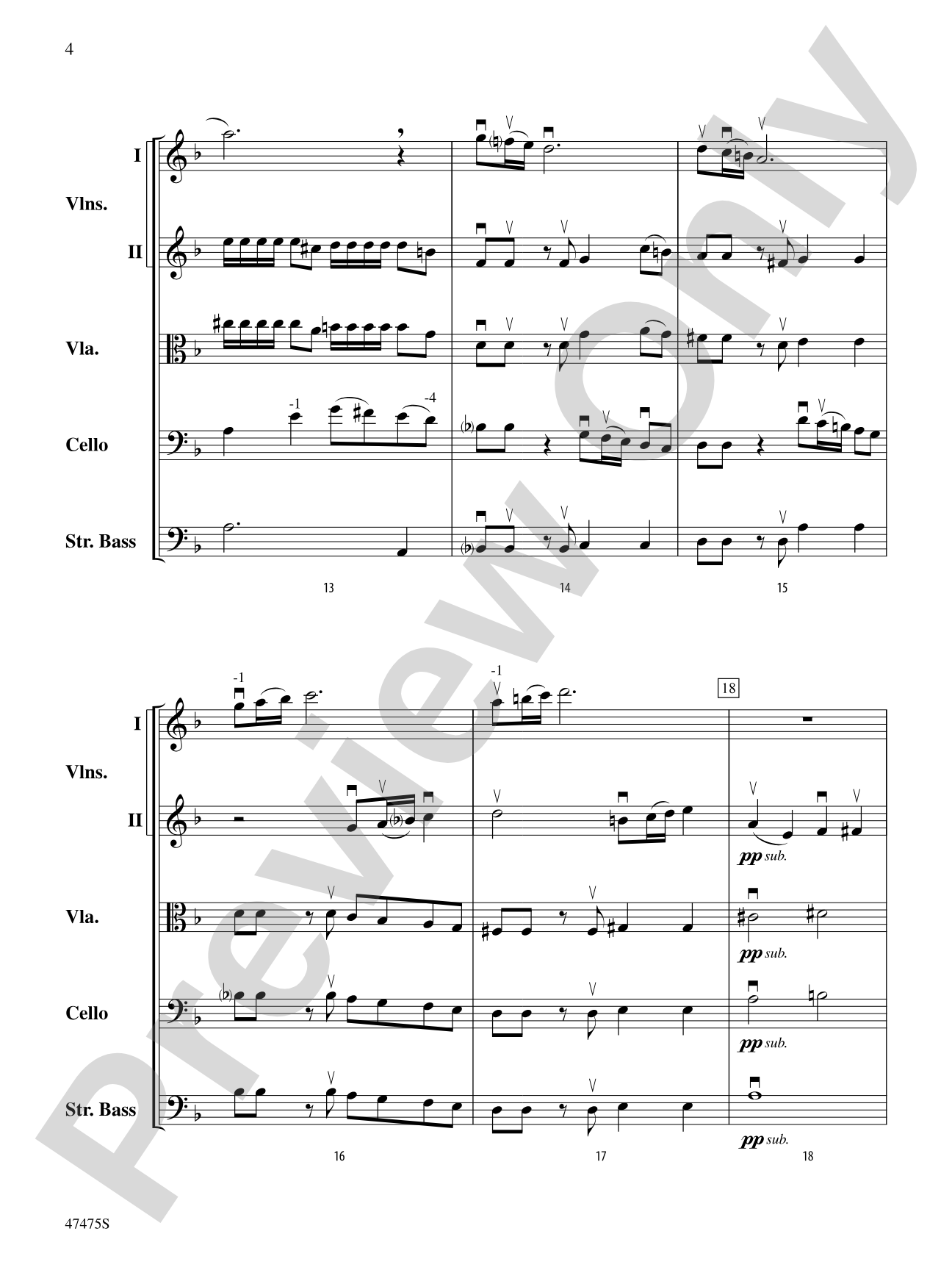
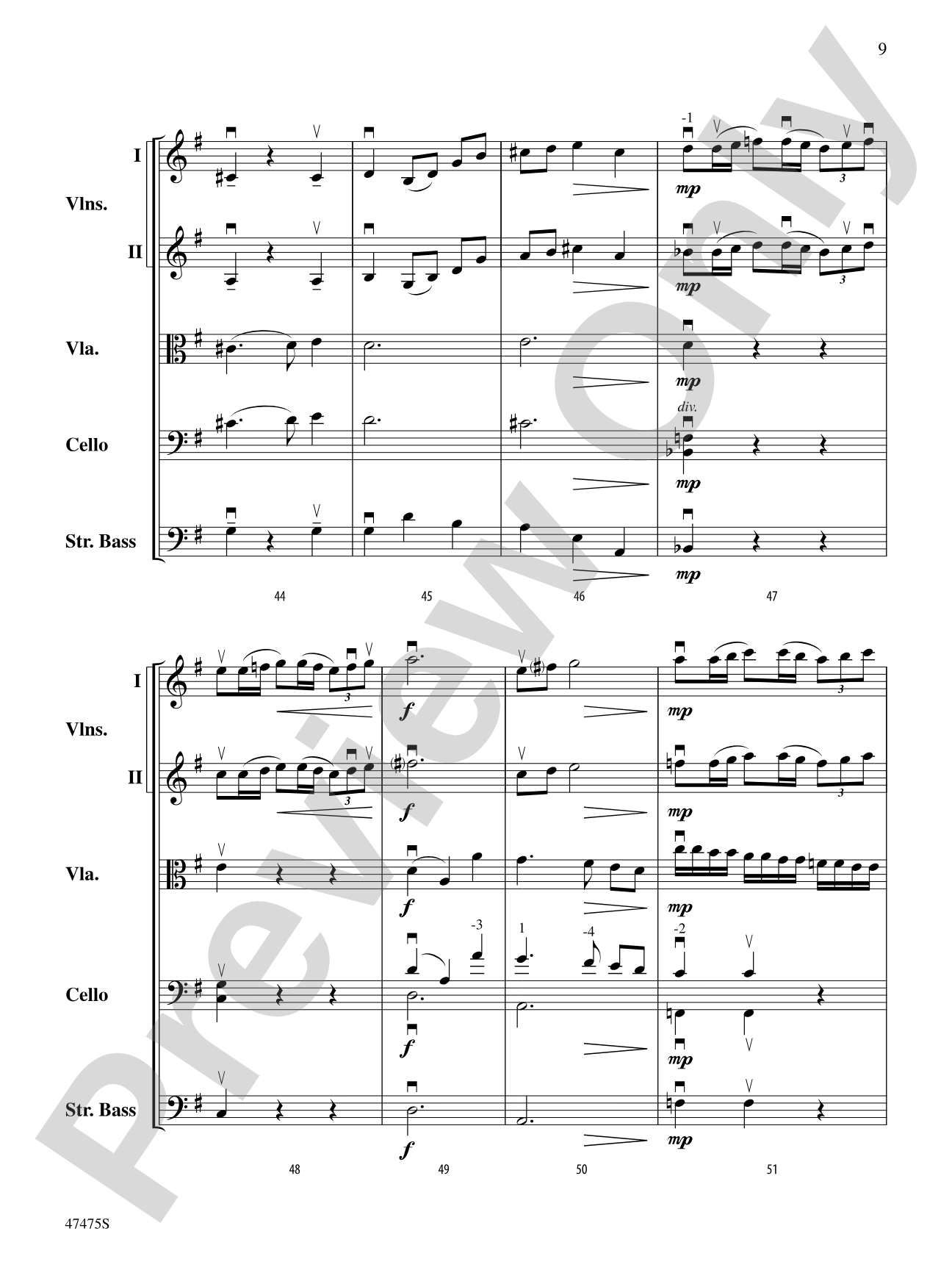
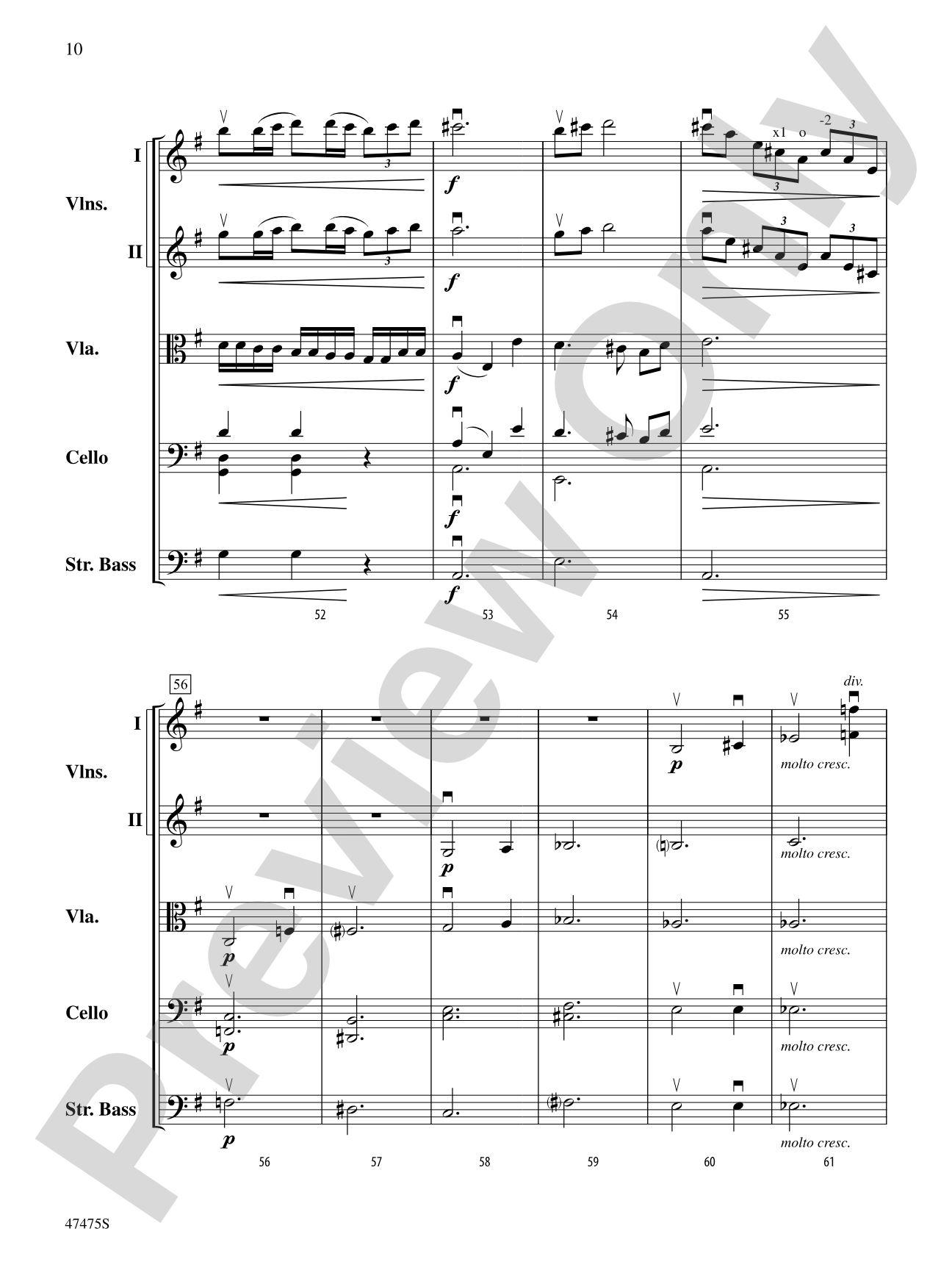
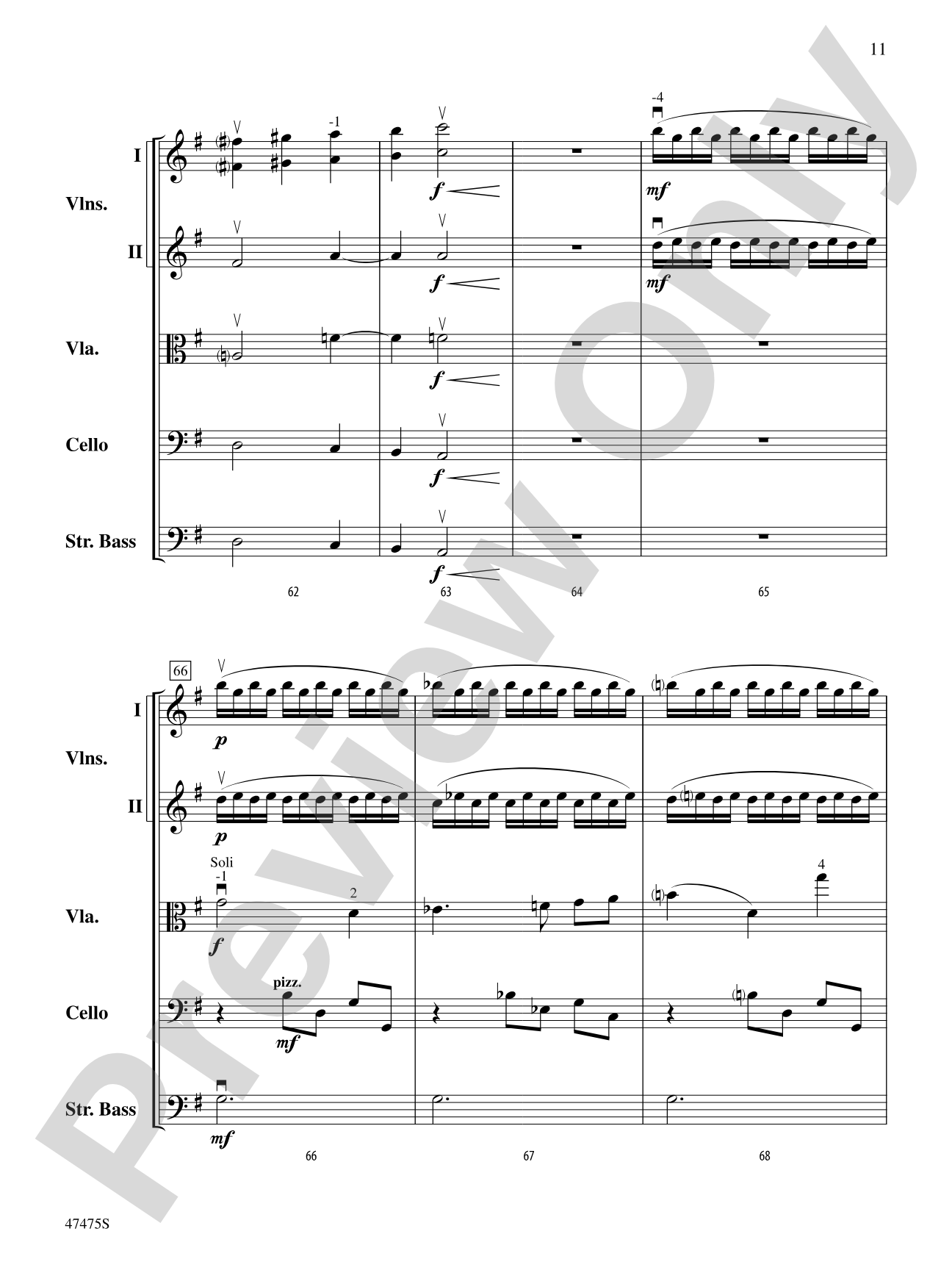
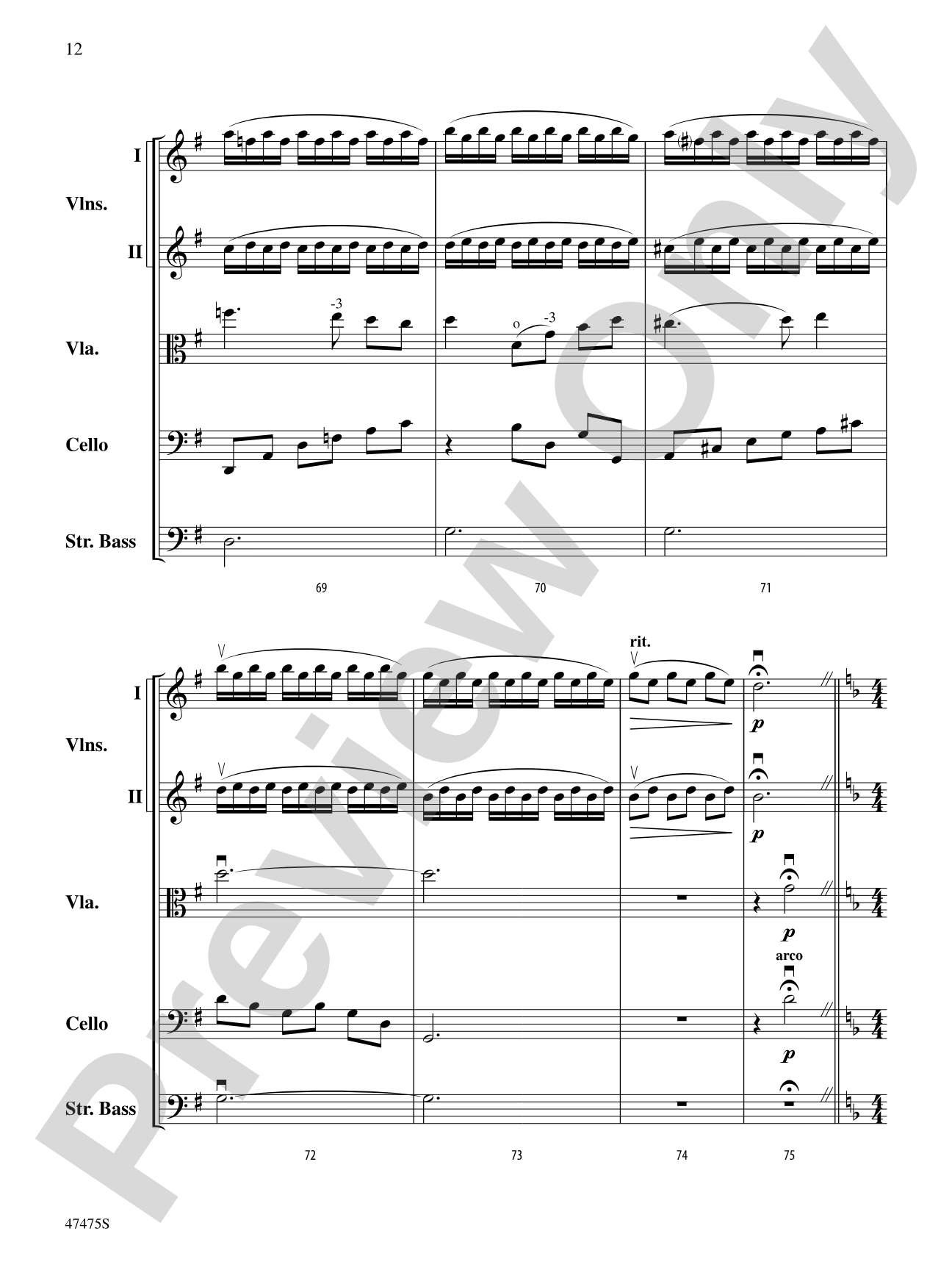
Vivid imagery, colorful orchestrations, and a variety of styles all combine to make this one-of-a-kind selection a journey that your students and audience will never forget! In the form of a five-part rondo with changing tempos, this piece will let creativity fly!


Don't just read it, hear it, play along with it, and watch your students grow with it. In MakeMusic Cloud, Zoom!: Score comes alive with professional accompaniment, adjustable tempo, and built-in practice tools that turn solo practice into real progress.
Open in the Player
Jump straight in and assign it today.
Start Your Free Trial
Open this title and explore the full library in minutes.
Sample Audio
1
Audio File
--:--
0:00
0:00
Sample Video
Additional Details
Series:
Highland/Etling String Orchestra
Publisher:
Alfred Music
Page Count:
124
SKU:
00-PR-0006208
More about this title
About the Composer: Richard Meyer
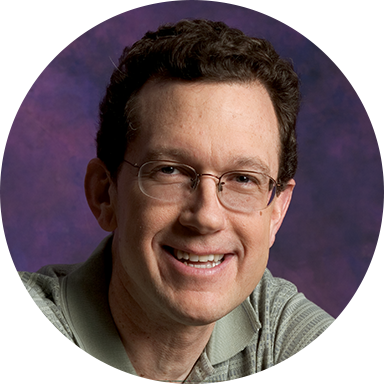
Richard Meyer brings three decades of classroom experience to his composing and conducting work. He directed string programs at Oak Avenue Intermediate School in Temple City, California, expanding the orchestra from 29 to 200 students over 22 years while simultaneously overseeing the district's elementary string instruction. His "Giving Bach" program, launched in 2009, has earned national recognition for using interactive concerts to reach special needs and underserved students across Southern California.
Beyond his teaching tenure, Meyer has established himself as a prolific composer with nearly 200 published works and arrangements. He served 16 years as string editor for Alfred Publishing Company and co-authored the String Explorer Series and Sight-read It for Strings. His guest conducting has taken him to honor orchestras across multiple states, and he led the Pasadena Youth Symphony Orchestra for 16 years, directing international tours to Vienna, Australia, and Canada.
Why we love this
Meyer writes string music that respects young players' abilities while refusing to bore them. The rondo form gives students a clear architectural roadmap through shifting tempos and contrasting sections, letting them experience structural sophistication without getting lost. Directors appreciate how the varying moods keep rehearsals fresh and how the piece genuinely excites both performers and audiences.
What to expect
A vivid travelogue in sound, moving from one striking landscape to the next. The piece balances moments of genuine lyrical beauty with energetic drive, never settling into one emotional space long enough for attention to waver. Audiences experience the journey alongside the players, discovering something new in each section.
Who it's for
Grade 3 string orchestras ready to tackle more ambitious formal structures and multiple tempo changes. Players need secure intonation and the maturity to hold back during softer sections, but Meyer's writing stays physically manageable for developing musicians.
How to get the most out of it
- Mark the tempo changes clearly in your parts and conduct them with obvious gesture shifts so players anticipate each new section rather than reacting to it.
- Encourage violins to shape their phrasing during the lyrical passages; colorful orchestrations only land when each voice leads expressively into the next.
- Balance the varying textures by having sections drop slightly when new material enters, then allowing them to bloom once they're established in the texture.
- Use the journey structure as your rehearsal frame: treat each section as a distinct destination with its own character, then connect them smoothly at the seams.
How to use it
Program this as your spring concert centerpiece or as the closer to a winter show where you want to send the audience home with energy and wonder. Its five-part form and varied moods also make it an ideal bridge between a more serious opening work and lighter fare, or a strong solo vehicle if you're building a repertoire-focused concert.
Skills your students will build
- Managing tempo changes and understanding formal structure in rondo form
- Balancing independent musical lines within colorful orchestrations
- Dynamic control across contrasting sections (lyrical to energetic)
- Listening and responding to conductor cues during shifting musical contexts