
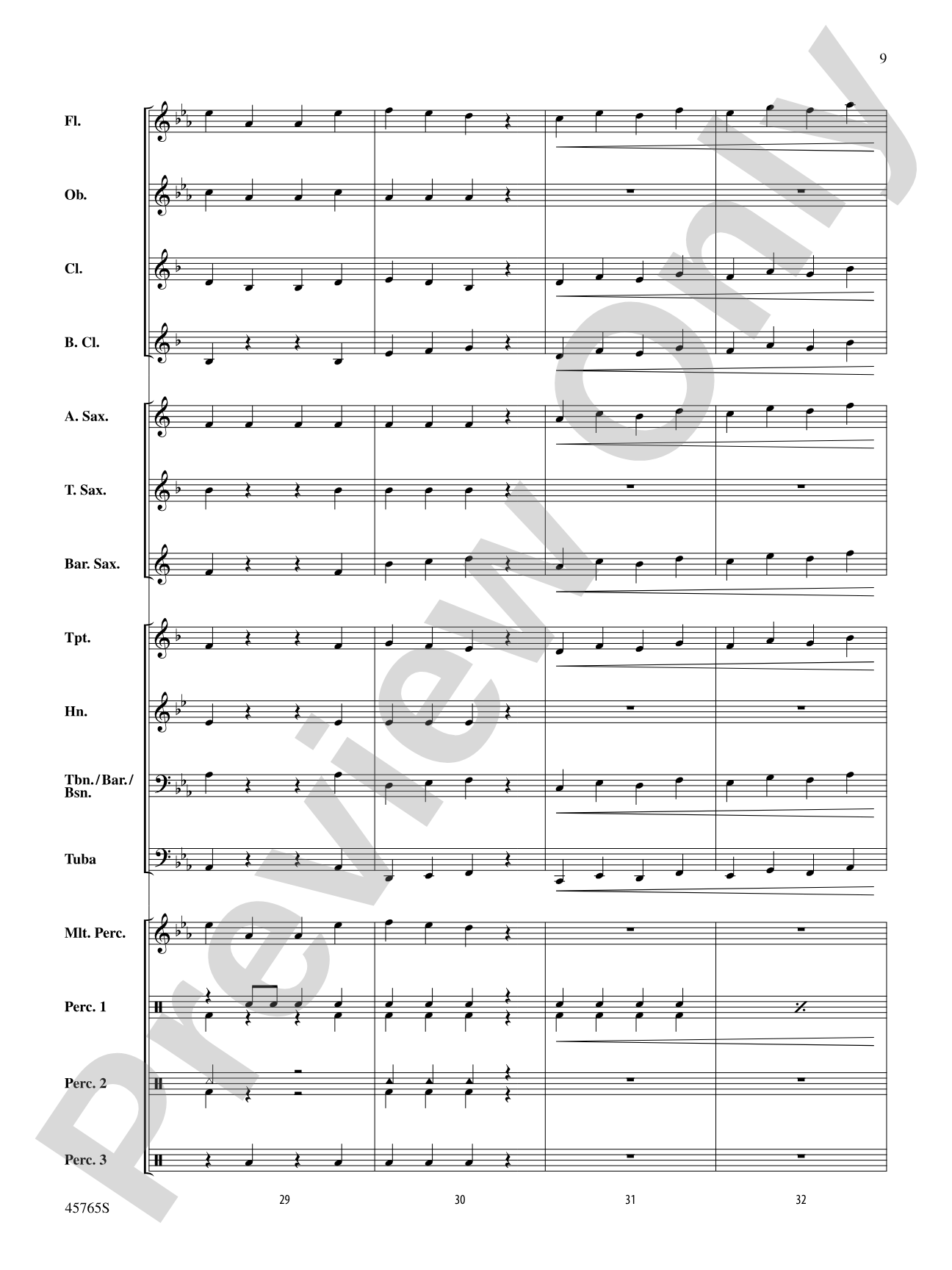
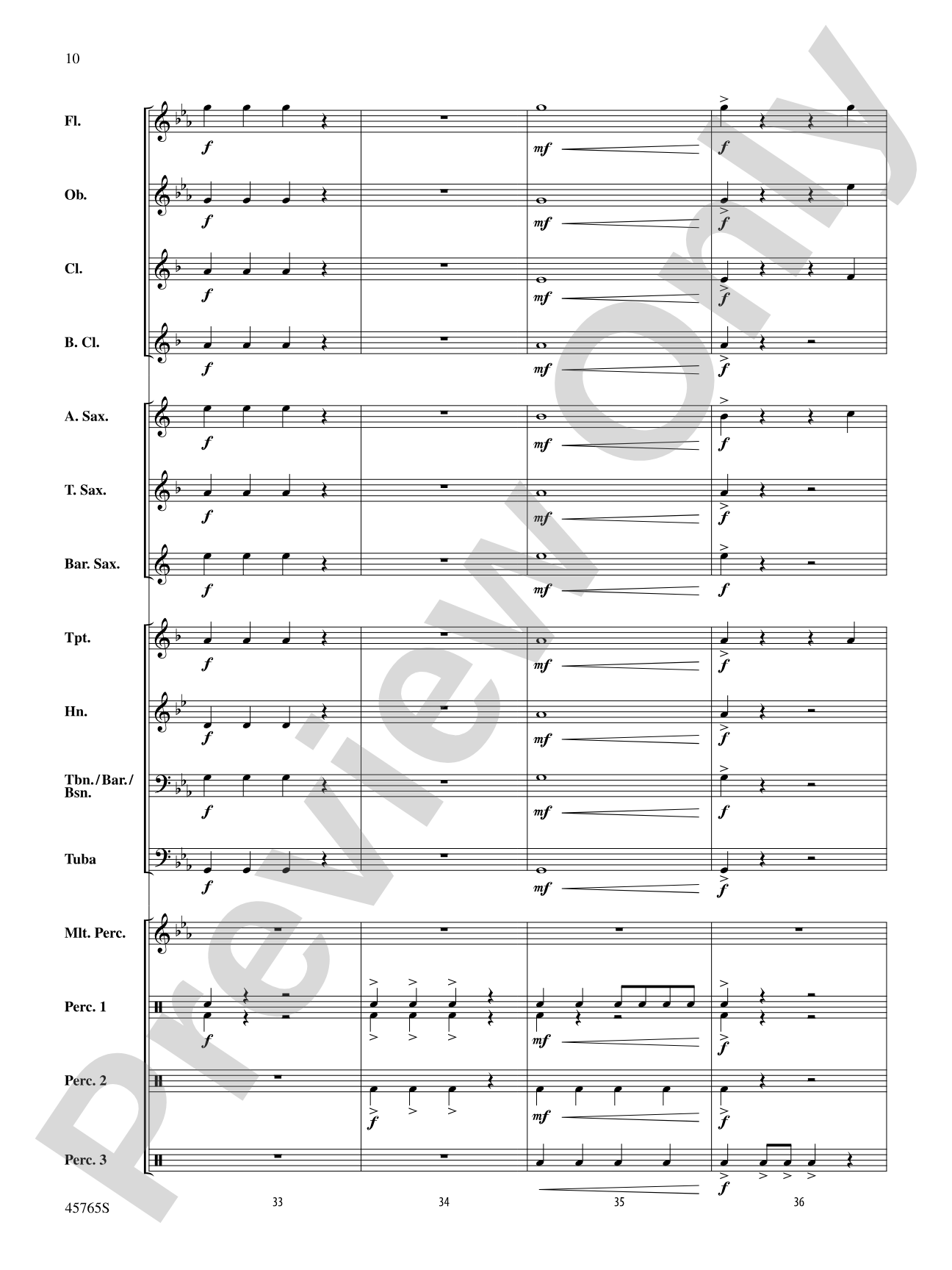
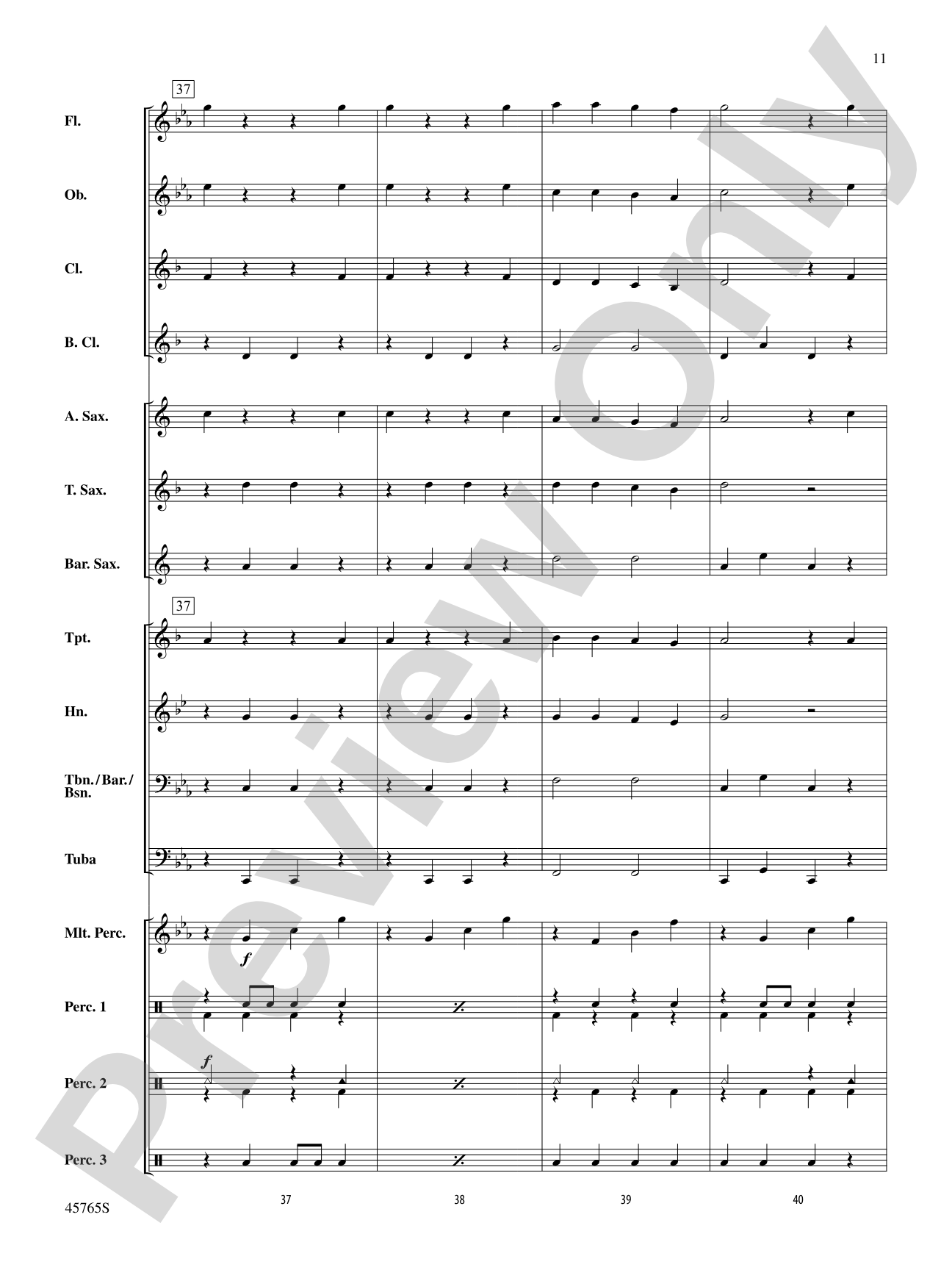
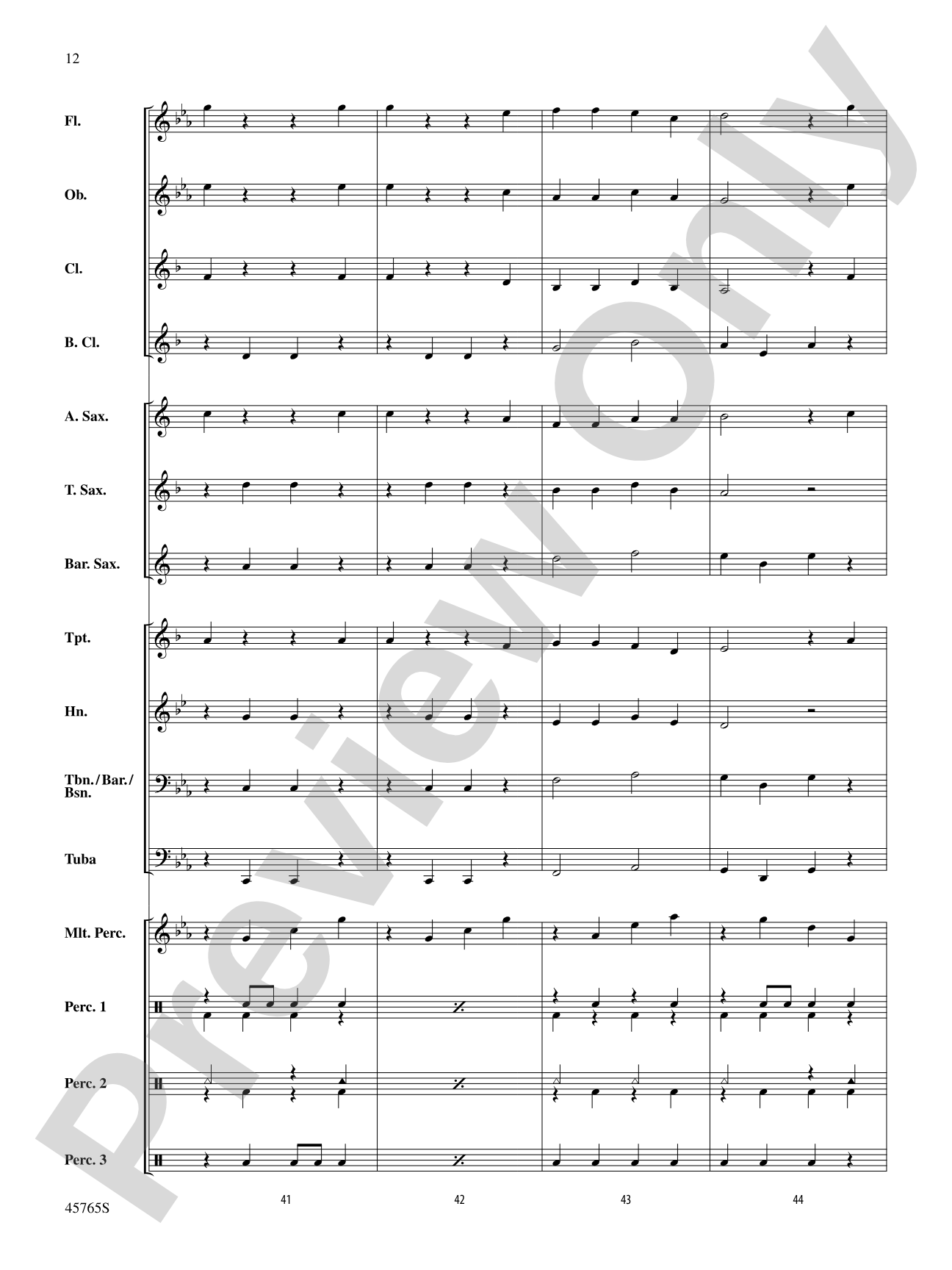
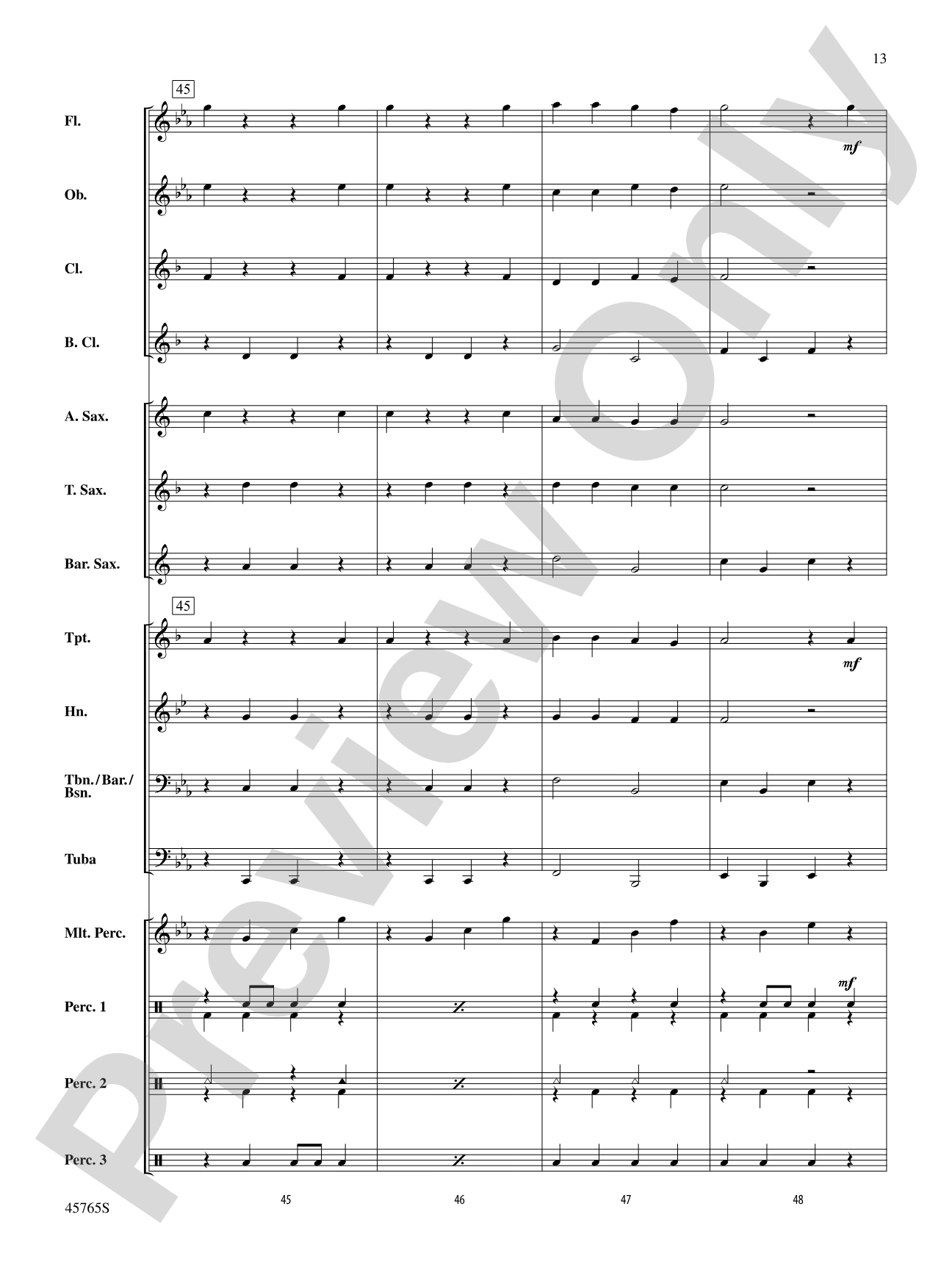
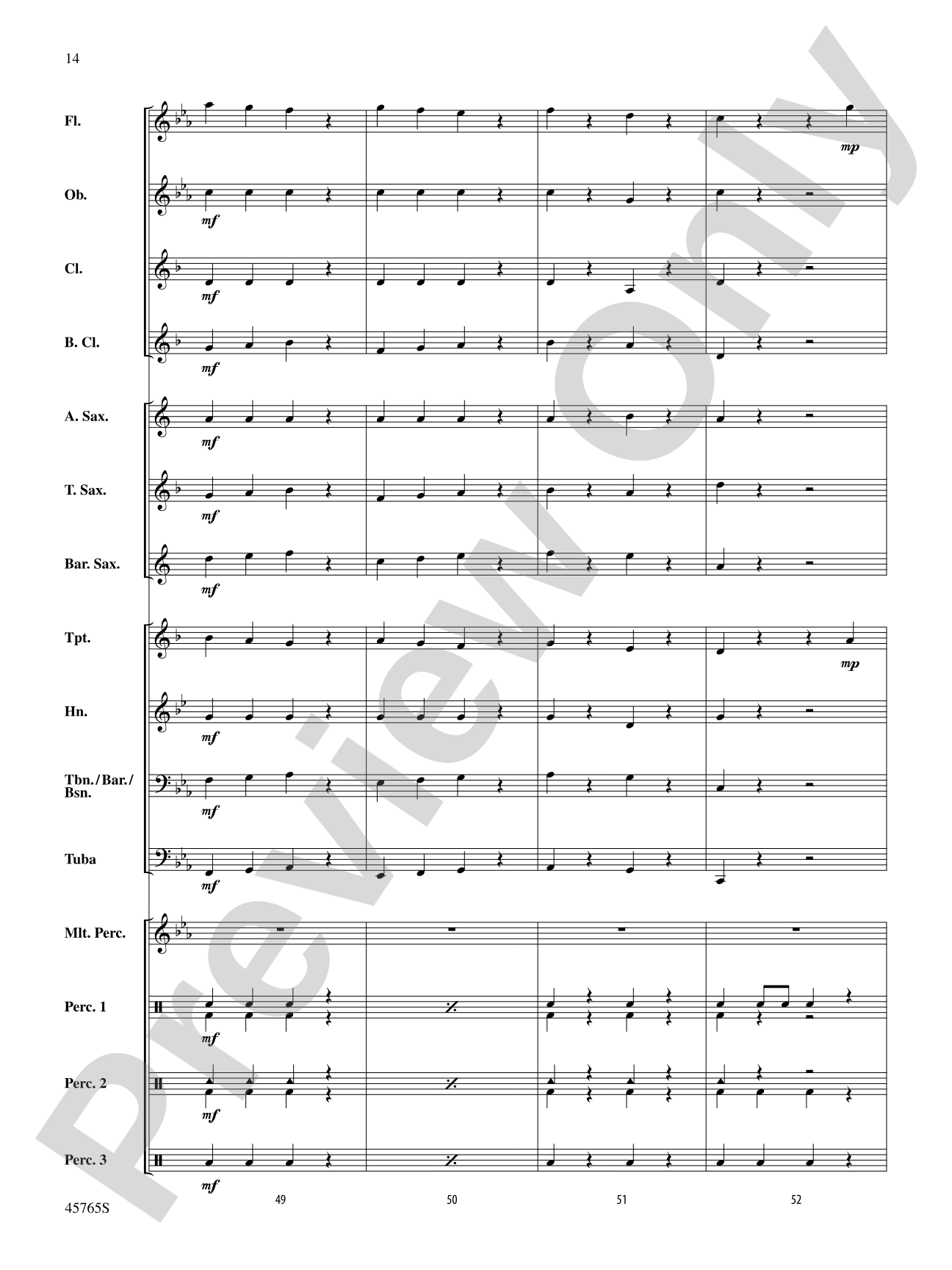
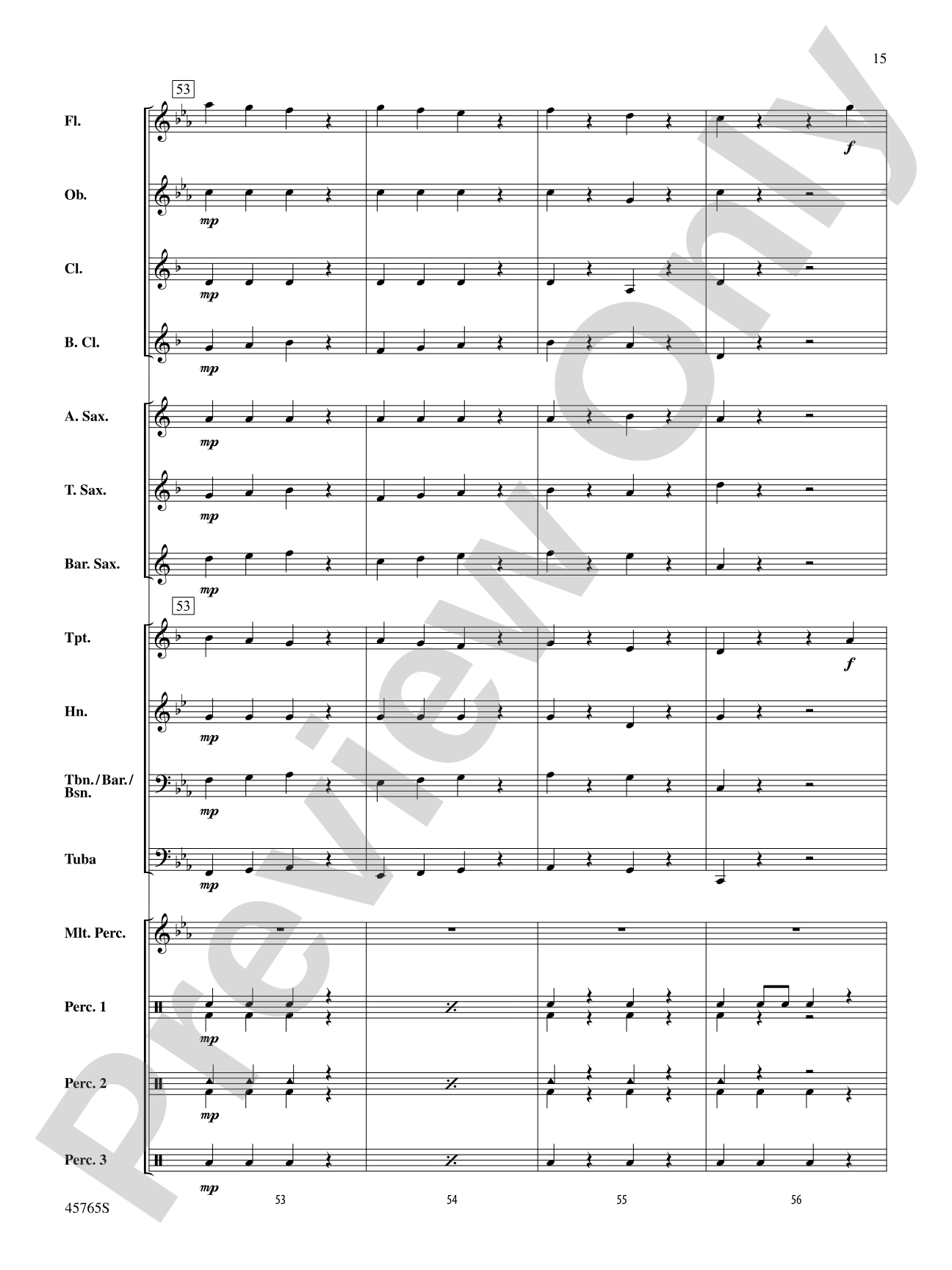
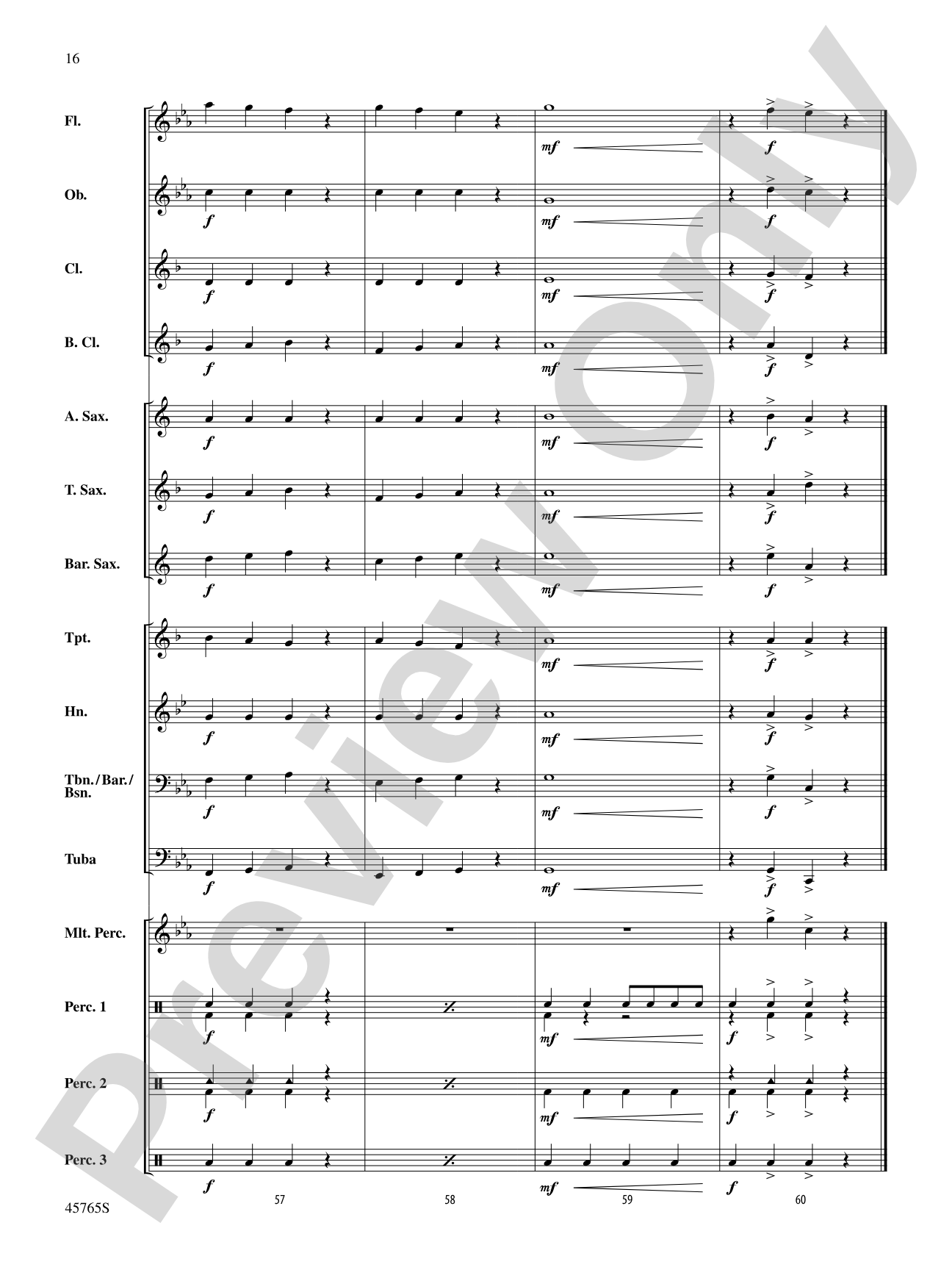

Zombie Dance: Concert Band Conductor Score & Parts
By Michael Story
Grade: 0.5 (Very Easy)
Item: 00-PK-0007284

$46.00
Pickup currently not available
Buy Extra Parts (Digital PDF Download)
| Product | Price | Quantity |
|---|---|---|
| Zombie Dance: Score | $9.00 | |
| Zombie Dance: Flute | $3.00 | |
| Zombie Dance: Oboe | $3.00 | |
| Zombie Dance: 1st B-flat Clarinet | $3.00 | |
| Zombie Dance: B-flat Bass Clarinet | $3.00 | |
| Zombie Dance: E-flat Alto Saxophone | $3.00 | |
| Zombie Dance: B-flat Tenor Saxophone | $3.00 | |
| Zombie Dance: E-flat Baritone Saxophone | $3.00 | |
| Zombie Dance: 1st B-flat Trumpet | $3.00 | |
| Zombie Dance: 1st F Horn | $3.00 | |
| Zombie Dance: 1st Trombone | $3.00 | |
| Zombie Dance: Baritone T.C. | $3.00 | |
| Zombie Dance: Tuba | $3.00 | |
| Zombie Dance: Mallets | $3.00 | |
| Zombie Dance: 1st Percussion | $3.00 | |
| Zombie Dance: 2nd Percussion | $3.00 | |
| Zombie Dance: 3rd Percussion | $3.00 |
Parts Added to Cart!
Related Items
Zombie Dance: String Orchestra Conductor Score & Parts |
$45.00
|
View | |
Zombie Dance: Concert Band Conductor Score & Parts |
$46.00
|
View | |
Zombie Dance: Concert Band Conductor Score |
$9.00
|
View | |
Zombie Dance: String Orchestra Conductor Score & Parts |
$45.00
|
View | |
Zombie Dance: String Orchestra Conductor Score |
$8.00
|
View |
Description
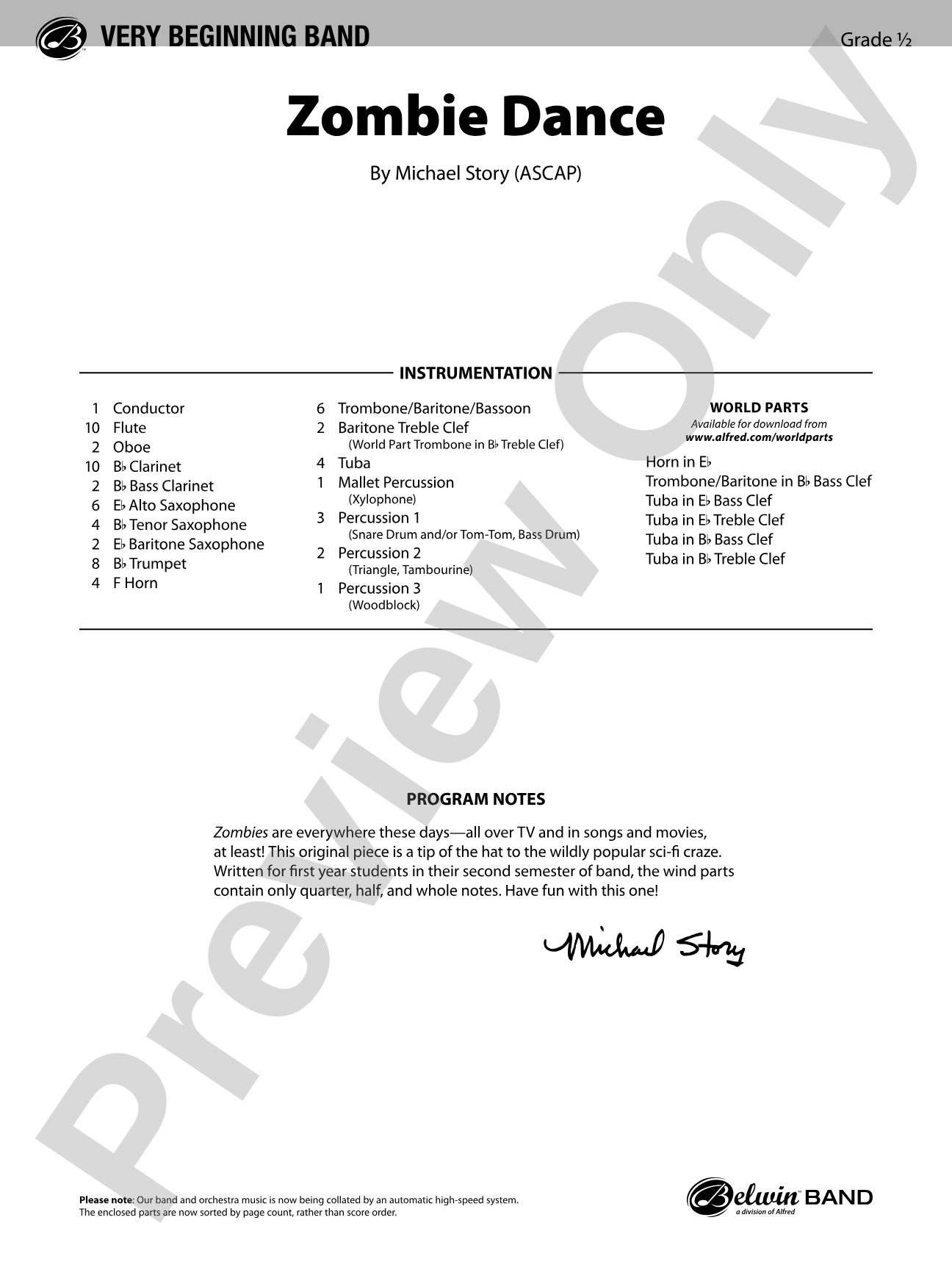
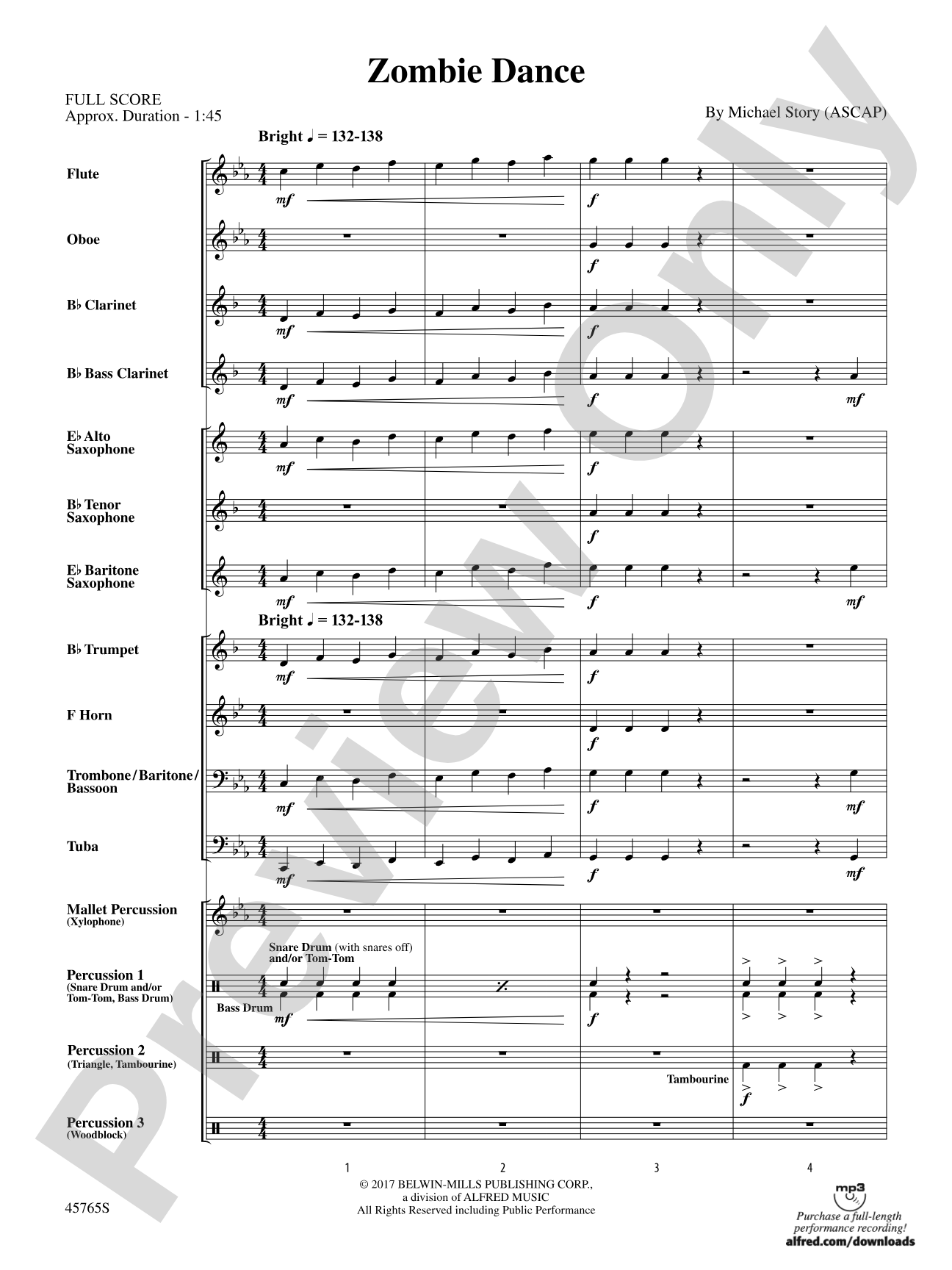
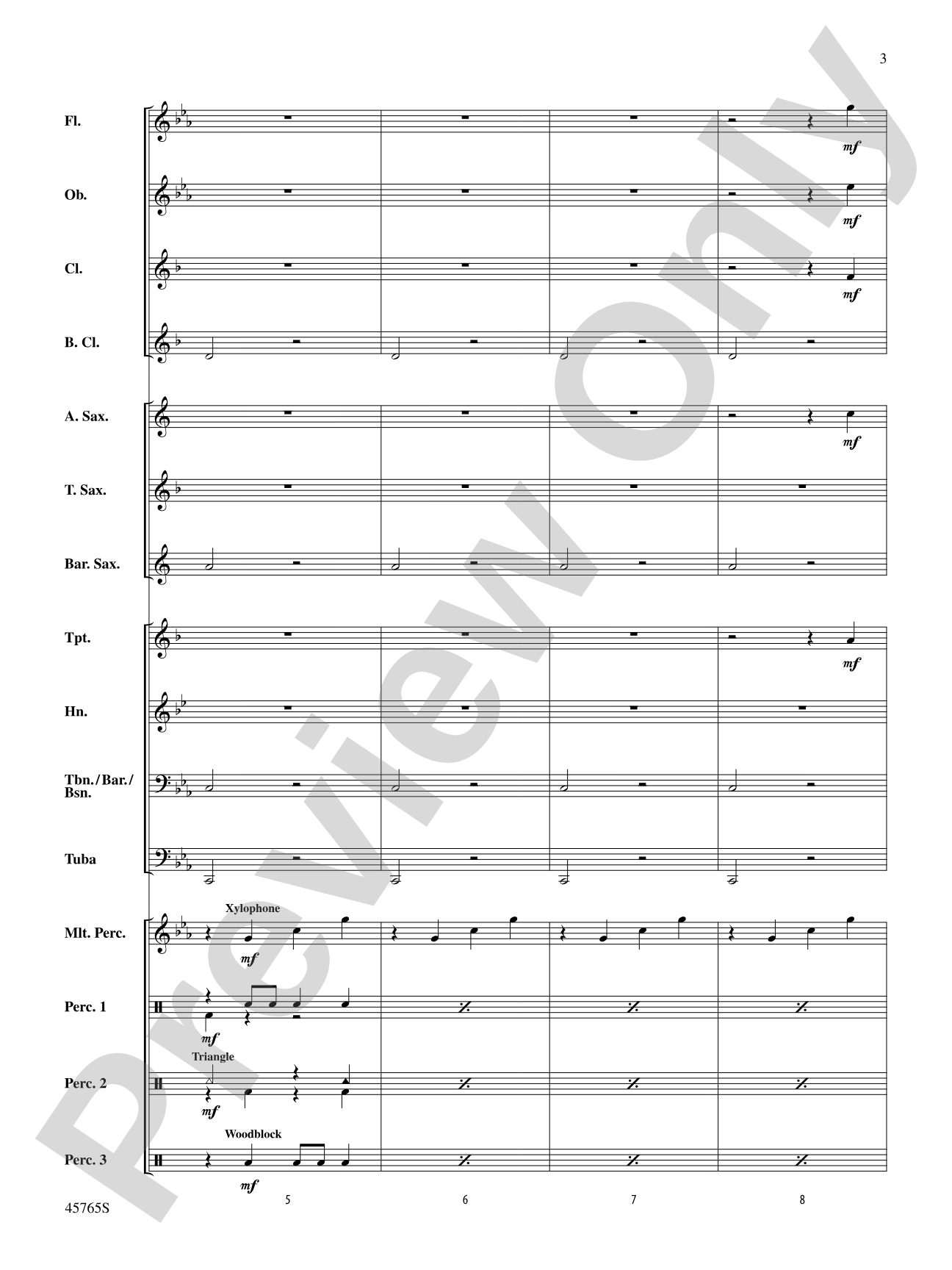
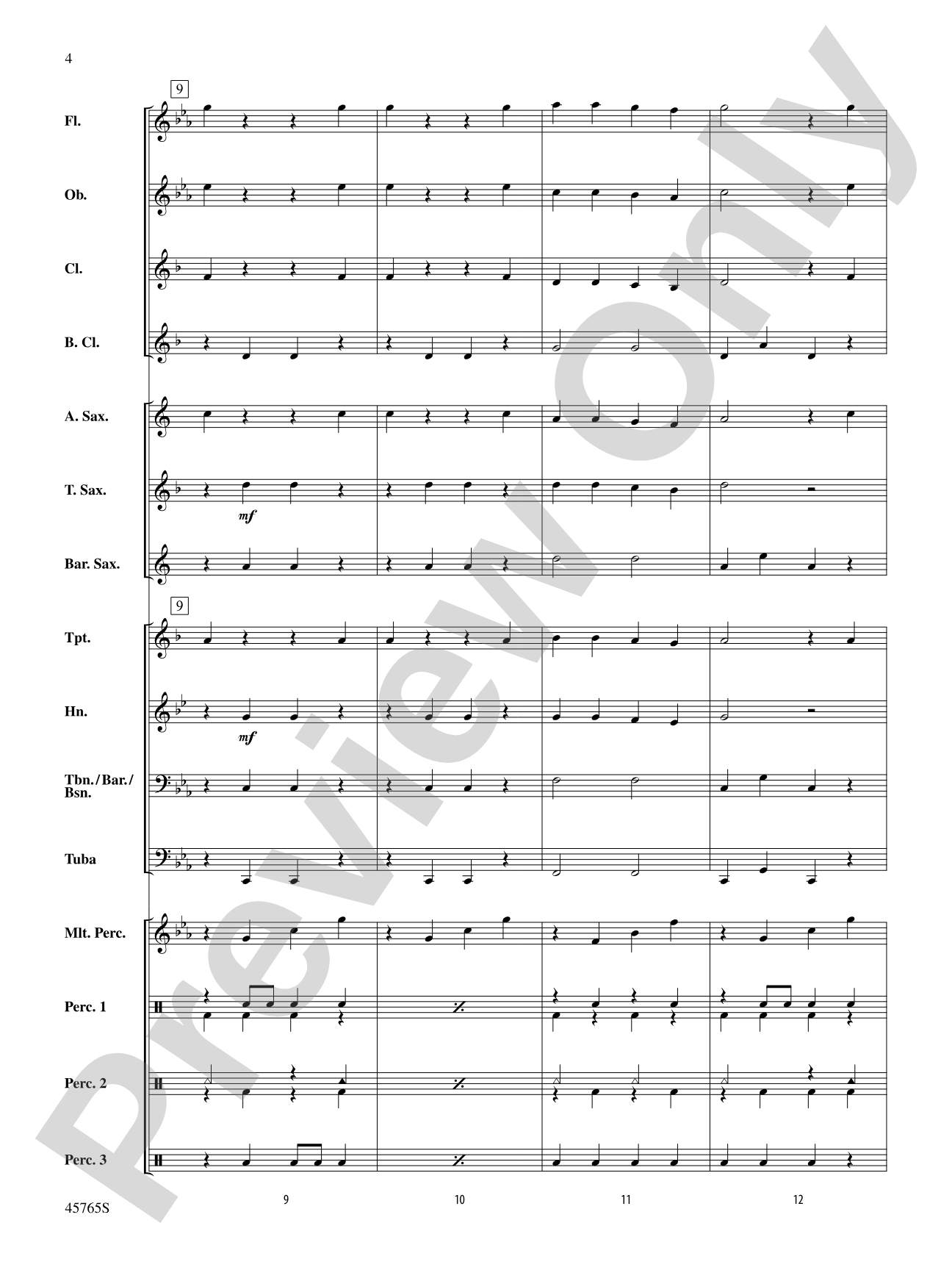
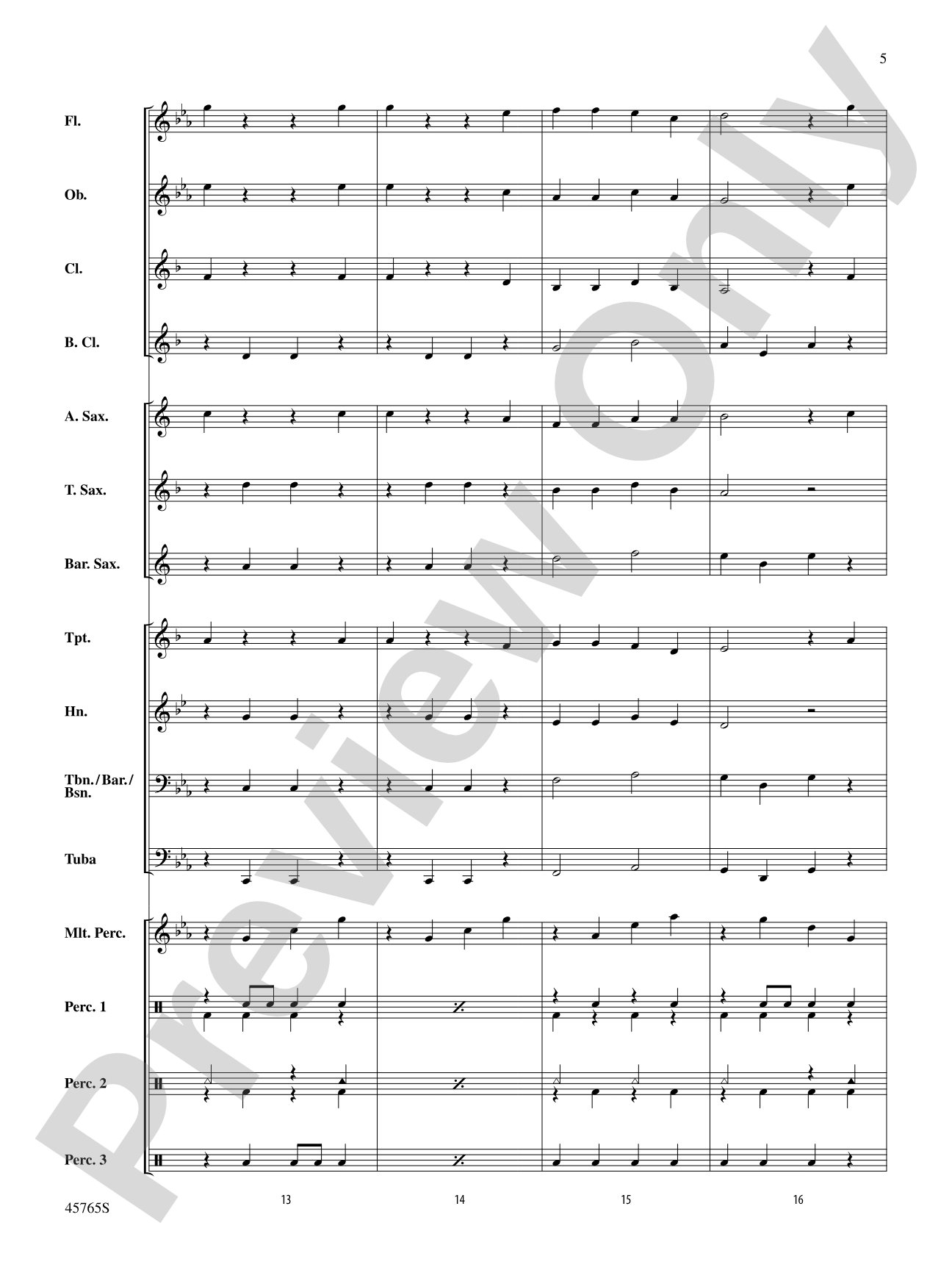
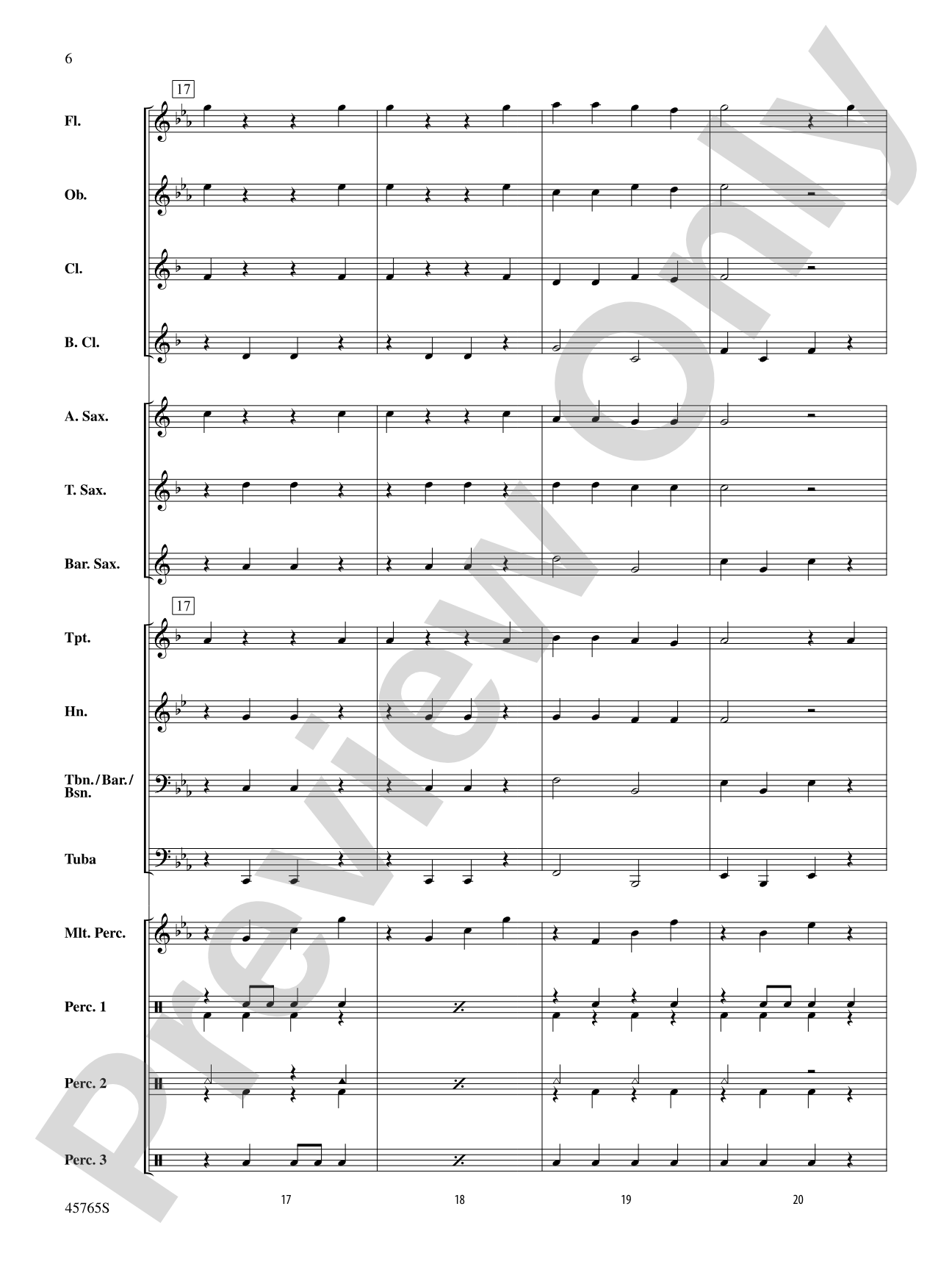
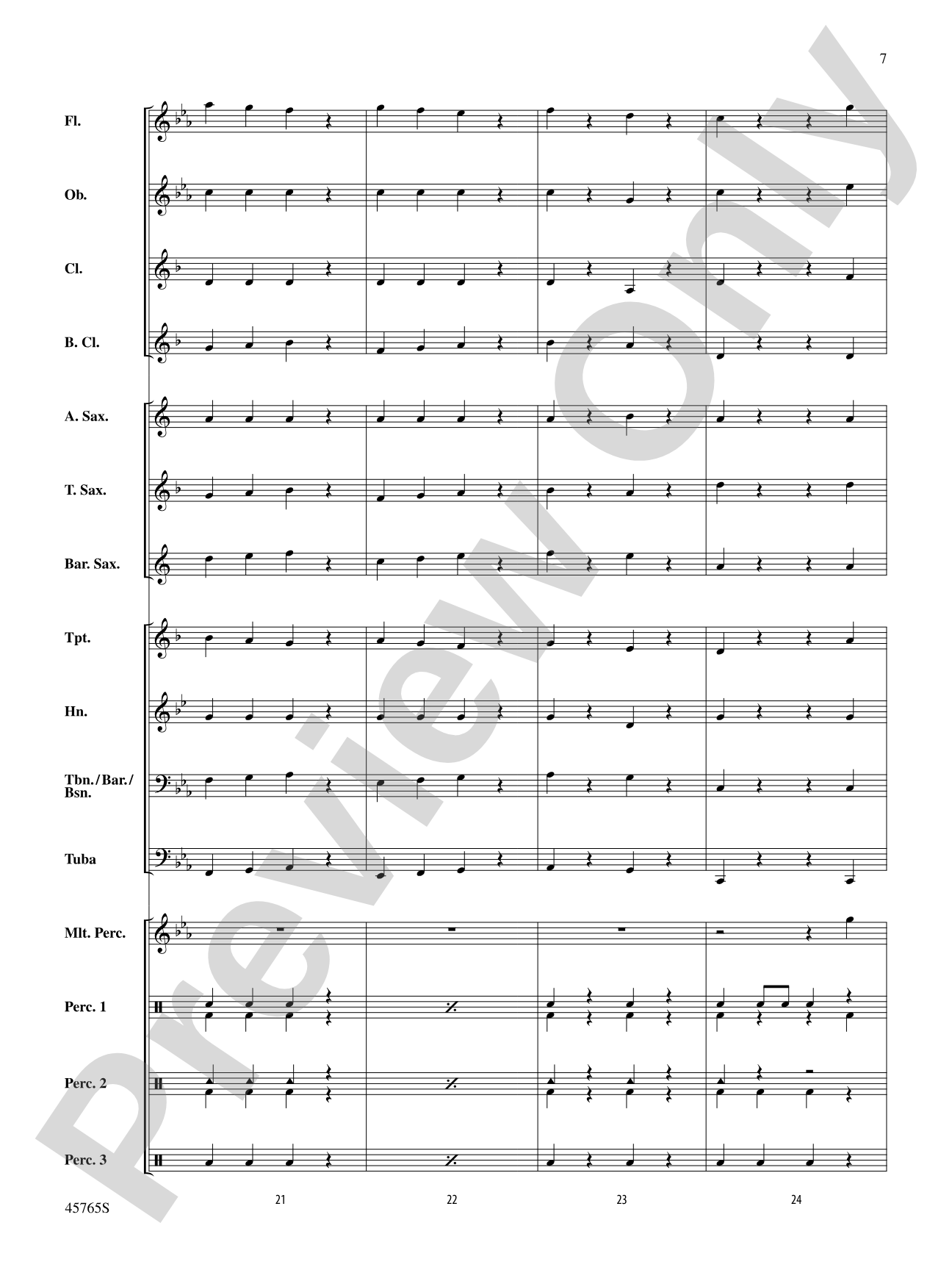
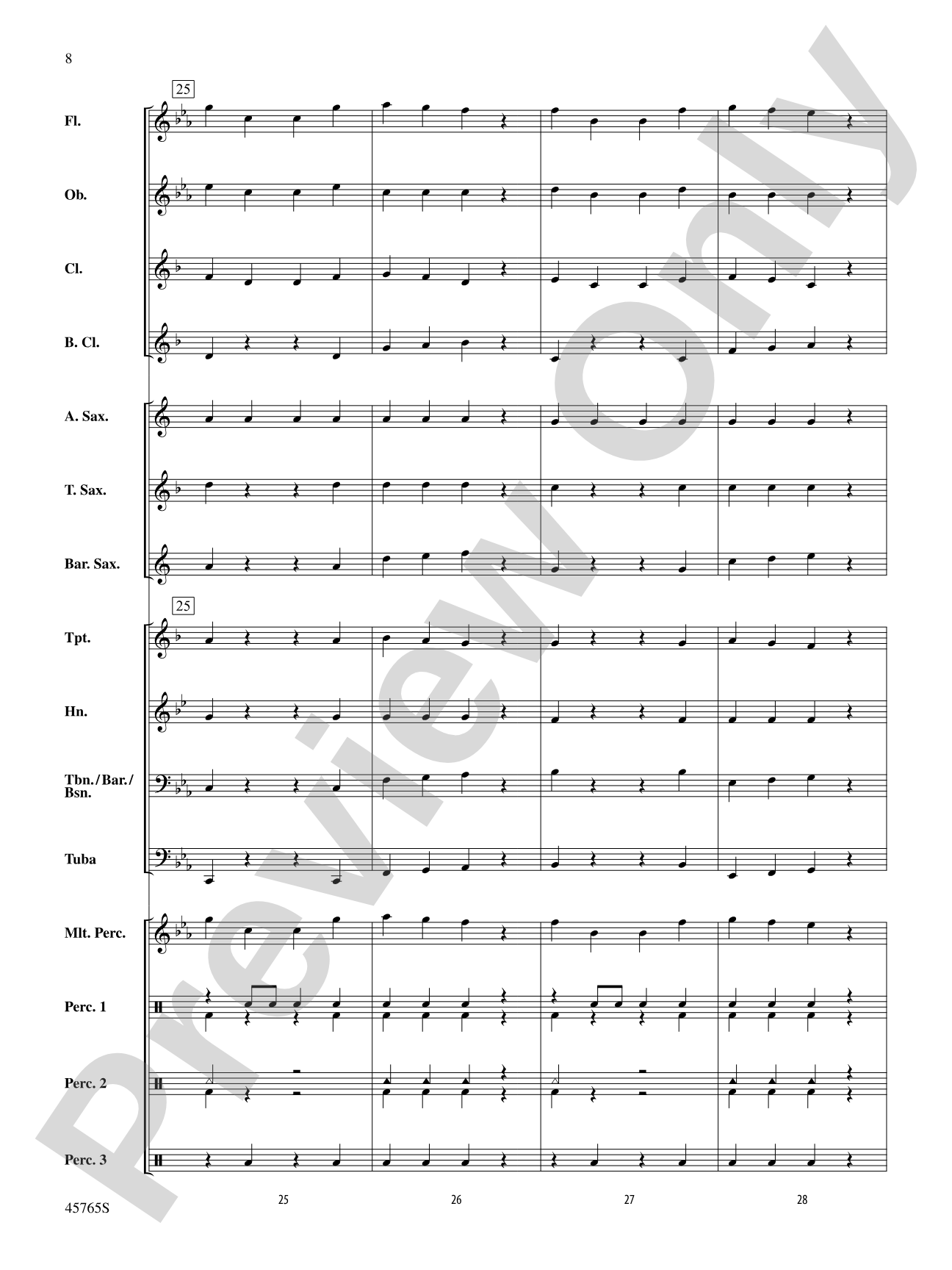
A musical tip-of-the-hat to the wildly popular sci-fi craze, this creative original piece uses only quarter, half, and whole notes for use at the end of the first year of band. Zombies are everywhere! Great fun! (1:45)


Don't just read it, hear it, play along with it, and watch your students grow with it. In MakeMusic Cloud, Zombie Dance: Concert Band Conductor Score & Parts comes alive with professional accompaniment, adjustable tempo, and built-in practice tools that turn solo practice into real progress.
Open in the Player
Jump straight in and assign it today.
Start Your Free Trial
Open this title and explore the full library in minutes.
Sample Audio
1
Audio File
--:--
0:00
0:00
Sample Video
Additional Details
Series:
Belwin Very Beginning Band
Publisher:
Alfred Music
Page Count:
16
SKU:
00-PK-0007284
More about this title
About the Composer: Michael Story
Michael Story is a prolific composer and arranger whose catalog spans concert band, wind ensemble, orchestra, and choral music. His work for beginning and intermediate ensembles has become standard repertoire in music education, known for balancing accessibility with genuine musical interest and humor.
Why we love this
Story nails the balance between novelty and musicality here. The limited note values keep first-year students focused on rhythmic precision and ensemble listening without getting bogged down in reading complexity, while the pop-culture hook keeps energy high and rehearsals fun. It's the rare piece that works equally well as a serious rhythmic exercise and a crowd-pleaser.
What to expect
Creeping, rhythmic, and darkly playful. The piece evokes the slow, deliberate movement of its subject matter with relentless quarter-note patterns that build hypnotic forward momentum. It's unsettling without being dissonant, fun without being trivial.
Who it's for
First-year concert band students who have solidified their rhythm reading in quarter, half, and whole notes. This works beautifully as an end-of-year or fall concert closer for groups ready to move beyond warm-ups but still building foundational ensemble skills.
How to get the most out of it
- Establish a steady, driving tempo from the downbeat. The quarter-note foundation needs unwavering pulse support from your bass line and timpani.
- Shape the orchestration by bringing out melodic lines as they pass between sections rather than letting the whole band play with equal weight.
- Exaggerate the rhythmic precision of the half and whole notes. Even simple note values benefit from exact cutoffs and attacks that lock the ensemble together.
- Use dynamics to build tension. Starting softer and gradually increasing volume toward the climax creates drama without relying on harmonic complexity.
How to use it
Perfect for an early-season or Halloween concert when you want to celebrate your students' first months of progress without tackling advanced repertoire. The short duration (1:45) makes it an ideal opener or interlude between more substantial works.
Skills your students will build
- Maintaining steady pulse through repeated quarter-note patterns
- Reading and performing whole notes and half notes with consistent tone
- Listening for sectional balance when multiple parts move at different note values
- Coordinated ensemble attacks and releases across the full band
- Following a conductor while reading simple but rhythmically active parts