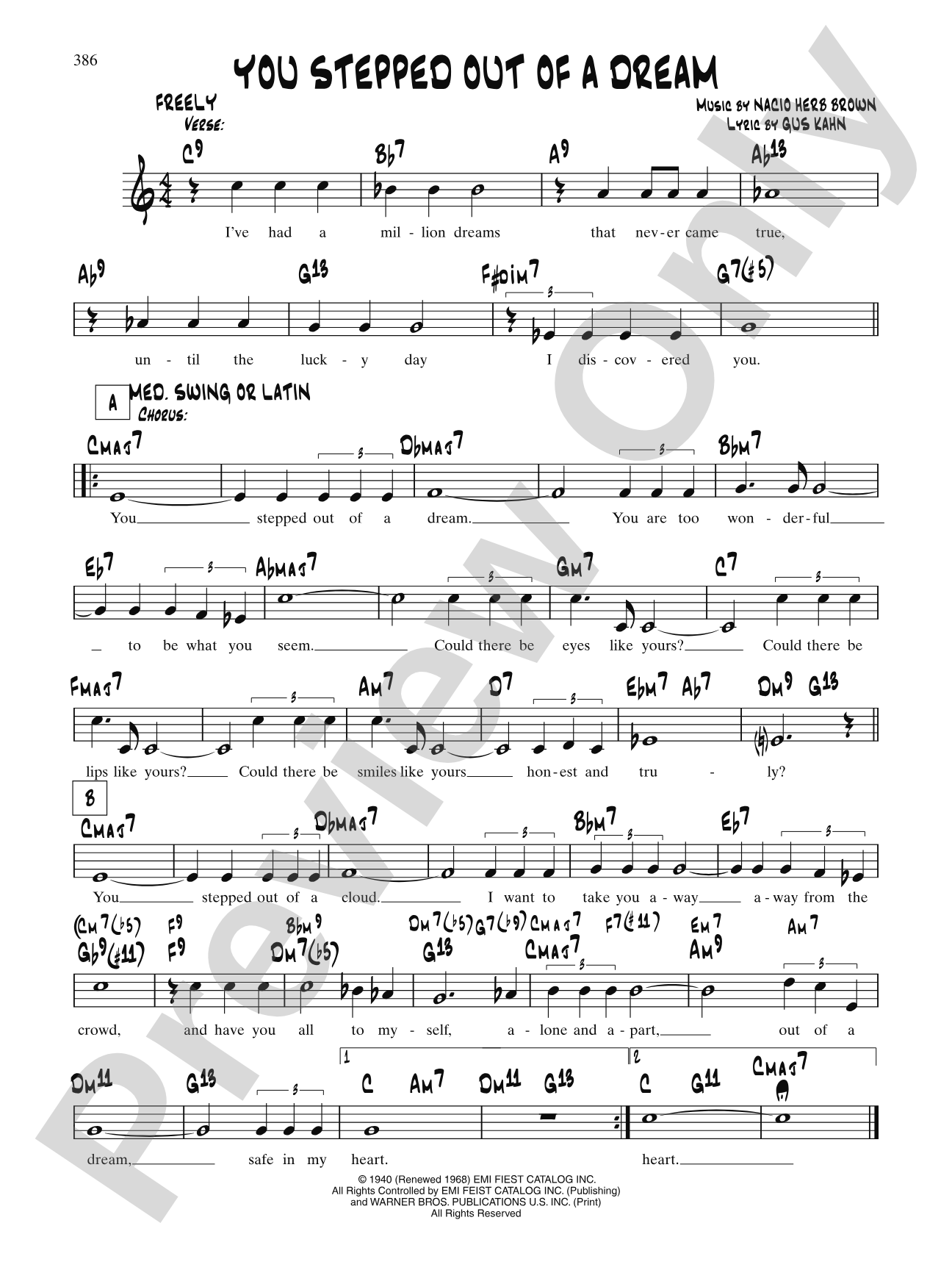
Solo Guitar is a musical approach to understand the techniques and concepts of solo guitar. Topics include arranging, transcribing, chord progressions, and chord substitutions. Also included are tips for maximizing practice time. Howard demonstrates every subject with arrangements of some of the most memorable songs of any serious musician's repertoire. Titles include: In Your Own Sweet Way * You Stepped Out of a Dream * Stompin' at the Savoy * Misty * Laura * Take Five and more.
Discover MakeMusic Cloud: thousands of interactive titles your students can play along with today.
Peter Cincotti is a pianist and composer known for his work in jazz and popular music. He has recorded multiple albums and performed extensively in live venues, bringing both technical skill and musicality to standards and original compositions.
Why we love this
This lead sheet collection cuts straight to the core of jazz vocabulary by pairing iconic melodies with harmonic analysis. Rather than generic exercises, you're working through real repertoire that matters—standards your students will encounter in jam sessions, auditions, and their own musical lives.
What to expect
Exploring these timeless melodies through the lens of chord substitution and voice leading reveals why they endure. Each arrangement teaches you how to make choices about harmony, voicing, and phrasing that deepen your connection to the tune and your instrument.
Who it's for
Guitar students with fundamental knowledge of jazz harmony who are ready to move beyond basic comping into arrangement and reharmonization. This resource works well for intermediate to advanced players developing a solo jazz repertoire and refining their ability to voice chords idiomatically.
How to get the most out of it
Study the melody and chord changes separately before combining them; lock the changes first, then layer the melody on top.
Experiment with chord voicings once you own the basic changes; each substitution suggested in the text opens different textural possibilities.
Record yourself playing the changes to identify weak spots in your fluency; playback reveals where your transitions lag.
Transpose each tune to at least two other keys to deepen your understanding of the harmony and build flexibility across the neck.
How to use it
Use individual lead sheets as the foundation for private lesson repertoire, assigning one tune every few weeks and building toward a solo jazz recital. The method content also supports ensemble preparation, giving students the harmonic literacy they need to comp confidently in small group settings.
Skills your students will build
Reading and interpreting jazz lead sheets with chord symbols
Chord substitution and reharmonization techniques
Transcribing melody and harmony from jazz standards
Voice leading across chord changes
Arranging melodies for solo guitar in jazz style
Developing chord voicing options on the fretboard
You May Also Like
Scan to Complete Your Purchase
Use your phone's camera to scan the code below
You'll log in on your phone and the order will be added to your account