
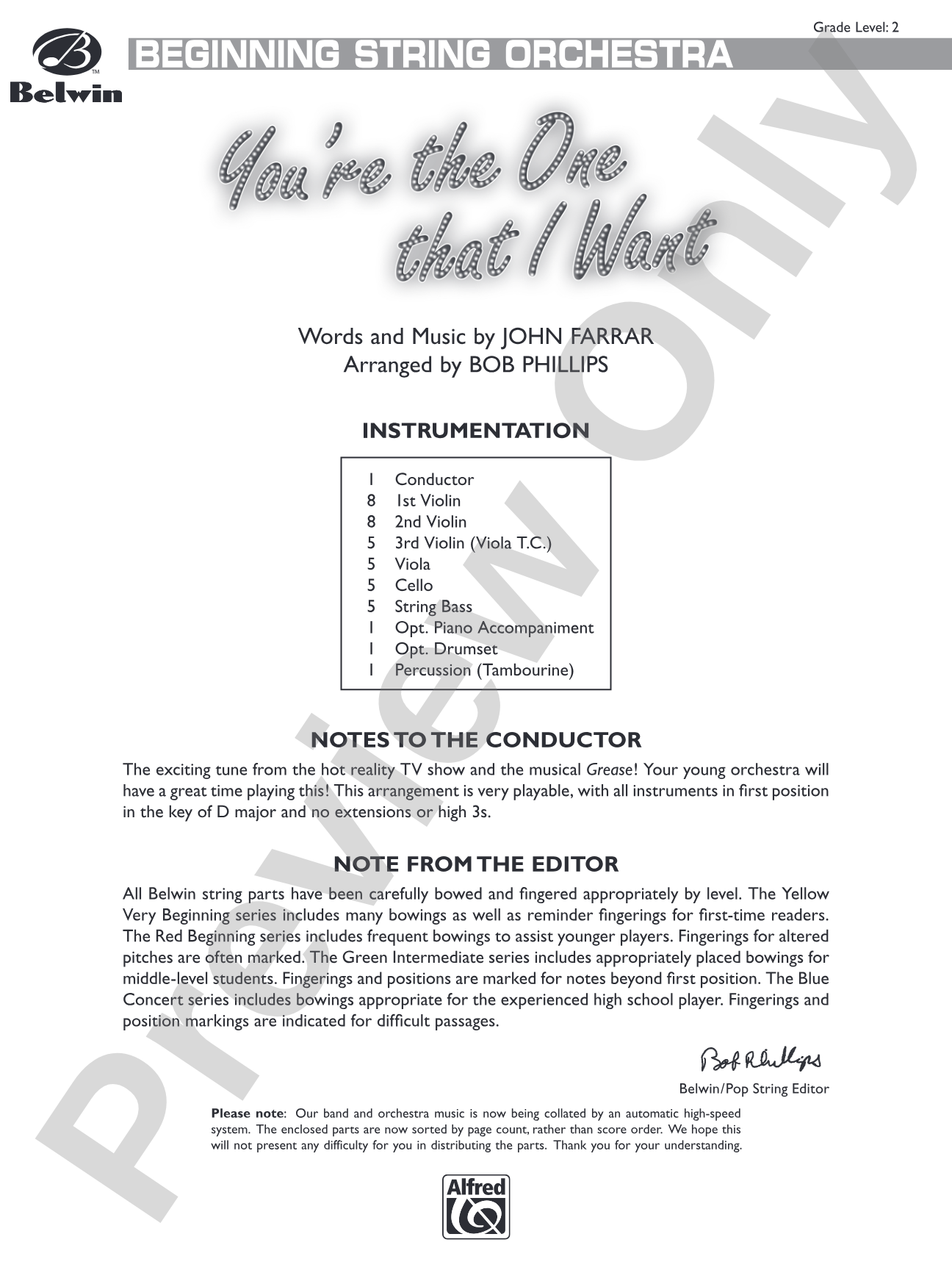
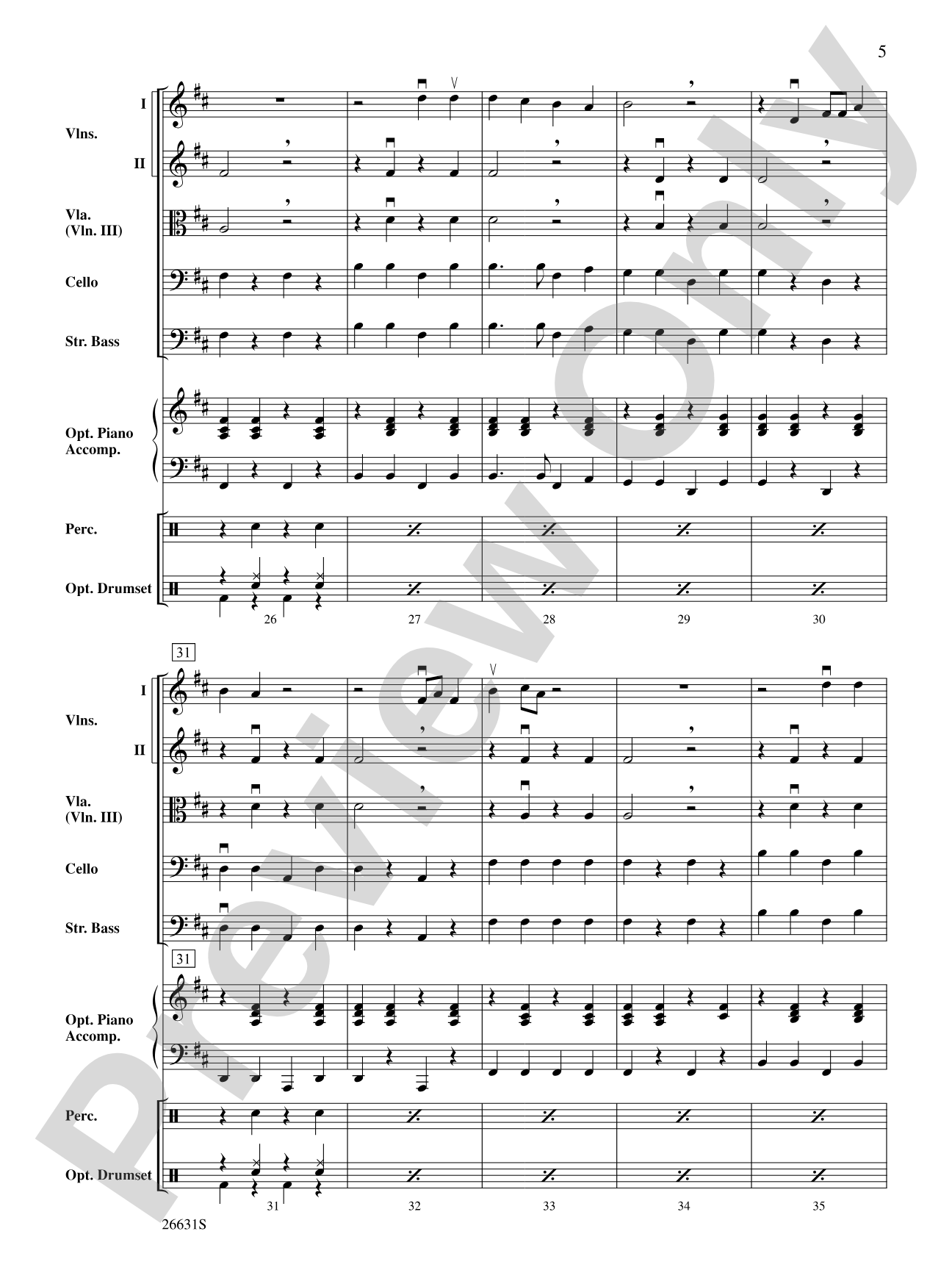
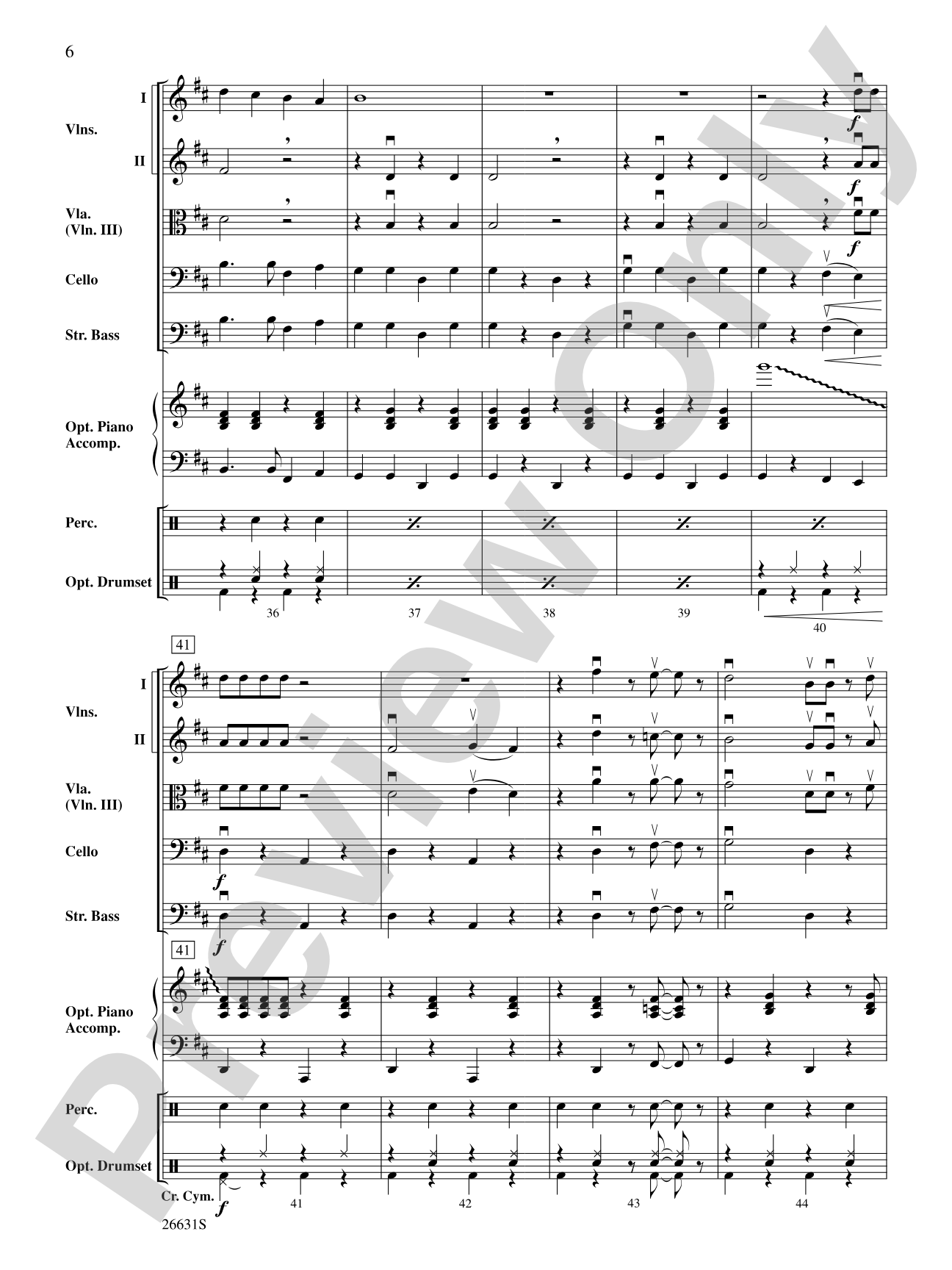
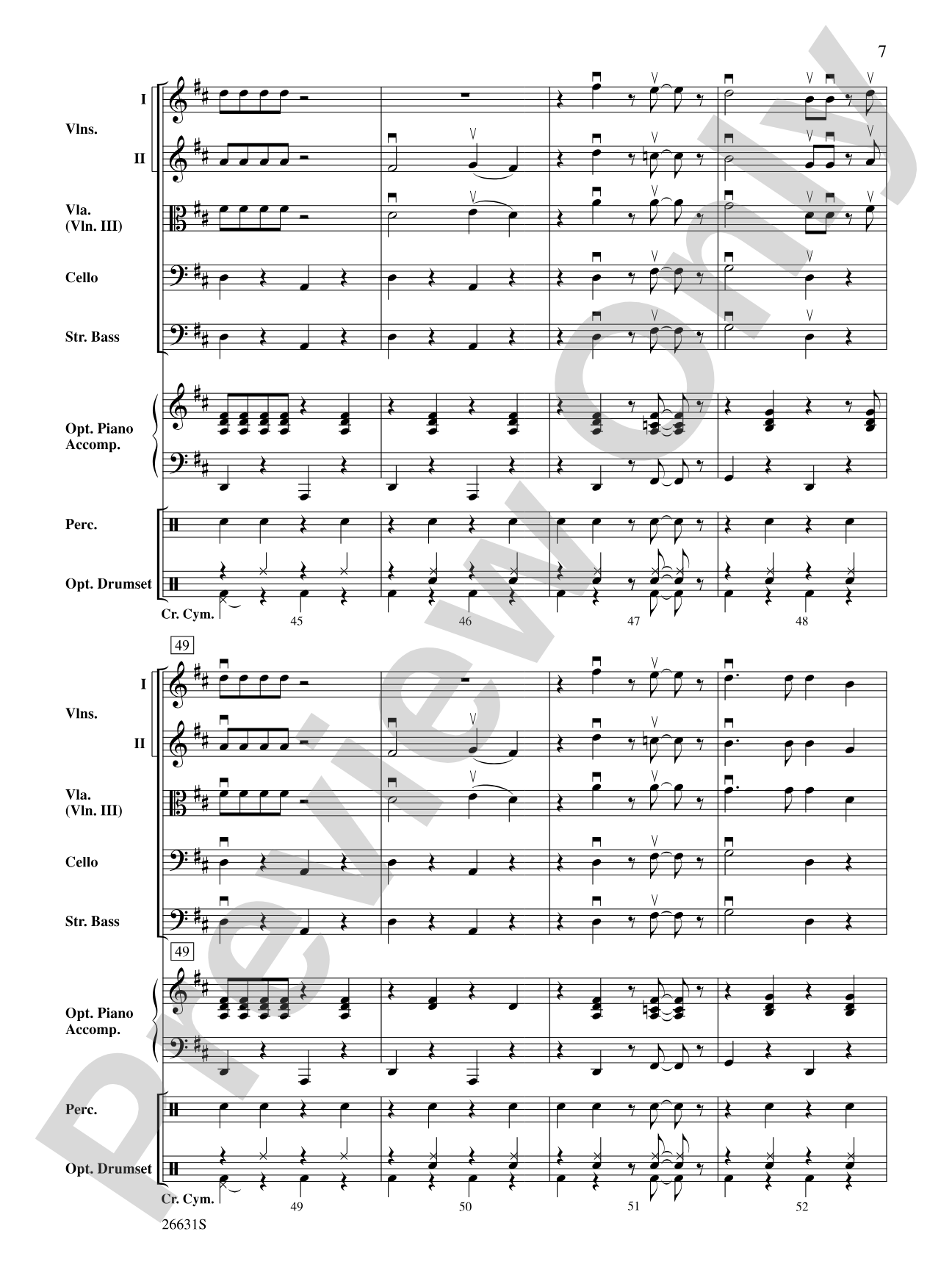
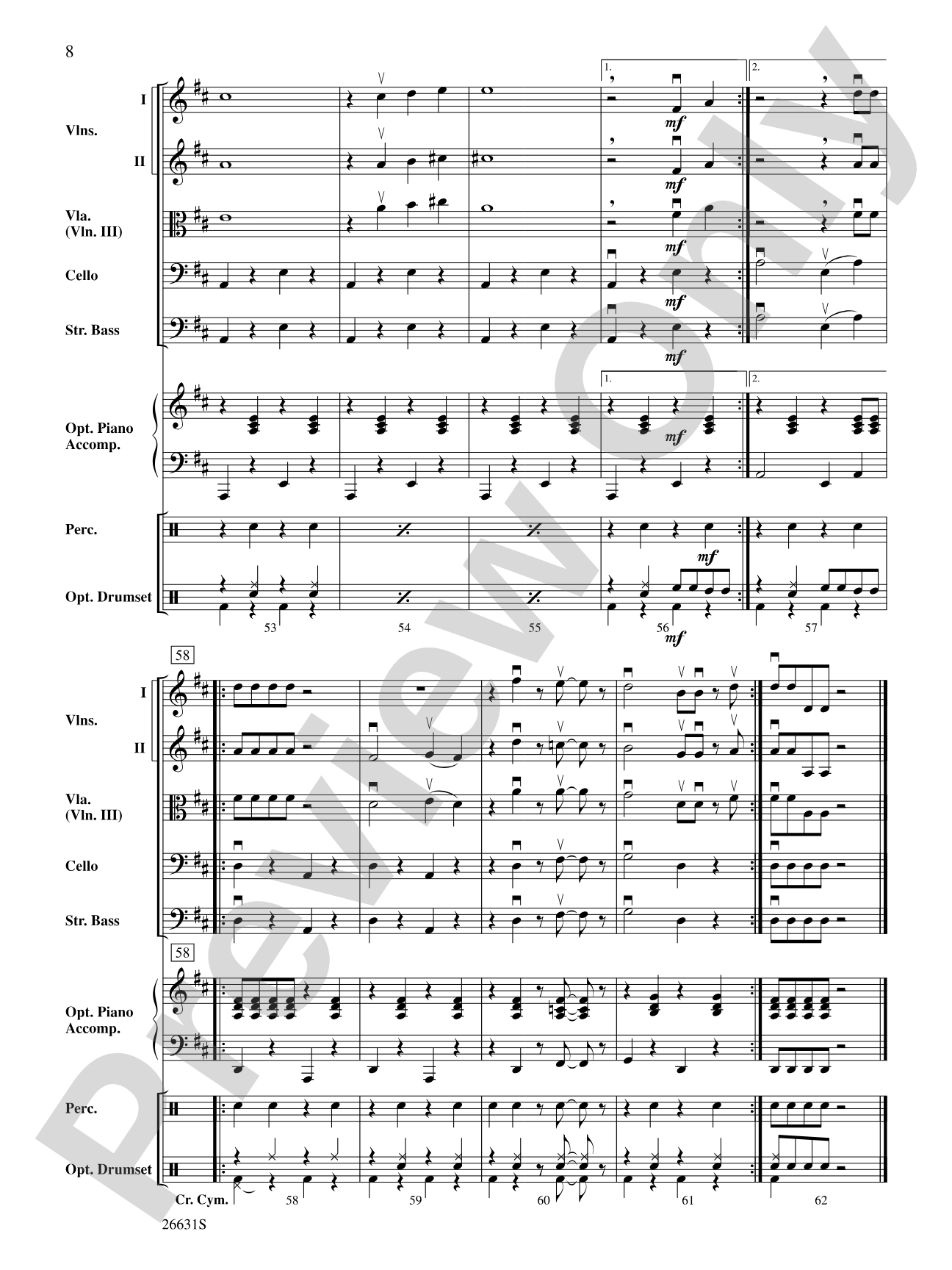

You're the One That I Want (from Grease): String Orchestra Conductor Score & Parts
By John Farrar / arr. Bob Phillips
Grade: 2
Item: 00-PK-0001142

$50.00
One moment…
Description
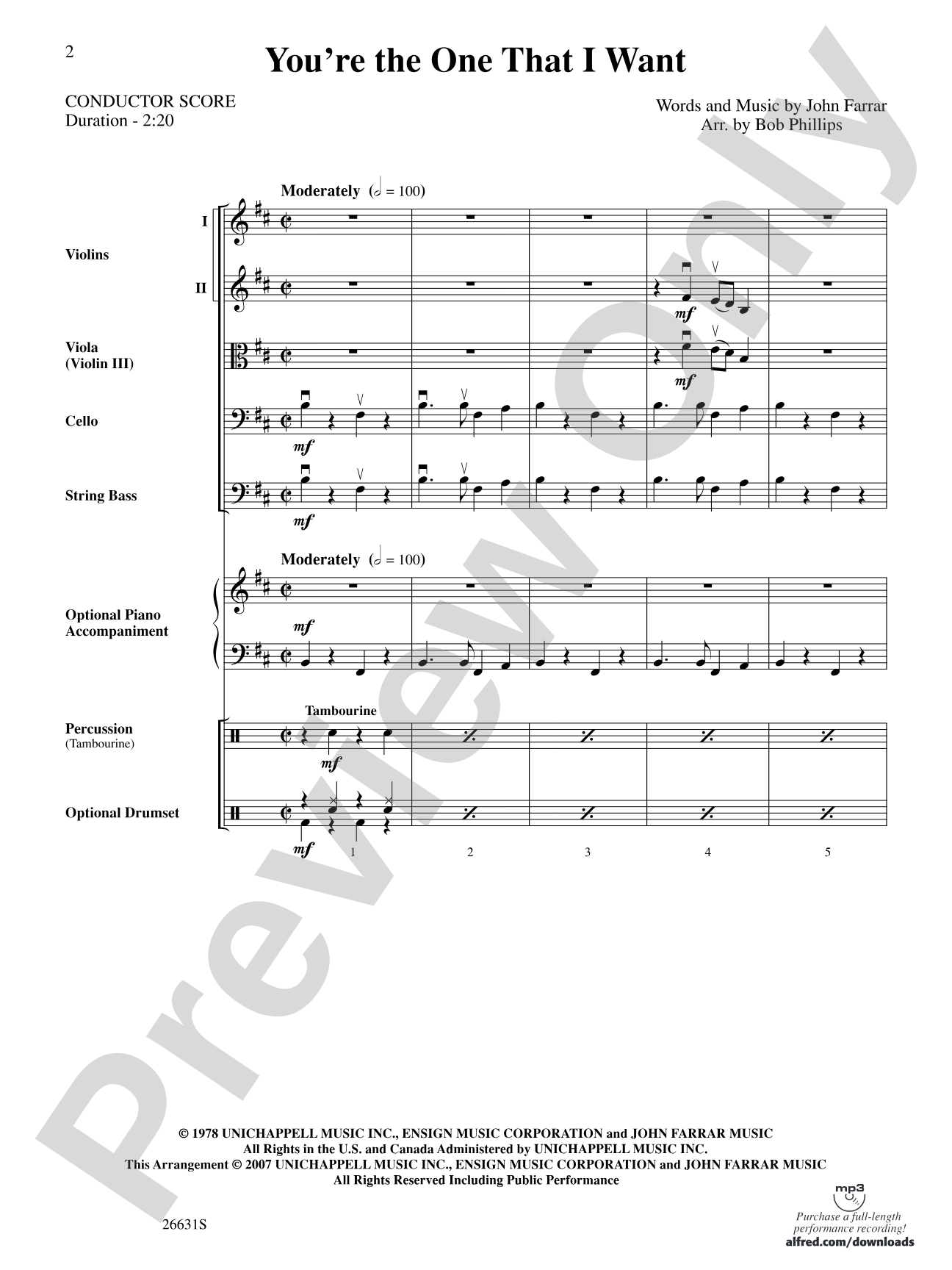
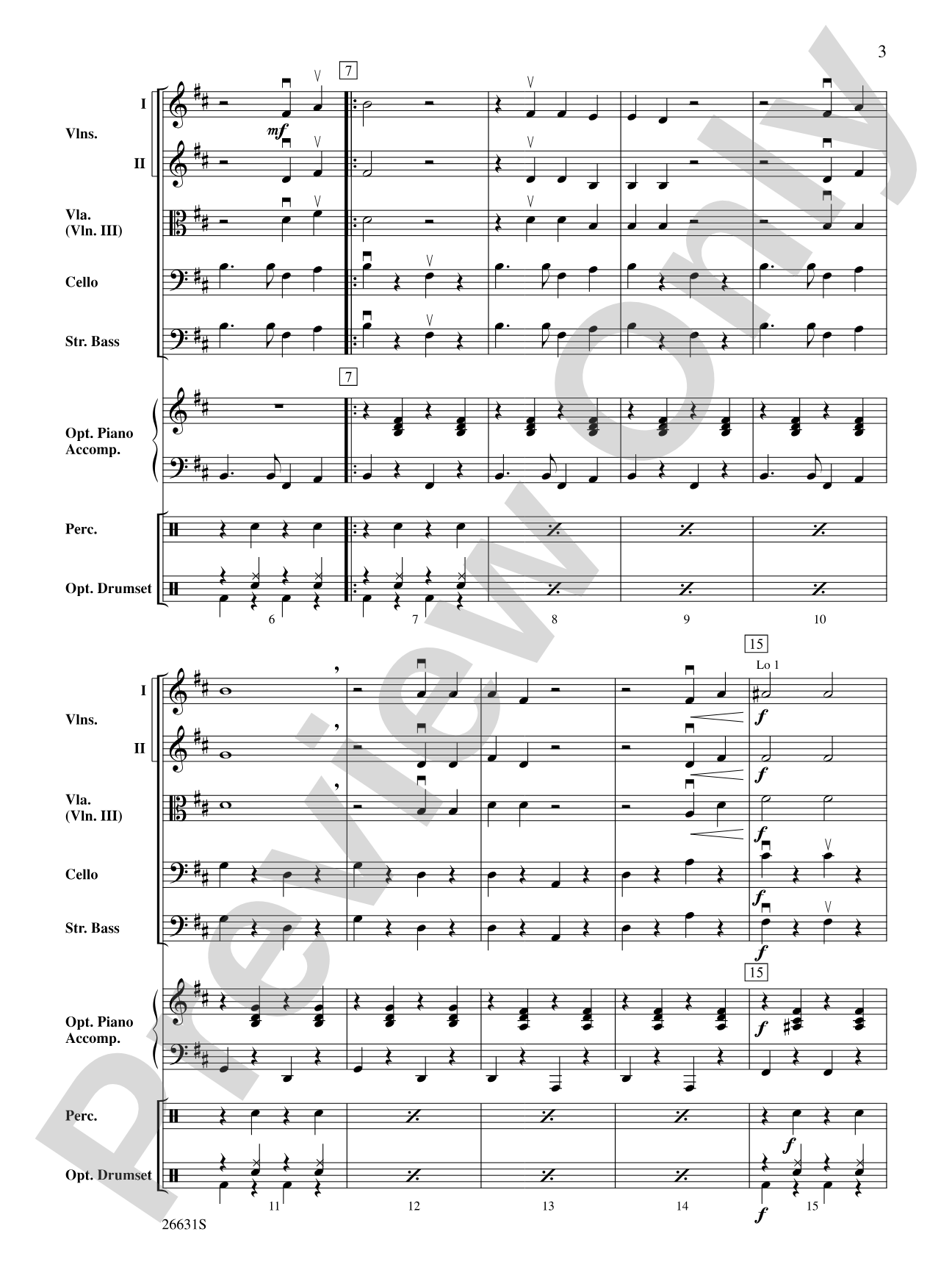
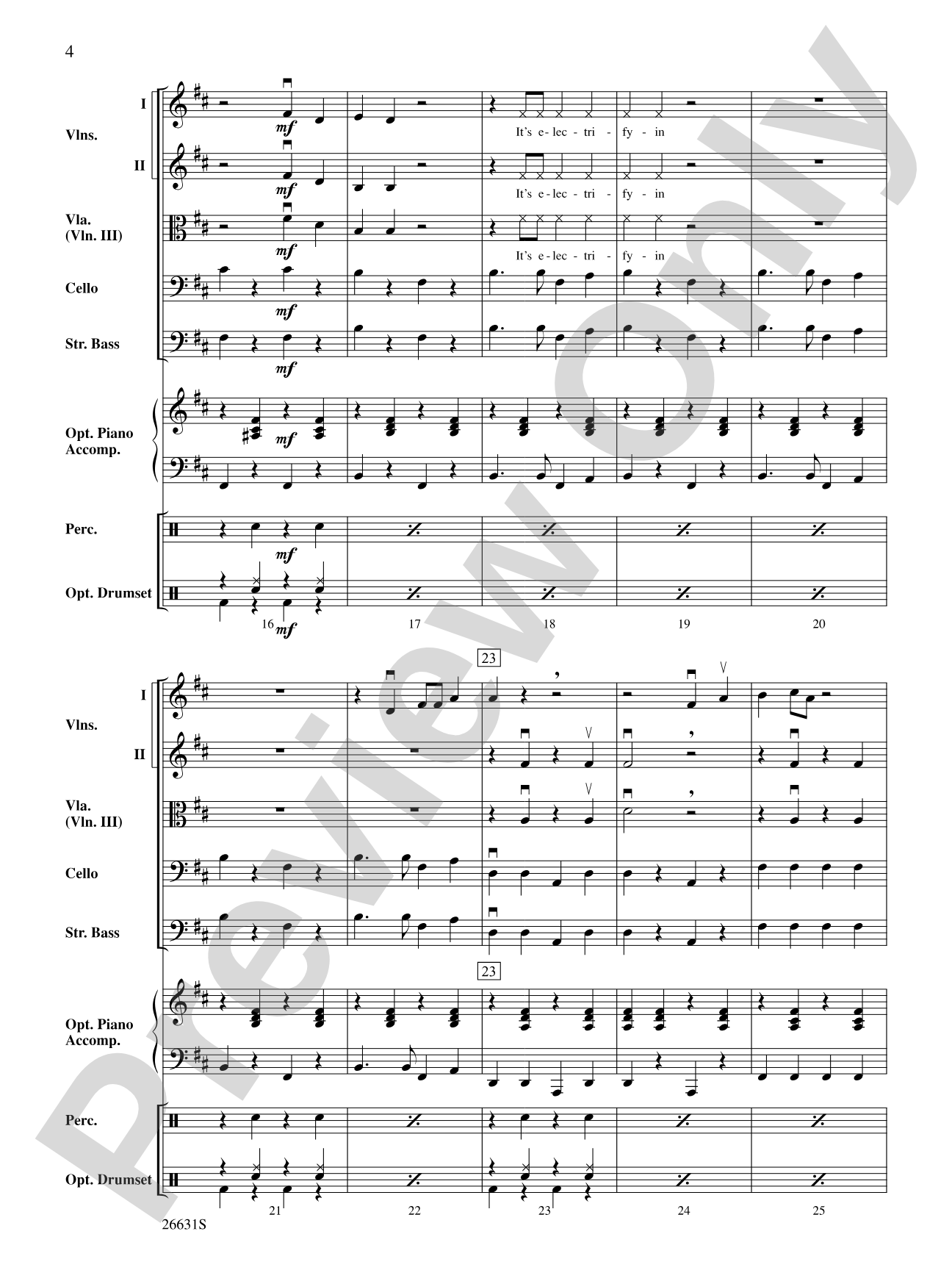
The exciting tune from the hot reality TV show and the musical, Grease! A young orchestra can have a great time with this one! This arrangement is very playable with all instruments in first position in the key of D Major without any extensions or high 3s. This title is available in MakeMusic Cloud.


Don't just read it, hear it, play along with it, and watch your students grow with it. In MakeMusic Cloud, You're the One That I Want (from Grease): String Orchestra Conductor Score & Parts comes alive with professional accompaniment, adjustable tempo, and built-in practice tools that turn solo practice into real progress.
Open in the Player
Jump straight in and assign it today.
Start Your Free Trial
Open this title and explore the full library in minutes.
Sample Audio
1
Audio File
--:--
0:00
0:00
Sample Video
No sample videos found.
Additional Details
Series:
Pop Beginning String Orchestra
Publisher:
Alfred Music
Page Count:
40
SKU:
00-PK-0001142
More about this title
About the Composer: John Farrar
John Farrar is an Australian musician and composer best known for his work on the Grease soundtrack and score. He co-wrote several of the musical's most iconic songs, establishing himself as a songwriter capable of crafting earworms that define a generation. His contributions to Grease remain central to music education repertoire, introducing young musicians to the energy and melodic craftsmanship of 1970s popular songwriting.
Why we love this
Bob Phillips' arrangement keeps the infectious charm of this mega-hit intact while making it genuinely accessible for developing orchestras. Young players get an immediate win—they recognize the tune instantly, stay engaged throughout rehearsals, and build confidence playing something their audiences actually know. The limitation to first position and D Major removes technical barriers without sacrificing the song's kinetic energy.
What to expect
Infectious and triumphant. The arrangement captures the infectious confidence of the original—every student in the section gets a chance to feel like they're playing something fun and important, not just reading through exercises. It's the kind of piece that makes audiences smile and reminds musicians why they love ensemble playing.
Who it's for
Young string orchestras at the Grade 2 level, including school programs introducing pop repertoire into their standard concert rotation. Directors seeking a recognizable, high-energy piece that students will genuinely want to practice and perform well.
How to get the most out of it
- Lock in the rhythmic drive early. This tune thrives on steady pulse and tight ensemble precision; mark the beat clearly in initial rehearsals so everyone feels the propulsive groove underneath the melody.
- Shape phrases with dynamic lift rather than literal crescendos. Small pushes at the start of phrases, especially in the string lines that support the main tune, create momentum without overcomplicating the conducting.
- Balance the melody prominently but keep accompaniment figures clear and articulate. Young string players sometimes disappear into sustained chords; encourage them to voice their parts with intent, giving the texture definition.
How to use it
Program this as a pops feature or standalone concert highlight, especially when reaching audiences beyond the traditional classical concert circuit. It works beautifully as a closing piece or act finale, sending the audience out energized. Pair it with other contemporary or film music from the Pop Beginning String Orchestra series for a themed concert.
Skills your students will build
- Reading music in D Major with strategic use of accidentals
- Maintaining steady ensemble rhythm without overly complex syncopation
- Playing entirely in first position across all string instruments
- Balancing melody and accompaniment voices in a cohesive arrangement
- Building confidence and musicality through a recognizable, pop-styled melody