
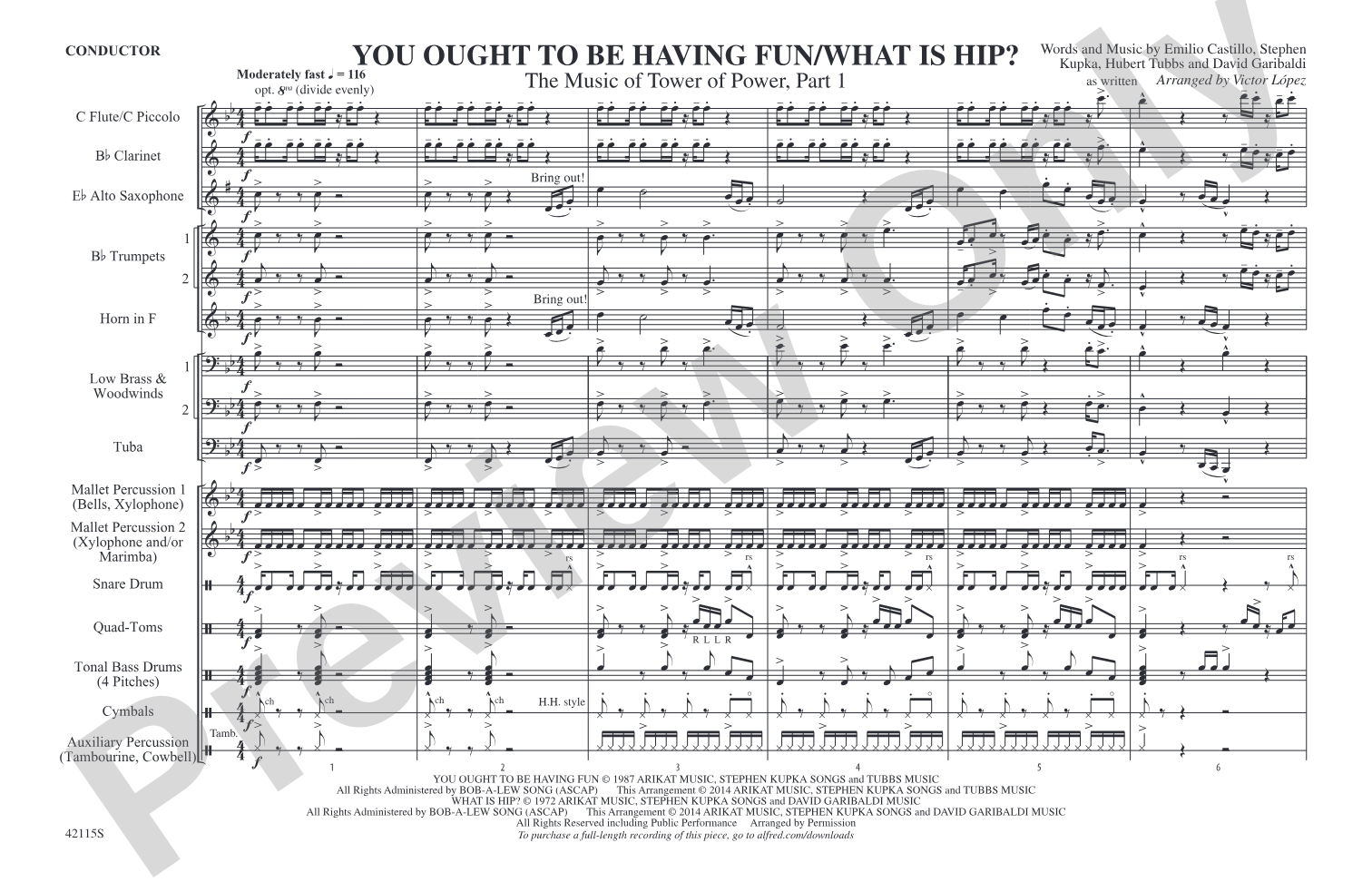
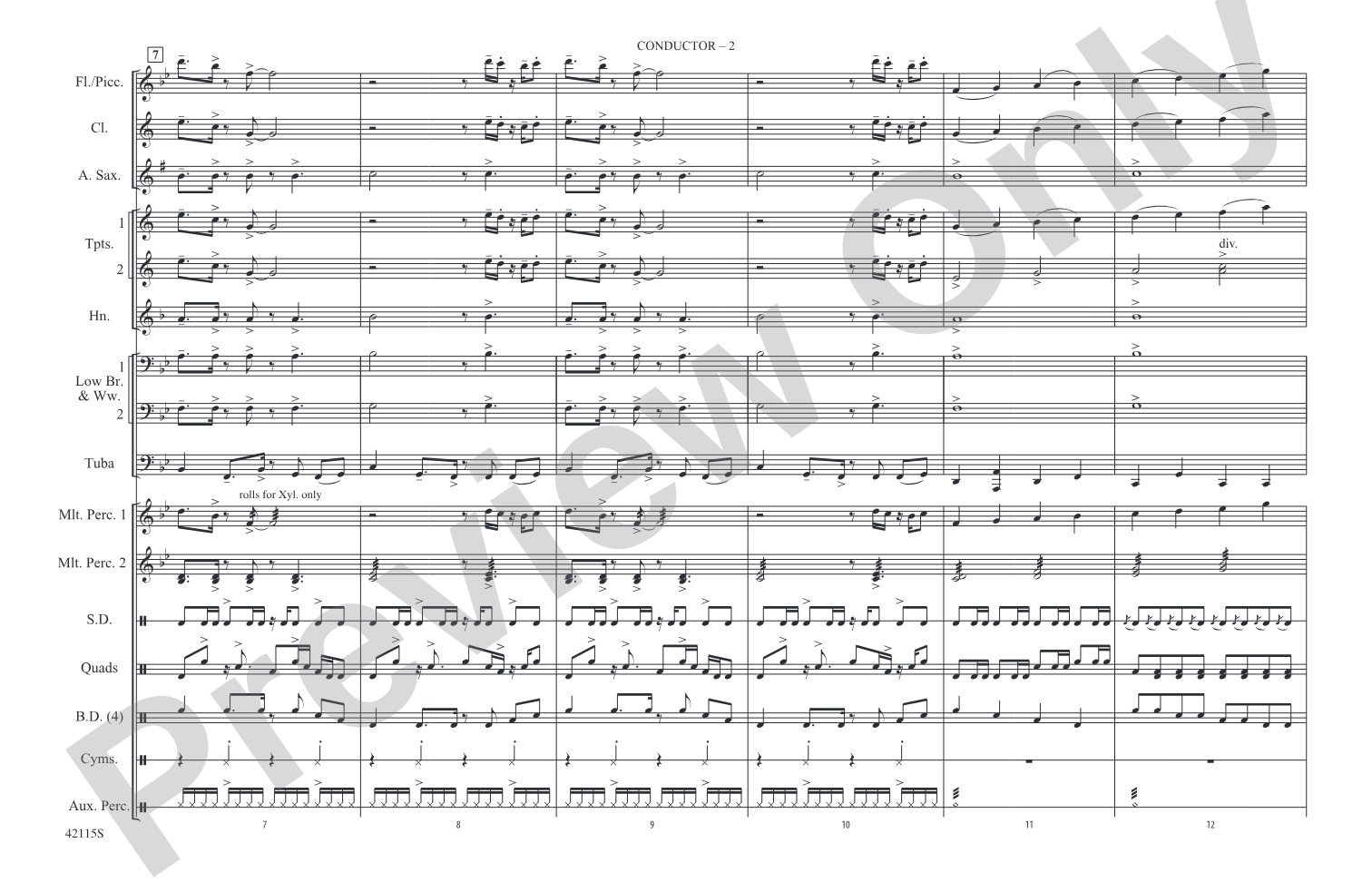
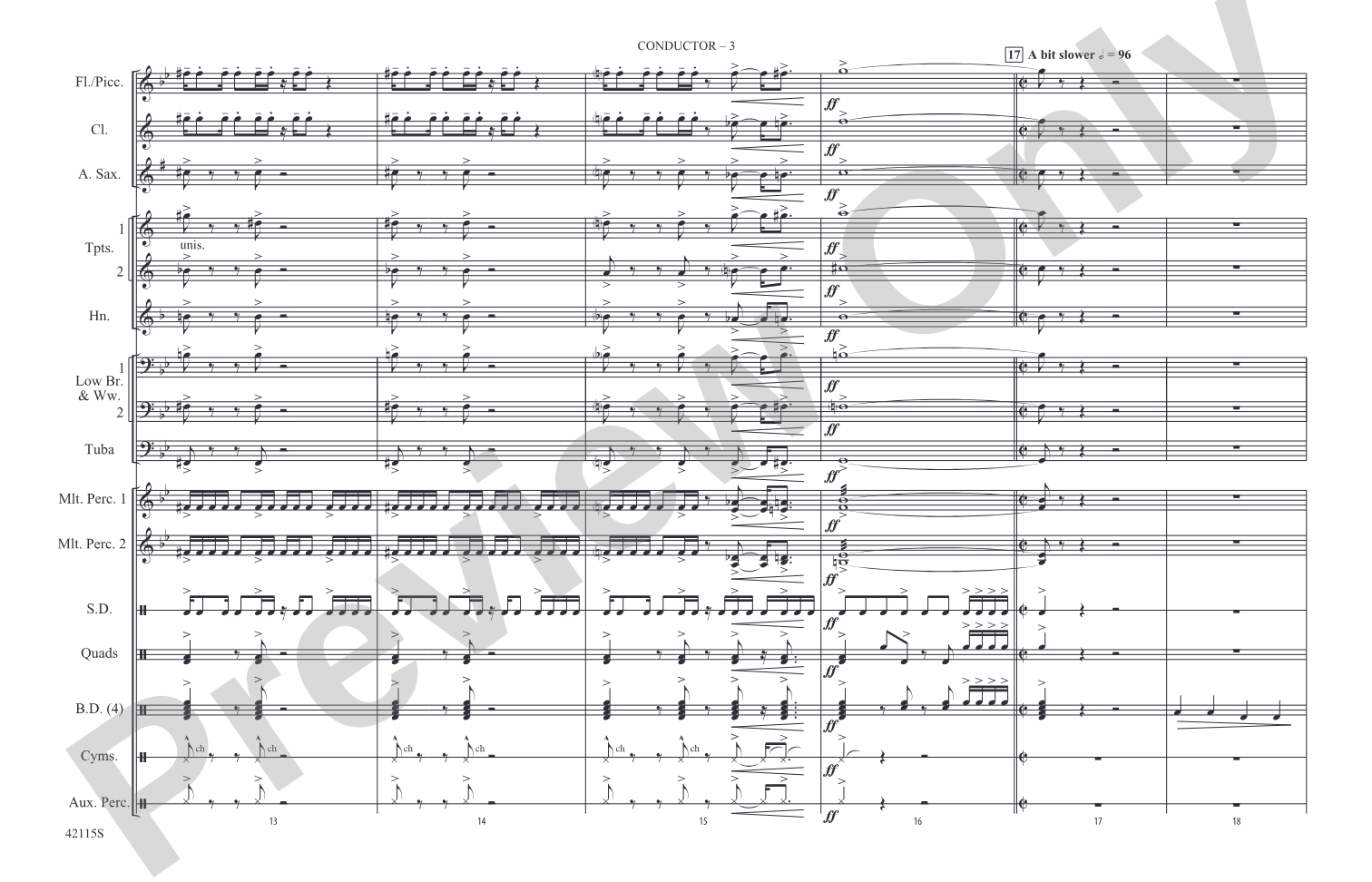
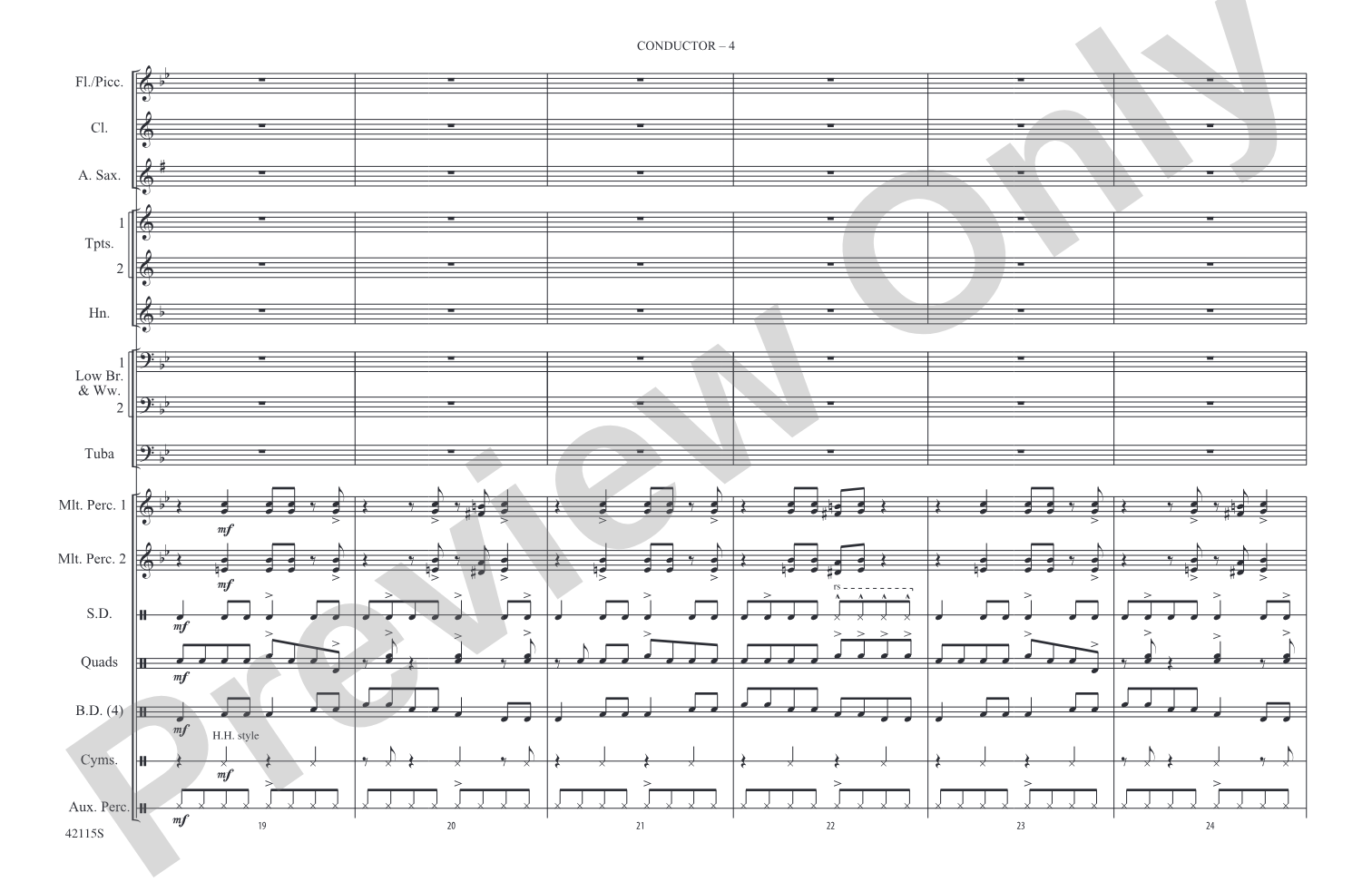
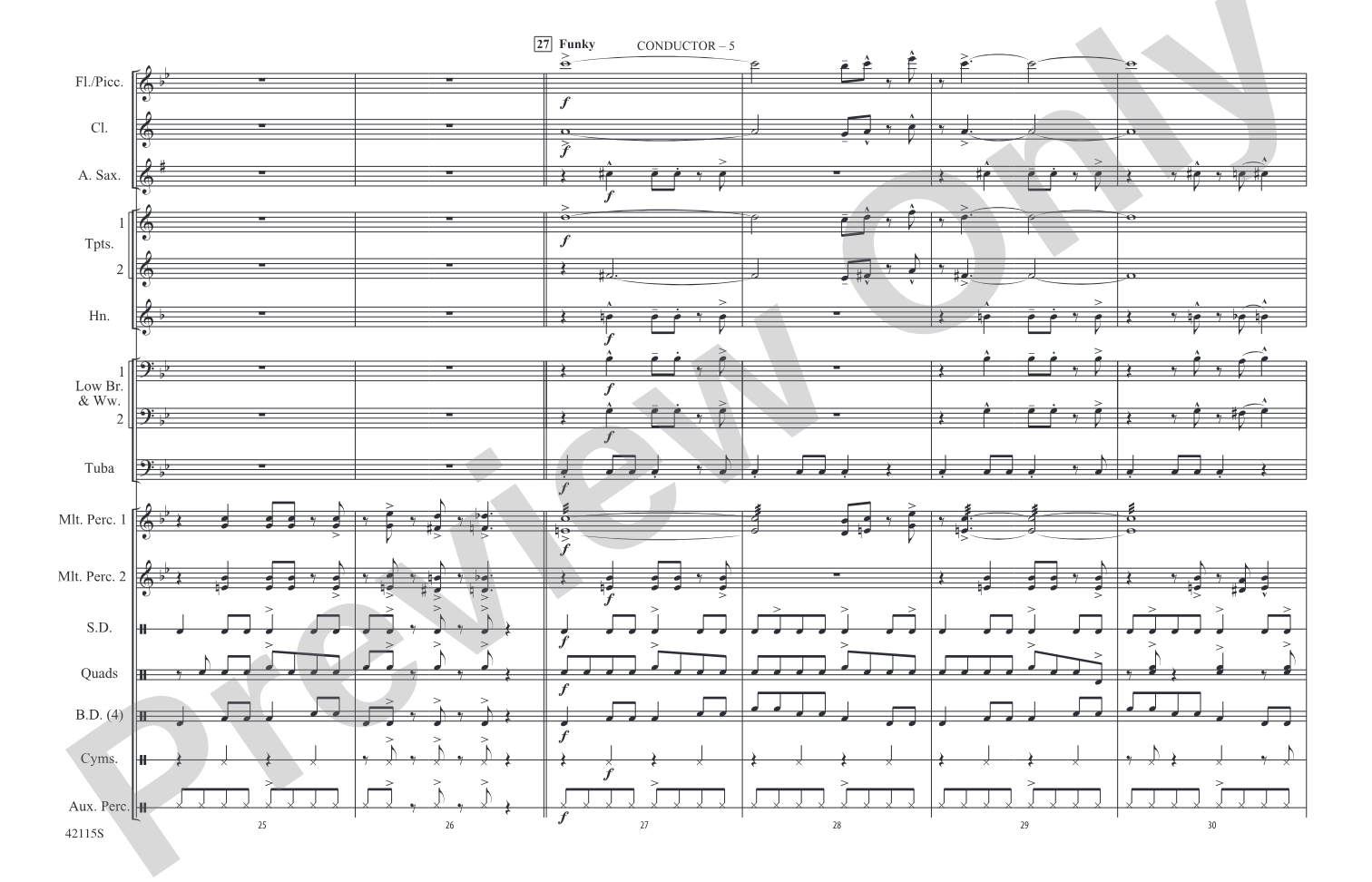
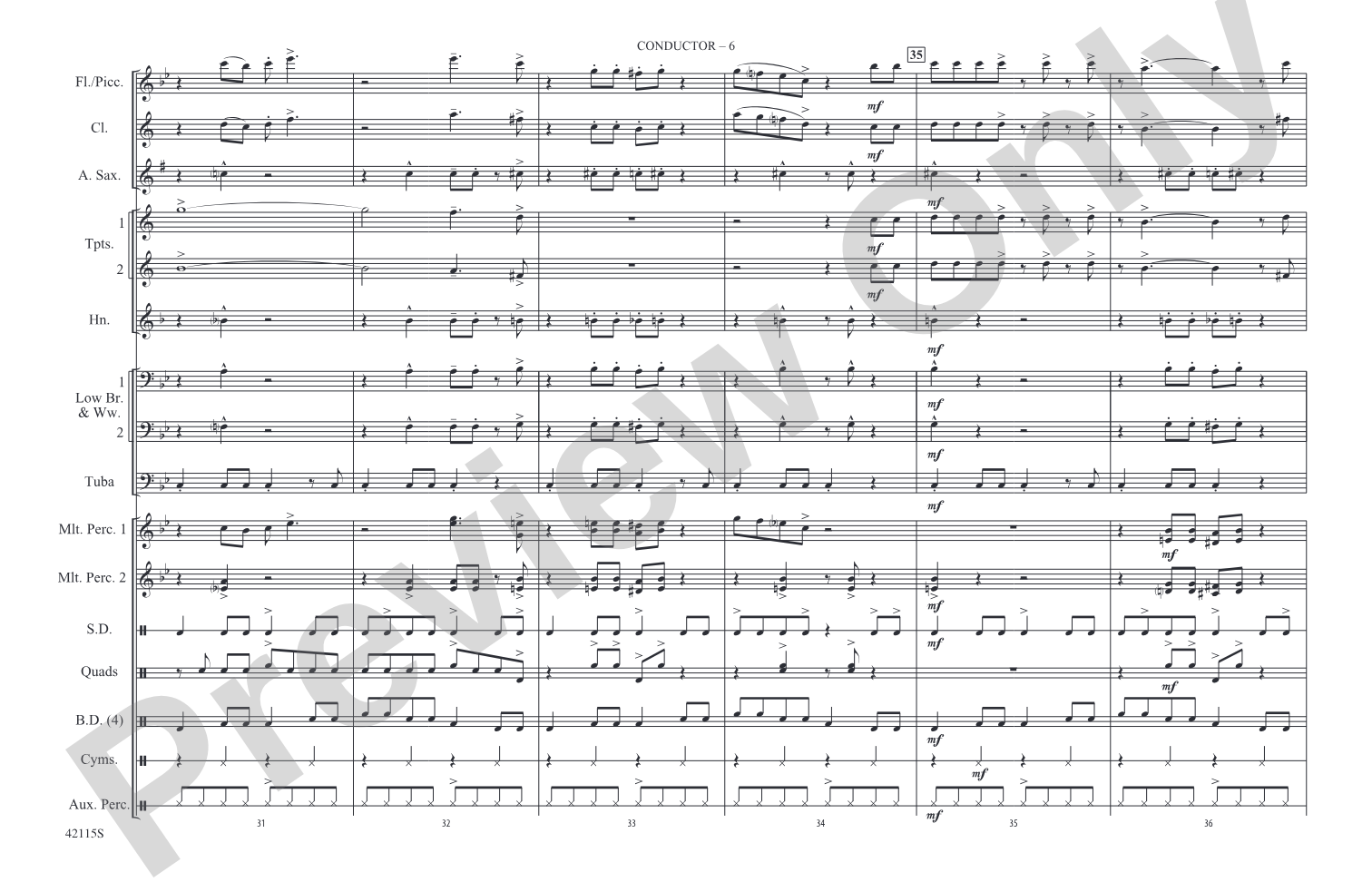
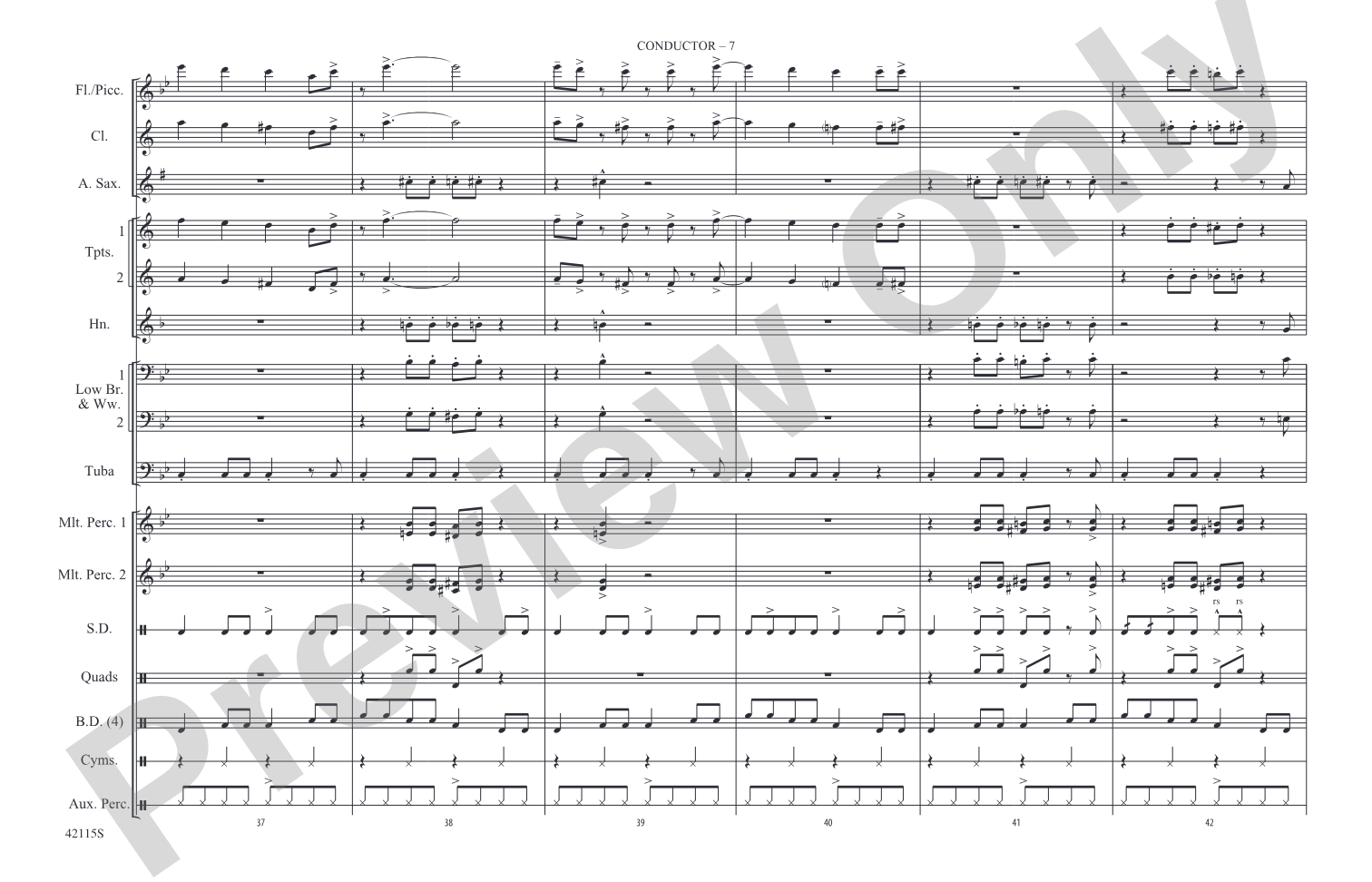
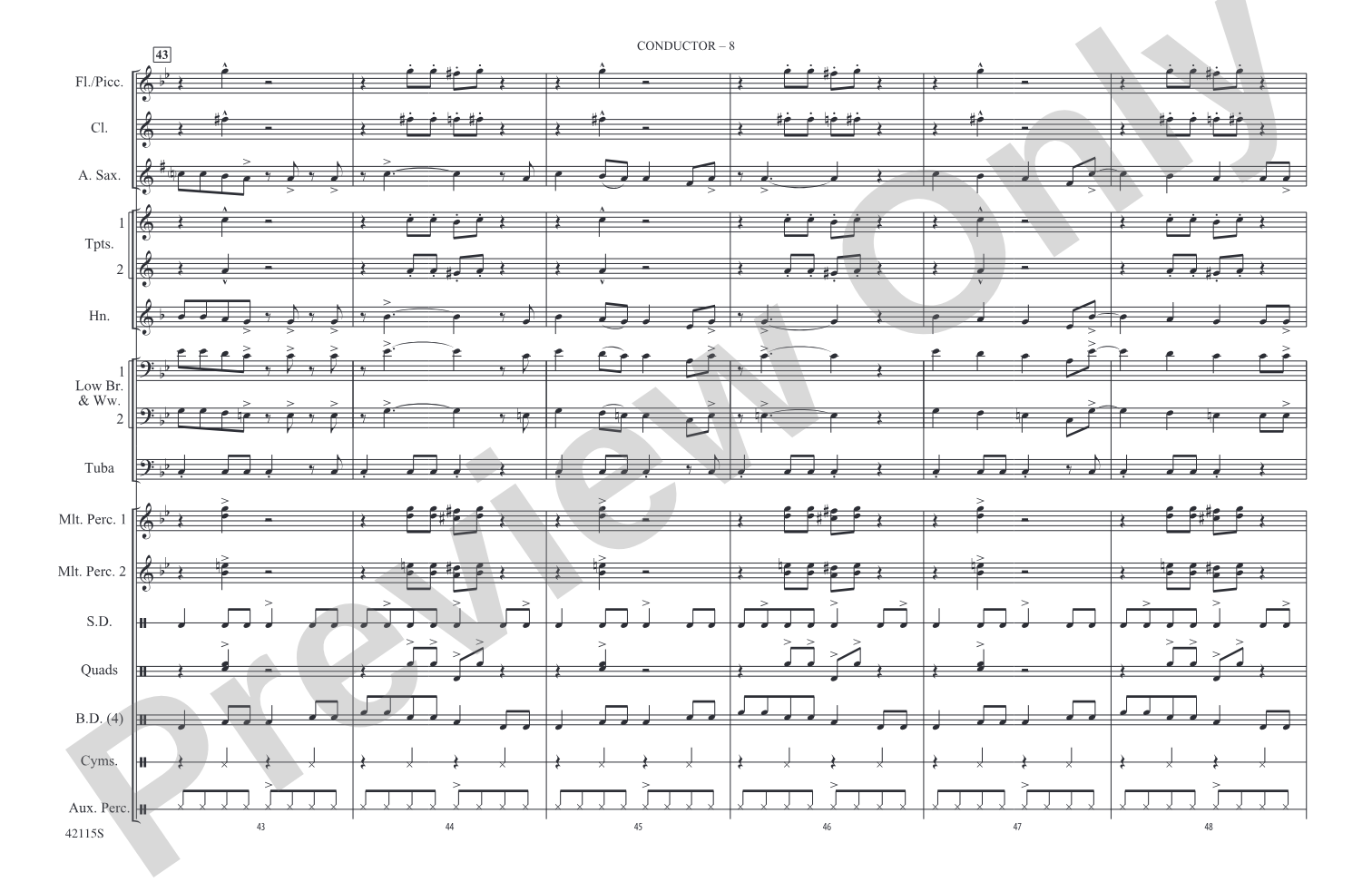
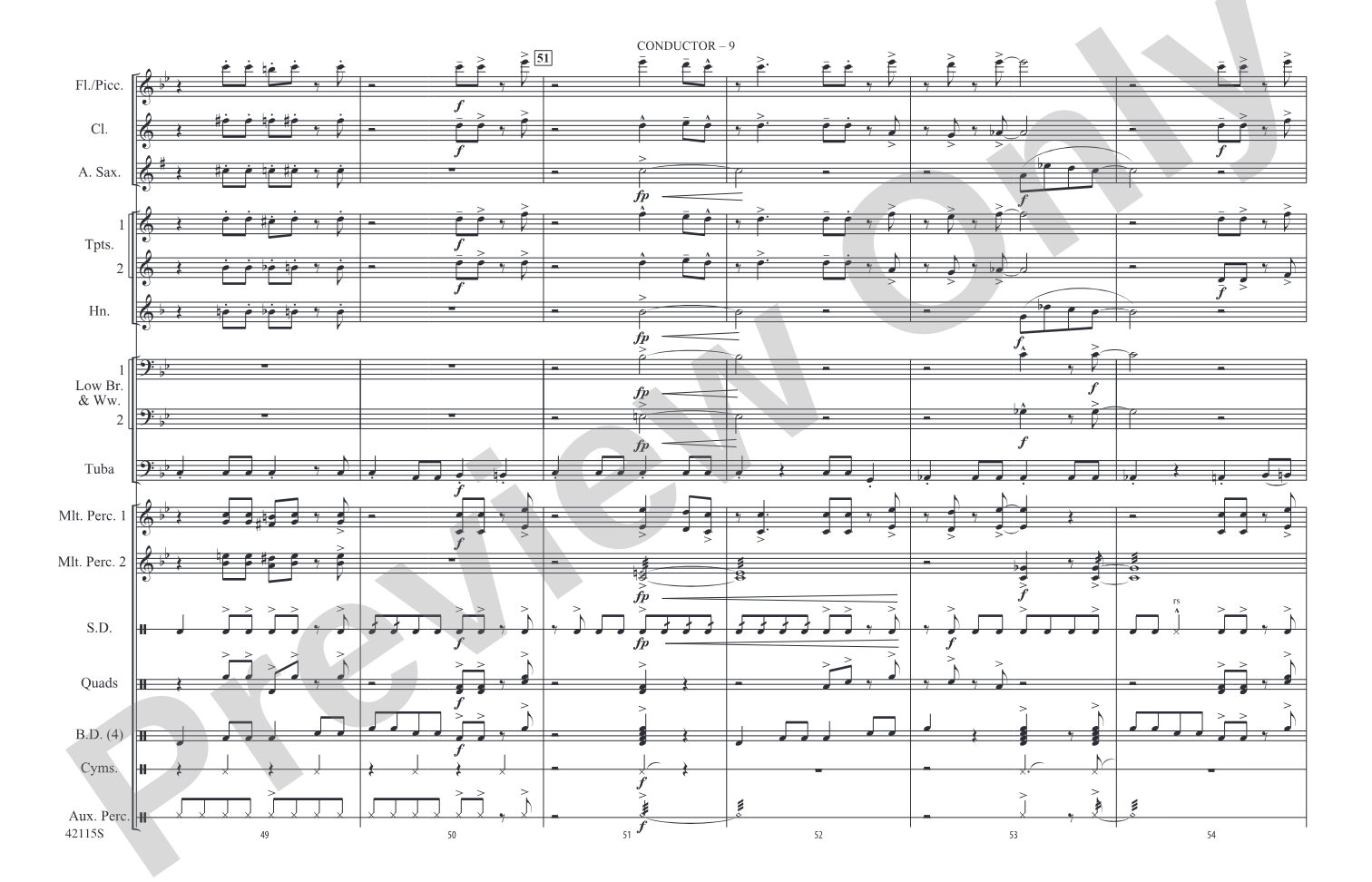
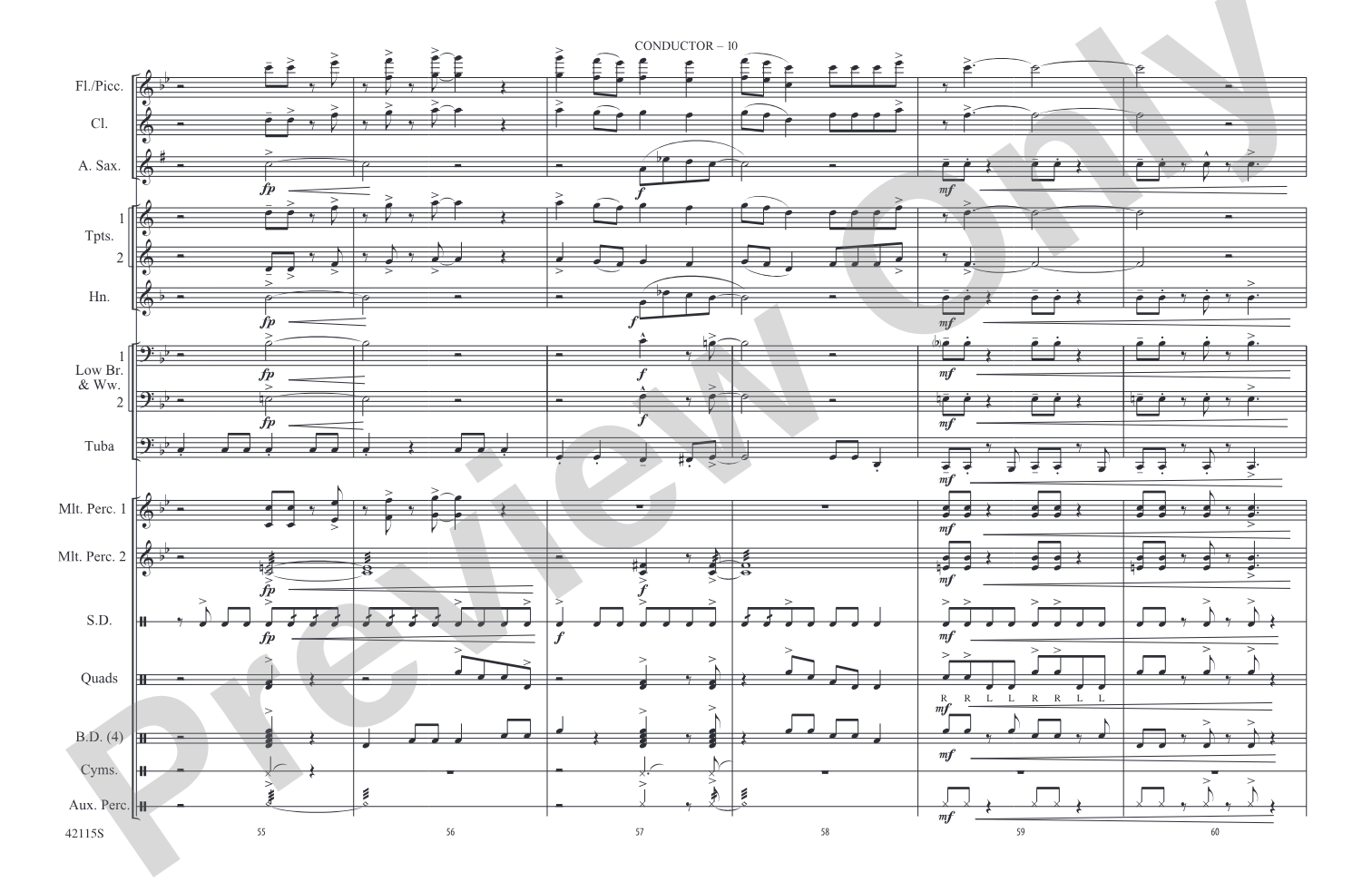
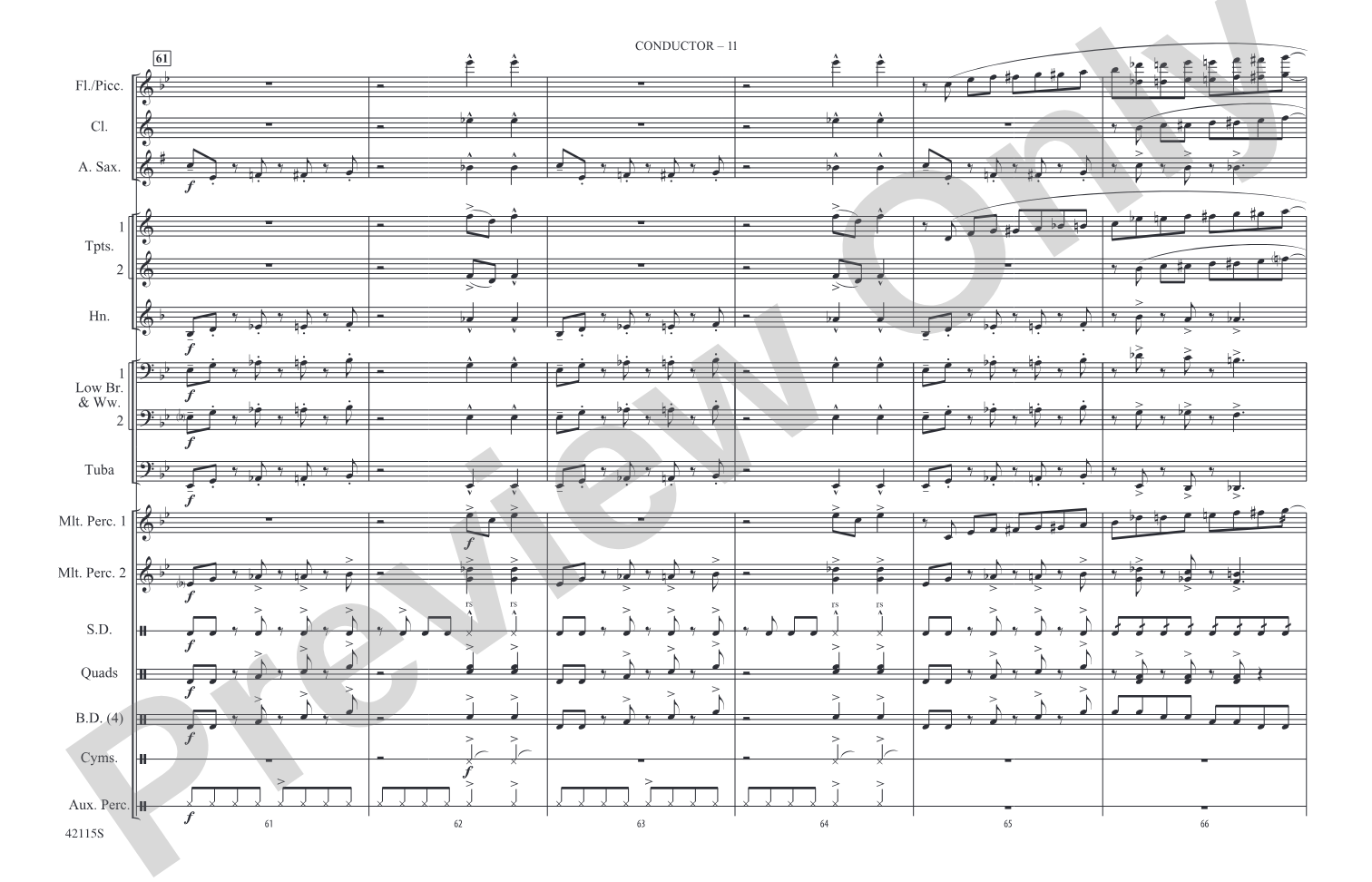
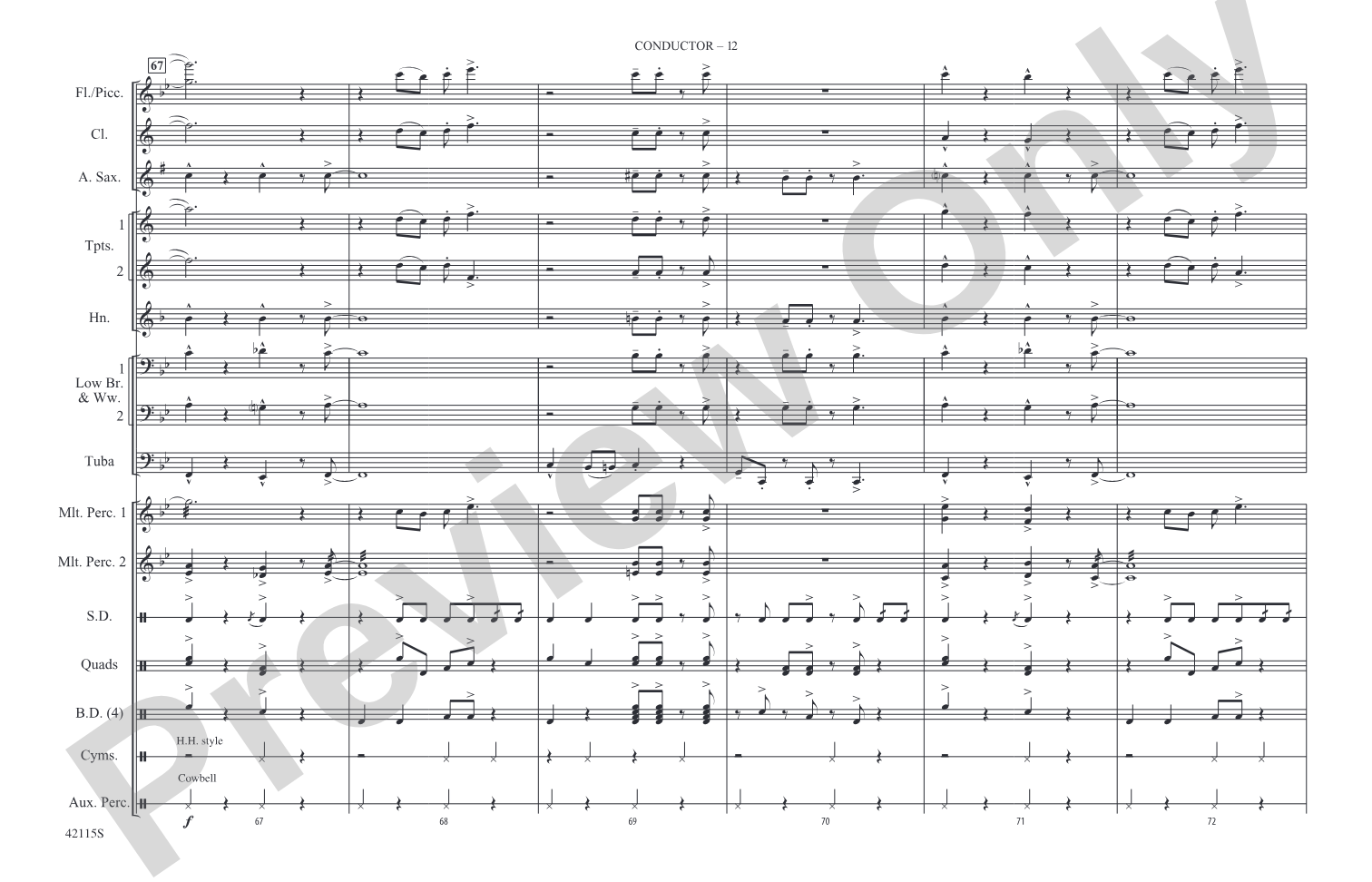
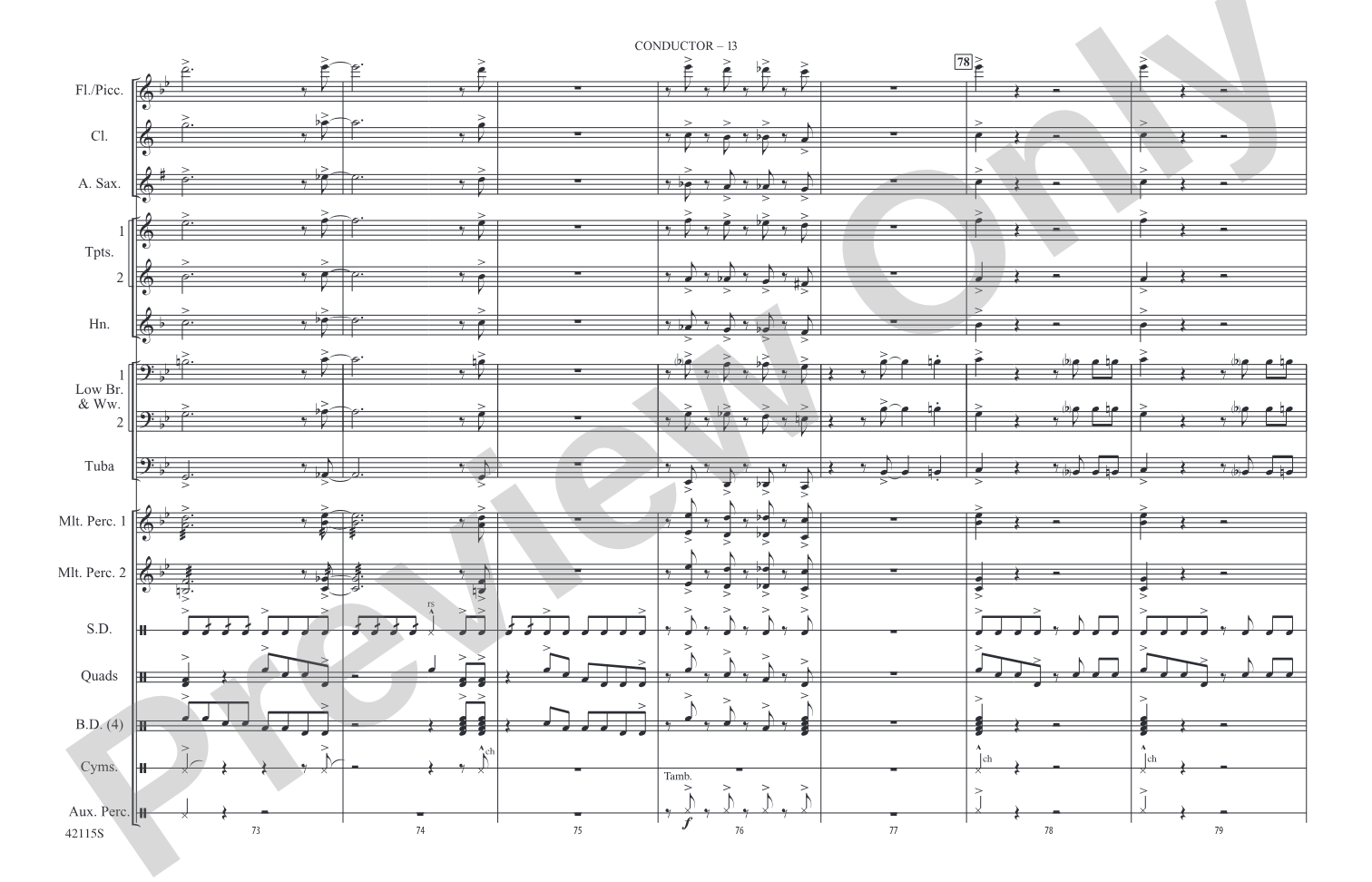
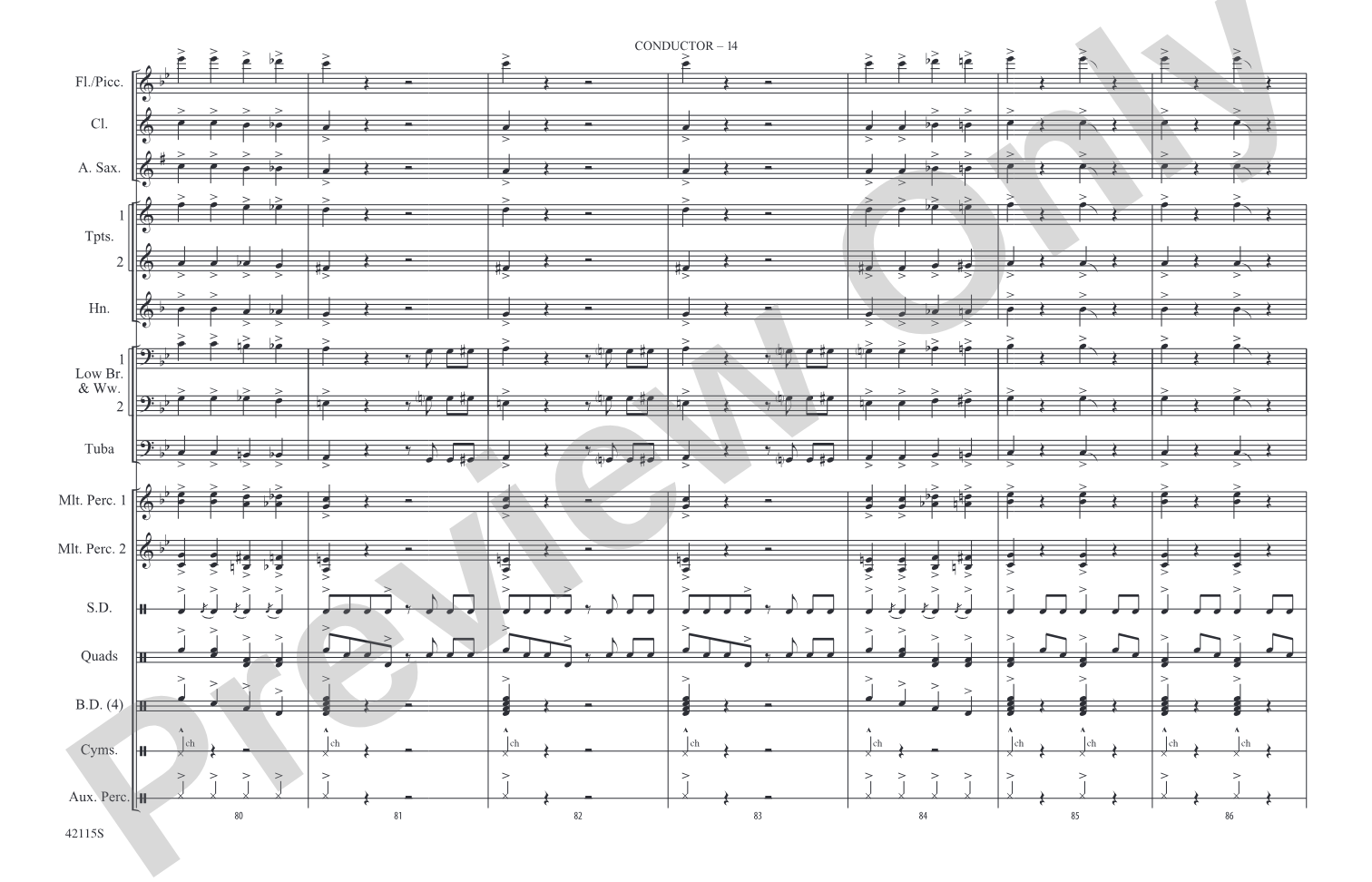
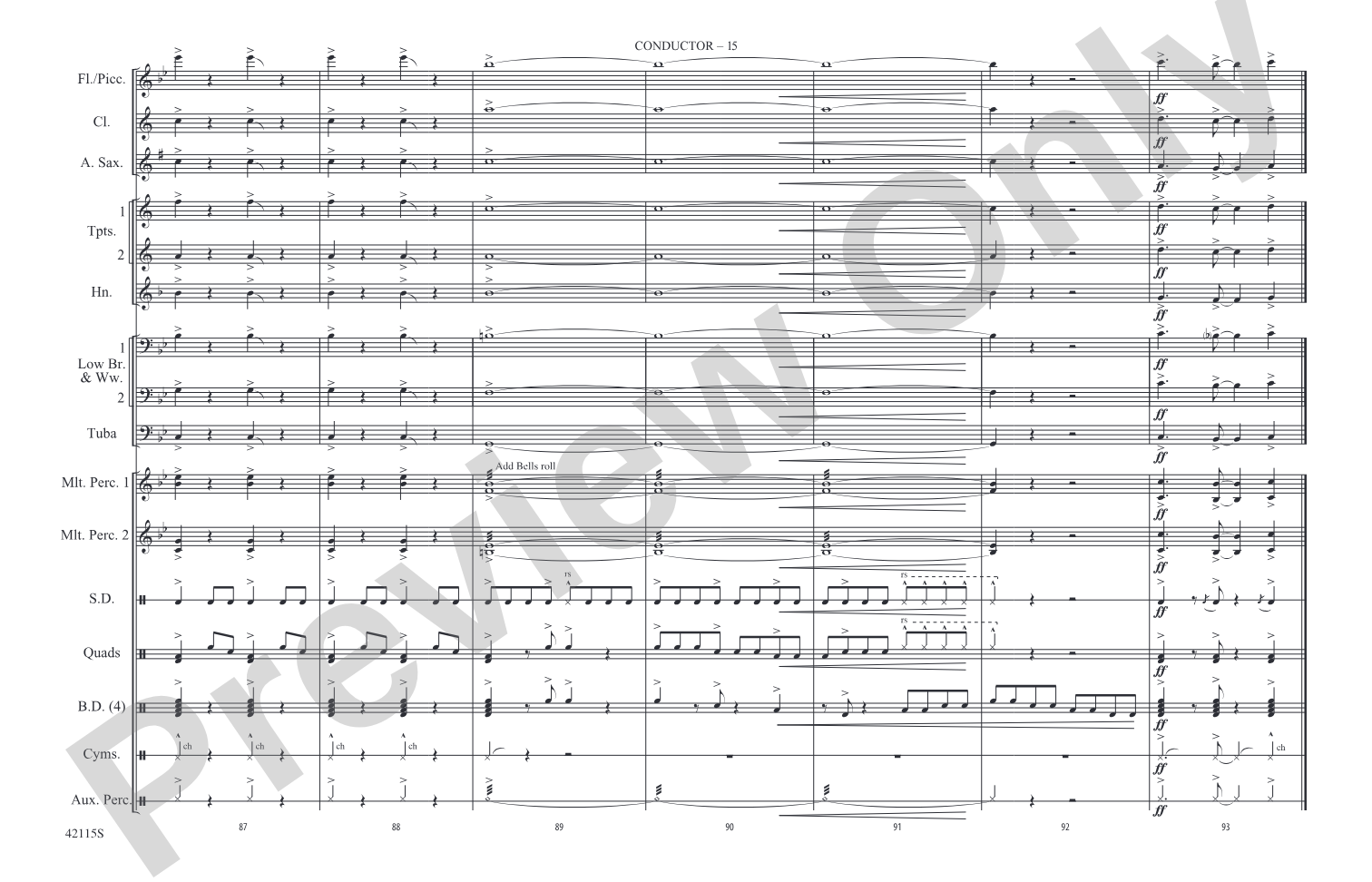

You Ought to Be Having Fun / What Is Hip?: Score
The Music of Tower of Power, Part 1
Words and music by Emilio Castillo, Stephen Kupka, Hubert Tubbs, and David Garibaldi [Tower of Power] / arr. Victor López
Grade: 3.5 (Medium)
Item: 00-PR-0004905
$8.00
Pickup currently not available
Description
We are extremely proud to present a three-piece halftime show based on the unforgettable music of the jazz-funk band Tower of Power. Started over 40 years ago, the band is still going strong and wowing sold-out audiences everywhere with their soulful tunes and impeccable musicianship. Victor López combines two of their most popular hits into Part 1 of our show. (2:15)


Don't just read it, hear it, play along with it, and watch your students grow with it. In MakeMusic Cloud, You Ought to Be Having Fun / What Is Hip?: Score comes alive with professional accompaniment, adjustable tempo, and built-in practice tools that turn solo practice into real progress.
Open in the Player
Jump straight in and assign it today.
Start Your Free Trial
Open this title and explore the full library in minutes.
Sample Audio
1
Audio File
--:--
0:00
0:00
Sample Video
Additional Details
Series:
Mega Sounds for Marching Band
Publisher:
Alfred Music
Page Count:
220
SKU:
00-PR-0004905
More about this title
About the Composer: Emilio Castillo
Emilio Castillo is the saxophonist, keyboardist, and co-founder of Tower of Power, the legendary jazz-funk ensemble that emerged from Oakland, California in 1968. His compositions and arrangements have shaped the band's signature sound for over five decades, blending tight horn lines with relentless rhythmic grooves that have influenced generations of funk and soul musicians.
Castillo's work with Tower of Power demonstrates how to build arrangements that maintain energy and precision across an ensemble while keeping every voice engaged and essential. His approach to composition serves as a masterclass in orchestration for educators looking to program music that challenges students musically while keeping them deeply invested in the performance.
Why we love this
Victor López's arrangement captures the infectious groove and horn-section brilliance that made Tower of Power iconic, all while keeping the Grade 3.5 difficulty accessible to serious high school programs. The fusion of two massive hits gives your halftime show immediate crowd recognition and genuine musical substance in a single medley. This is music your students will actually want to play because it swings, it grooves, and it demands the kind of rhythmic precision that makes marching bands sound professional.
What to expect
You Ought to Be Having Fun flows with the kind of infectious joy that Tower of Power built their reputation on, while What Is Hip carries a tighter, more assertive funk energy that keeps the momentum building. Together, they create a halftime moment that feels both immediately fun and genuinely well-crafted, the kind of music that keeps your stands energized and your audience leaning forward.
Who it's for
This medley works best for Grade 3.5 marching bands with solid fundamental technique, strong section leaders, and enough brass depth to handle the layered horn writing. Directors programming halftime shows that balance challenge with contemporary cultural relevance will find this hits the sweet spot between accessibility and musicianship.
How to get the most out of it
- Lock the backbeat in your rhythmic foundation (bass drum, snare, and low brass) before worrying about the horn lines; the groove lives in the pocket, not in flashy solo work.
- Balance the saxophone section carefully during the horn punches so they sit inside the orchestration rather than on top of it; Tower of Power's sound thrives on blend.
- Mark the tempo transitions between the two medleyed hits with clear visual cues from the field; maintaining momentum through the section changes keeps the energy that makes funk music work.
- Work dynamics as a section priority; funk requires sharp contrast between the punchy hits and the groove passages to maintain listener engagement across the full 2:15.
How to use it
Program this as a high-energy halftime centerpiece that bookends more traditional or classical selections in your fall show; the funk-jazz context gives audiences a complete musical spectrum. The 2:15 length is ideal for the closing statement of a halftime show, leaving crowds buzzing as they head into the second half.
Skills your students will build
- Funk rhythm fundamentals and pocket playing
- Tight section unity and synchronized articulation
- Balancing individual voices within layered horn arrangements
- Stylistic interpretation of jazz-funk grooves
- Tempo control and momentum through multi-section medleys
- Dynamics contrast in funk and soul contexts