
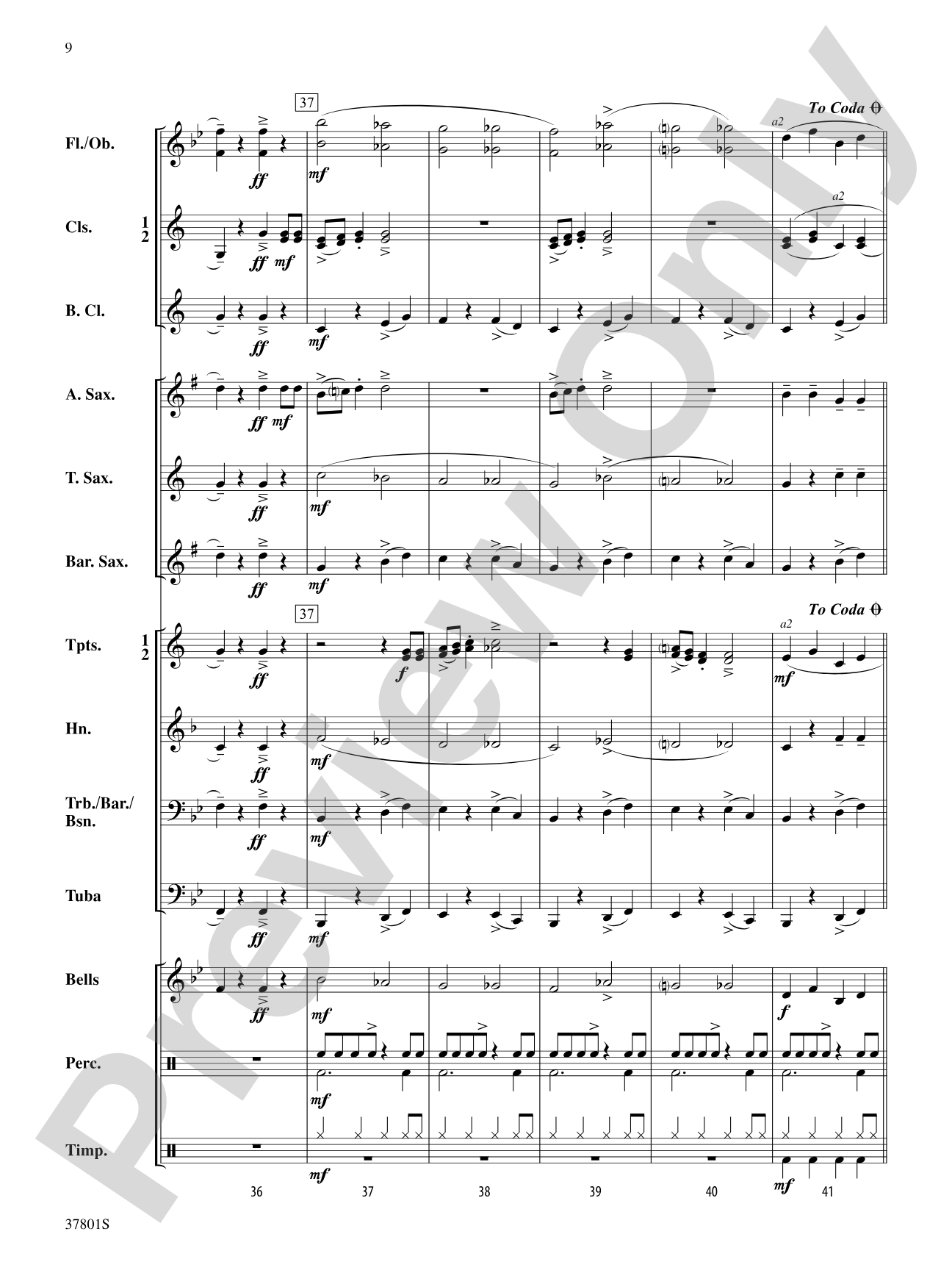
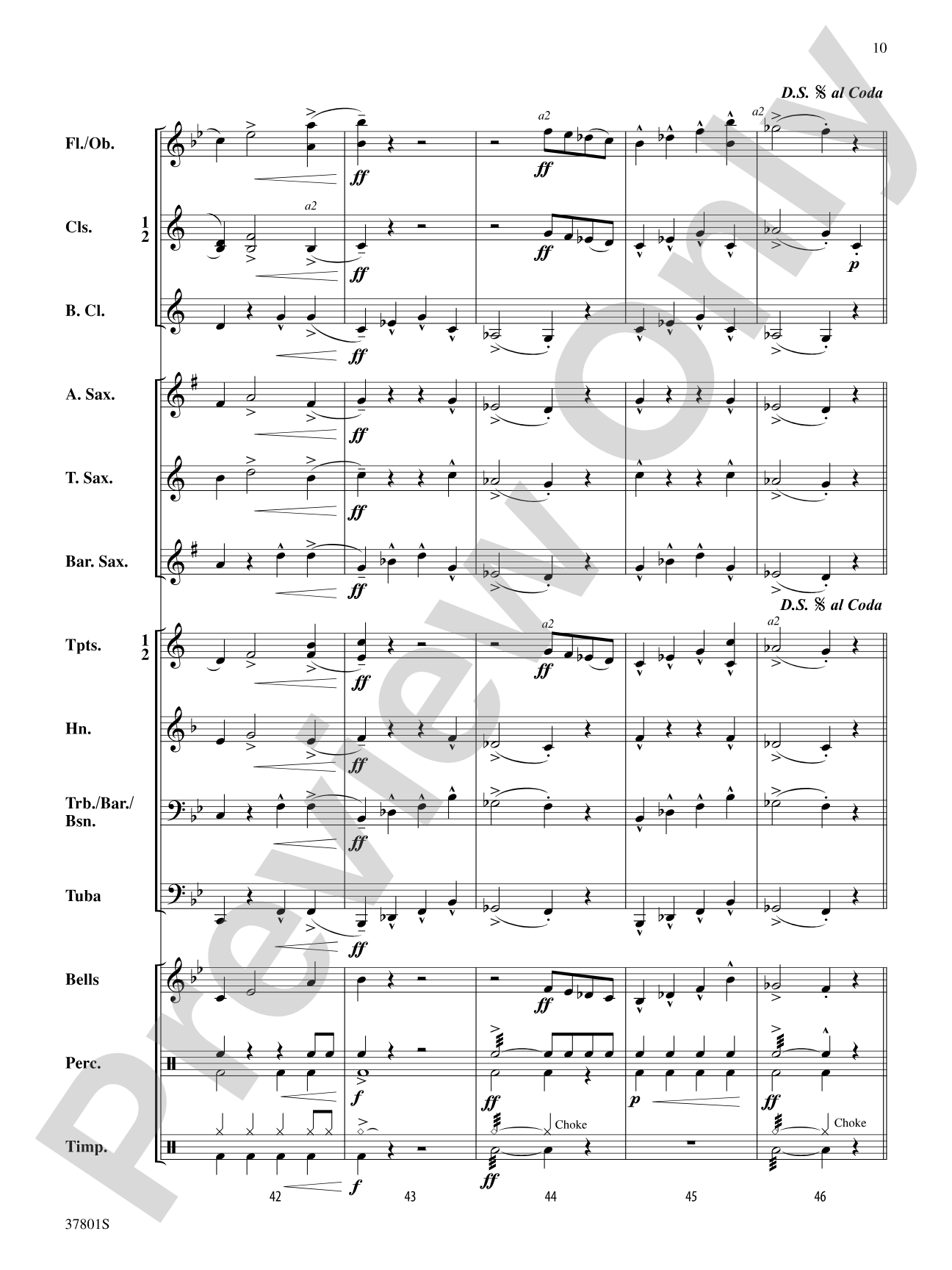
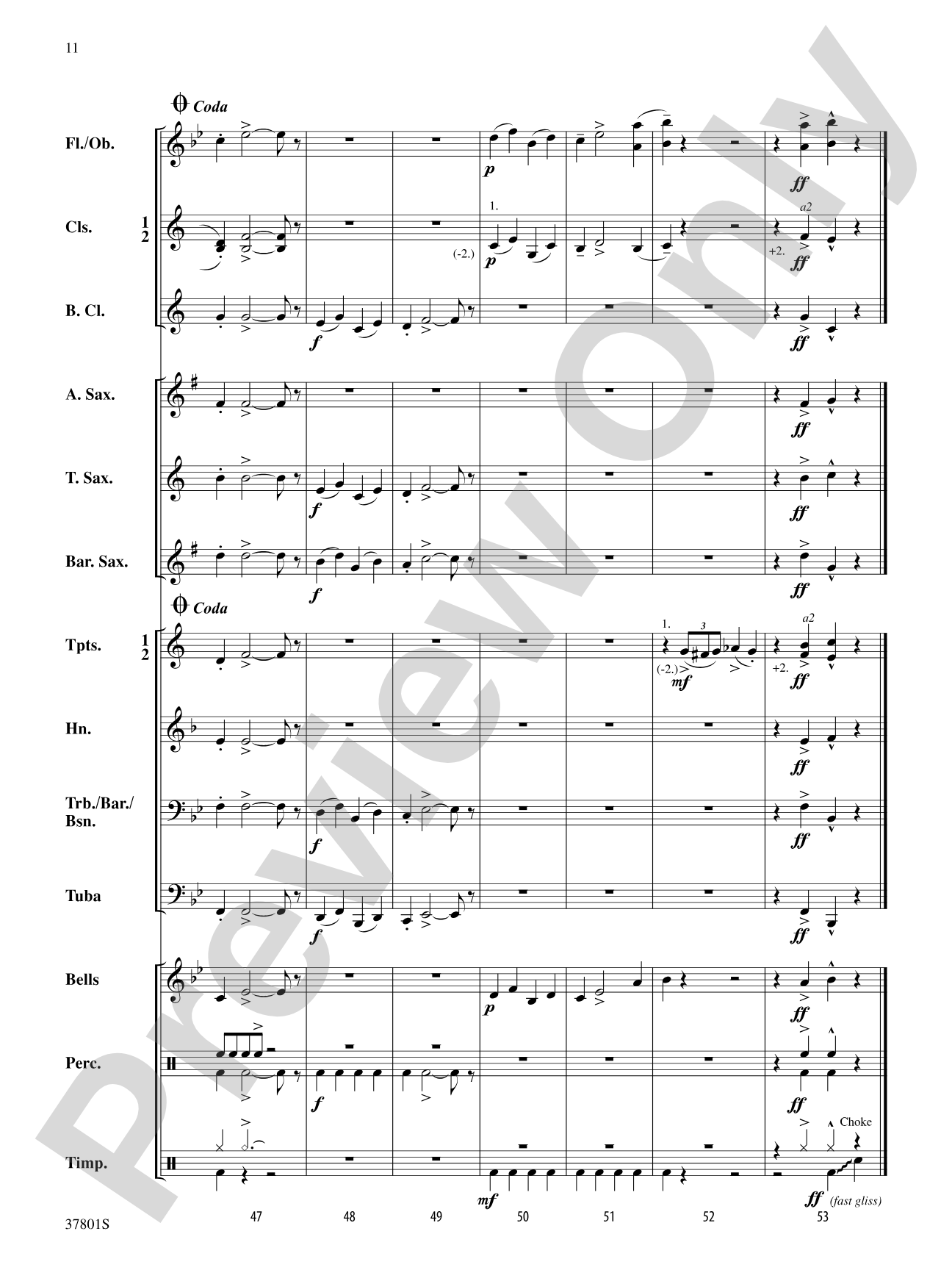


You'd Better Watch Out!: Concert Band Conductor Score & Parts
Santa Claus Is Comin' to Town
By John Frederick Coots and Haven Gillespie / arr. Steve Frank
Grade: 1.5 (Easy)
Item: 00-PK-0005076

$48.00
One moment…
Description
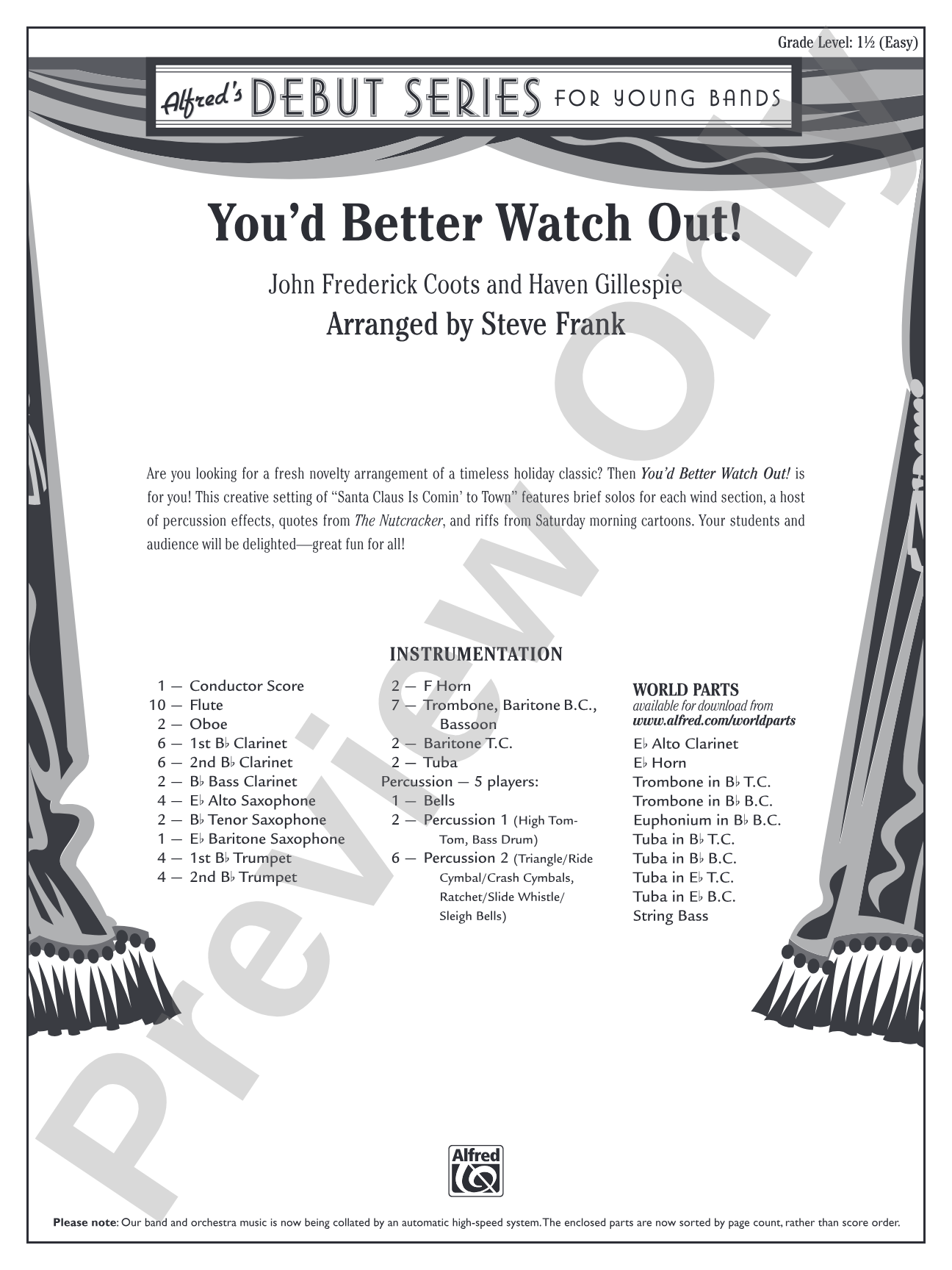
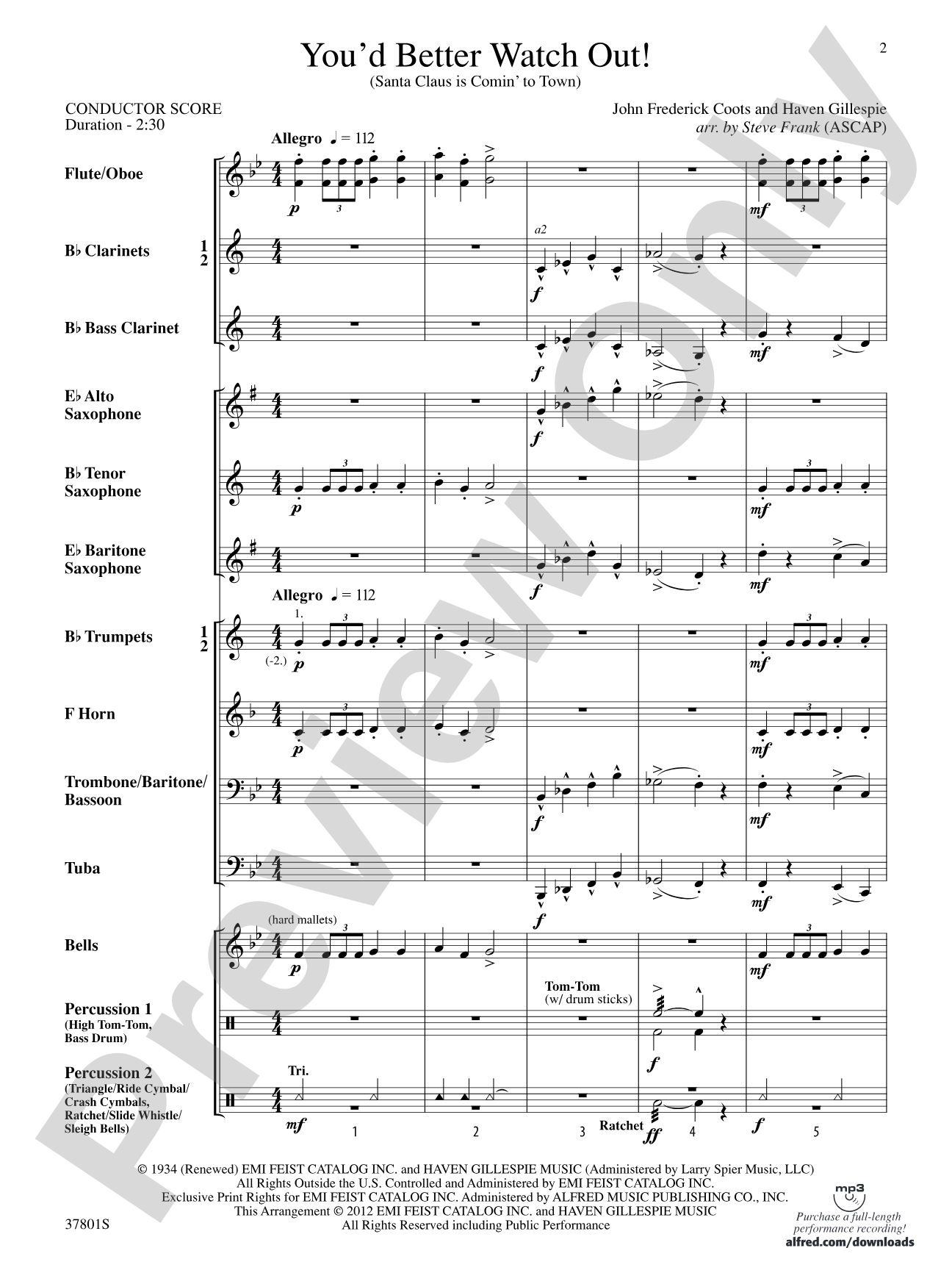
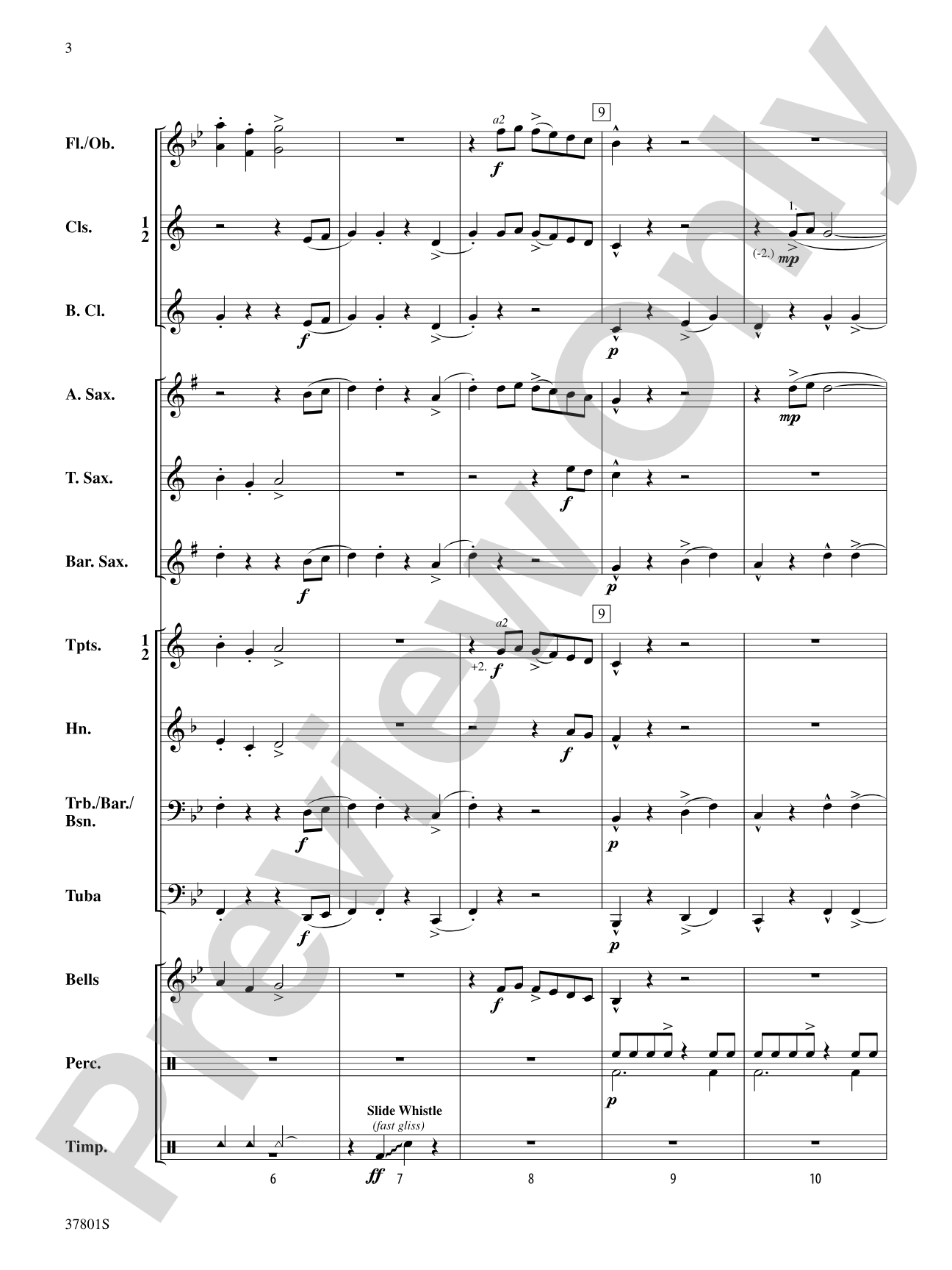
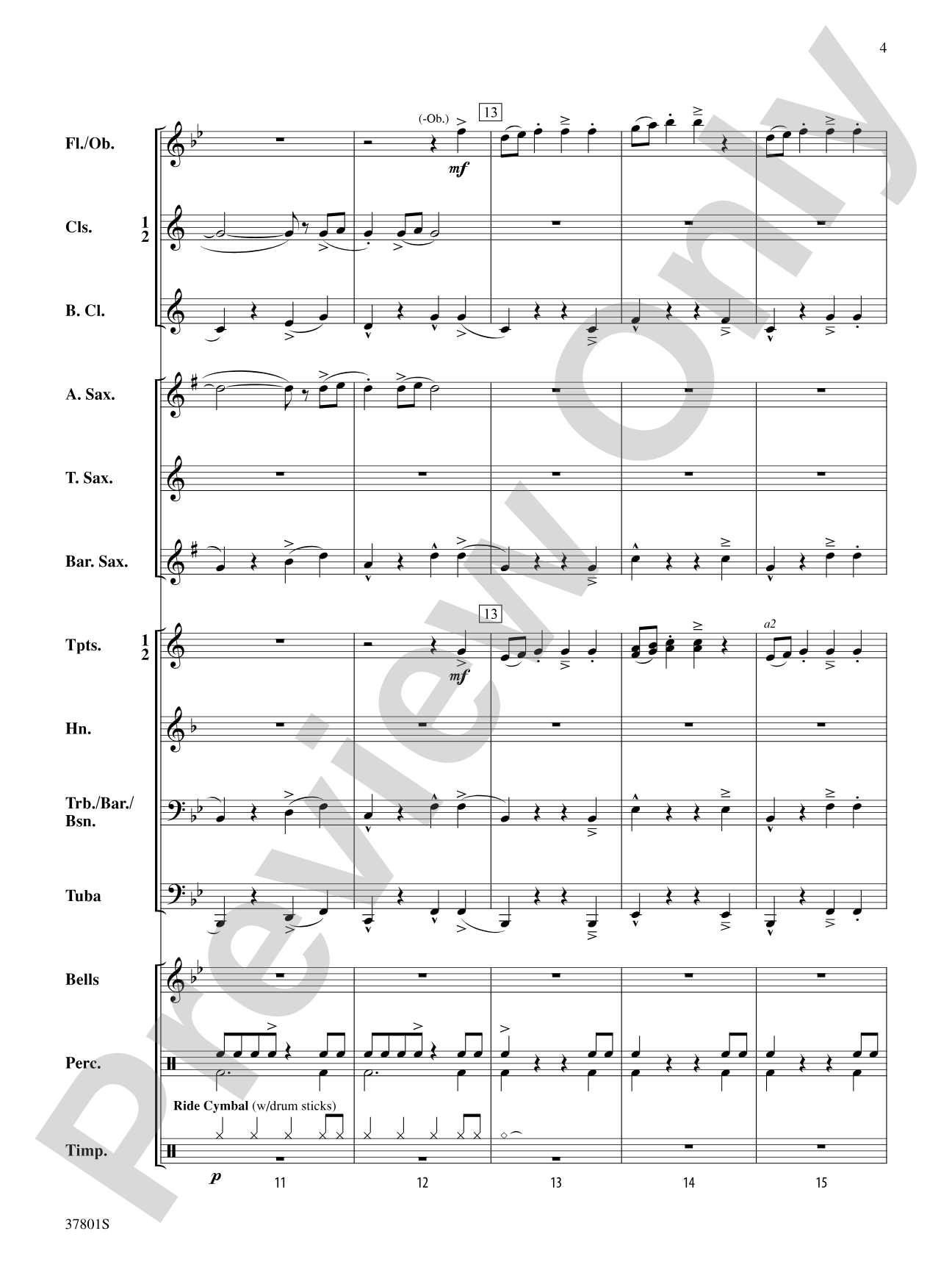
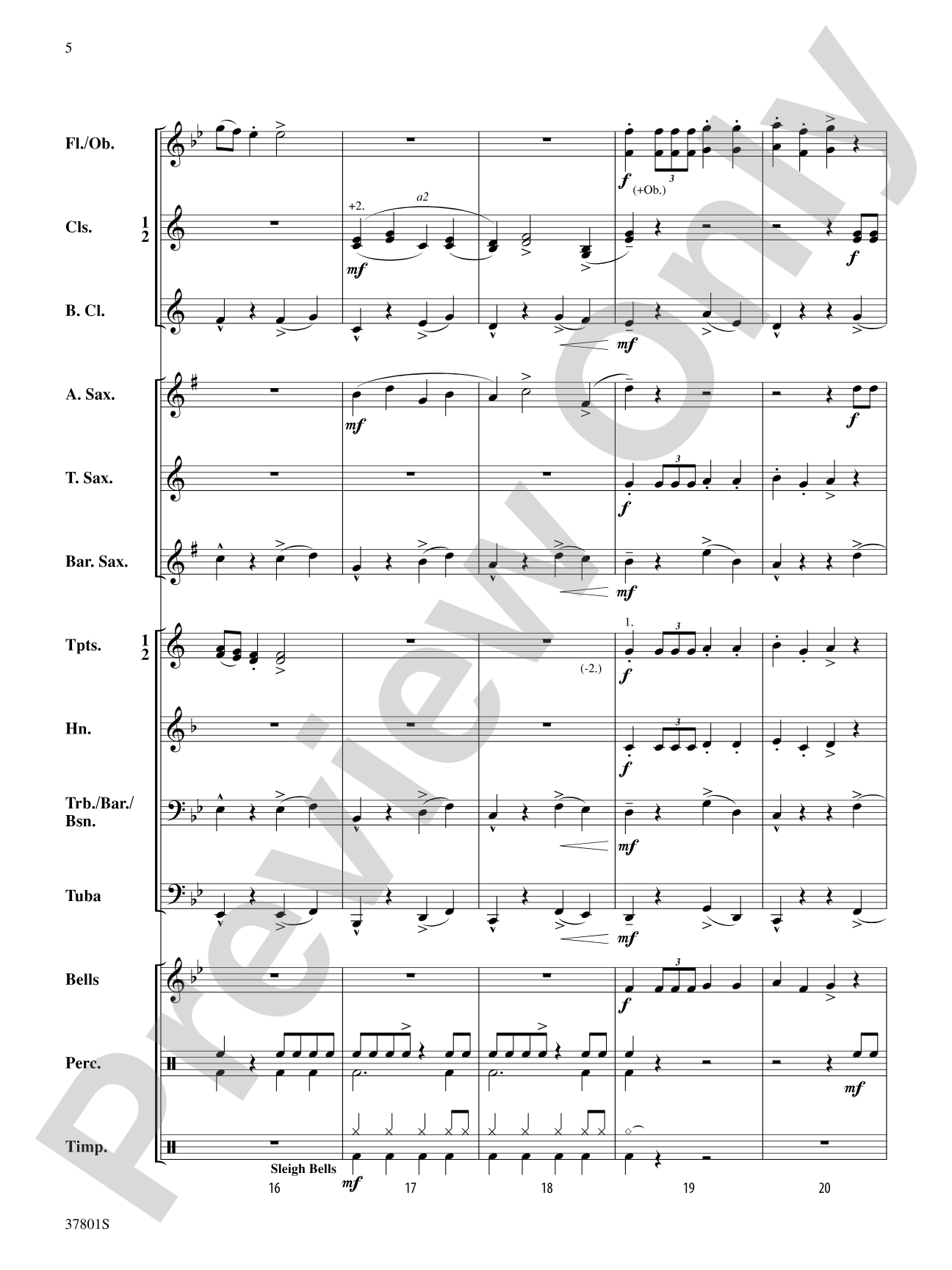
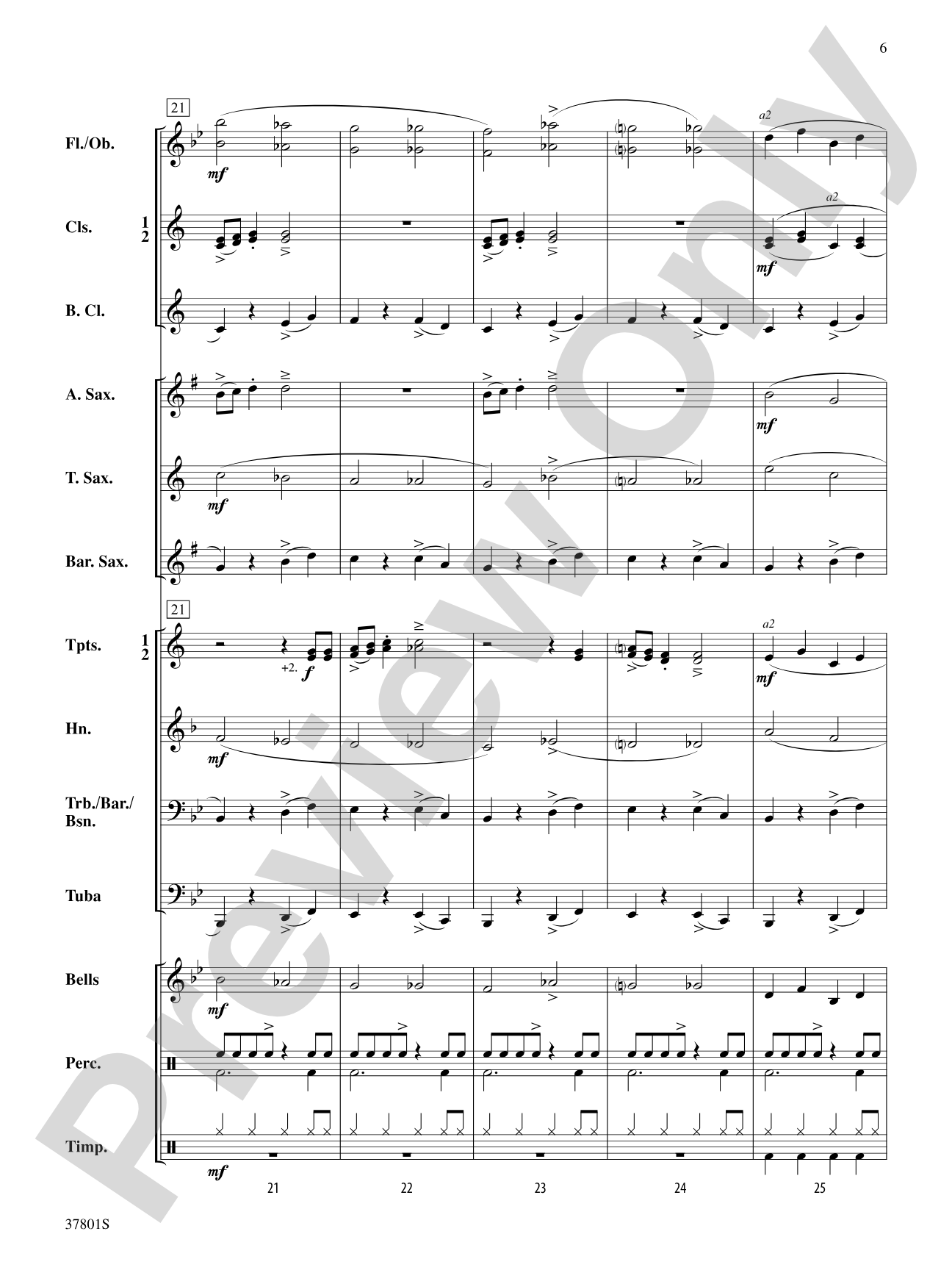
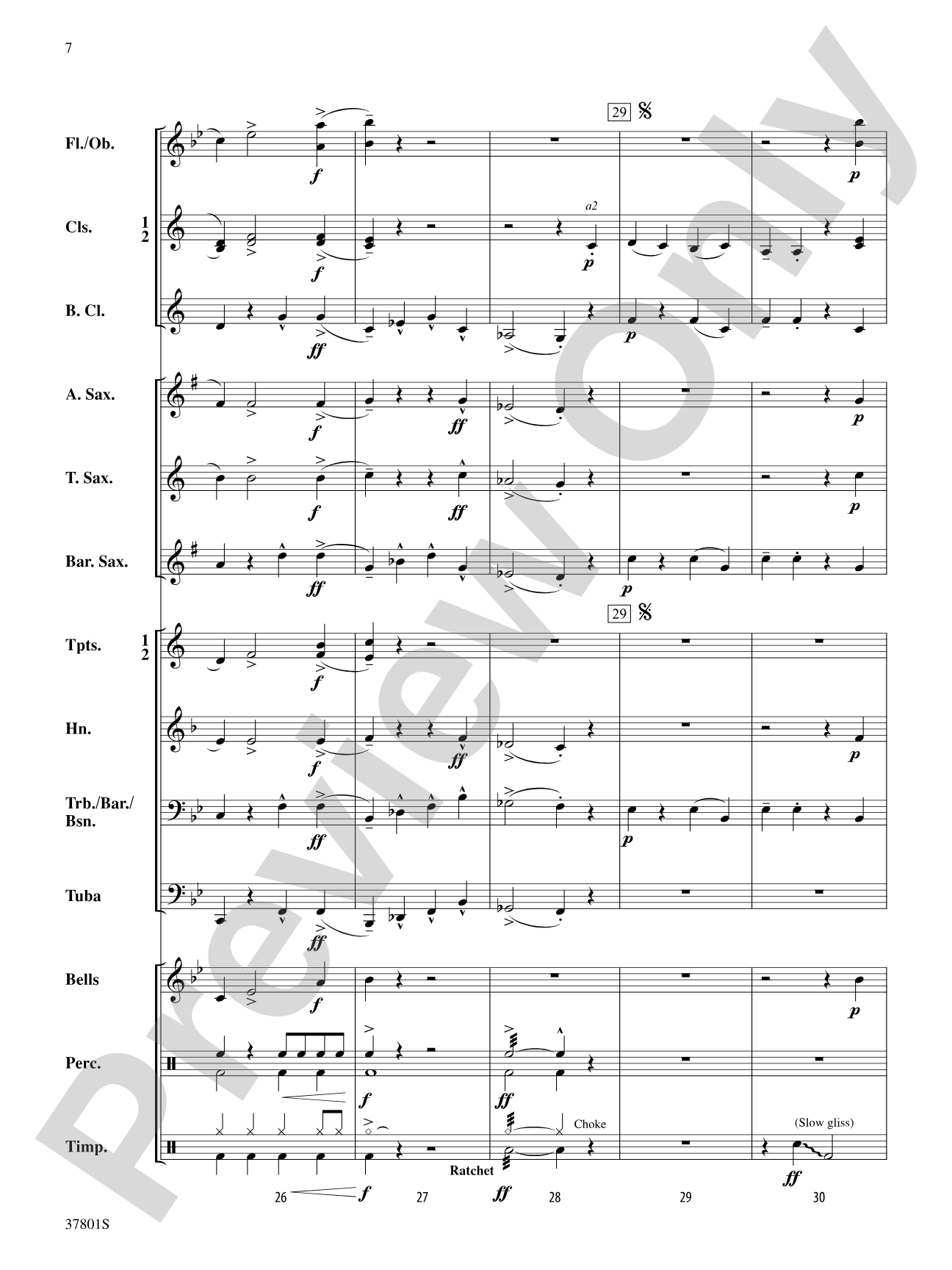
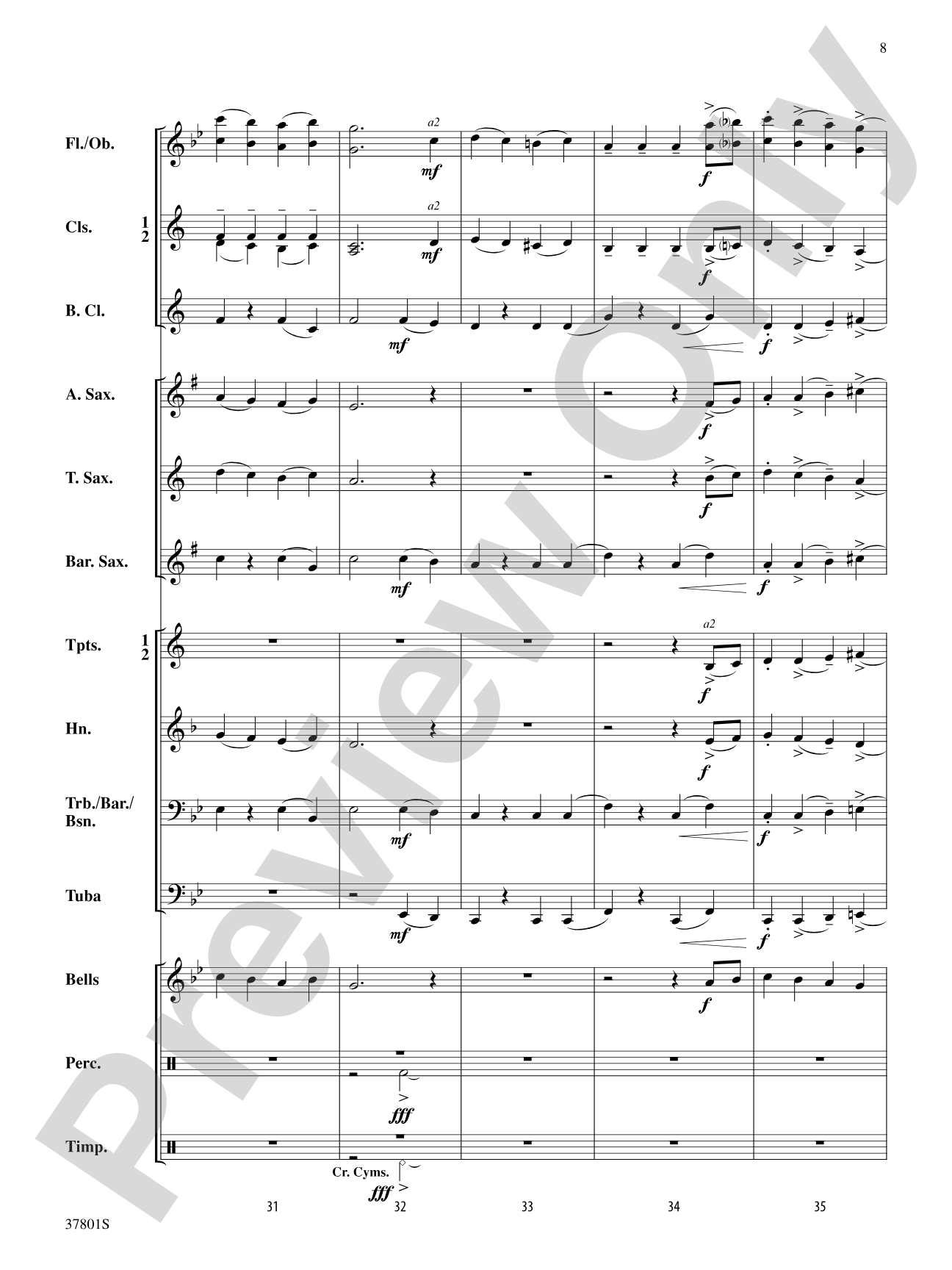
Are you looking for a fresh novelty arrangement of a timeless holiday classic? Then this piece is for you! This creative setting features brief solos for each wind section, a host of percussion effects, quotes from The Nutcracker, and riffs from Saturday morning cartoons. (2:20)


Don't just read it, hear it, play along with it, and watch your students grow with it. In MakeMusic Cloud, You'd Better Watch Out!: Concert Band Conductor Score & Parts comes alive with professional accompaniment, adjustable tempo, and built-in practice tools that turn solo practice into real progress.
Open in the Player
Jump straight in and assign it today.
Start Your Free Trial
Open this title and explore the full library in minutes.
Sample Audio
1
Audio File
--:--
0:00
0:00
Sample Video
No sample videos found.
Additional Details
Series:
Alfred Debut Series
Publisher:
Alfred Music
Page Count:
126
SKU:
00-PK-0005076
More about this title
About the Composer: John Frederick Coots
John Frederick Coots (1897-1988) was a prolific songwriter and composer who worked across Tin Pan Alley, Broadway, and film throughout the 20th century. He created music for stage revues, motion pictures, and radio, establishing himself as a craftsman who understood how to write memorable, singable melodies that connected with audiences.
Coots is best remembered for "Santa Claus Is Comin' to Town," a holiday standard he composed with lyricist Haven Gillespie in 1934. The song became one of the most performed Christmas songs in the American songbook, recorded by countless artists and featured in television specials. His gift for accessible, joyful melody-writing makes his work enduringly popular in educational and concert settings.
Why we love this
Steve Frank's arrangement treats this holiday perennial with genuine wit and musicianship rather than kitsch. Each wind section gets its moment to shine through featured solos, the percussion writing is inventive without overwhelming younger players, and the layered references (Nutcracker quotes, cartoon riffs) reward attentive listeners while keeping the energy fresh and fun.
What to expect
Cheerful, theatrical, and irreverent in the best way. The piece bounces with personality, offering bright sectional moments that feel like each section is in on a shared joke with the audience. Beneath the novelty beats a straightforward, singable melody that anchors the whole enterprise.
Who it's for
Easy bands (Grade 1.5) performing a winter concert who want a crowd-pleasing finale that celebrates the season without resorting to heavy arrangements or oversimplified treatments. This works equally well as a fun holiday program opener, a morale-builder during rehearsals, or a family concert closer.
How to get the most out of it
- Balance the section solos so they read as conversational moments rather than competitive displays. Think of each choir offering a quip in a good-natured exchange.
- Treat the percussion effects as musical punctuation, not mere novelty. Crisp articulation and precise timing make cartoon and novelty references land more effectively.
- Let the opening and any Nutcracker quotations breathe with enough space for the audience to recognize and enjoy the references.
- Keep forward momentum through the riff sections by maintaining a steady conducting pulse; younger bands sometimes rush novelty material from excitement.
How to use it
Program this as a finale to send your audience out smiling, or place it strategically before a serious work to frame contrasting moods. At this accessible grade level, it also serves as a confidence-builder for younger ensembles tackling their first holiday concert, since the fun energy supports ensemble cohesion and audience engagement.
Skills your students will build
- Balancing solo passages with ensemble texture
- Precision articulation in comic and rhythmic figures
- Listening across the ensemble during sectional interplay
- Interpreting stylistic cues (novelty, cartoon, waltz references) from a conductor