
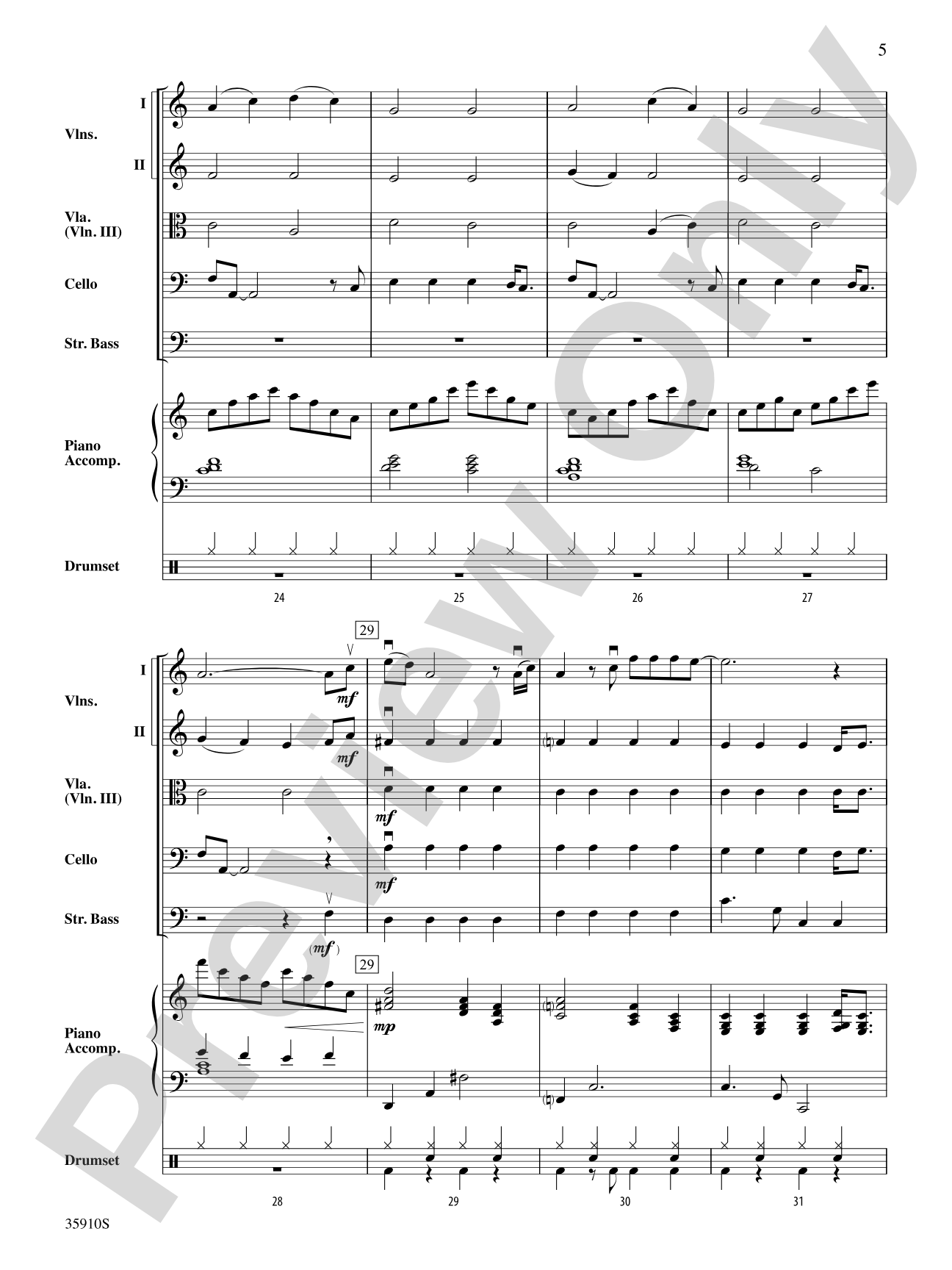
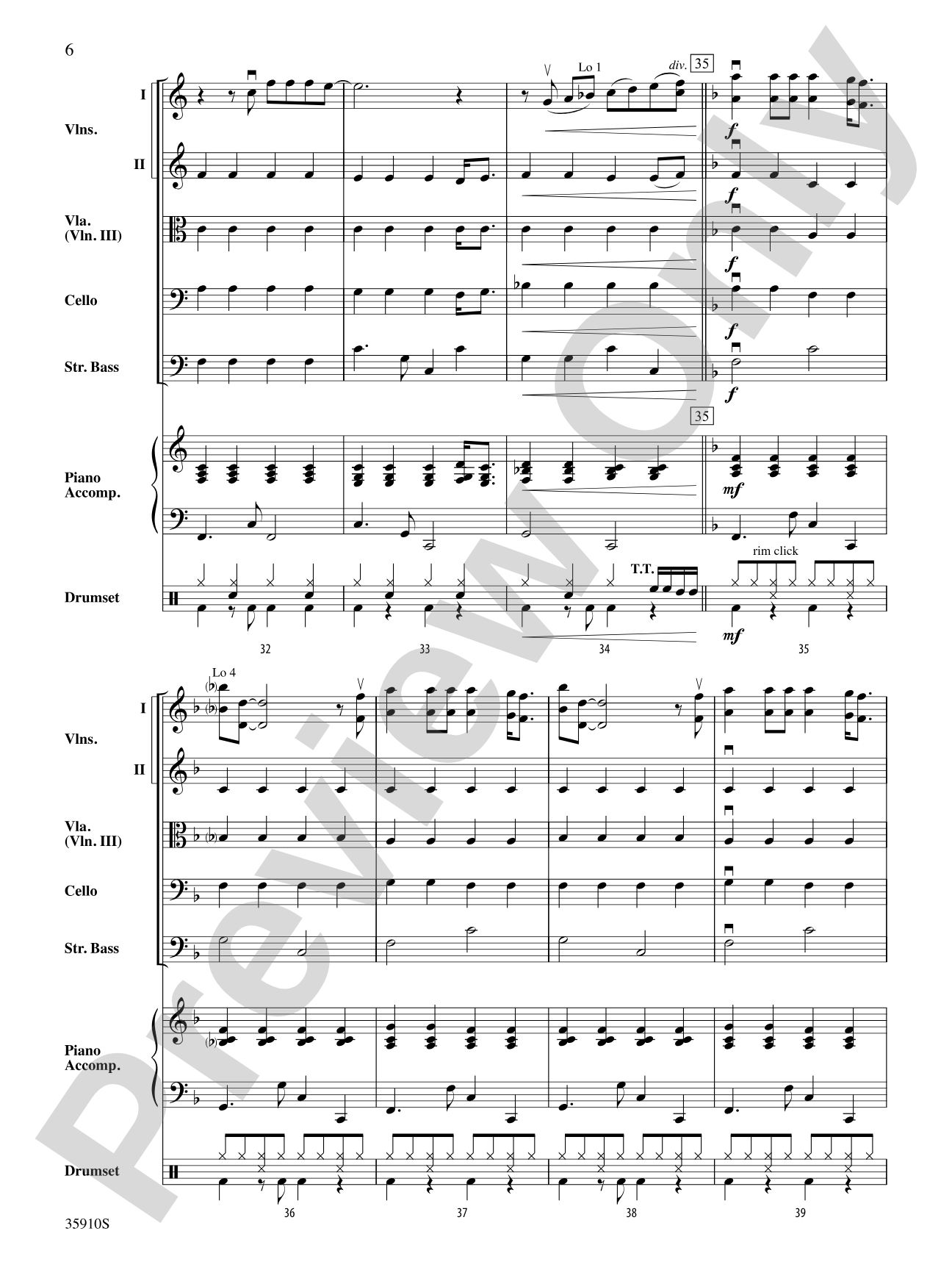
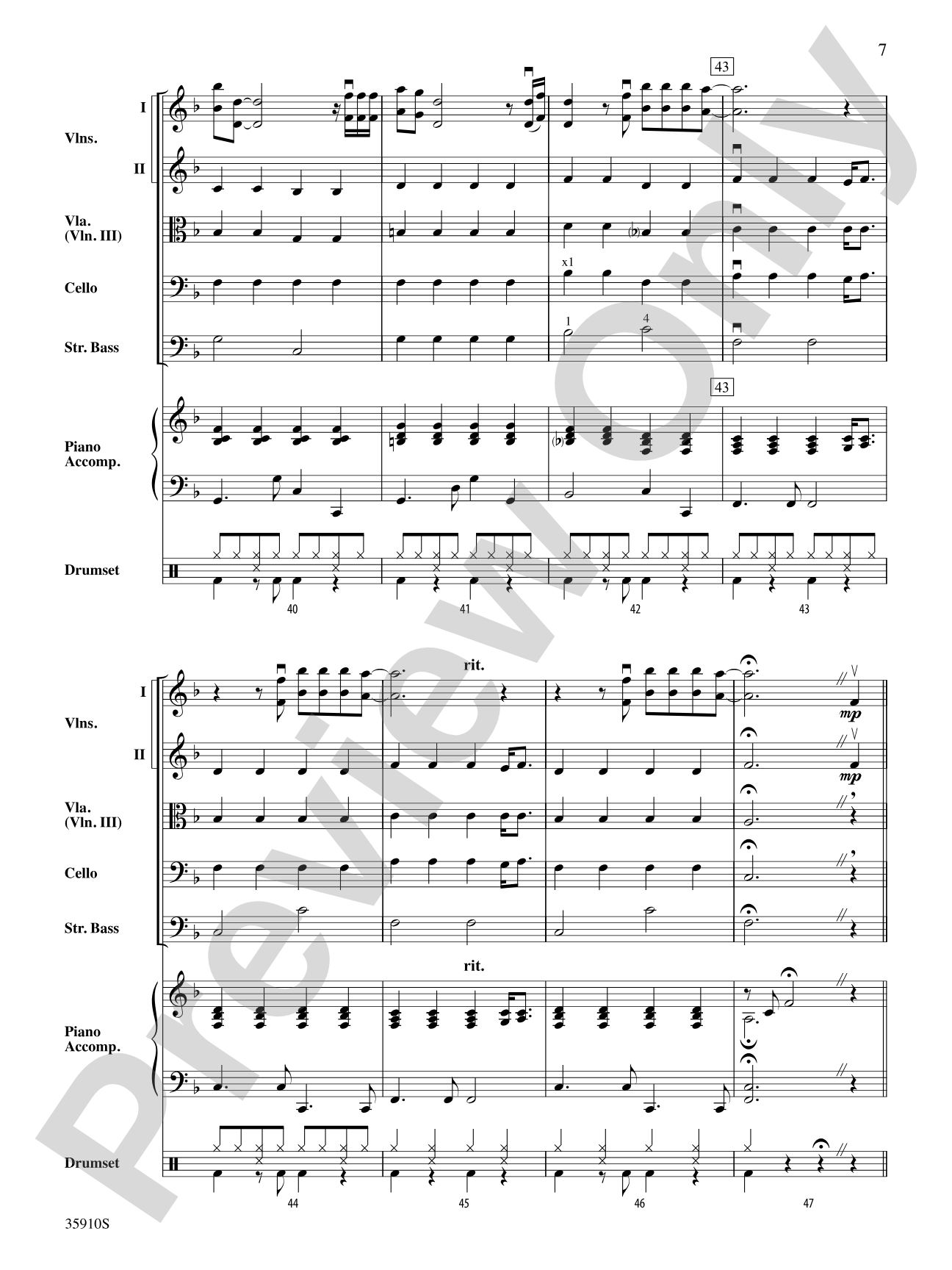
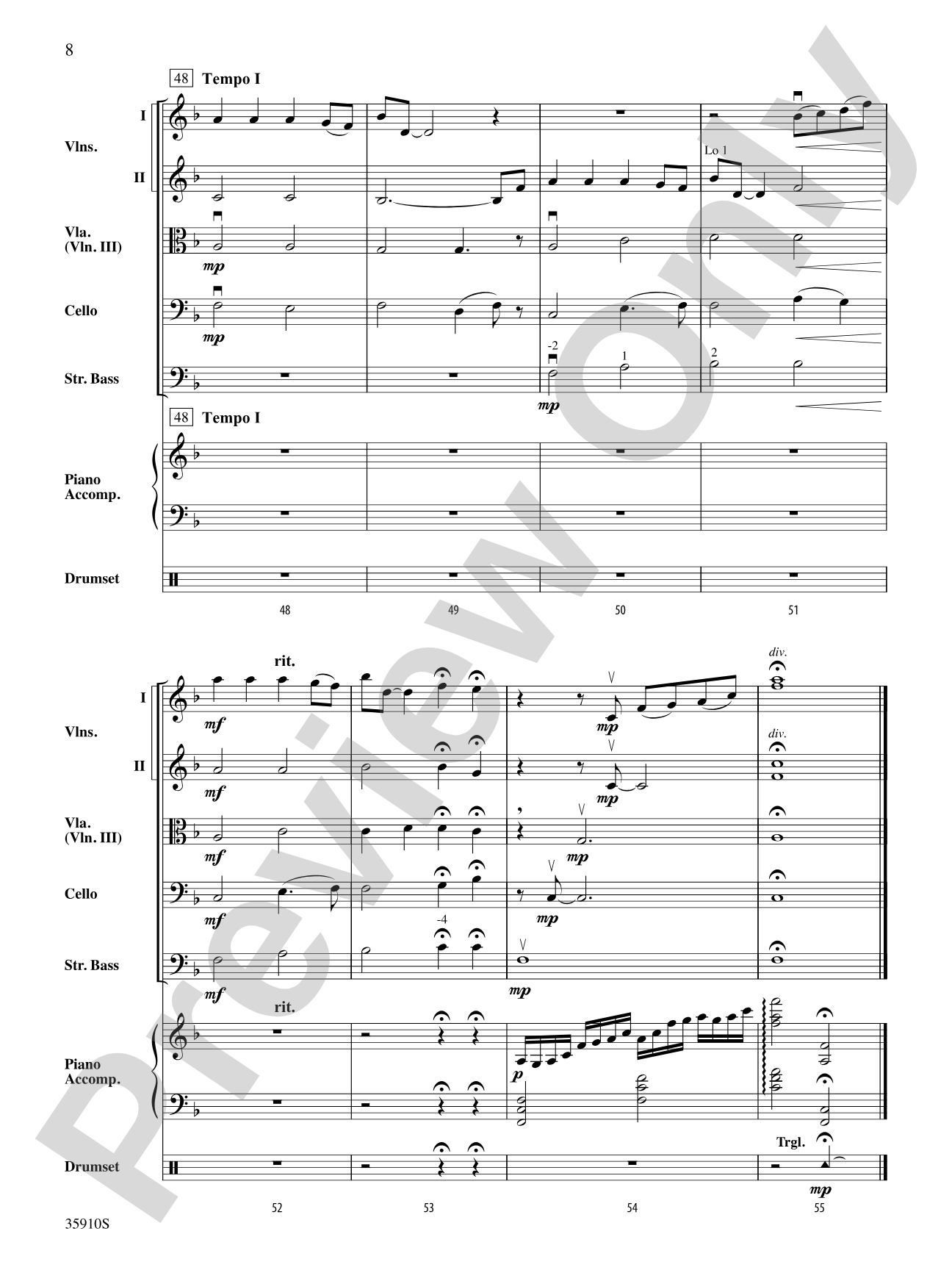

You Can't Always Get What You Want: Score
As recorded by The Rolling Stone
Words and music by Mick Jagger and Keith Richards / arr. Jason Scott
Grade: 2.5
Item: 00-PR-0003311
$9.00
Pickup currently not available
Description
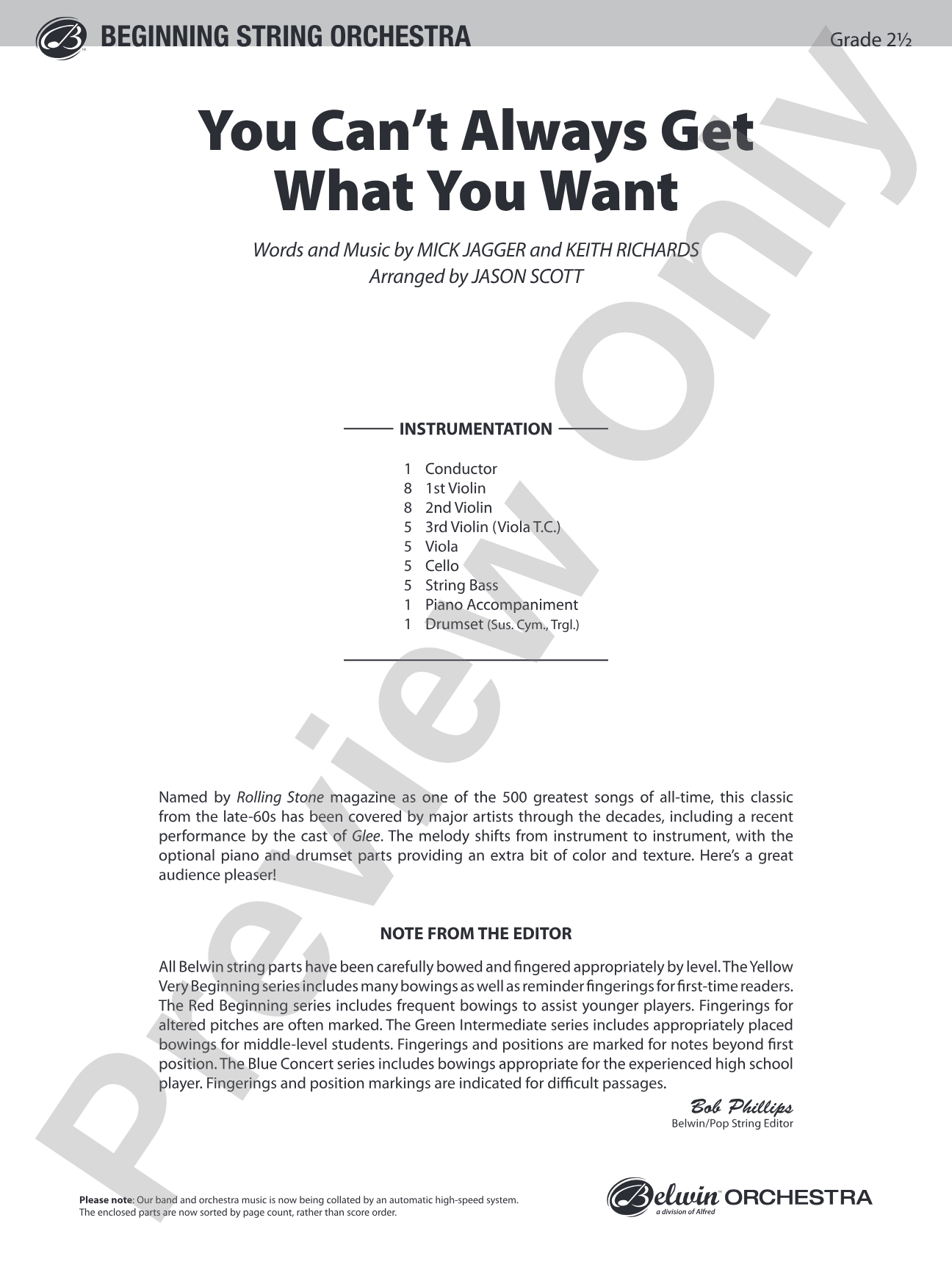
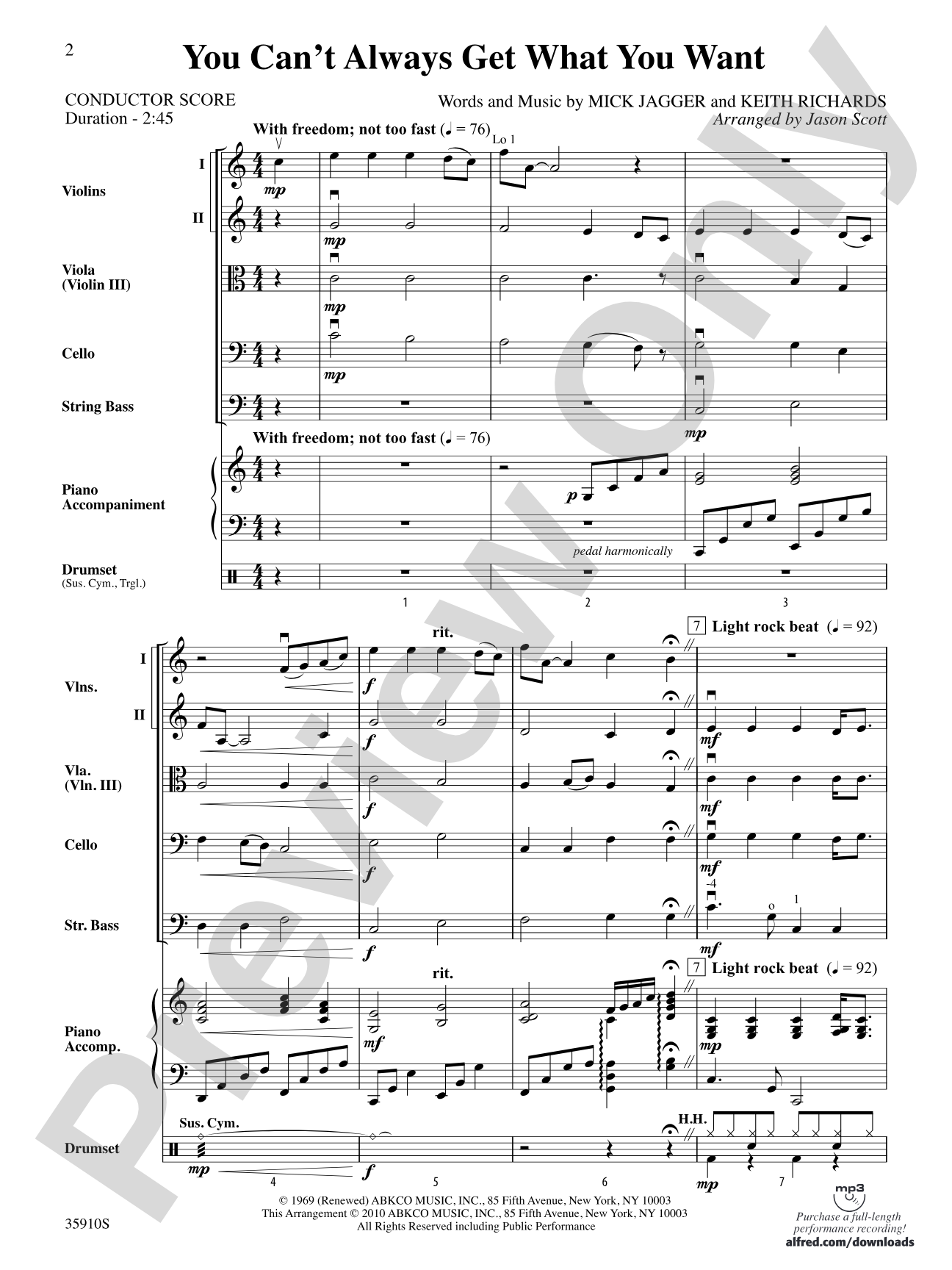
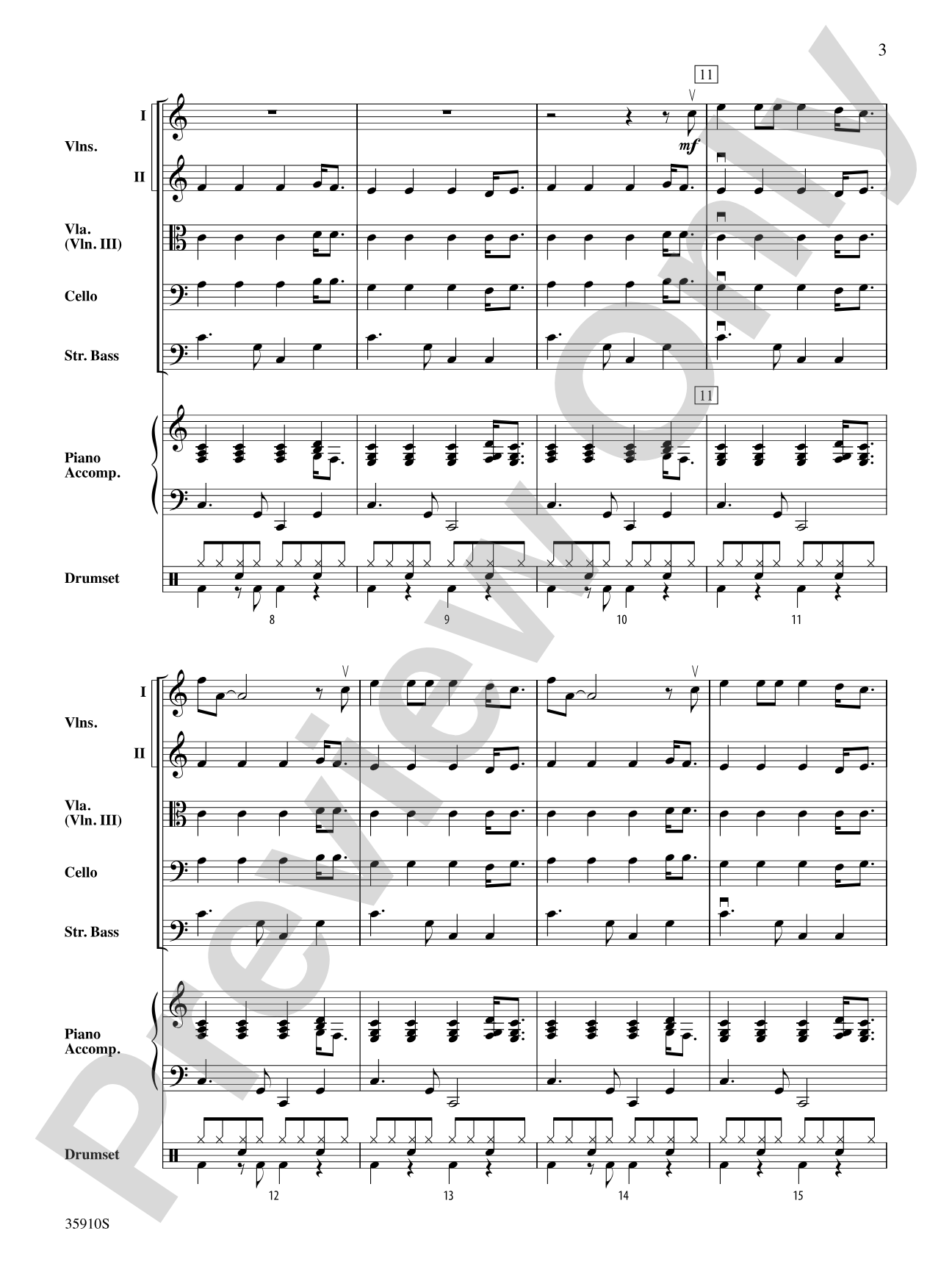
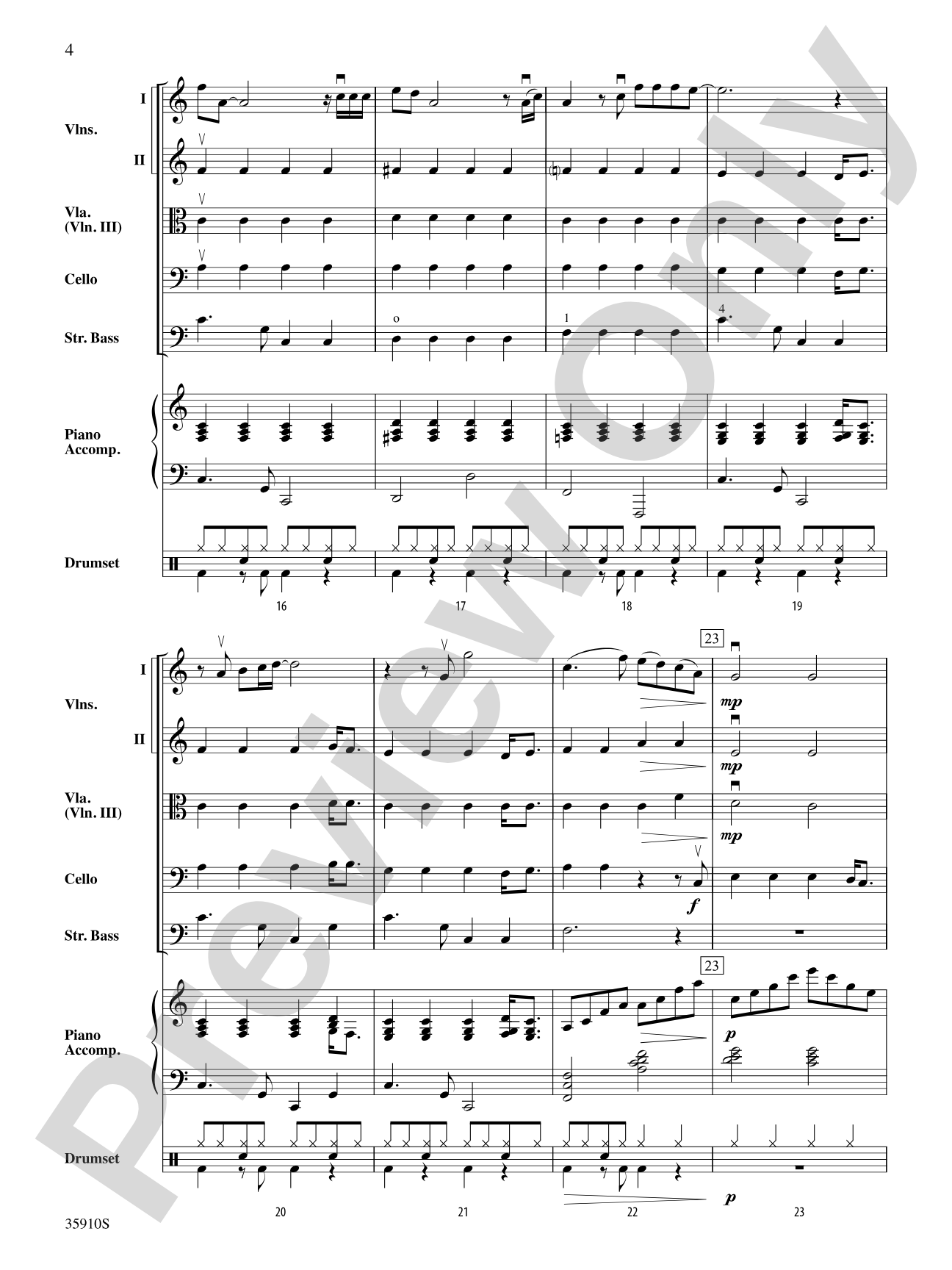
Named by Rolling Stone magazine as one of the 500 greatest songs of all-time, this classic from the late-60s has been covered by major artists through the decades, including a recent performance by the cast of Glee. The melody shifts from instrument to instrument, with the optional piano and drumset parts providing an extra bit of color and texture. Here's a great audience pleaser!


Don't just read it, hear it, play along with it, and watch your students grow with it. In MakeMusic Cloud, You Can't Always Get What You Want: Score comes alive with professional accompaniment, adjustable tempo, and built-in practice tools that turn solo practice into real progress.
Open in the Player
Jump straight in and assign it today.
Start Your Free Trial
Open this title and explore the full library in minutes.
Sample Audio
1
Audio File
--:--
0:00
0:00
Sample Video
No sample videos found.
Additional Details
Series:
Pop Beginning String Orchestra
Publisher:
Alfred Music
Page Count:
78
SKU:
00-PR-0003311
Instrumentation:
strings w/ vln 3, pno acc, drumset
More about this title
About the Composer: Mick Jagger
Mick Jagger co-wrote "You Can't Always Get What You Want" with Keith Richards during the late 1960s, a period when The Rolling Stones were at the forefront of rock innovation. As the band's primary lyricist and frontman, Jagger crafted some of the most memorable melodies and lyrics in popular music history, blending blues, rock, and pop influences into songs that have endured for decades.
Jagger's songwriting approach often emphasized strong melodic hooks and lyrics that resonated across generations. His compositions have become staples in education settings precisely because they balance accessibility with musical sophistication, making them ideal material for introducing students to contemporary popular music through classical instrumentation.
Why we love this
A song this recognizable gives your orchestra instant credibility with audiences who might not otherwise attend a concert. The arrangement respects the original melody while distributing it across the ensemble in ways that keep every section engaged, and the optional piano and drumset parts let you scale the sound from intimate to full production depending on your available musicians.
What to expect
The piece carries the swagger and groove of the original recording while fitting comfortably within an orchestral palette. You'll hear the famous melody woven through the strings with an unhurried, confident feel, supported by optional color from piano and drums that can transform the piece from a gentle arrangement to something with real contemporary edge.
Who it's for
This arrangement works for string orchestras at the intermediate level (Grade 2.5) who want to program something their audiences will actually recognize and enjoy. It's ideal for orchestras that include students new to strings or those preparing a pops concert, school assembly, or community outreach performance.
How to get the most out of it
- Balance the melody line as it moves between violin sections and other instruments; resist letting any single voice dominate, even when it carries the tune. This helps the piece sound orchestral rather than like a solo with accompaniment.
- If you're including the drumset part, anchor the rhythm section early in rehearsal. The rock foundation needs to feel steady and confident without overpowering the strings.
- Shape the dynamic arc across the full piece rather than playing it uniformly. The song's emotional arc depends on subtle crescendos and releases that will feel different than classical music your students may know.
How to use it
Program this as a standalone pops piece or pair it with other contemporary arrangements in a "Strings Rock" or "Modern Classics" themed concert. It works particularly well as an audience-friendly counterpoint to classical repertoire, showing students and patrons alike that orchestral musicianship extends well beyond the concert hall standard.
Skills your students will build
- Following a melody as it passes between instrumental voices and maintaining ensemble cohesion during section-to-section transfers
- Playing with rhythmic precision in a rock/pop groove while maintaining orchestral tone production
- Balancing melodic, harmonic, and rhythmic roles within a simplified harmonic structure
- Reading and responding to conductor interpretation of popular music conventions