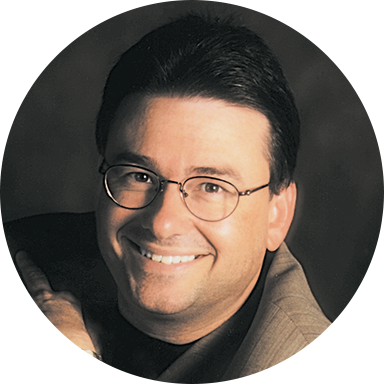
Joseph M. Martin studied piano performance at Furman University and later earned his master's degree from the University of Texas, Austin, where he also taught in the Piano Pedagogy Department for five years. His career spans both the concert stage and the church, having performed solo recitals and appeared as a featured artist with symphony orchestras throughout the United States and Mexico. He won the Nina Plant Wideman Competition and performed with the Guadalajara Symphony Orchestra; his recital at Ex-convento del Carman was broadcast nationally.
Though Martin maintains an active concert performance schedule, his recent focus has shifted toward church music and conferences for church musicians. His compositions and arrangements appear in venues ranging from Carnegie Hall to hundreds of worship services across the United States and Canada. He brings a distinctive blend of concert artistry and liturgical sensitivity to his writing. Martin lives in Austin, Texas with his family.
Why we love this
Martin writes sacred choral music that feels genuinely singable without sacrificing musical substance. His ability to craft meaningful text setting and accessible harmonic language means your singers stay engaged with both the message and the music itself, rather than struggling through awkward ranges or clunky part writing.
What to expect
An affirming, introspective piece that settles into the listener with quiet conviction. Martin's harmonic language is warm and accessible, yet the writing demonstrates real craft in how voices move and interact, creating moments of unexpected beauty without ever feeling manipulative.
Who it's for
SATB choirs of intermediate to advanced skill seeking repertoire that communicates spiritual depth without technical fireworks. This works equally well for community choirs, church ensembles, and school programs looking for something with genuine artistic merit.
How to get the most out of it
Emphasize clarity in the text throughout. Martin's word painting works only when every syllable lands cleanly, so resist the temptation to rush through softer passages.
Balance the voices by listening for independence in the inner parts; the alto and tenor lines carry enough interest to deserve presence in the mix.
Allow the harmonic movement to breathe naturally rather than applying a metronomic pulse. The piece benefits from subtle rubato that follows the text's emotional arc.
Highlight the moment when all four voices arrive in unison or octaves; these points of textural unity carry considerable impact.
How to use it
Pair this with other contemporary sacred works for a service focused on affirmation and identity, or use it as an emotional anchor in a longer choral concert where it can sit alongside both classic spirituals and modern pieces. The moderate length and straightforward program notes make it ideal for community audiences less familiar with contemporary church music.
Skills your students will build
Sustaining long phrases with consistent breath support
Blending vowels across parts while maintaining textual clarity
Reading and performing contemporary harmonic language
Understanding text expression and how it shapes phrasing
You May Also Like
Scan to Complete Your Purchase
Use your phone's camera to scan the code below
You'll log in on your phone and the order will be added to your account