
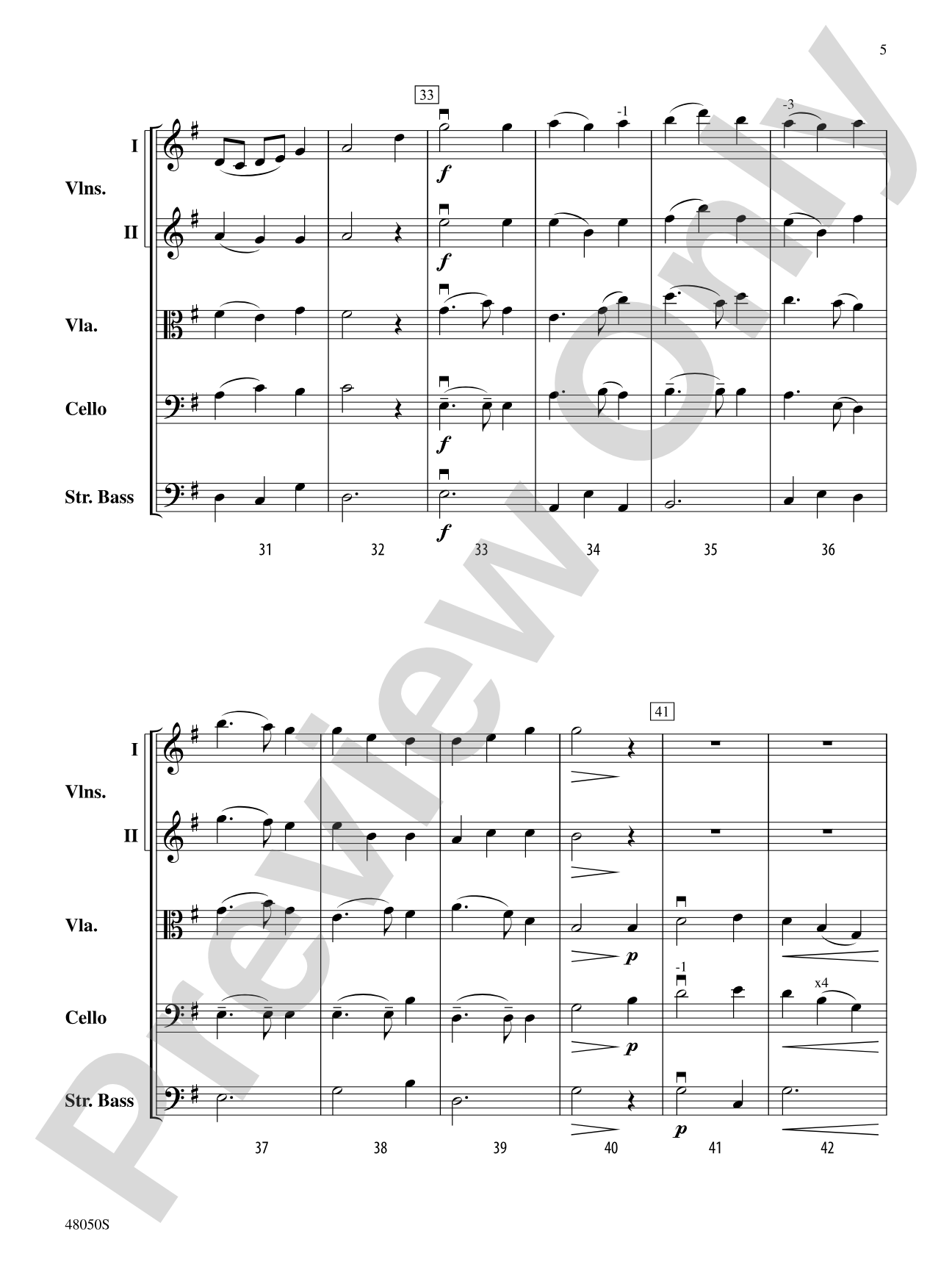
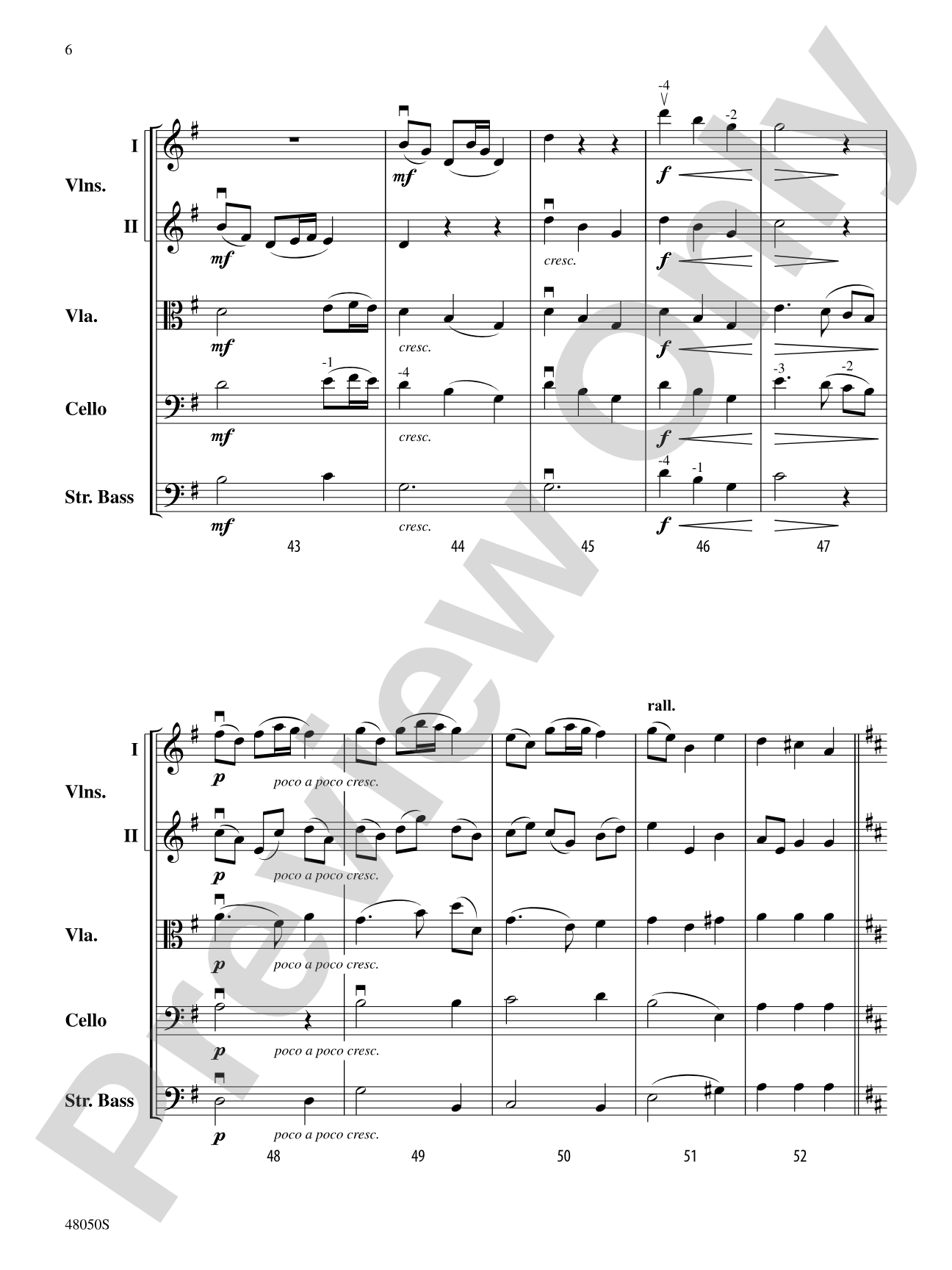
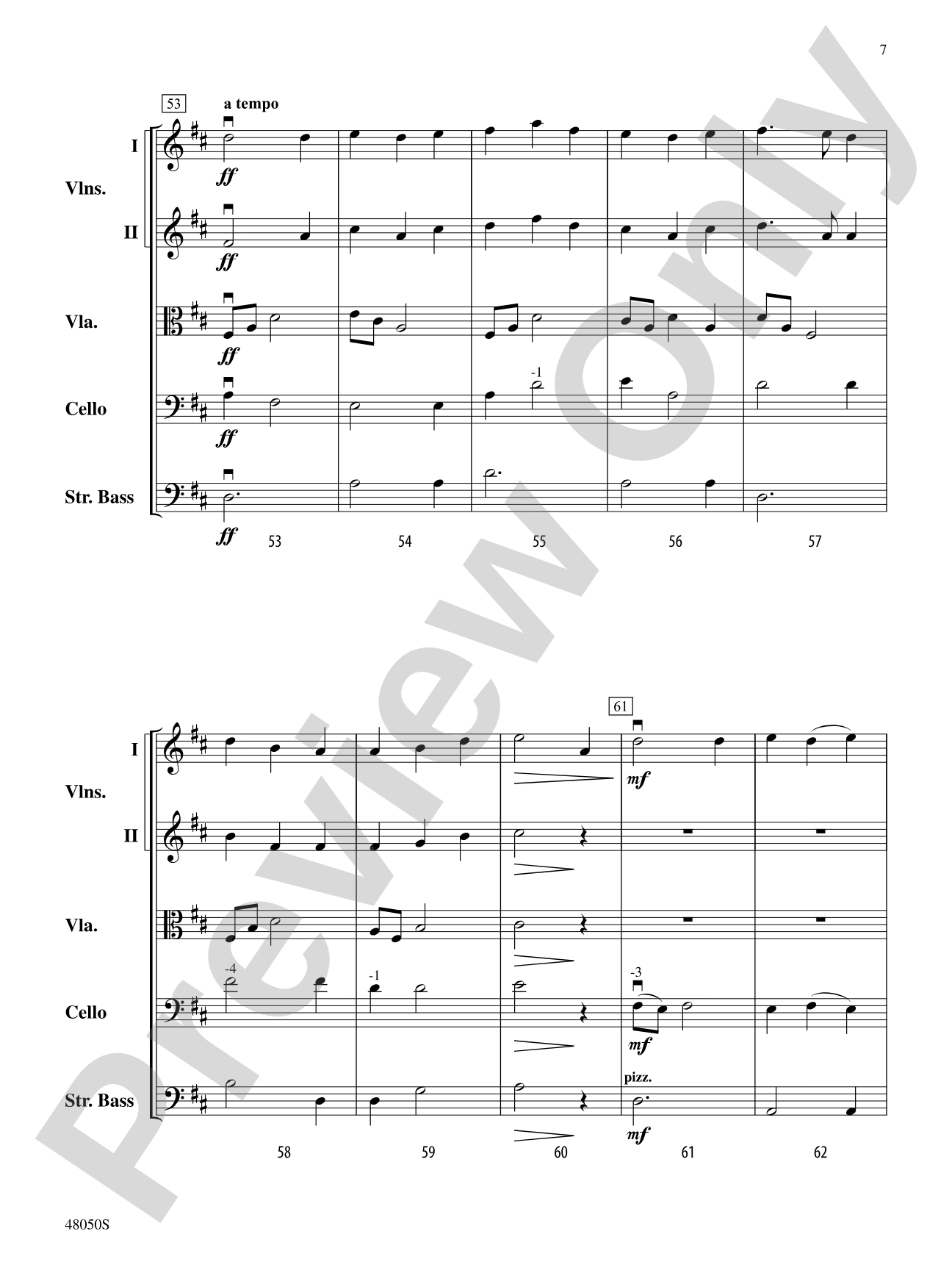
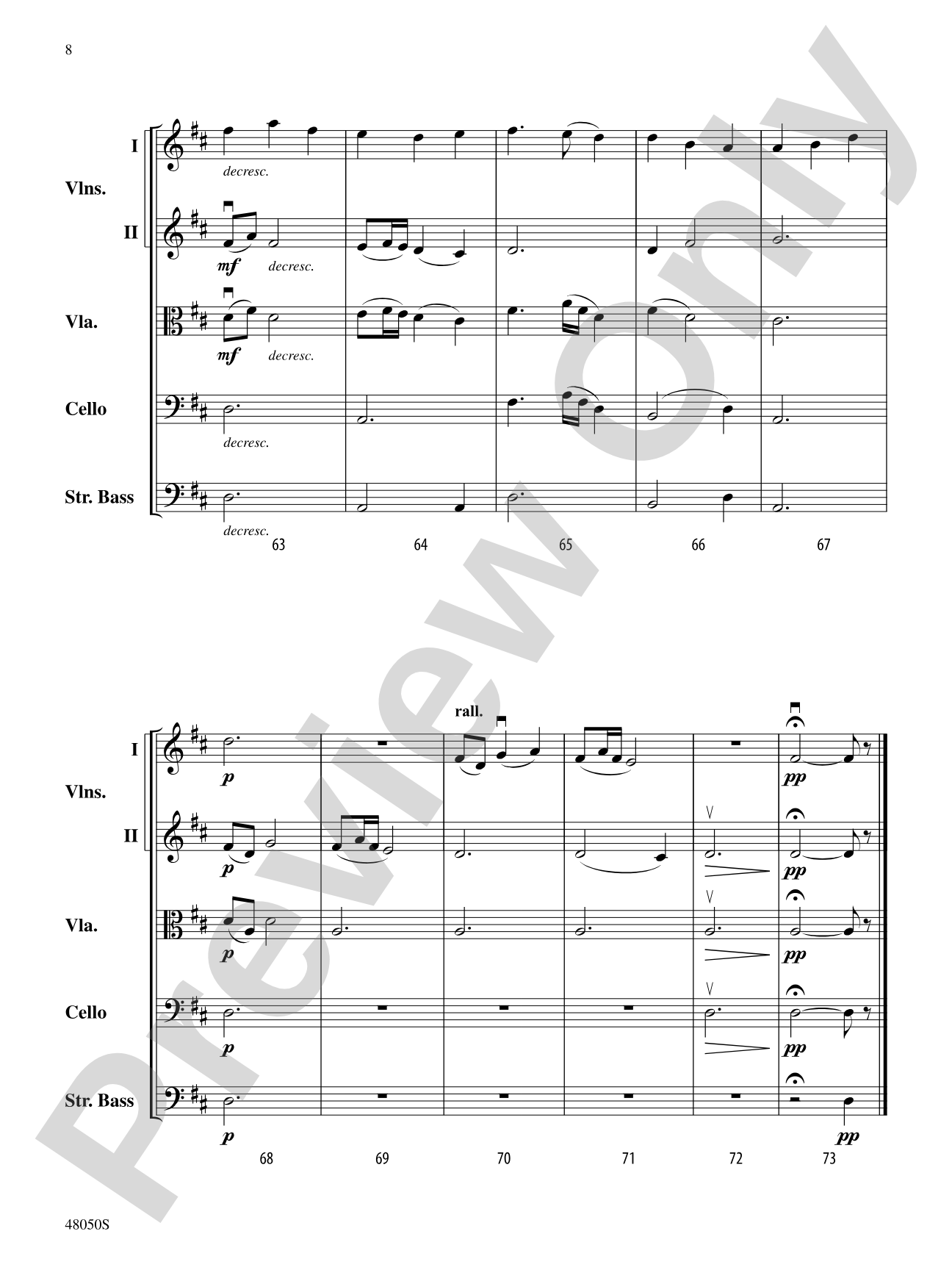

Ye Banks and Braes O' Bonnie Doon: String Orchestra Conductor Score & Parts
By Charles Miller / arr. Jim Palmer
Grade: 3
Item: 00-PK-0008157

$60.00
Pickup currently not available
Buy Extra Parts (Digital PDF Download)
| Product | Price | Quantity |
|---|---|---|
| Ye Banks and Braes O' Bonnie Doon: Score | $9.00 | |
| Ye Banks and Braes O' Bonnie Doon: 1st Violin | $5.99 | |
| Ye Banks and Braes O' Bonnie Doon: 2nd Violin | $5.99 | |
| Ye Banks and Braes O' Bonnie Doon: Viola | $5.99 | |
| Ye Banks and Braes O' Bonnie Doon: Cello | $5.99 | |
| Ye Banks and Braes O' Bonnie Doon: String Bass | $5.99 |
Parts Added to Cart!
Description
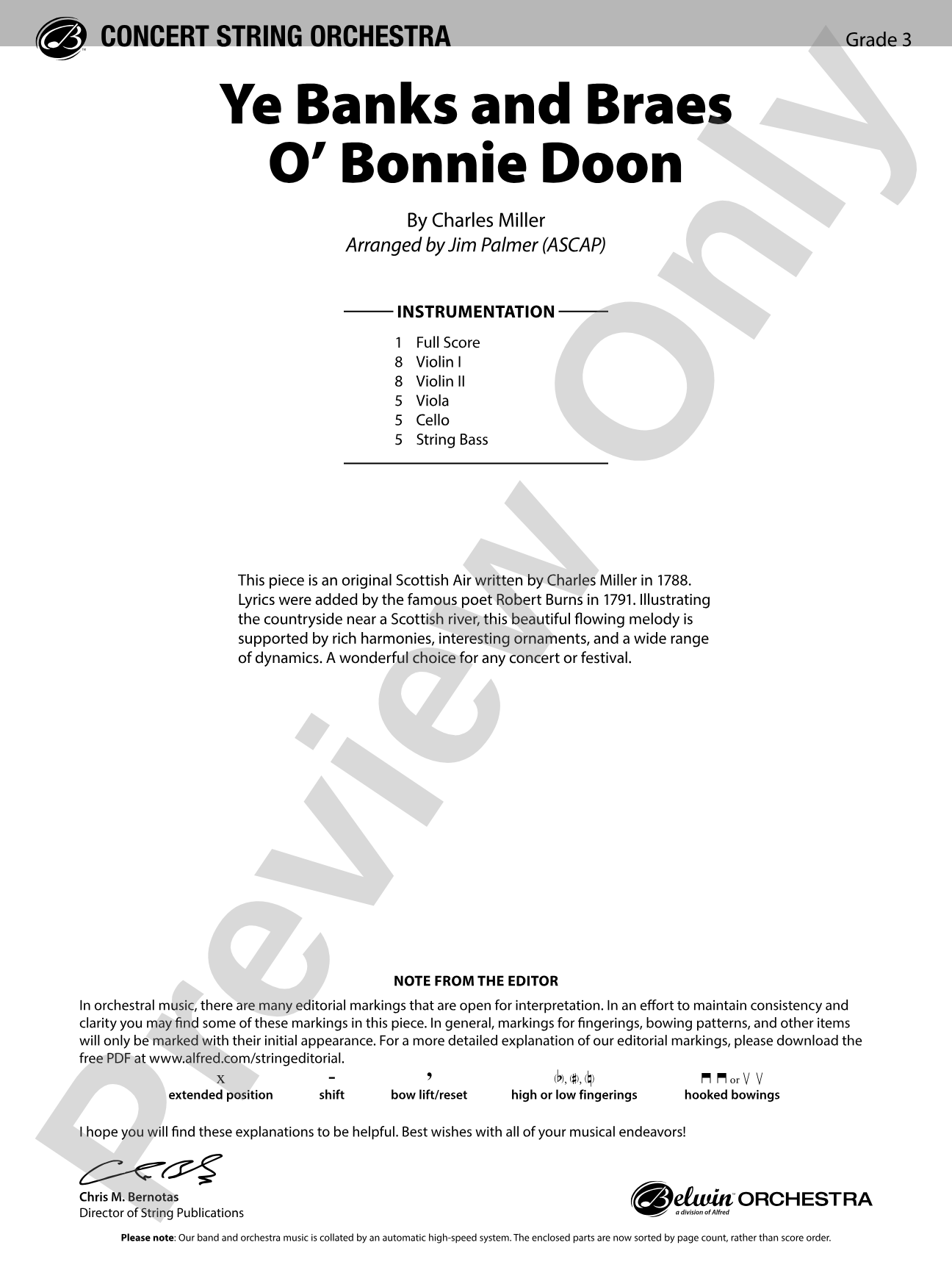
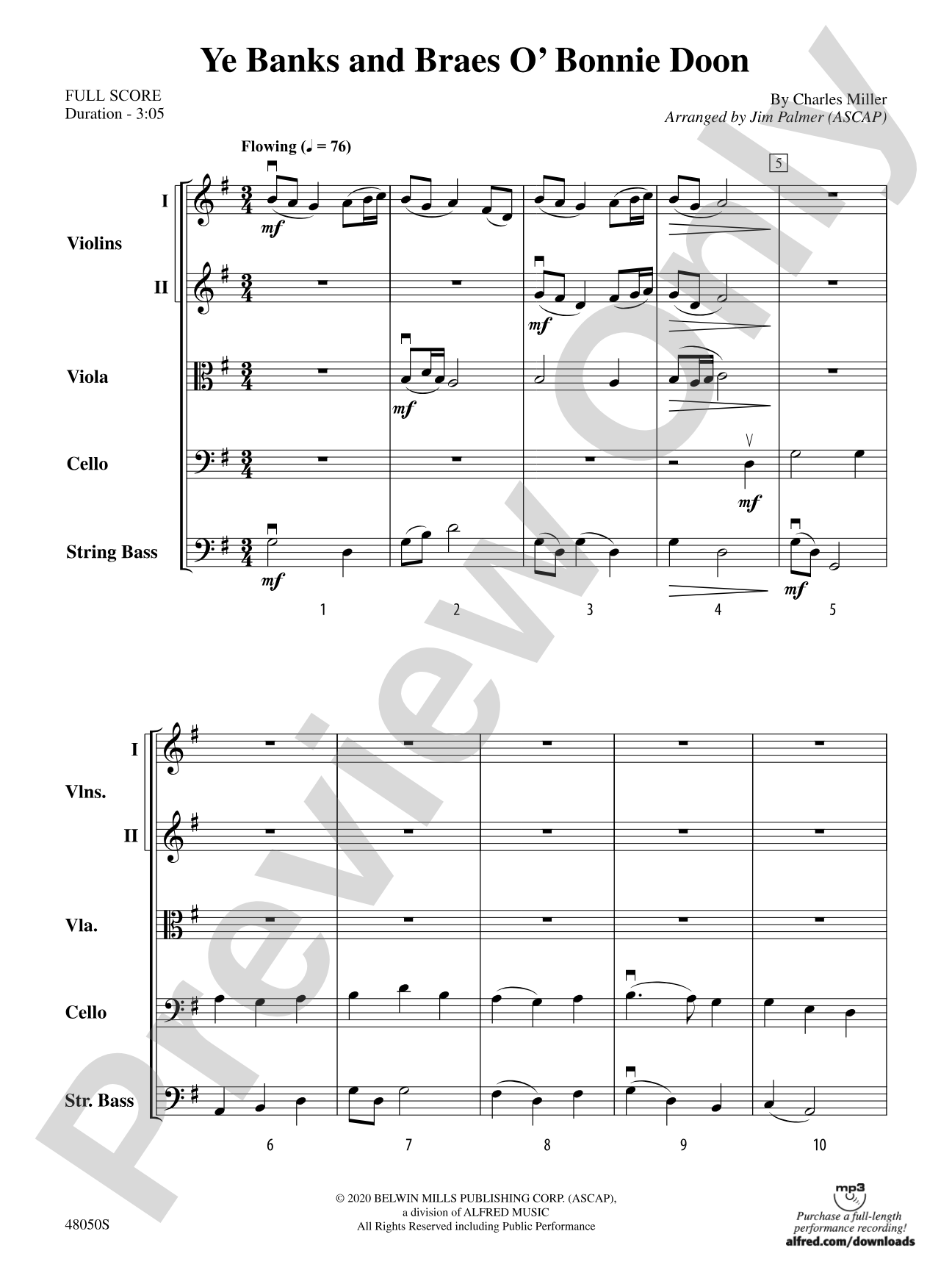
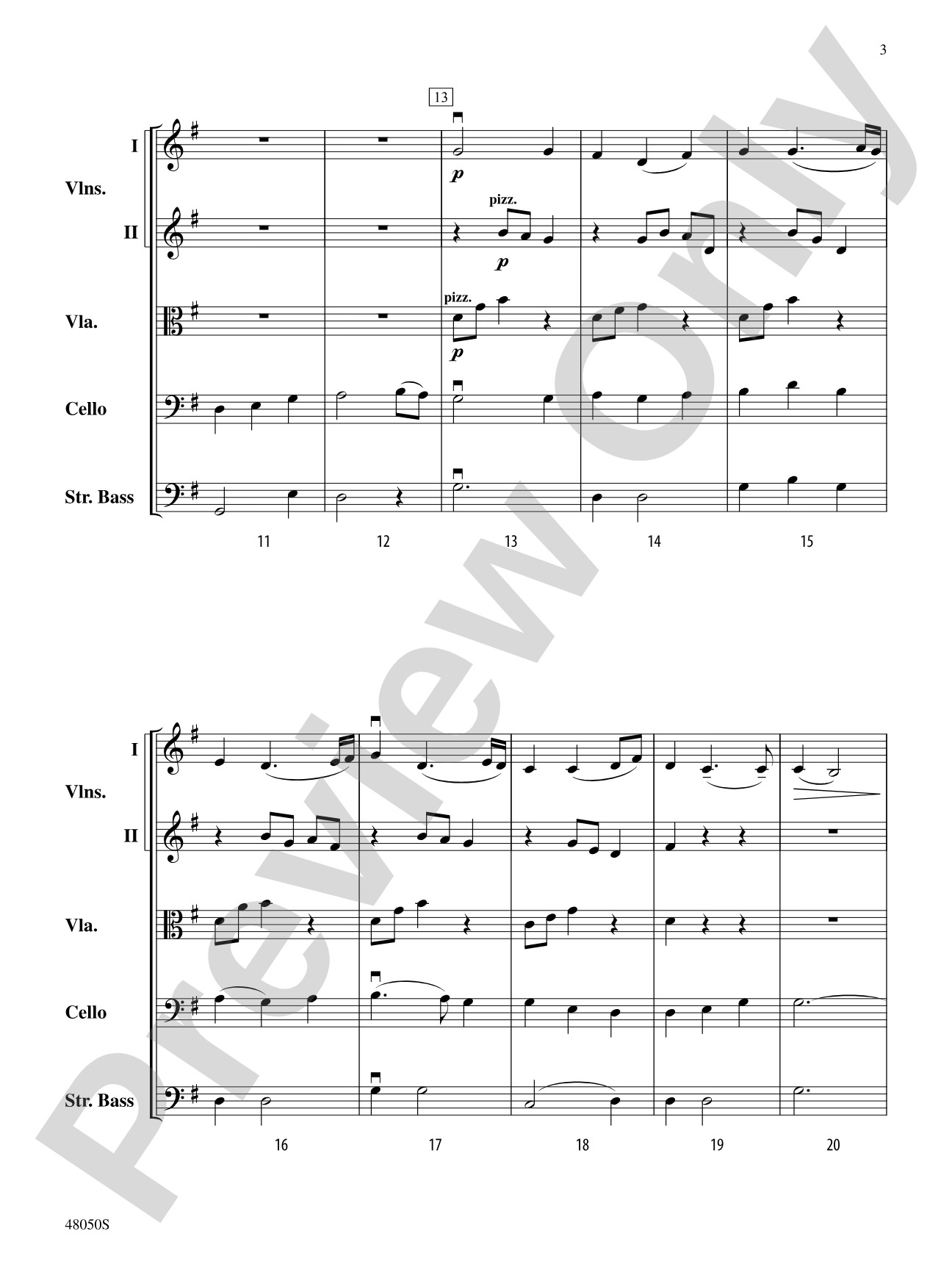
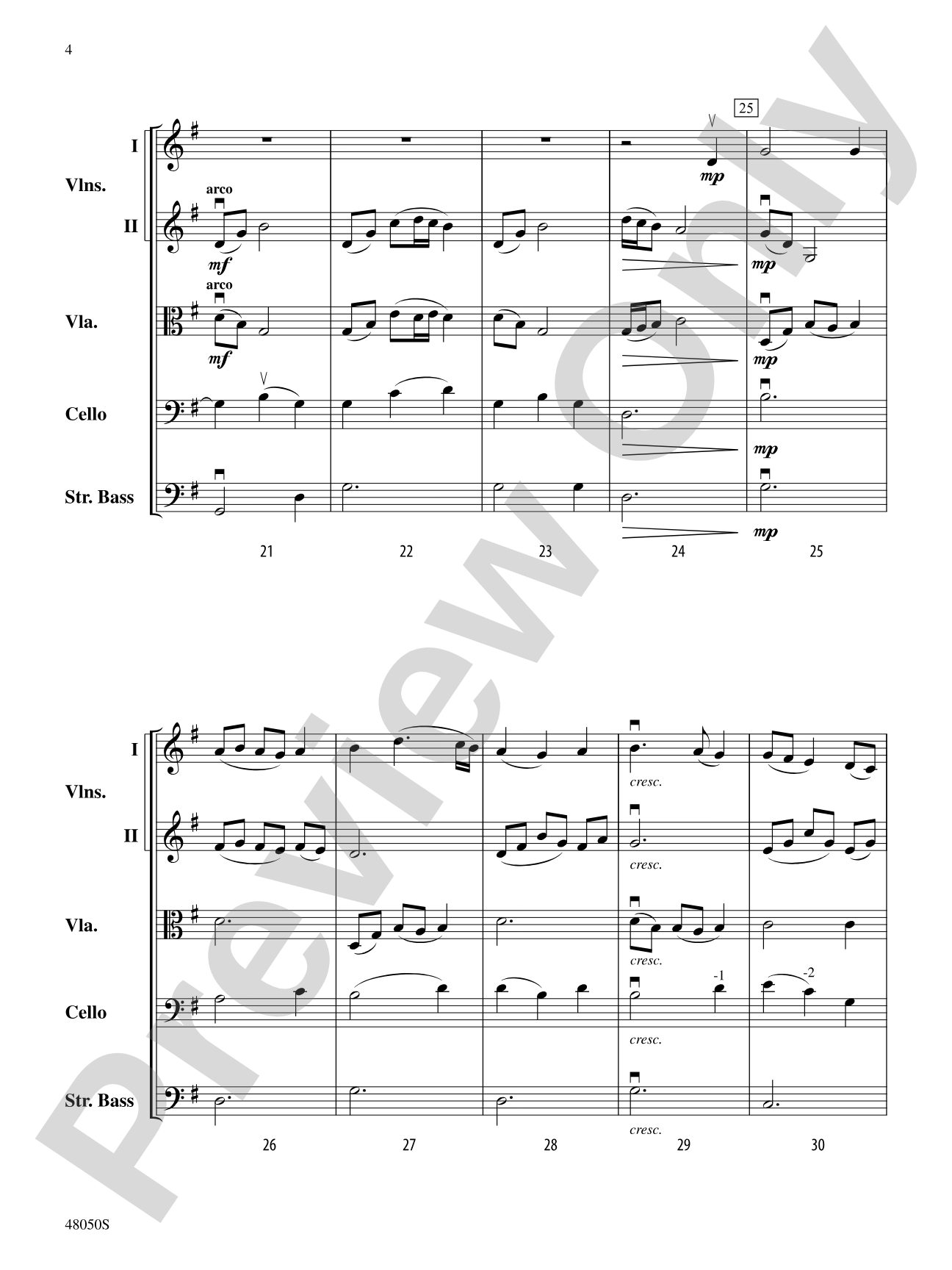
Ye Banks and Braes of Bonnie Doon is an original Scottish air written by Charles Miller in 1788 and arranged by Jim Palmer. Lyrics were added by the famous poet Robert Burns in 1791. Illustrating the countryside near a Scottish river, this beautiful flowing melody is supported by rich harmonies, interesting ornaments, and a wide range of dynamics. A wonderful choice for any concert or festival. (3:05) This title is available in MakeMusic Cloud.


Don't just read it, hear it, play along with it, and watch your students grow with it. In MakeMusic Cloud, Ye Banks and Braes O' Bonnie Doon: String Orchestra Conductor Score & Parts comes alive with professional accompaniment, adjustable tempo, and built-in practice tools that turn solo practice into real progress.
Open in the Player
Jump straight in and assign it today.
Start Your Free Trial
Open this title and explore the full library in minutes.
Sample Audio
1
Audio File
--:--
0:00
0:00
Sample Video
Additional Details
Series:
Belwin Concert String Orchestra
Publisher:
Alfred Music
Page Count:
62
SKU:
00-PK-0008157
More about this title
About the Composer: Charles Miller
Charles Miller composed this Scottish air in 1788, capturing the lyrical character of traditional Scottish melodies during a period when such folk material was being systematically collected and preserved. His original tune would later become famous when Robert Burns, Scotland's national poet, added words in 1791, transforming it into one of the most enduring songs in the Scottish canon.
Why we love this
Jim Palmer's arrangement respects the integrity of Miller's 1788 melody while giving your orchestra rich harmonic color and dynamic range to explore. The ornaments and layered textures create genuine musical interest without overcomplicating the score, making this feel substantial rather than lightweight on a program.
What to expect
A gentle walk through Scottish moorland, with the river Doon flowing underneath. The melody unfolds with quiet dignity, supported by warm harmonies that shift and evolve, while ornamental details add character and movement without disrupting the piece's serene arc.
Who it's for
String orchestras at the Grade 3 level will find this arrangement accessible yet musically rewarding. It suits directors programming a concert that needs both a moment of lyrical beauty and a piece that showcases ensemble refinement without extreme technical demands.
How to get the most out of it
- Shape the melody through phrase breathing rather than sudden tempo changes; let the natural lyricism carry the line forward across bar lines.
- Balance your divisi sections carefully so that the harmonies bloom without overwhelming the primary tune. Rehearse the parts separately, then blend them gradually.
- Attend to the dynamic contrasts marked throughout. The wide range from piano to forte creates emotional landscape; resist the urge to stay in the middle ground.
How to use it
This works beautifully as a slower movement contrasting with faster repertoire on the same concert or festival appearance. Its natural pacing and evocative character make it an ideal centerpiece for a program exploring folk traditions or world music.
Skills your students will build
- Phrasing long, singing melodic lines with consistent bow direction and tone quality
- Balance and blend within divisi string arrangements
- Dynamic control across a wide expressive range
- Responding to ornamental figures (grace notes, trills) with rhythmic clarity