
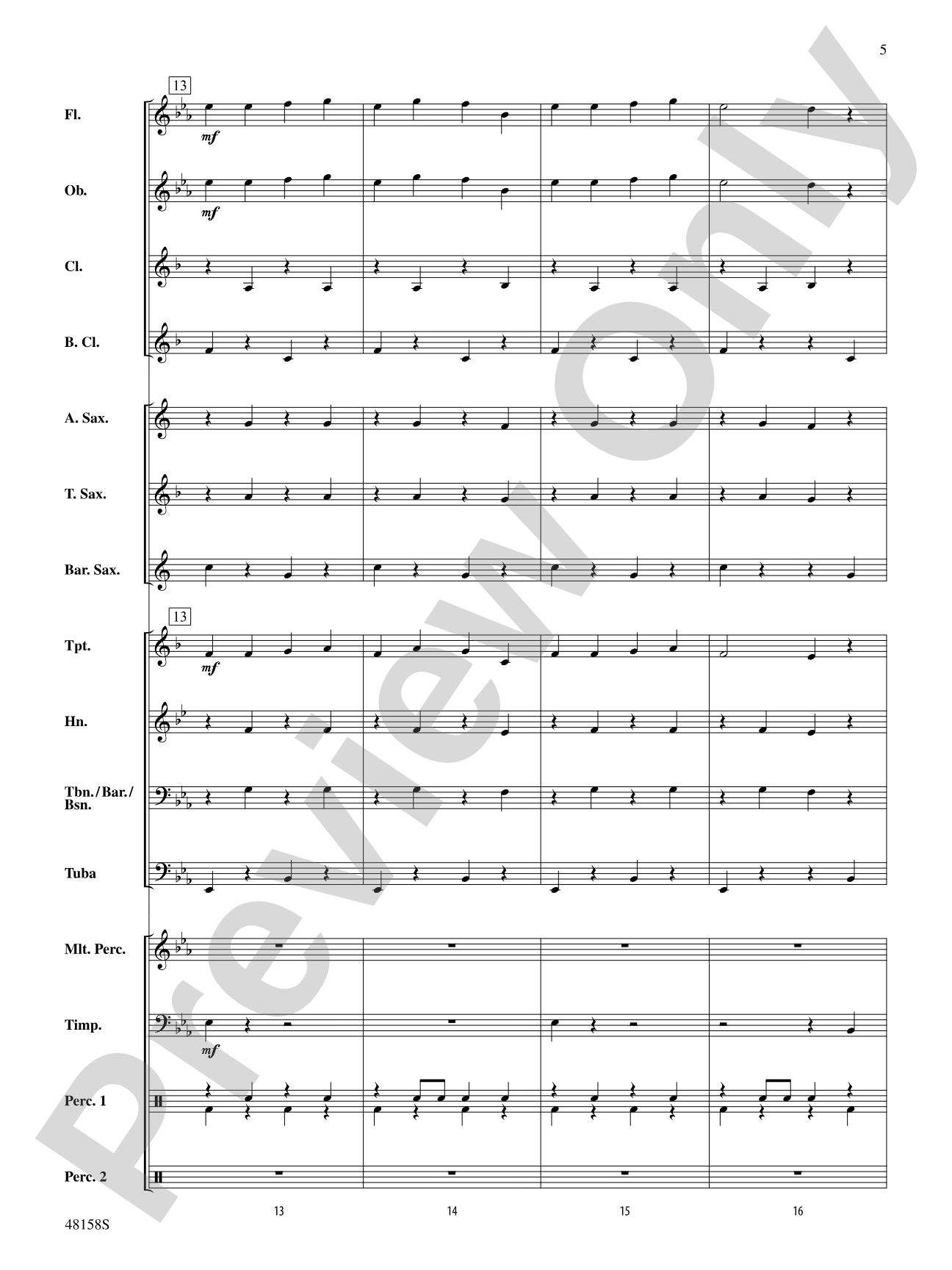
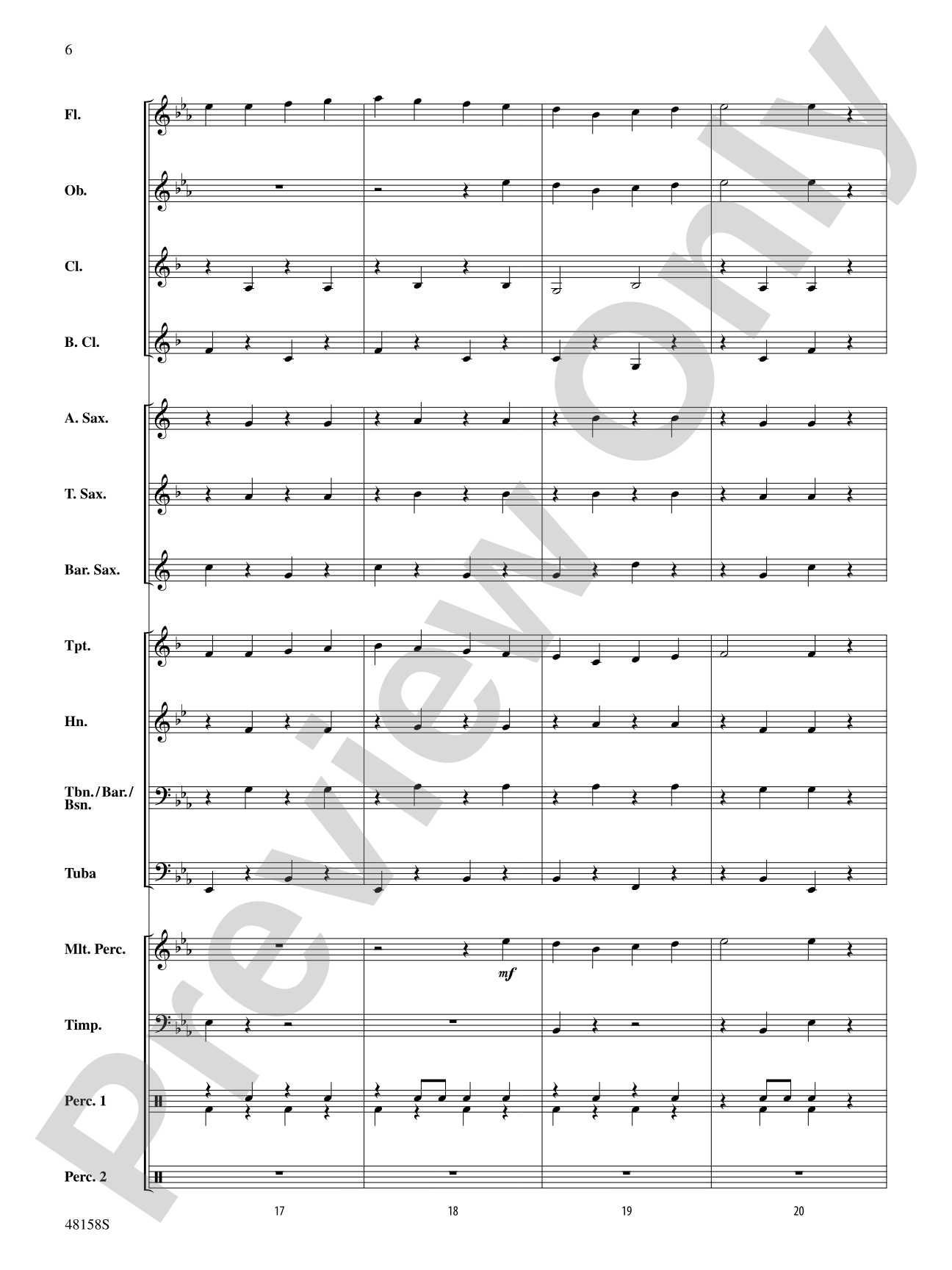
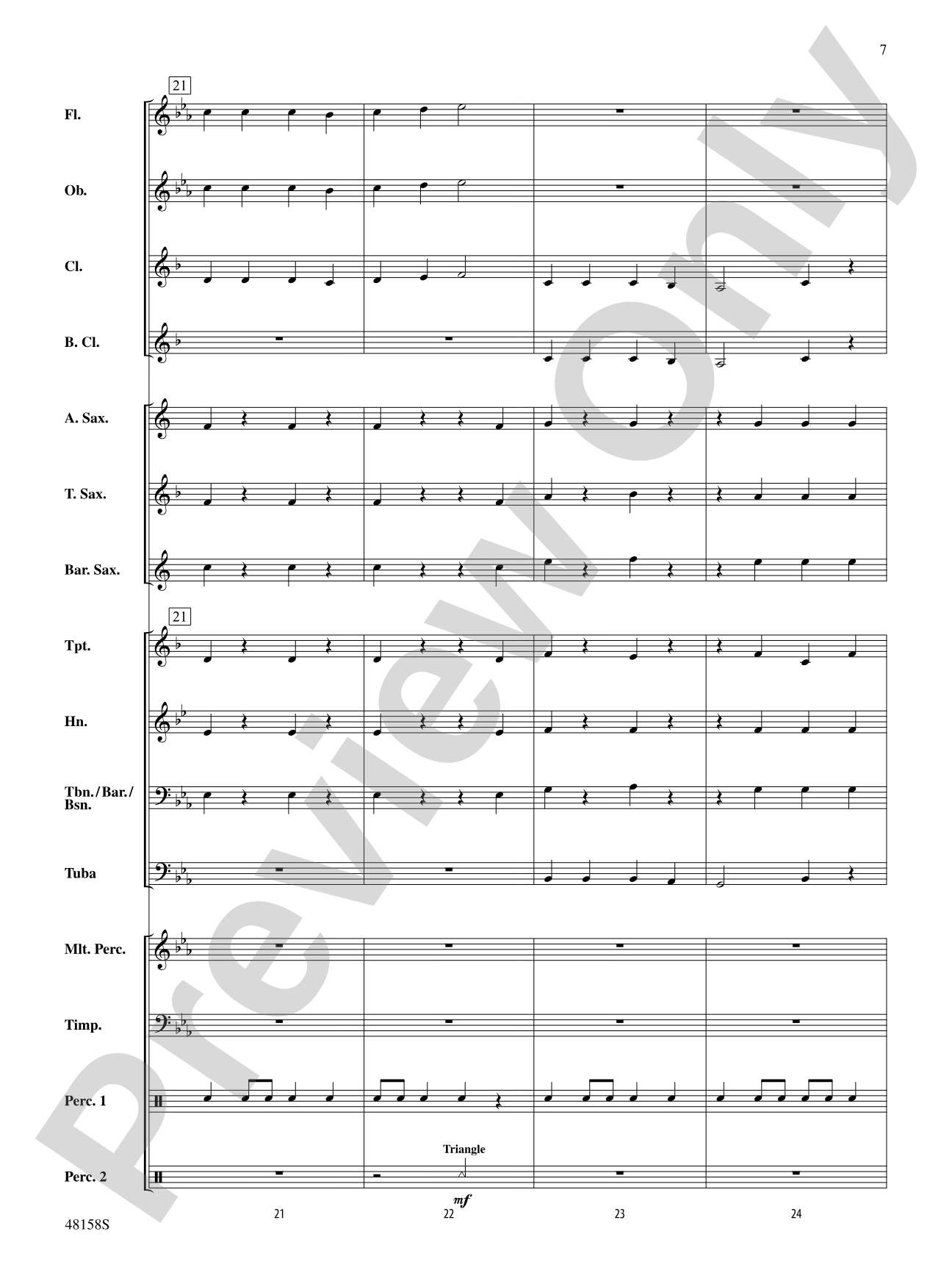
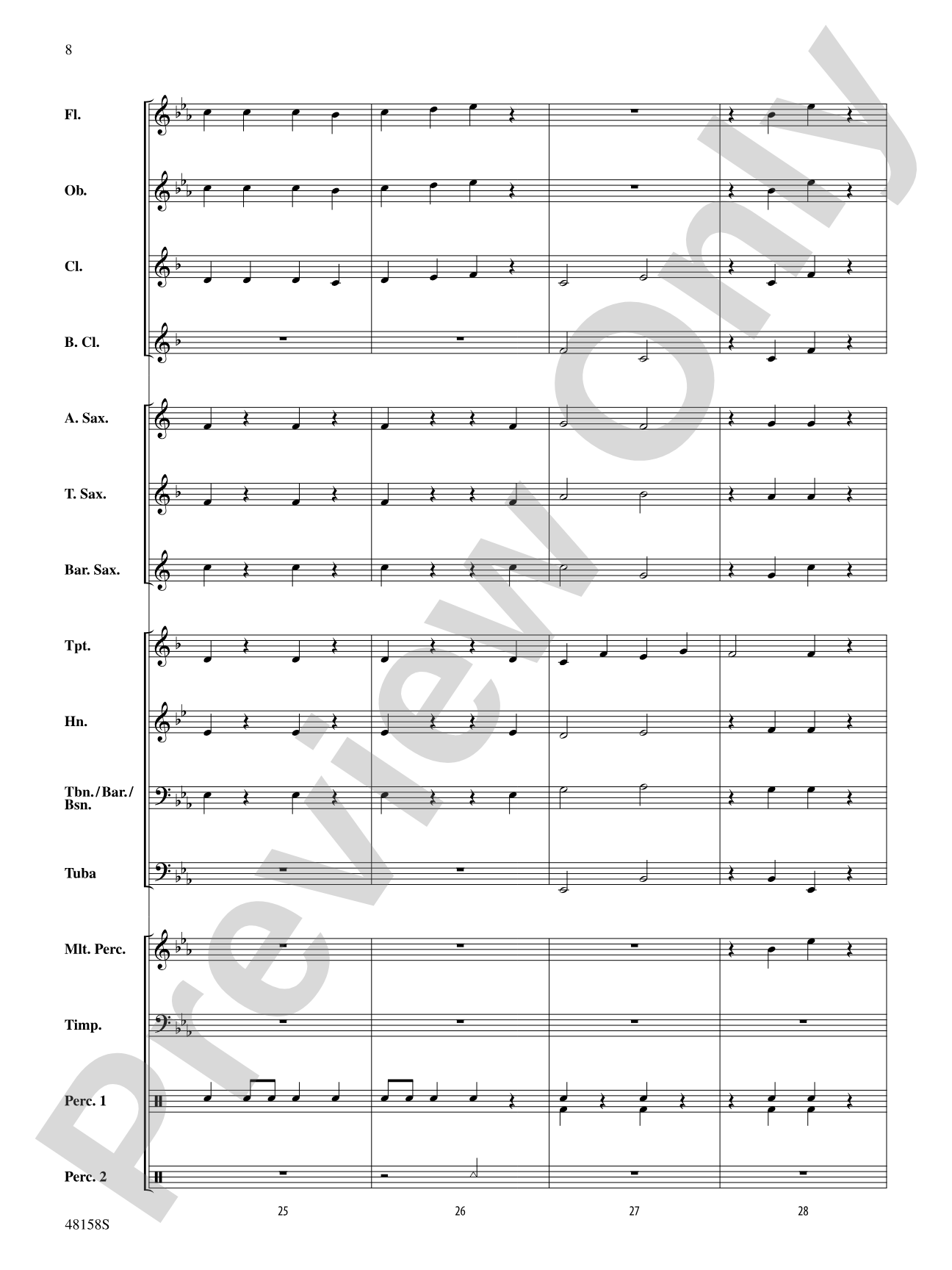
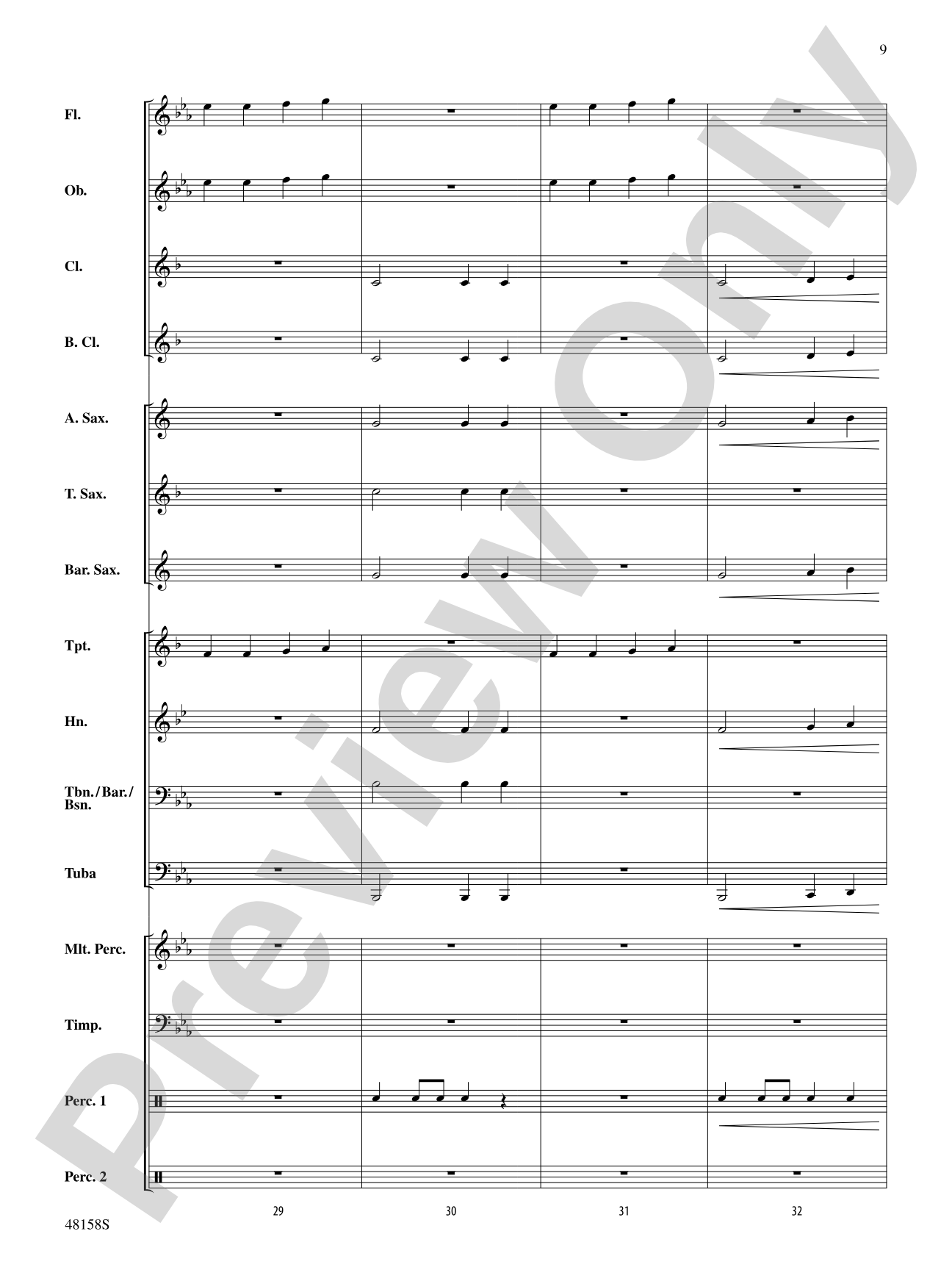
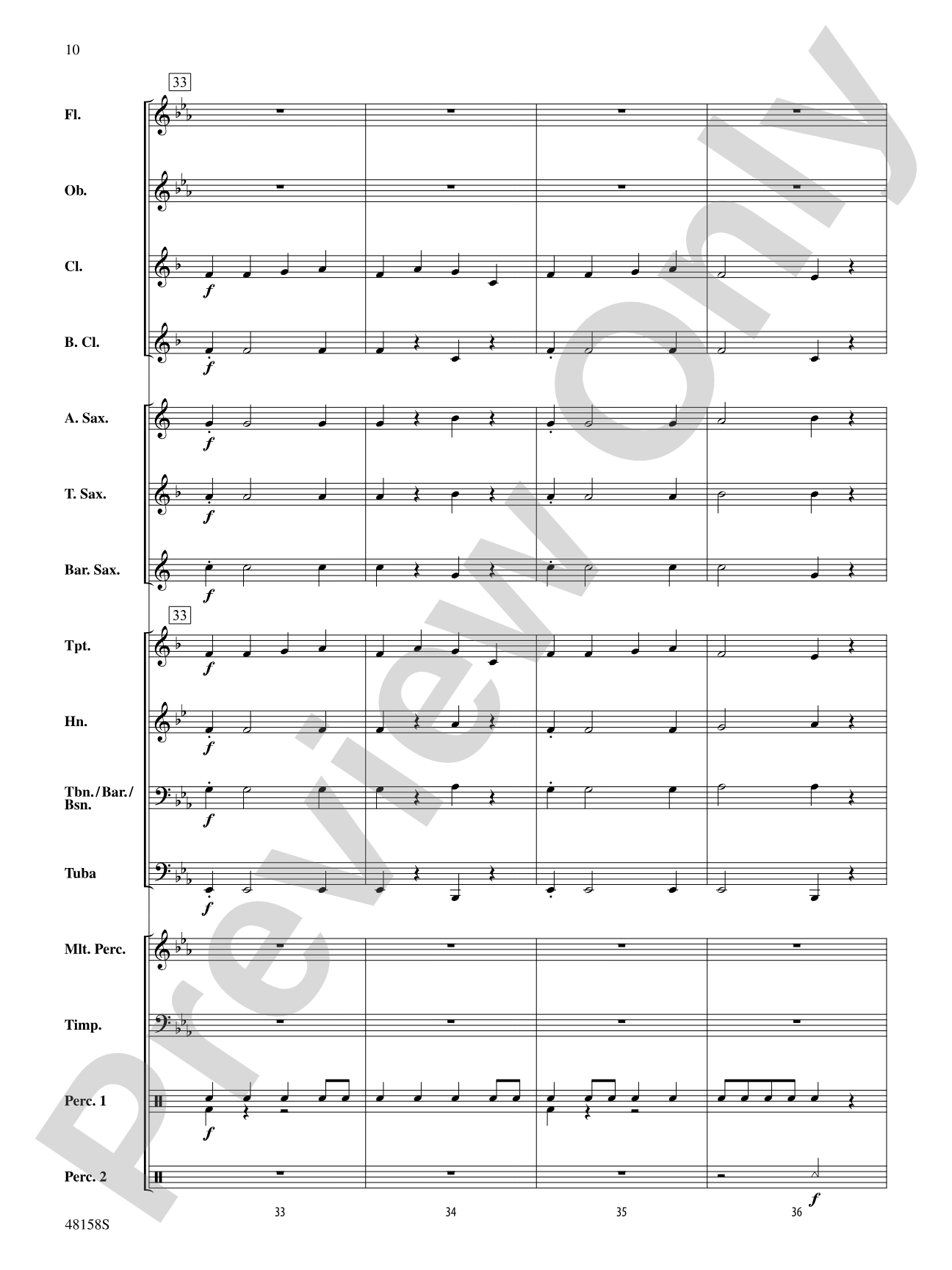
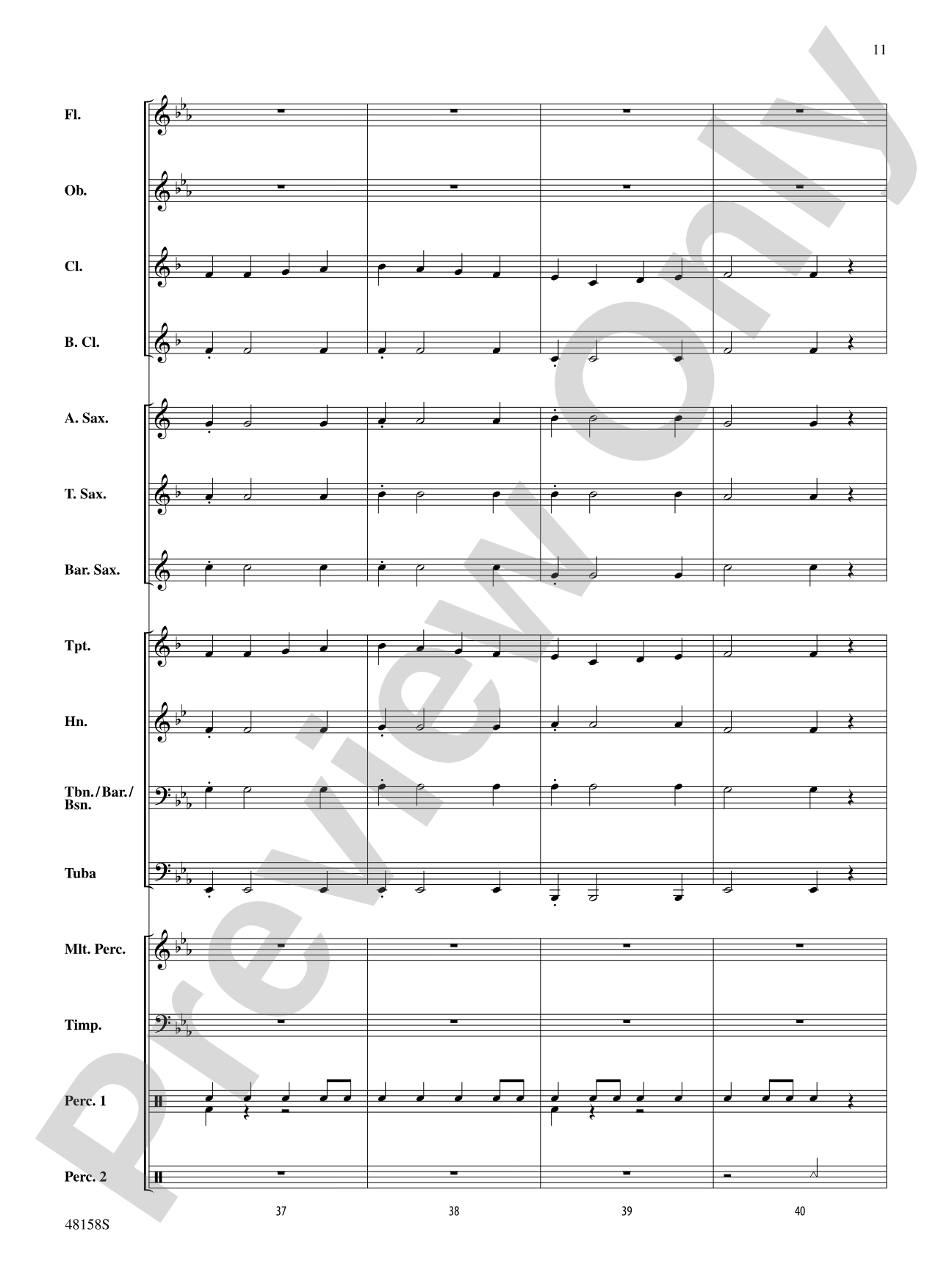
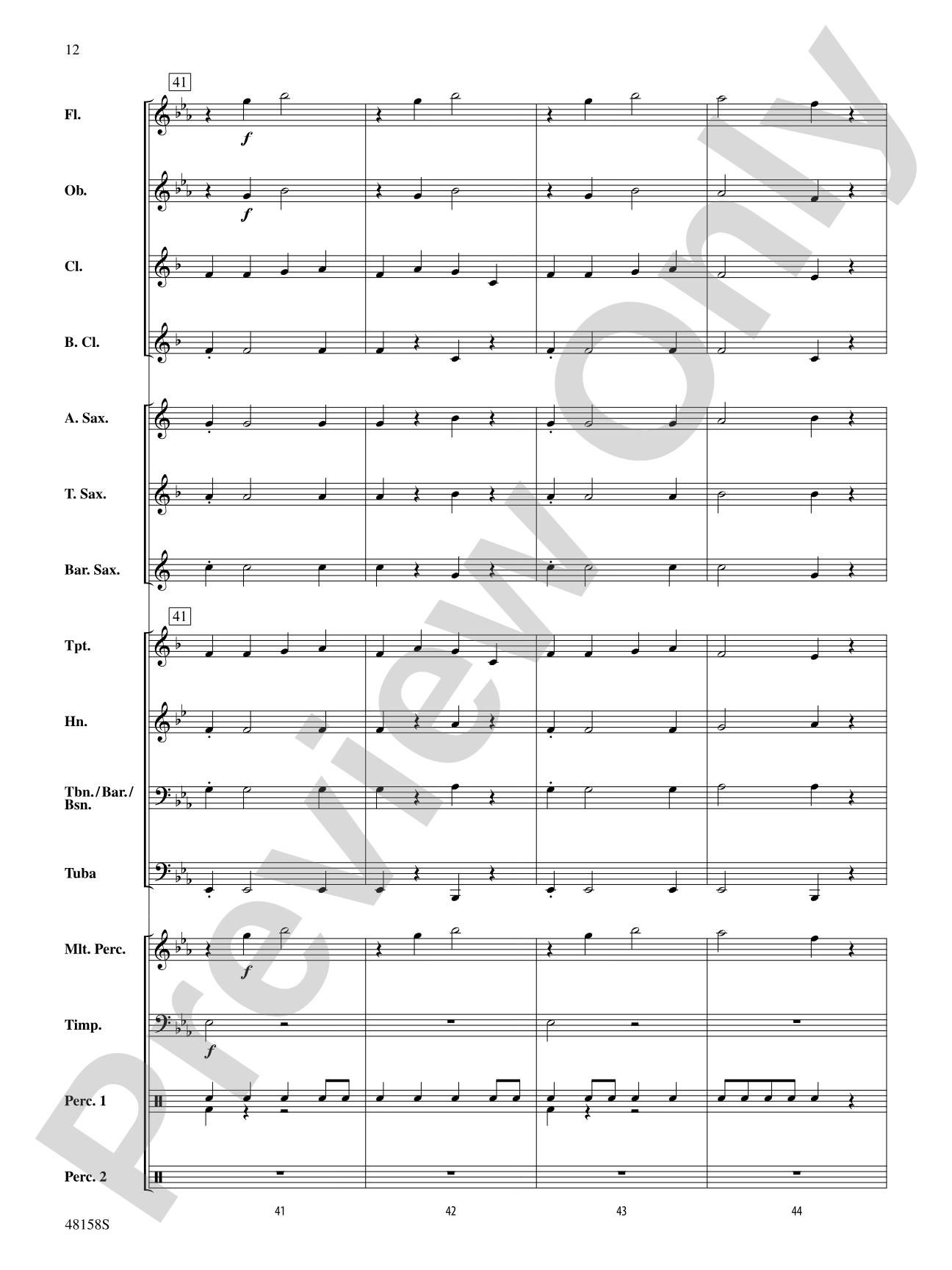
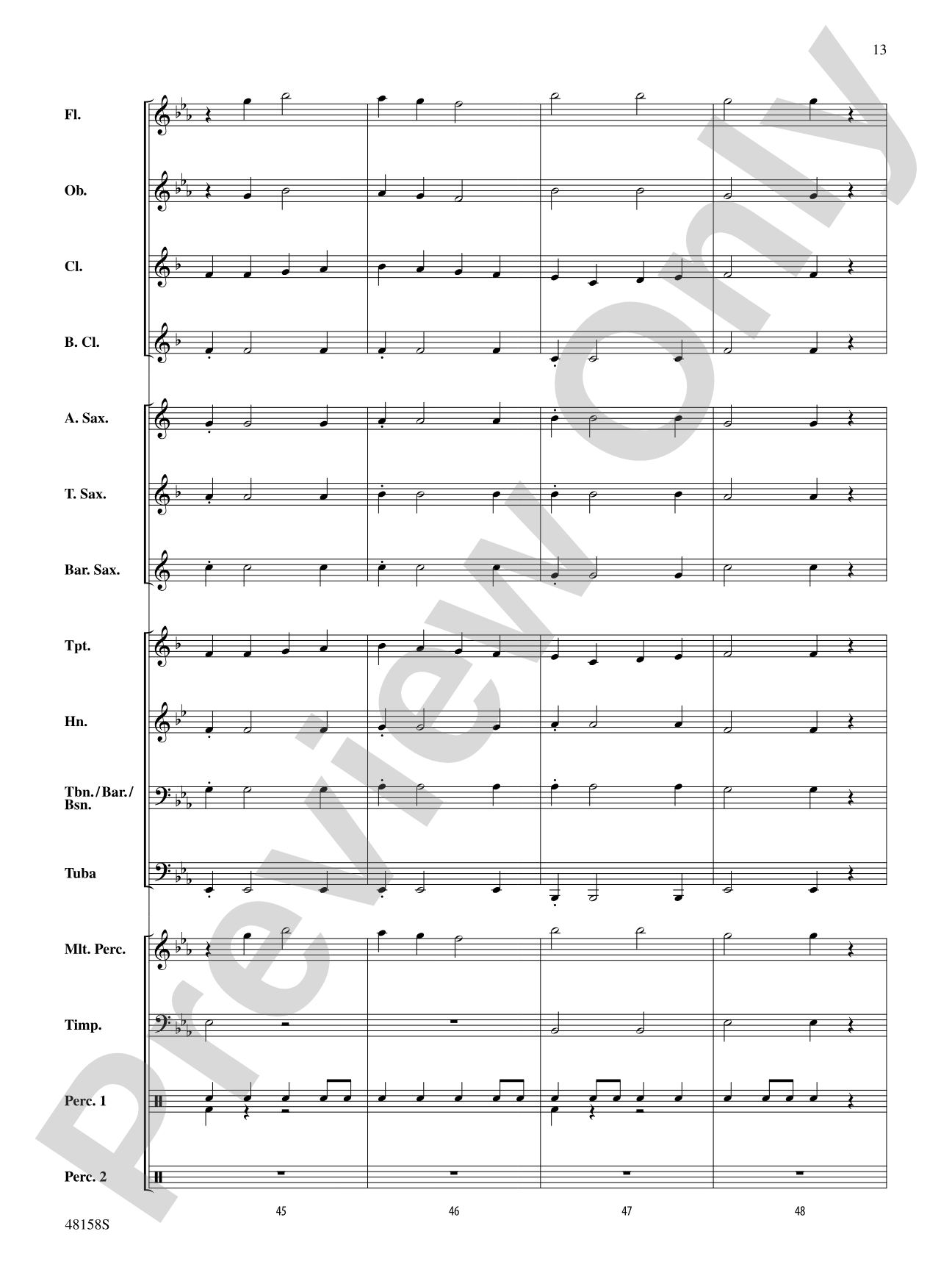
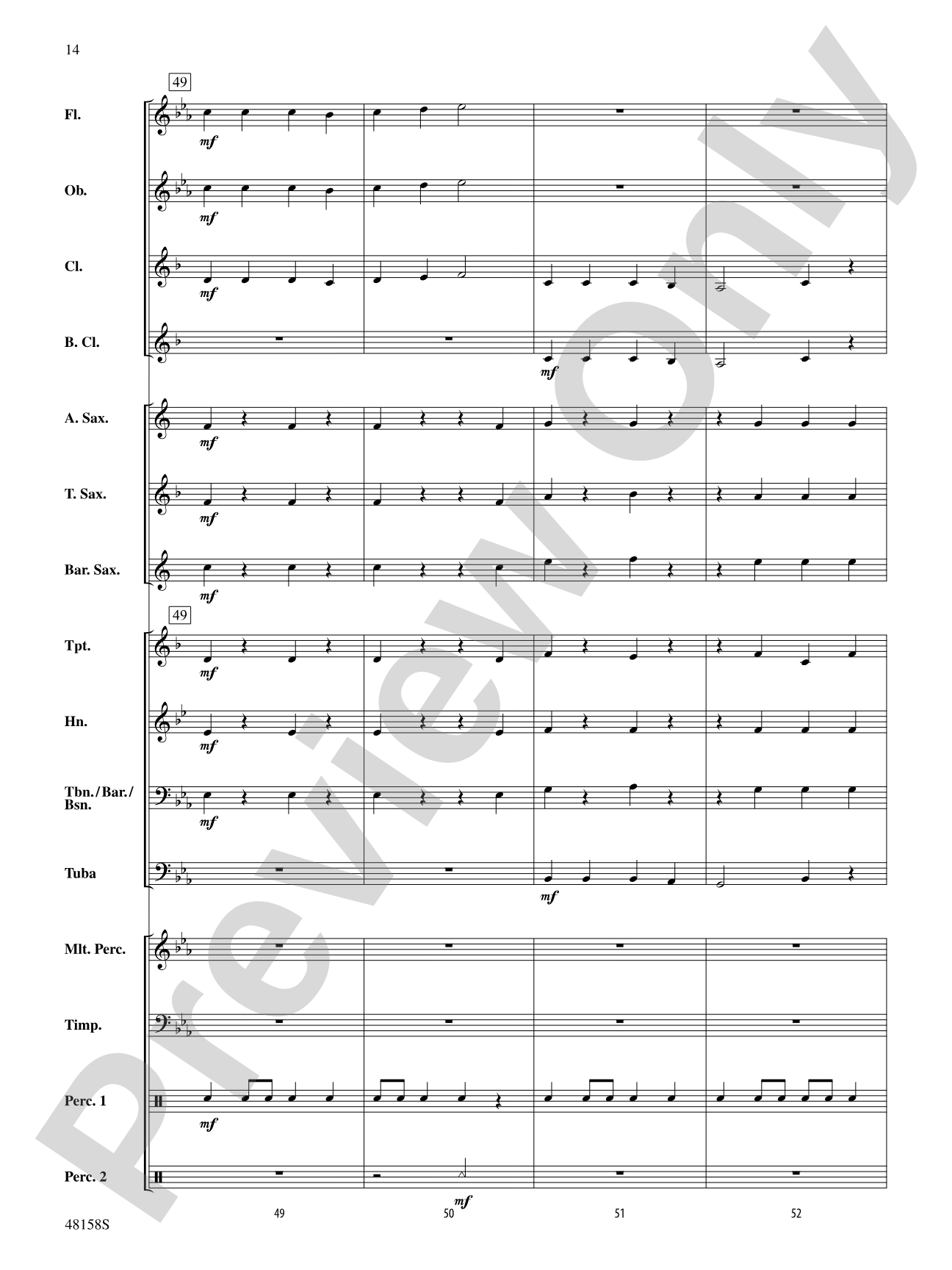
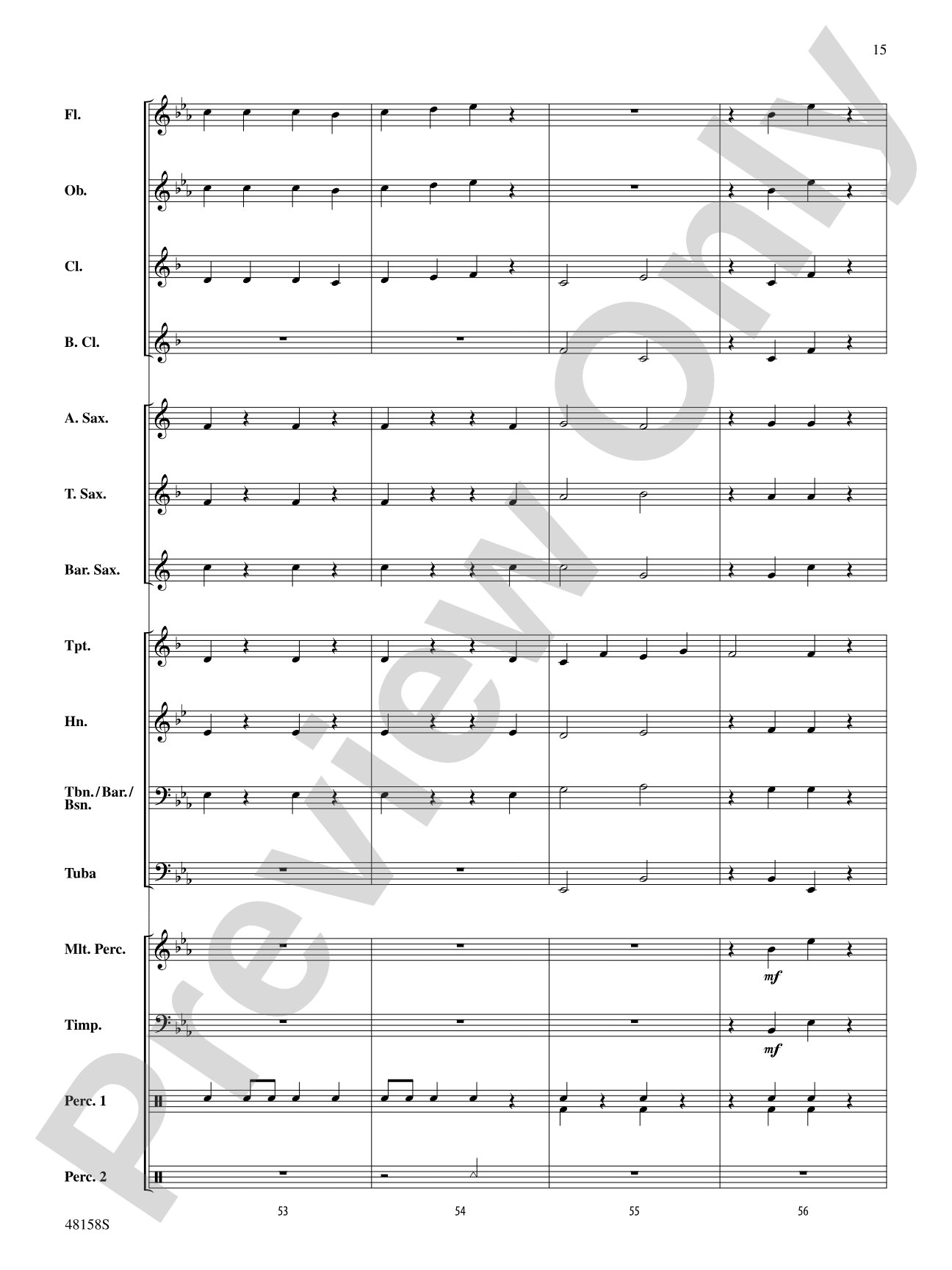
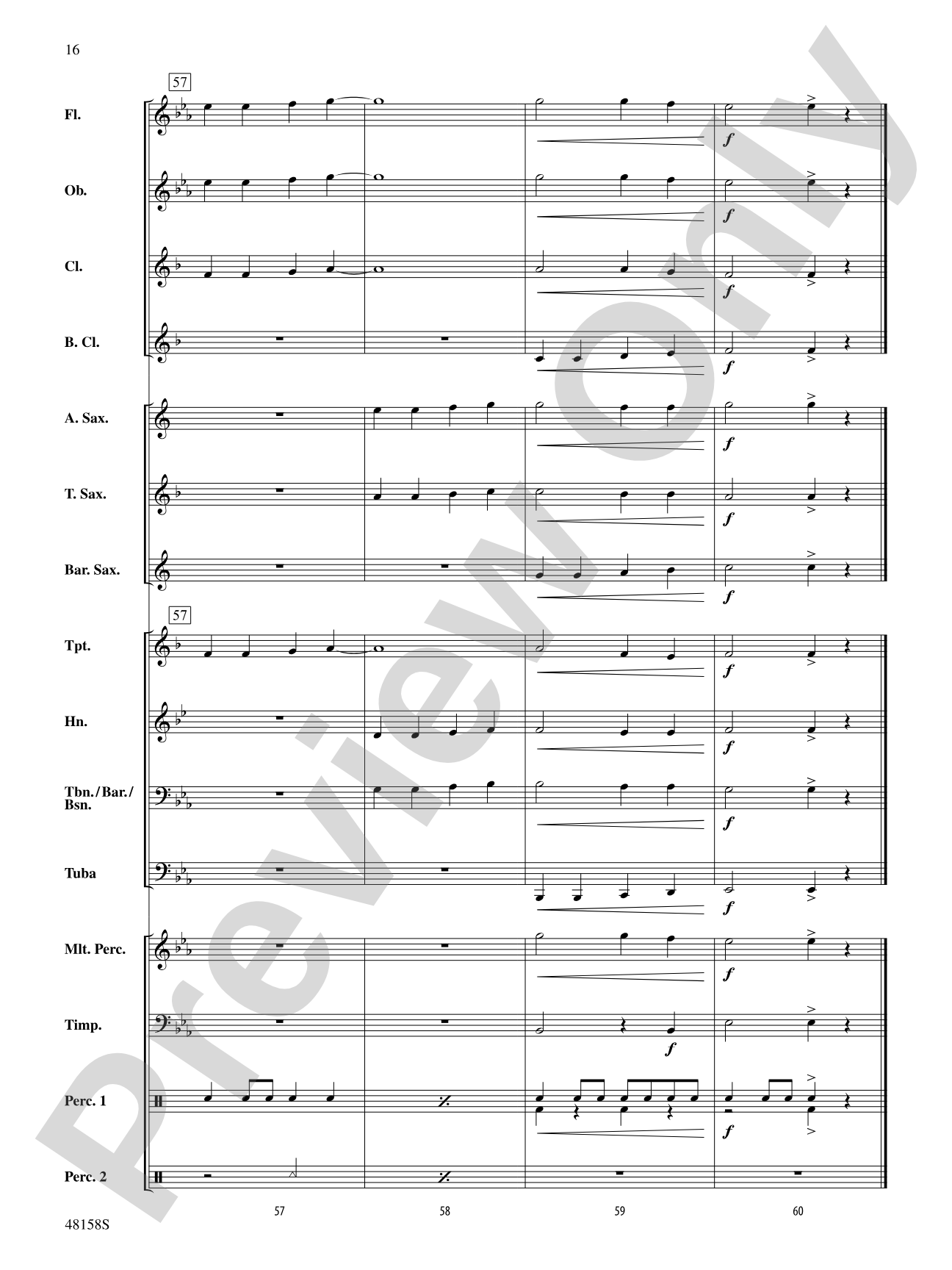

Yankee Doodle: Score
Traditional Early American Tune / arr. Douglas E. Wagner
Grade: 0.5 (Very Easy)
Item: 00-PR-0006674
$9.00
Pickup currently not available
Description
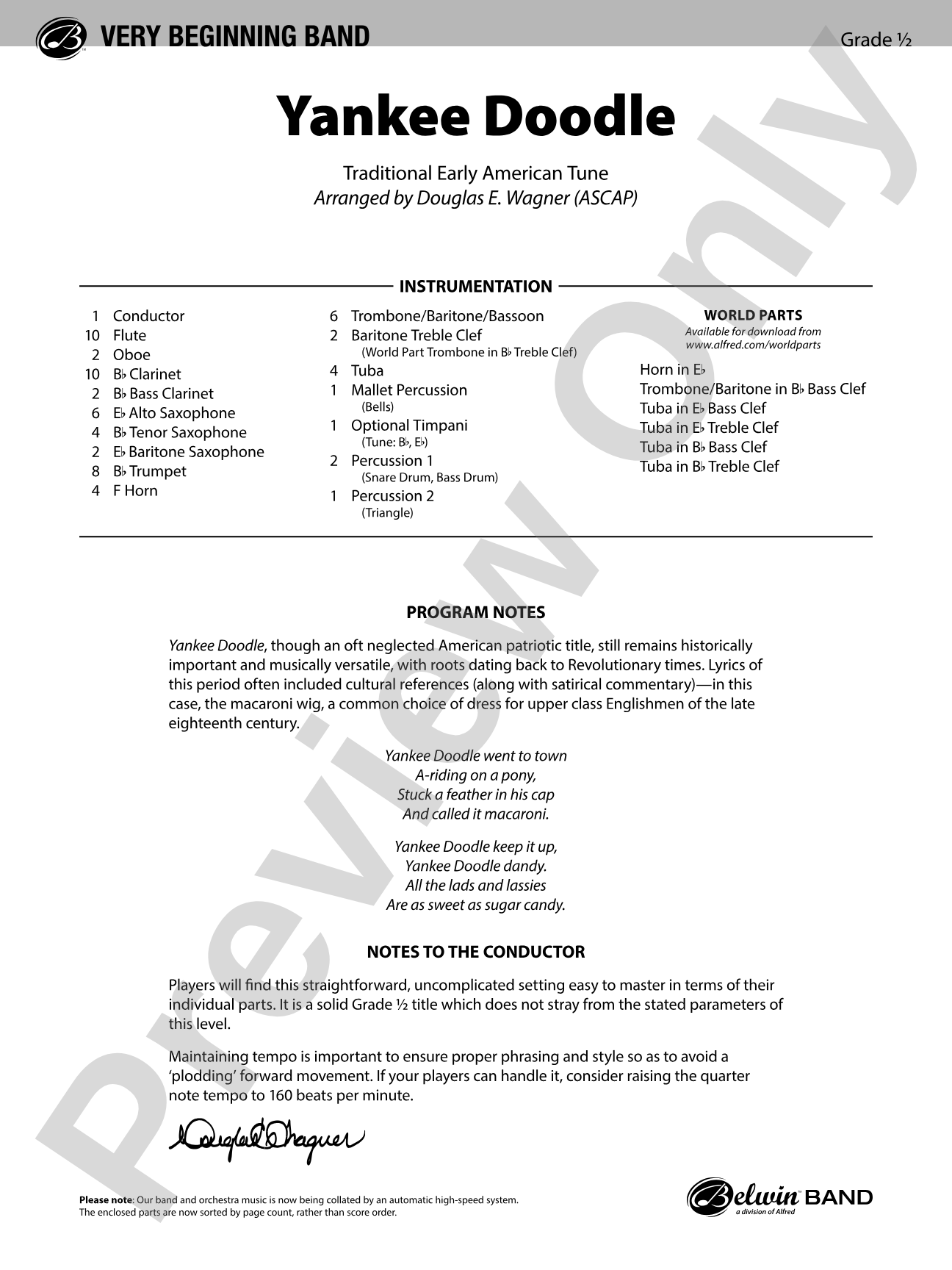
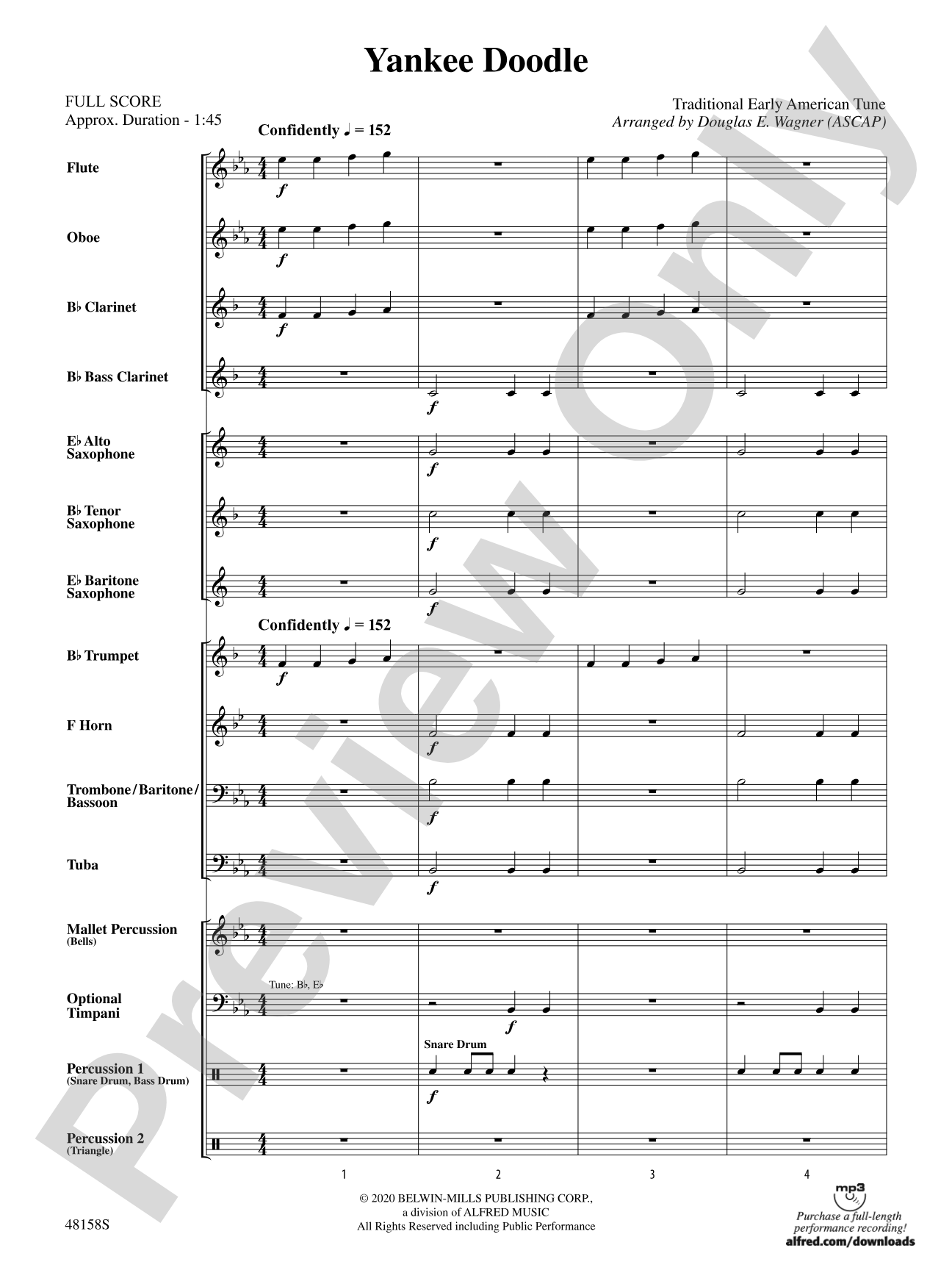
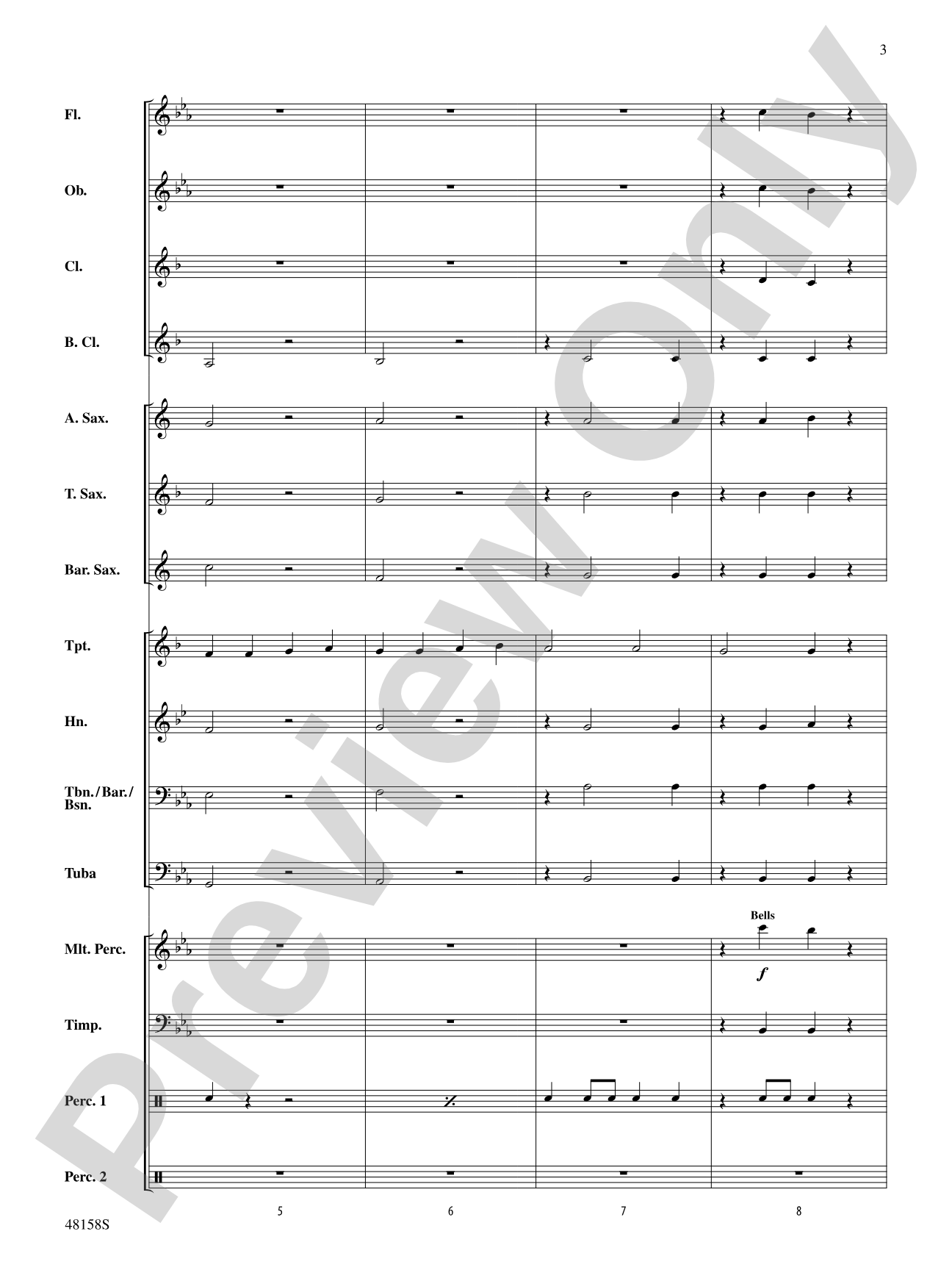
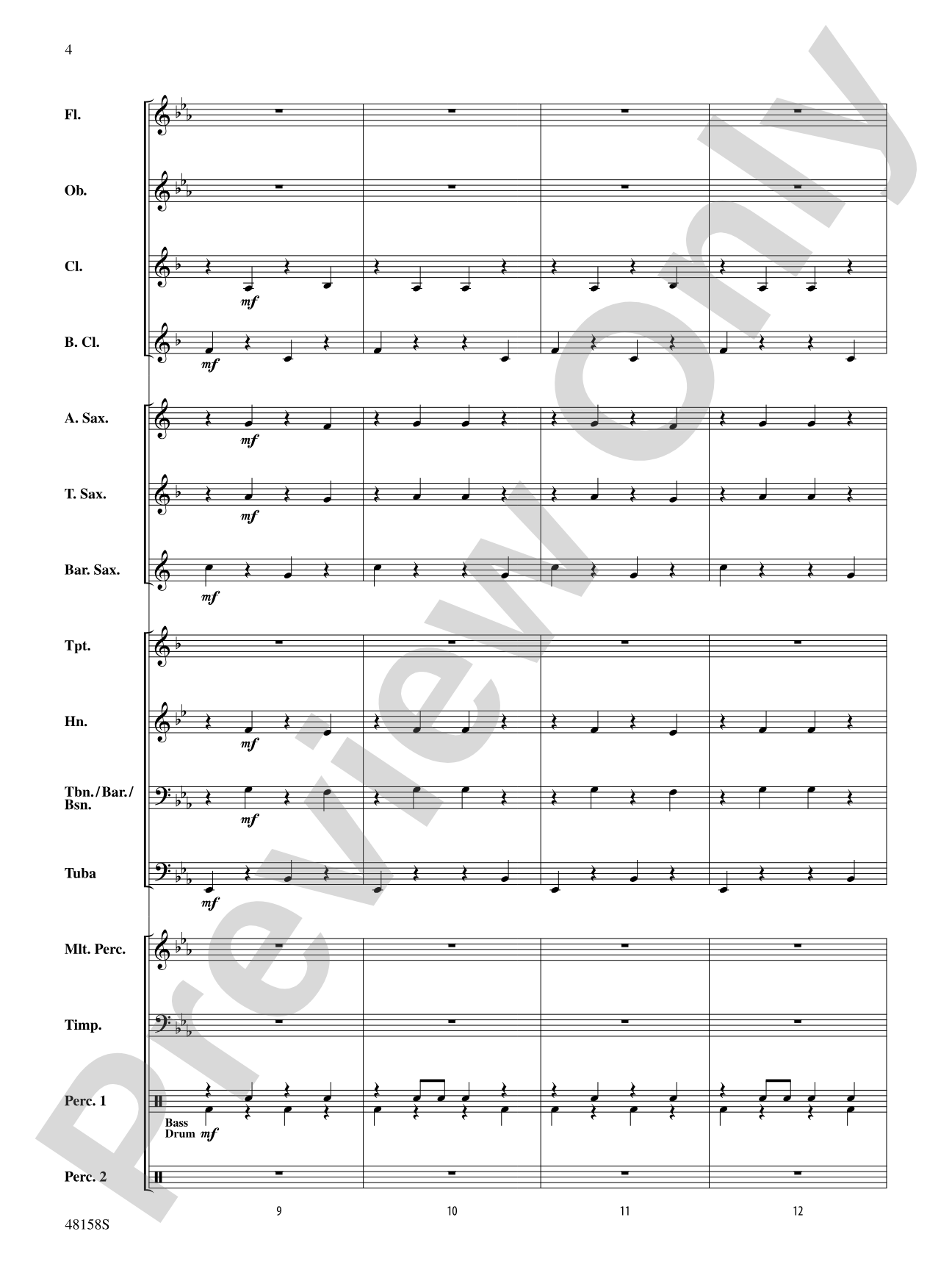
This familiar patriotic tune is historically related to Revolutionary times. Fluidly traveling between instrument families, everyone has opportunity with the melody and harmony. A full scoring for your beginners that reinforces phrasing and musical style. And called it macaroni! (1:45) This title is available in MakeMusic Cloud.


Don't just read it, hear it, play along with it, and watch your students grow with it. In MakeMusic Cloud, Yankee Doodle: Score comes alive with professional accompaniment, adjustable tempo, and built-in practice tools that turn solo practice into real progress.
Open in the Player
Jump straight in and assign it today.
Start Your Free Trial
Open this title and explore the full library in minutes.
Sample Audio
1
Audio File
--:--
0:00
0:00
Sample Video
Additional Details
Series:
Belwin Very Beginning Band
Publisher:
Alfred Music
Page Count:
130
SKU:
00-PR-0006674
More about this title
About the Arranger: Douglas E. Wagner

Douglas E. Wagner is a composer and arranger based in Indianapolis, Indiana, with degrees from Butler University. His three decades as a high school music director and administrator shaped his understanding of what young musicians need to play and learn, which informs every arrangement he writes.
Why we love this
Wagner understands how to keep beginner band engaged by rotating the melody through different sections, so everyone gets a moment in the spotlight. The scoring reinforces fundamental phrase shapes and stylistic clarity without overwhelming young players with technical demands, making it an ideal opener for teaching concert repertoire seriously from day one.
What to expect
Straightforward and celebratory without being simplistic. The melody's historical familiarity gives students immediate confidence, while the orchestration across instrument families creates an ensemble sound that feels complete and satisfying even at this accessible level.
Who it's for
Beginner concert bands in their first or second year, including mixed-ability groups where students are still developing basic reading skills. It works equally well for all-beginning programs and heterogeneous bands where less advanced players need repertoire that doesn't isolate them.
How to get the most out of it
- Shape each phrase clearly, especially when the melody moves between instrument families. Young conductors often rush the transitions; mark your score where the line passes from woodwinds to brass so you can conduct the handoff confidently.
- Balance the harmony parts so melody stands without effort. In Grade 0.5 voicing, this often means asking second parts to sit slightly under first parts even when they're in the same section.
- Use the tempo marking as a phrasing guide, not a metronomic target. A steady, singing tempo that breathes between phrases will feel more musical than one locked to a click.
How to use it
Perfect for an early-season concert or festival where you want to showcase ensemble sound before tackling more technically complex material. It also pairs well on a program with other patriotic works or as an accessible opener for a mixed-level concert.
Skills your students will build
- Reading simple, connected melodic lines
- Understanding phrase structure and musical phrasing
- Ensemble balance and listening across instrument families
- Sustaining whole notes and longer values with control
- Following a conductor through section-to-section melody transfers