

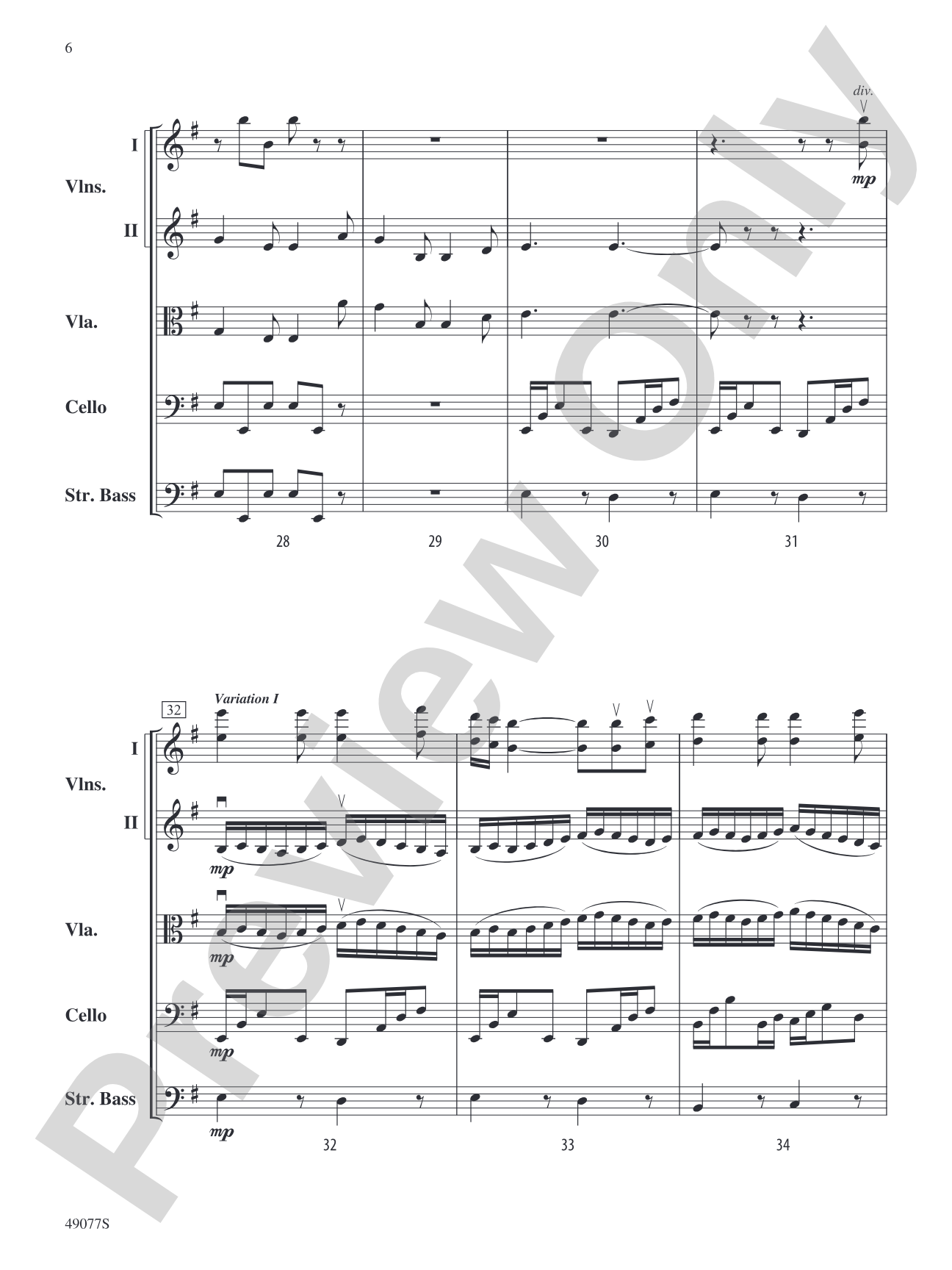
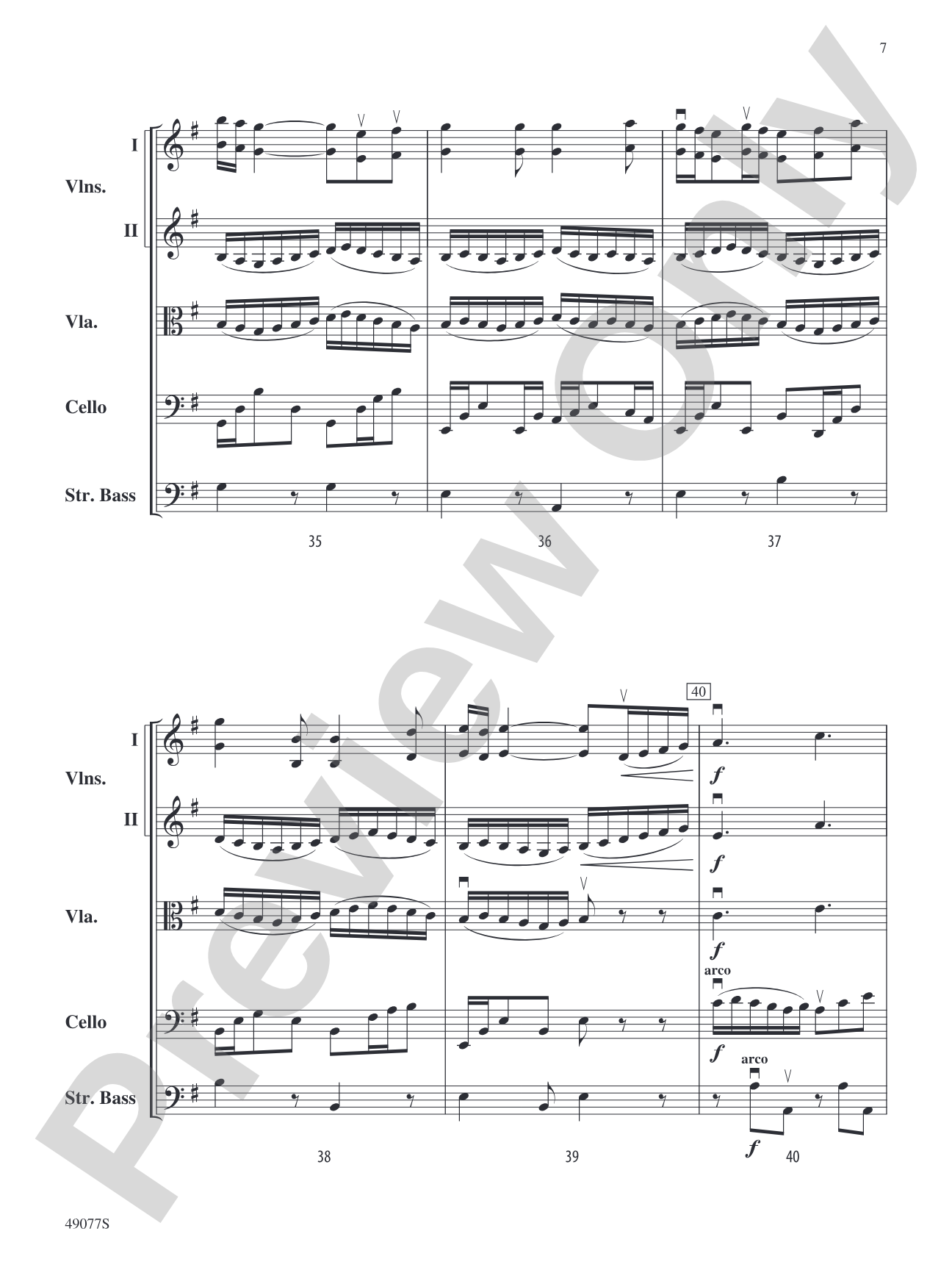
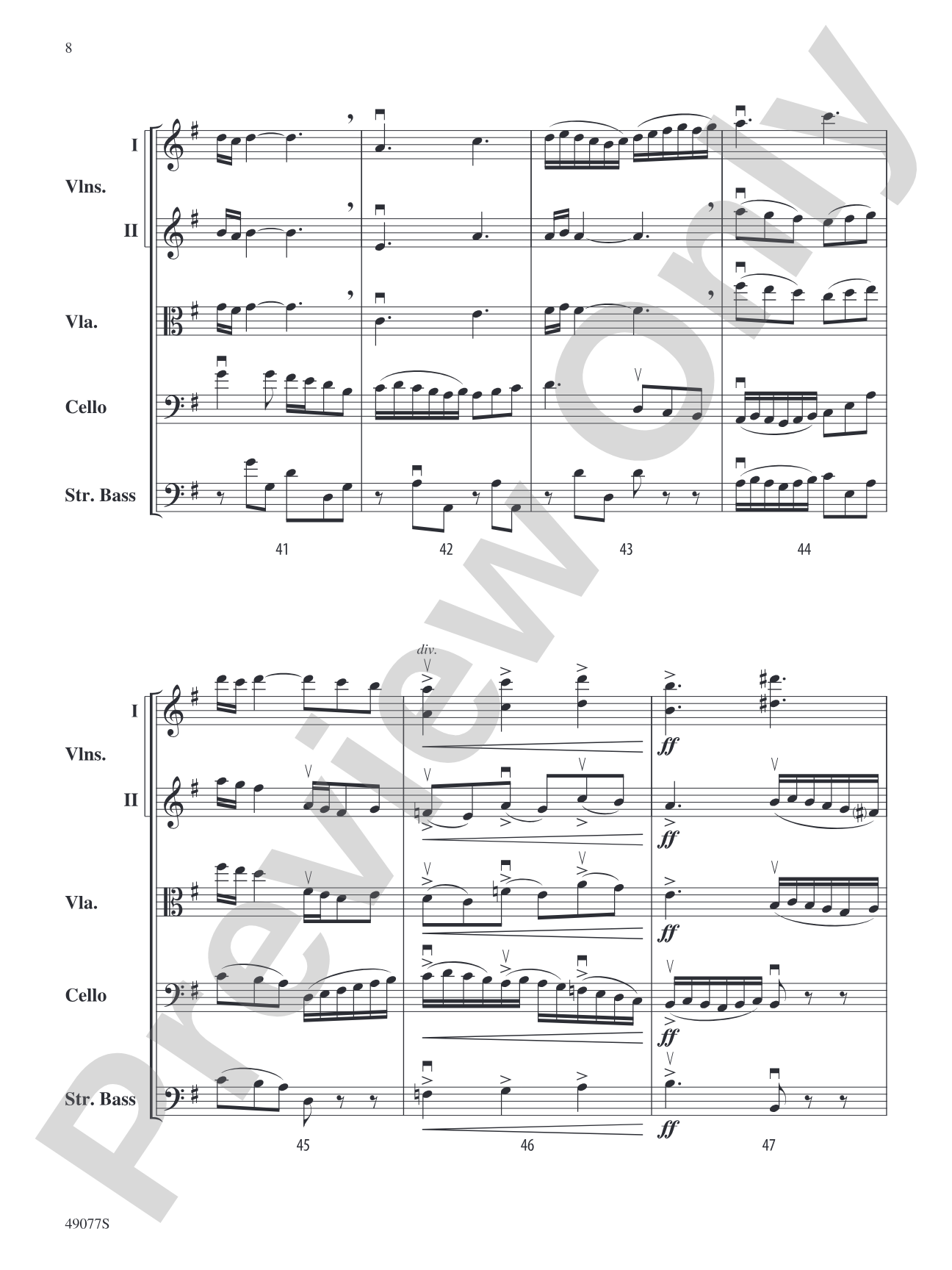
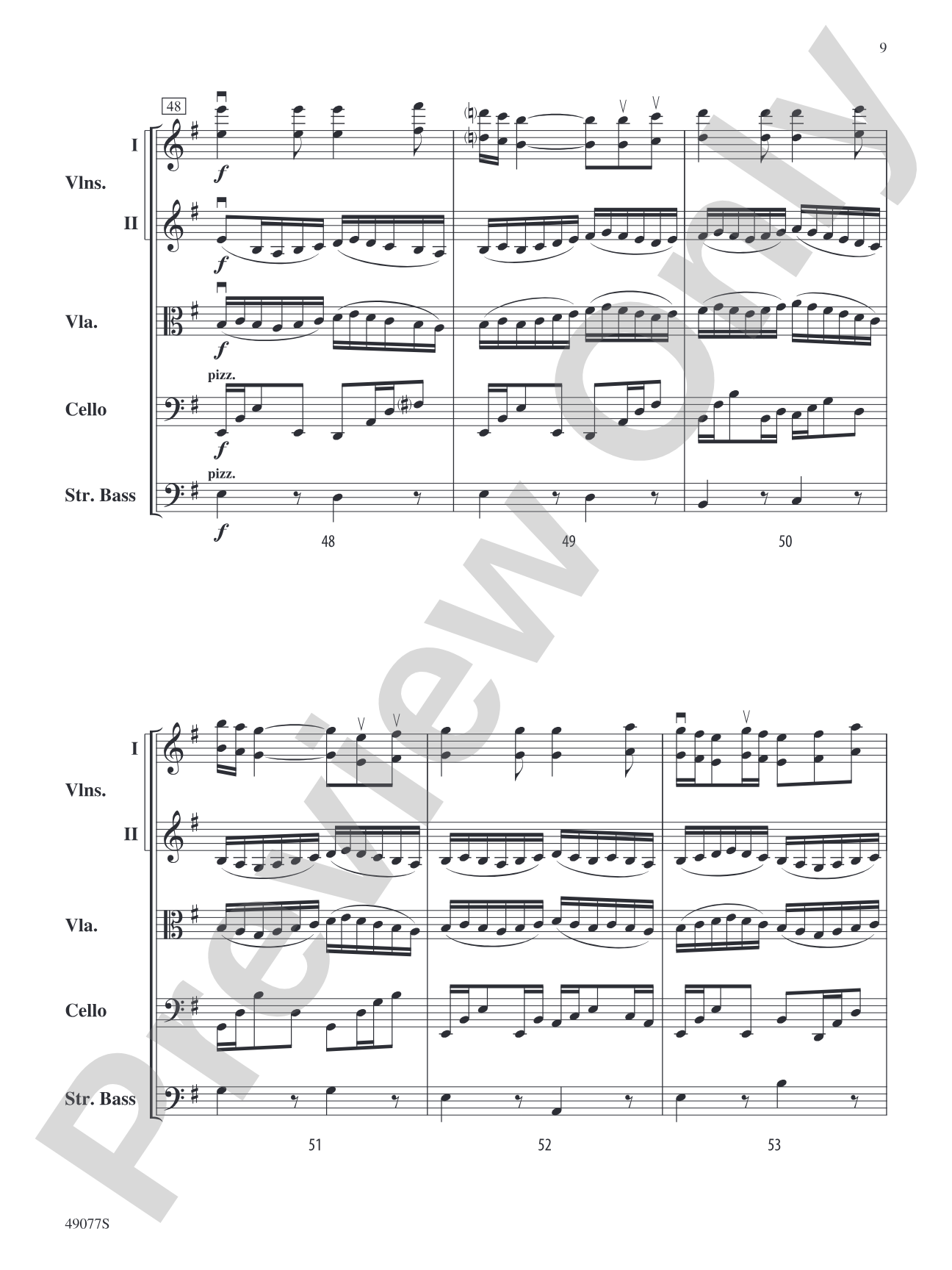
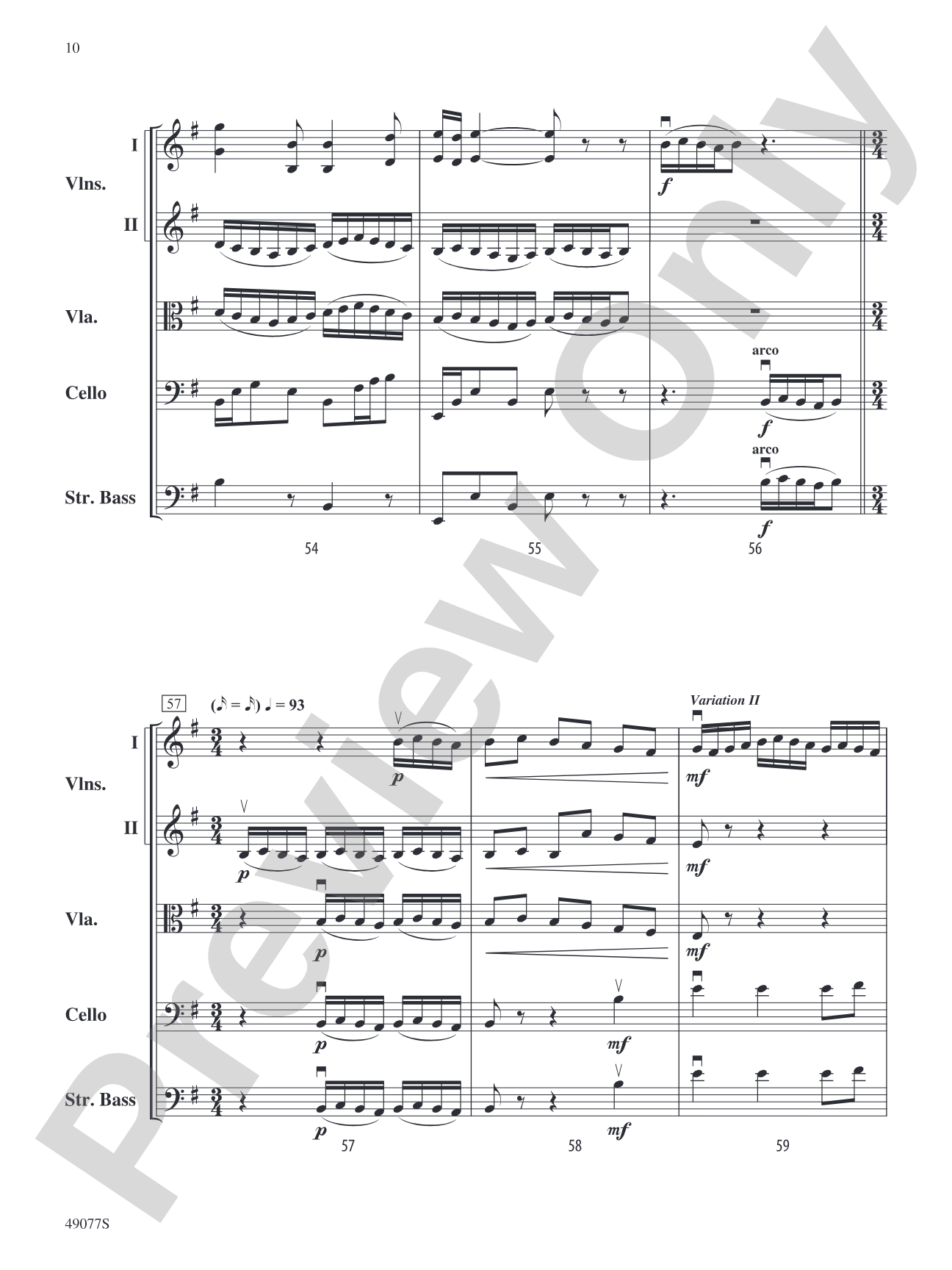
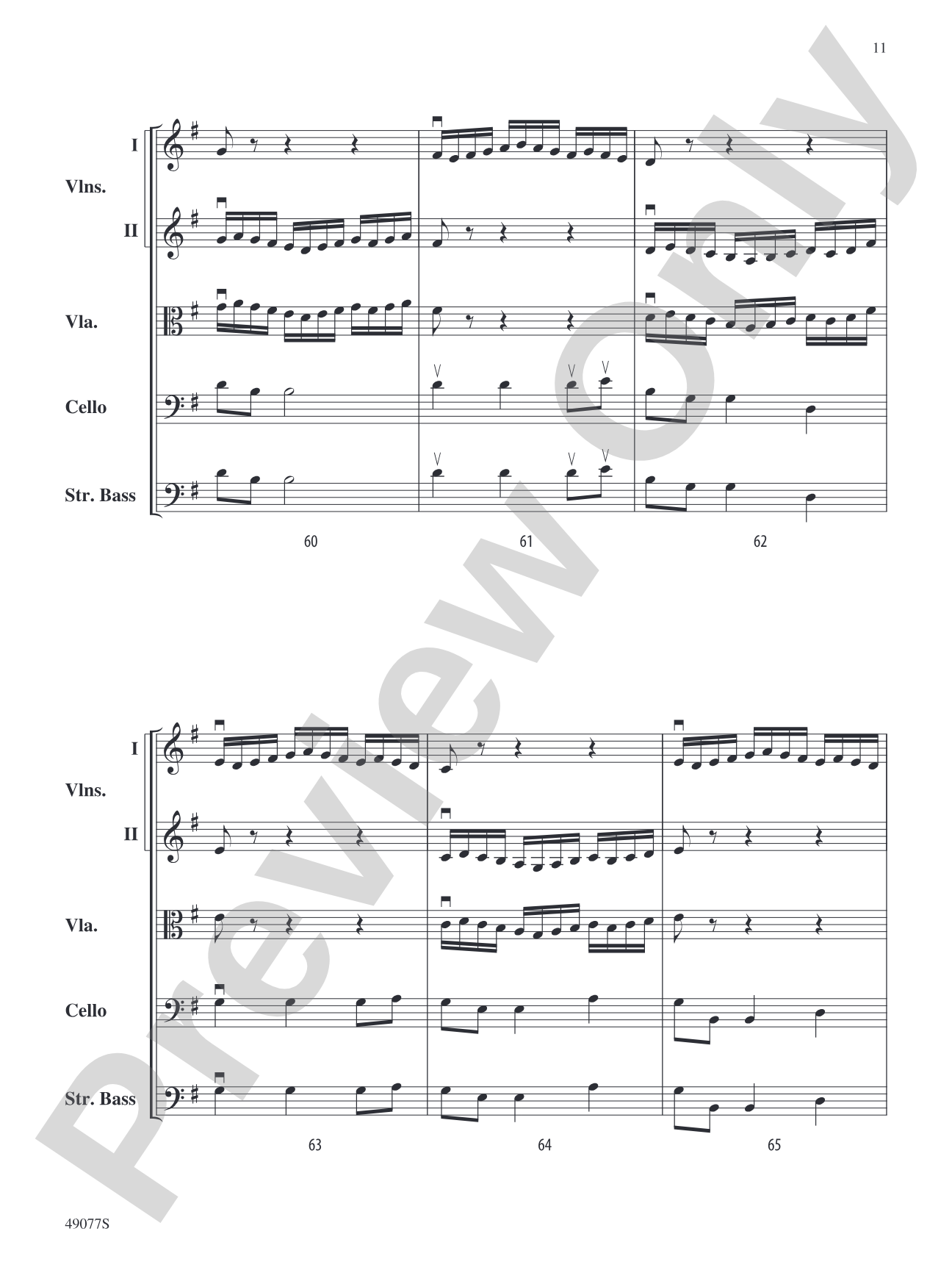
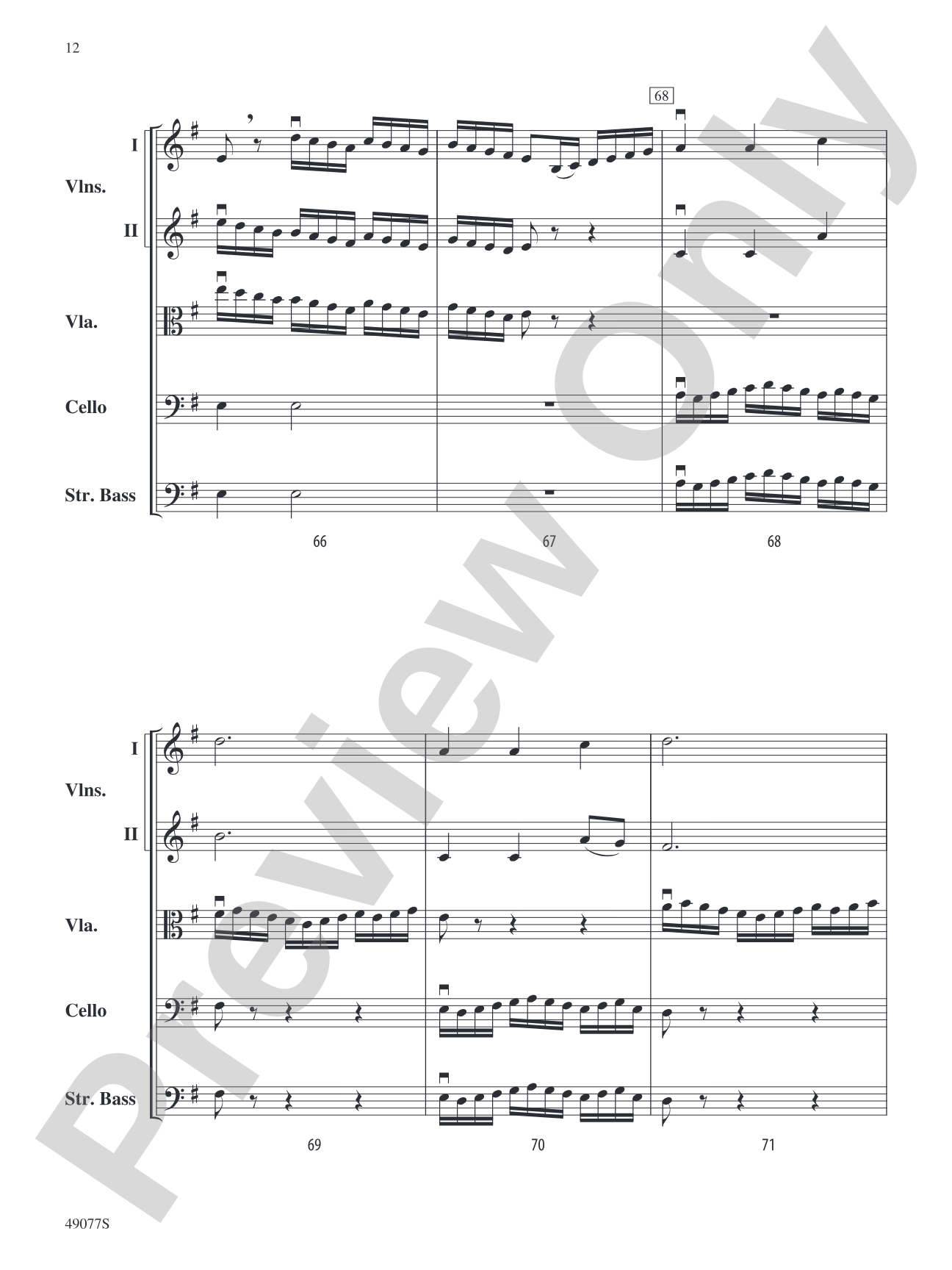
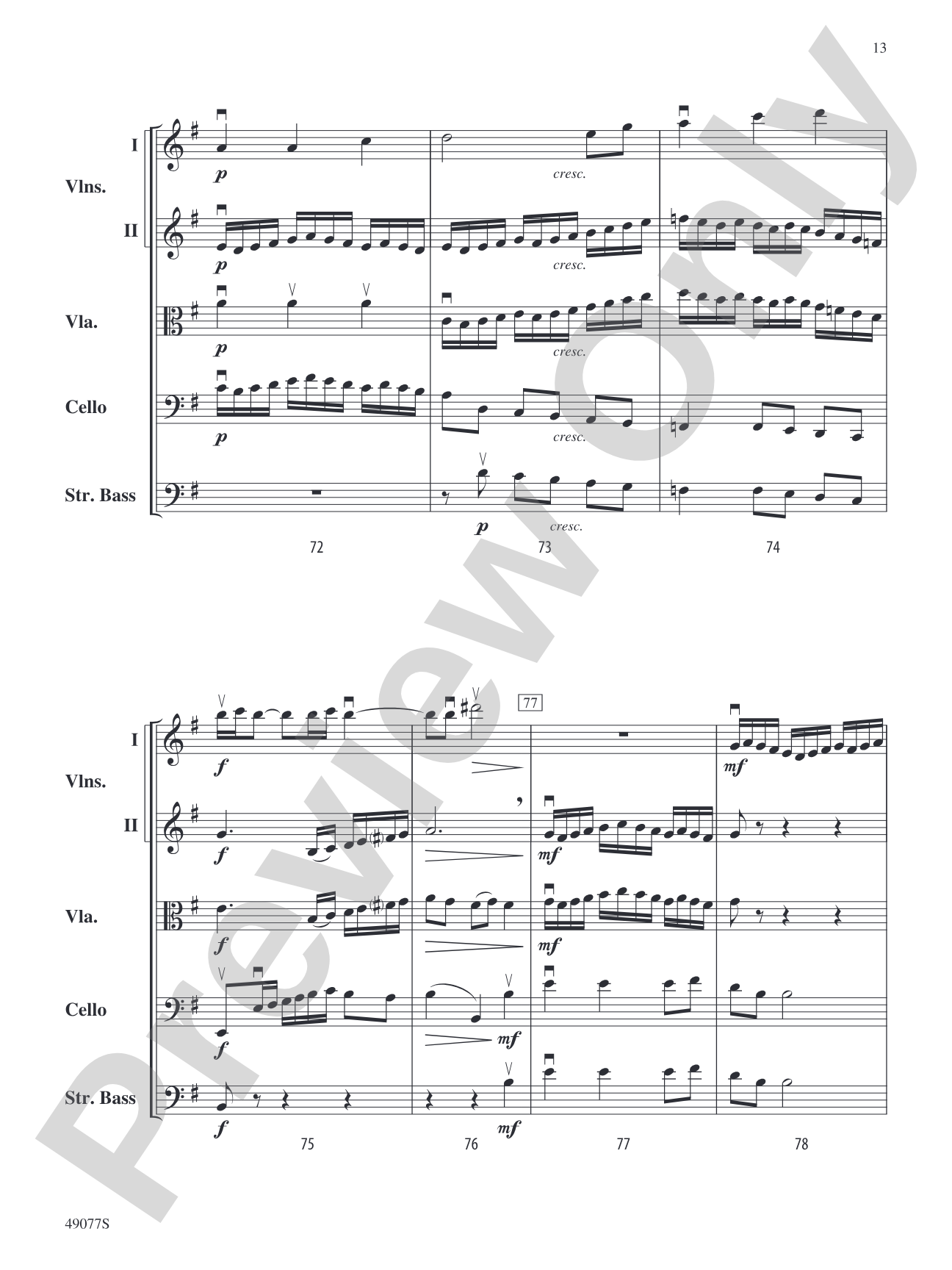
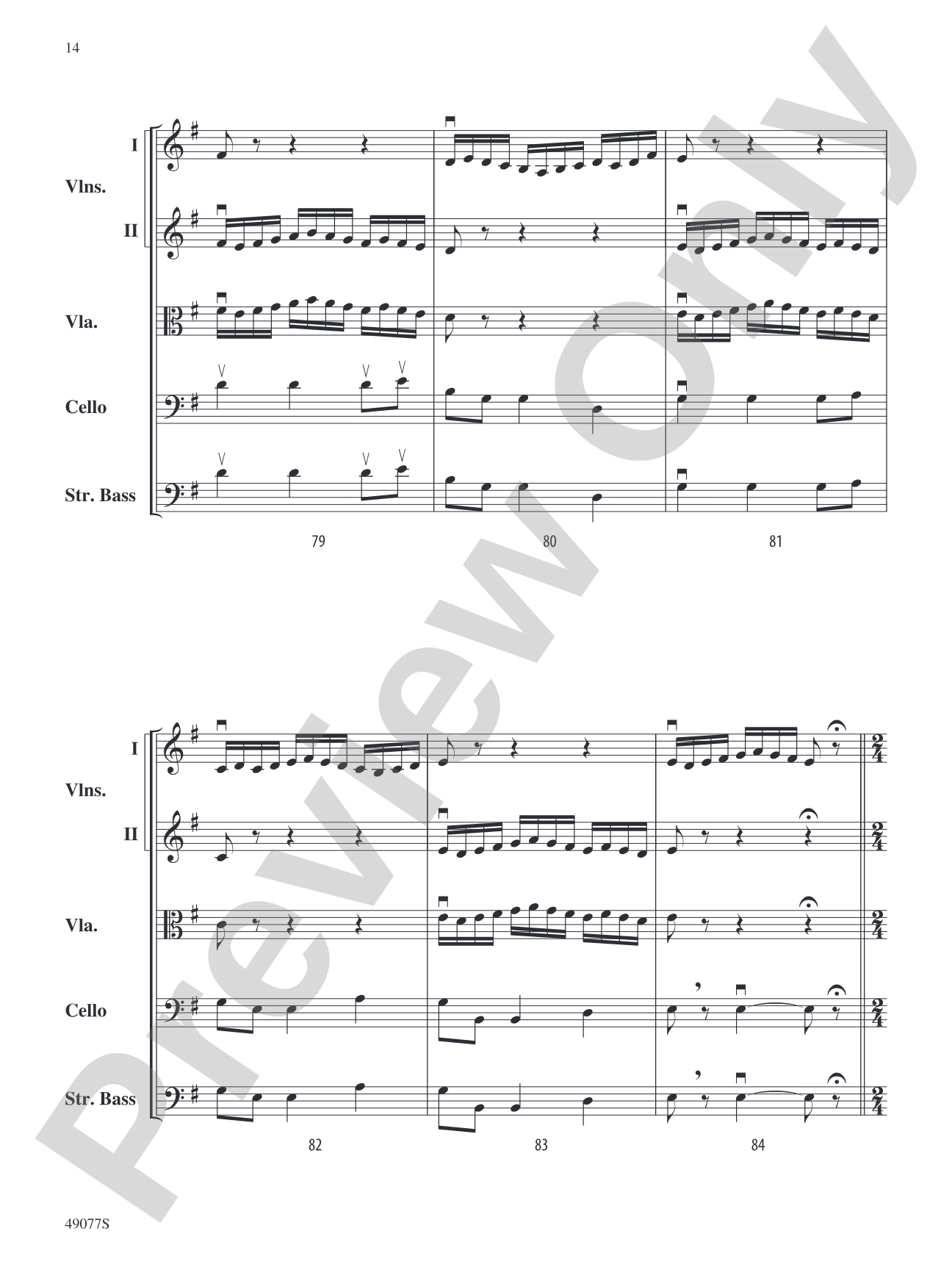
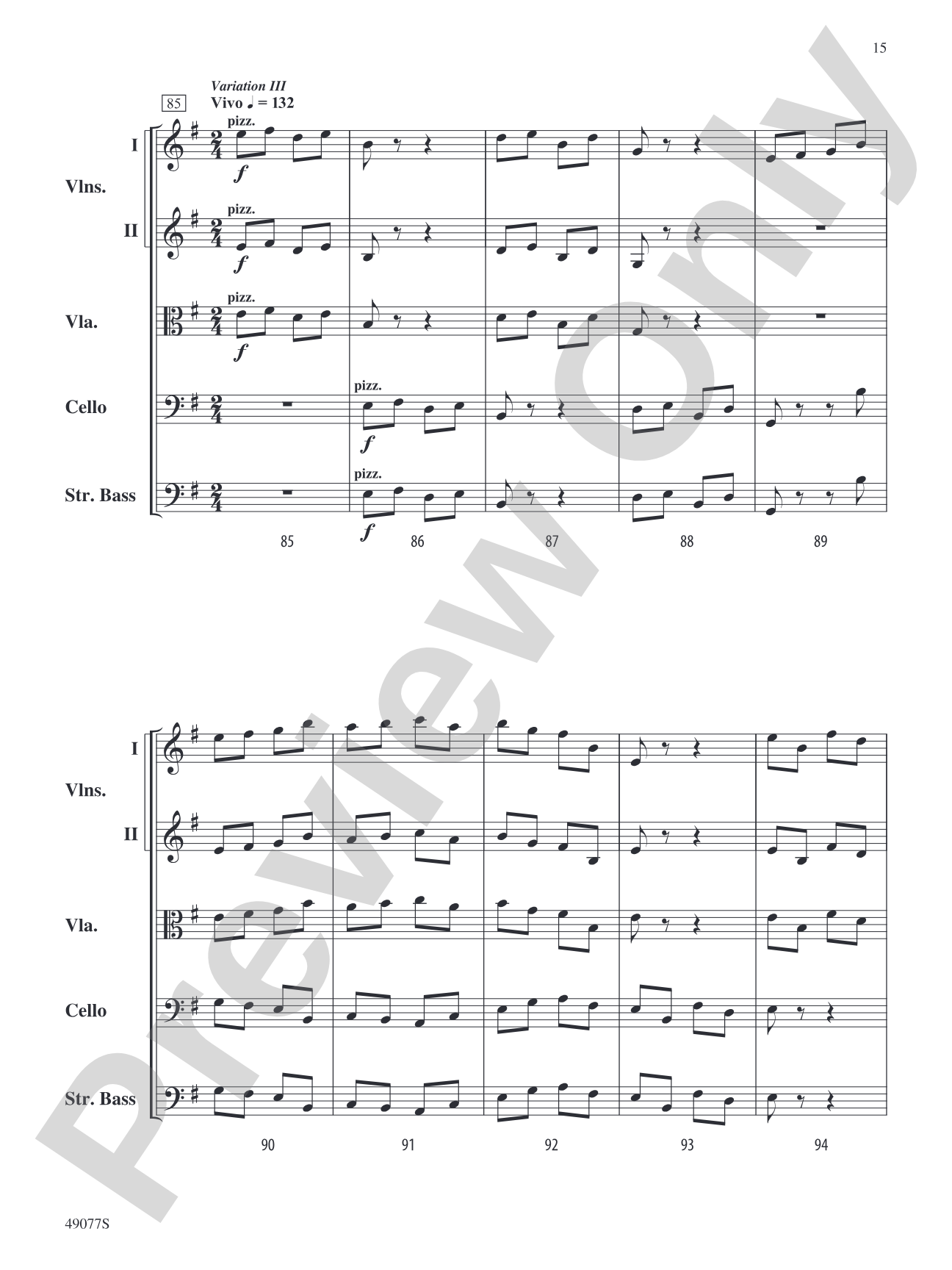
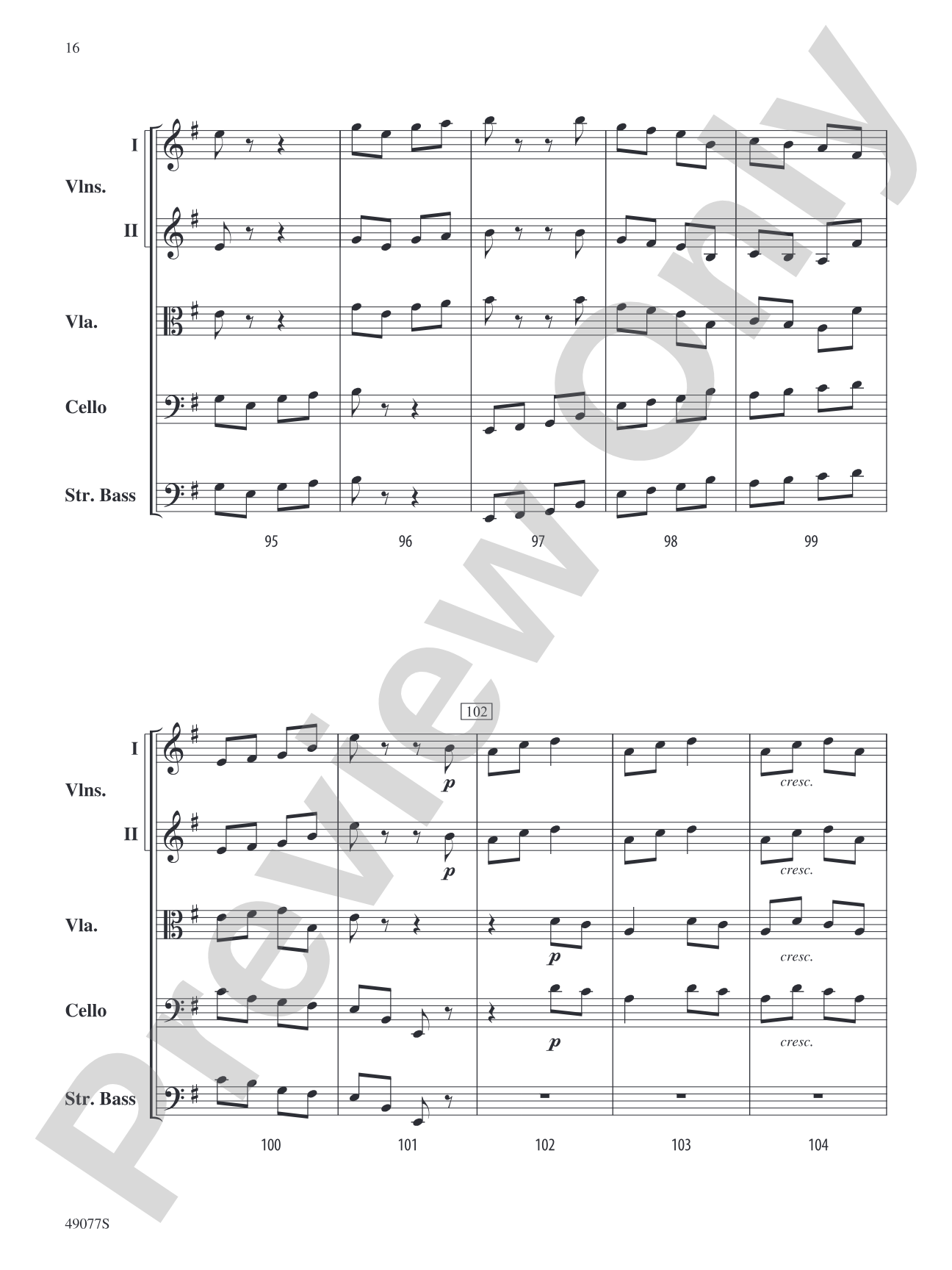
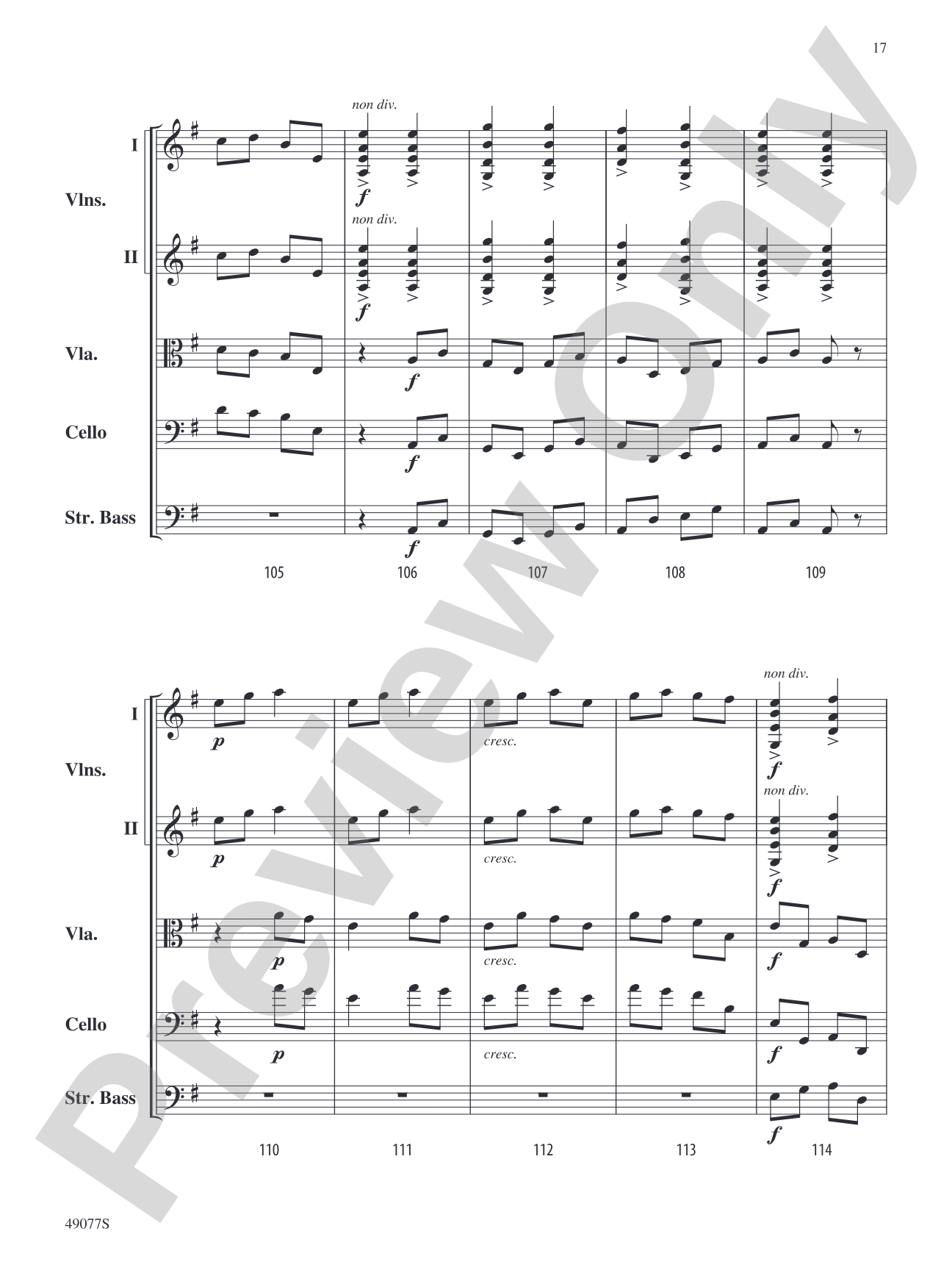
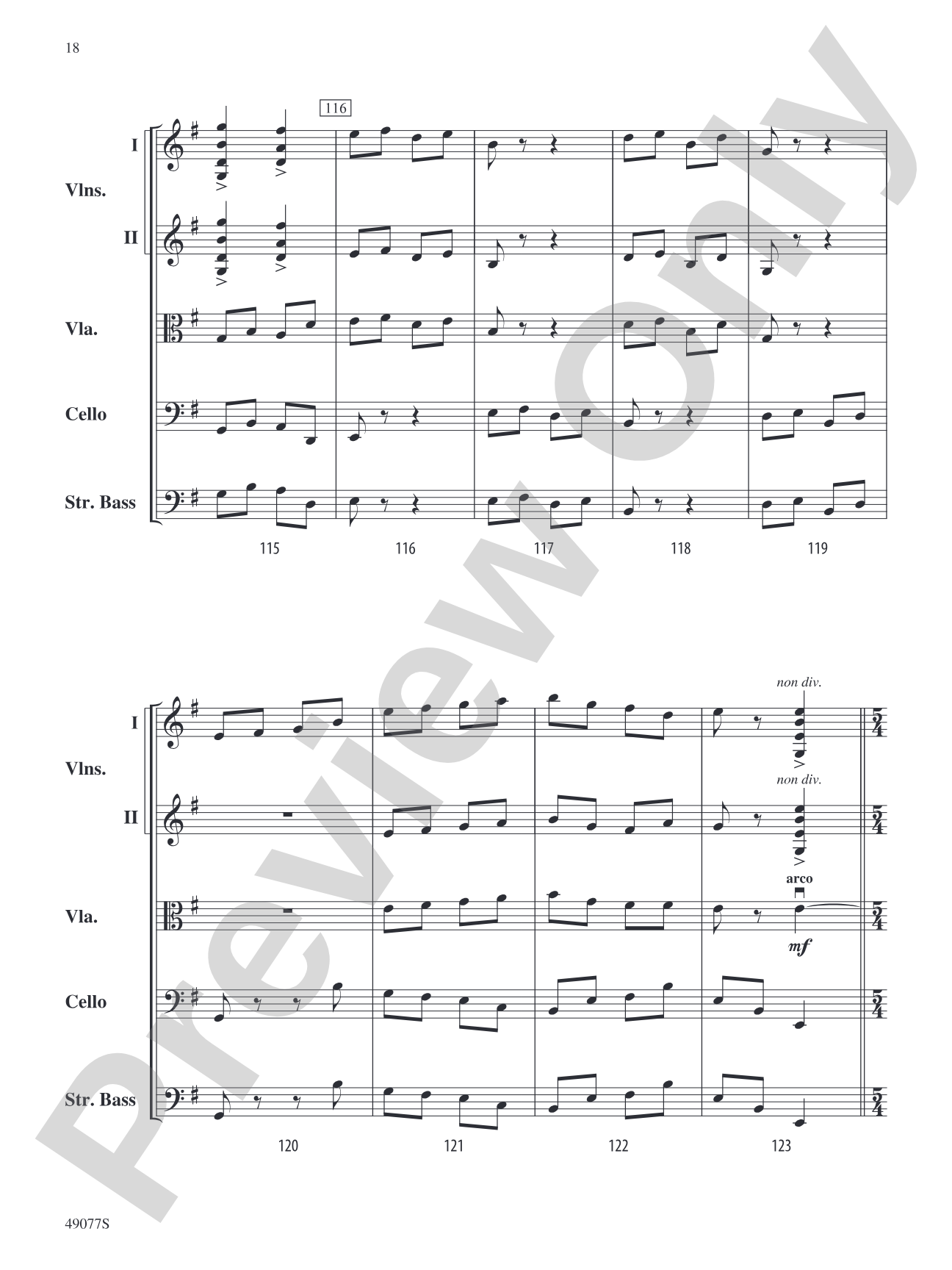
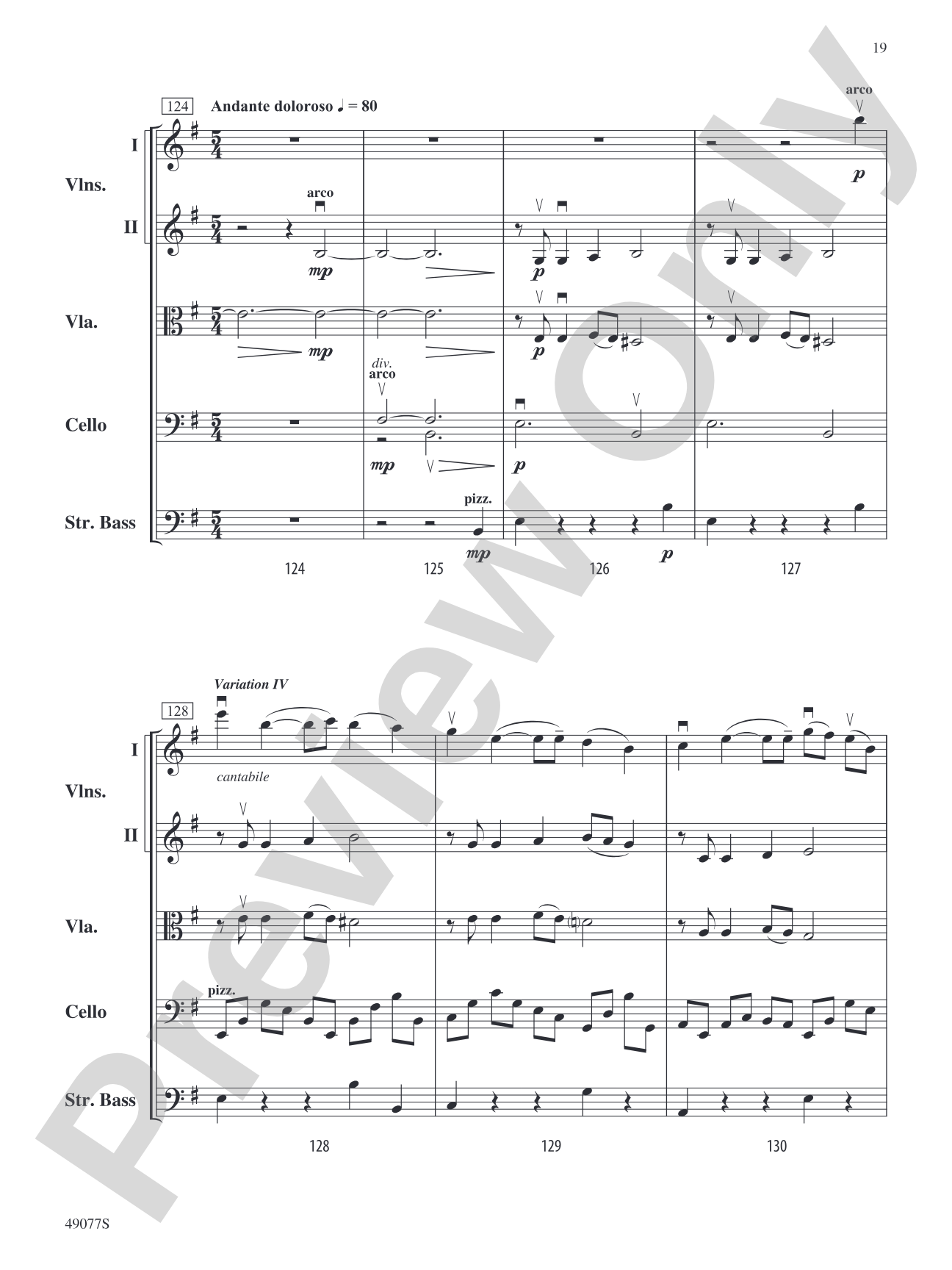
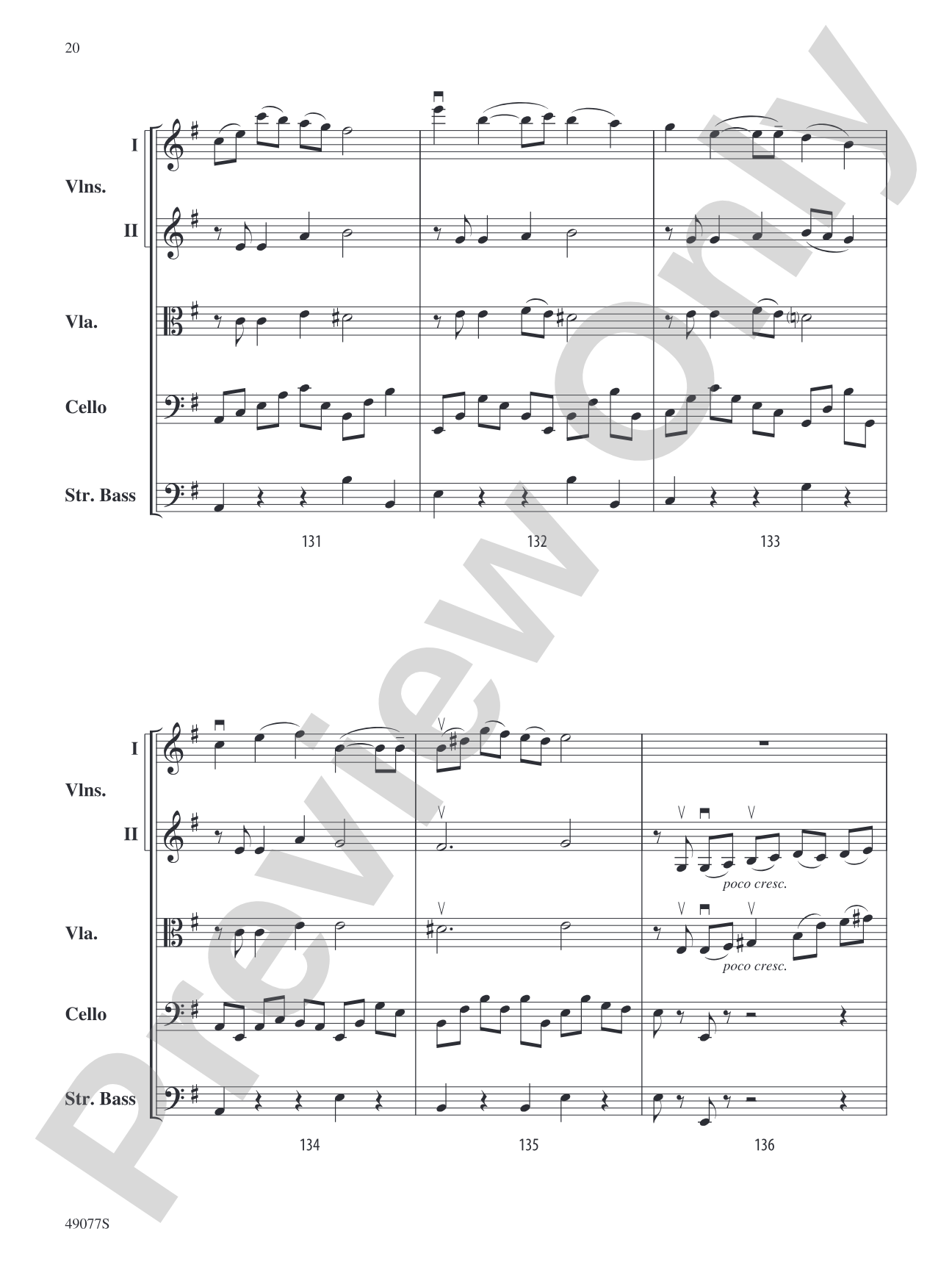
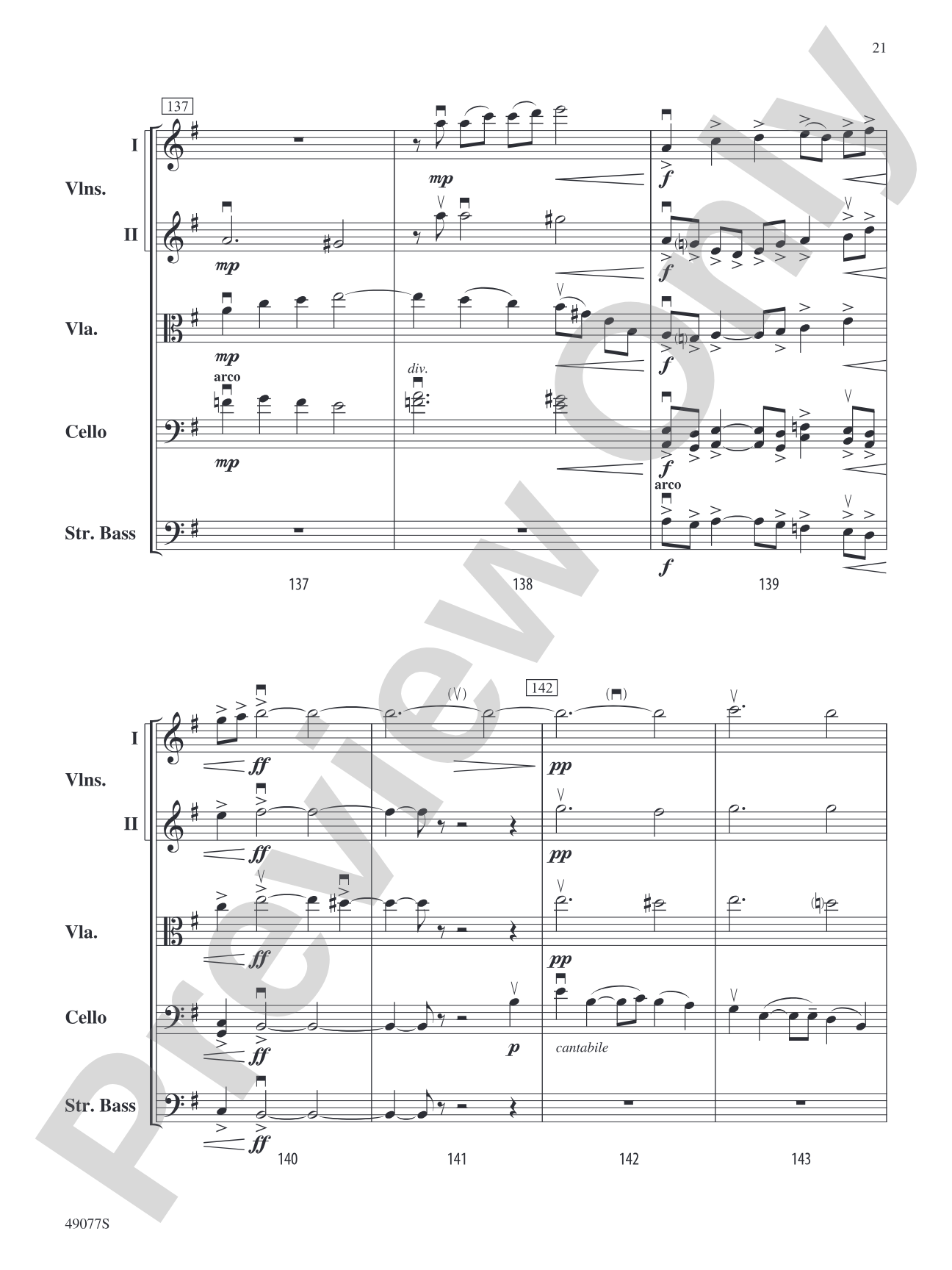
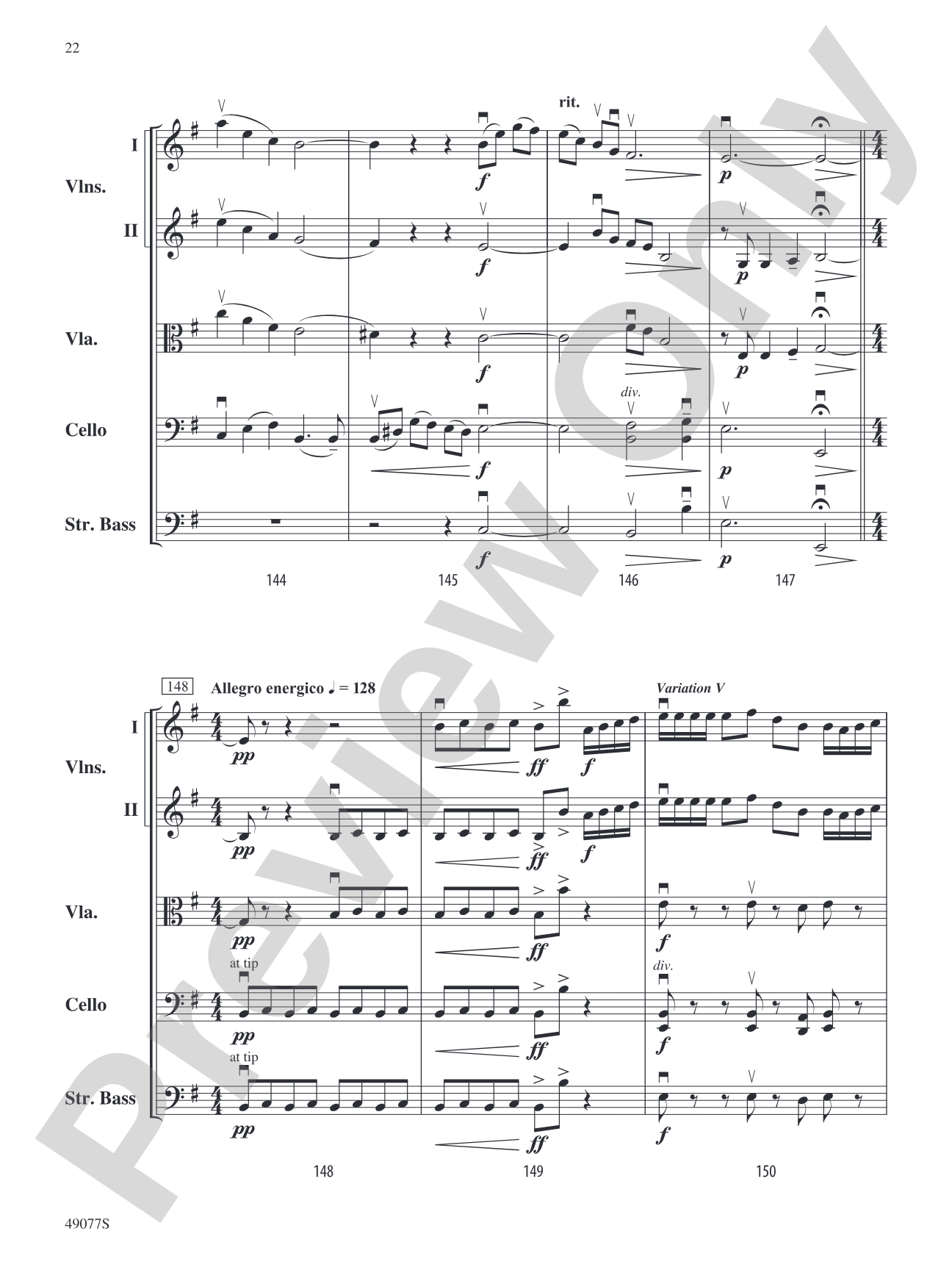
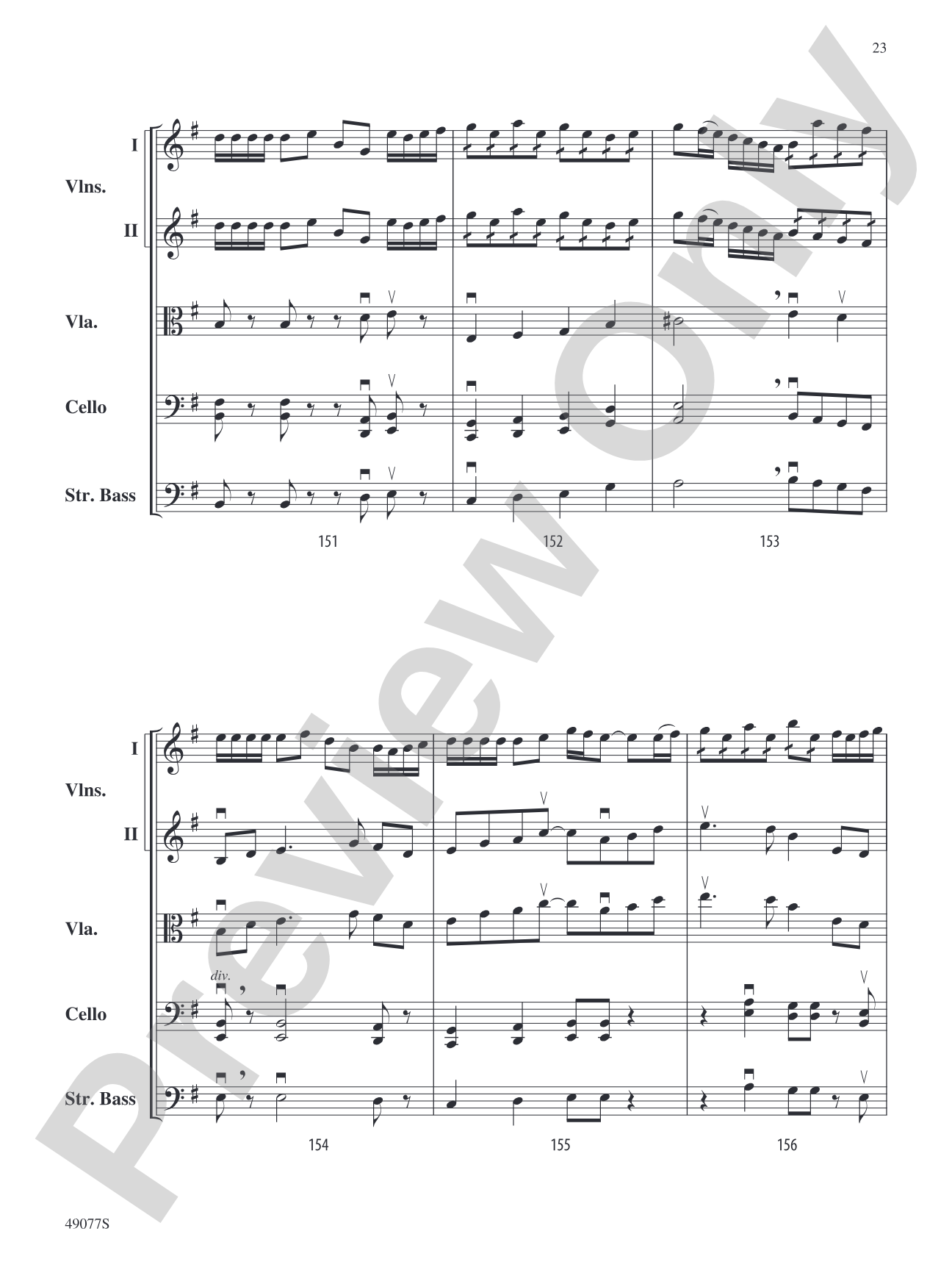
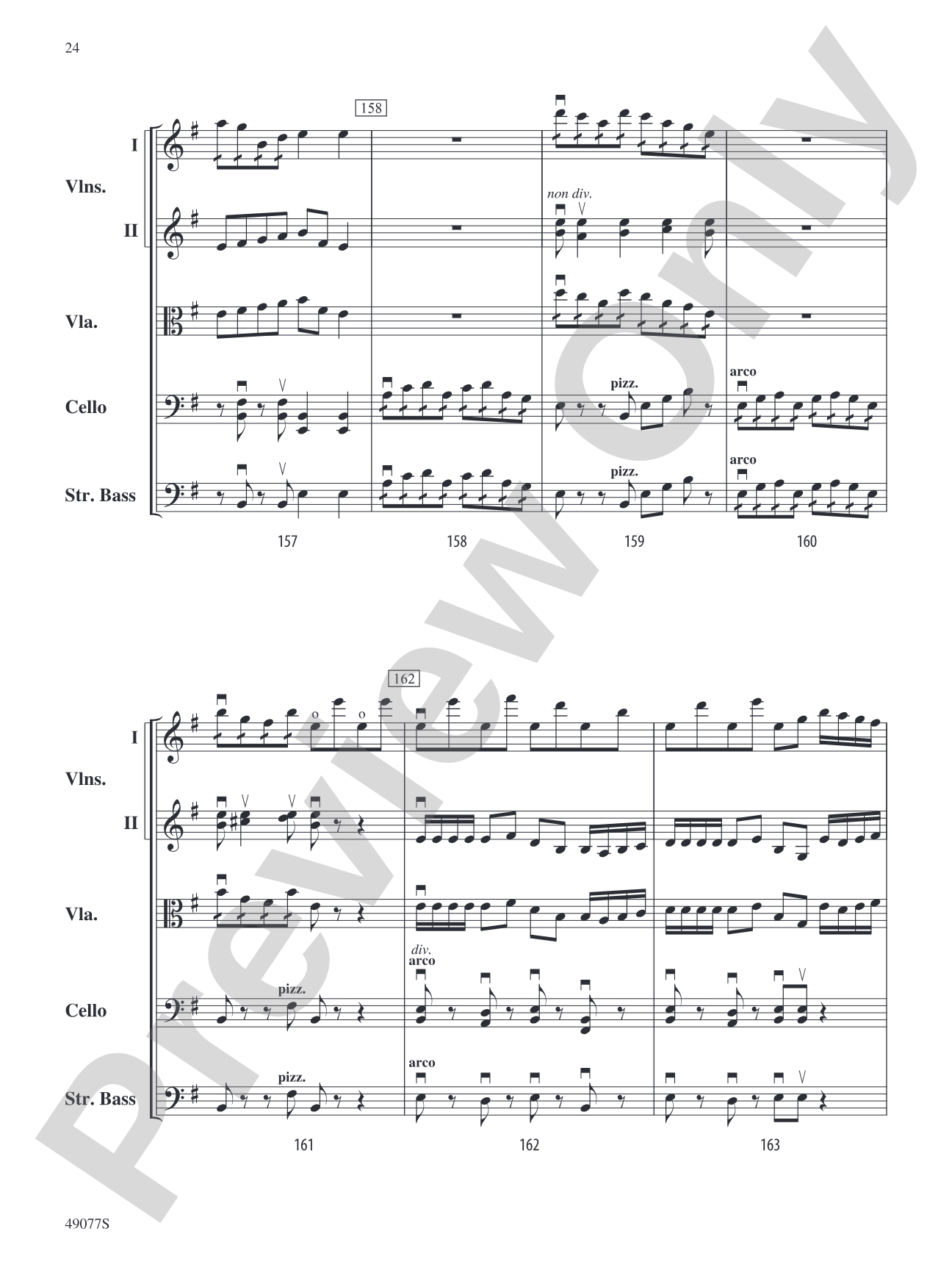
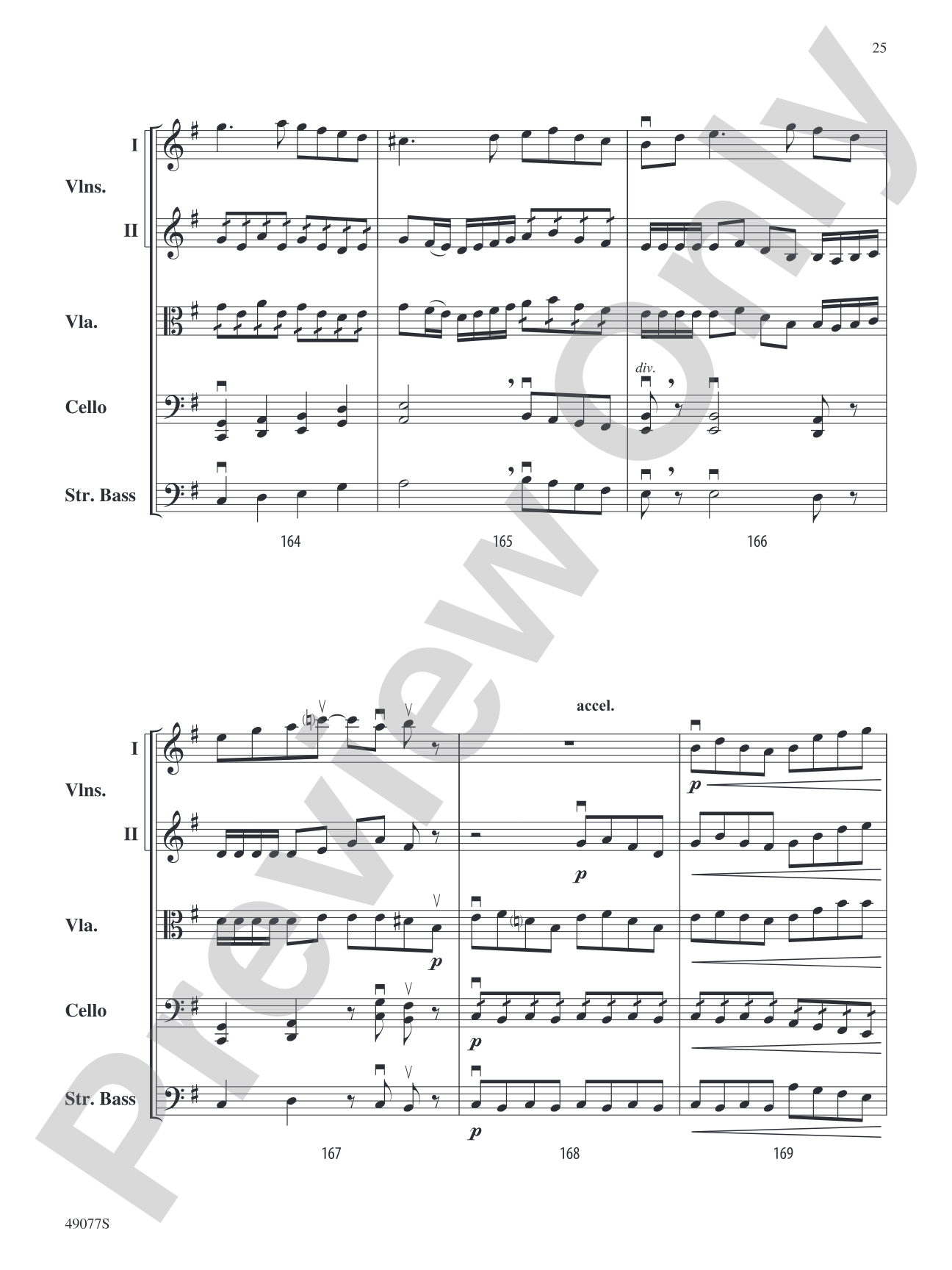
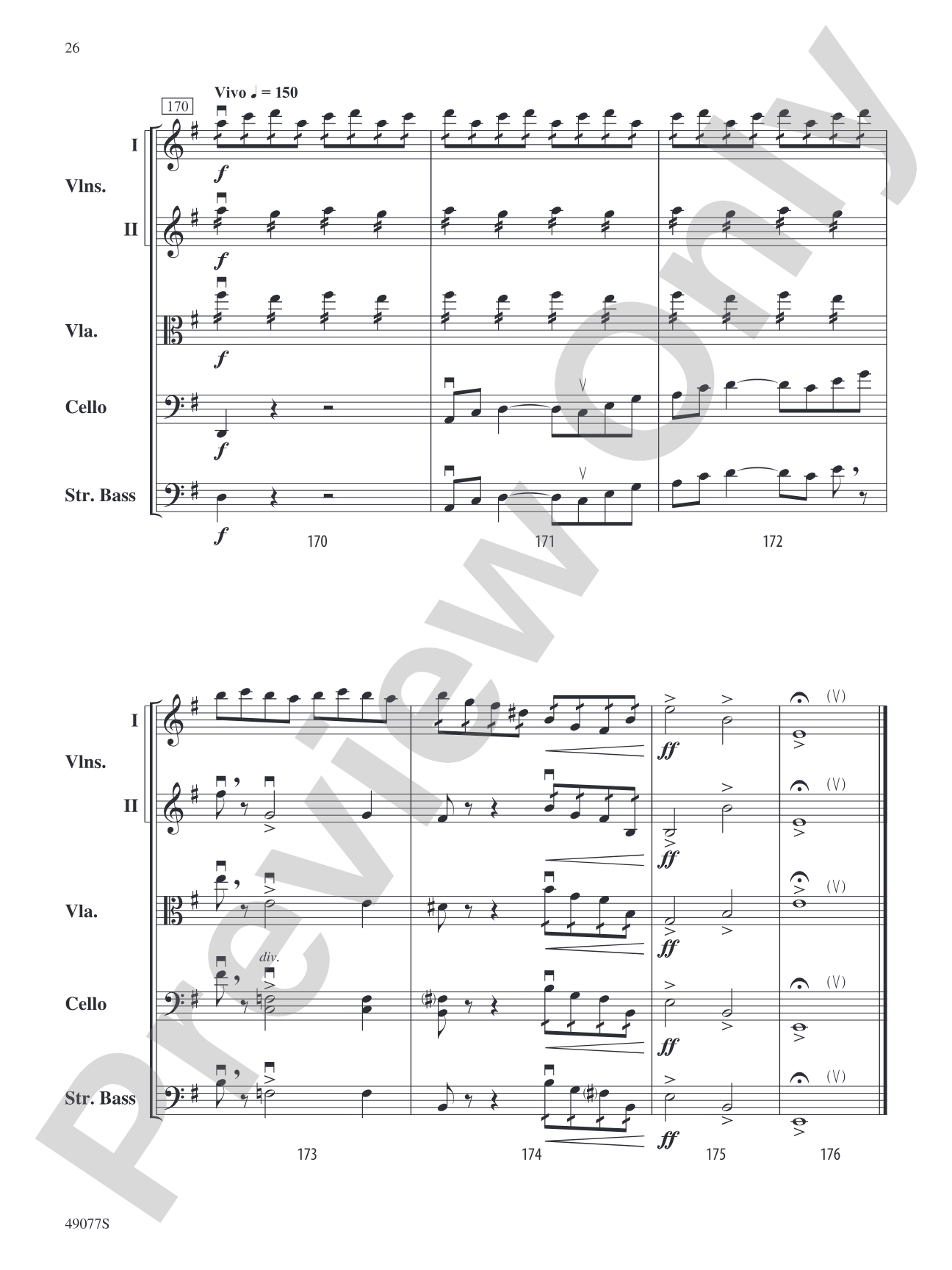

Yakama Variants: Score
By Richard Meyer
Grade: 4
Item: 00-PR-0006862
$10.00
Pickup currently not available
Description
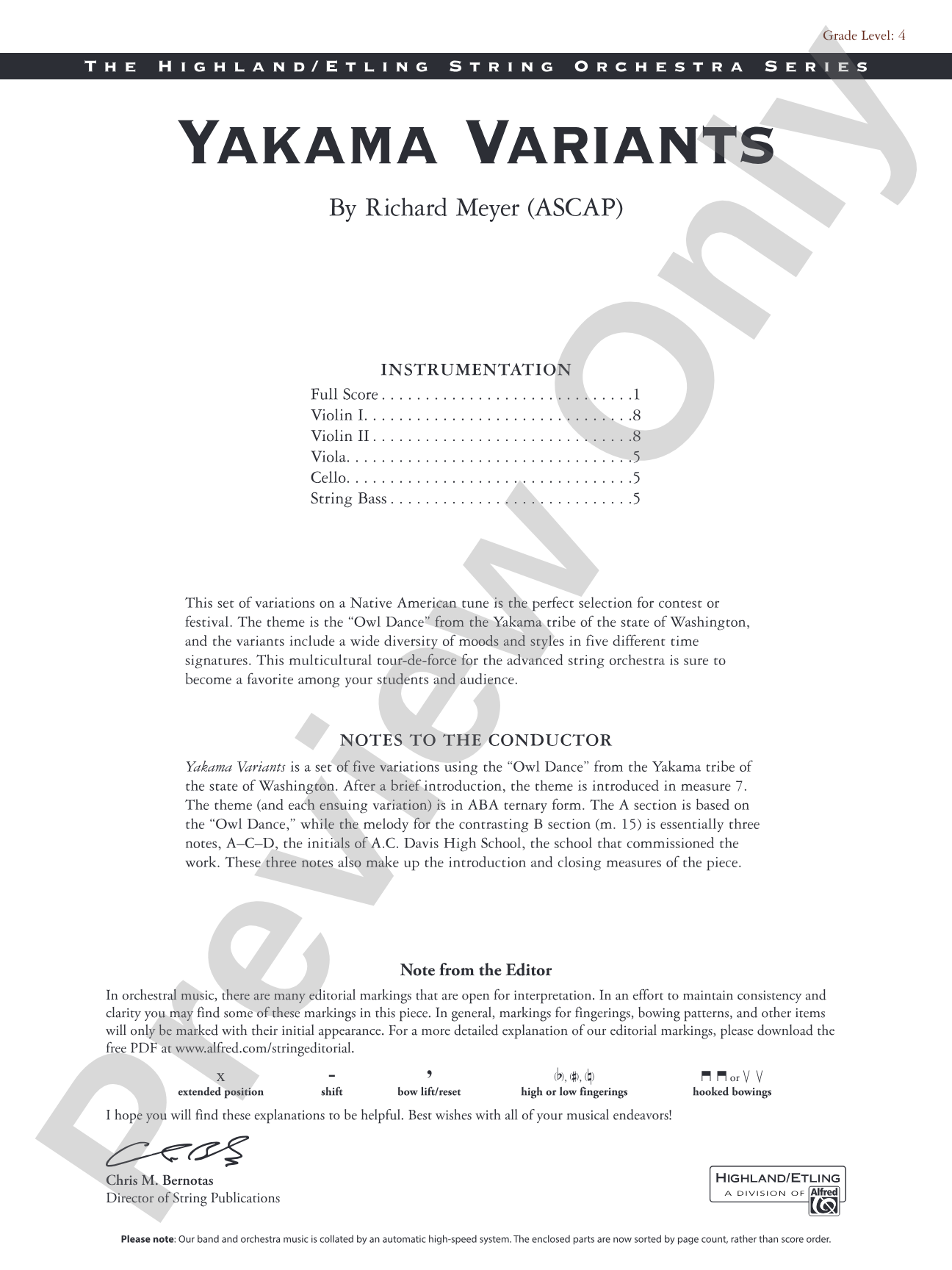
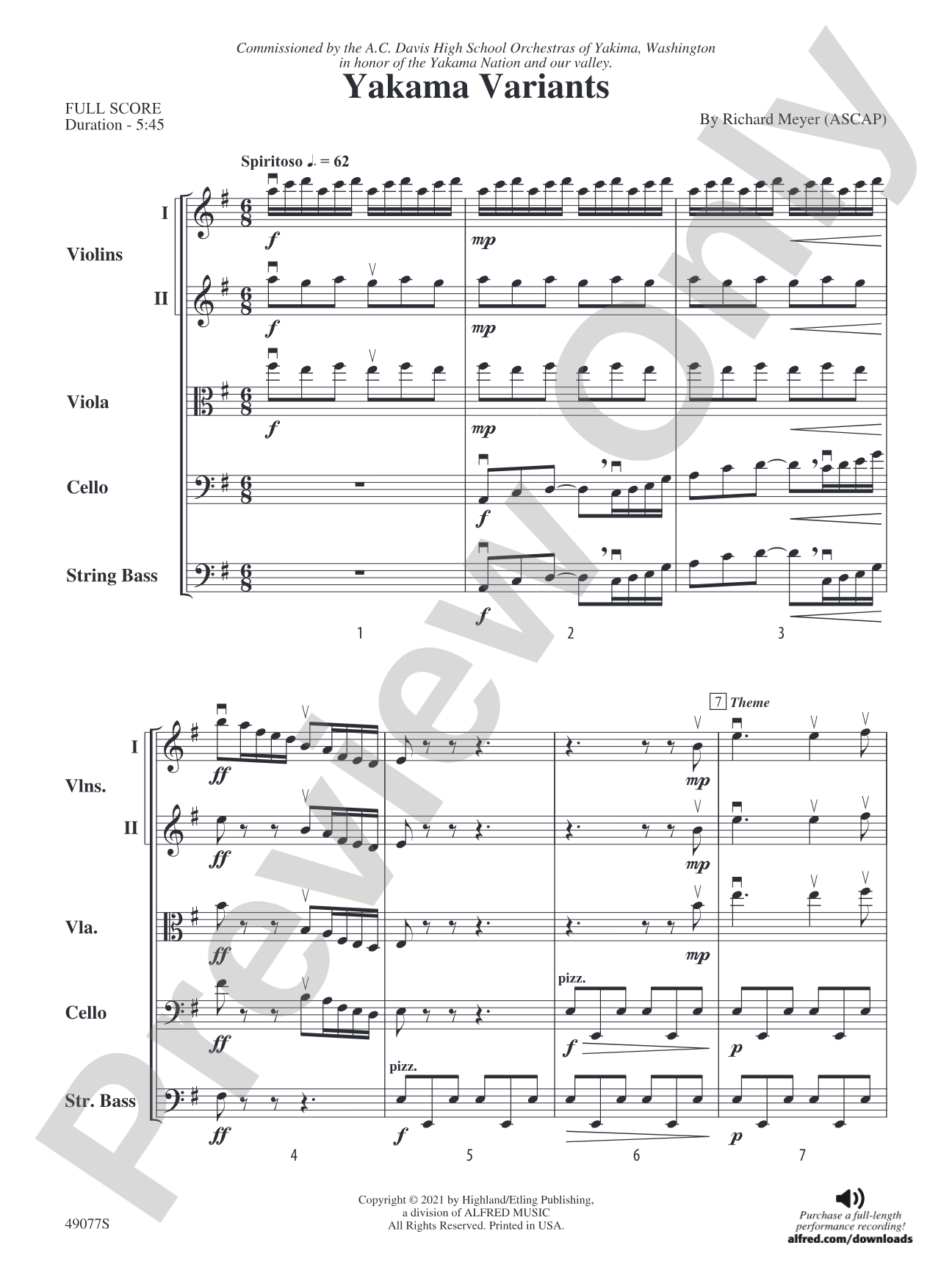
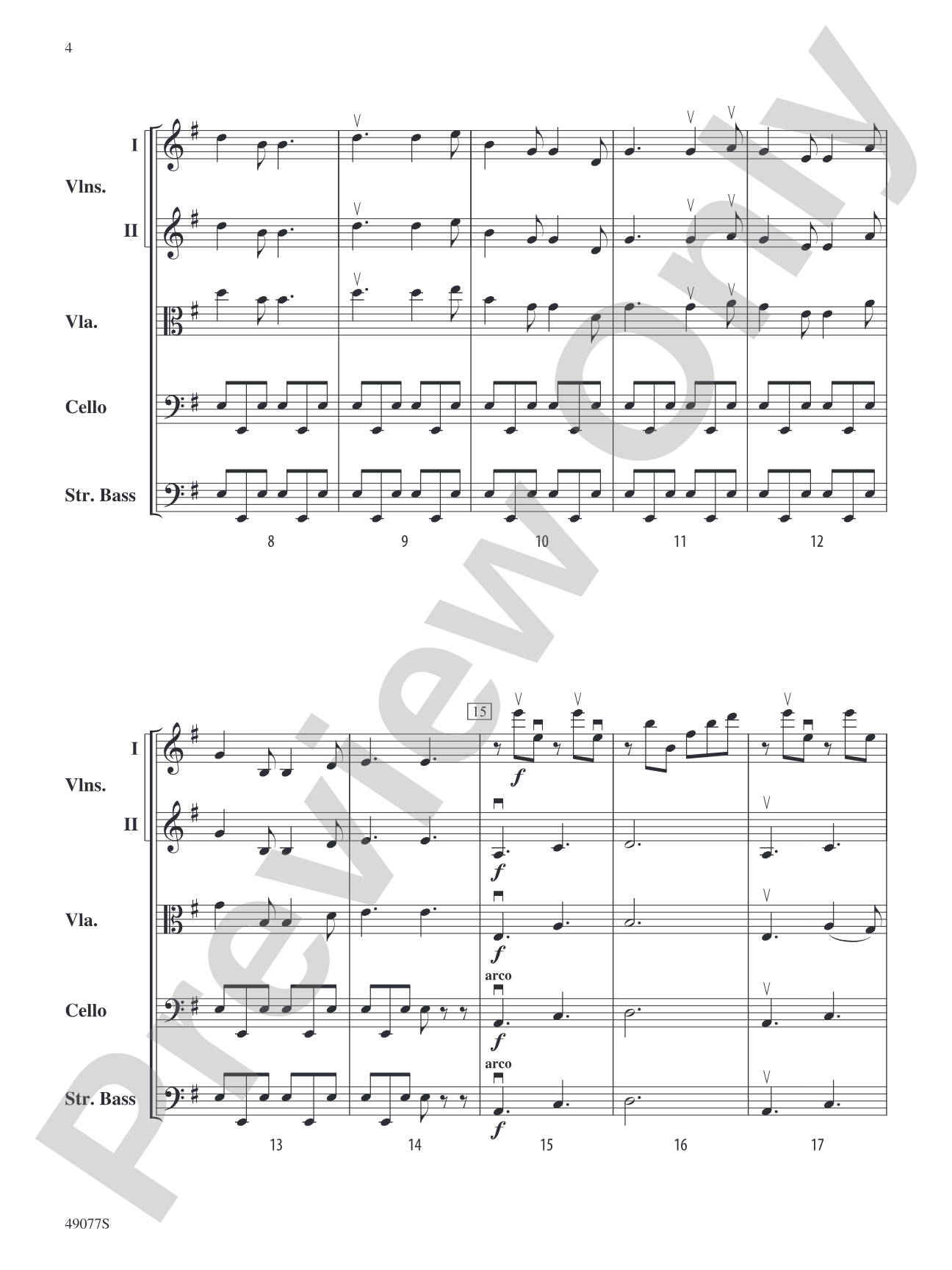
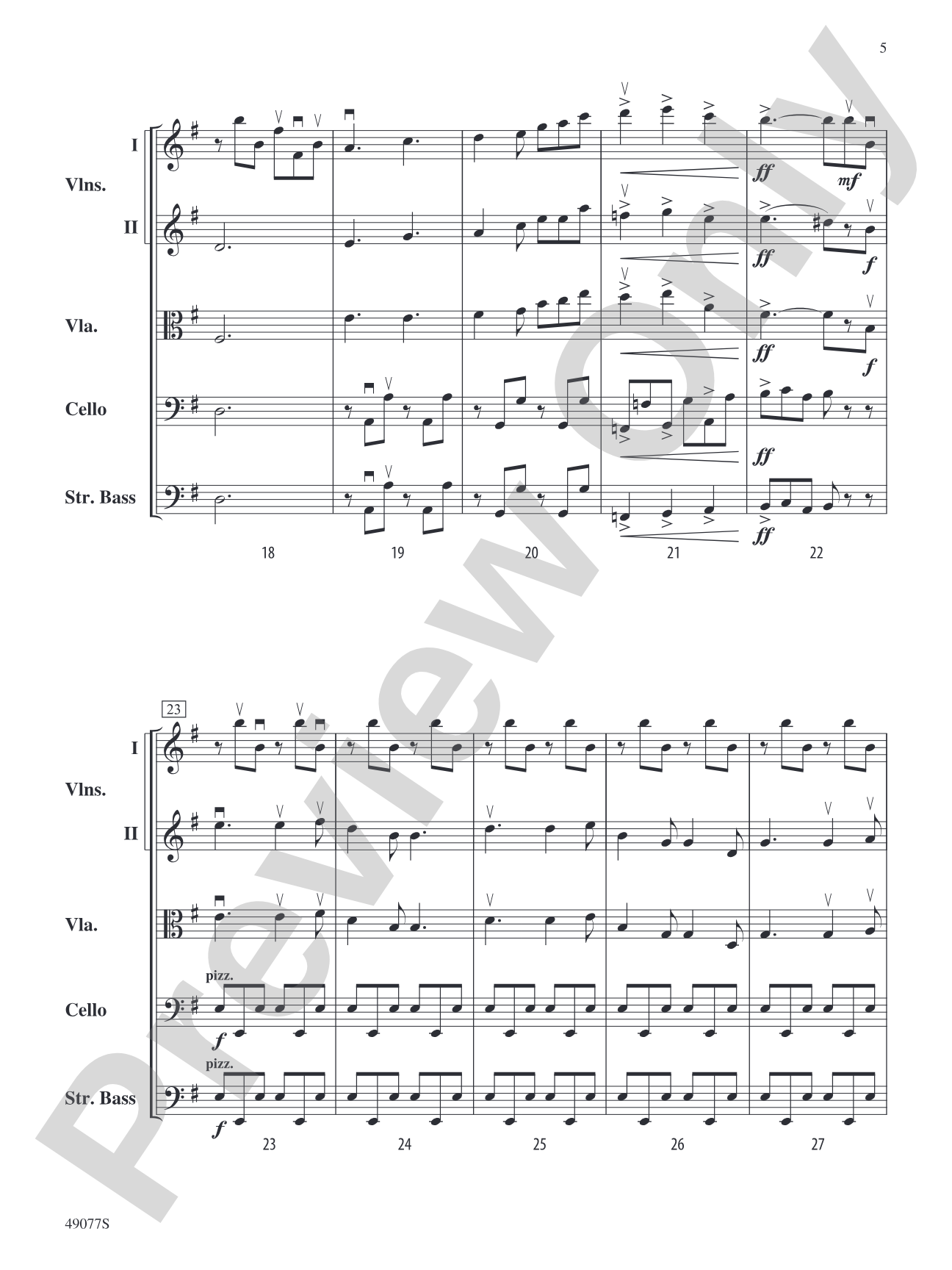
This set of variations on a Native American tune is the perfect selection for contest or festival. The theme is the "Owl Dance" from the Yakama tribe of the state of Washington, and the variants include a wide diversity of moods and styles in five different time signatures. Yakama Variants by Richard Meyer is a multicultural tour-de-force for the advanced string orchestra that is sure to become a favorite among your students and audience. (6:00)


Don't just read it, hear it, play along with it, and watch your students grow with it. In MakeMusic Cloud, Yakama Variants: Score comes alive with professional accompaniment, adjustable tempo, and built-in practice tools that turn solo practice into real progress.
Open in the Player
Jump straight in and assign it today.
Start Your Free Trial
Open this title and explore the full library in minutes.
Sample Audio
1
Audio File
--:--
0:00
0:00
Sample Video
Additional Details
Series:
Highland/Etling String Orchestra
Publisher:
Alfred Music
Page Count:
152
SKU:
00-PR-0006862
More about this title
About the Composer: Richard Meyer

Richard Meyer brings three decades of string teaching experience to his work as a composer and conductor. He transformed Oak Avenue Intermediate School's orchestra program from 29 students to 200 over 22 years, while simultaneously directing the city's elementary string initiative and serving as music director of the Pasadena Youth Symphony Orchestra for 16 years. His "Giving Bach" program, launched in 2009, pioneered interactive concerts that reach special needs and underserved students throughout Southern California and has become a national model.
Meyer's compositional voice reflects his deep roots in music education. With nearly 200 works in print, he has been a featured clinician at the A.S.T.A. National Conference and regional orchestra directors' associations. He spent 16 years as string editor for Alfred Publishing Company and co-authored the String Explorer Series and Sight-read It for Strings, resources widely used in school programs across the country.
Why we love this
Meyer's handling of the Yakama "Owl Dance" theme shows a composer who understands what makes a piece memorable for young orchestras without oversimplifying it. The five different time signatures demand real growth from your ensemble, yet the variations stay rooted in a theme strong enough to hold everything together through stylistic contrasts. This is exactly the kind of substantial, culturally grounded repertoire that feels like a real musical journey rather than a one-off piece.
What to expect
The piece opens with the quiet power of a Yakama ceremonial melody, then spirals outward through moods that range from lyrical and reflective to energetic and driving, each variant landing in a different rhythmic space. The orchestration breathes with the kind of sophistication that respects the source material while showcasing what a skilled string ensemble can achieve.
Who it's for
Grade 4 string orchestras competing at contests or festivals, or any advanced ensemble looking for a single substantial work with real depth and cultural authenticity. Directors seeking repertoire that challenges rhythmic reading, ensemble balance, and interpretive maturity will find this a natural fit.
How to get the most out of it
- Pay close attention to meter changes in sectional rehearsals before running full passages. Having individual sections internalize the rhythmic feel of each variant independently prevents the conductor from having to constantly stop the ensemble mid-piece.
- Balance the Native American tune against Meyer's orchestral treatments by keeping the theme always audible. When the variations intensify, the underlying melody should still anchor the listeners' ear.
- Explore the dynamic and textural contrast between variants in coaching sessions. Meyer uses different instrumental combinations to define each section, so make those orchestration choices visible to your players.
How to use it
This works beautifully as a closing piece on a festival program, where six minutes of substantive, multicultural music leaves a strong final impression. It can also anchor a concert devoted to world music or indigenous traditions, or serve as your advanced ensemble's contest selection when you want something that stands out for musicality rather than flash.
Skills your students will build
- Reading and executing five different time signatures within a single work
- Balancing independent melodic lines across string sections while maintaining rhythmic cohesion
- Responding to significant textural and dynamic shifts between variations
- Interpreting cultural source material with respect and musical sophistication
- Sustaining focus and ensemble control across a six-minute continuous form