
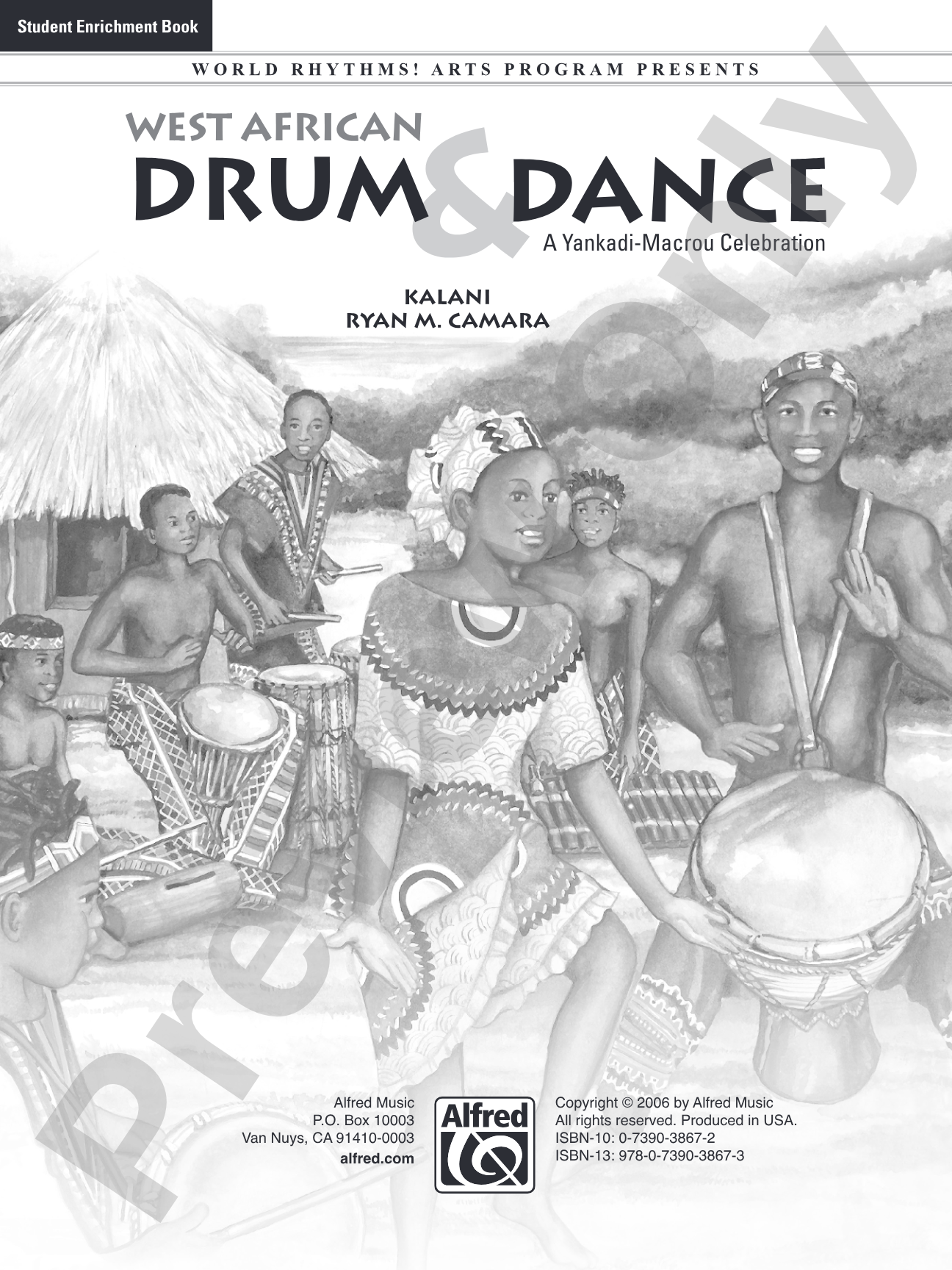
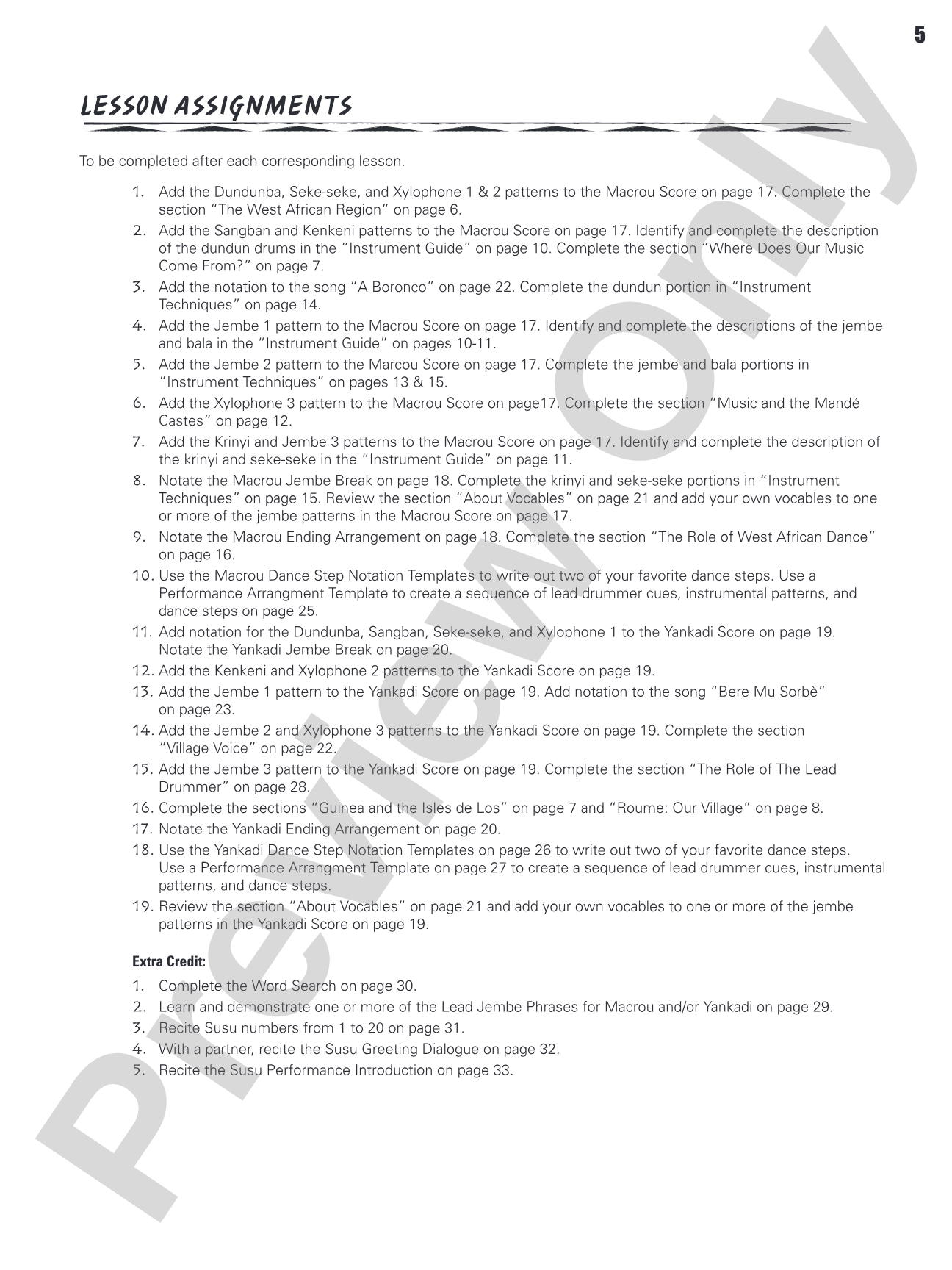
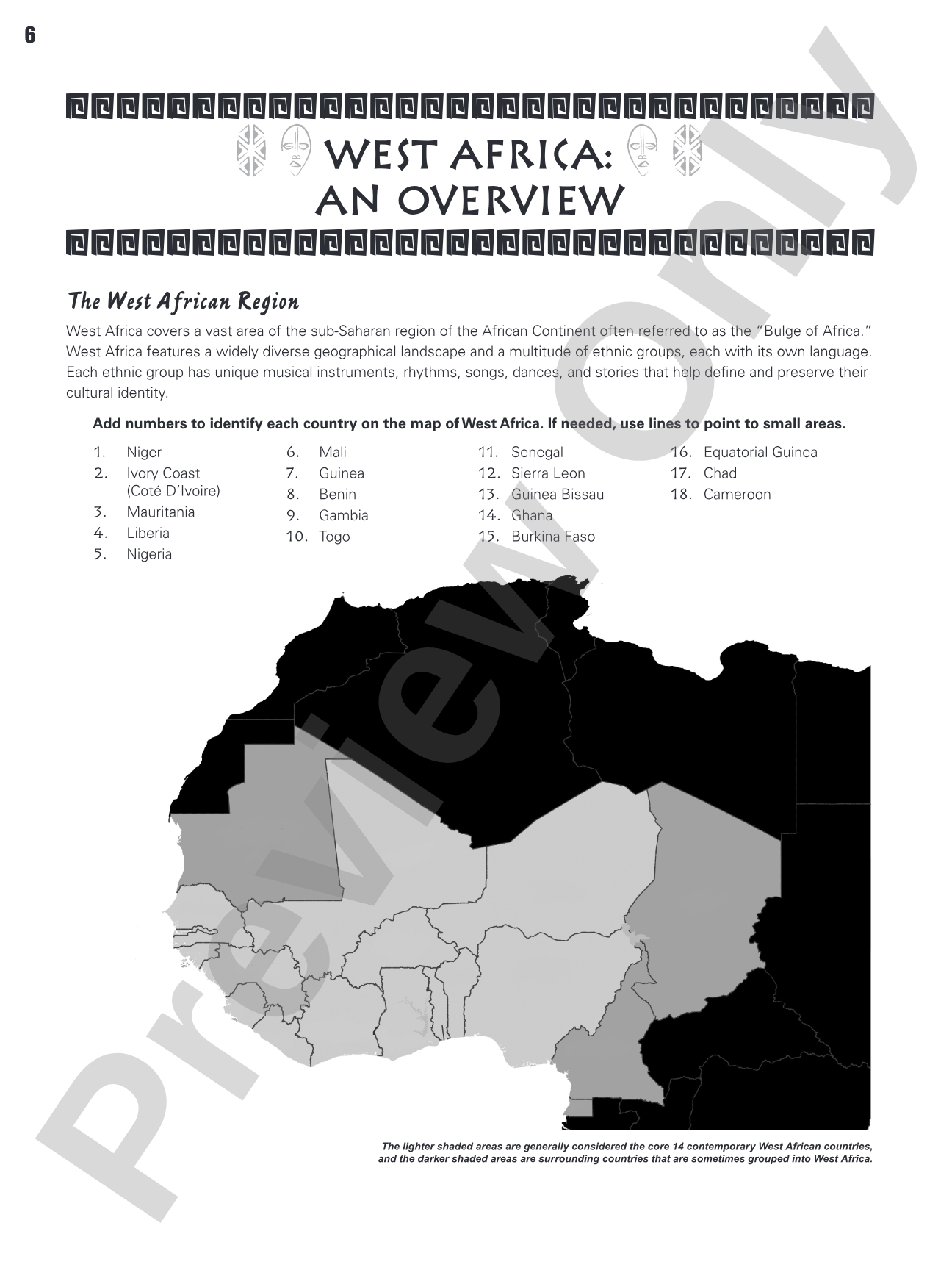
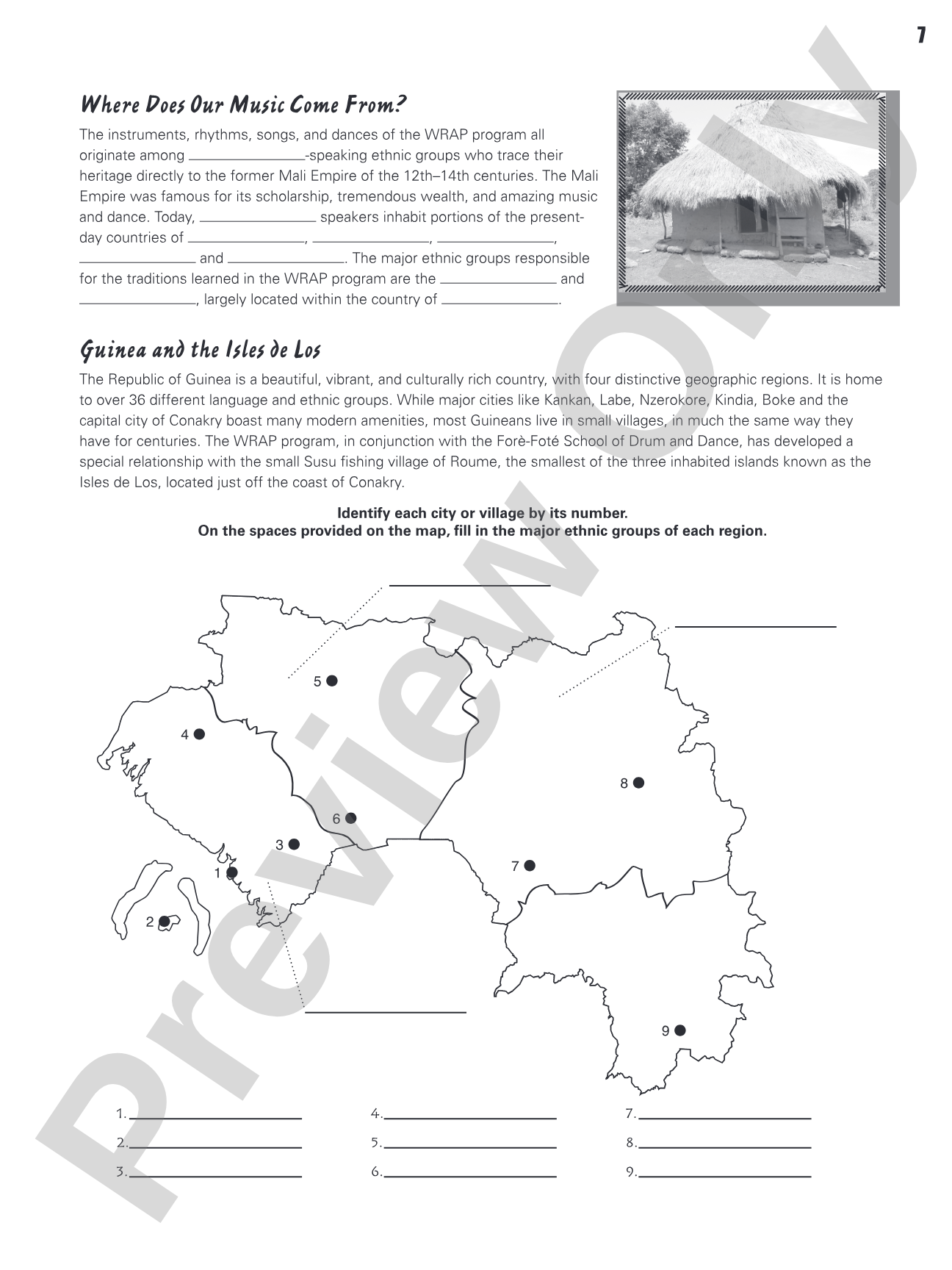
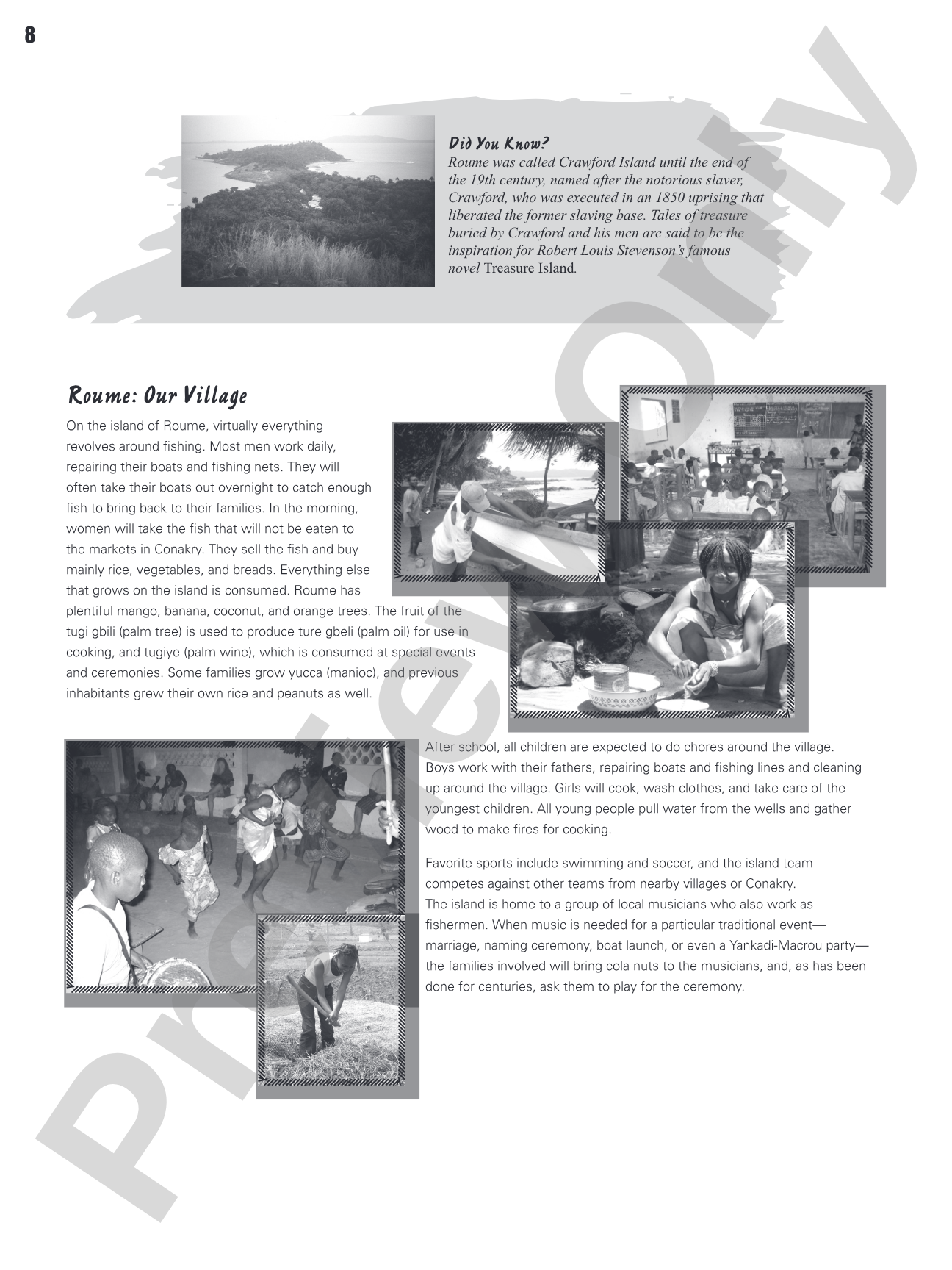

World Rhythms! Arts Program Presents West African Drum & Dance: A Yankadi-Macrou Celebration
A Yankadi-Macrou Celebration
By Kalani and Ryan M. Camara
Item: 00-PB-0002218
$8.99
Pickup currently not available
Related Items
World Rhythms! Arts Program Presents West African Drum & Dance: A Yankadi-Macrou Celebration |
$8.99
|
View | |
World Rhythms! Arts Program Presents West African Drum & Dance: Teacher's Guide (Book, DVD, & CD) |
$41.99
|
View | |
World Rhythms! Arts Program Presents West African Drum & Dance: Student Book |
$8.99
|
View | |
World Rhythms! Arts Program Presents West African Drum & Dance: CD |
$8.95
|
View |
Description
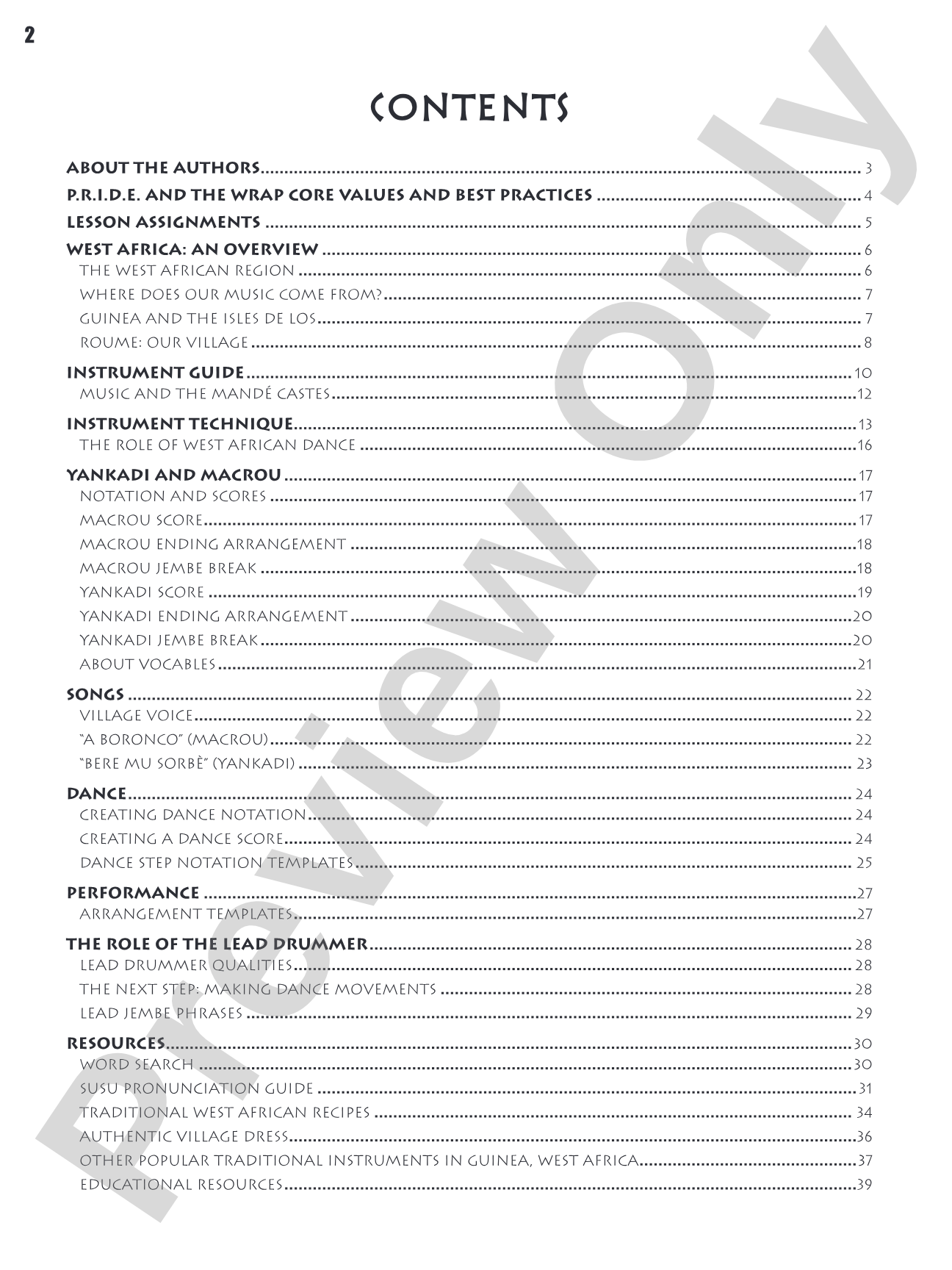
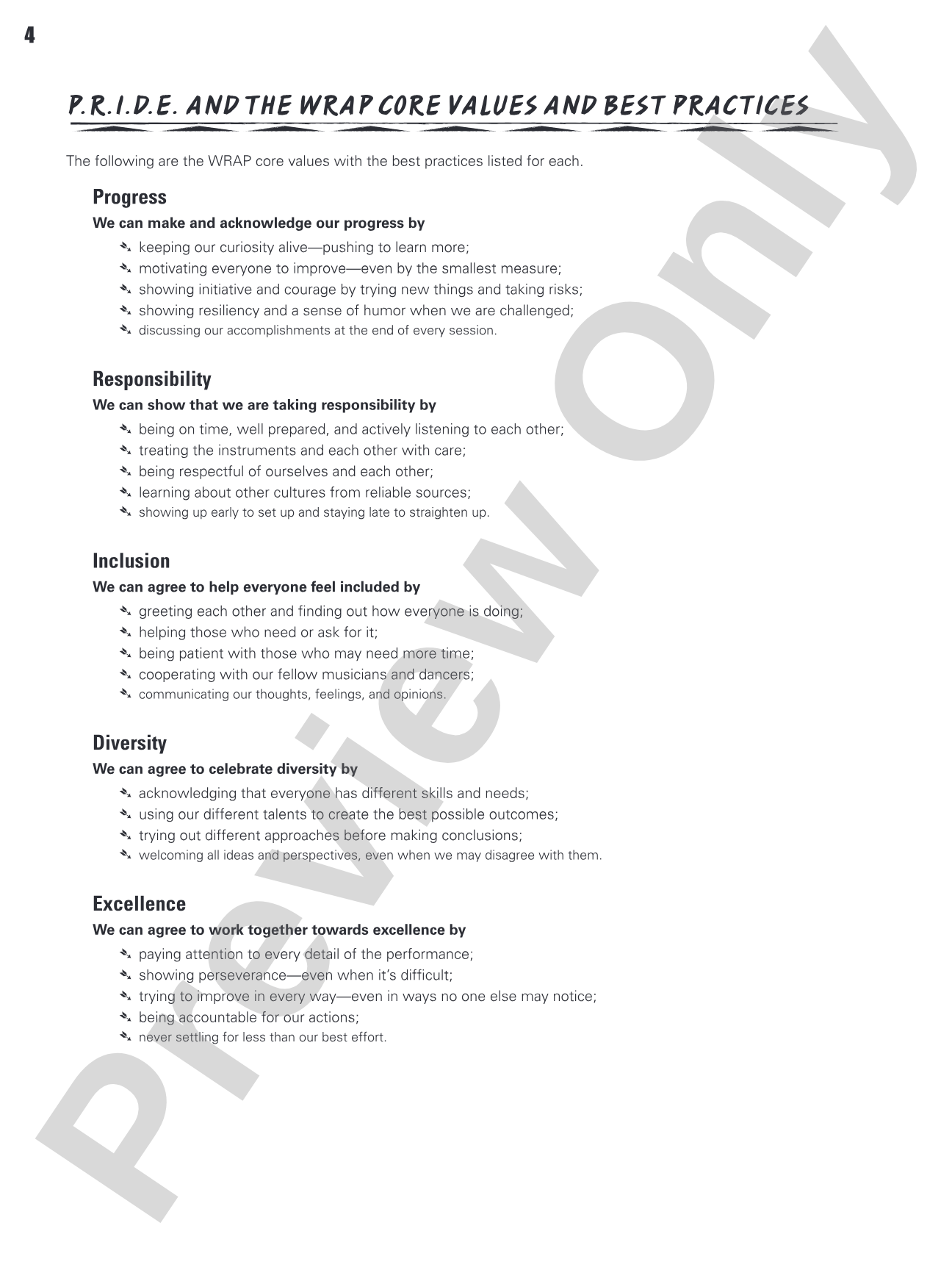
The rhythms and dances of Guinea, West Africa spring to life in this ground-breaking multimedia collection from award-winning author Kalani and noted world percussionist Ryan M. Camara! More than just a drumming book, this easy-to-use method immerses teachers and students in traditional West African music, dance and culture through a step-by-step curriculum that maintains cultural authenticity. The World Rhythms! Arts Program (WRAP) is a multiple-discipline curriculum that incorporates drumming, singing, dance, and culture. Rooted in traditional West African music and dance, WRAP helps develop essential arts and life skills through a holistic approach to music and movement education. A must for your classroom!


World Rhythms! Arts Program Presents West African Drum & Dance: A Yankadi-Macrou Celebration isn't in MakeMusic Cloud just yet...but it could be. Let us know you'd like to see it, and you'll help shape what comes next. In the meantime, start a free trial and dive into thousands of interactive titles your students can play along with today.
Request This Title
Tell us you want it.
Start Your Free Trial
Explore everything that's ready to play right now.
Sample Audio
No sample audio found.
Sample Video
No sample videos found.
Additional Details
Publisher:
Alfred Music
Page Count:
40
SKU:
00-PB-0002218
More about this title
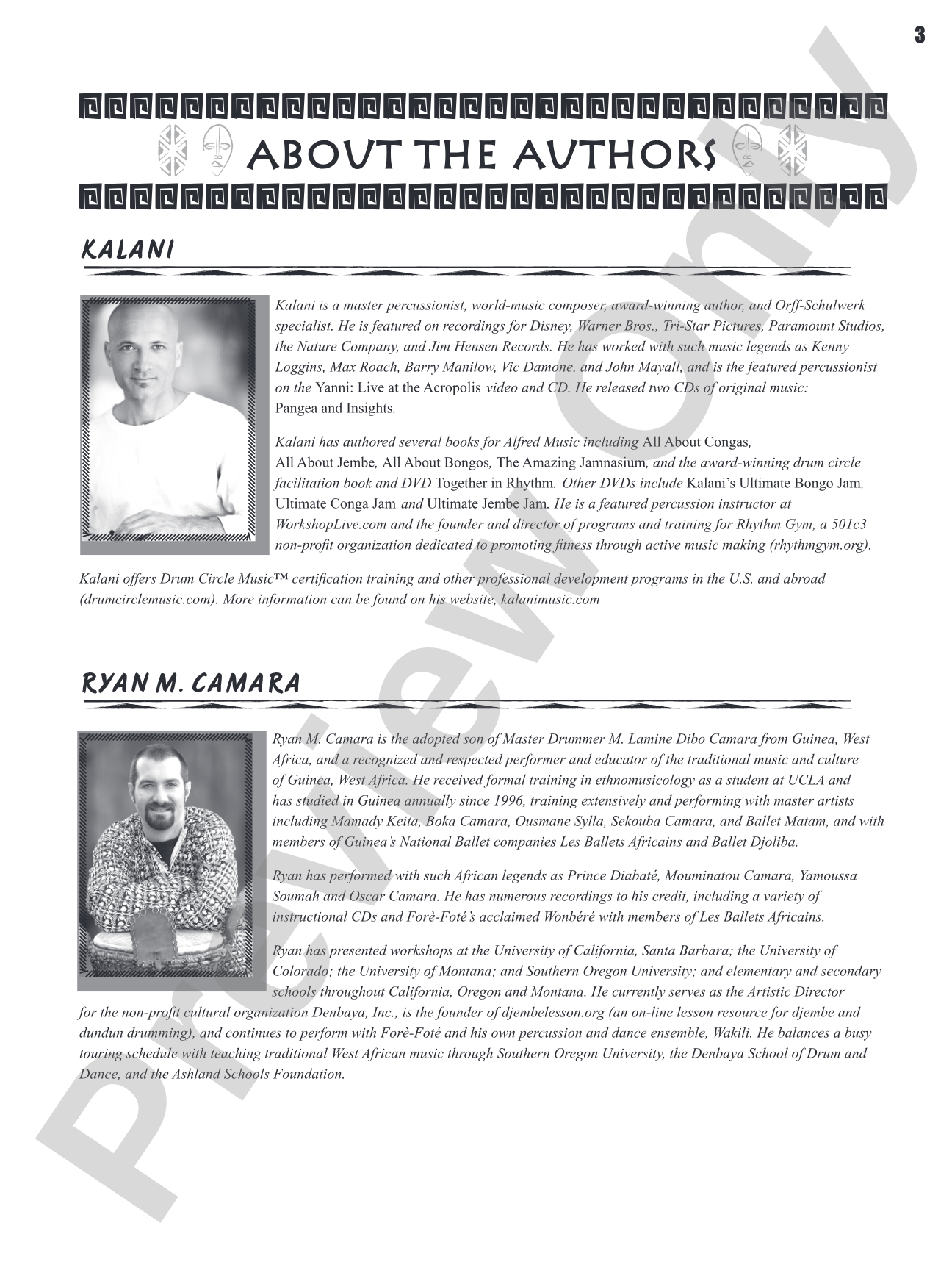
About the Composer: Kalani
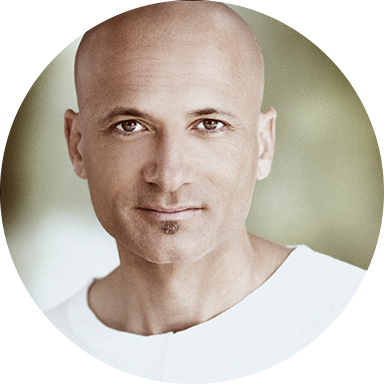
Kalani has spent decades building bridges between world percussion traditions and modern music education. His work spans instructional media for djembe, congas, bongos, and hand percussion; curriculum design for major percussion manufacturers; and leadership roles within the Percussive Arts Society and drum education advocacy. He founded Drumlesson.com, an online learning platform that has earned recognition from the New York Times and CNN, and directs Drum Camp, a summer intensive for students exploring diverse drumming cultures.
Throughout his career, Kalani has earned consistent recognition from DRUM! Magazine for his contributions across rock/pop percussion, world percussion, percussion pedagogy, and drum circle facilitation. His teaching appearances span major universities including USC, UCLA, University of Missouri-Kansas City, and LSU, alongside international festivals in Belgium, Taiwan, and Seattle. He collaborates with Toca Percussion as a primary clinician and has shaped educational instruments and programs for the Kaman Music Corporation.
Why we love this
This collection brings genuine West African musical practice into the classroom without diluting its cultural foundation. Kalani and Camara built the curriculum around Yankadi-Macrou rhythms while integrating drumming, singing, and movement in ways that honor the music's original context, which means your students experience authentic tradition rather than a sanitized approximation.
What to expect
Infectious, communal, and energizing. The Yankadi-Macrou patterns create forward momentum while remaining spacious enough for voices and bodies to move freely. Teaching this material transforms your classroom into a participatory ensemble where students feel the difference between playing at each other and playing together.
Who it's for
General music classrooms seeking culturally grounded percussion instruction, world music ensembles, and interdisciplinary arts programs that integrate dance and singing alongside instrumental learning. Secondary teachers and community music educators will find the step-by-step format accessible for students with no prior percussion experience.
How to get the most out of it
- Study the video demonstrations first. Seeing the hand technique and body movement clarifies nuances that notation alone cannot convey, particularly the tonal quality differences between bass and slap strokes.
- Layer the rhythms gradually. Start with the foundational djembe pattern before adding support drums and call-and-response vocals; this prevents students from rushing through combinations they haven't internalized.
- Establish steady pulse through body movement before expecting precise rhythmic accuracy. West African traditions emphasize the physical experience of rhythm, so clapping, swaying, or dancing the underlying pulse strengthens ensemble cohesion.
- Invite students to learn the accompanying chants in their original language or phonetic approximations. The vocal line carries cultural meaning and improves rhythmic precision when students sing while playing.
How to use it
Feature this as the centerpiece of a cultural showcase or assembly program where dance and drums combine into a complete presentation. It also works as an extended unit within world music or general music courses, offering tactile learning during the fall semester when new students benefit from kinesthetic ensemble building.
Skills your students will build
- Reading West African rhythm notation and understanding its relationship to traditional oral transmission
- Distinguishing and executing multiple hand techniques on djembe (bass, tone, slap)
- Performing ostinatos while listening to layered polyrhythmic textures
- Coordinating rhythmic accuracy with movement, gesture, and vocal call-and-response
- Recognizing cultural context and historical significance within Guinea's musical traditions