
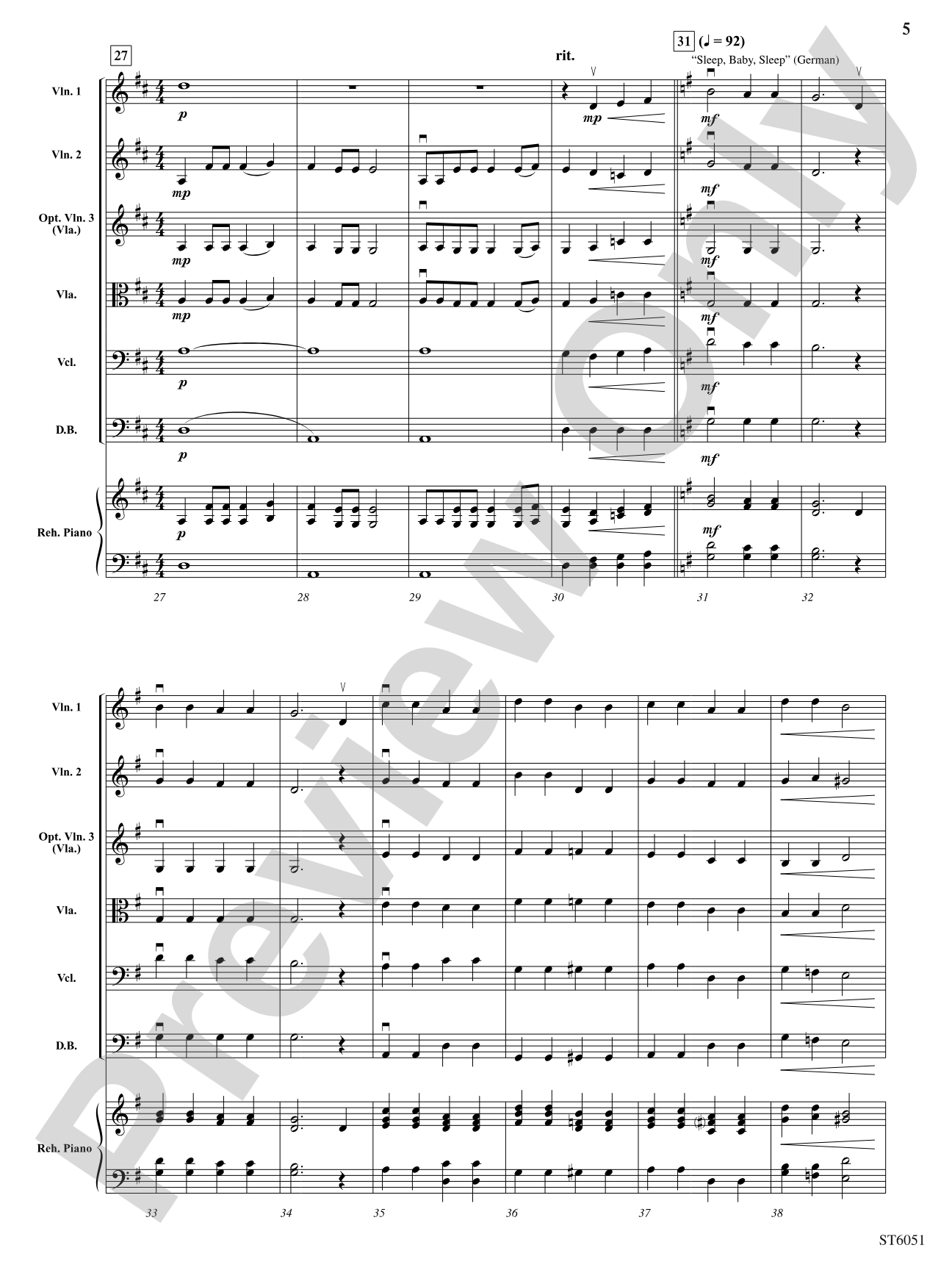
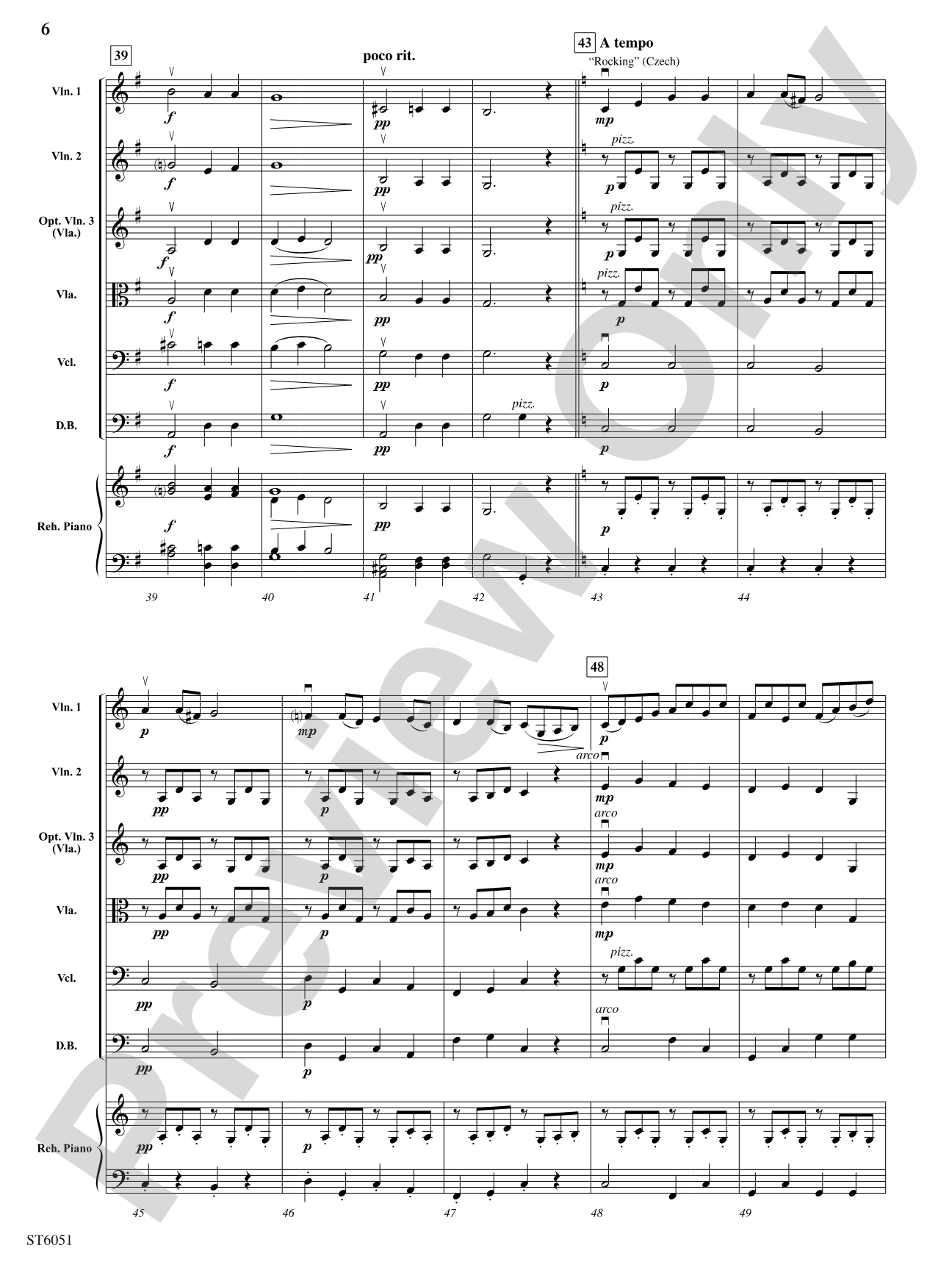
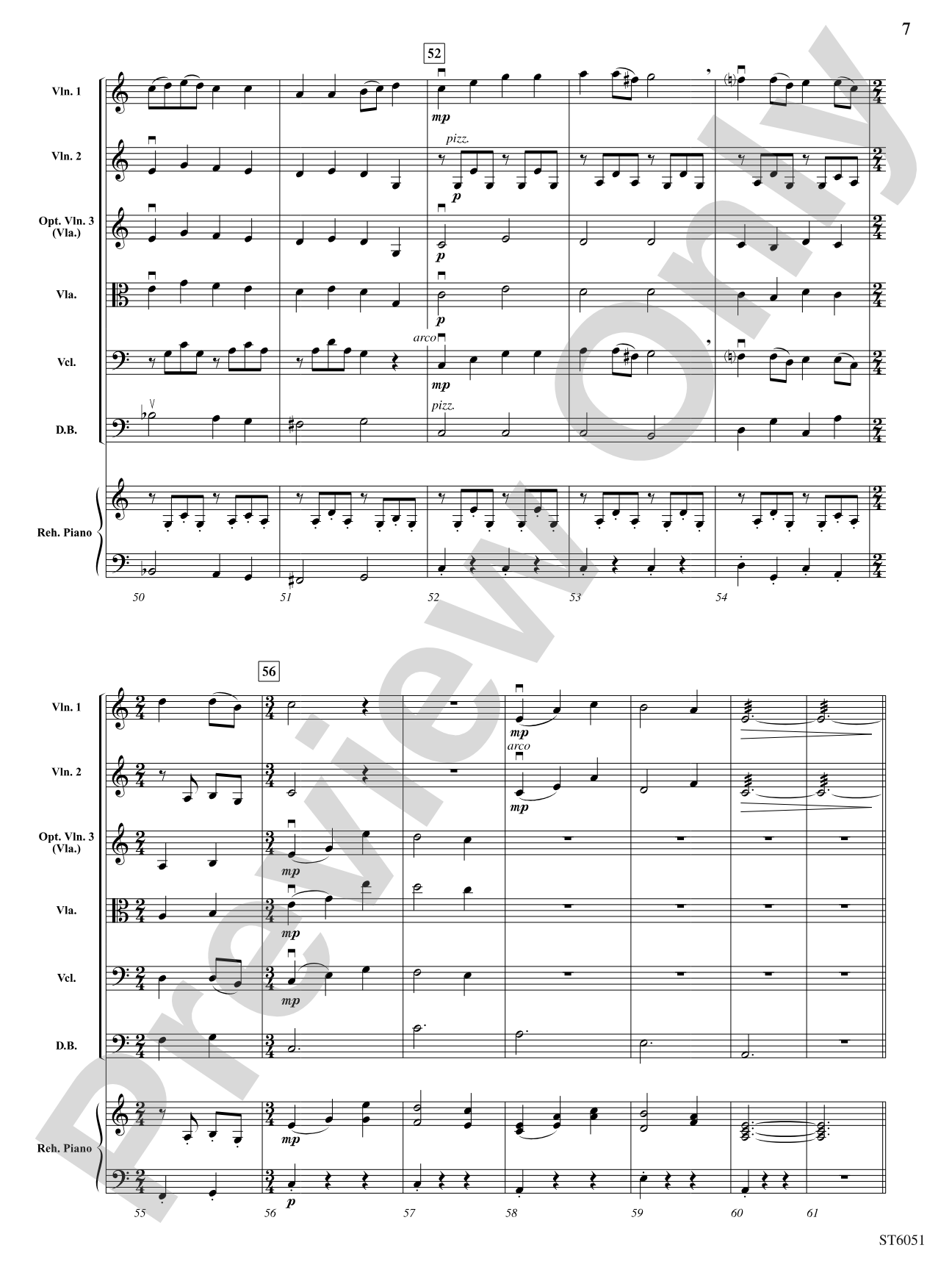
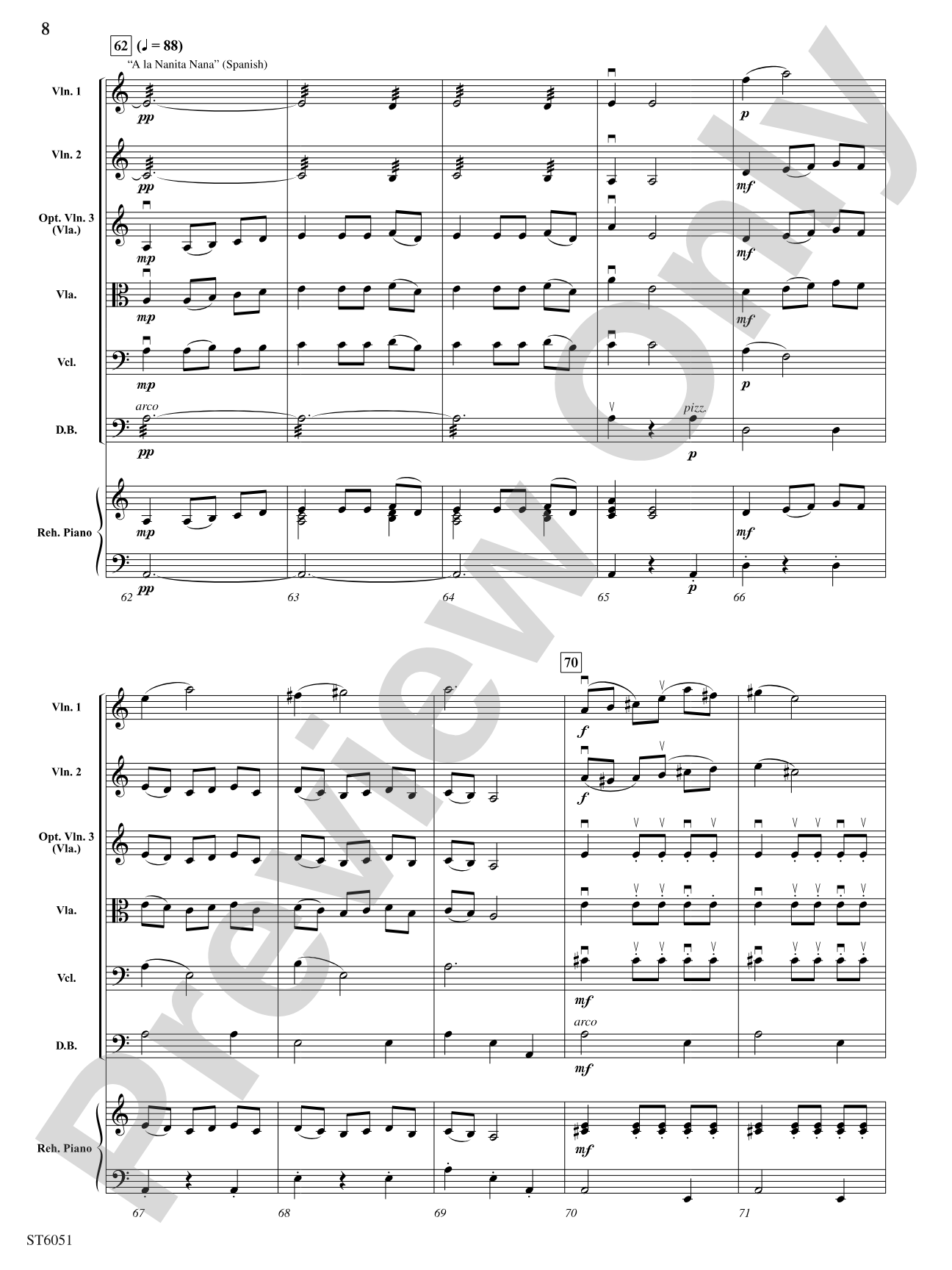
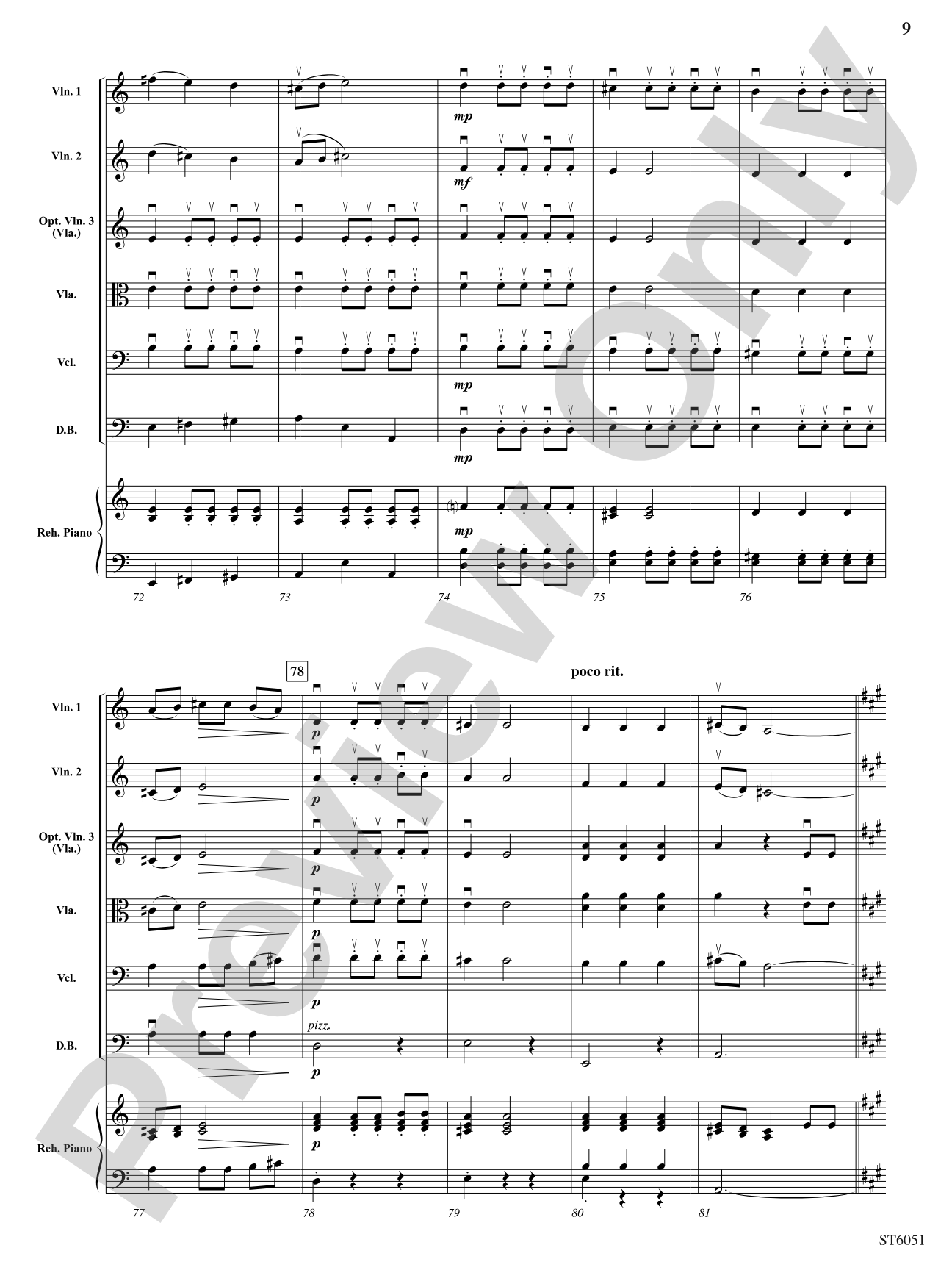
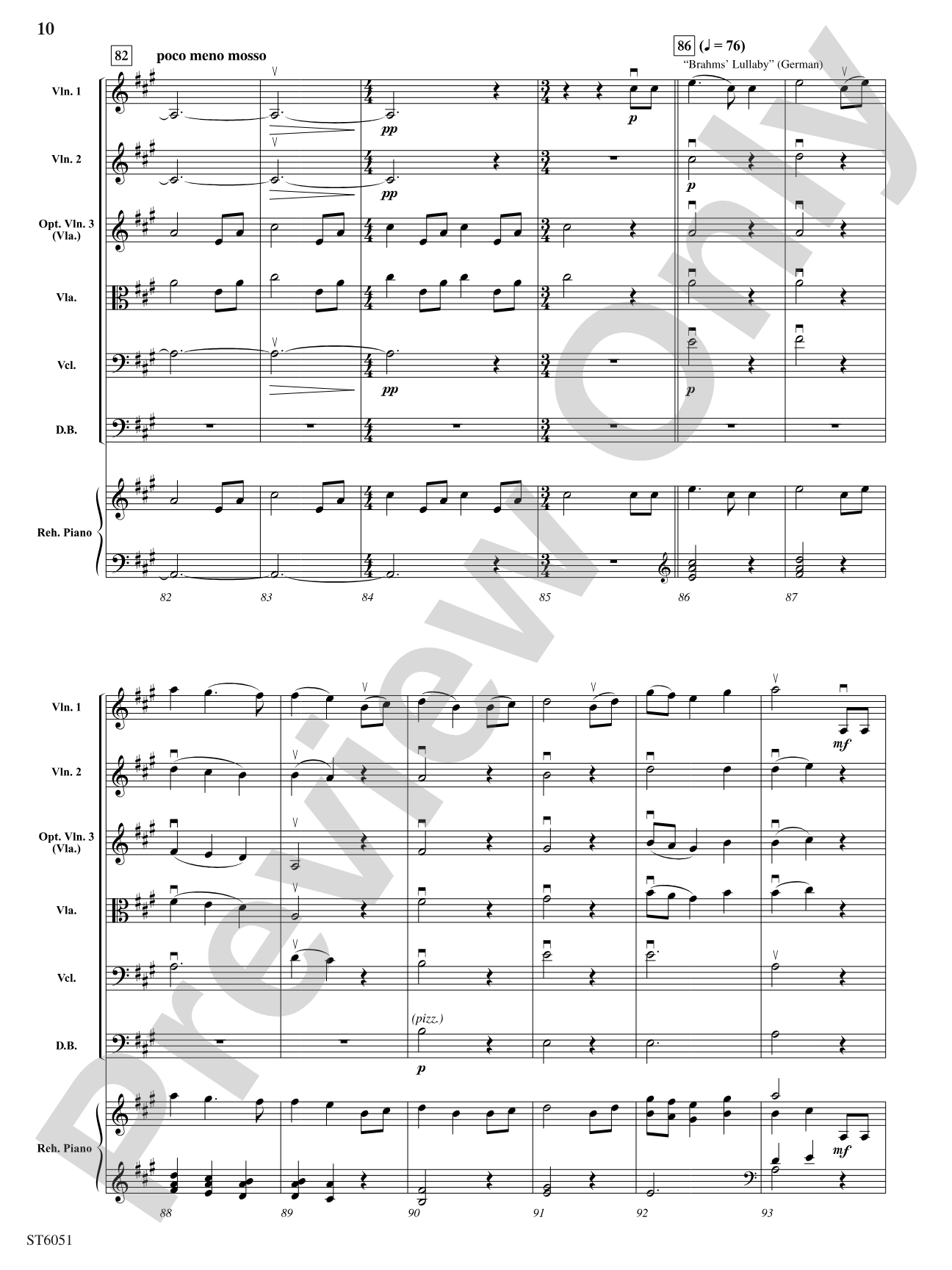
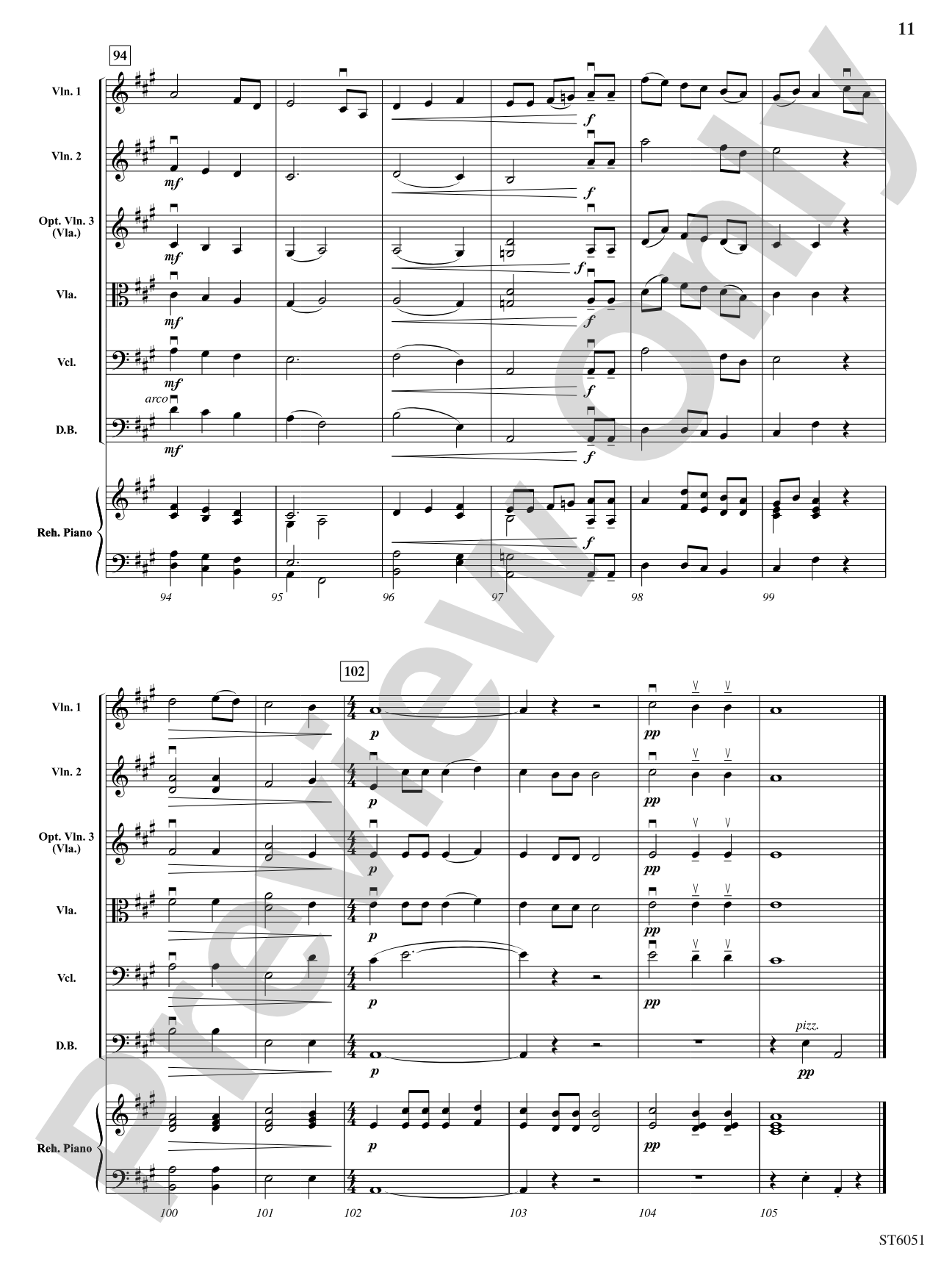

World Lullabies from A to Zzzzz...: Score
By Carrie Lane Gruselle
Grade: 2
Item: 98-DST6051S
$5.00
Pickup currently not available
Description
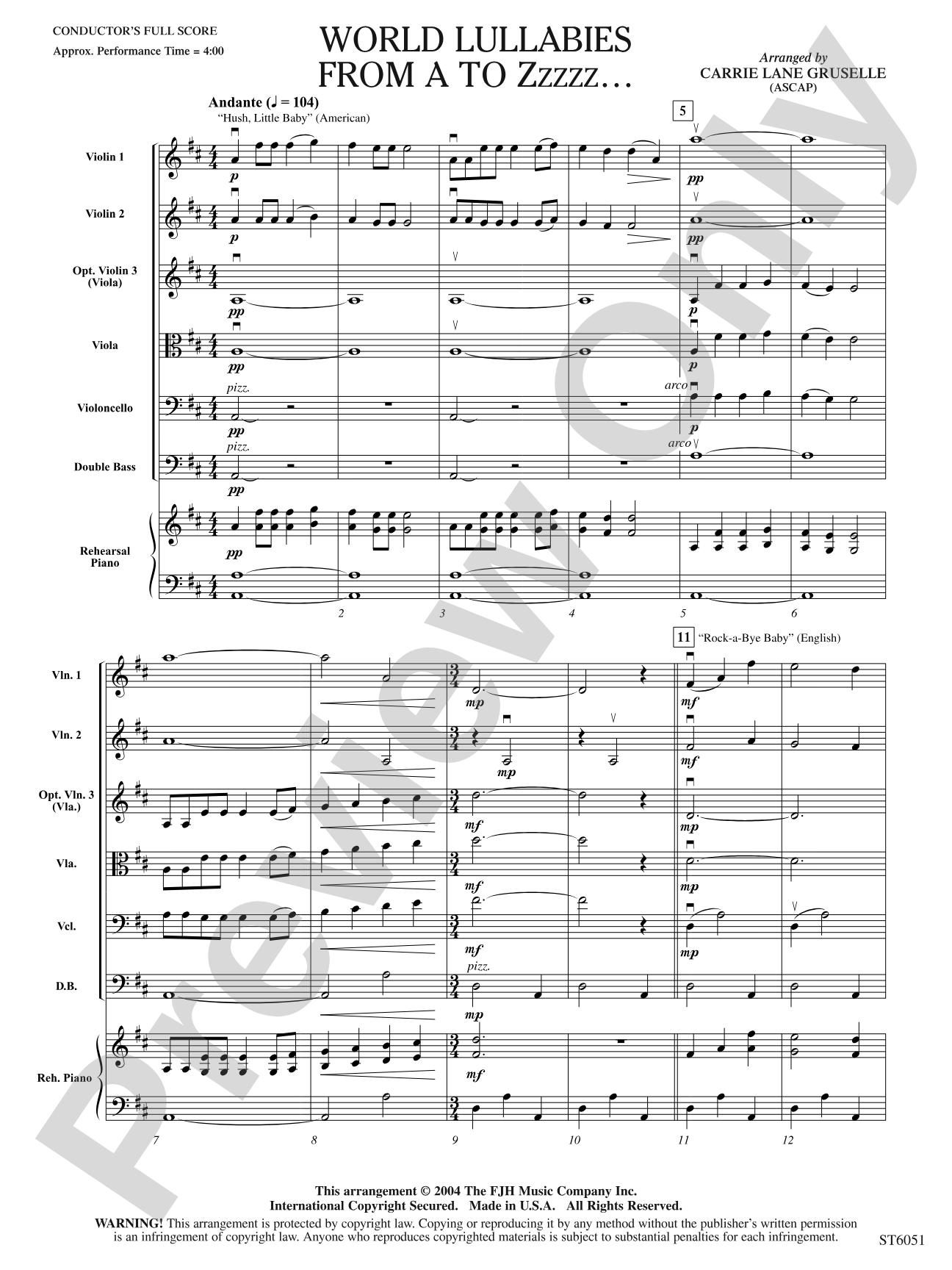
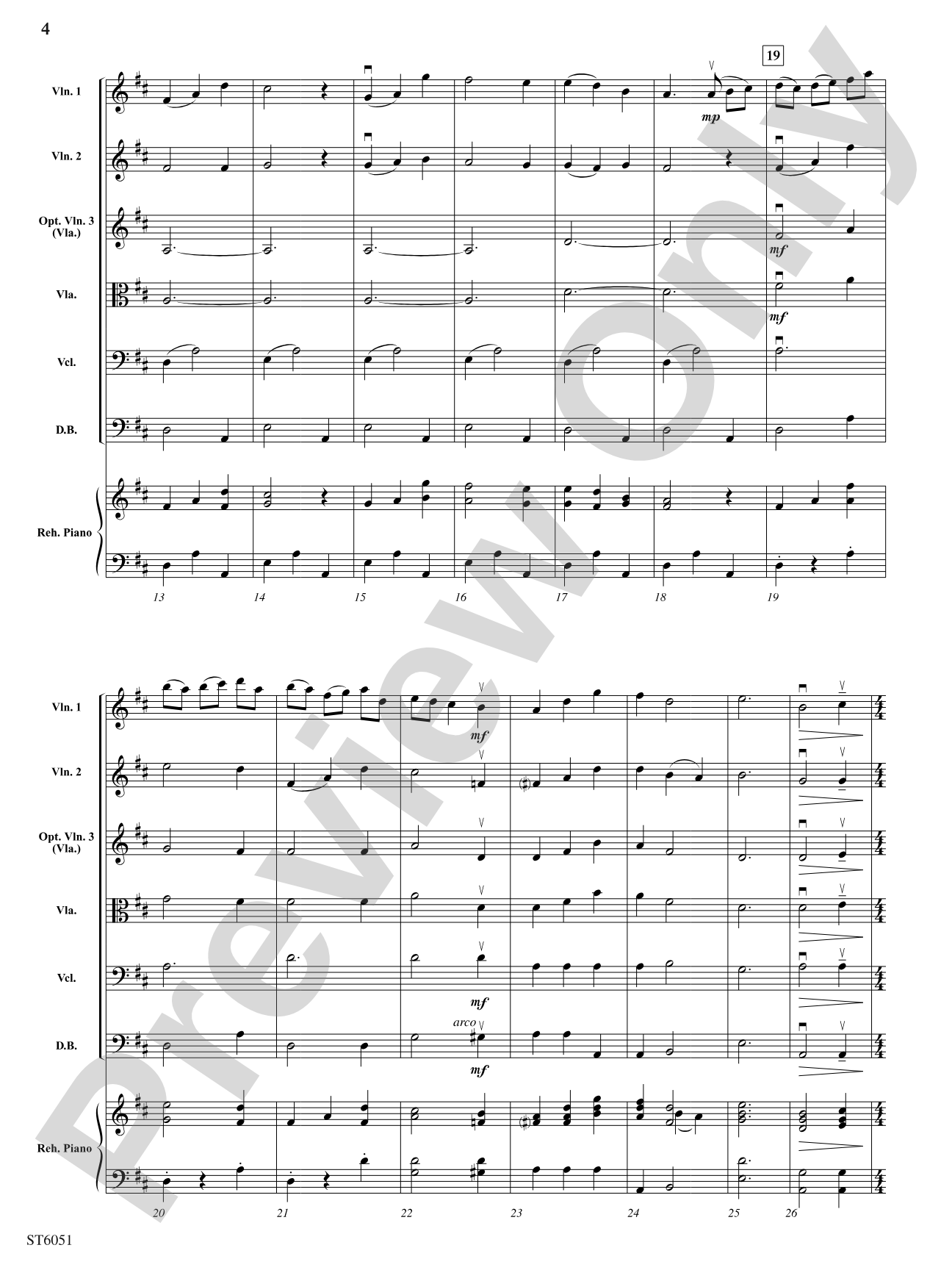
This beautiful rendition of bedtime melodies from around the world is ideal for developing tone, vibrato, phrasing, dynamics, balance, and overall musicianship. The lush scoring will make the youngest of ensembles sound great while your audience listens to the collage of tunes presented in logical sequence with well thought-out transitions.


World Lullabies from A to Zzzzz...: Score isn't in MakeMusic Cloud just yet...but it could be. Let us know you'd like to see it, and you'll help shape what comes next. In the meantime, start a free trial and dive into thousands of interactive titles your students can play along with today.
Request This Title
Tell us you want it.
Start Your Free Trial
Explore everything that's ready to play right now.
Sample Audio
1
Audio File
--:--
0:00
0:00
Sample Video
No sample videos found.
Additional Details
Series:
FJH Developing Strings
Publisher:
The FJH Music Company, Inc.
SKU:
98-DST6051S
More about this title
About the Composer: Carrie Lane Gruselle

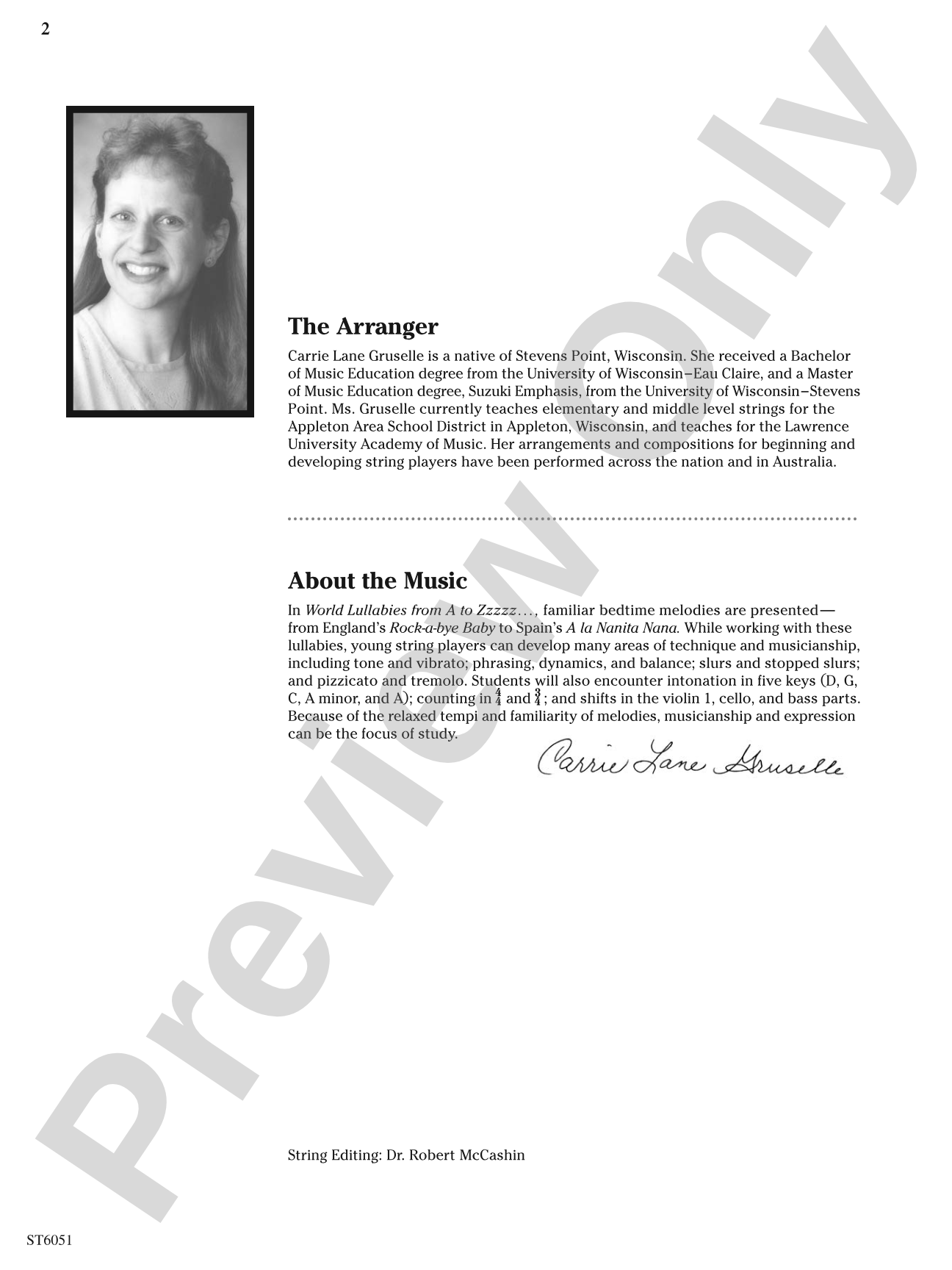
Carrie Lane Gruselle earned her Bachelor of Music Education from the University of Wisconsin–Eau Claire and her Master of Music Education from the University of Wisconsin–Stevens Point, where she specialized in Suzuki pedagogy. She teaches strings at the elementary and middle school levels in the Appleton Area School District and serves as cello instructor at the Lawrence University Arts Academy in Appleton, Wisconsin.
Why we love this
Gruselle's gift for melody and pacing shines in every transition, making a collection of world lullabies feel like a single, cohesive journey rather than a series of unrelated tunes. Grade 2 orchestras will sound polished and confident playing this, thanks to scoring that's generous to developing musicians without sacrificing warmth or sophistication. The pedagogical bones are solid: tone work, vibrato, phrasing, and ensemble balance emerge naturally from the musical content, not from tedious exercises.
What to expect
Calm, intimate, and gently expressive. The melodies breathe with the quality of lullabies from many cultures, creating moments of quiet beauty that feel approachable rather than fragile. The overall arc is meditative and soothing, yet never dull.
Who it's for
Grade 2 string orchestras ready to work on tone, phrasing, and musicianship in a context that feels musical rather than mechanical. Directors looking for repertoire that appeals to family audiences and that develops vibrato and dynamic control without overwhelming younger players. Ensembles preparing a concert that includes both lighter pieces and more substantial works.
How to get the most out of it
- Shape each lullaby with a consistent, gentle vibrato that matches the style of the melody. Resist the urge to vibrate unevenly across sections or to add vibrato where it wasn't intended.
- Balance the string sections so no one line dominates. Lullabies rely on subtle tonal blending; listen for spots where the harmony supports the melody rather than competes with it.
- Use the transitions deliberately. Since they're intentionally composed, treat them as musical moments in their own right, not as filler between songs.
- Bring out the unique character of each lullaby by adjusting dynamic shape and tempo slightly from piece to piece. The collage works best when each tune has its own identity.
How to use it
Open a concert with this collection to set a warm, welcoming tone and signal to the audience that the evening will showcase both technical growth and artistic expression. Program it alongside a contrasting piece (something lighter and playful, or more rhythmically driven) to highlight the range of your orchestra's developing abilities. It works especially well in family concerts, where the familiar melodic content and universal theme resonate across ages.
Skills your students will build
- Sustained vibrato in the upper half of the bow
- Phrasing through dynamic shape and breath points
- Balancing melody and harmony within string sections
- Responding to conductor cues for transitions and tempo
- Listening for blend and intonation in ensemble context