
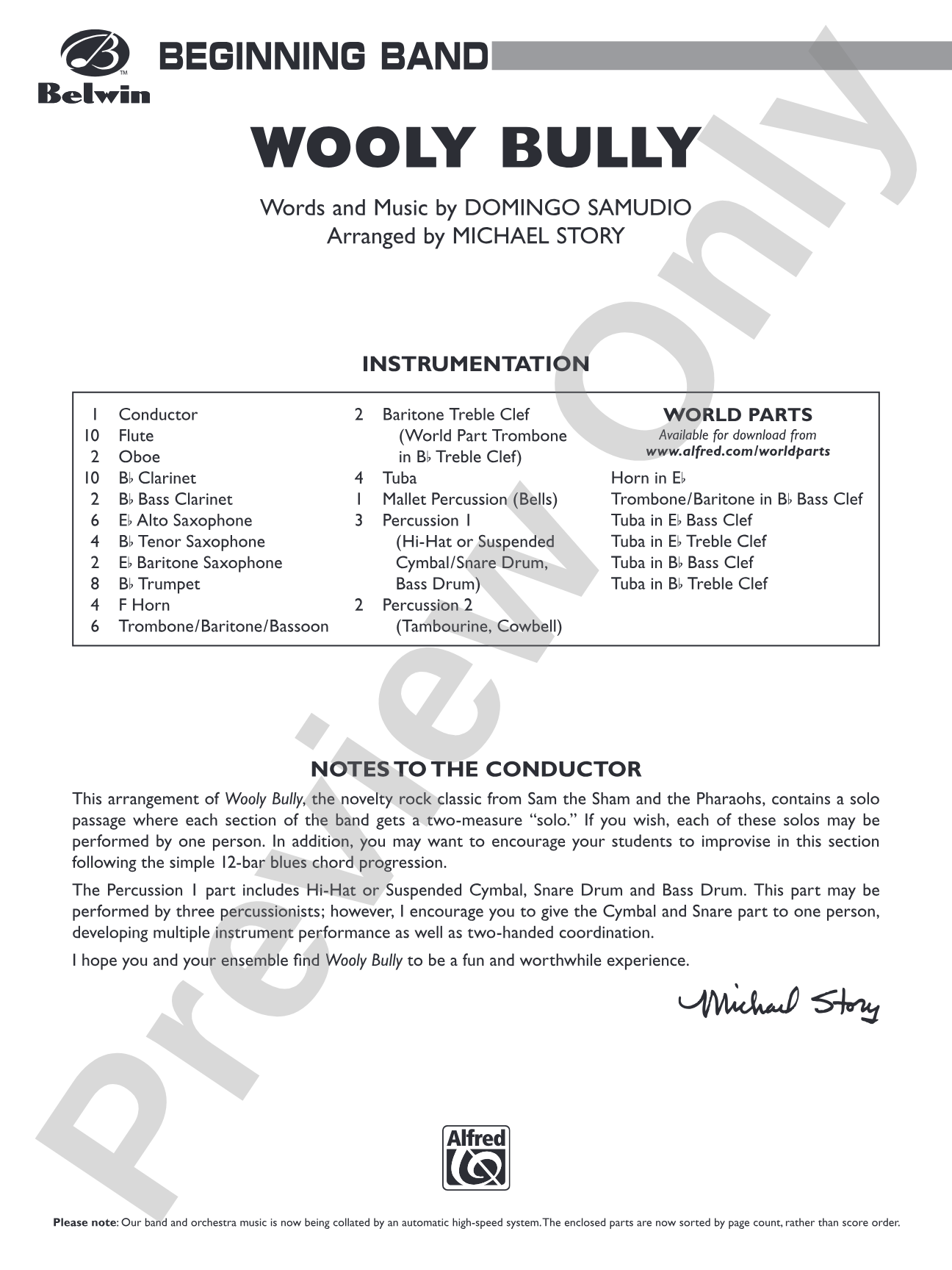

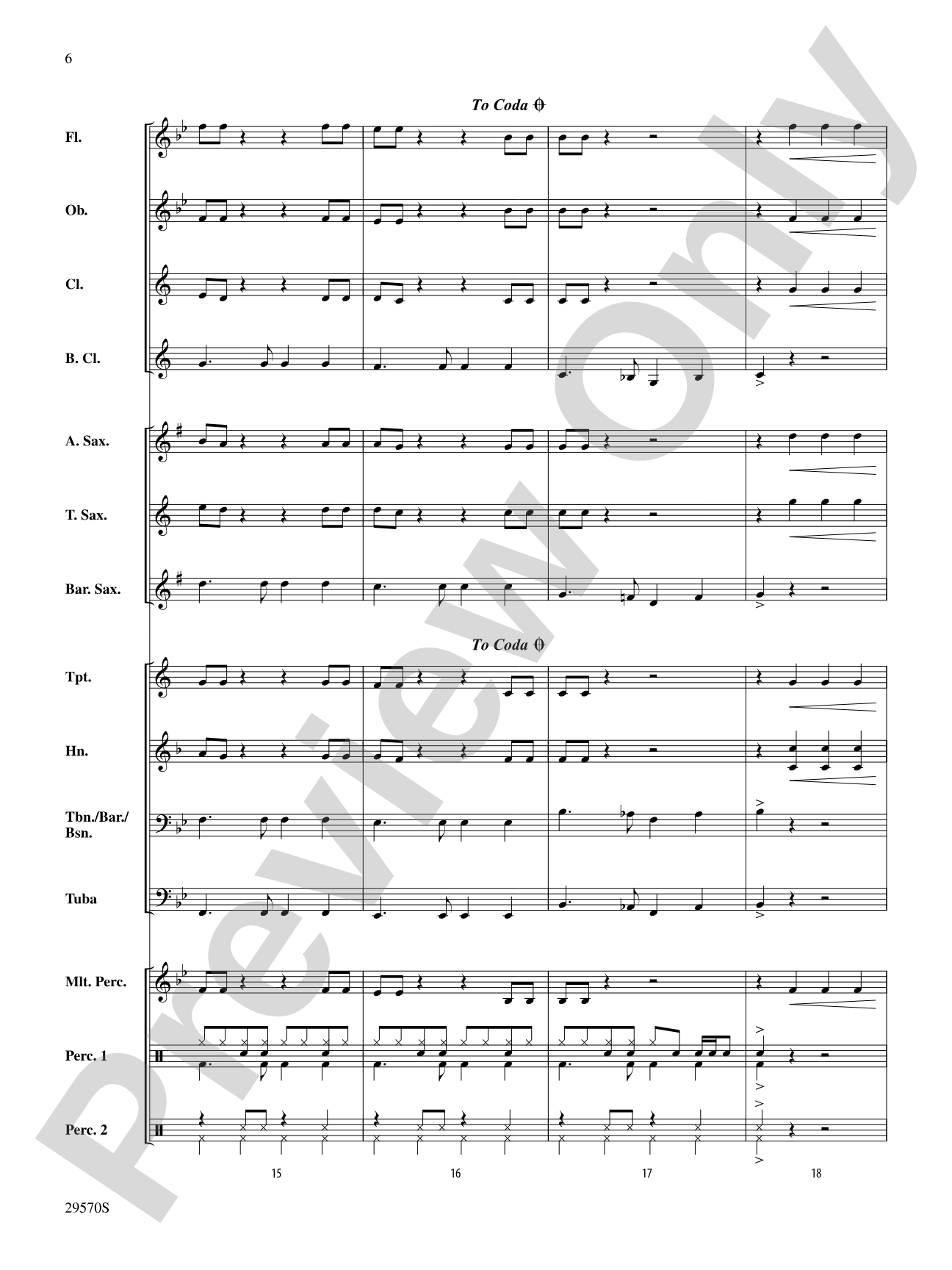
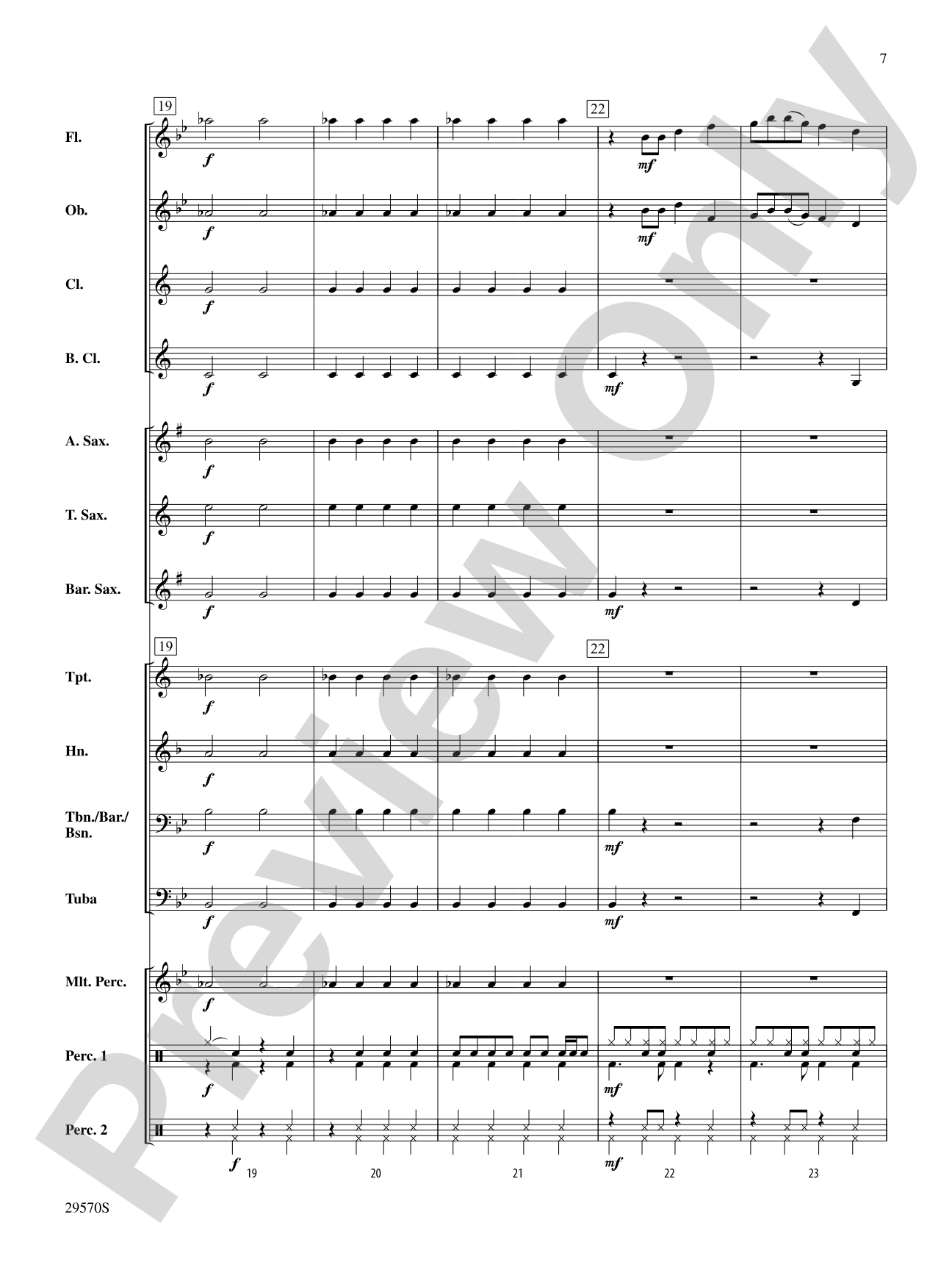
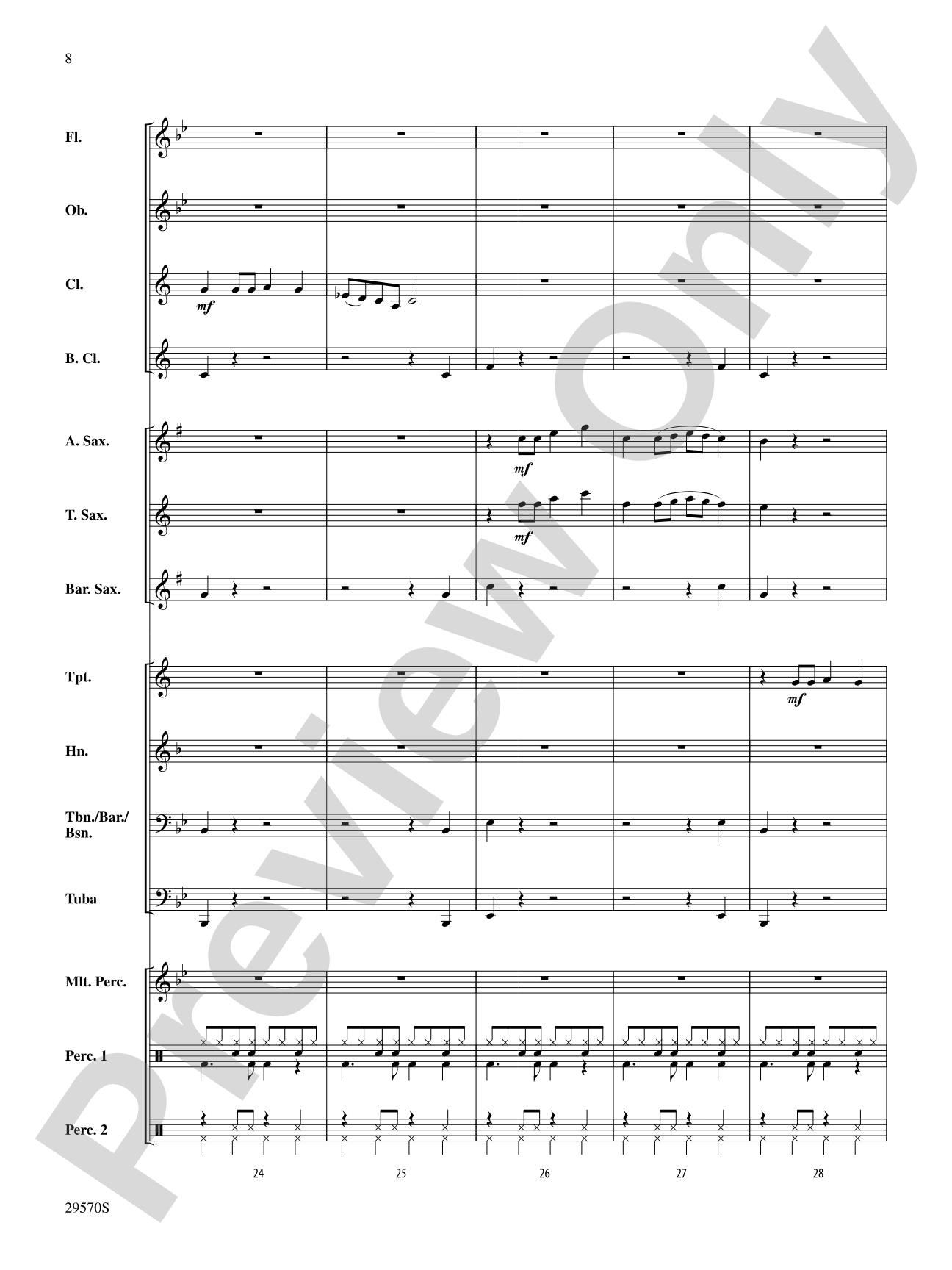
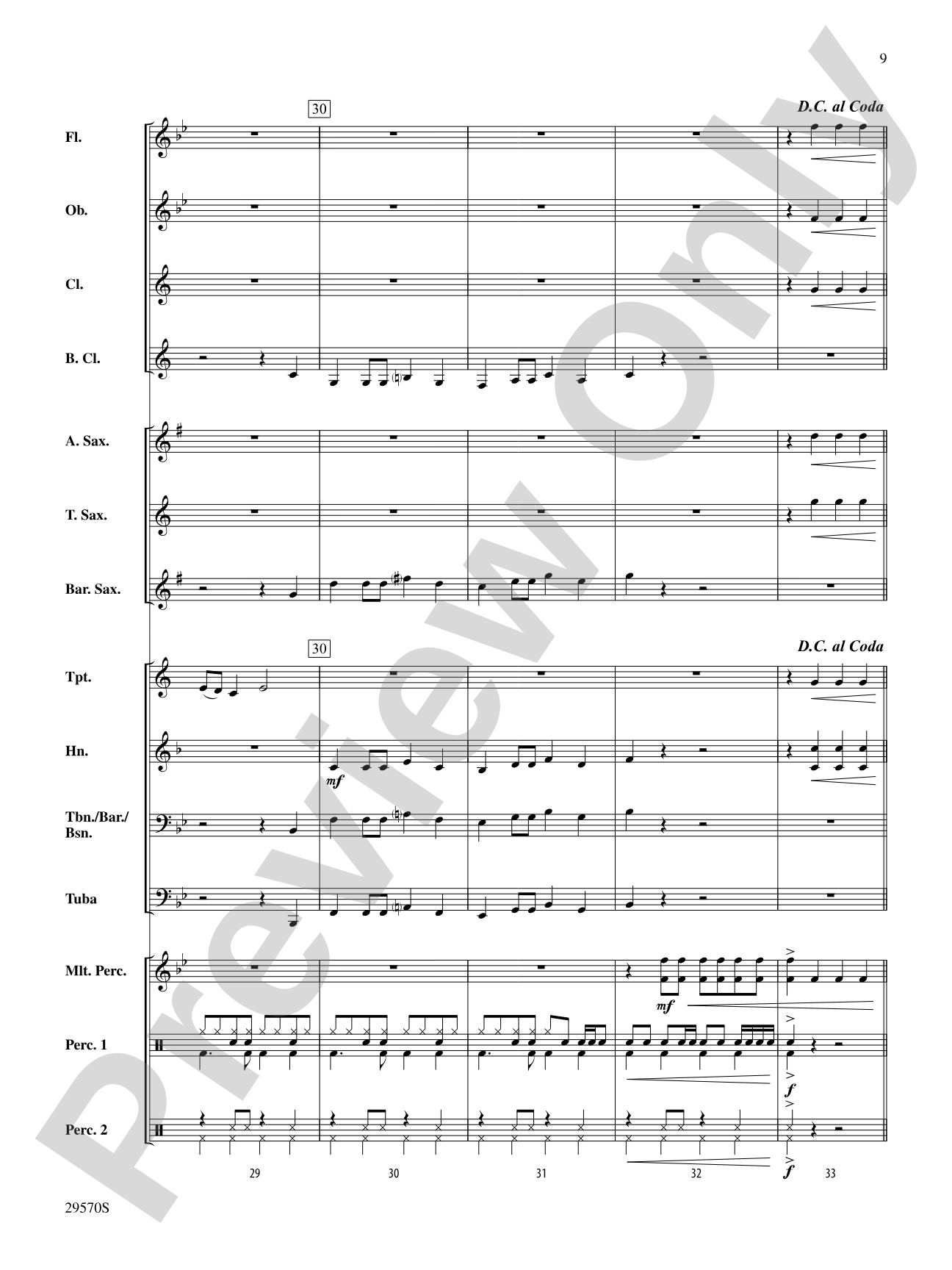
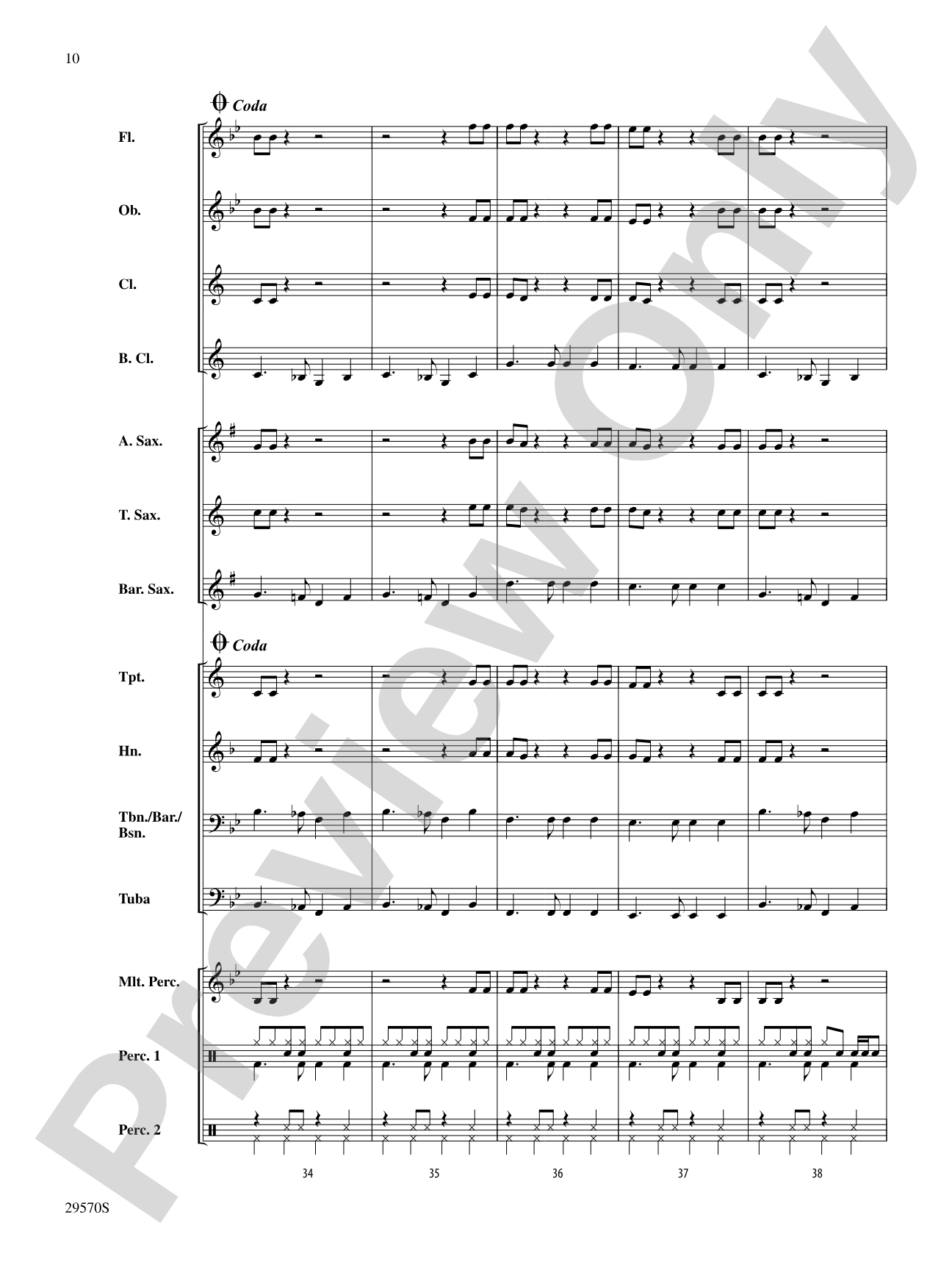
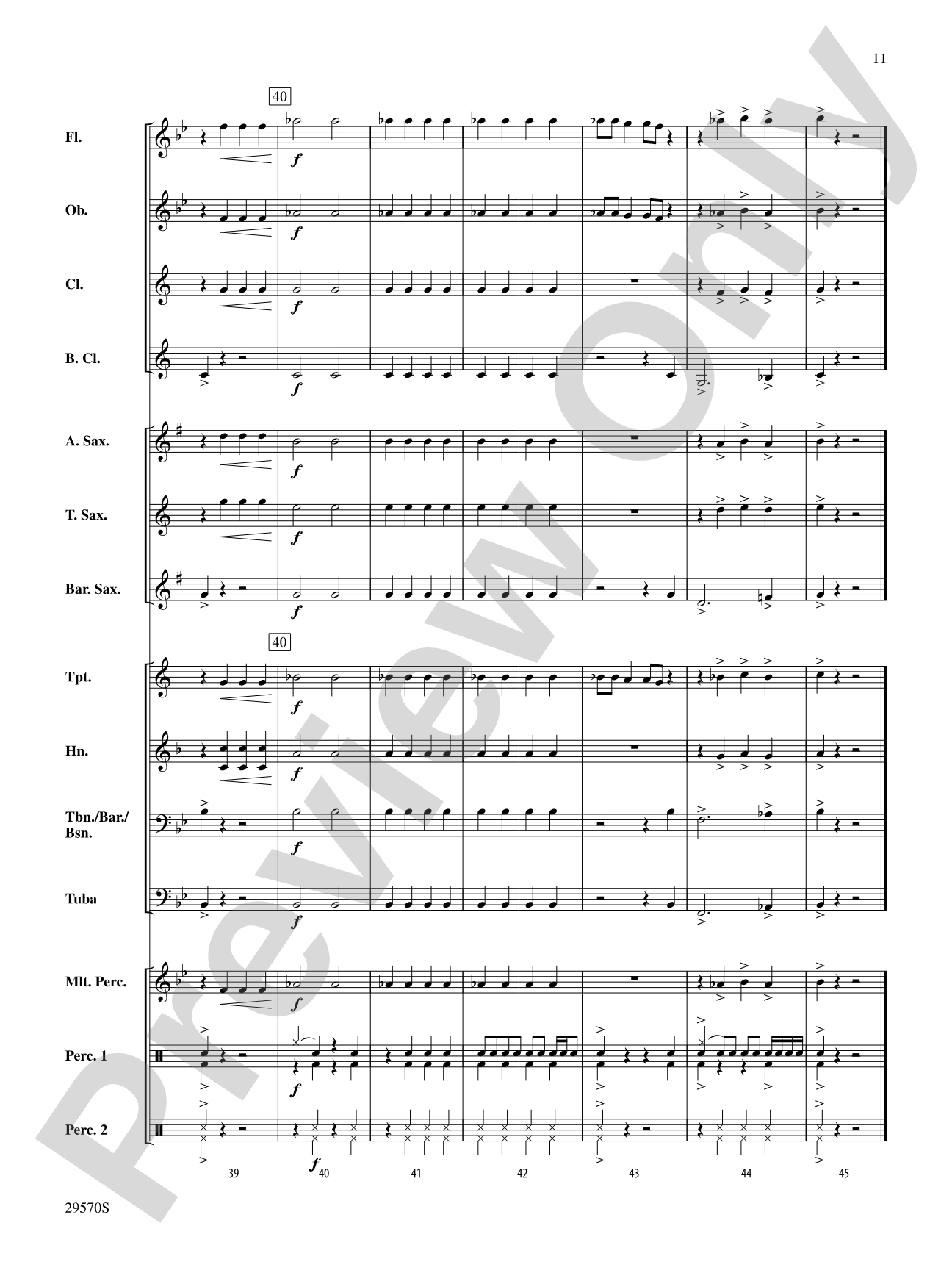


Wooly Bully: Concert Band Conductor Score & Parts
By Domingo Samudio / arr. Michael Story
Grade: 1 (Very Easy)
Item: 00-PK-0001477
$56.00
One moment…
Description
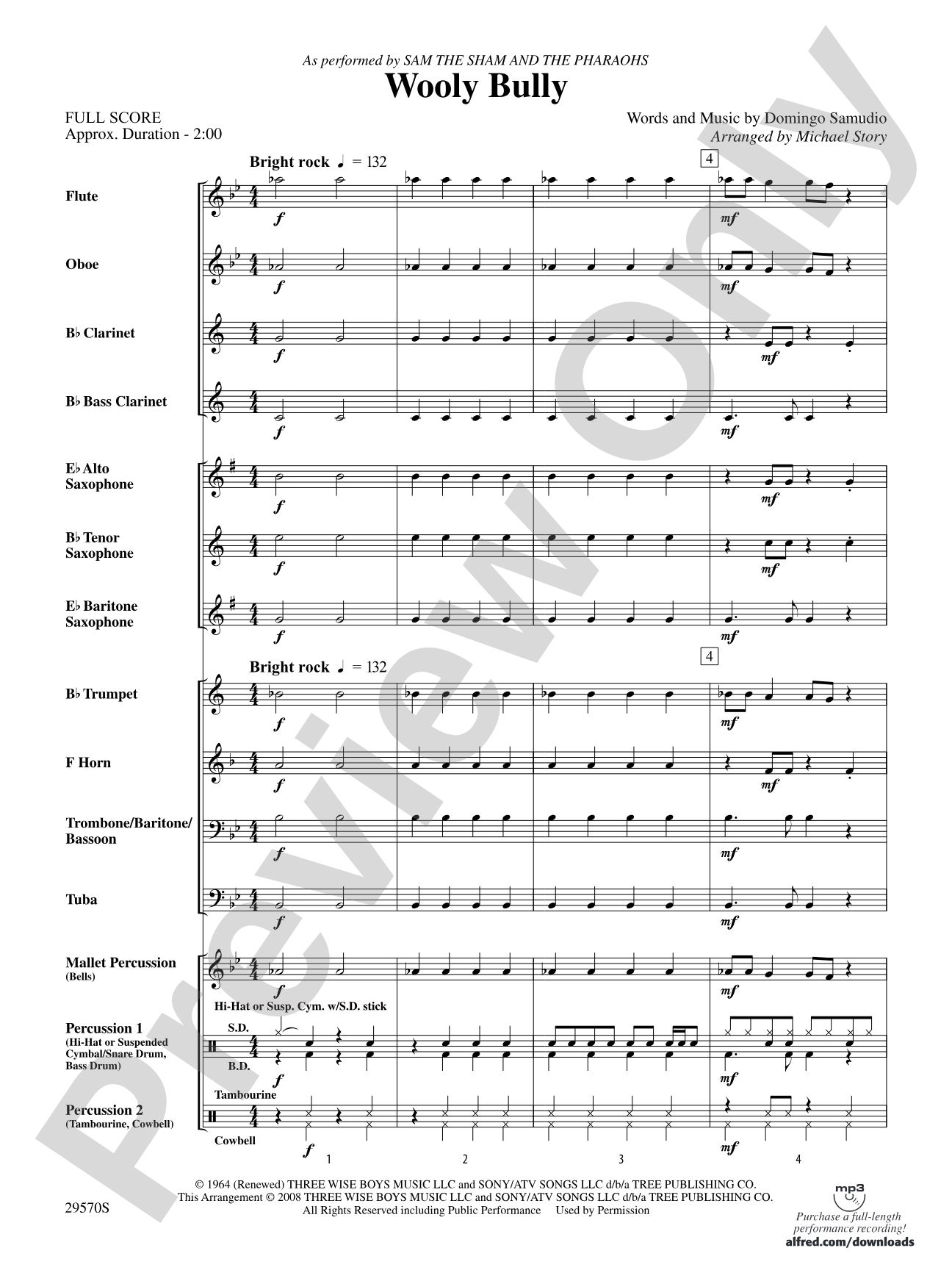
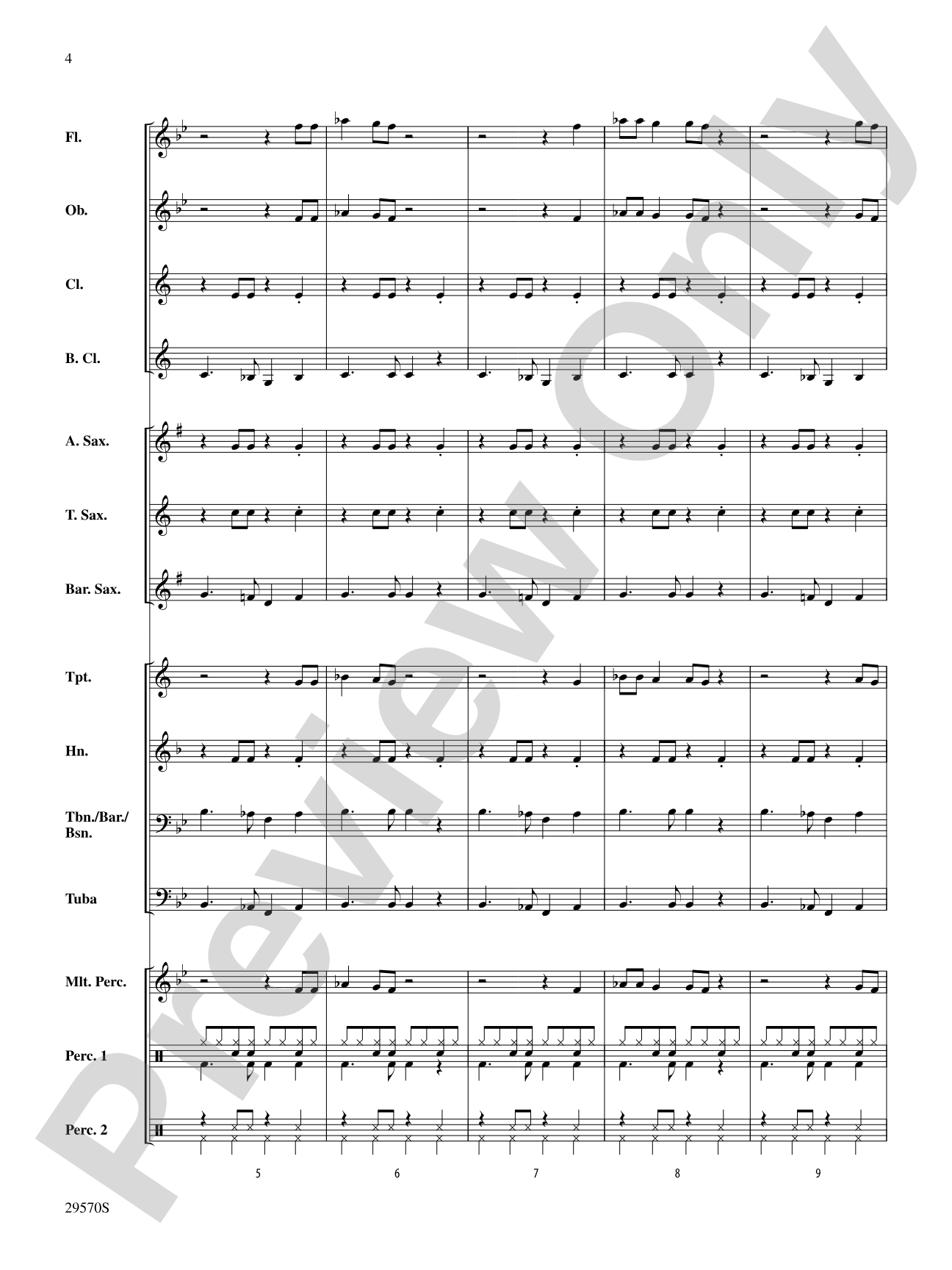
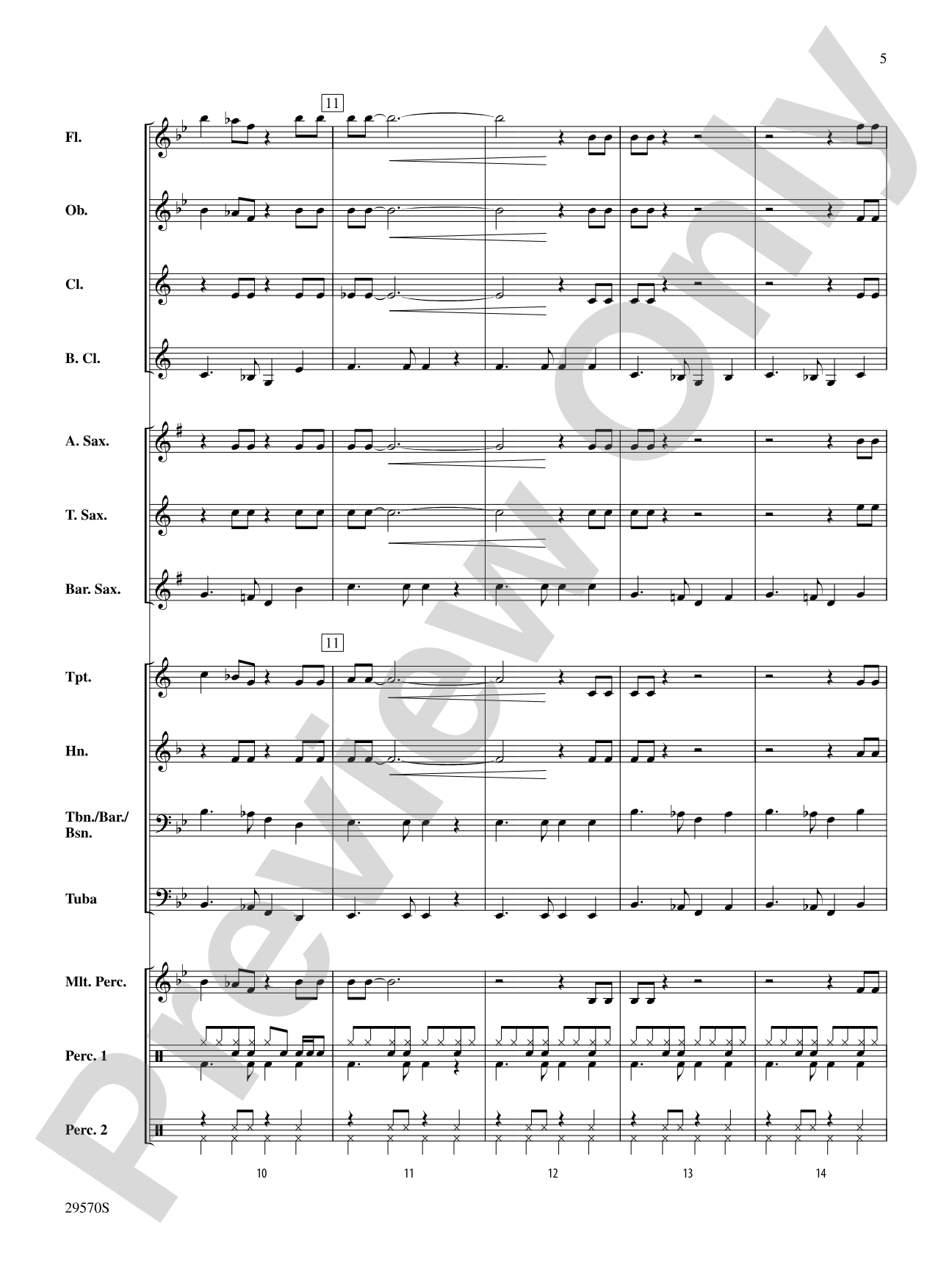
As performed by Sam the Sham and the Pharaohs, this Domingo Samudio tune will be all the rage. The Michael Story rendition has all the energy of the original but scored for beginners. A rousing choice! (1:57)


Wooly Bully: Concert Band Conductor Score & Parts isn't in MakeMusic Cloud just yet...but it could be. Let us know you'd like to see it, and you'll help shape what comes next. In the meantime, start a free trial and dive into thousands of interactive titles your students can play along with today.
Request This Title
Tell us you want it.
Start Your Free Trial
Explore everything that's ready to play right now.
Sample Audio
1
Audio File
--:--
0:00
0:00
Sample Video
No sample videos found.
Additional Details
Series:
Pop Beginning Band
Publisher:
Alfred Music
Page Count:
132
SKU:
00-PK-0001477
More about this title
About the Composer: Domingo Samudio
Domingo Samudio, known professionally as Sam the Sham, wrote and performed "Wooly Bully" in 1965 with his group Sam the Sham and the Pharaohs. The song became a massive hit, reaching number two on the Billboard Hot 100 and establishing itself as a rock and roll standard. Samudio's gift for crafting infectious, high-energy pop-rock melodies made him a significant figure in 1960s popular music.
For band directors, Samudio's work represents the kind of straightforward, rhythmically driven songwriting that translates beautifully to student ensembles. "Wooly Bully" demonstrates how memorable hooks and accessible chord progressions can capture listeners across decades.
Why we love this
Michael Story's Grade 1 arrangement captures every bit of the original's infectious swagger without overwhelming young musicians. The straightforward scoring lets each section shine while maintaining the relentless forward momentum that made "Wooly Bully" a radio staple. Band students rarely get to play recognizable hits at this early level, and this arrangement delivers that thrill while keeping the demands realistic.
What to expect
Buoyant, infectious, and impossible to sit still through. "Wooly Bully" carries the irreverent energy of 1960s rock and roll—playful, driving, and unafraid to be fun. Even at Grade 1, the arrangement captures that same swaggering confidence that made the original a playground favorite for generations.
Who it's for
Beginning concert band students who are ready to tackle a complete rock arrangement with genuine style. This works equally well for bands that want to program something engaging for a winter or spring concert and for teachers seeking repertoire that motivates early players to stay committed to their instruments.
How to get the most out of it
- Keep the rhythm section locked in with a steady groove. This tune lives or dies by the consistency of its underlying pulse, so make sure drums and low brass feel the beat as one unit.
- Bring out the melodic hook in the upper voices without letting it overshadow the supporting parts. The song's appeal depends on every section pulling its weight.
- Maintain the energy from top to bottom. Even in a Grade 1 arrangement, "Wooly Bully" requires full commitment; a tentative performance drains all the fun out of it.
- Shape the dynamic contour to emphasize the song's natural peaks and valleys. The arrangement likely follows the recorded version's structure, so study how the original handles momentum shifts.
How to use it
Program this as a concert opener or closer to energize an audience and showcase what your young ensemble can do with contemporary music. It pairs well alongside traditional Grade 1 fare, offering a contrast that keeps concert pacing lively and reminds families why their kids wanted to join band in the first place.
Skills your students will build
- Playing with a steady, locked-in groove at tempo
- Balancing melodic lines with rhythmic accompaniment
- Reading and executing rock/pop style notation and rhythm patterns
- Maintaining energy and ensemble cohesion through repeated sections
- Interpreting style markings that indicate groove-based playing