
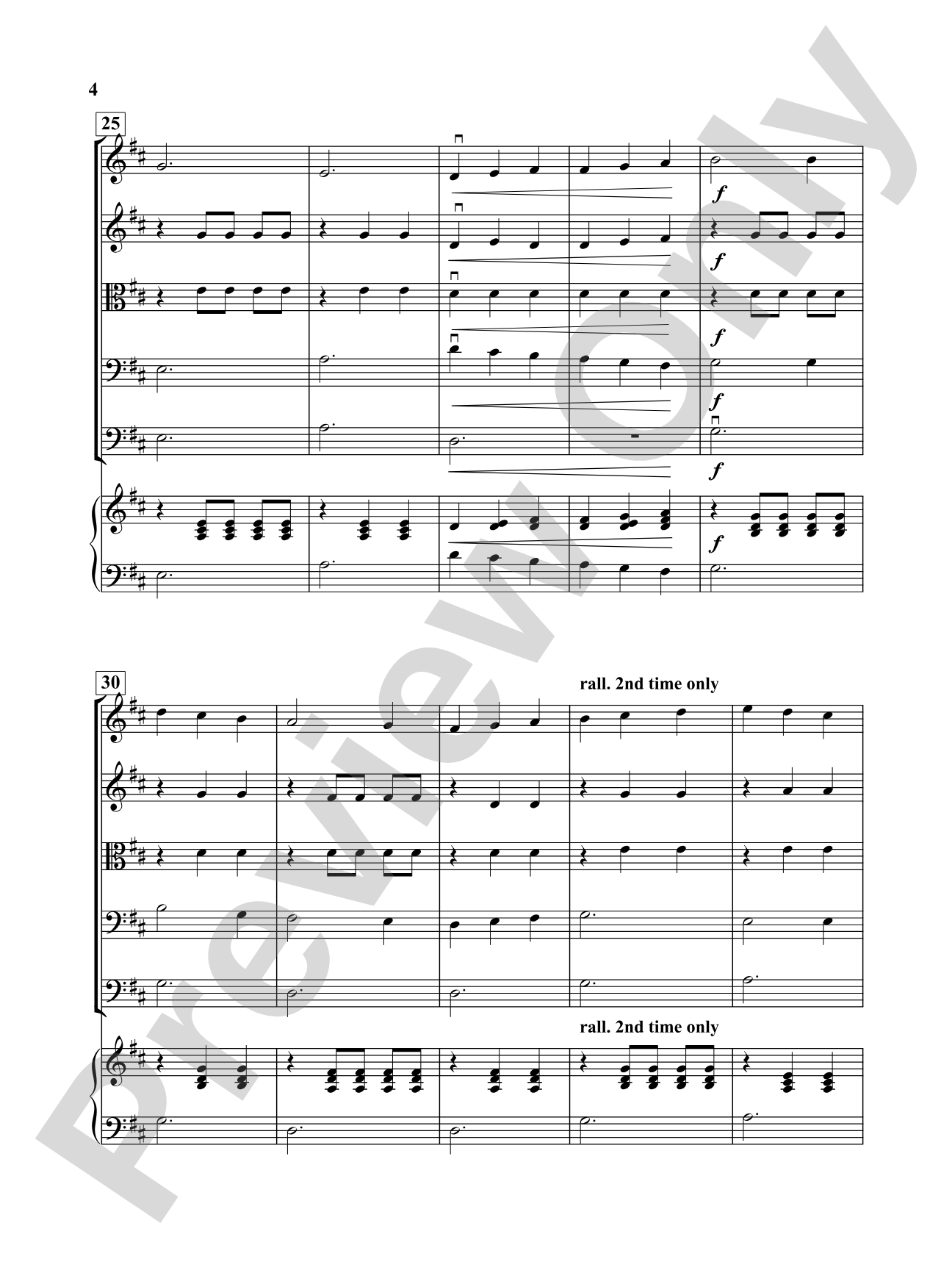
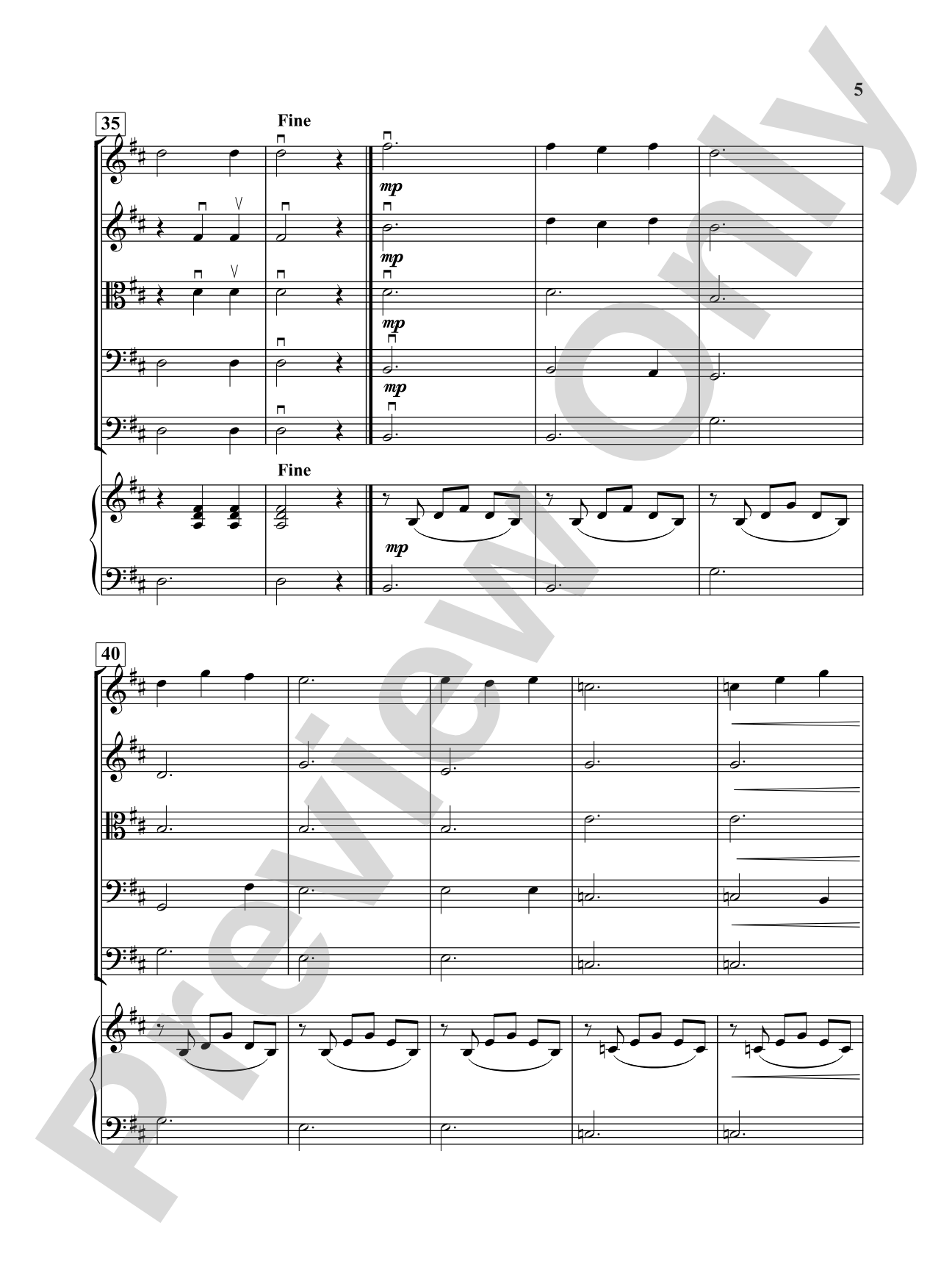
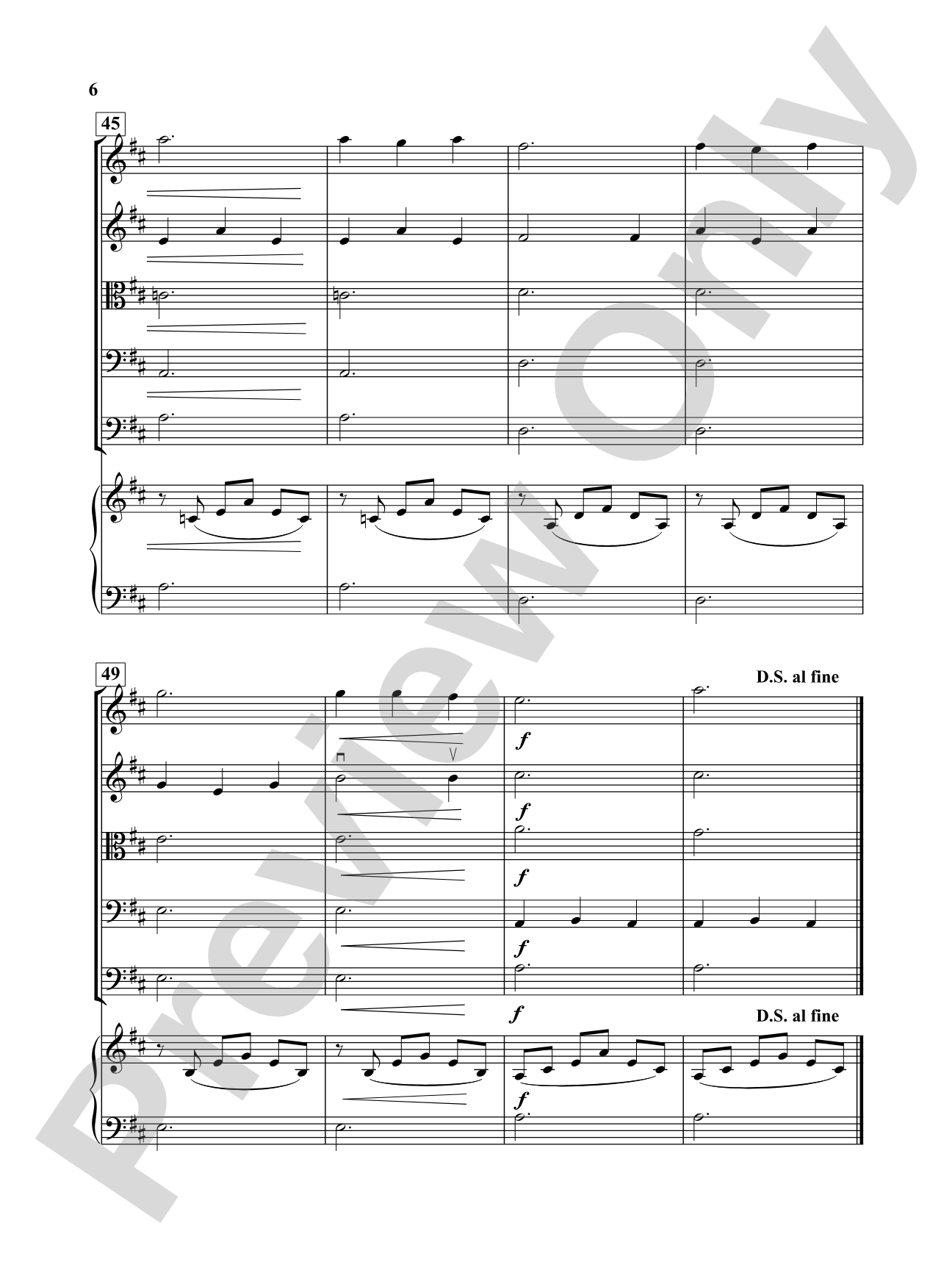

Woolloongabba Waltz: Score
By Loreta Fin
Grade: 1.5-2
Item: 76-PR-0000023
$7.00
Pickup currently not available
Description
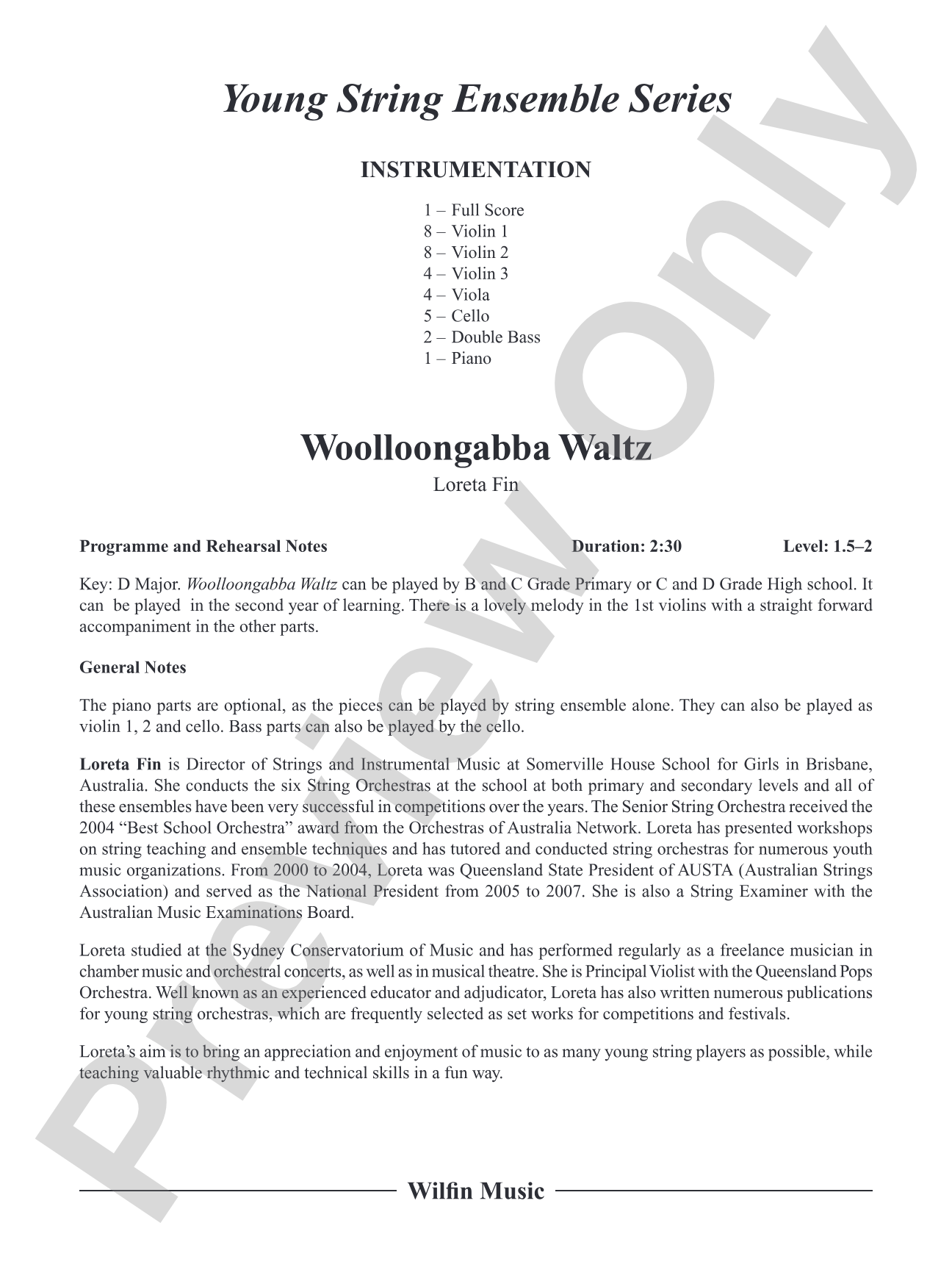
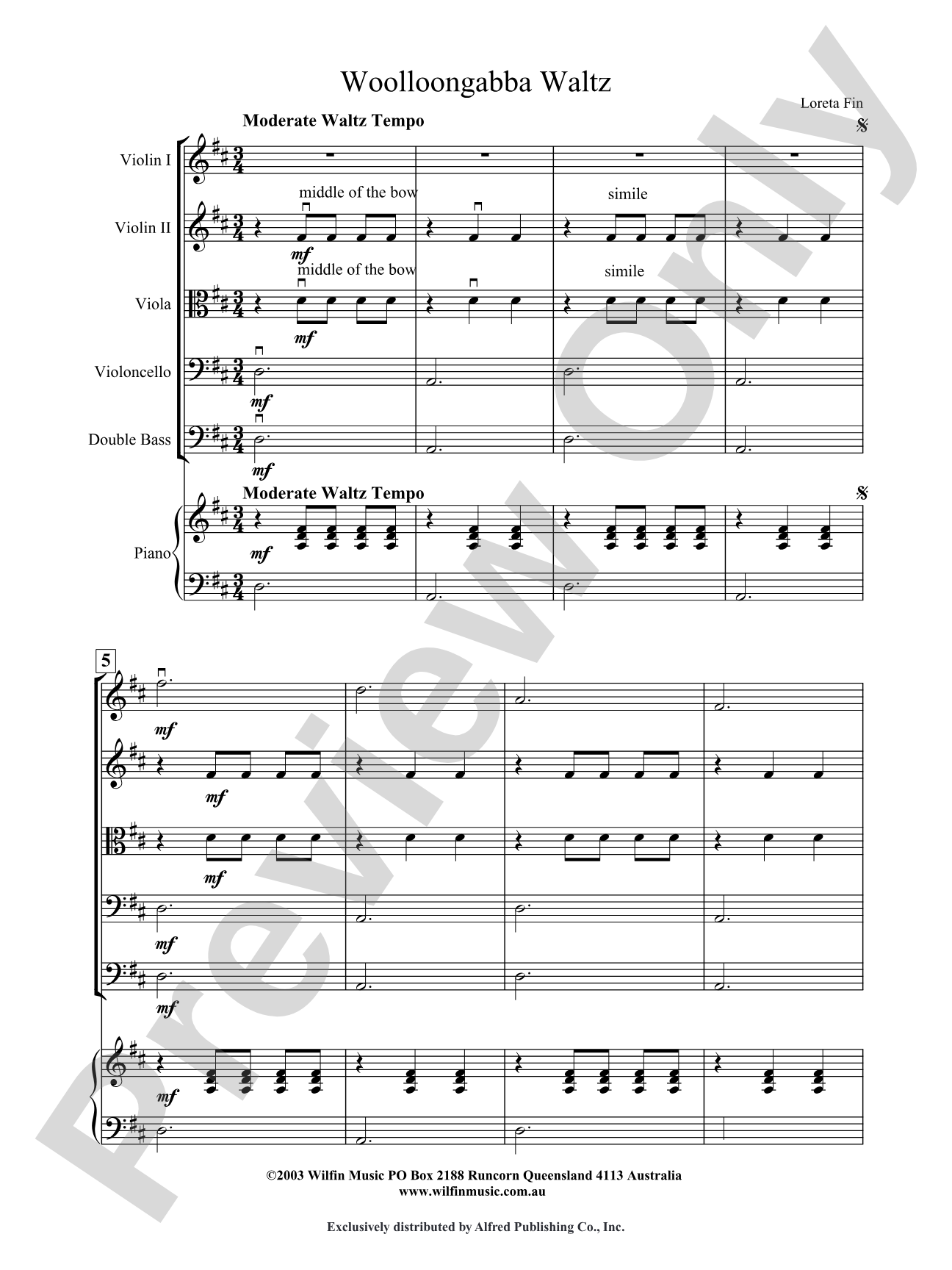
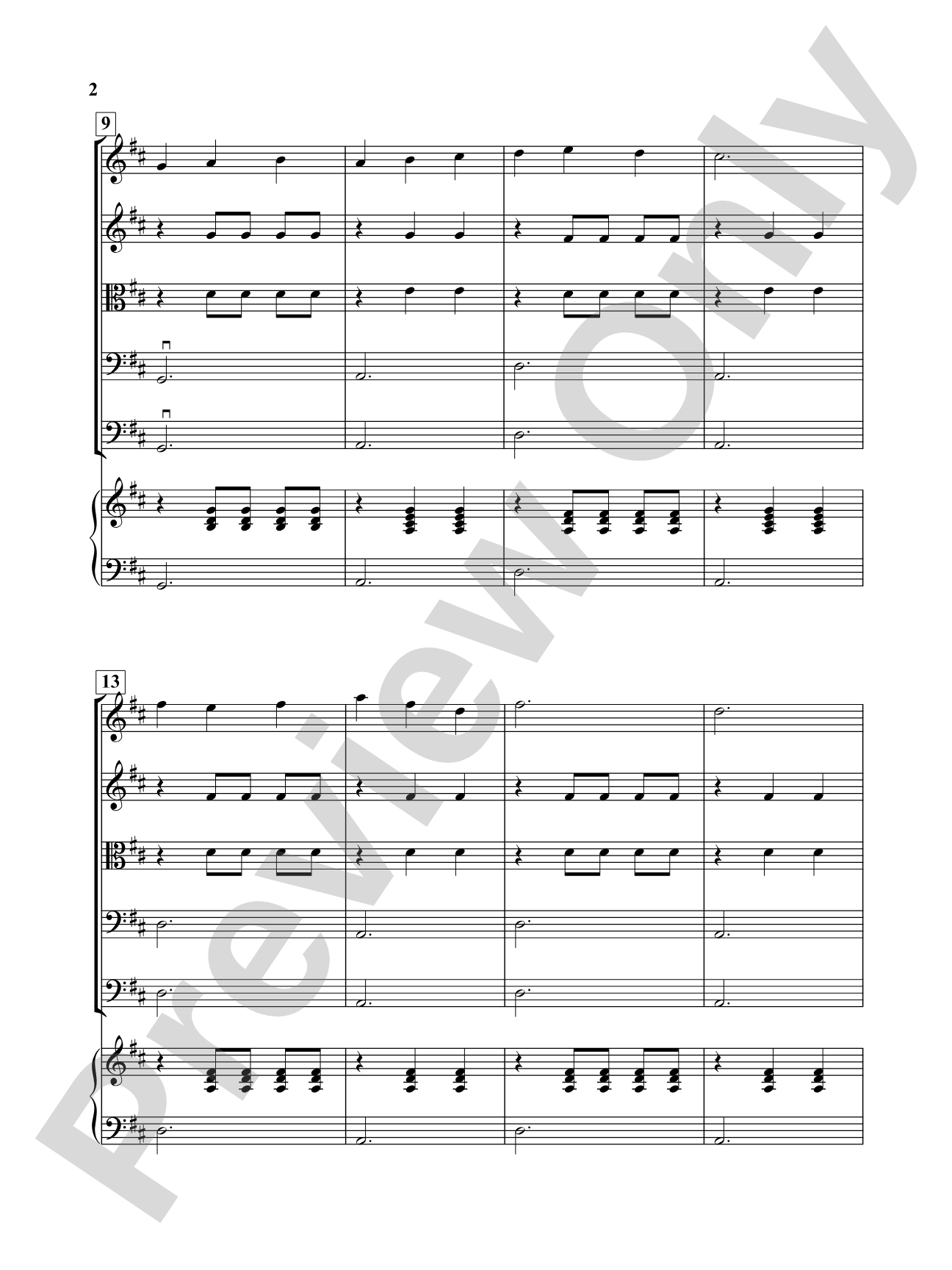
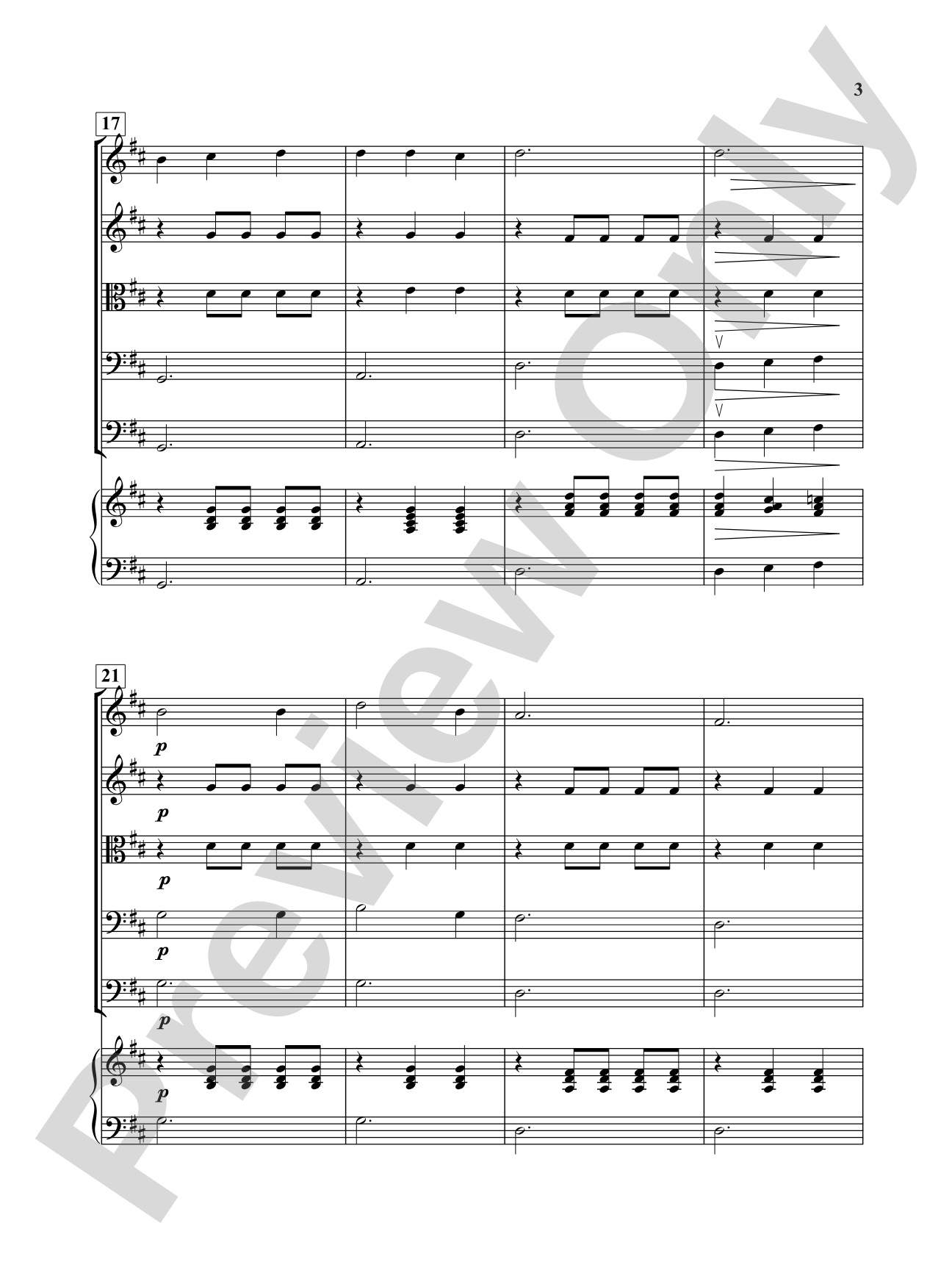
It can be played in the second year of learning. There is a lovely melody in the 1st violins with a straightforward accompaniment in the other parts.


Woolloongabba Waltz: Score isn't in MakeMusic Cloud just yet...but it could be. Let us know you'd like to see it, and you'll help shape what comes next. In the meantime, start a free trial and dive into thousands of interactive titles your students can play along with today.
Request This Title
Tell us you want it.
Start Your Free Trial
Explore everything that's ready to play right now.
Sample Audio
No sample audio found.
Sample Video
No sample videos found.
Additional Details
Series:
Wilfin String Orchestra: Young String Ensemble Series
Publisher:
Wilfin Music
Page Count:
66
SKU:
76-PR-0000023
More about this title
About the Composer: Loreta Fin
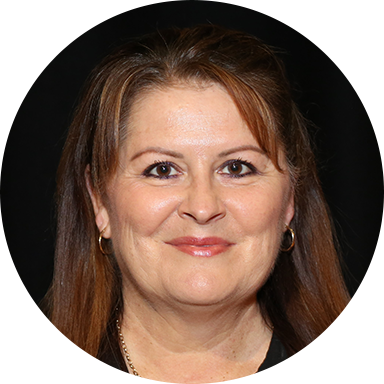
Loreta Fin AM is an Australian string educator and composer with deep roots in both performance and teaching. A graduate of the Sydney Conservatorium of Music and former concertmaster of the Sydney Youth Orchestra, she has spent over 25 years as Principal Viola with the Queensland Pops Orchestra while maintaining an active chamber music career. Since 1993, she has served as Director of Strings at Somerville House School in Brisbane, where her work with young ensembles has shaped her compositional voice.
Fin's contributions to music education extend far beyond her school. She has presented at national conferences in Australia and the United States, adjudicated major competitions across Australia, and served as State and National President of the Australian Strings Association. Her work has earned recognition including a Queensland State Award for services to music education and a National Award for Services to Music and String Teaching. With over 100 published works for string orchestra, a successful Beginner String Ensemble Series, and ongoing roles as an examiner and state advisor, Fin remains a leading voice in string pedagogy.
Why we love this
Fin knows exactly what second-year string players need: a melody they can genuinely own, clear accompaniment patterns that support rather than complicate, and music that sounds polished in performance without demanding technical virtuosity. This waltz sits at the sweet spot where young musicians gain confidence in their primary part while ensemble cohesion develops naturally.
What to expect
Woolloongabba Waltz carries the charm of a traditional dance that anyone can hum after one hearing. The first violin melody unfolds with natural phrasing, while the supporting parts create an uncomplicated harmonic foundation that lets young players focus on tone and ensemble listening. There's real elegance here, not complexity masquerading as musicianship.
Who it's for
This score and parts set is built for string directors working with ensembles in their second year of instruction. Whether your group is preparing for a spring concert or a local festival competition, these materials give every player a genuinely musical experience without stretching technique beyond what they've mastered.
How to get the most out of it
- Establish a steady, dance-like pulse in rehearsal before focusing on intonation details. The waltz rhythm should feel organic to the players, not metronomic.
- Balance the first violin melody so it projects clearly, but remind players that accompaniment parts are equally essential to the waltz character. A conductor who values all sections builds better listening habits.
- Tune the ensemble in home position; since second-year players are still building ear skills, consistent reference tones from open strings will anchor intonation throughout performance.
- Conduct in one (one beat per measure) to let the dance character breathe. Young players who follow a conductor's gesture while hearing the waltz's natural swing will retain more musical understanding than those counting every beat.
How to use it
Program this as an opener on a concert featuring second-year ensembles, where it establishes a warm, welcoming tone before moving to more demanding repertoire. The accessibility and charm also make it an excellent choice for community concerts or festivals where audiences appreciate clear, unpretentious musicianship. Its Australian composer adds programming diversity and opens conversations about music from beyond the European canon.
Skills your students will build
- Maintaining steady tempo while executing waltz rhythm patterns (three beats per measure)
- Reading and balancing between melody and accompaniment roles in a multi-part texture
- Playing with tonal awareness in simple harmonic contexts using primarily open strings and lower positions
- Responding to conductor gesture in a dance-based meter and style
- Listening for intonation accuracy within an ensemble setting