Woolloongabba Waltz Cover Image

Woolloongabba Waltz: String Orchestra Conductor Score

$7.00 USD
Sale price  $7.00 USD Regular price 
Skip to product information
Woolloongabba Waltz Cover Image

Woolloongabba Waltz: String Orchestra Conductor Score

By Loreta Fin

Grade: 1.5-2

Item: 76-30169S

$7.00
Shipped

One moment…

Description
It can be played in the second year of learning. There is a lovely melody in the 1st violins with a straightforward accompaniment in the other parts.

Woolloongabba Waltz: String Orchestra Conductor Score isn't in MakeMusic Cloud just yet...but it could be. Let us know you'd like to see it, and you'll help shape what comes next. In the meantime, start a free trial and dive into thousands of interactive titles your students can play along with today.

Sample Pages

Sample Audio
No sample audio found.
Sample Video
Additional Details
Series: Wilfin String Orchestra: Young String Ensemble Series
Publisher: Wilfin Music
Page Count: 8
UPC: 038081327082
SKU: 76-30169S

More about this title

About the Composer: Loreta Fin
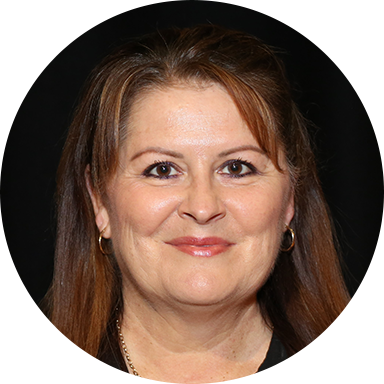
Loreta Fin

Loreta Fin AM is an Australian violist, educator, and composer whose career spans performance, teaching, and advocacy in string music. A graduate of the Sydney Conservatorium of Music, she performed as first violinist with the Sydney Youth Orchestra and has maintained an active chamber and orchestral performance schedule while serving as Principal Viola player with the Queensland Pops Orchestra for over 25 years. She has worked alongside internationally renowned artists and has been recognized through performances at major Australian and American conferences.

Fin has shaped string education for three decades as Director of Strings at Somerville House School in Brisbane and has become one of Australia's most prolific composers for string ensemble, with over 100 published works distributed worldwide by Alfred Music. Her contributions to the field extend through adjudication at major competitions, examiner work with the Australian Music Examinations Board, leadership roles in the Australian Strings Association, and conducting positions with state and national honors ensembles. In 2024, she received the National Award for Services to Music and String Teaching in Australia, recognizing her sustained impact on string pedagogy and performance.

Why we love this

Fin writes for young string orchestras with genuine understanding of what students can accomplish in their second year. The Woolloongabba Waltz gives violins a singing melody that feels important, while the supporting parts stay accessible enough that rehearsal time stays focused on ensemble balance rather than decoding difficult rhythms or shifts.

What to expect

The Woolloongabba Waltz has the character of a graceful, accessible dance. Fin gives the first violins a melody that sings naturally without awkward register jumps, while the accompanying parts provide steady harmonic and rhythmic support that lets the piece breathe without demanding virtuosity from anyone.

Who it's for

This score is designed for student string orchestras in their second year of study, where technical demands stay reasonable but musical expression becomes possible. Directors programming young orchestras will find a piece that builds confidence through a straightforward arrangement while offering genuine ensemble experience.

How to get the most out of it

  • Shape the first violin melody with clear phrase direction; even at this level, students respond to guidance about where the line is heading and where it finds resolution.
  • Establish the waltz pulse early through the accompaniment parts so violinists can sit comfortably inside the rhythm rather than rush ahead of it.
  • Balance the melody against the supporting voices by having accompaniment players listen actively to the violins; many young players default to playing at full volume regardless of their role.

How to use it

Program this on a spring concert where you want to showcase the musical growth of younger ensemble members; it works well alongside one slightly more advanced piece to demonstrate range. The waltz character also suits community concert settings and festival competitions where approachability and musicality matter as much as technical display.

Skills your students will build

  • Sustaining melodic phrasing across multiple measures
  • Listening to and balancing ensemble parts
  • Maintaining steady tempo in a dance form
  • Reading and executing straightforward accompaniment patterns
  • Responding to conductor direction for musical expression

You May Also Like