
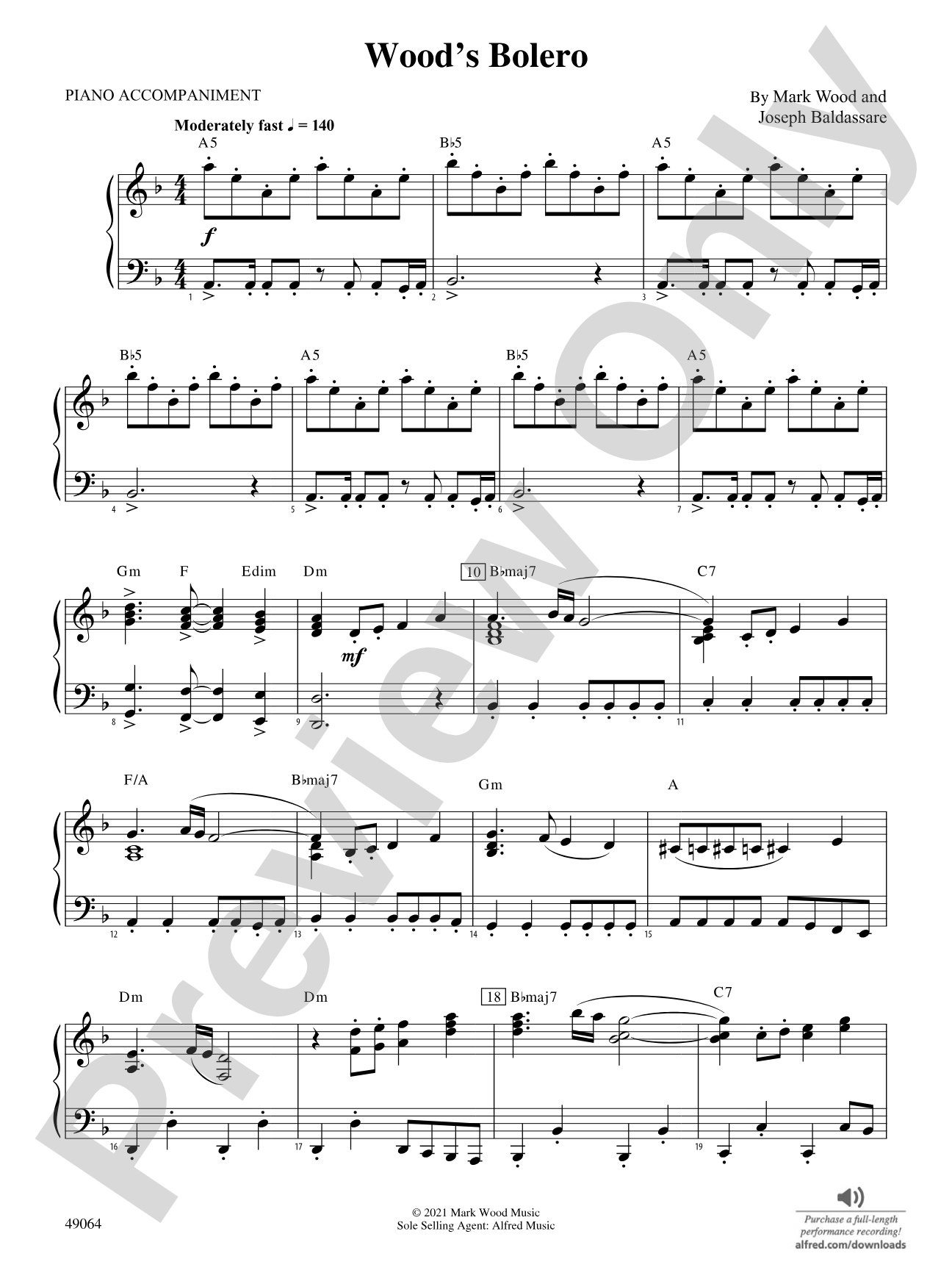
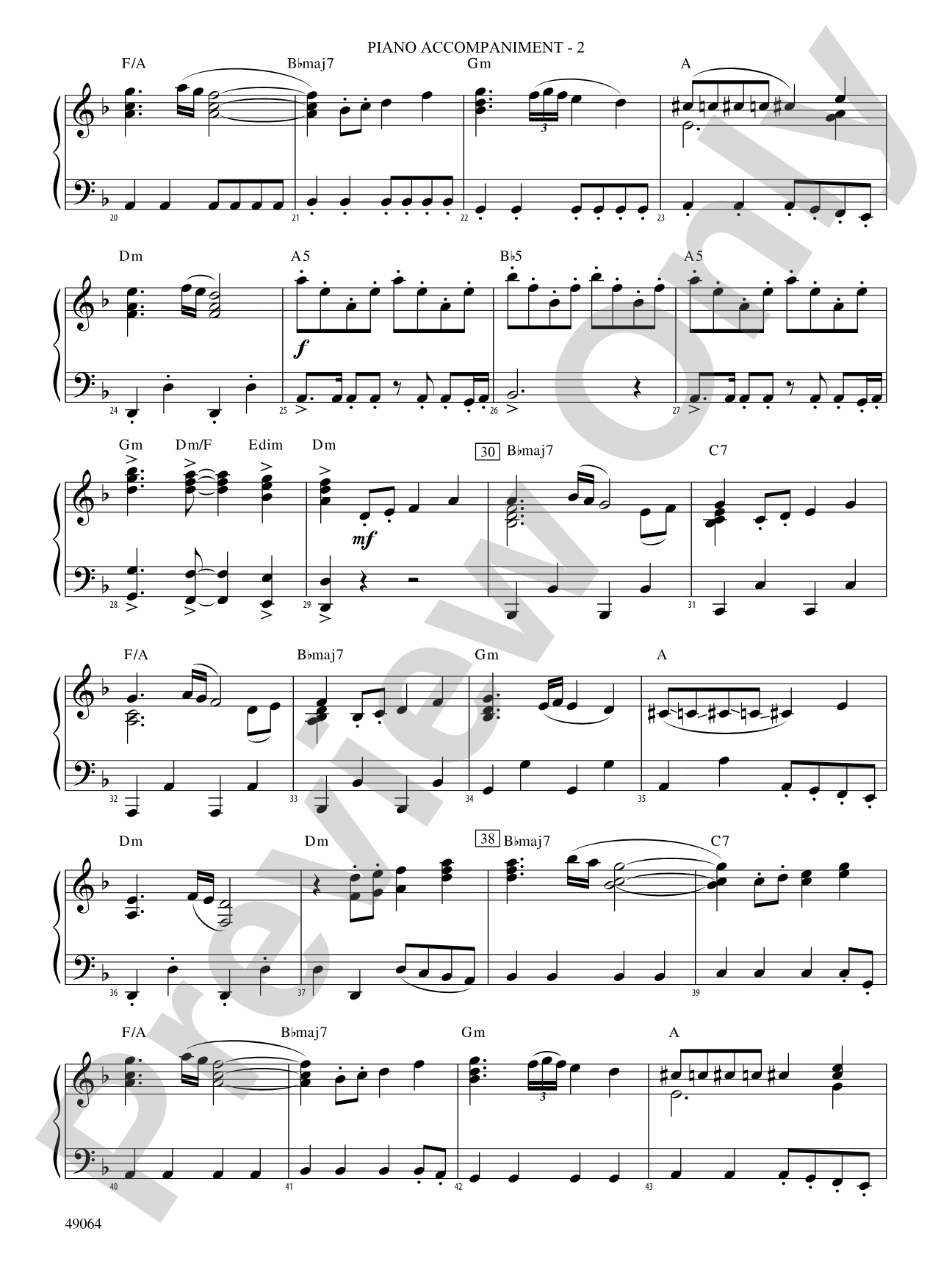

Wood's Bolero: Piano Accompaniment
By Mark Wood
Grade: 2 & 4
Item: 00-PC-0019151_K
$3.00
Pickup currently not available
Description
This multi-level piece includes a full set of parts for grade 2 as well as a full set for grade 4 ensembles. Mix and match the parts as you need---perfect for mixed-ability ensembles!
The traditional bolero is a moderately slow dance in triple meter which originated in late 18th century Spain. Since then it has spread to other countries and become transformed in the process. The Cuban bolero became a bit faster in tempo and duple in meter. In the U.S. it became a staple of competitive ballroom dancing, even faster and in 4/4 time. Maurice Ravel's Boléro for orchestra harkens back to the slower Spanish dance in three. Wood's Bolero by Mark Wood, on the other hand, focuses on the American version but maintains elements of the dance's origins and first iterations. For string orchestra with optional rock rhythm section parts. (4:30)
Download Play-Along Track


The traditional bolero is a moderately slow dance in triple meter which originated in late 18th century Spain. Since then it has spread to other countries and become transformed in the process. The Cuban bolero became a bit faster in tempo and duple in meter. In the U.S. it became a staple of competitive ballroom dancing, even faster and in 4/4 time. Maurice Ravel's Boléro for orchestra harkens back to the slower Spanish dance in three. Wood's Bolero by Mark Wood, on the other hand, focuses on the American version but maintains elements of the dance's origins and first iterations. For string orchestra with optional rock rhythm section parts. (4:30)
Download Play-Along Track
Don't just read it, hear it, play along with it, and watch your students grow with it. In MakeMusic Cloud, Wood's Bolero: Piano Accompaniment comes alive with professional accompaniment, adjustable tempo, and built-in practice tools that turn solo practice into real progress.
Open in the Player
Jump straight in and assign it today.
Start Your Free Trial
Open this title and explore the full library in minutes.
Sample Audio
1
Wood's Bolero
--:--
Wood's Bolero
0:00
0:00
Sample Video
Additional Details
Series:
Mark Wood Series
Publisher:
Alfred Music
SKU:
00-PC-0019151_K
More about this title
About the Composer: Mark Wood
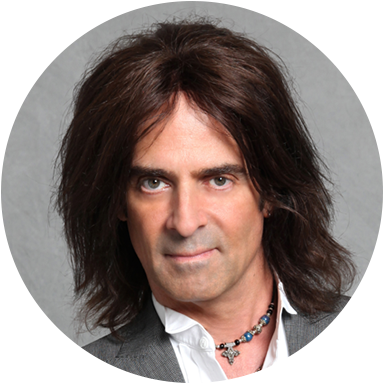
Mark Wood is an electric violinist and composer who has spent four decades transforming what string instruments can do in contemporary music. As a founding member of Trans Siberian Orchestra and a solo recording artist with seven albums, Wood has performed alongside major figures like Paul McCartney, Billy Joel, and Celine Dion, and his work has earned him an Emmy Award for television composition. PBS calls him "The Eddie Van Halen and Jimi Hendrix of The Violin World" for his pioneering innovations in electric string performance.
Beyond his acclaimed solo career and commissions for venues like Juilliard, Lincoln Center, and Carnegie Hall, Wood is a committed music education advocate whose YouTube channel has garnered millions of views. His compositions for student ensembles bring the same energy and originality that define his professional work, making contemporary string writing accessible and exciting to young players.
Why we love this
This piece solves the real challenge of conducting mixed-ability ensembles by offering two complete part sets you can layer strategically. The bolero genre itself gives students a genuine cultural and historical context (Spanish origins, Cuban evolution, American ballroom transformation) while the American version keeps the energy contemporary and engaging for players who might not connect with traditional classical forms.
What to expect
Modern and driving, this bolero channels the American ballroom tradition with a contemporary edge that feels current rather than dusty. The triple-to-duple meter transformation (from the Spanish ancestor through Cuban and American iterations) creates rhythmic interest without feeling overly complex, and Wood's rock influence gives the piece an energy that holds young players' attention.
Who it's for
Directors managing string orchestras with mixed reading levels will find this indispensable for keeping everyone engaged in the same repertoire. Grade 2 players get a satisfying part that contributes to the whole sound, while grade 4 players tackle fuller harmony and rhythmic complexity. The optional rock rhythm section extends the reach to ensembles with electric bass or drums available.
How to get the most out of it
- Balance the rock rhythm section carefully if you use it; these parts should anchor the groove without overwhelming the string lines, especially in a grade 2 ensemble.
- Work the syncopated rhythms and off-beat accents separately from the melodic material; students often rush when both occur simultaneously.
- Use the play-along track to lock the ensemble into the bolero's characteristic pulse before running the full piece with your conductor.
- Mark clear transitions between sections where parts change roles (melody to accompaniment, etc.) so players track their place in the arrangement.
How to use it
Program this on a winter or spring concert as an upbeat contrast to traditional classical repertoire, or use it as a bridge piece when your program moves between classical and contemporary works. The 4:30 runtime and rhythmically driven character make it ideal for audiences that include families new to concert music, and the cultural history lesson built into the piece works well alongside educational program notes.
Skills your students will build
- Playing across multiple meters and tempo divisions within a single piece
- Maintaining a steady pulse in a syncopated, groove-based texture
- Balancing melody and accompaniment roles when doubling parts at different grade levels
- Responding to rock and contemporary idioms (offbeat articulation, rhythmic precision rather than legato shaping)