Danny Elfman is a composer and filmmaker whose distinctive voice has shaped modern film music across three decades. His work combines theatrical orchestration with playful melodic invention, drawing from his background in performance and experimental music. Elfman's scores for Tim Burton's films—from Edward Scissorhands to Frankenweenie—have become classroom staples, introducing students to how composers create character and mood through instrumental color and harmonic wit.
Why we love this
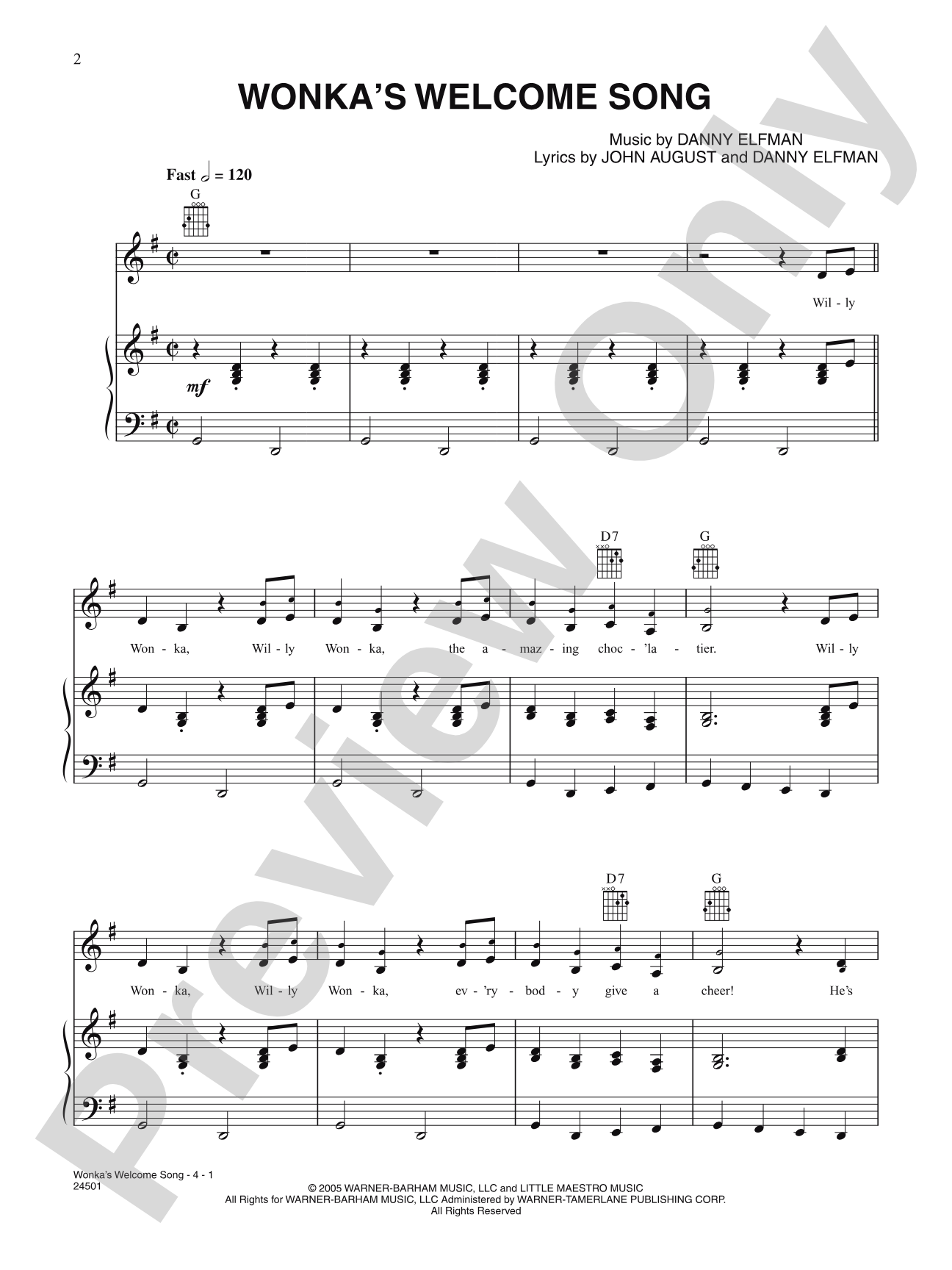
This arrangement captures Elfman's gift for writing melodies that lodge themselves in the listener's mind while maintaining real harmonic sophistication. The piano/vocal/chords format makes it accessible for singers and pianists at intermediate levels without sacrificing the quirky, theatrical personality that makes the original memorable. Programming this song offers a refreshing alternative to standard musical theater repertoire, especially when building concerts around film music or whimsical material.
What to expect
Elfman's melody sparkles with mischievous energy, inviting the singer to inhabit a character both welcoming and delightfully strange. The harmonic language sits somewhere between Broadway sophistication and film score theatricality, creating a sound that feels both accessible and distinctly modern. Piano and voice move in easy conversation, never precious, always purposeful.
Who it's for
Intermediate to advanced high school singers and pianists, as well as college-level performers seeking repertoire beyond traditional musical theater. This arrangement works for voice lessons, small ensemble performance, recitals, or audition preparation for students who want to demonstrate interpretation of contemporary film music.
How to get the most out of it
Shape the melody with clear phrase breathing rather than treating it as one long line; Elfman's melodies respond to gentle dynamic shaping that emphasizes their narrative quality.
Balance vocal and piano parts so the piano remains active and conversational rather than purely accompanying; the chart's chord notation invites flexible, creative voicing.
Capture the song's theatrical character by committing to tempo choices and dynamic contrasts that reflect Wonka's personality; this is not a ballad, and it rewards energetic commitment.
Experiment with the rhythmic swing and articulation of the piano part to evoke the film's distinctive personality, especially in passages where the rhythm sits slightly behind the beat.
How to use it
This works beautifully in a film music or contemporary music concert, paired with other movie scores or theatrical songs to build thematic cohesion. It can also serve as a palate cleanser in a recital program dominated by classical or art song repertoire, offering audiences a moment of theatrical joy without undermining the concert's artistic integrity.
Skills your students will build
Singing phrasing and lyrical legit style in contemporary film music
Reading chord charts and realizing accompaniment voicings on piano
Interpreting character and narrative through musical choices
Balancing ensemble collaboration between vocalist and accompanist
Rhythmic flexibility and conversational phrasing in theatrical contexts
You May Also Like
Scan to Complete Your Purchase
Use your phone's camera to scan the code below
You'll log in on your phone and the order will be added to your account