
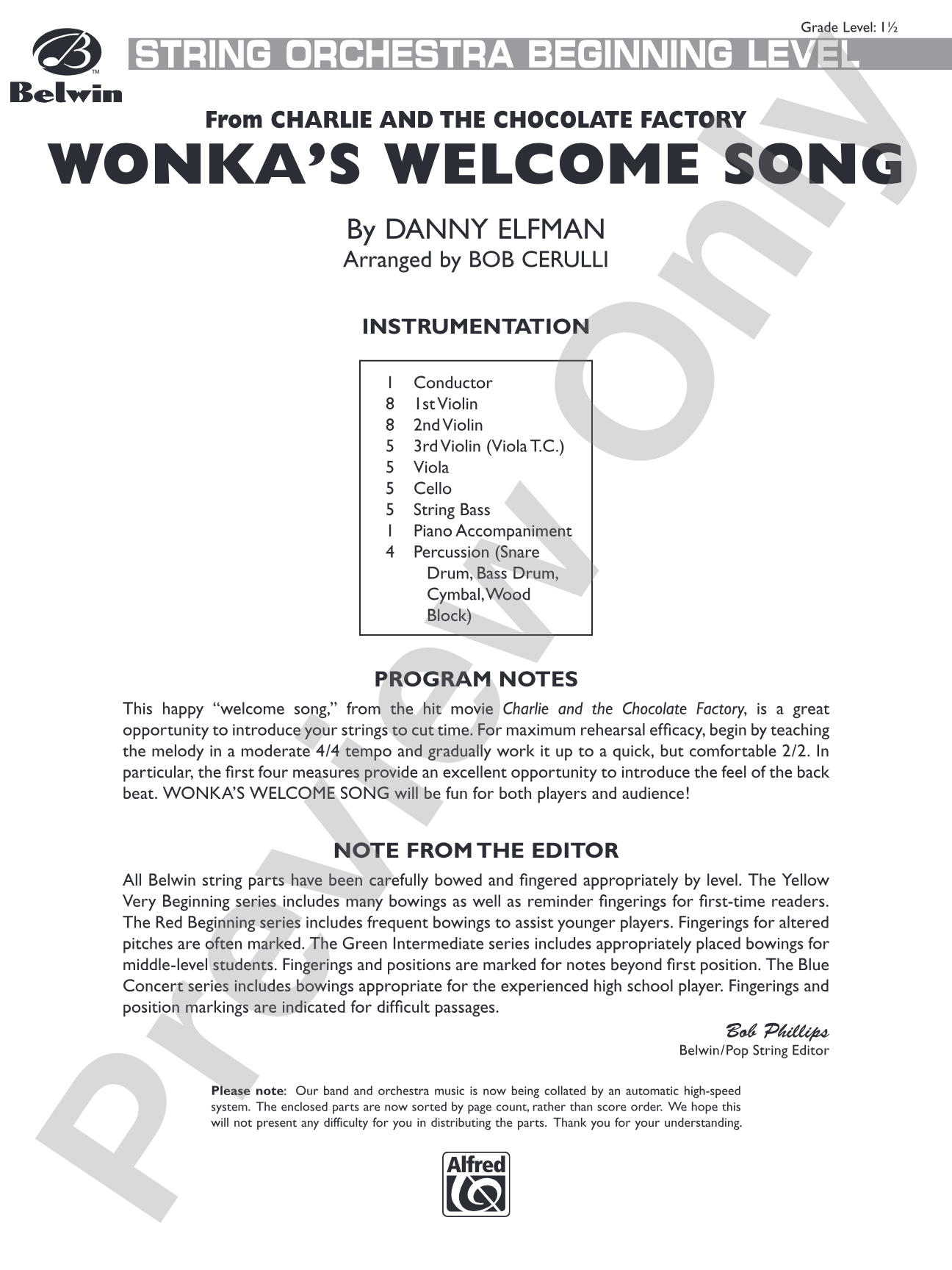
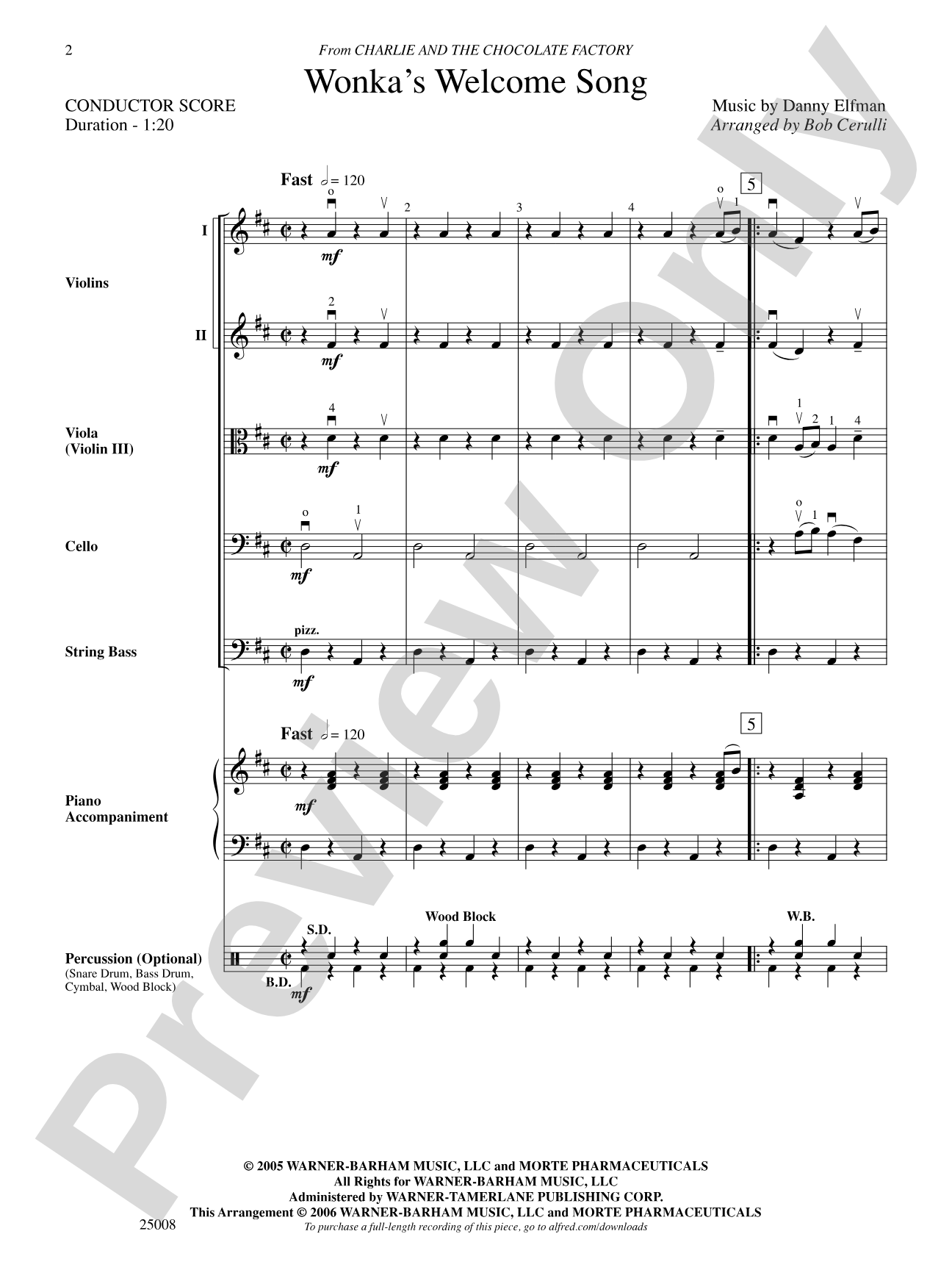
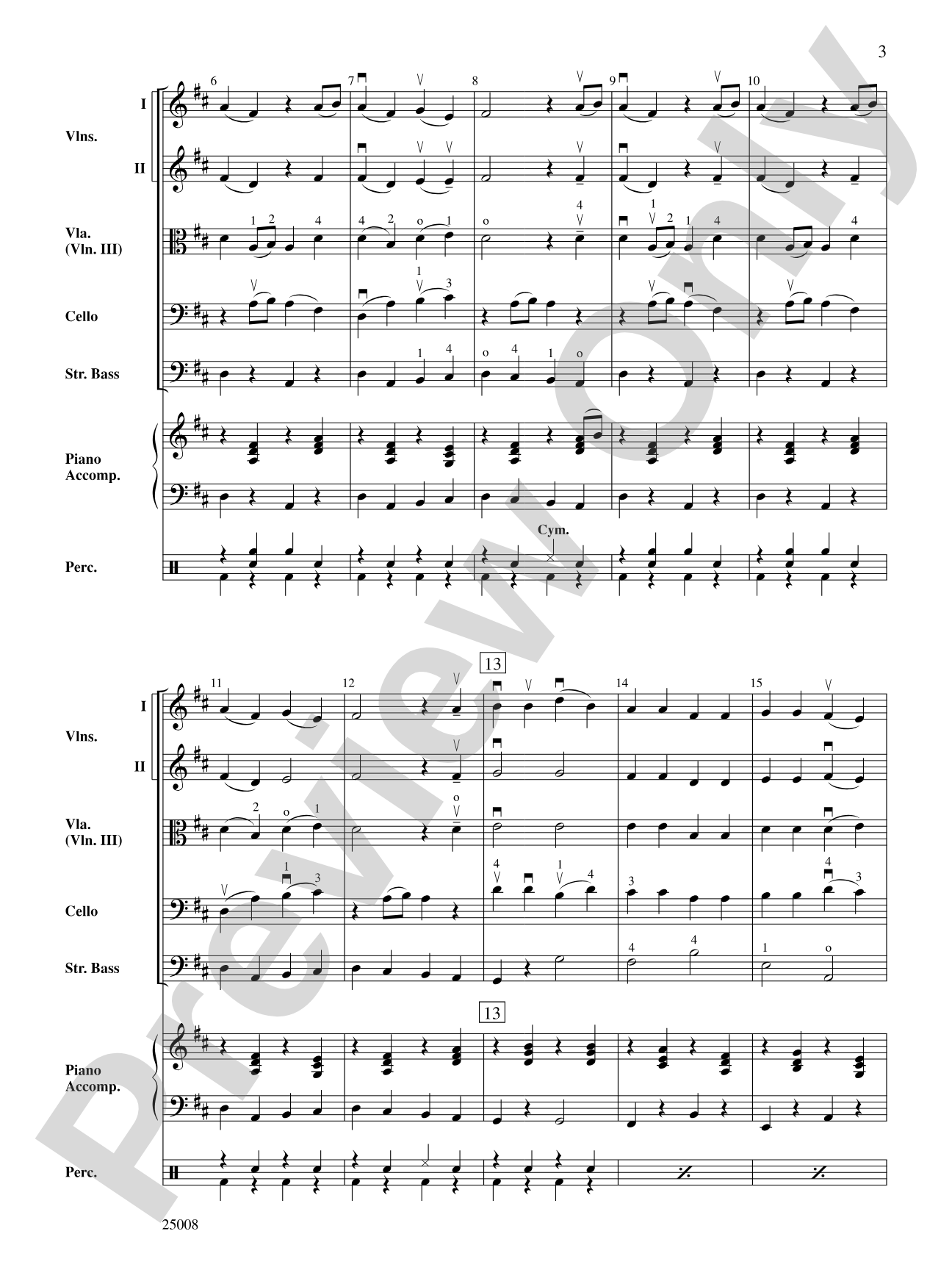
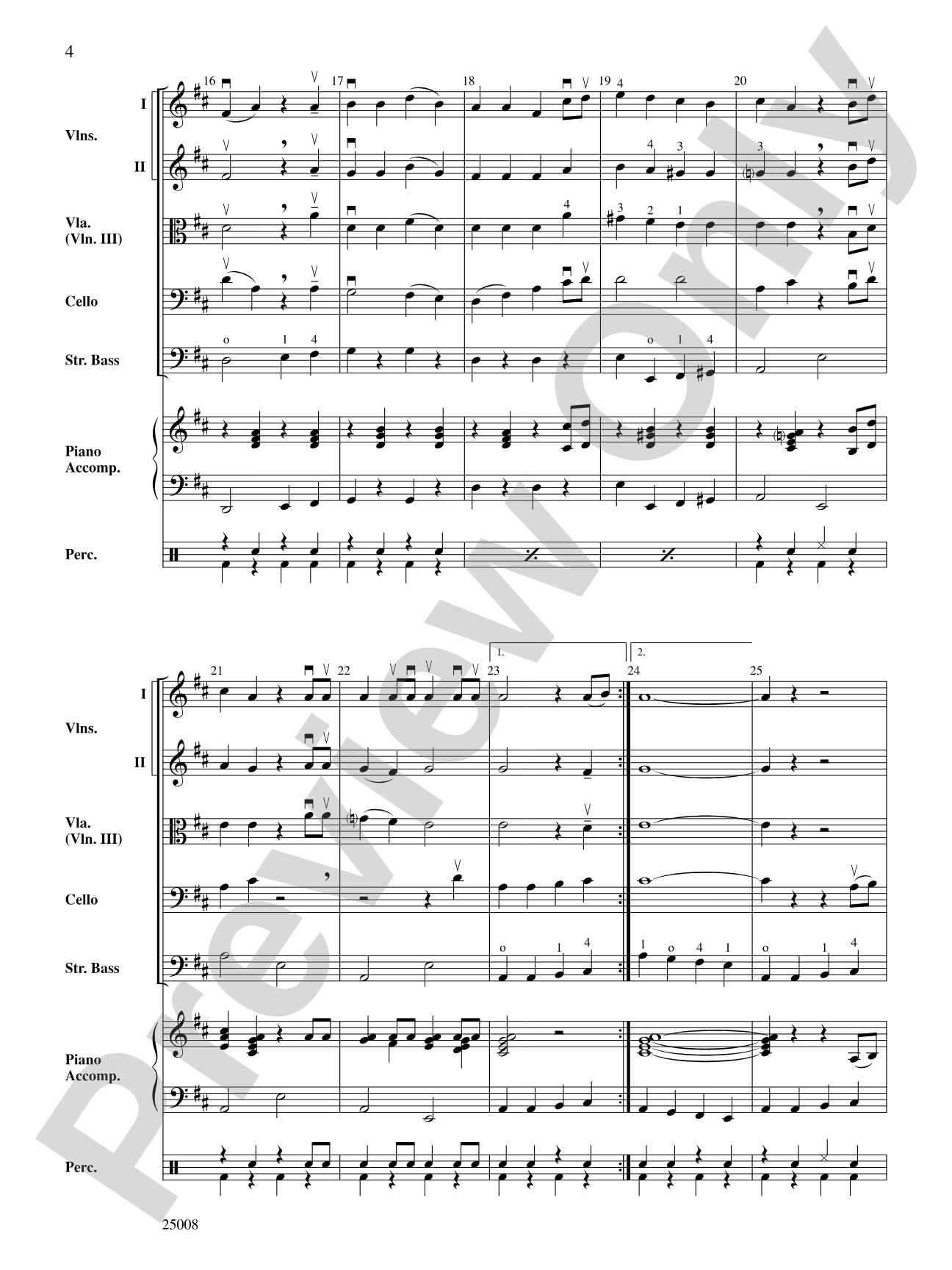
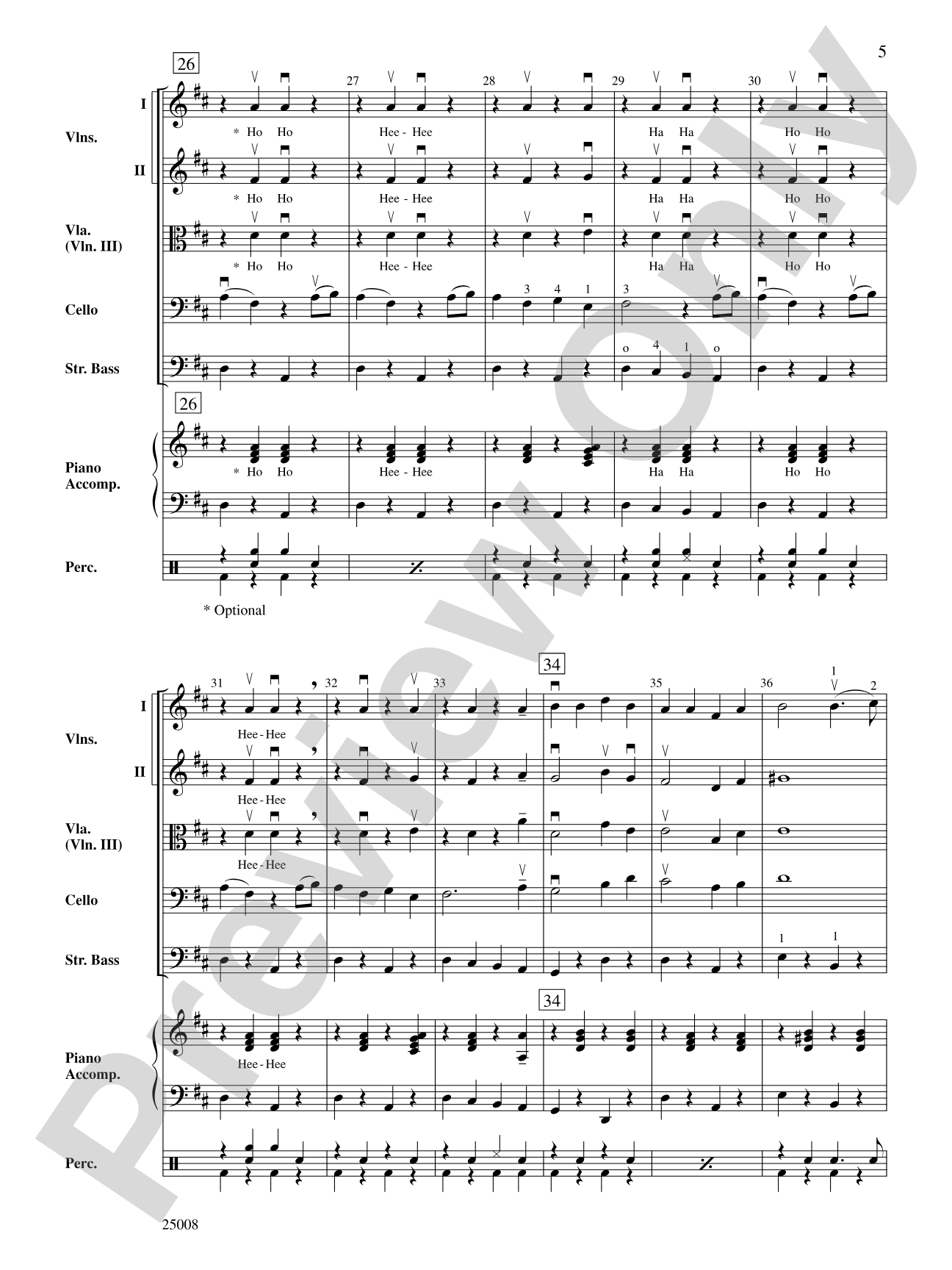
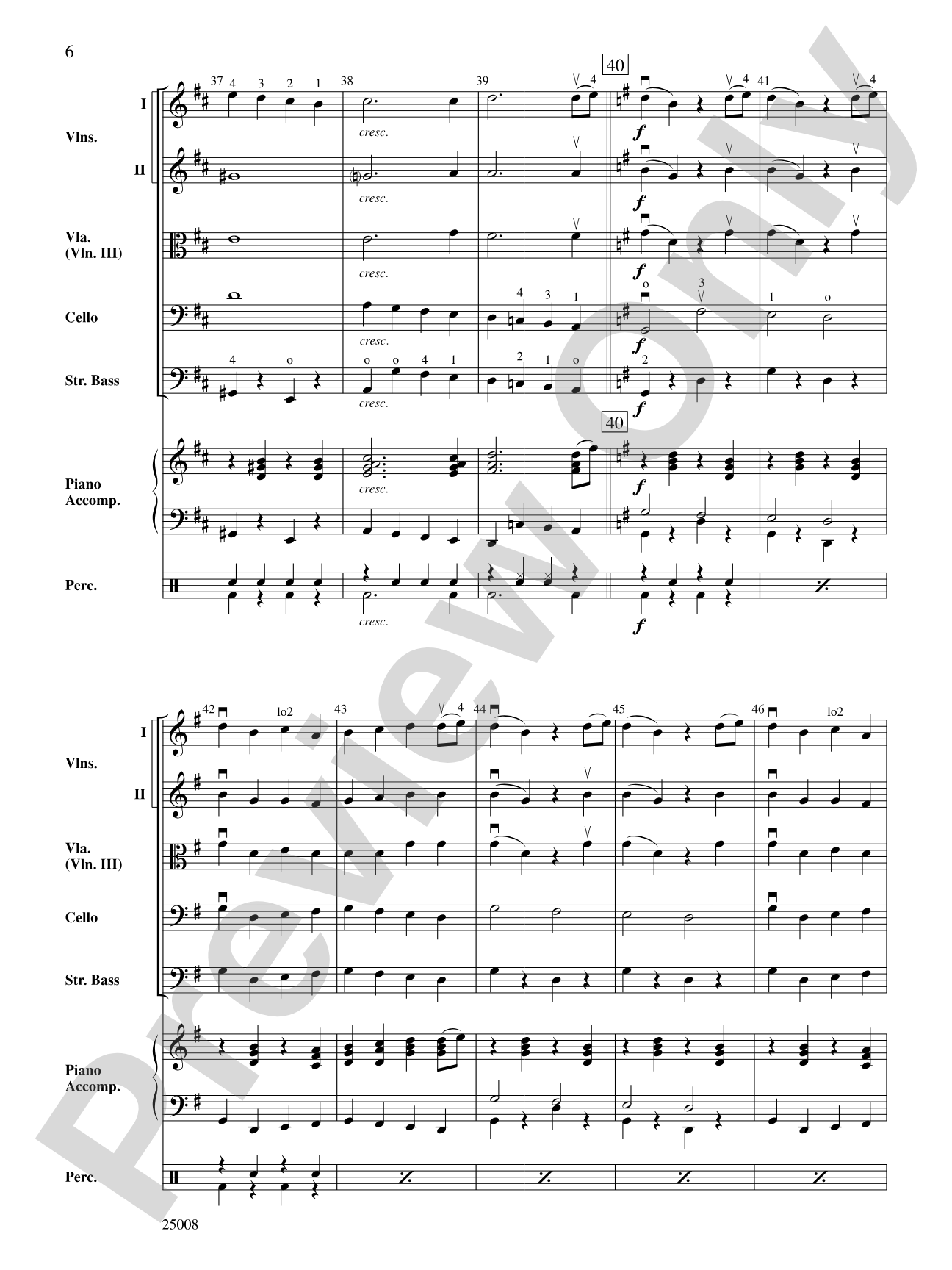
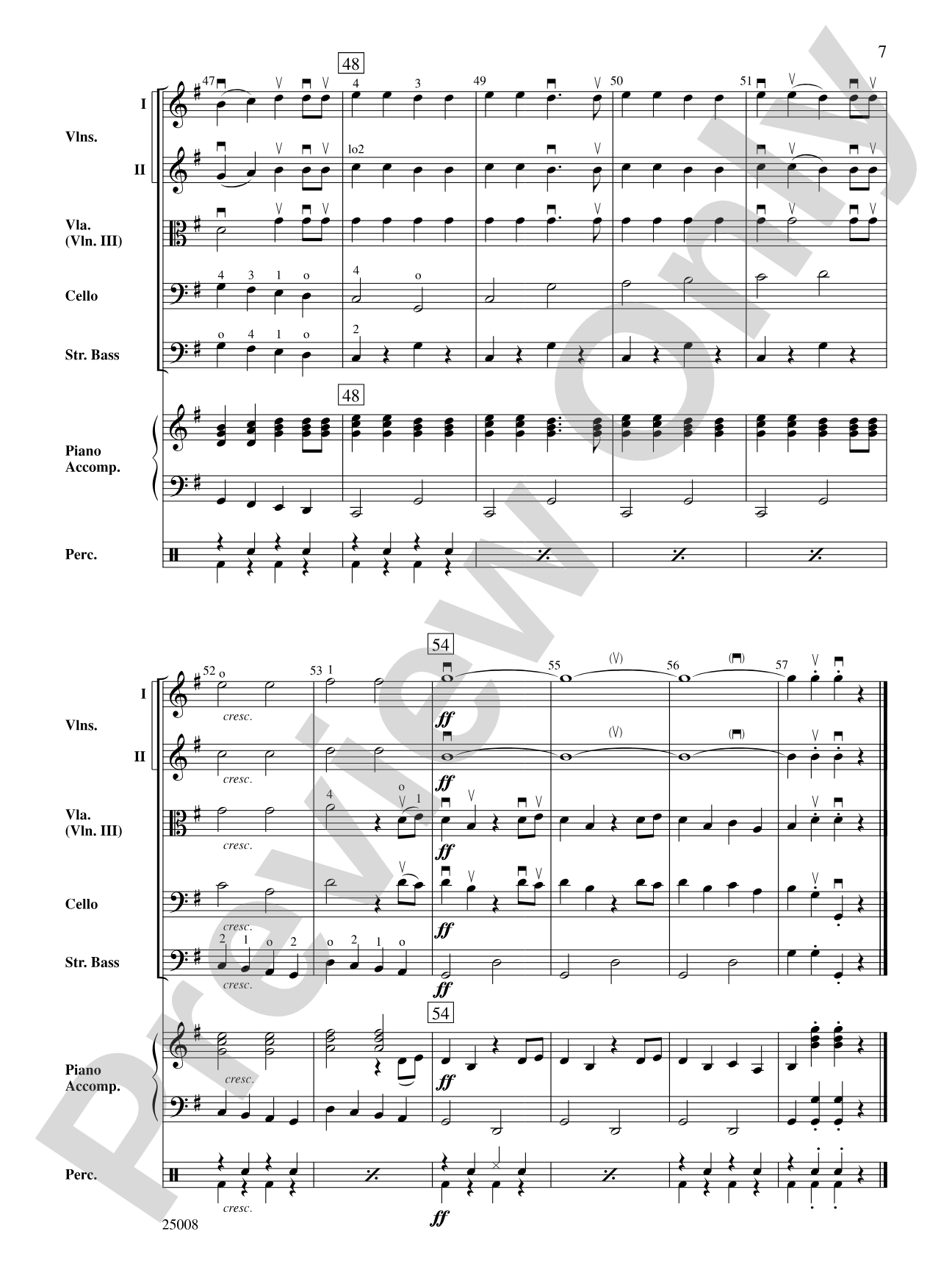


Wonka's Welcome Song (from Charlie and Chocolate Factory): Score
By Danny Elfman / arr. Bob Cerulli
Grade: 1.5
Item: 00-PR-0000978
$9.00
Pickup currently not available
Description
This happy "Welcome Song", from Charlie and the Chocolate Factory™, is a great opportunity to introduce your strings to cut time. The arrangement is perfect to learn in a moderate 4/4 and gradually work up to cut time at a comfortable tempo. In particular the first four measures provide an excellent opportunity to get the feel of the back beat. Lots of fun for players and audience!


Don't just read it, hear it, play along with it, and watch your students grow with it. In MakeMusic Cloud, Wonka's Welcome Song (from Charlie and Chocolate Factory): Score comes alive with professional accompaniment, adjustable tempo, and built-in practice tools that turn solo practice into real progress.
Open in the Player
Jump straight in and assign it today.
Start Your Free Trial
Open this title and explore the full library in minutes.
Sample Audio
1
Audio File
--:--
0:00
0:00
Sample Video
No sample videos found.
Additional Details
Series:
Pop Beginning String Orchestra
Publisher:
Alfred Music
Page Count:
82
SKU:
00-PR-0000978
More about this title
About the Composer: Danny Elfman
Danny Elfman is a composer whose film scores have shaped the sound of contemporary cinema for four decades. His gift for melody and orchestration makes his music instantly recognizable, and his work across genres—from Tim Burton's fantastical worlds to superhero blockbusters—demonstrates his versatility and imaginative range.
Elfman's compositions are particularly valued in music education because they balance accessibility with genuine sophistication. His melodies are memorable and engaging for student musicians, while his orchestrations reward careful listening and thoughtful interpretation.
Why we love this
Bob Cerulli's arrangement captures the whimsy and energy of Elfman's original while building a clear pedagogical pathway. By introducing cut time through a moderate 4/4 foundation, students experience metric modulation in a supportive context rather than a conceptual abstraction. The opening measures alone provide page-turning evidence that rhythm studies don't have to feel like drills.
What to expect
Whimsical and buoyant, with a playful bounce that invites both players and listeners into Wonka's imaginative world. The melody sparkles with joy, and the orchestration feels spacious enough for young musicians to hear themselves clearly without sounding thin or struggling.
Who it's for
Beginning string orchestras looking for repertoire that combines genuine musical interest with clear learning objectives. This works especially well for programs introducing cut time and metric concepts, or ensembles wanting to program recognizable music that still respects student ability levels.
How to get the most out of it
- Start your opening rehearsals in 4/4 and let the cut time feel emerge naturally as ensemble confidence grows. Rushing this transition defeats the pedagogical purpose and creates unnecessary frustration.
- Shape the back beat with consistent articulation in the first four measures. This is where students internalize the pulse that makes cut time feel secure rather than rushed.
- Balance the melodic line between your concertmaster and second violins. This arrangement often distributes material across the section, so clear inner-part awareness prevents the tune from getting buried.
- Keep the tempo comfortable throughout. Elfman's melodies breathe, and student orchestras often benefit from slightly broader tempos that allow articulation and dynamic contrasts to register with the audience.
How to use it
Program this as a family concert centerpiece or spring pops concert highlight where recognizable film music appeals to broader audiences. It pairs well with other accessible movie themes and contemporary repertoire, giving young string players the satisfaction of performing music their listeners actually know.
Skills your students will build
- Reading and performing in cut time
- Understanding and executing back beat articulation patterns
- Maintaining metric awareness during transitions between time signatures
- Balancing melodic and accompanying lines within a section
- Executing clear articulation within the context of lighter, character-driven music