
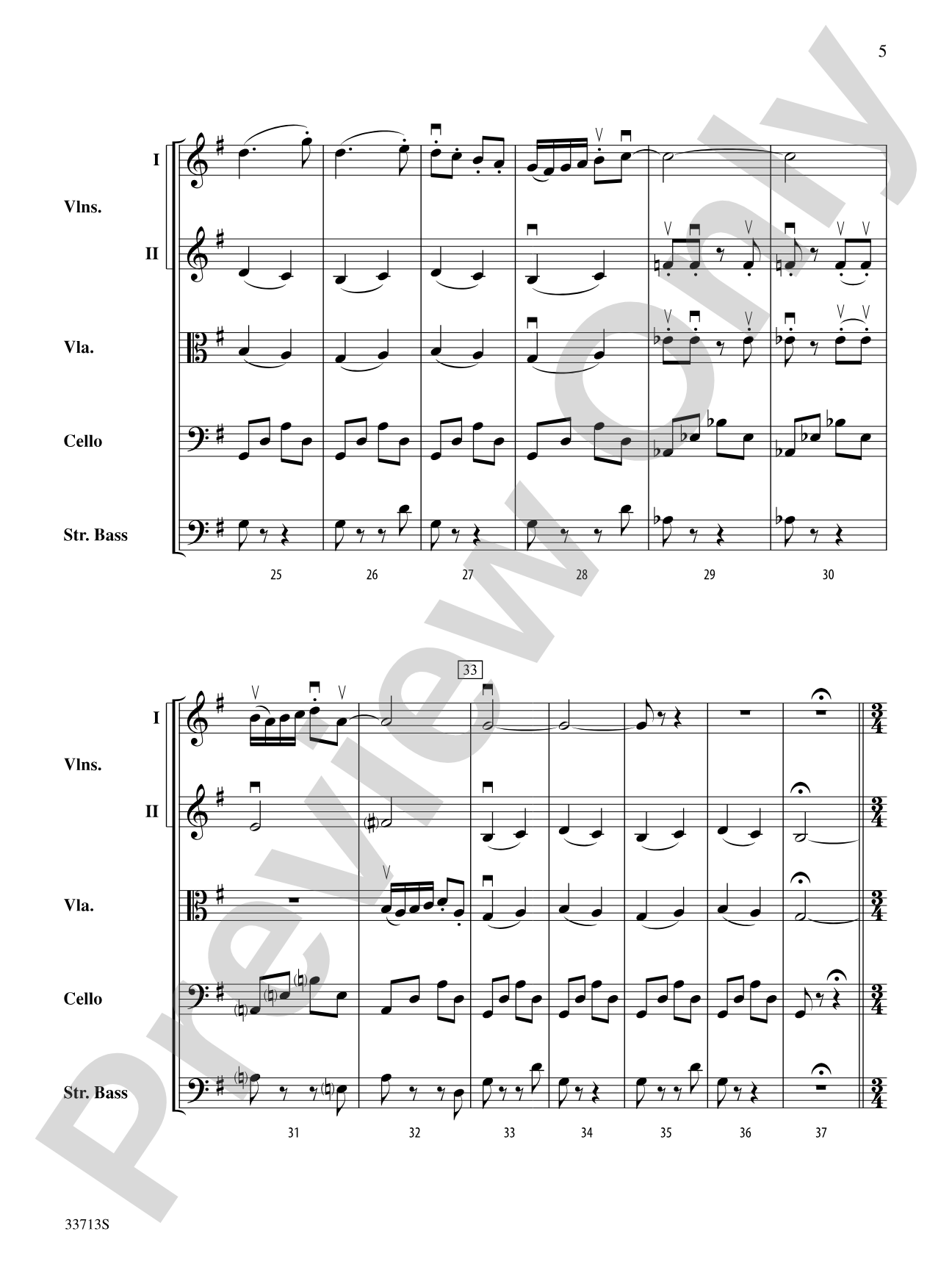
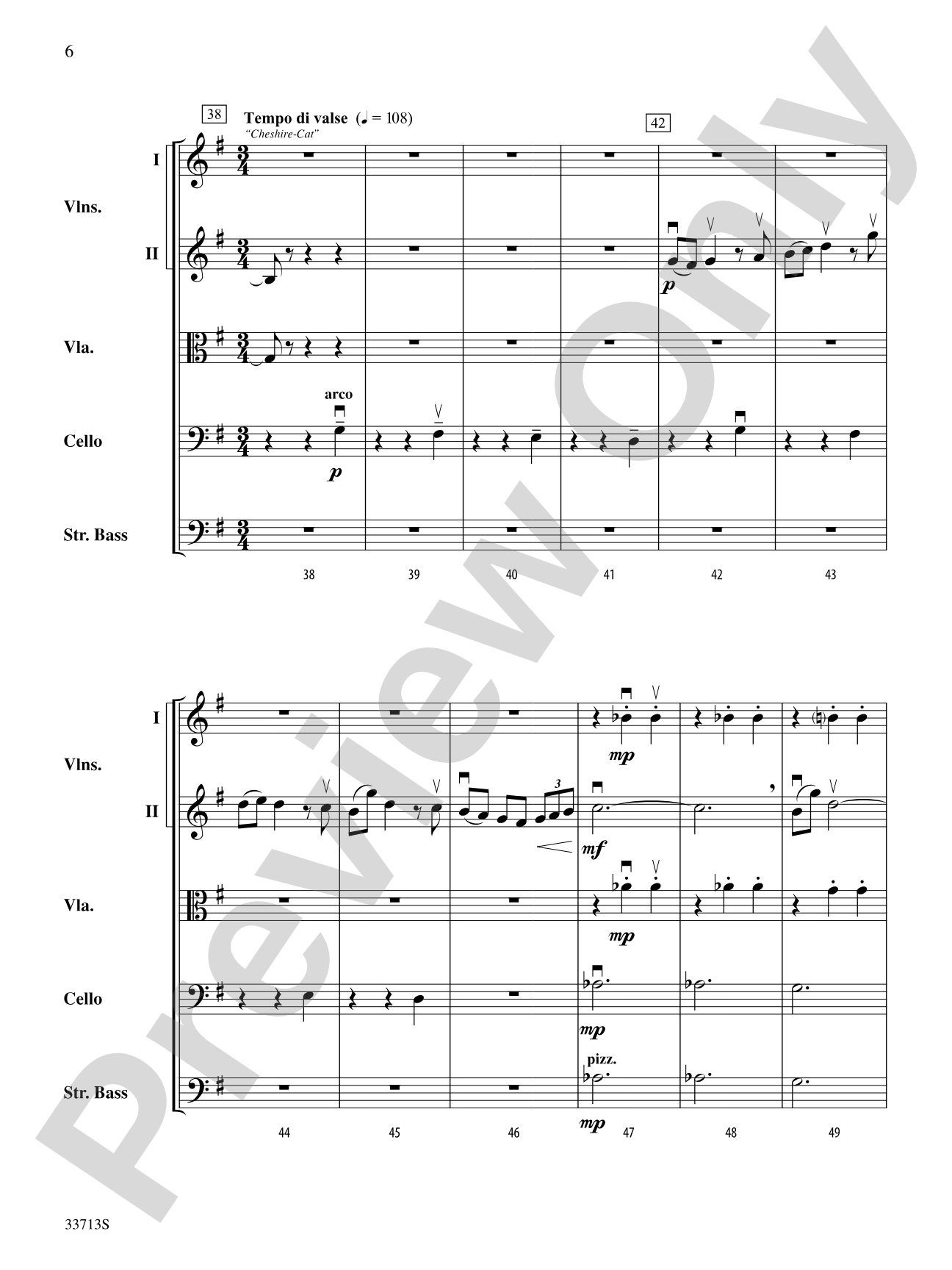
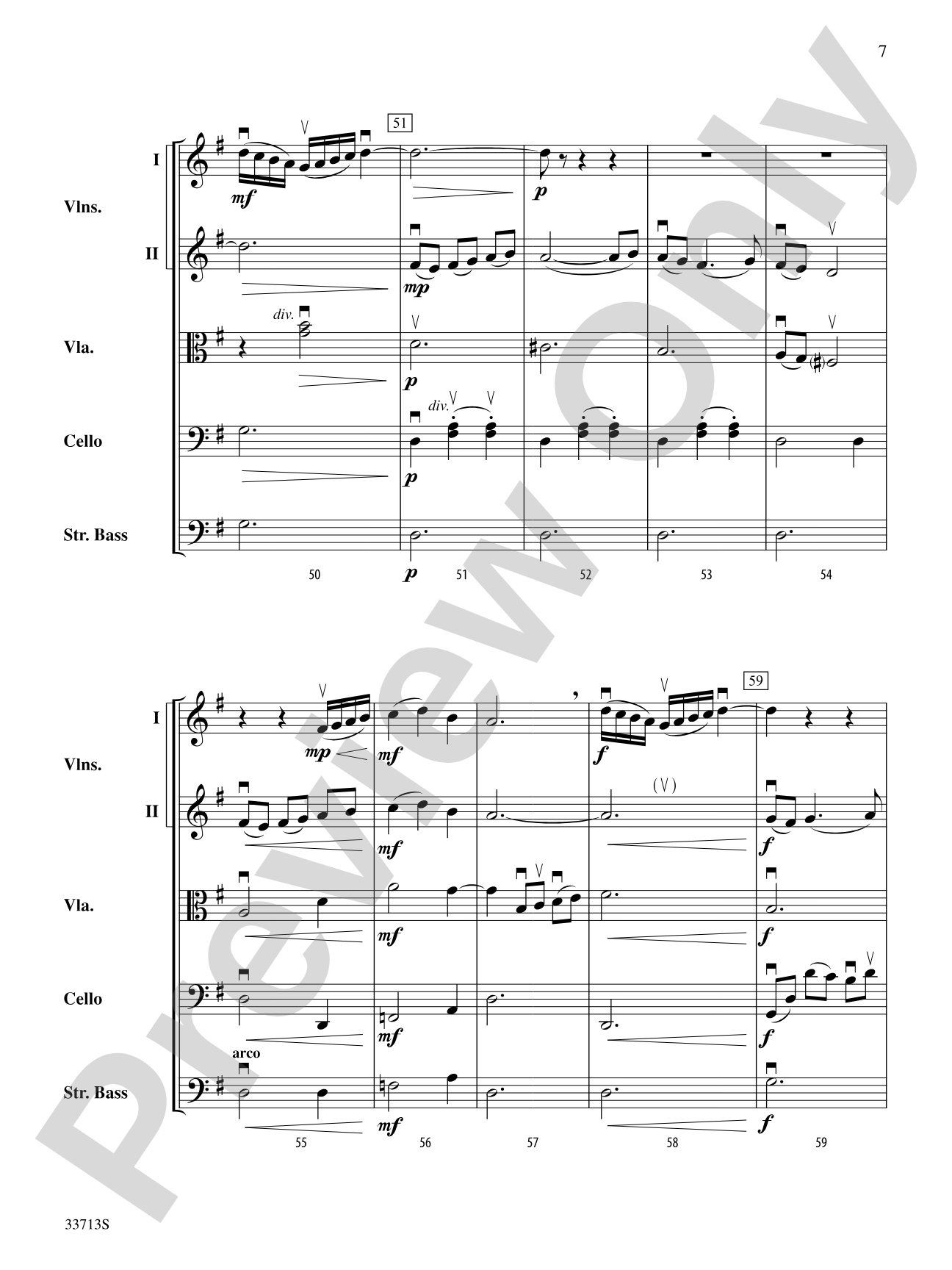
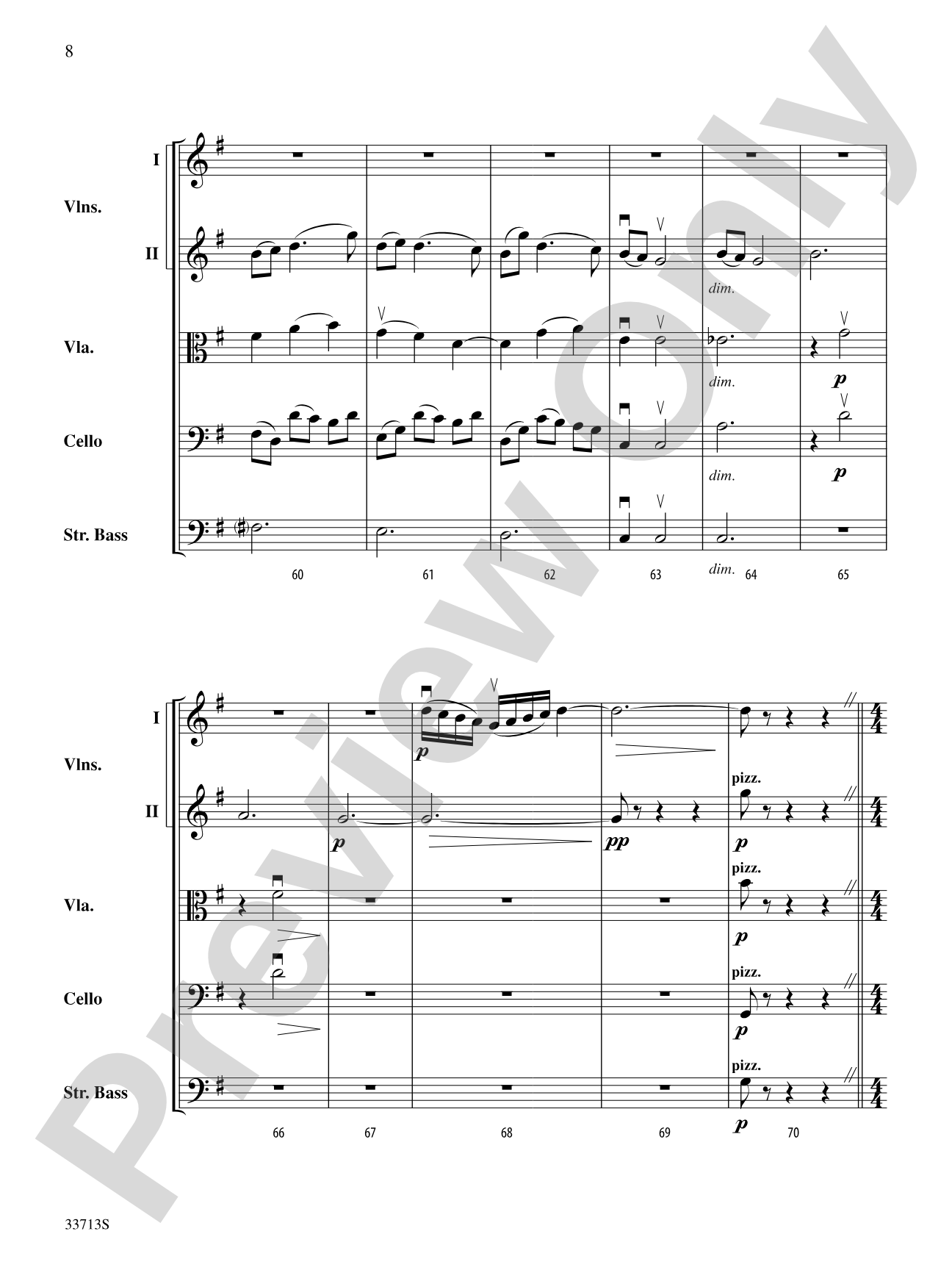
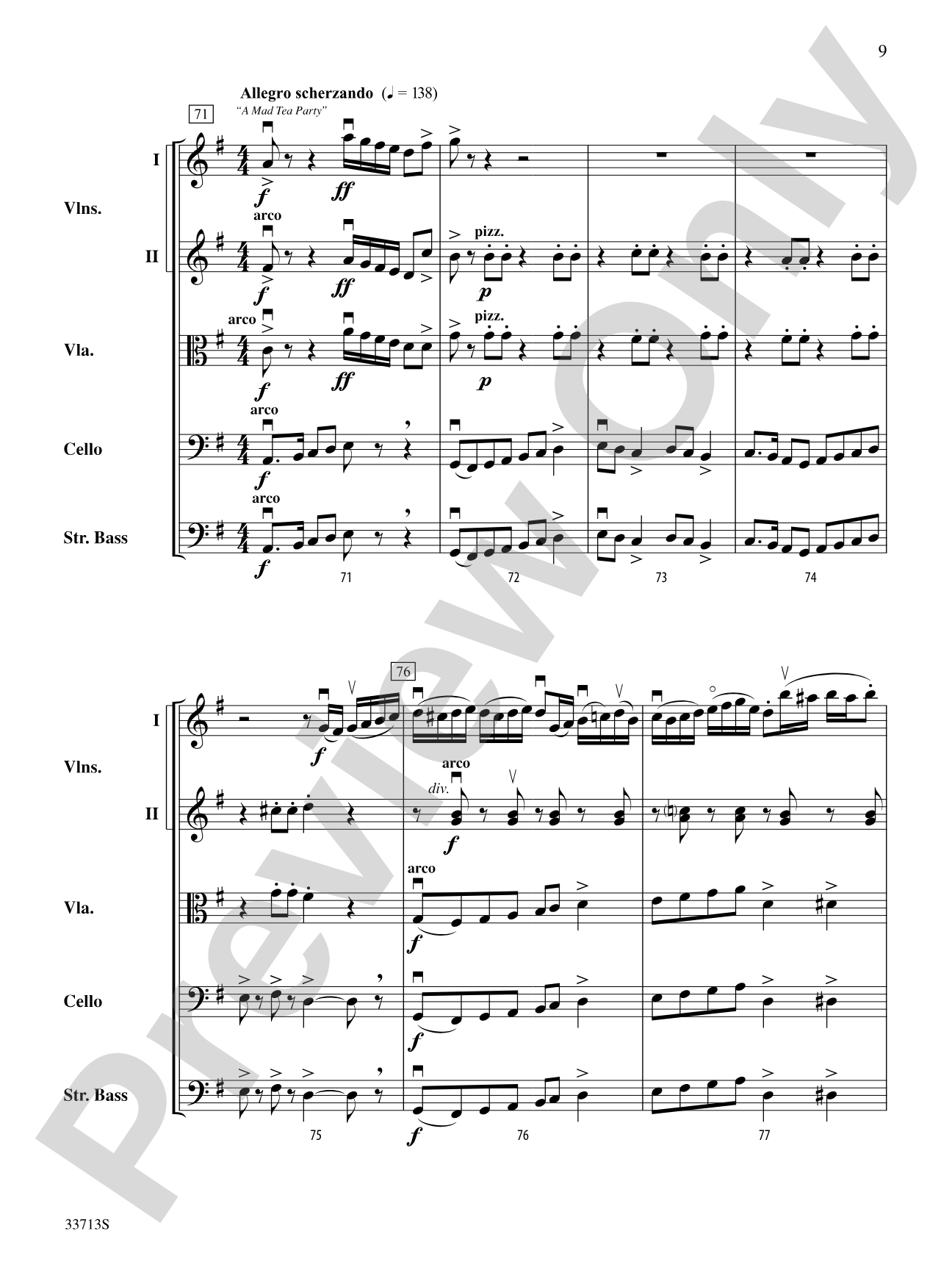
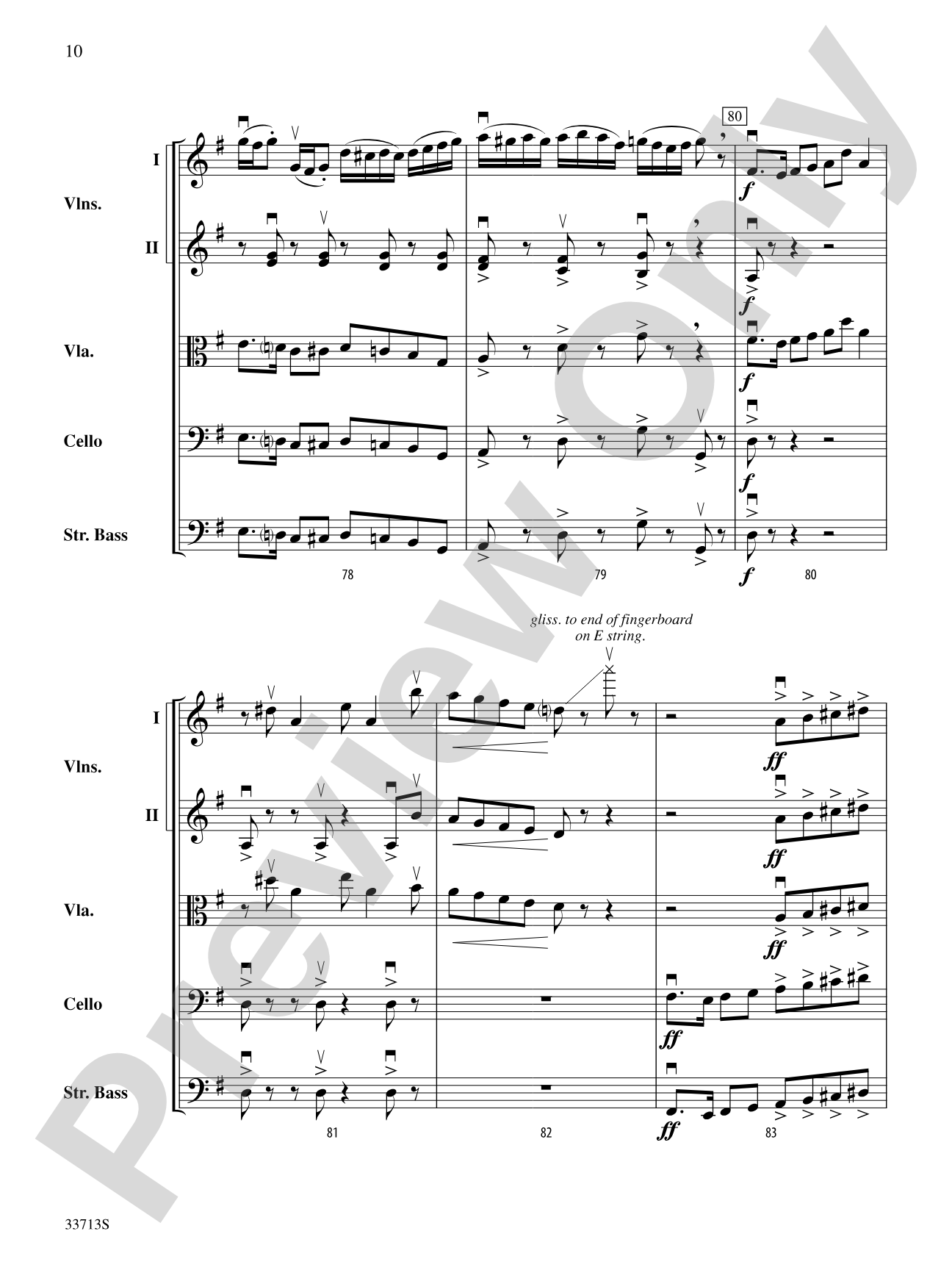
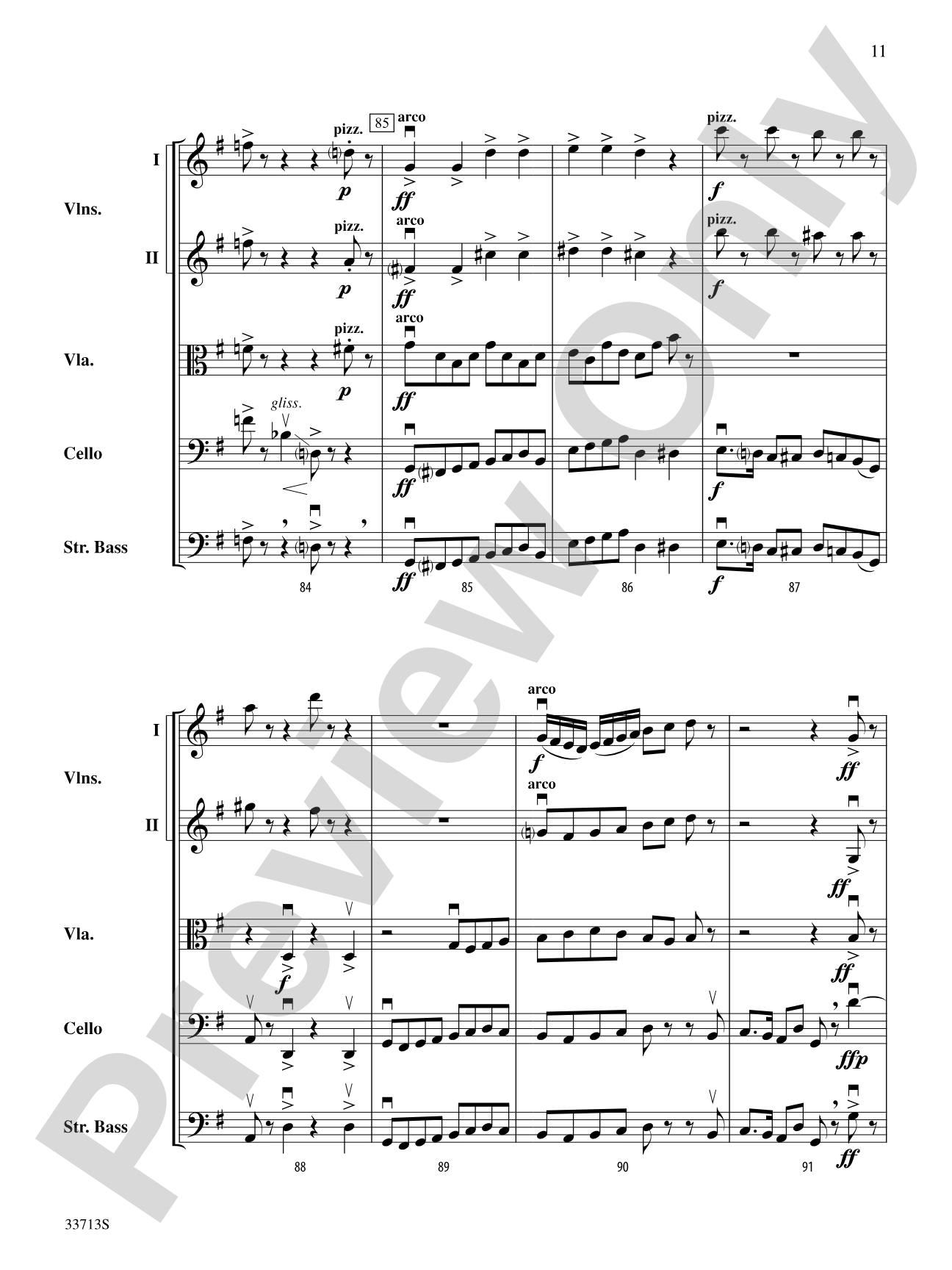
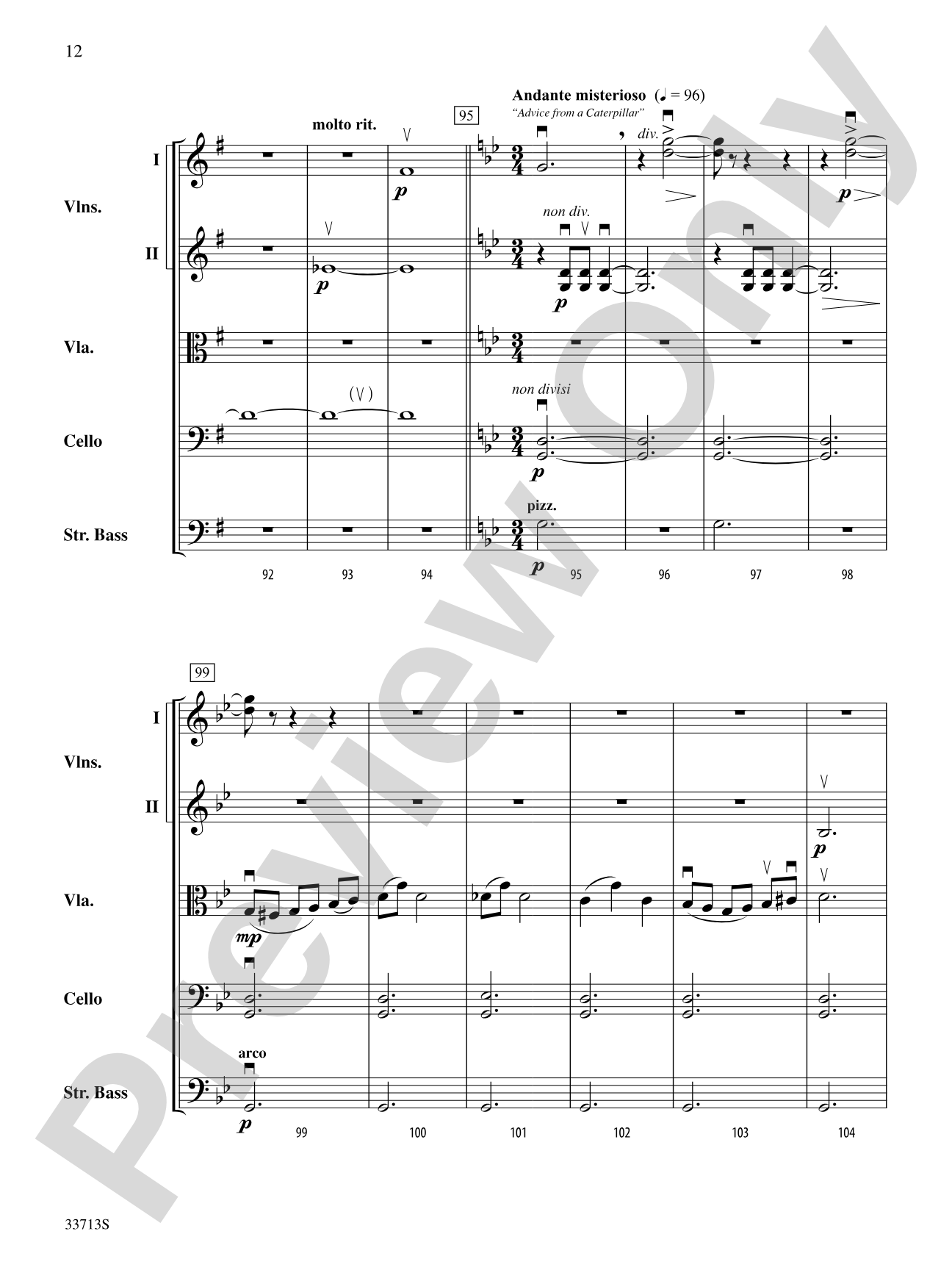
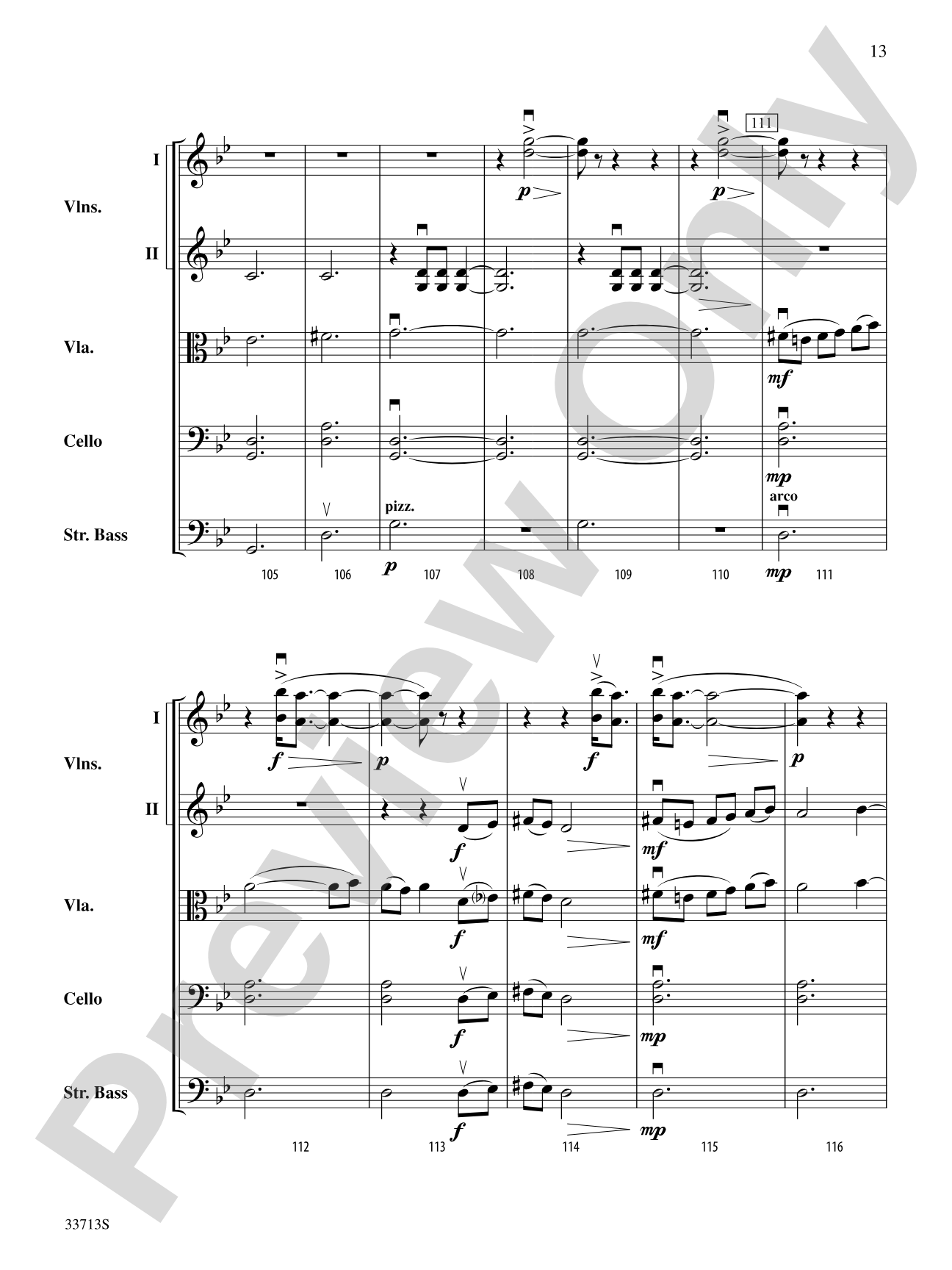
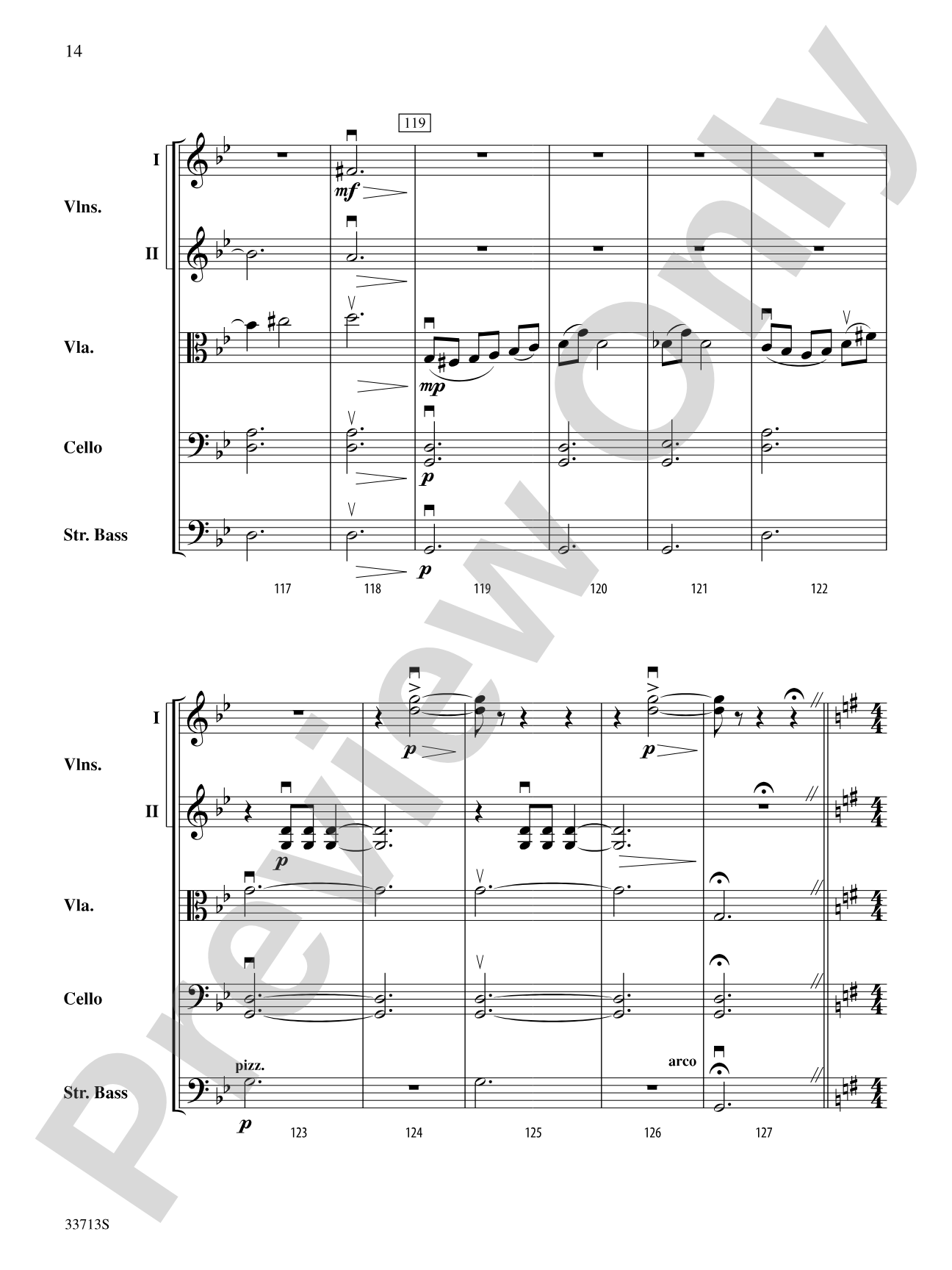
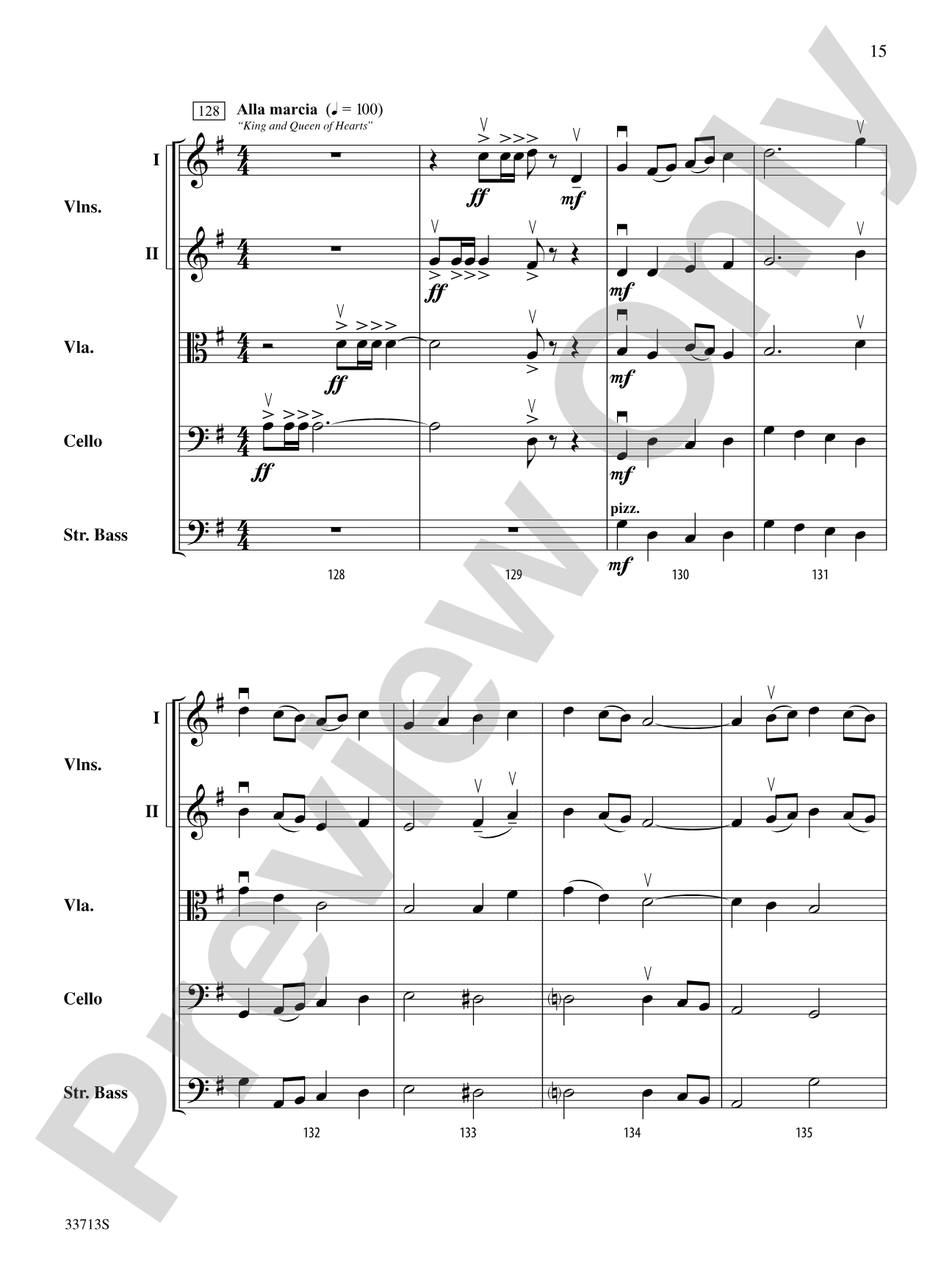
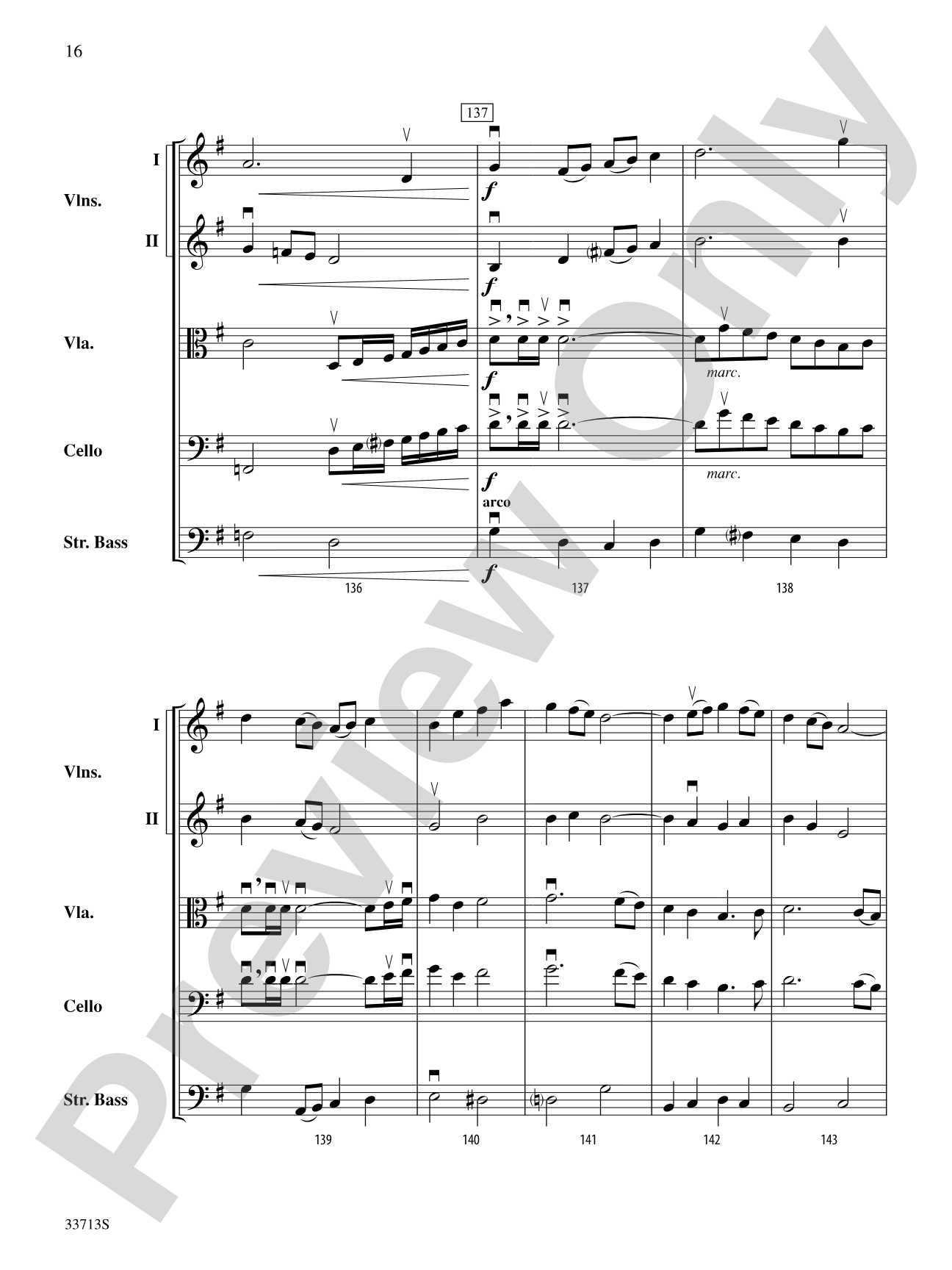
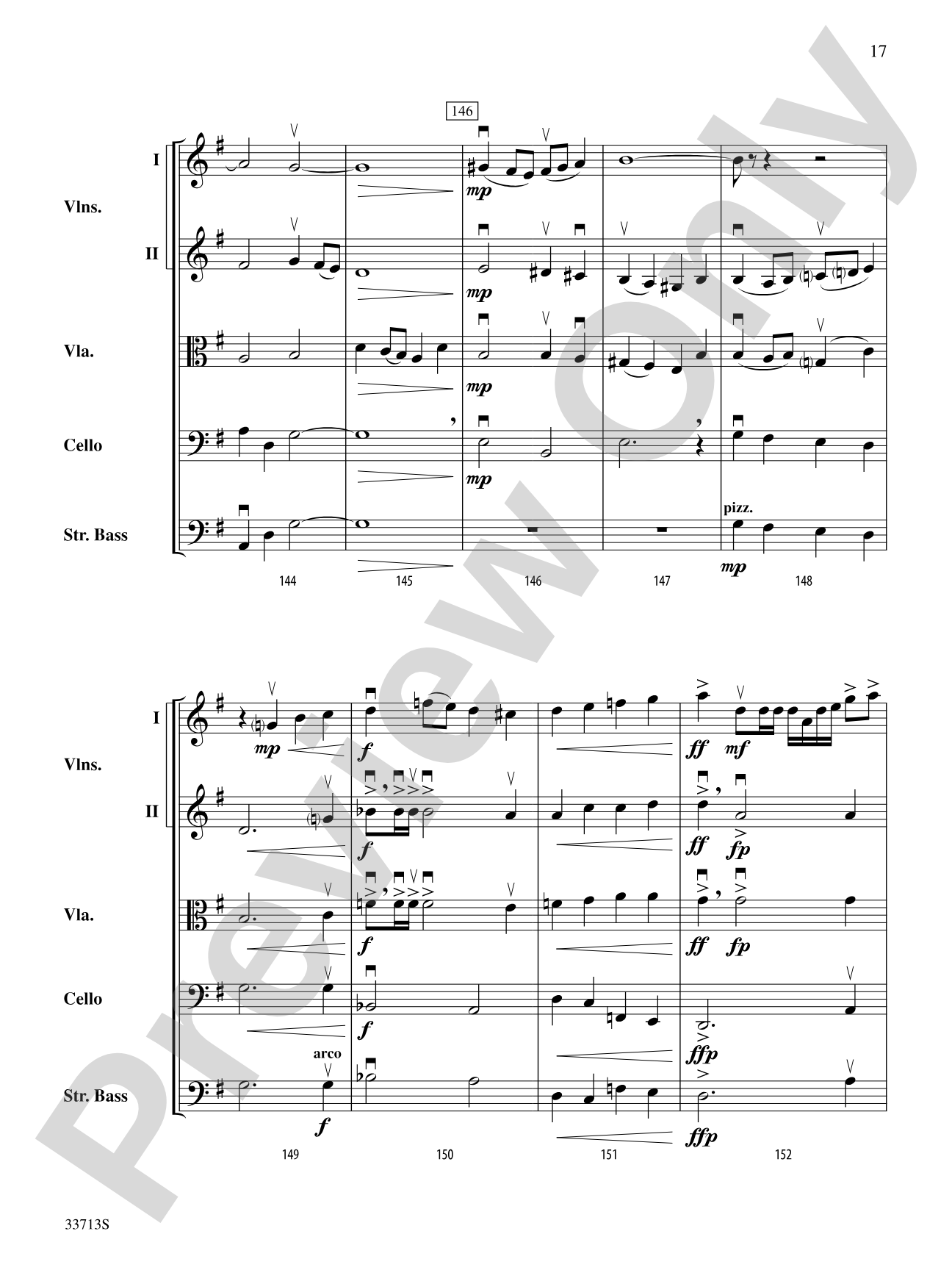
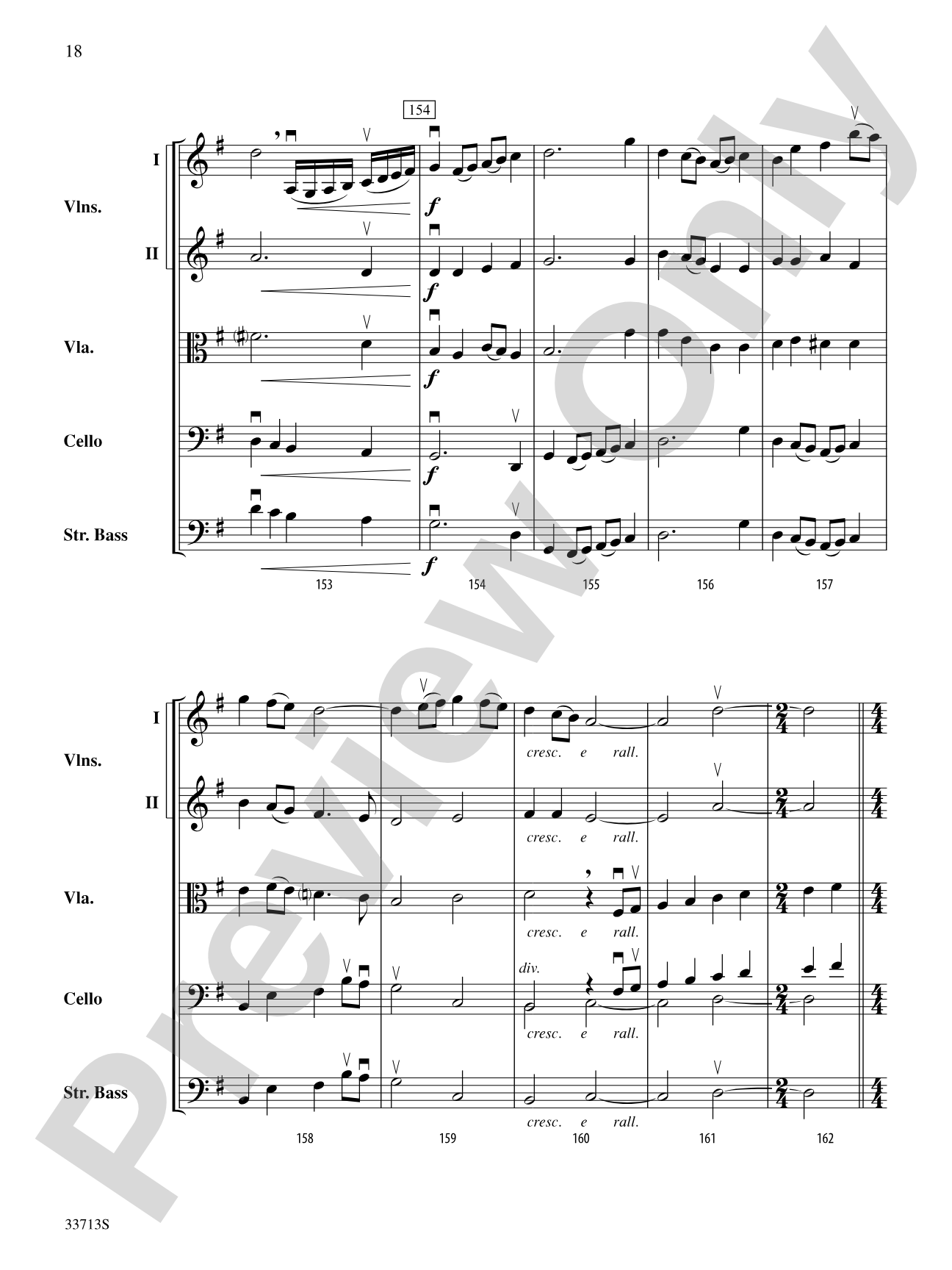
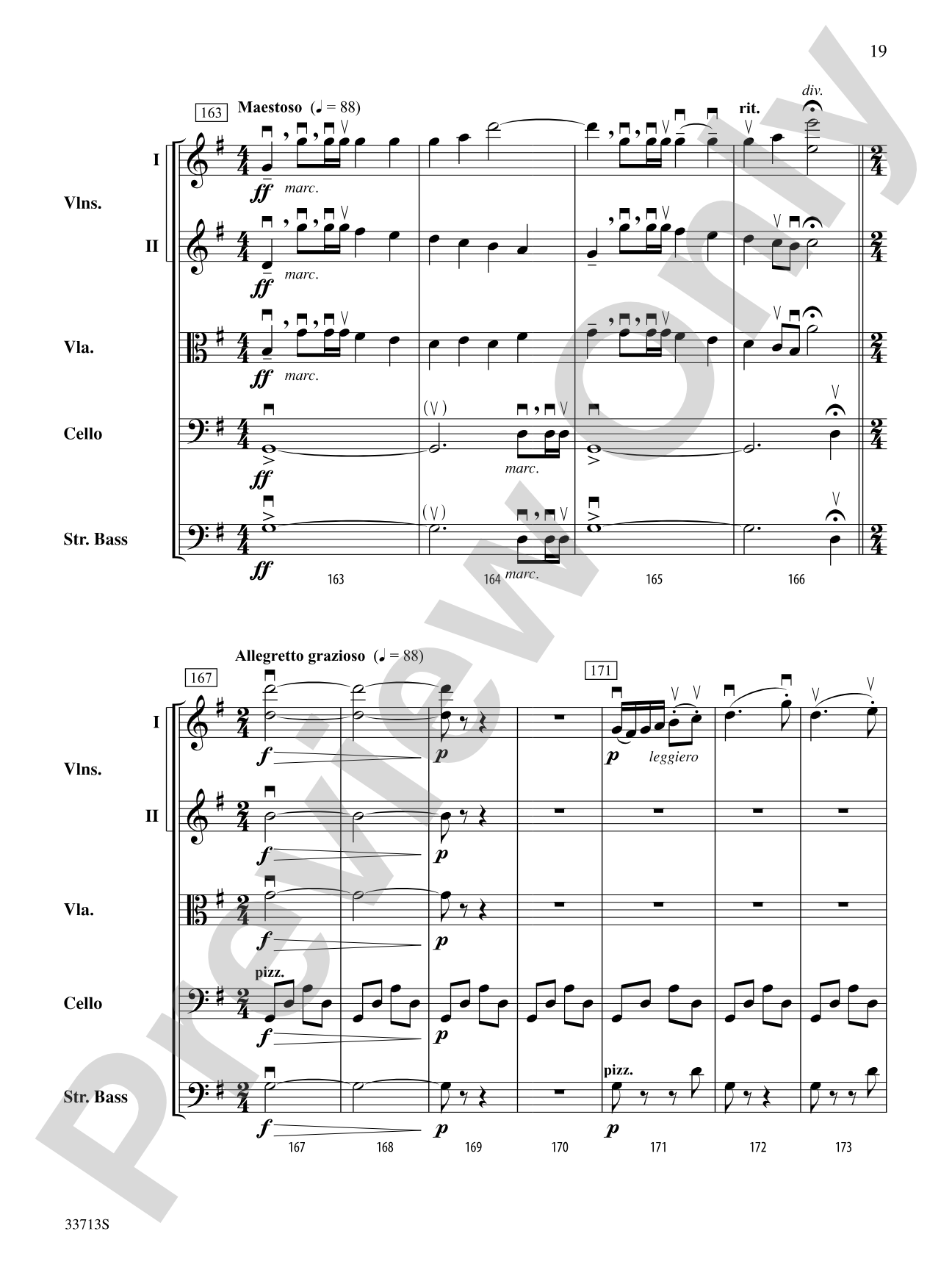
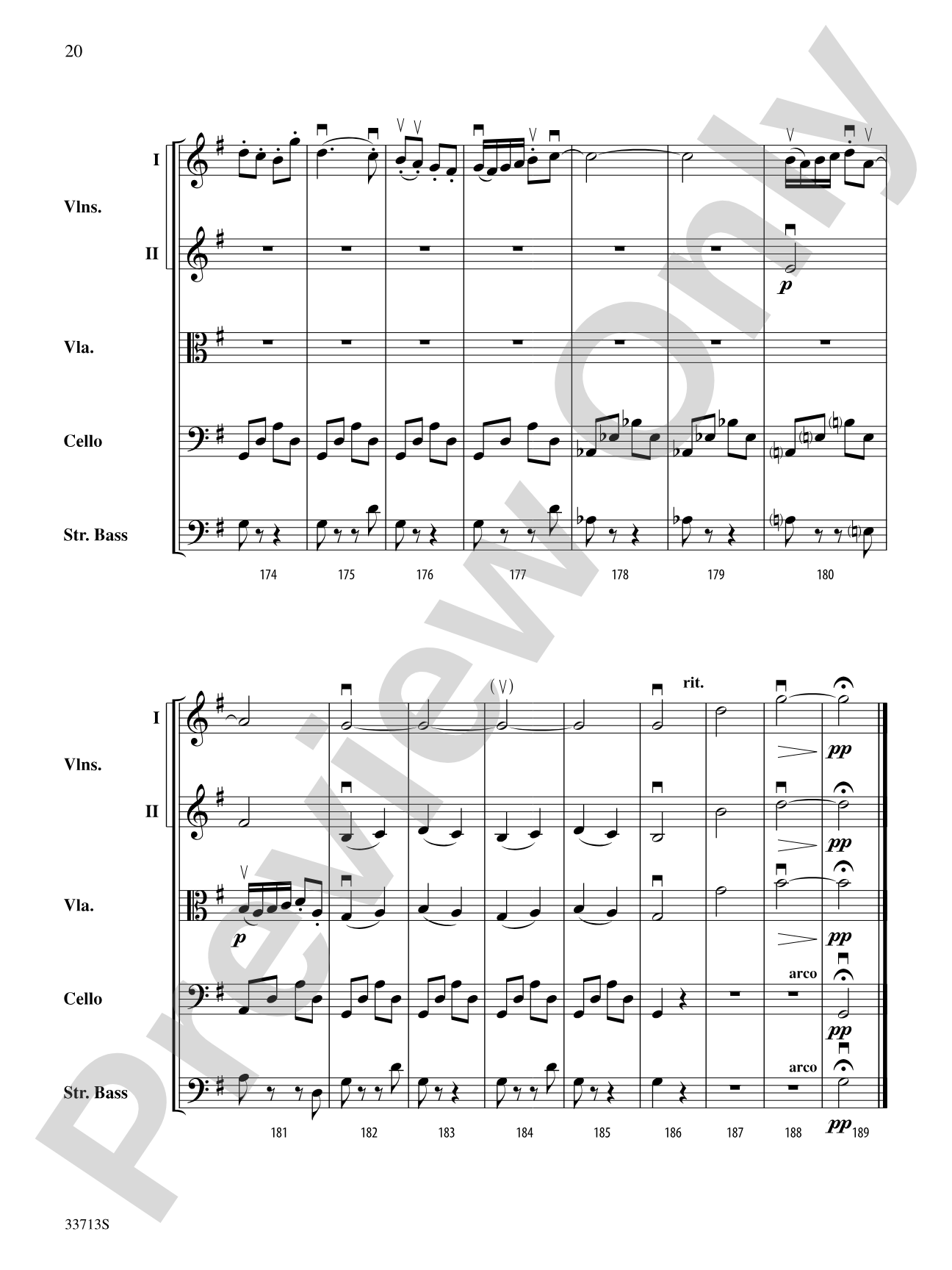

Wonderland Variations: String Orchestra Conductor Score & Parts
By Richard Meyer
Grade: 3
Item: 00-PK-0004202

$48.00
Pickup currently not available
Buy Extra Parts (Digital PDF Download)
| Product | Price | Quantity |
|---|---|---|
| Wonderland Variations: Score | $10.00 | |
| Wonderland Variations: 1st Violin | $5.99 | |
| Wonderland Variations: 2nd Violin | $5.99 | |
| Wonderland Variations: Viola | $5.99 | |
| Wonderland Variations: Cello | $5.99 | |
| Wonderland Variations: String Bass | $5.99 |
Parts Added to Cart!
Description
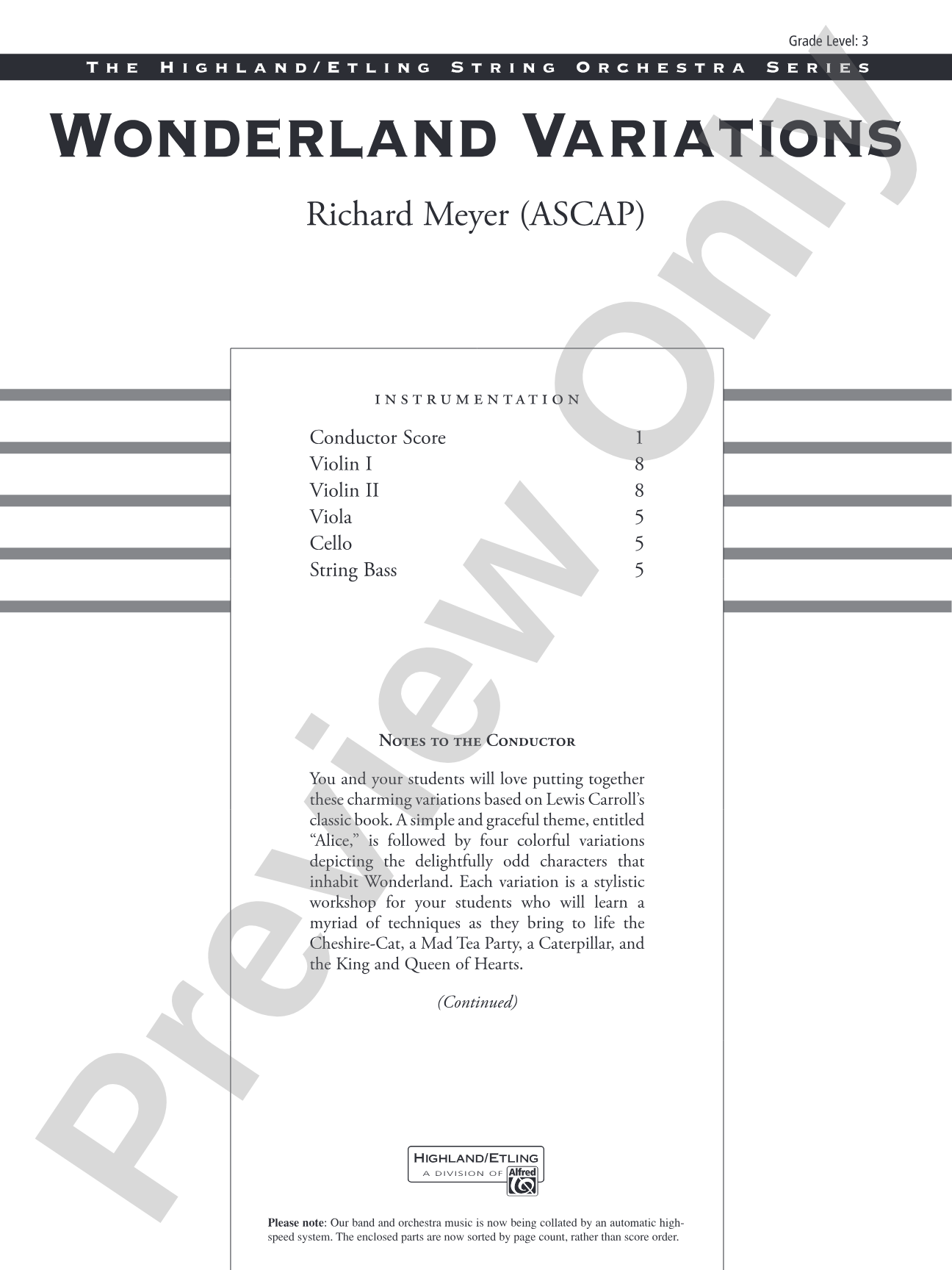
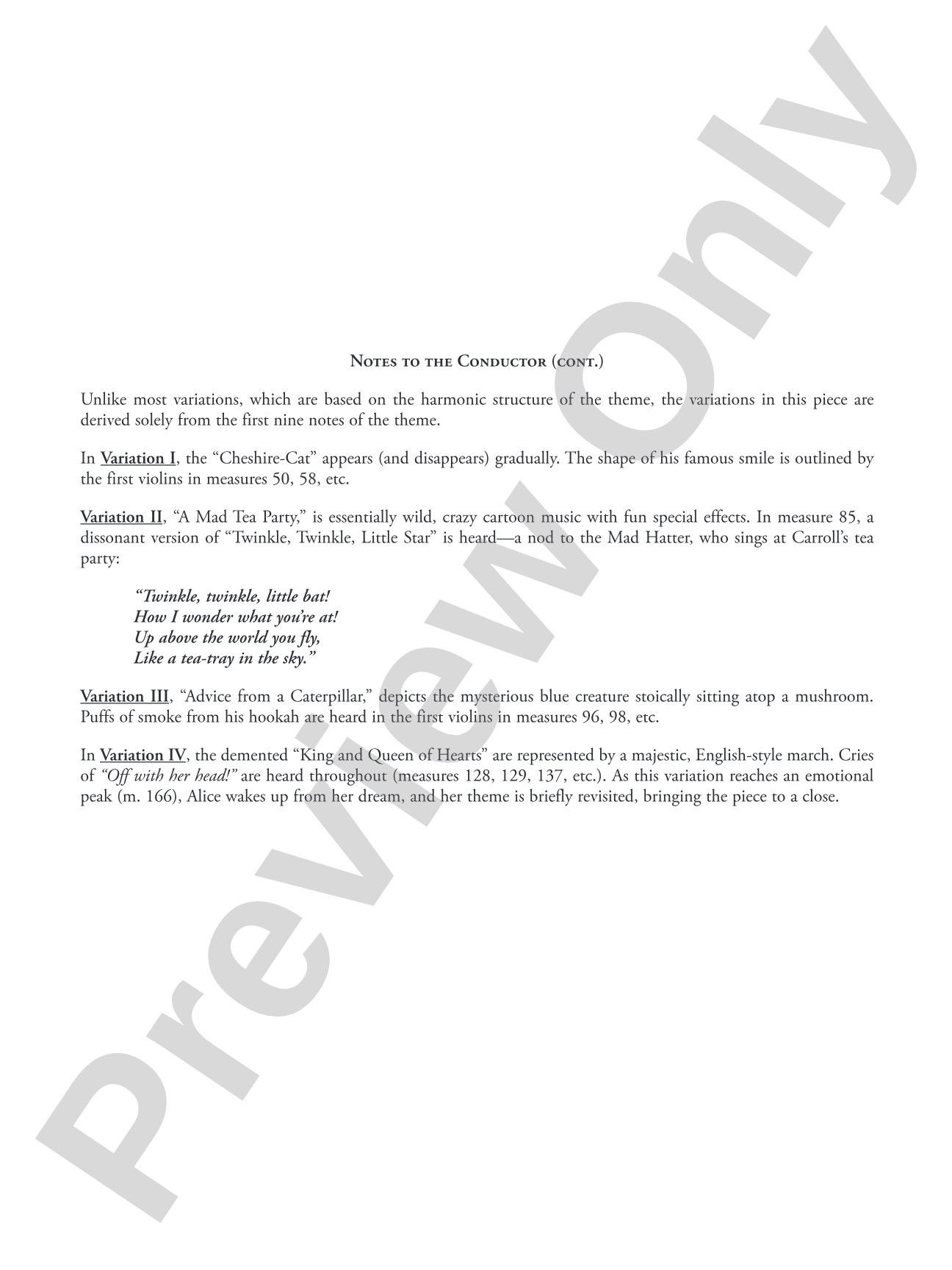
You and your students will love putting together these charming variations based on Lewis Carroll's classic book. A simple and graceful theme, entitled "Alice," is followed by four colorful variations depicting the delightfully odd characters that inhabit Wonderland. Each variation is a stylistic workshop for your students who will learn a myriad of techniques as they bring to life the Cheshire-Cat, a Mad Tea Party, a Caterpillar, and the King and Queen of Hearts. This title is available in MakeMusic Cloud.


Don't just read it, hear it, play along with it, and watch your students grow with it. In MakeMusic Cloud, Wonderland Variations: String Orchestra Conductor Score & Parts comes alive with professional accompaniment, adjustable tempo, and built-in practice tools that turn solo practice into real progress.
Open in the Player
Jump straight in and assign it today.
Start Your Free Trial
Open this title and explore the full library in minutes.
Sample Audio
1
Audio File
--:--
0:00
0:00
Sample Video
No sample videos found.
Additional Details
Series:
Highland/Etling String Orchestra
Publisher:
Alfred Music
Page Count:
124
SKU:
00-PK-0004202
More about this title
About the Composer: Richard Meyer

Richard Meyer brings three decades of string teaching experience into his compositions, having directed orchestras at Oak Avenue Intermediate School in Temple City, California, where he grew the program from 29 to 200 students over 22 years. Beyond the classroom, he served as music director of the Pasadena Youth Symphony Orchestra for 16 years, leading ensembles in performances across New York, Washington D.C., Vienna, Australia, and Canada.
Meyer's work extends across multiple areas of music education. He developed the "Giving Bach" program in 2009, an interactive concert initiative that has gained national recognition for serving special needs and underserved school communities throughout Southern California. As a composer and arranger, he has published over 190 works; he also spent 16 years as string editor for Alfred Publishing Company and co-authored the String Explorer Series and Sight-read It for Strings. He remains an active guest conductor and clinician at major conferences including the A.S.T.A. National Conference and state honor orchestras.
Why we love this
Meyer writes with a keen understanding of what students at this level can accomplish and what will keep them engaged. The Wonderland theme provides the structural anchor your orchestra needs, while each variation isolates specific technical challenges in a story-driven context that middle school players find genuinely delightful. The character-based approach means your students are learning stylistic vocabulary (pizzicato articulation, rhythmic precision, dynamic contrast) while solving the "problem" of bringing Cheshire grins and tea-party chaos to life.
What to expect
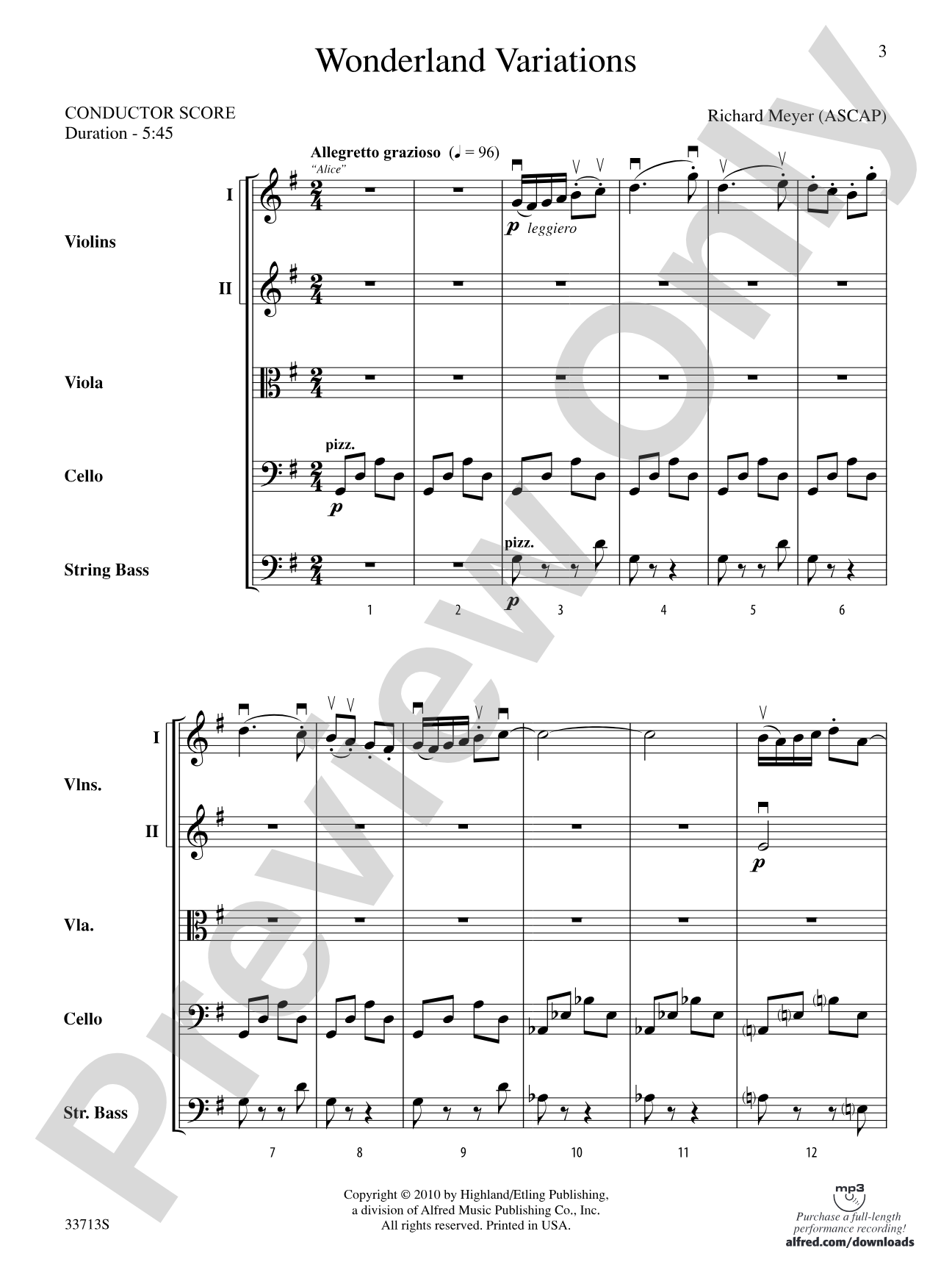
The opening "Alice" theme floats with a simple, graceful charm that immediately invokes the whimsy of Carroll's world. Each variation transforms that melody through character: playful and mischievous for the Cheshire Cat, chaotic and rhythmically spiky for the tea party, dreamy and meditative for the Caterpillar, and grand with courtly pomp for the Royal Court. The score never condescends; it respects young musicians' ability to shift styles convincingly.
Who it's for
String orchestras in grades 3-4 who want concert material with strong narrative appeal and built-in pedagogical variety. Directors seeking accessible repertoire that teaches multiple techniques within a single piece will find this particularly valuable.
How to get the most out of it
- Establish the "Alice" theme with clarity and grace in the opening; this becomes the reference point students return to between variations, so a clean, well-shaped first statement helps them track the overall architecture.
- Work the Cheshire-Cat variation for rhythmic independence within the section parts. Meyer writes playful divisi passages that reward precise ensemble tuning and rhythmic lock.
- Bring dynamic contrast to the fore in the Mad Tea Party section. Conductor presence and clear gestures will help students navigate the stylistic shifts that define this variation.
- In the Caterpillar variation, focus on sustained tone quality and uniform vibrato across the lower strings; this section showcases the legit sonority your program has developed.
How to use it
Program this as a centerpiece for a "Tales and Literature" concert that pairs well with other narrative-driven orchestral works at the middle school level. It also serves as an excellent vehicle for a thematic showcase concert in early spring, when your string orchestra has solidified its ensemble skills and is ready to tackle stylistic variety within a single work.
Skills your students will build
- Stylistic differentiation across four distinct musical characters
- Pizzicato articulation and rhythmic precision (Cheshire-Cat variation)
- Dynamic contrast and ensemble balance (Mad Tea Party variation)
- Sustained legit tone and uniform vibrato (Caterpillar variation)
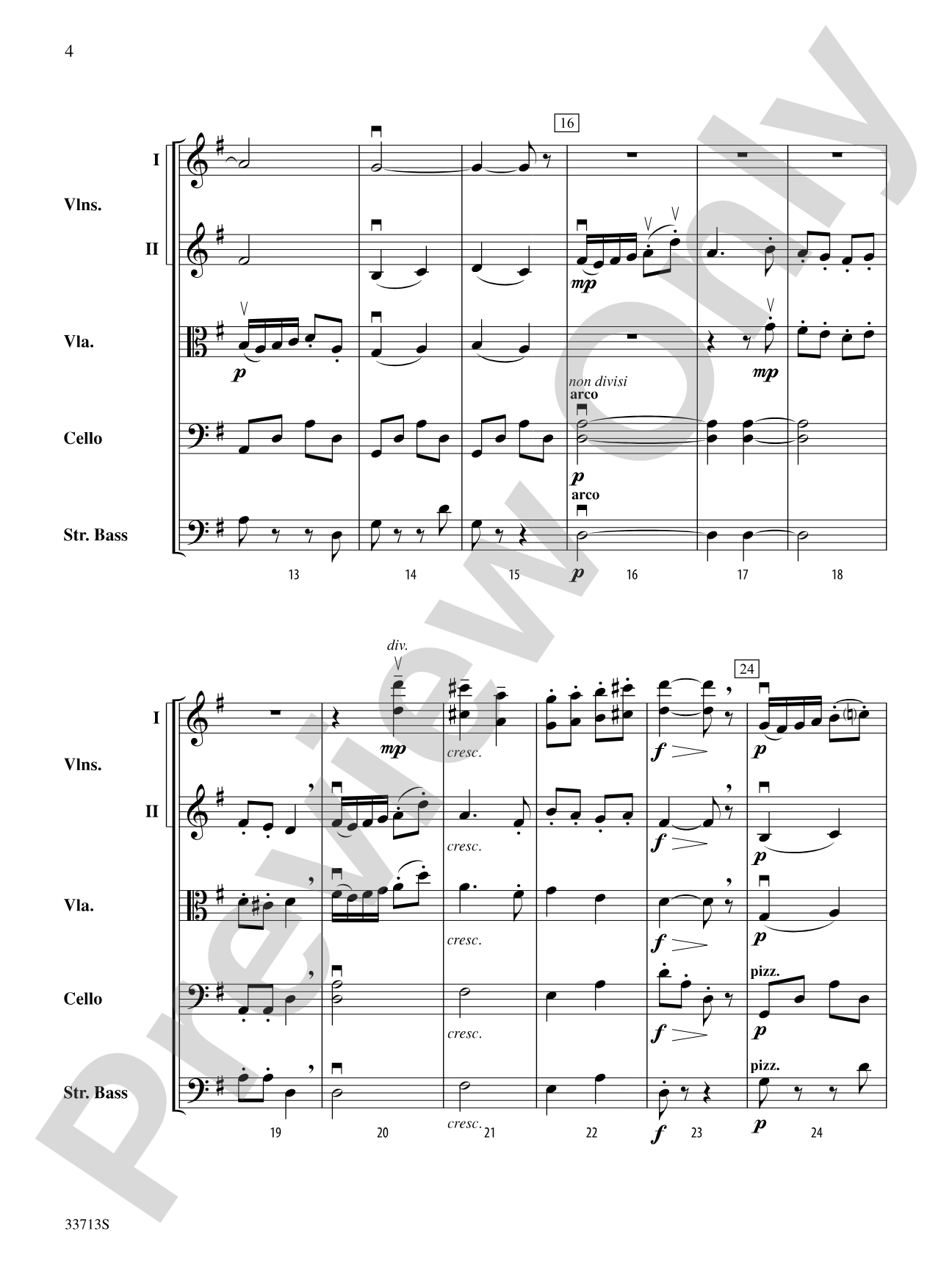
- Sectional divisi parts and part independence
- Thematic recognition and structural listening