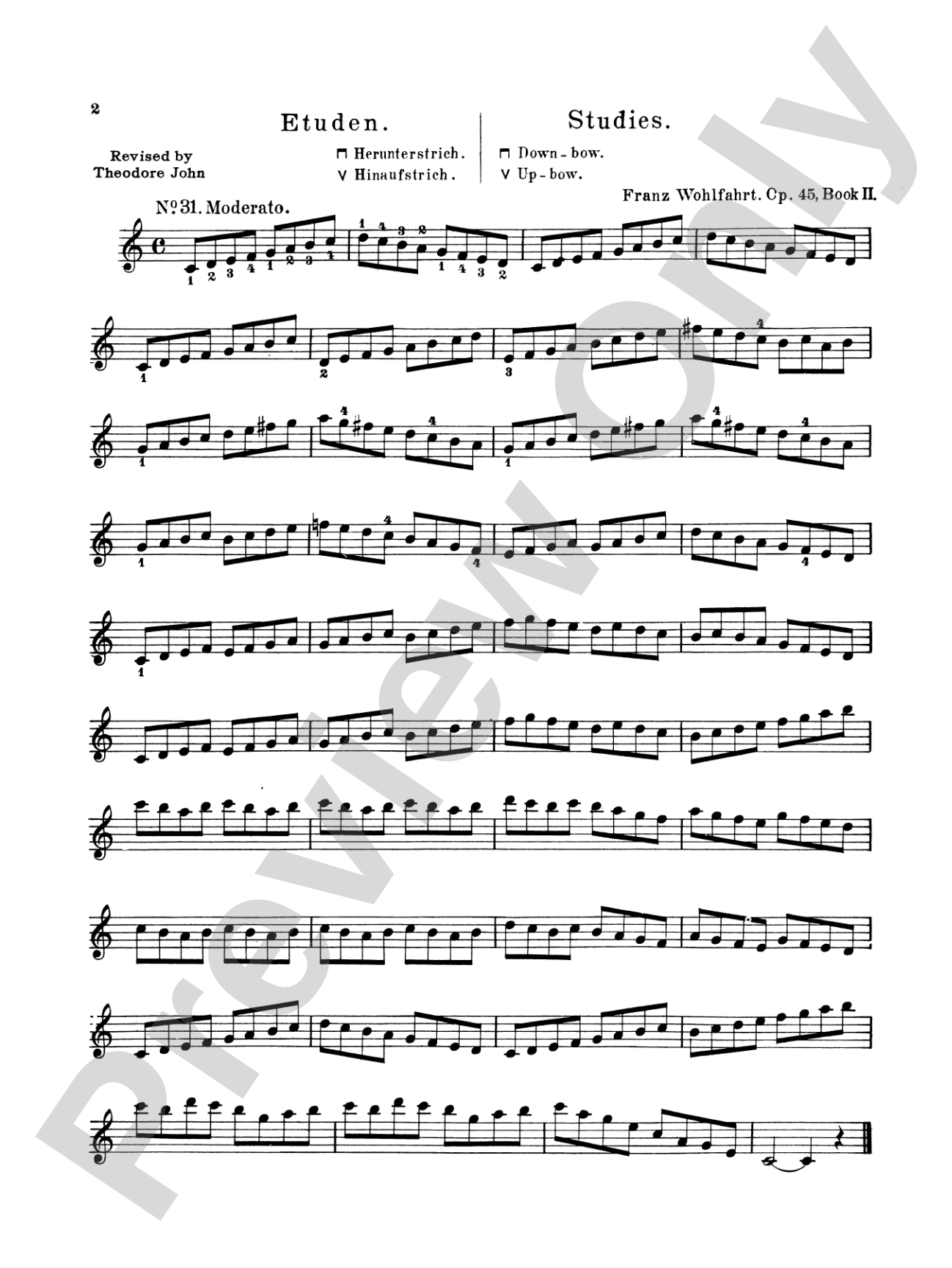
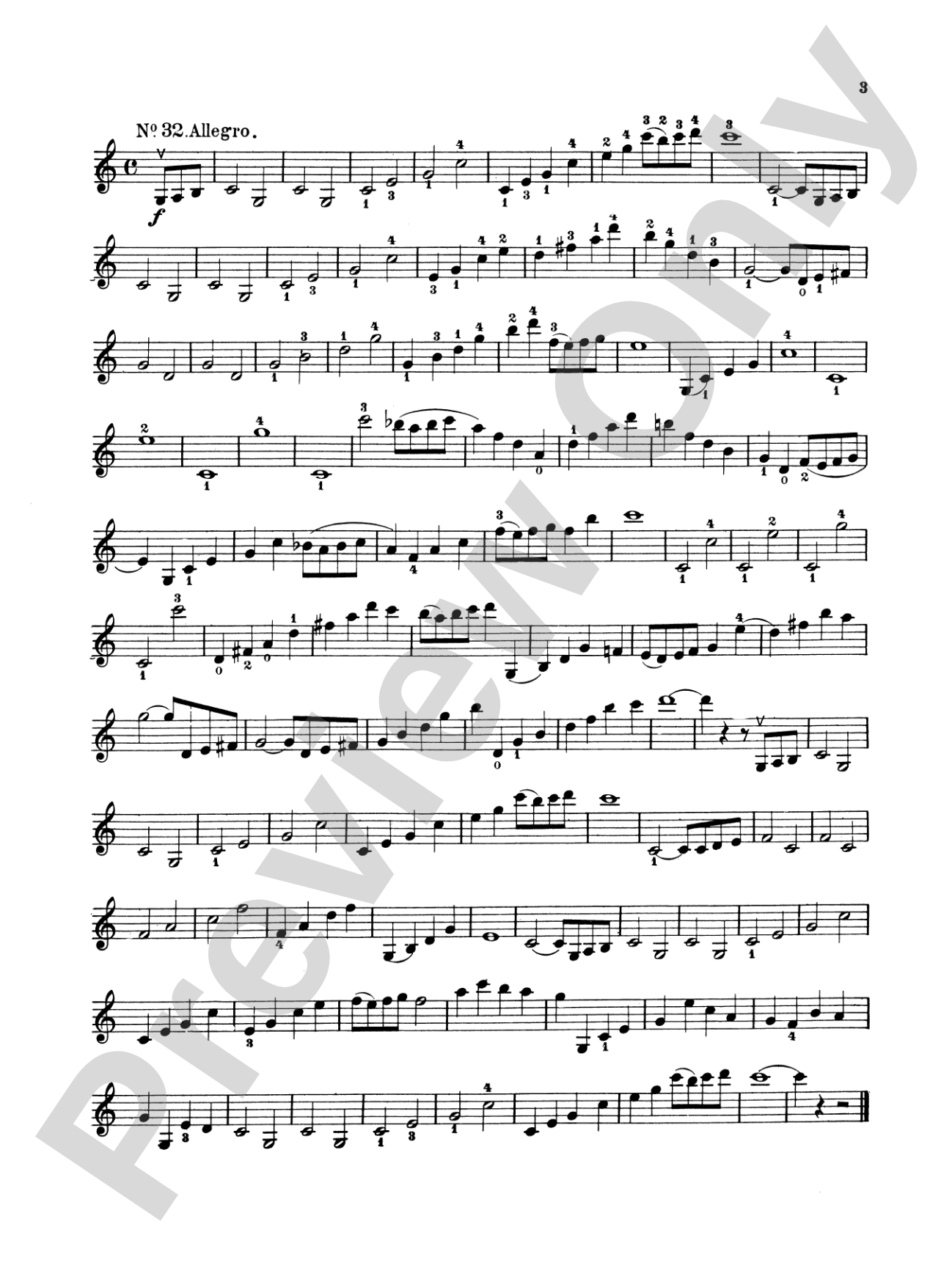
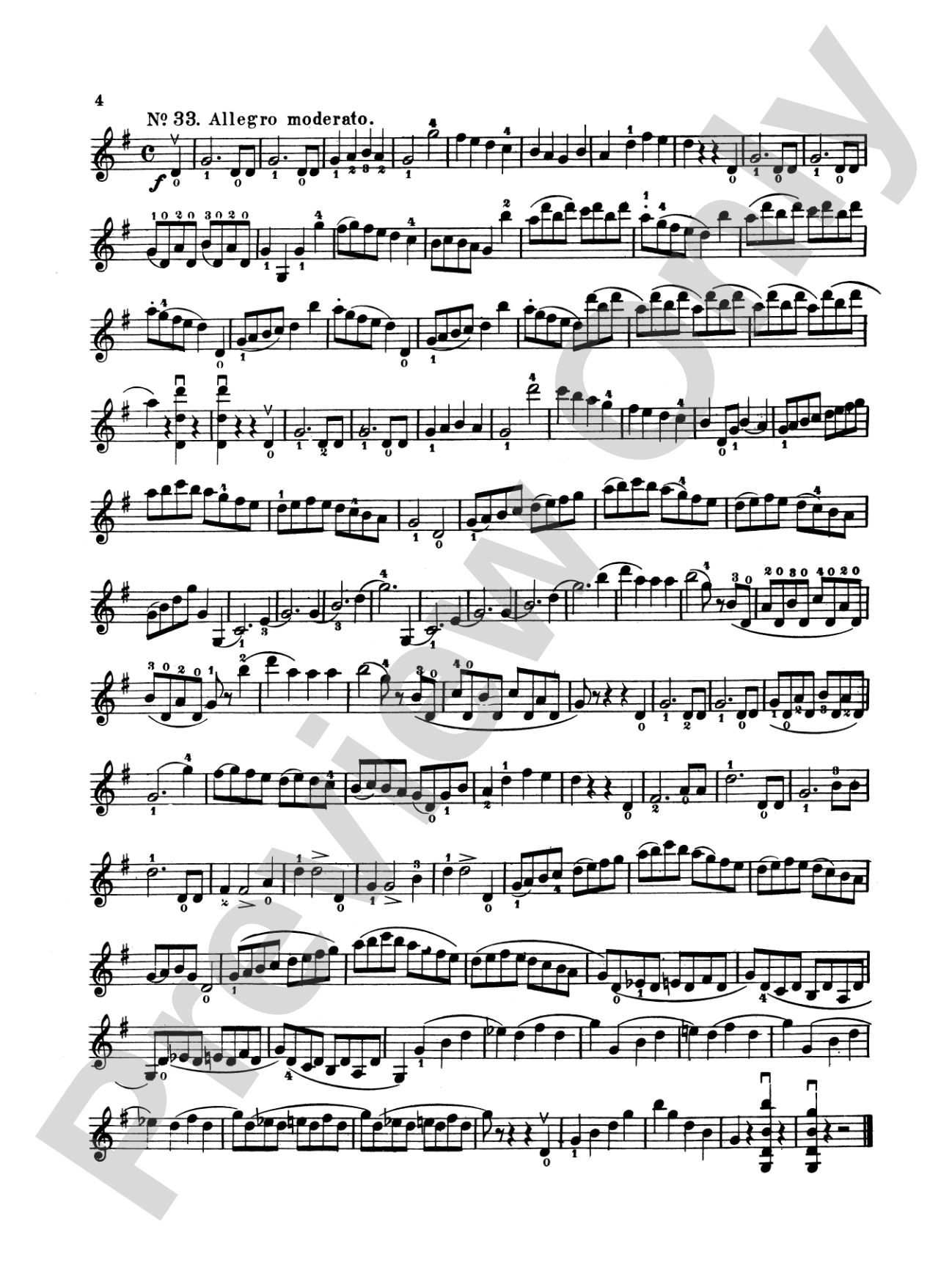
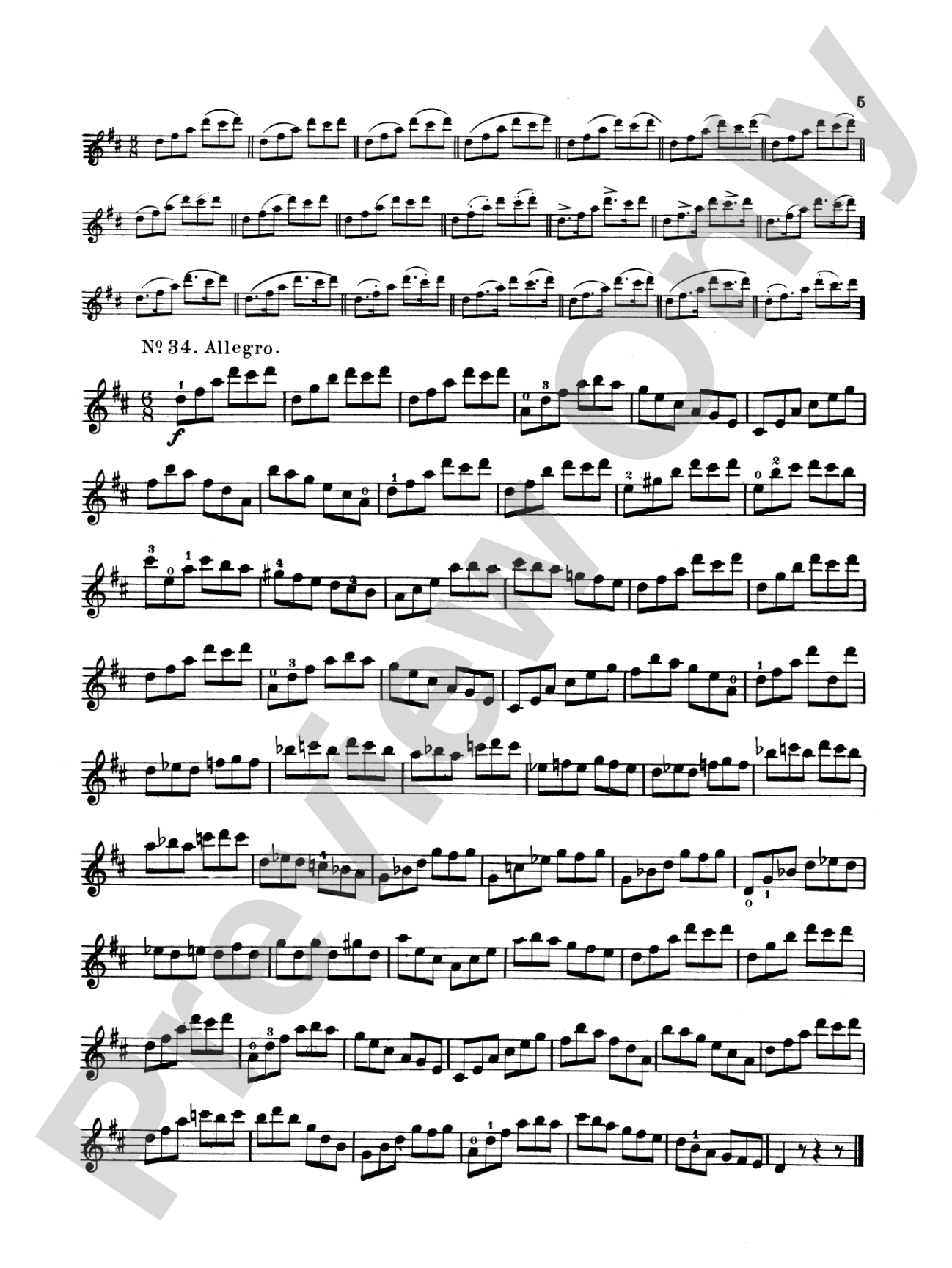
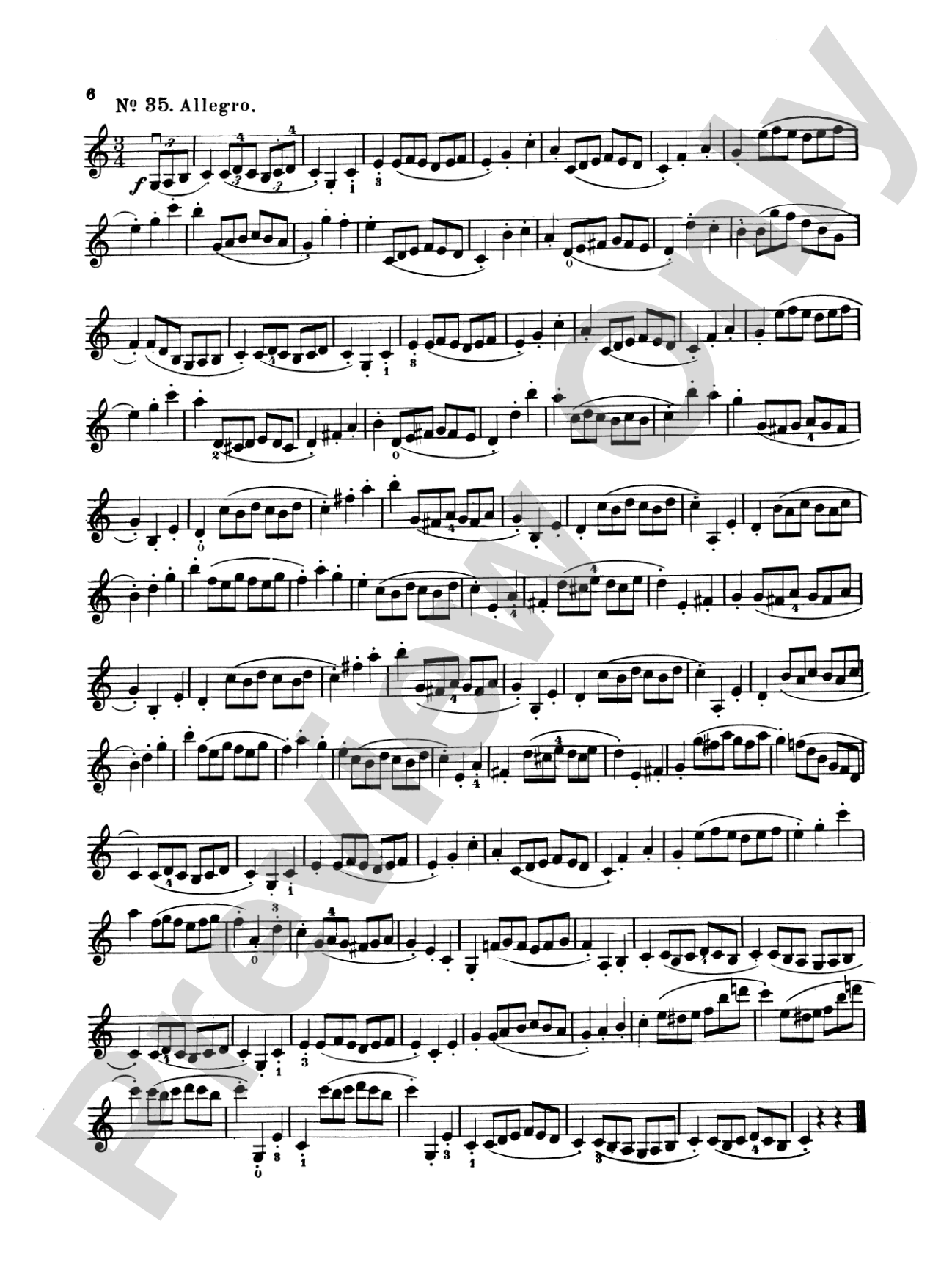
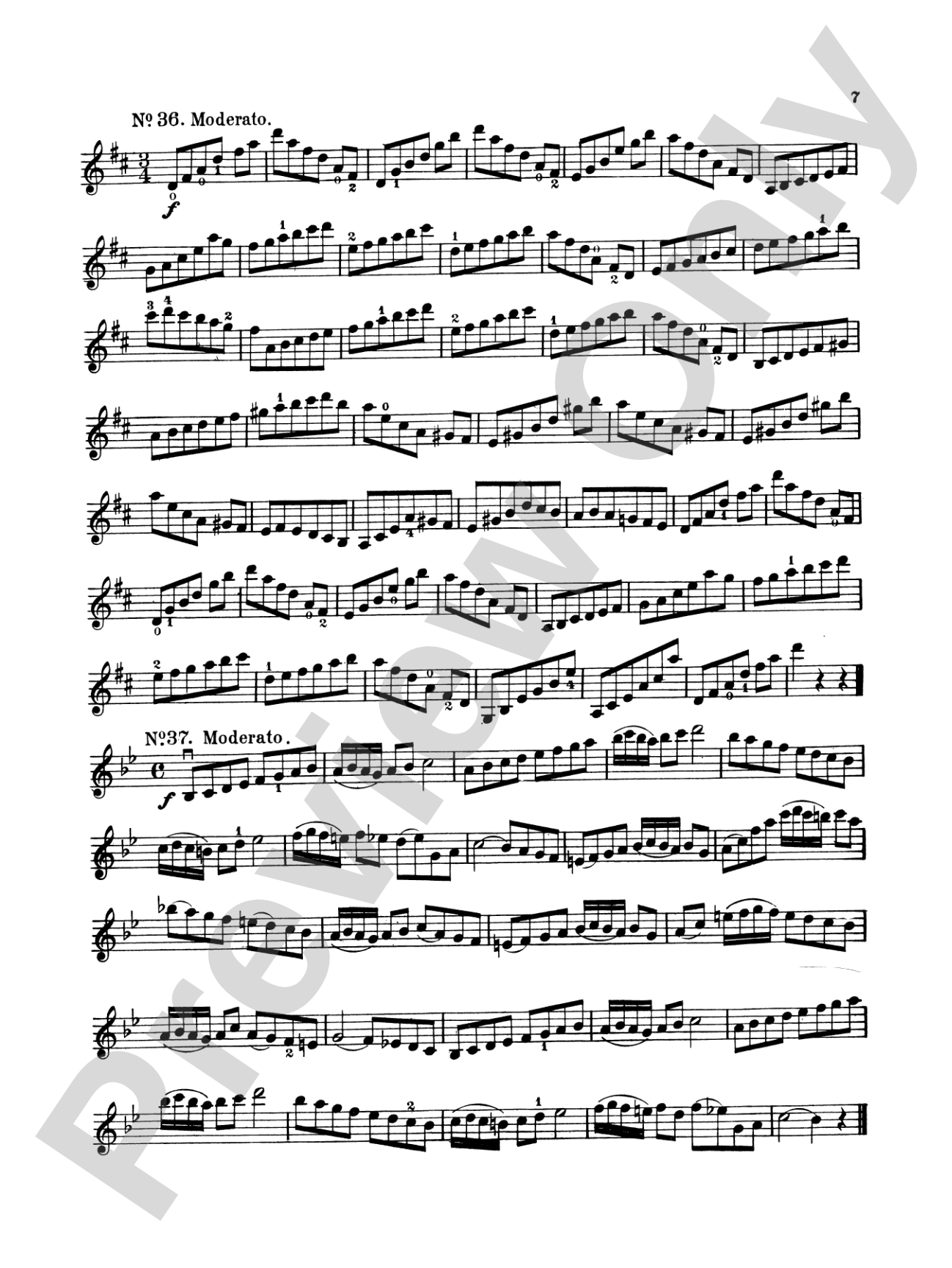
Wohlfahrt: Sixty Studies, Op. 45, Volume II (Nos. 31-60) Sheet Music Preview

Wohlfahrt: Sixty Studies, Op. 45, Volume II (Nos. 31-60)

By Karl Adrian Wohlfahrt

Item: 00-PC-0009620

Digital Download
$8.95
Description
(Nos. 31-60)

Don't just read it, hear it, play along with it, and watch your students grow with it. In MakeMusic Cloud, Wohlfahrt: Sixty Studies, Op. 45, Volume II (Nos. 31-60) comes alive with professional accompaniment, adjustable tempo, and built-in practice tools that turn solo practice into real progress.

Sample Audio
No sample audio found.
Sample Video
Additional Details
Series: Kalmus Edition
Publisher: Alfred Music
Page Count: 32
SKU: 00-PC-0009620

More about this title

About the Composer: Franz Wohlfahrt

Franz Wohlfahrt (1833-1884) was a German violinist and pedagogue whose prolific output of studies shaped violin instruction across generations. His systematic approach to technical development earned him recognition as a composer of functional, musically satisfying etudes that students actually enjoyed playing.

Why we love this

These studies occupy a distinctive middle ground between early technique-building and advanced repertoire. Wohlfahrt writes melodically engaging material that accomplishes specific technical goals without feeling like an exercise, making them ideal for students ready to move beyond entry-level books but not yet prepared for the demands of standard concerto literature.

What to expect

Wohlfahrt's writing balances Classical restraint with Romantic warmth. Each study unfolds as a small musical statement rather than a collection of technical obstacles, inviting players to sing through their instruments while building precision and control.

Who it's for

Volume II addresses intermediate violinists ready for more sophisticated bow control, position work, and musical interpretation. This collection serves students typically in upper elementary through early secondary levels who have mastered foundational technique and are developing the independence needed for chamber music and concerto preparation.

How to get the most out of it

  • Maintain steady bow distribution across phrase lengths; Wohlfahrt's lines demand legit legato, not just seamless string crossings.
  • Pay attention to the harmonic rhythm beneath the melodic line to shape phrasing naturally rather than mechanically marking technical patterns.
  • Balance vibrato intensity with the character of each study; some call for warmer expression while others benefit from cleaner articulation of the technical material.
  • Use these studies as a laboratory for intonation consistency at different bow speeds and string positions before applying the same rigor to concerto work.

How to use it

Assign these studies as weekly etude assignments during the intermediate stages of private instruction or group strings class, rotating through different studies to address emerging technical needs. They also work well as short recital openers or ensemble warm-up material when you need something substantial yet not overly demanding.

Skills your students will build

  • Consistent bow control across varied articulations and dynamics
  • Intonation accuracy in first through third positions
  • Vibrato application and control
  • Phrasing and musical shape independent of technical difficulty
  • String crossing fluency with legato transitions
  • Double-stop intonation and coordination

You May Also Like