
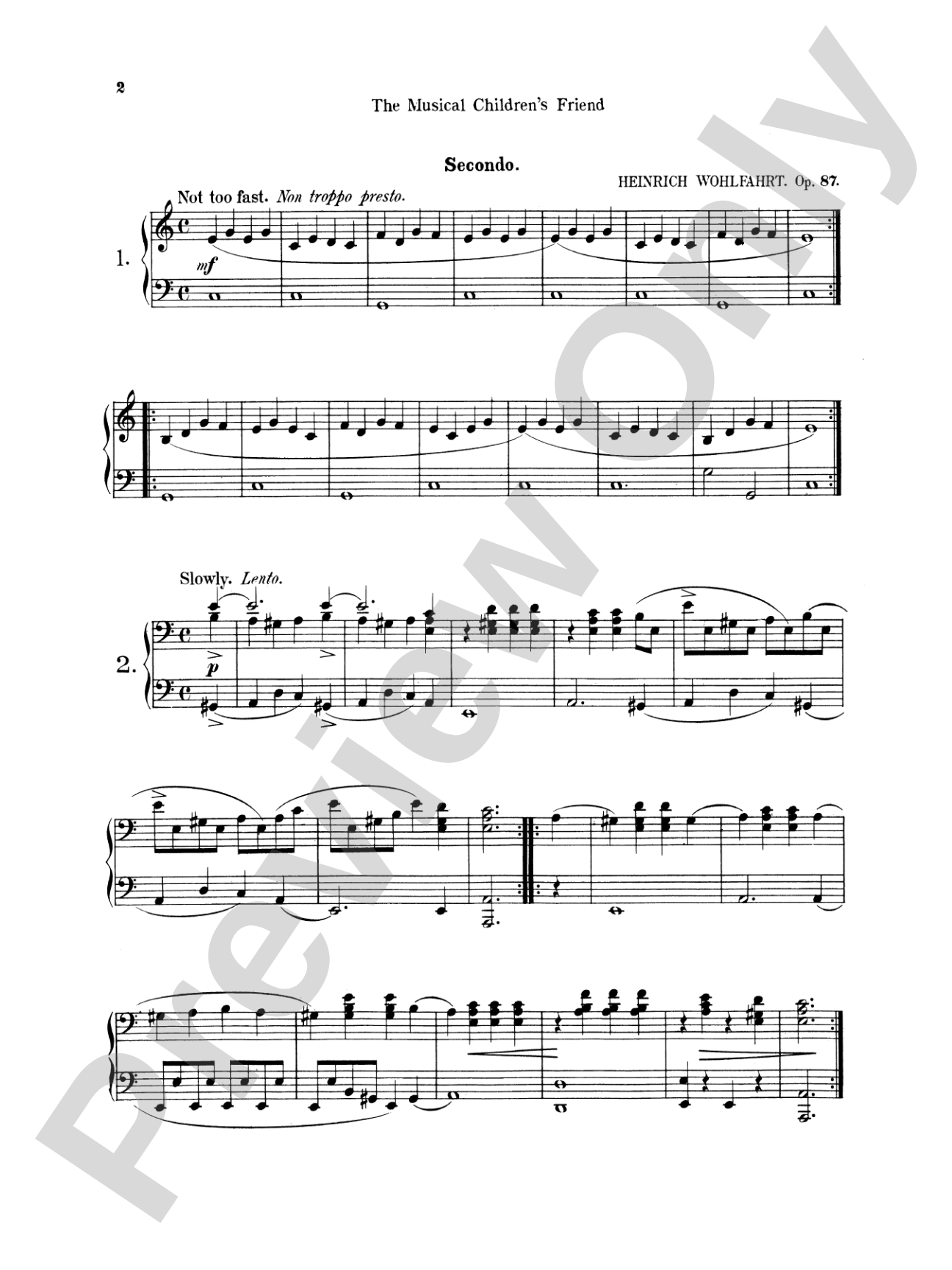
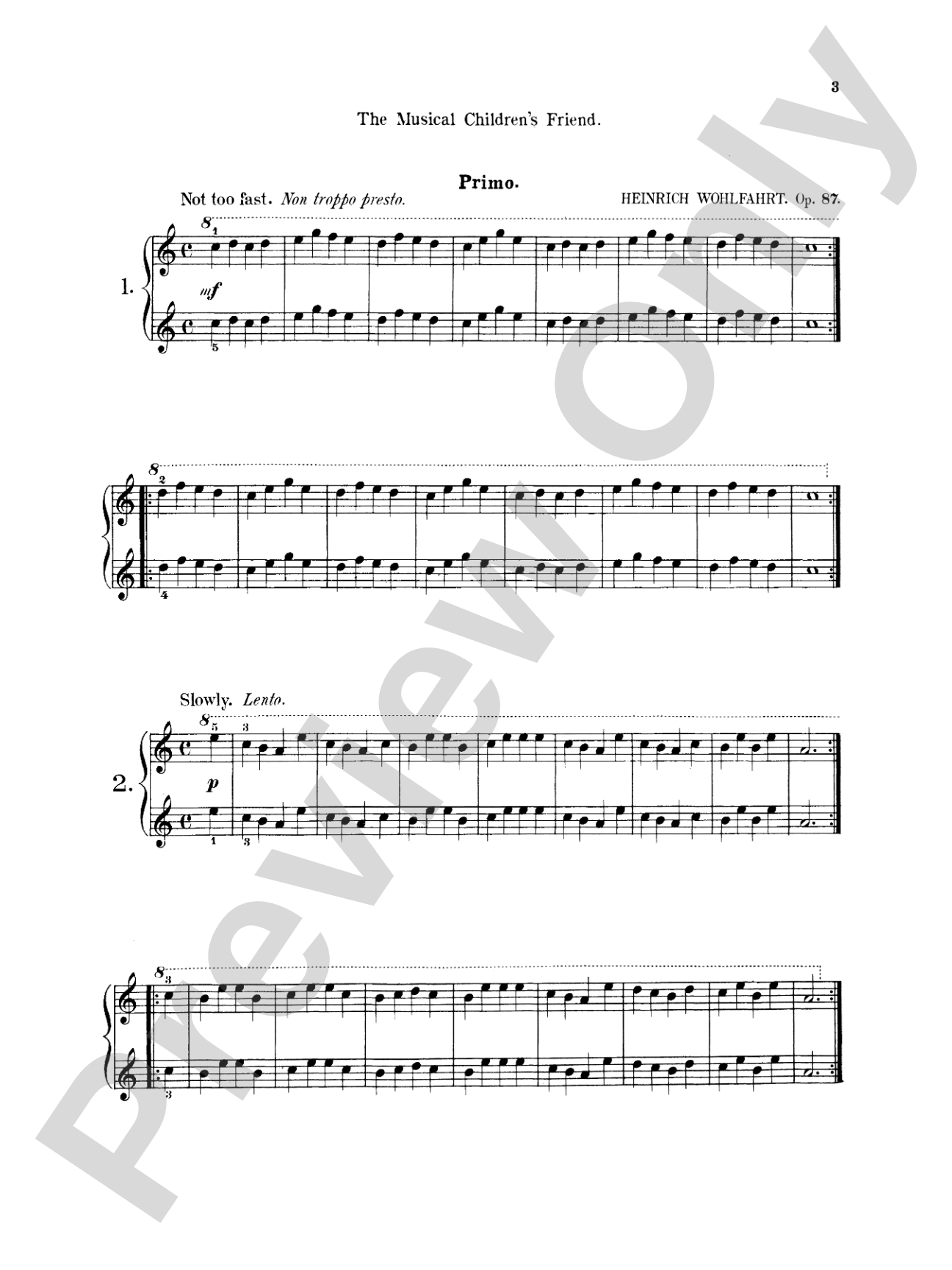
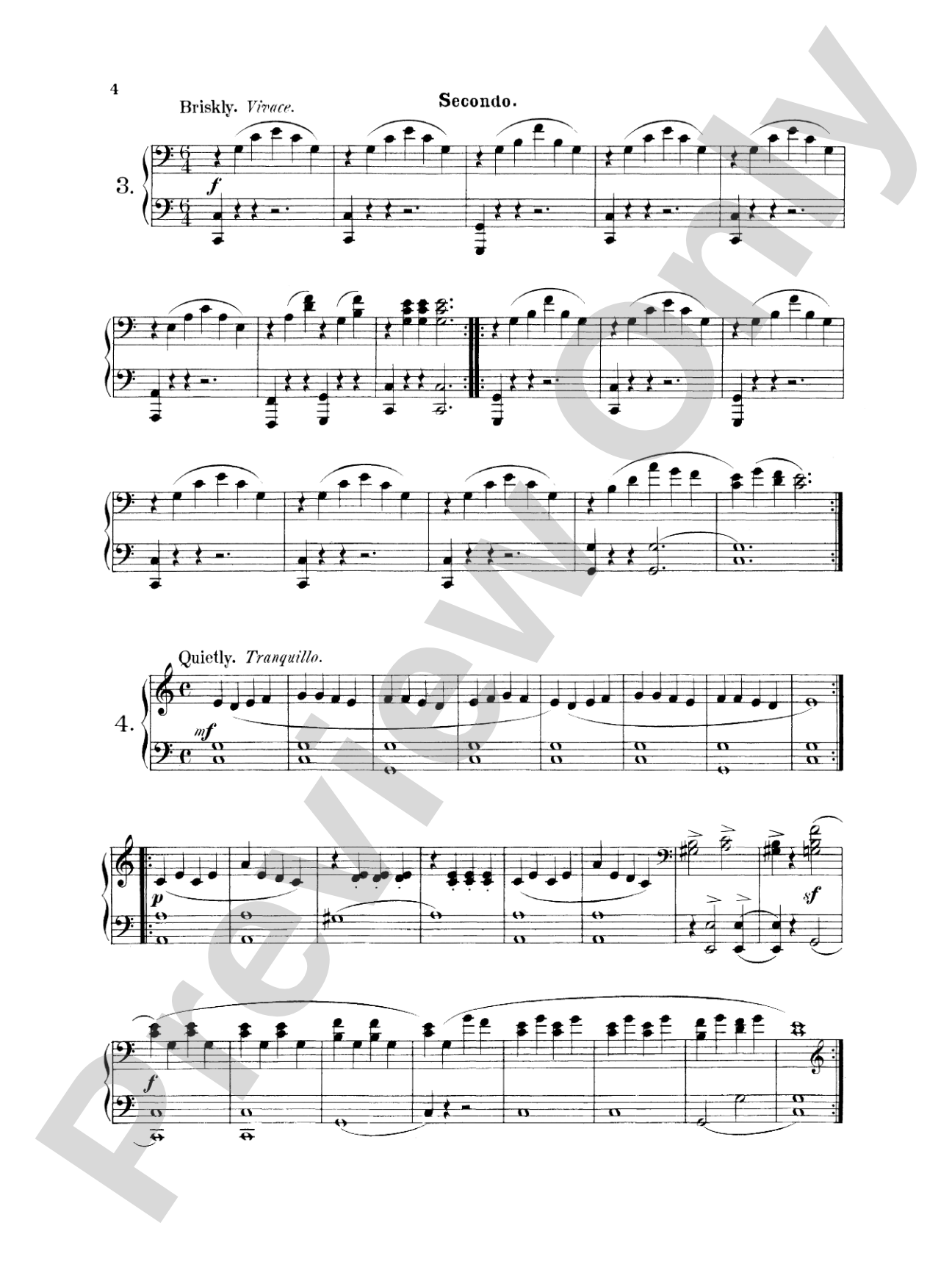
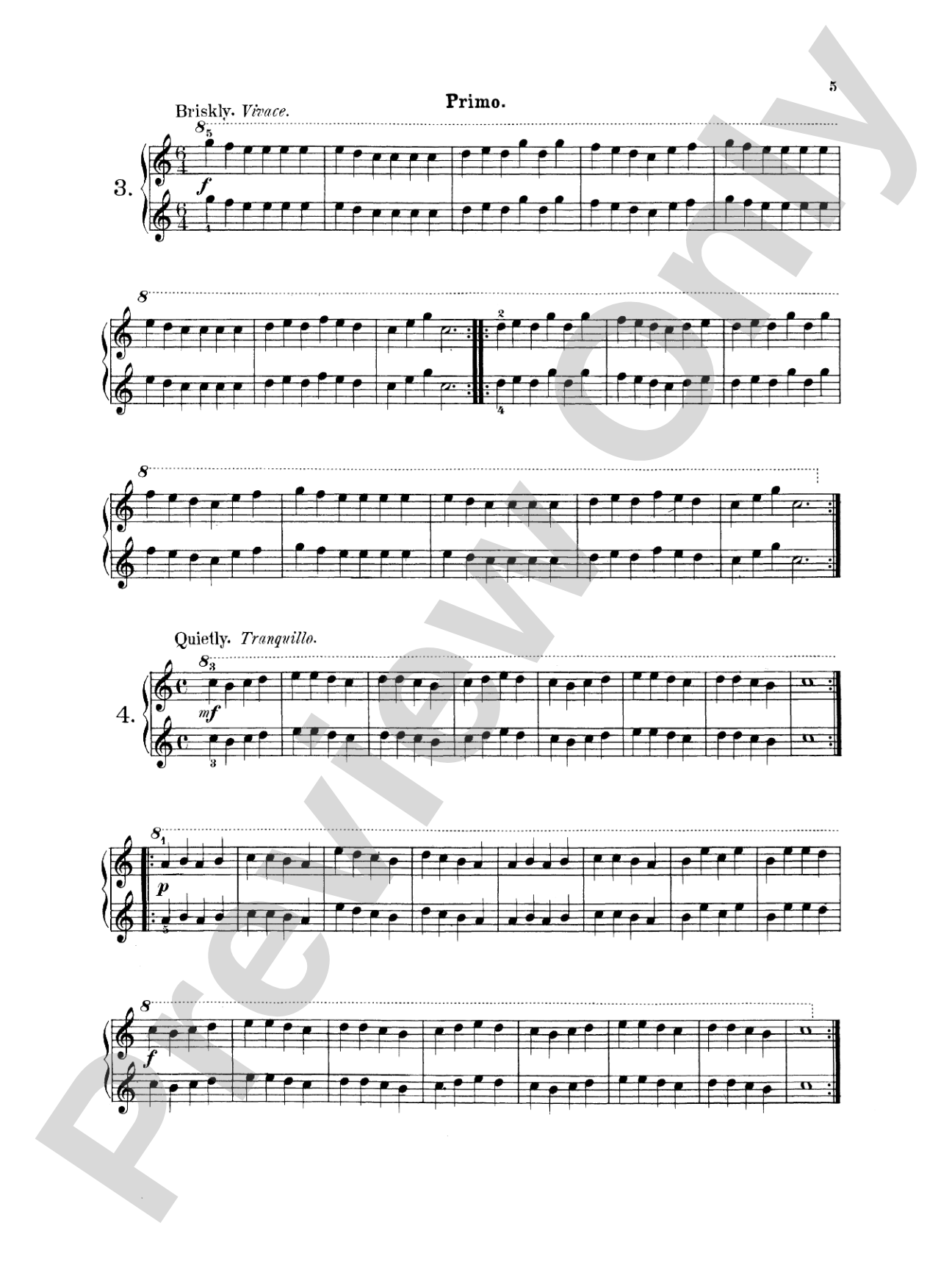
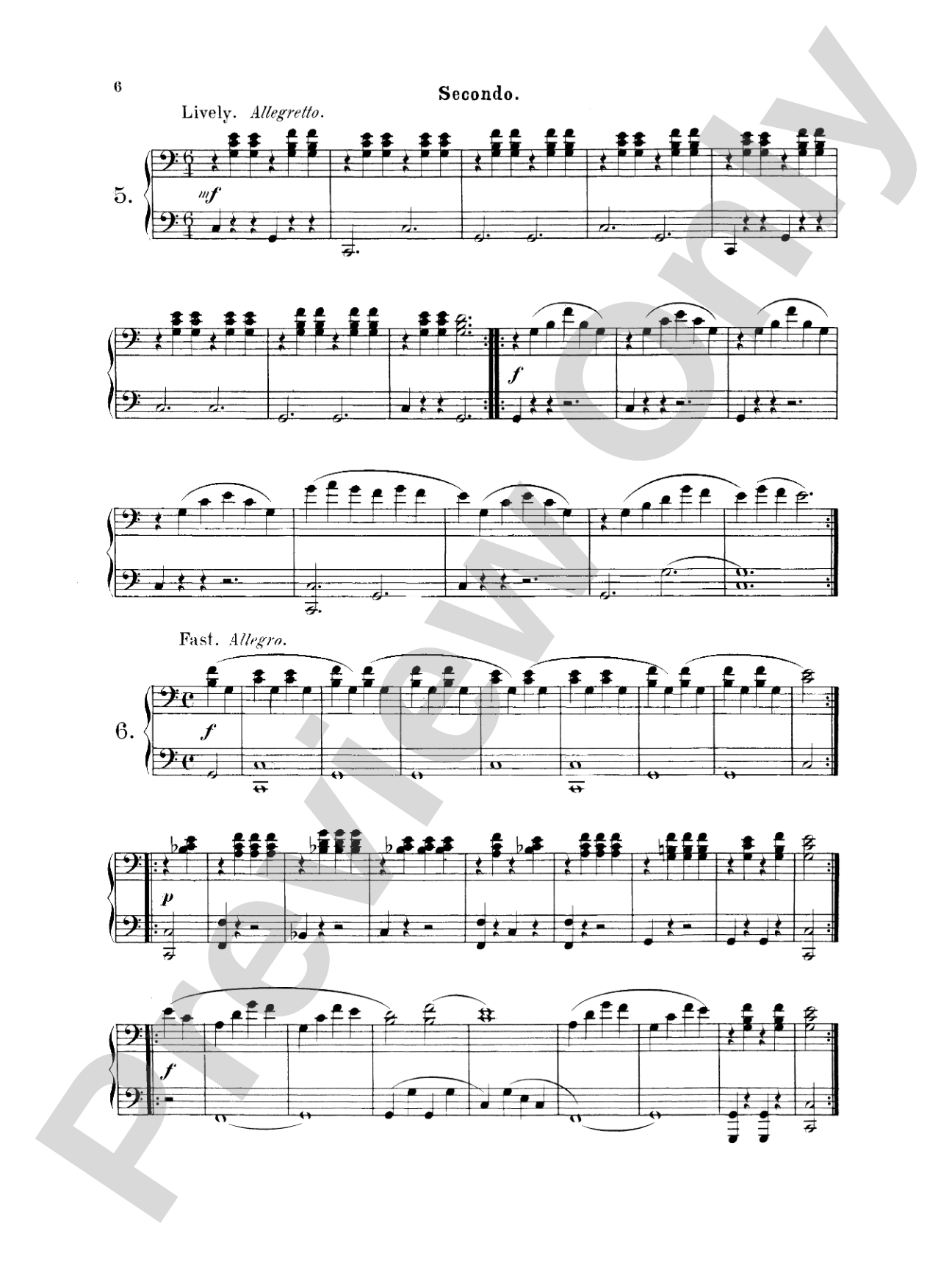
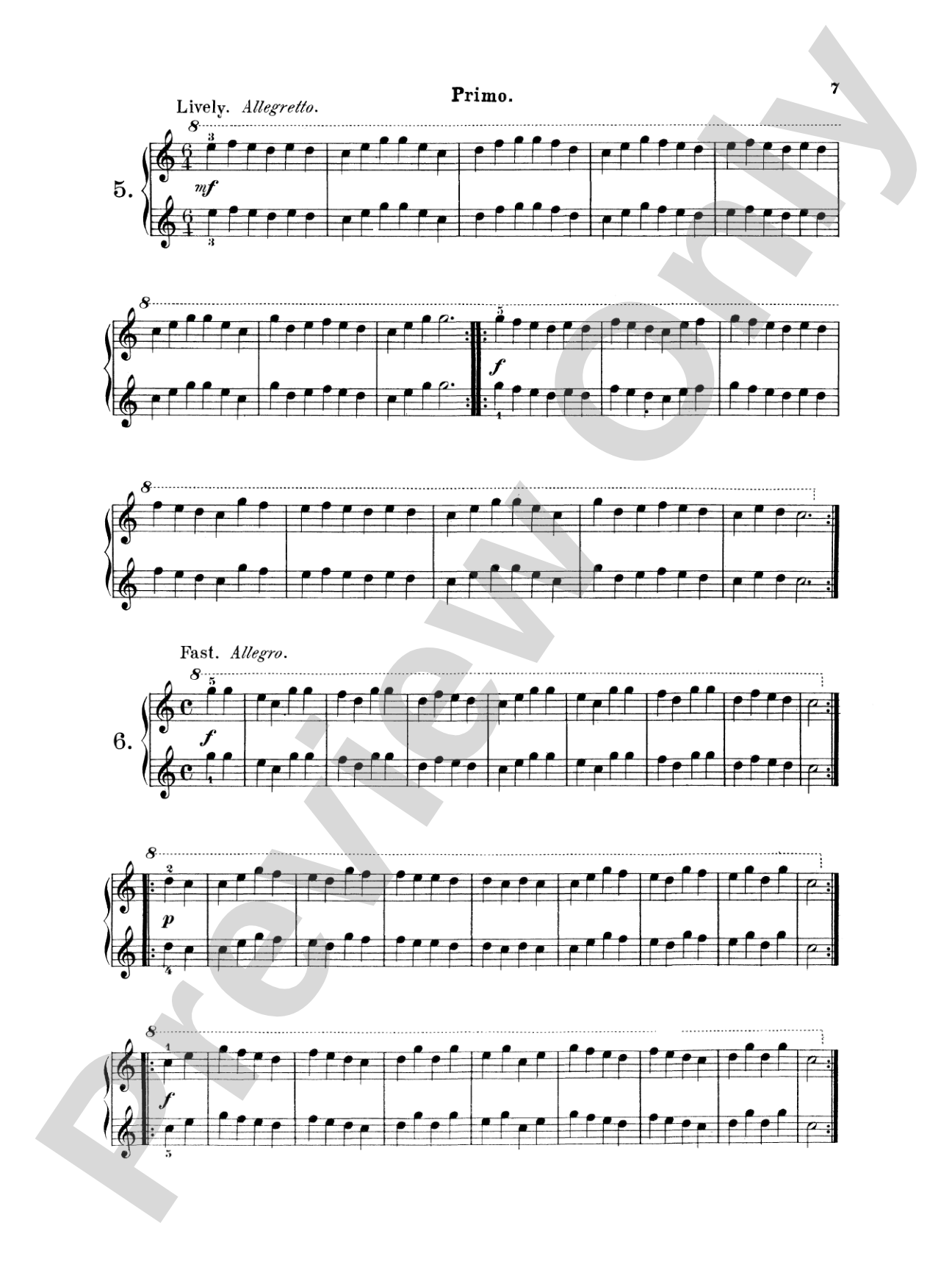
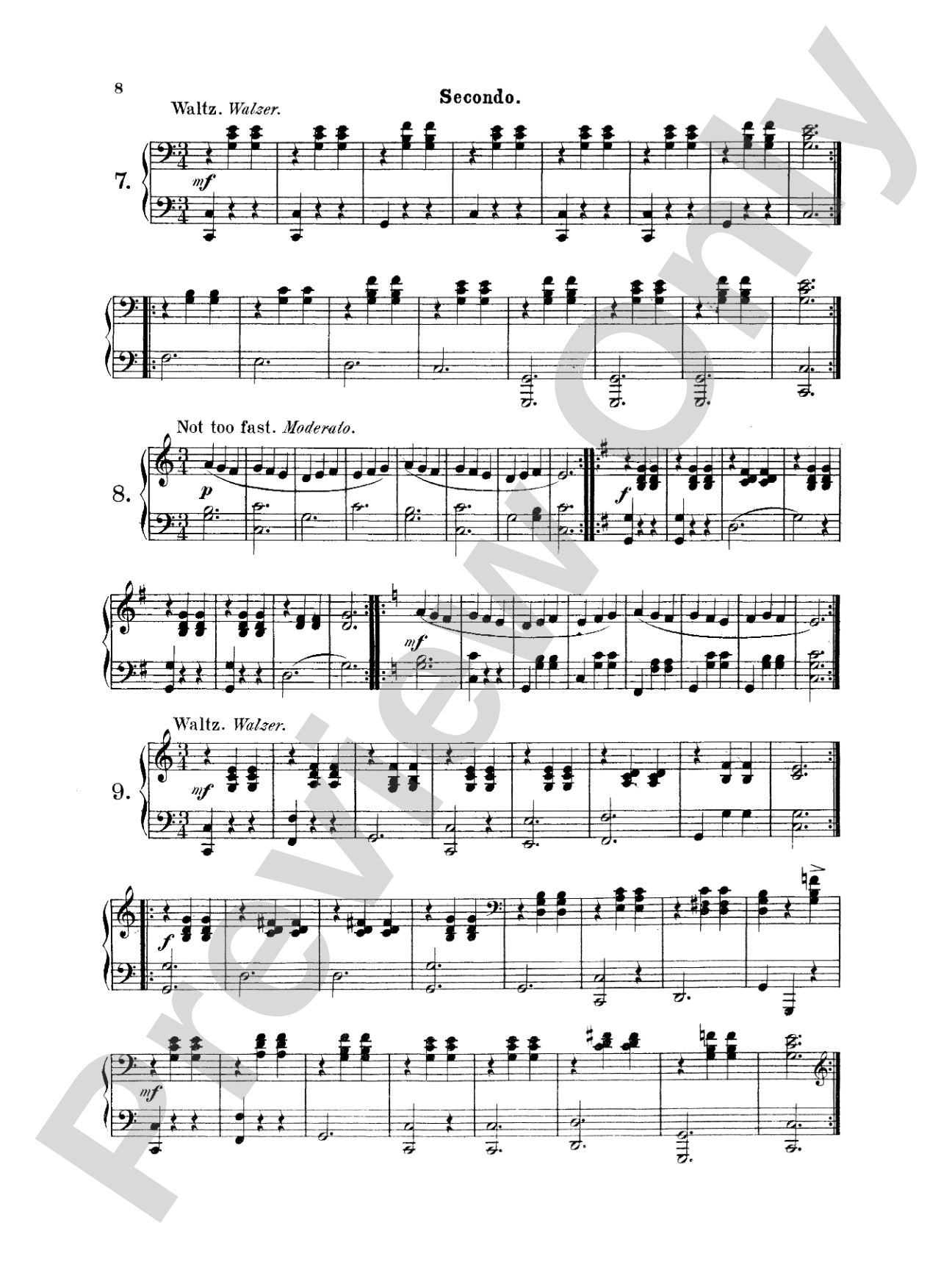
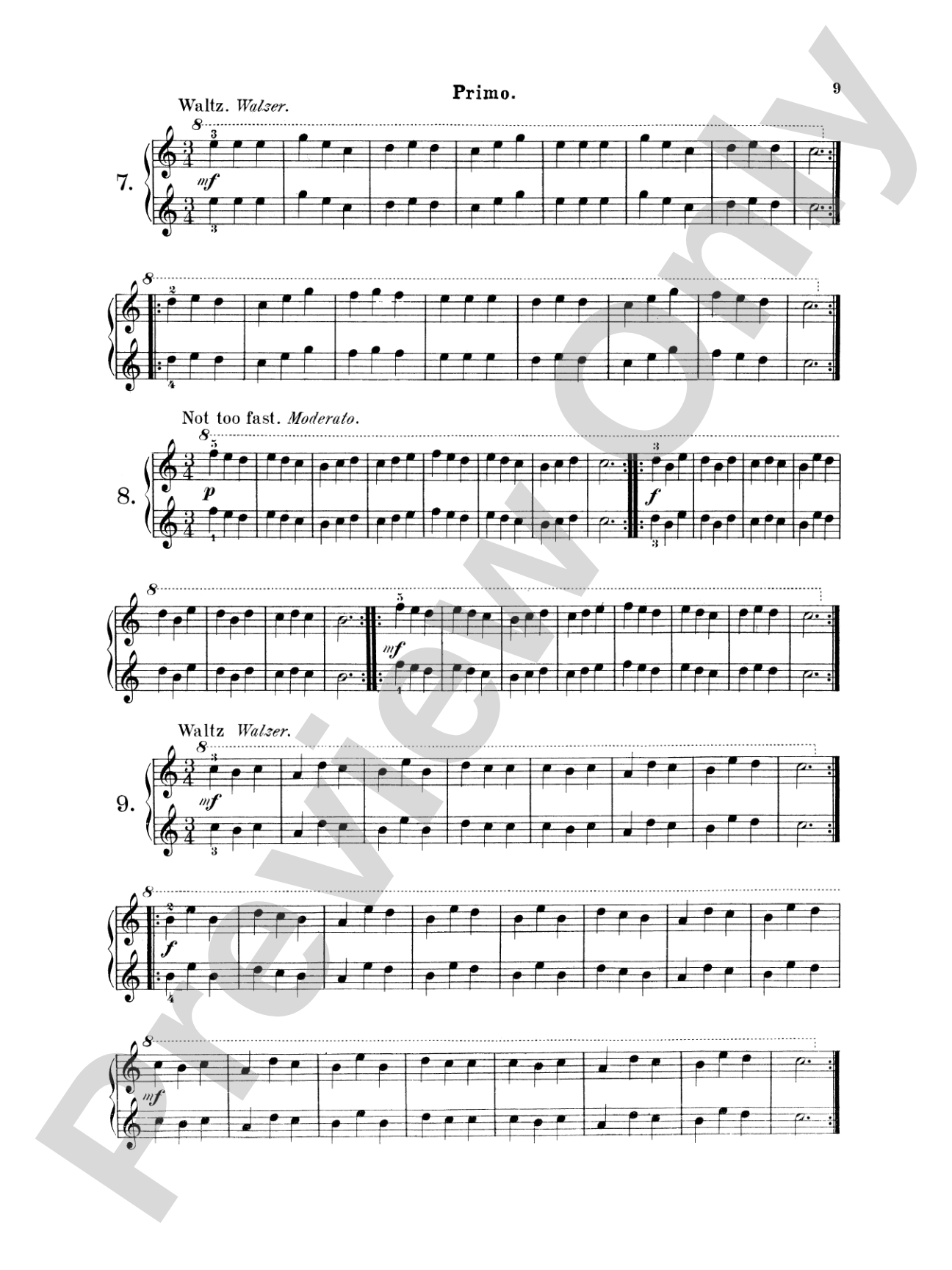
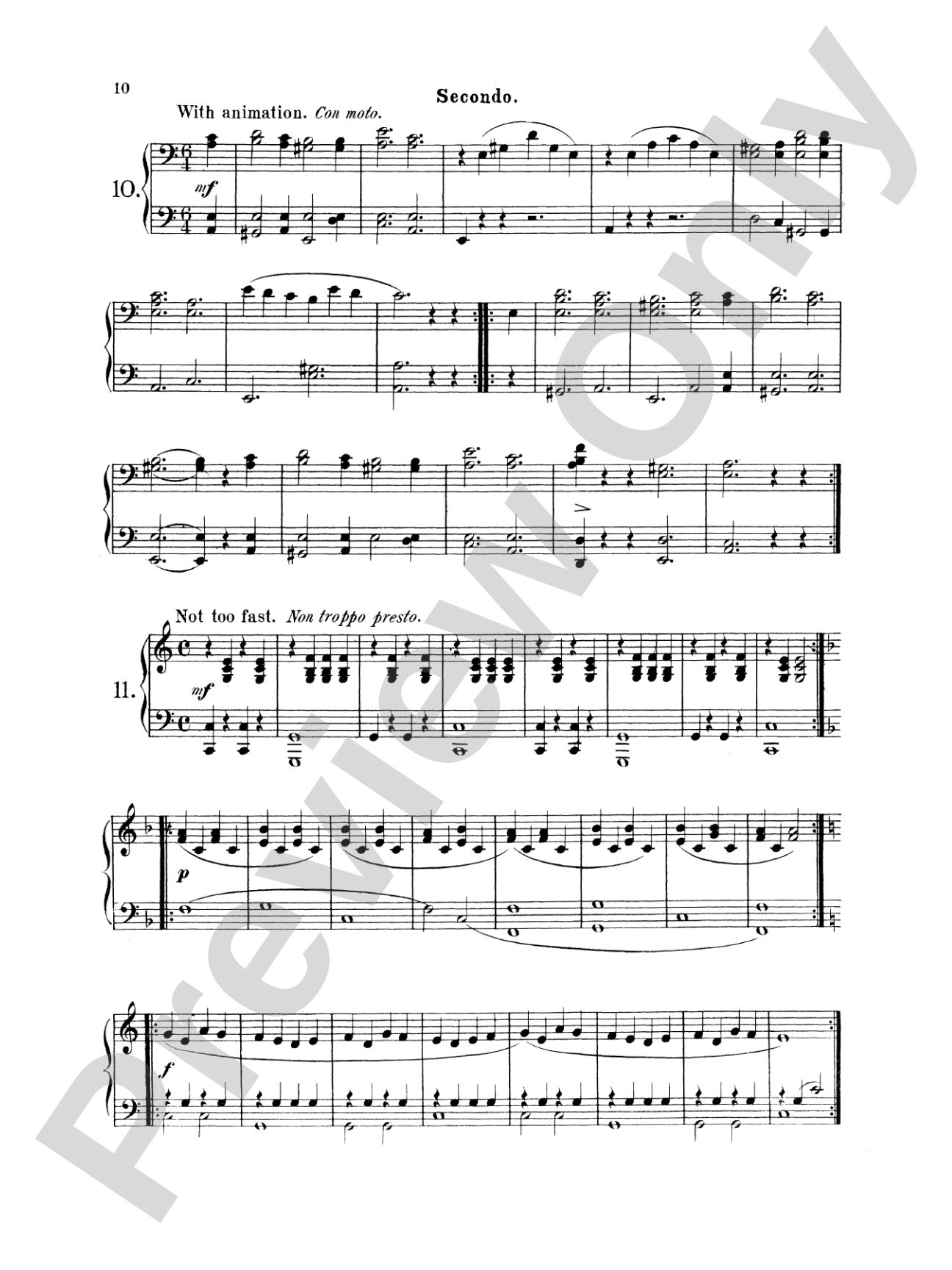
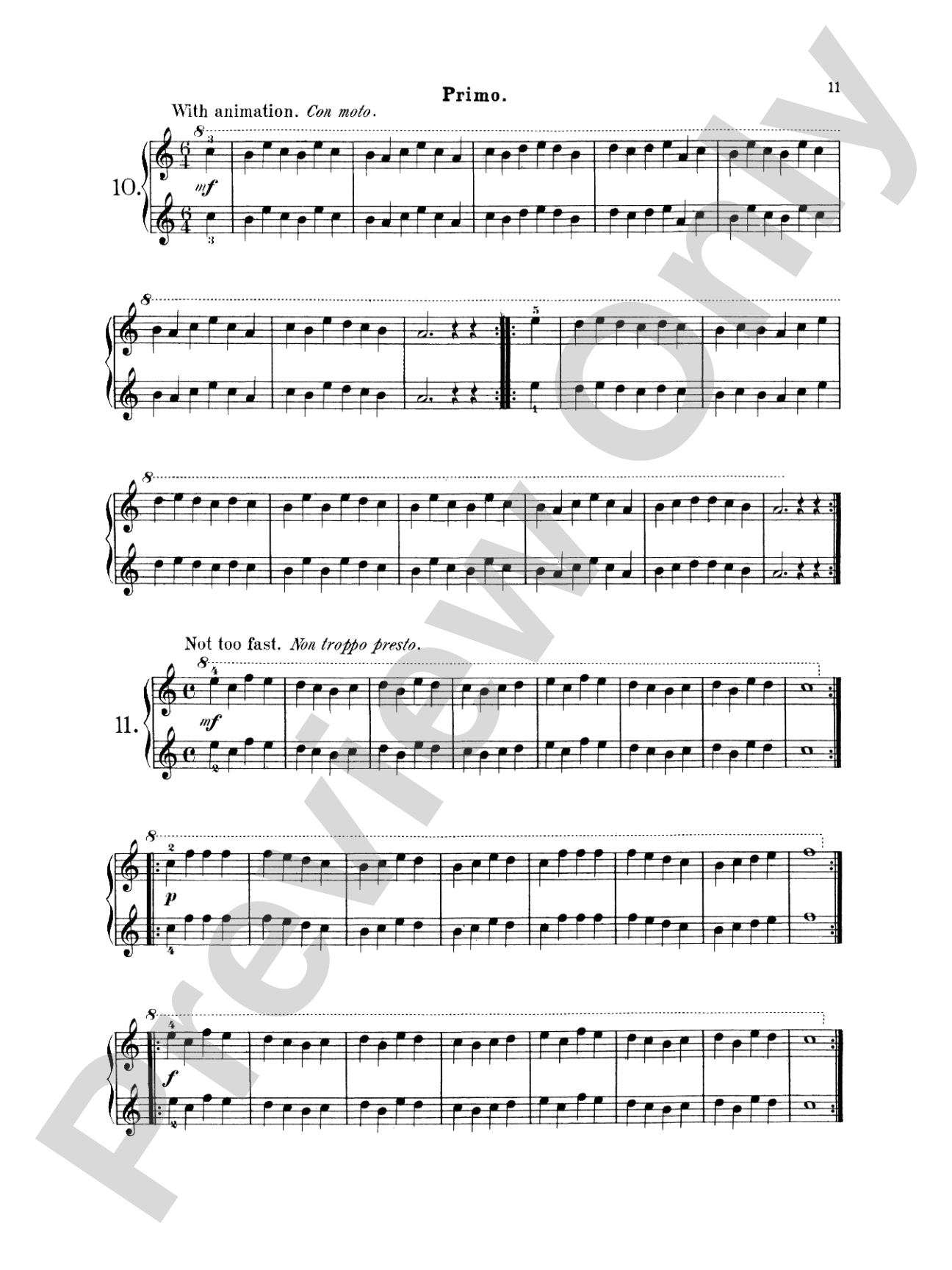
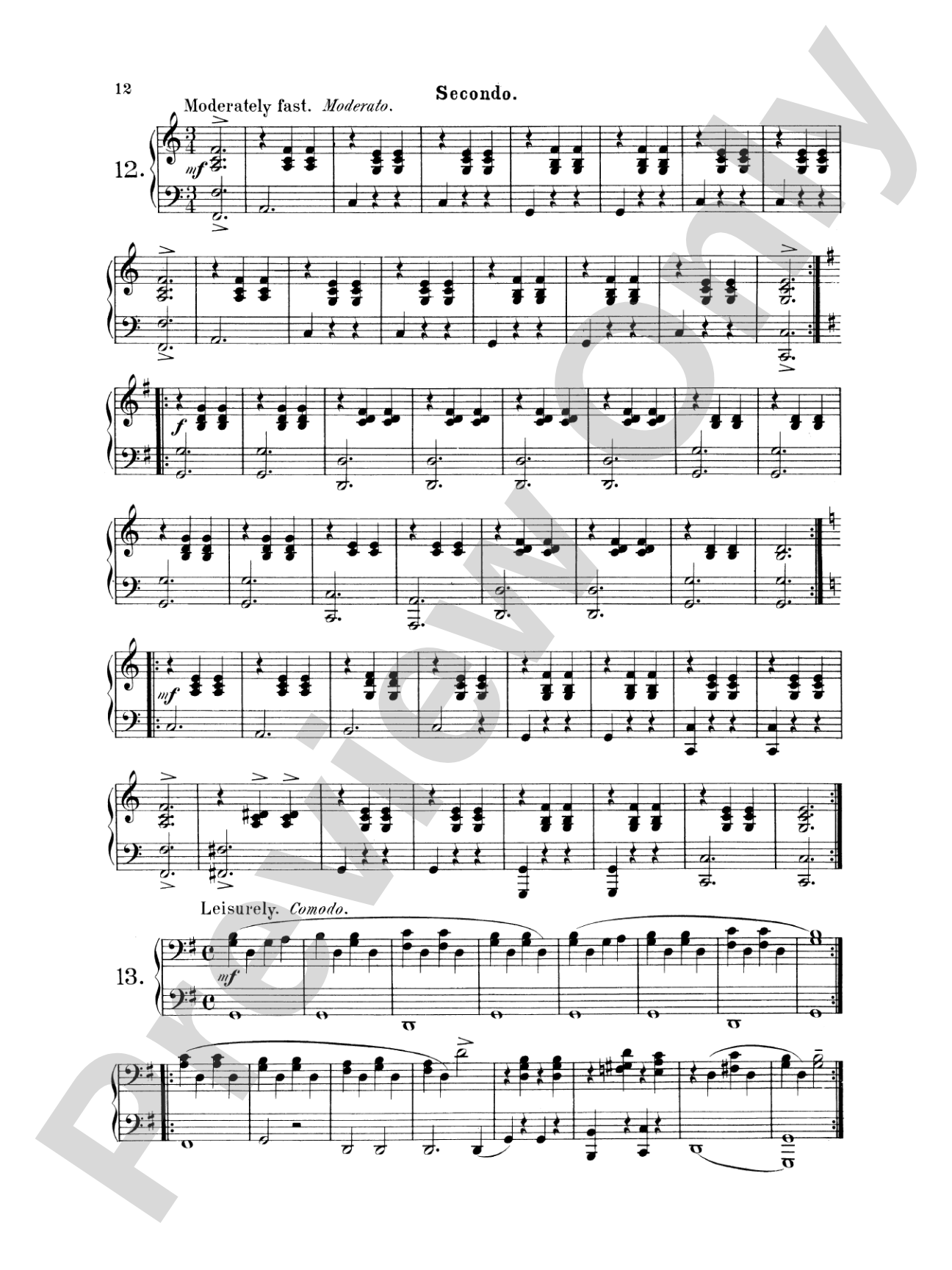
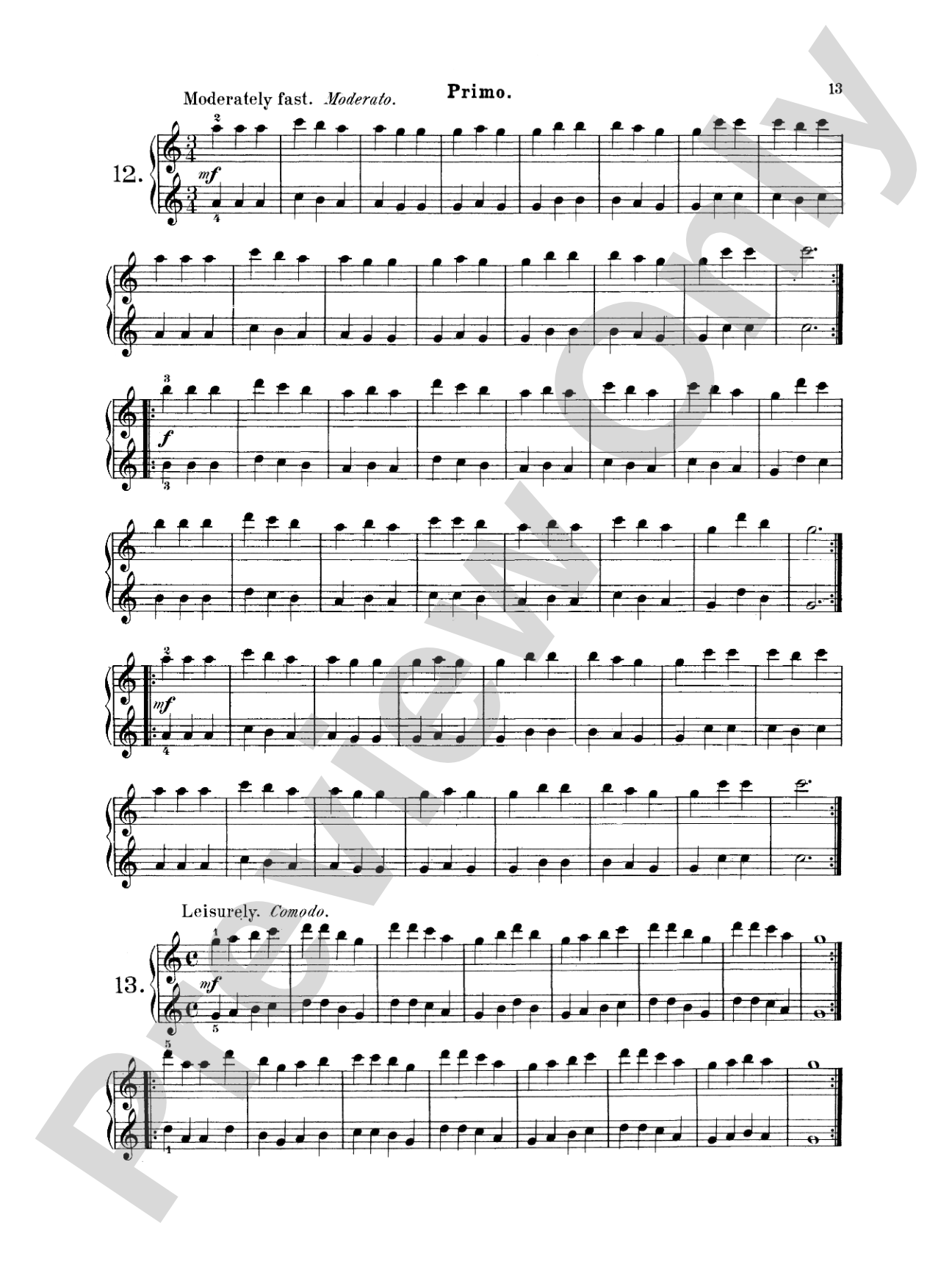
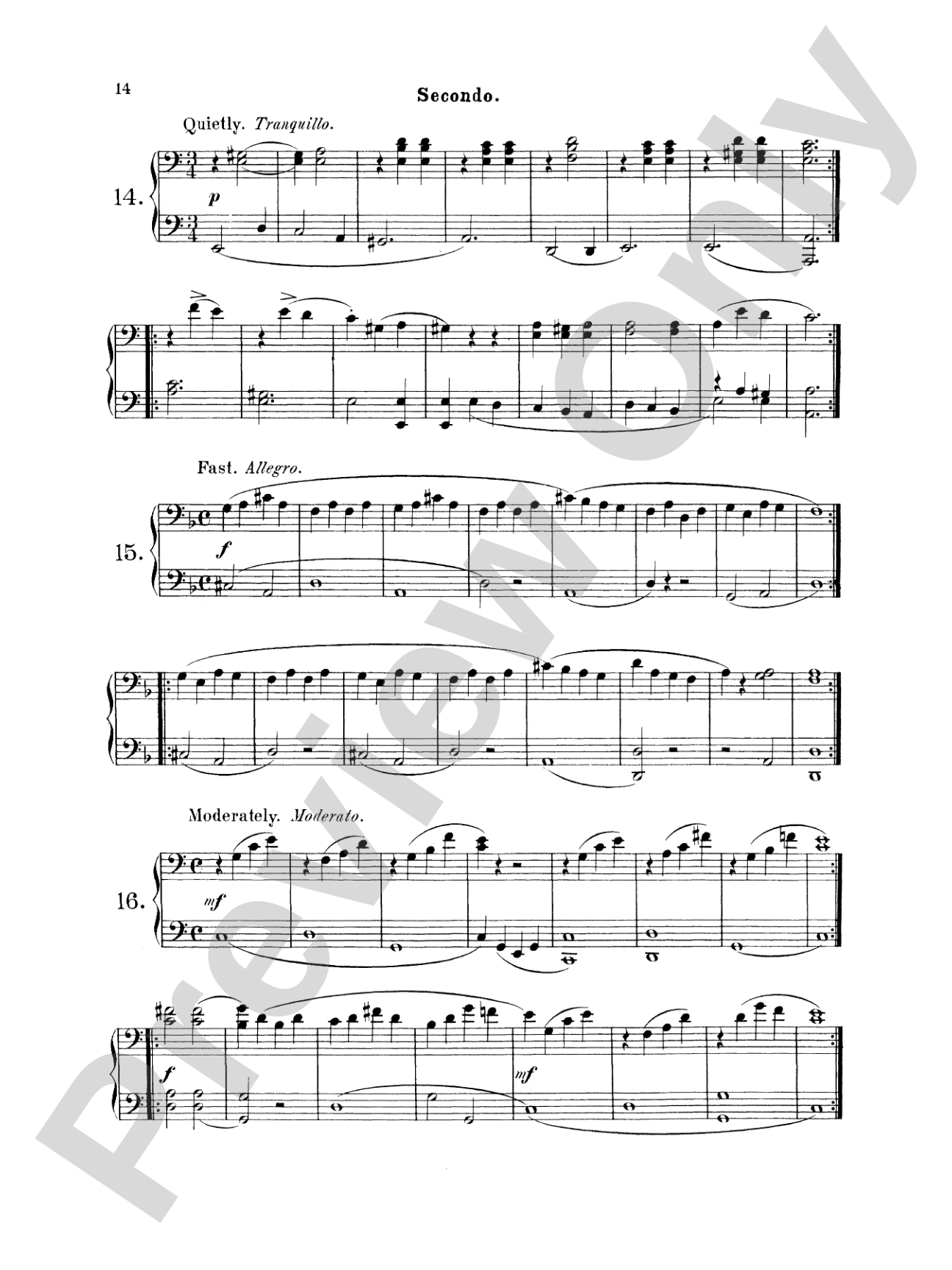
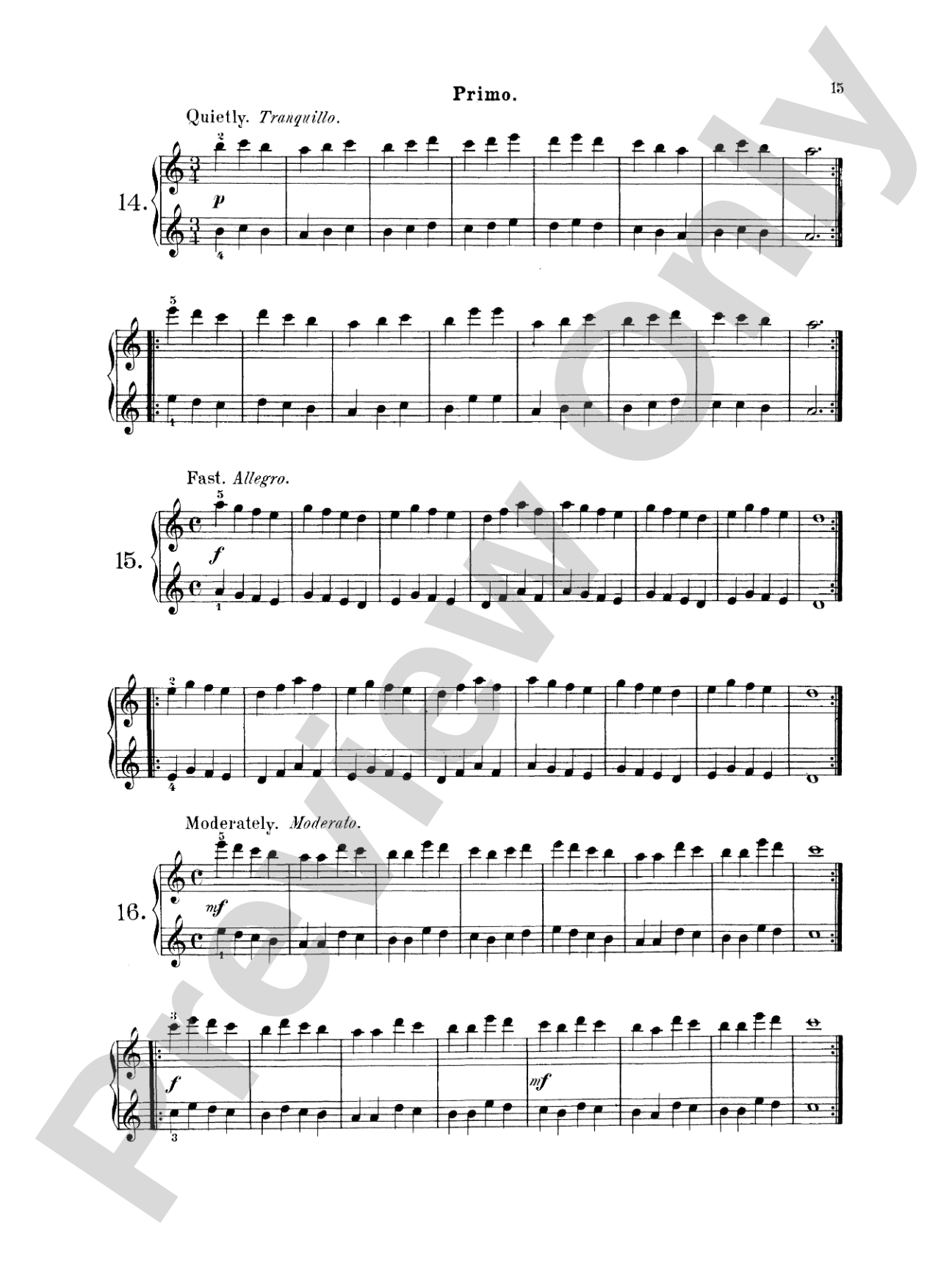
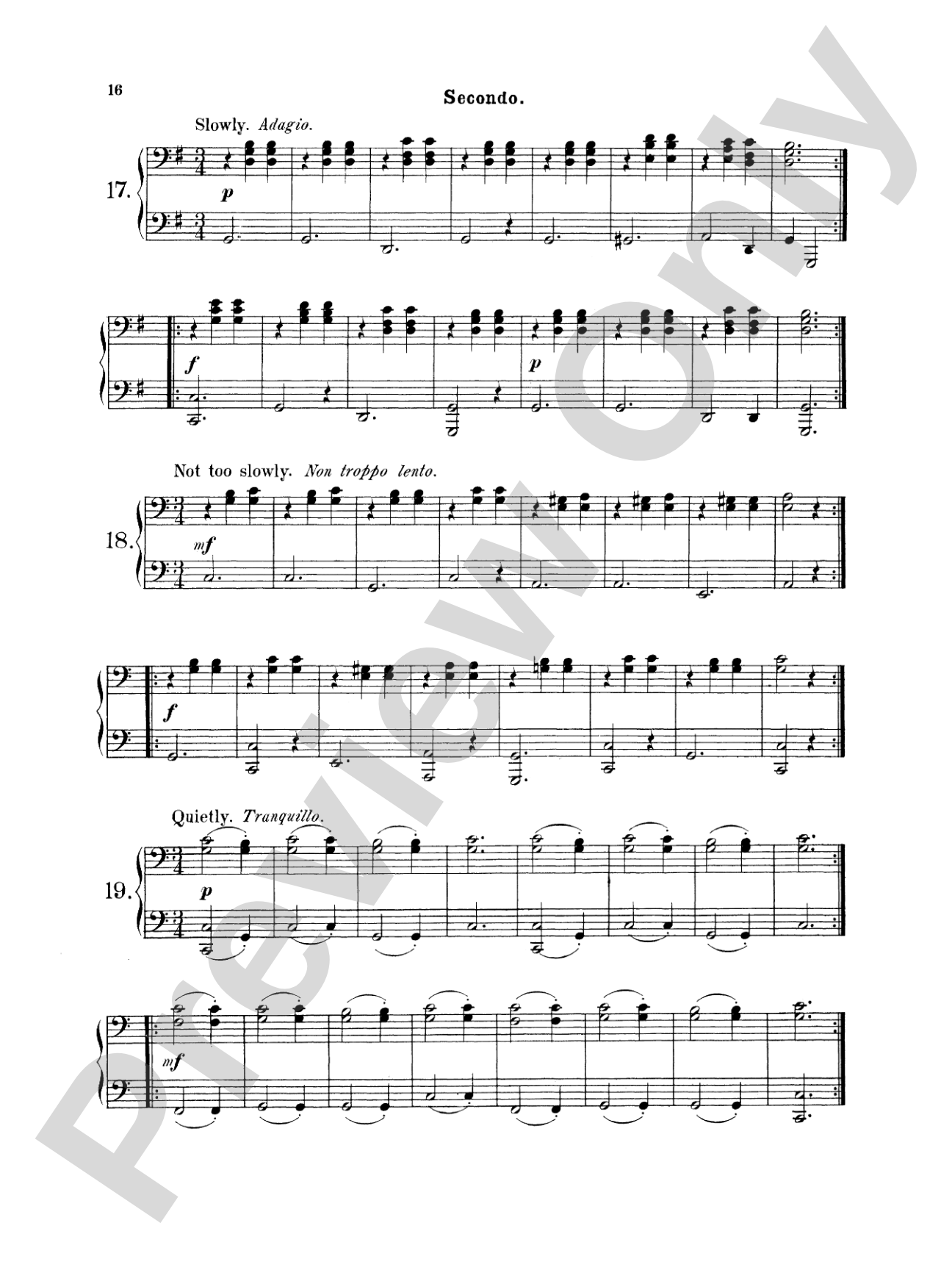
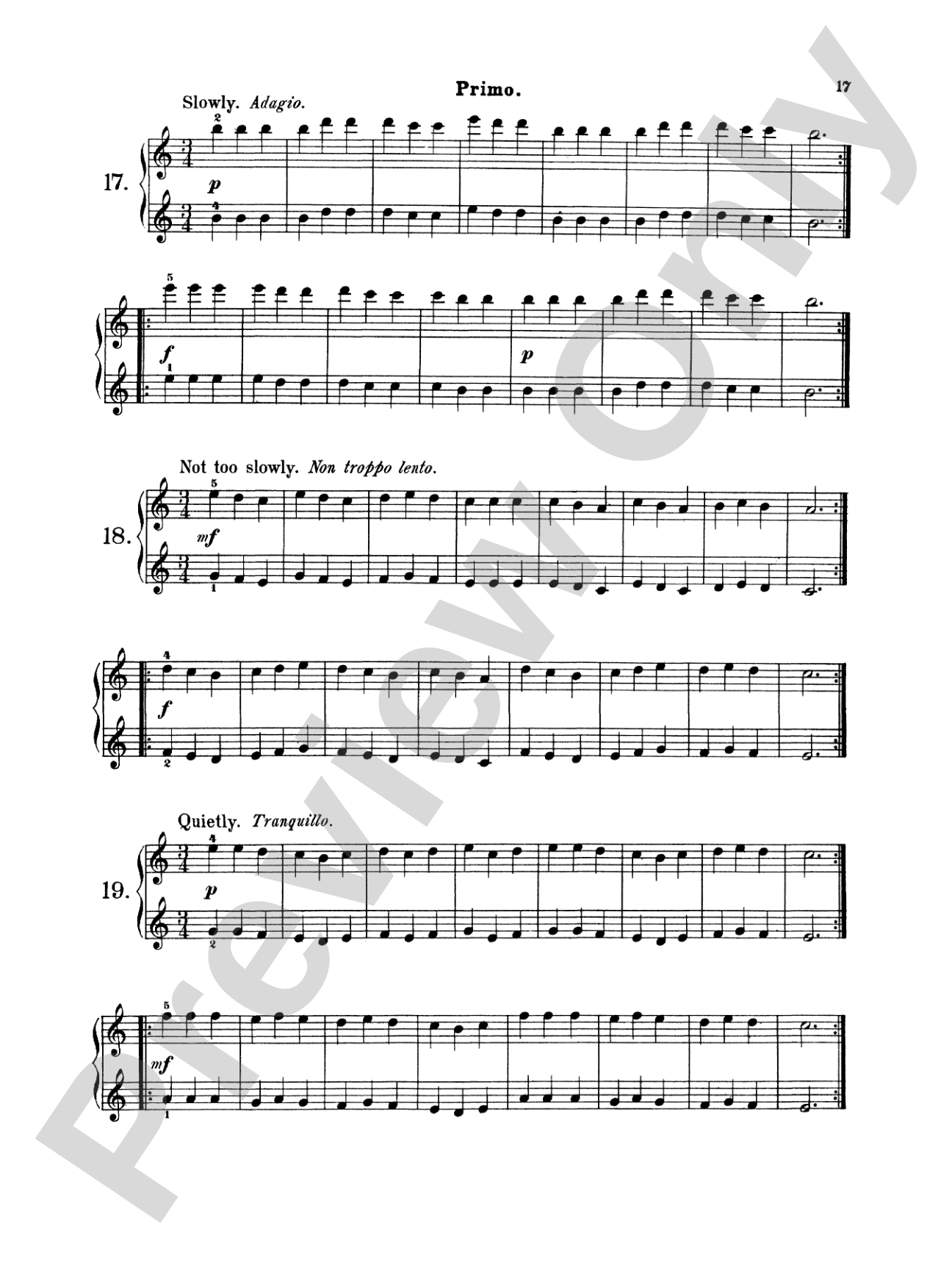
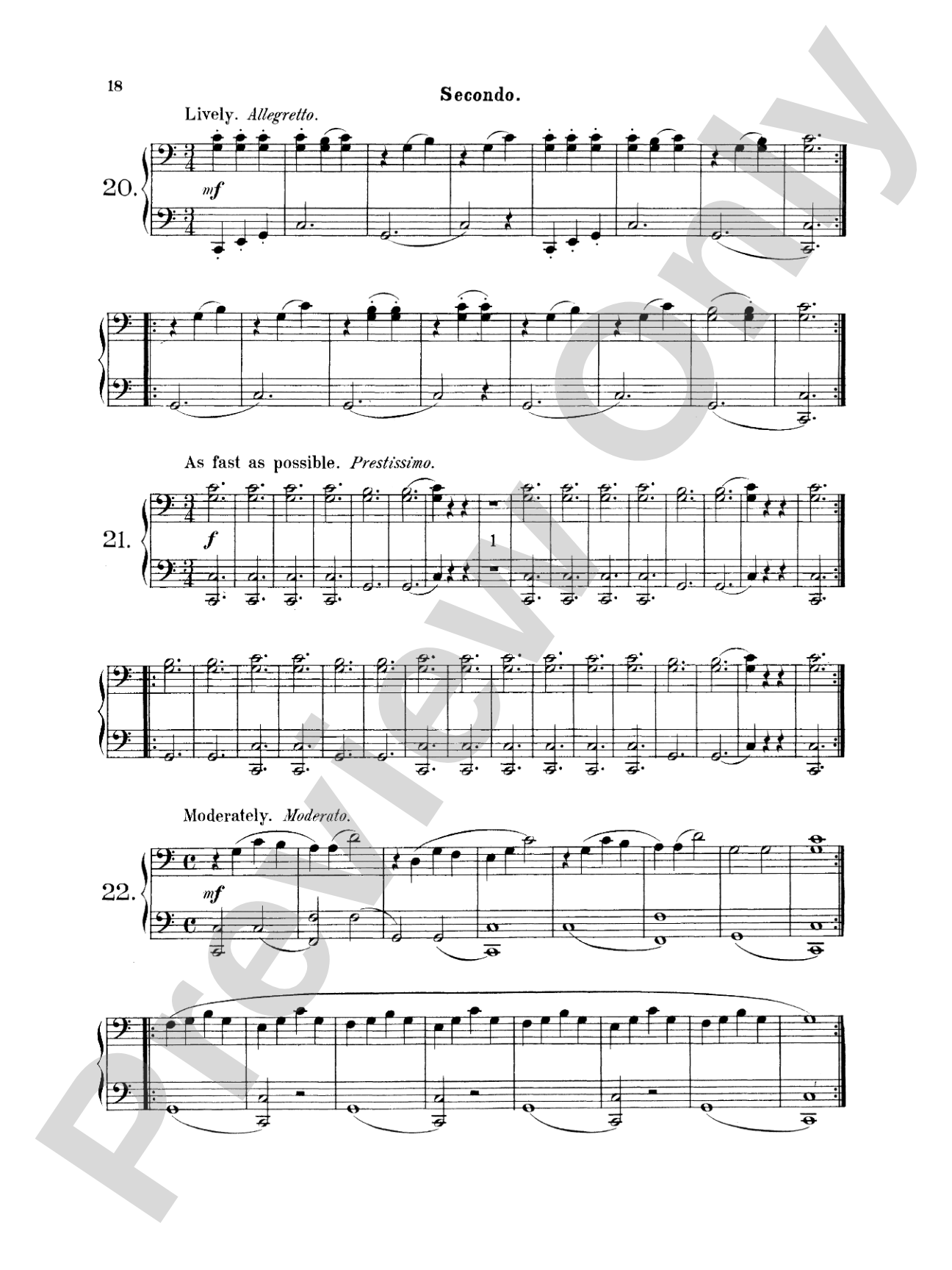
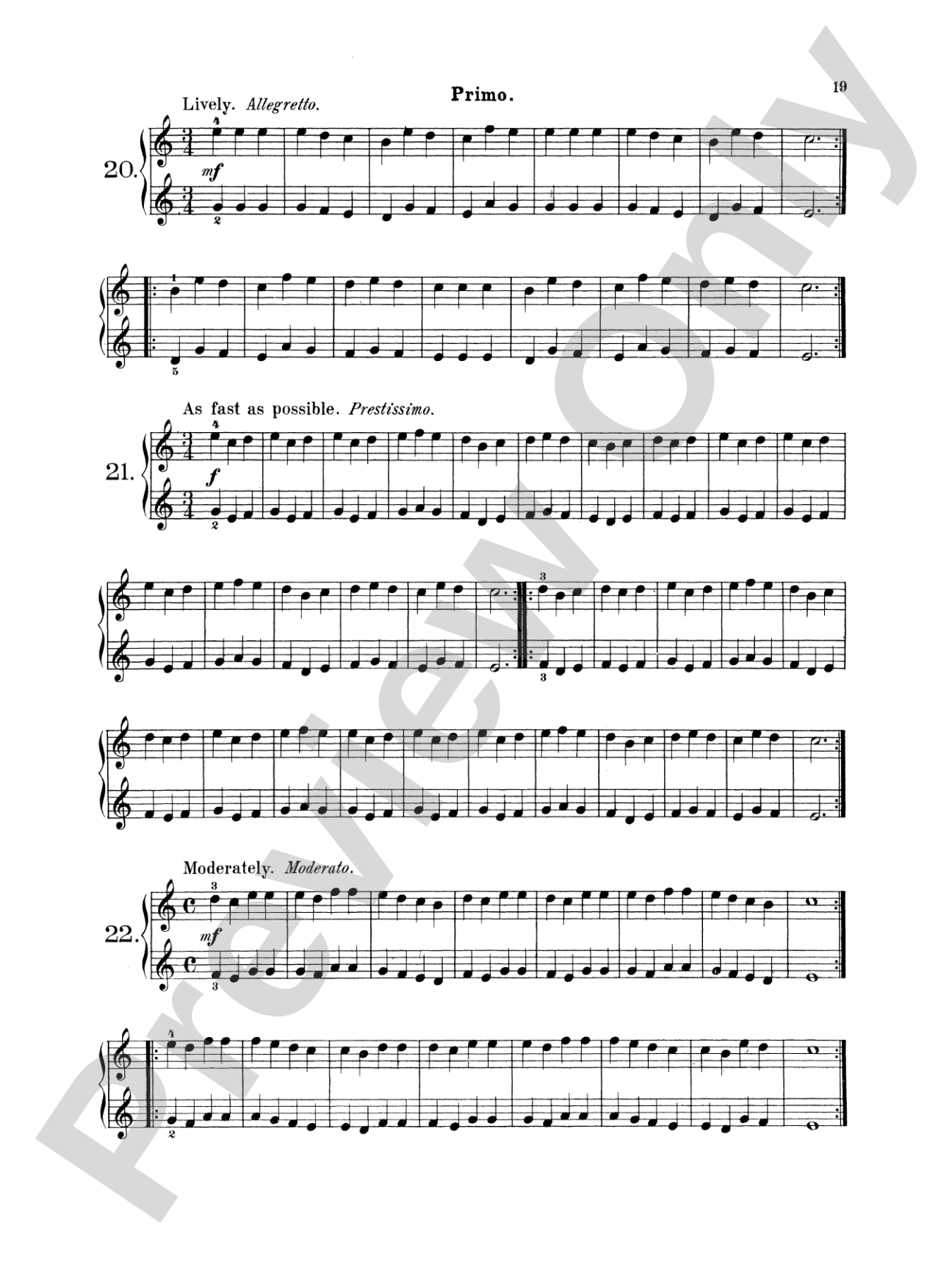
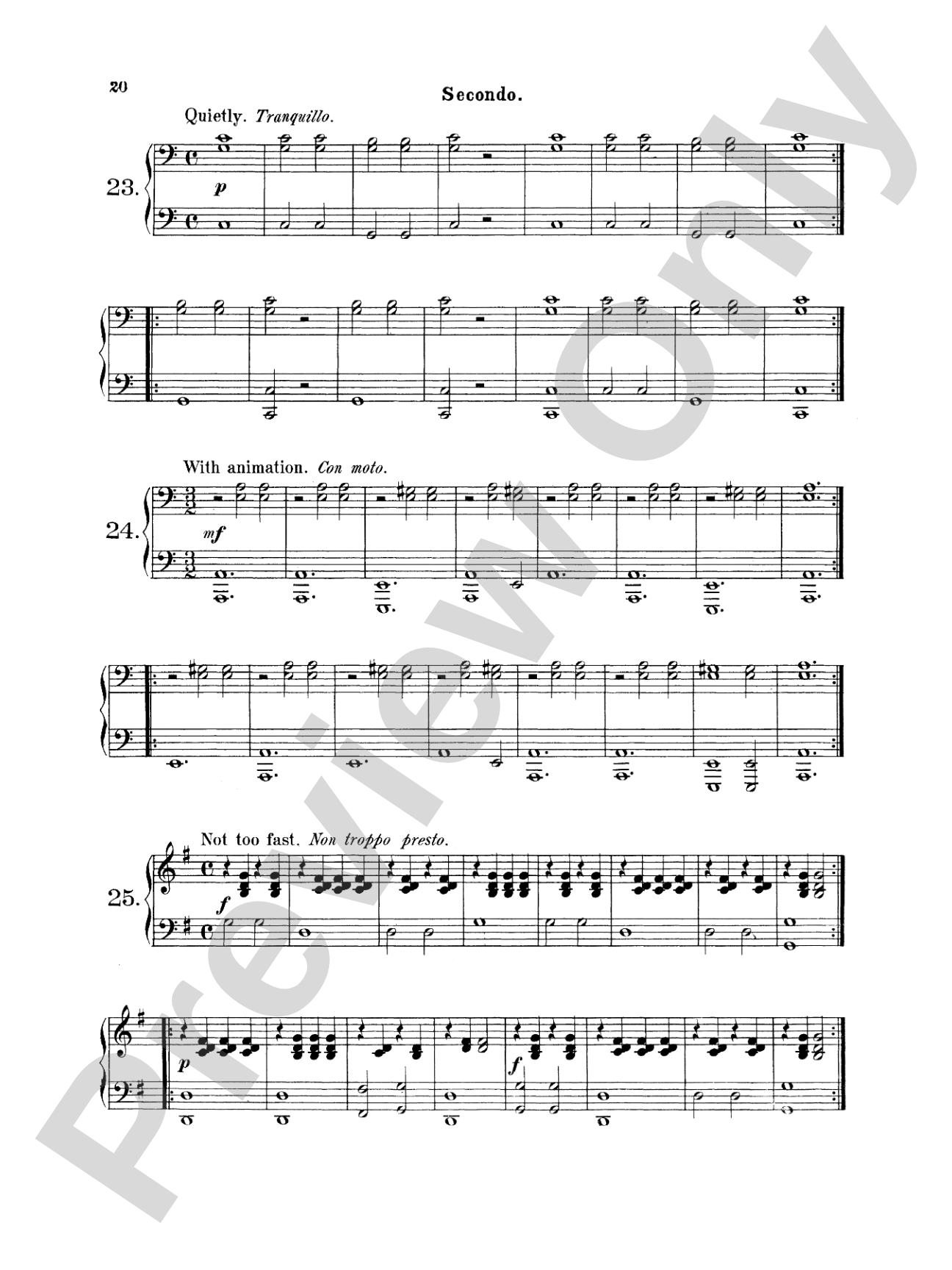
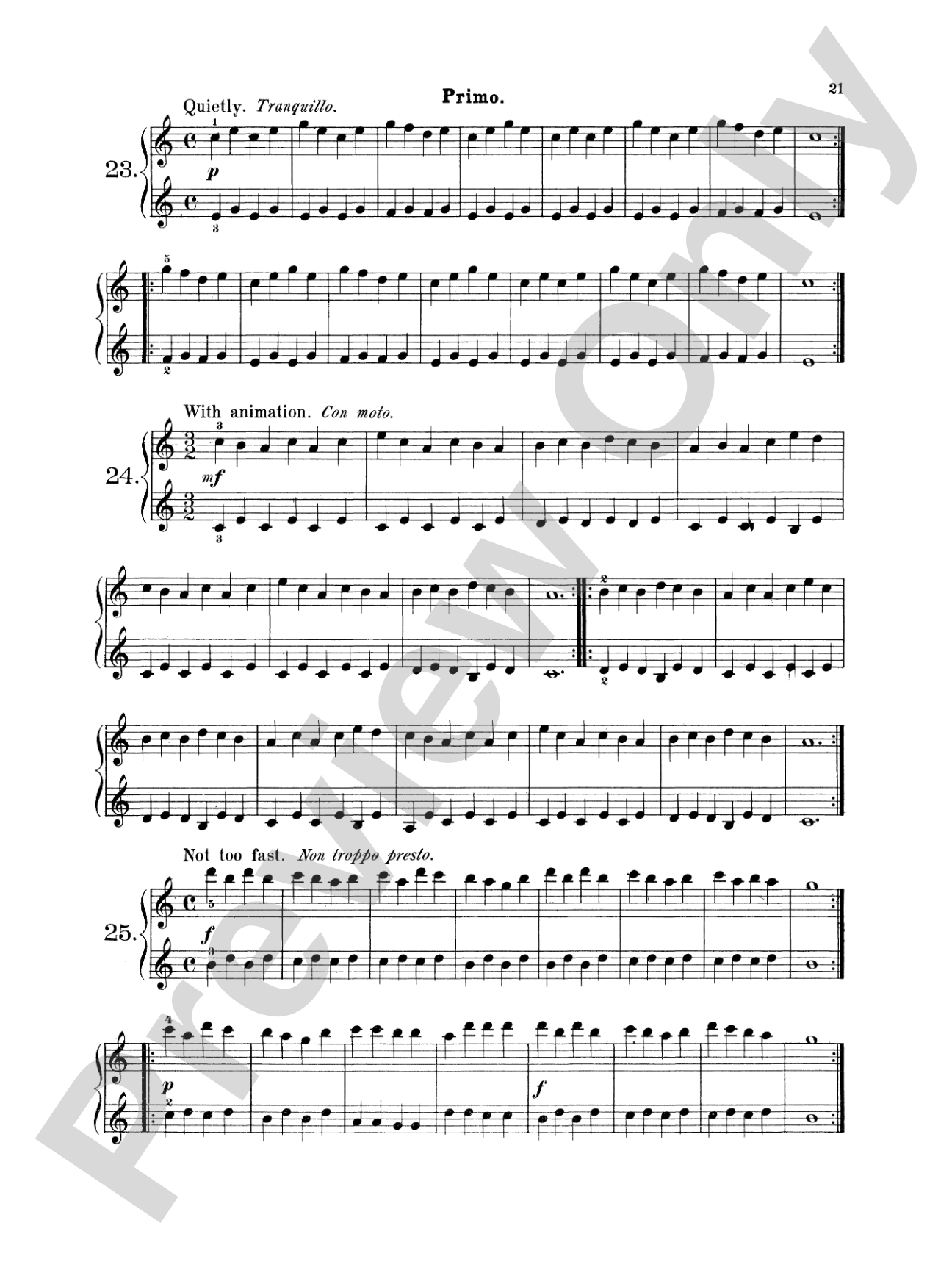
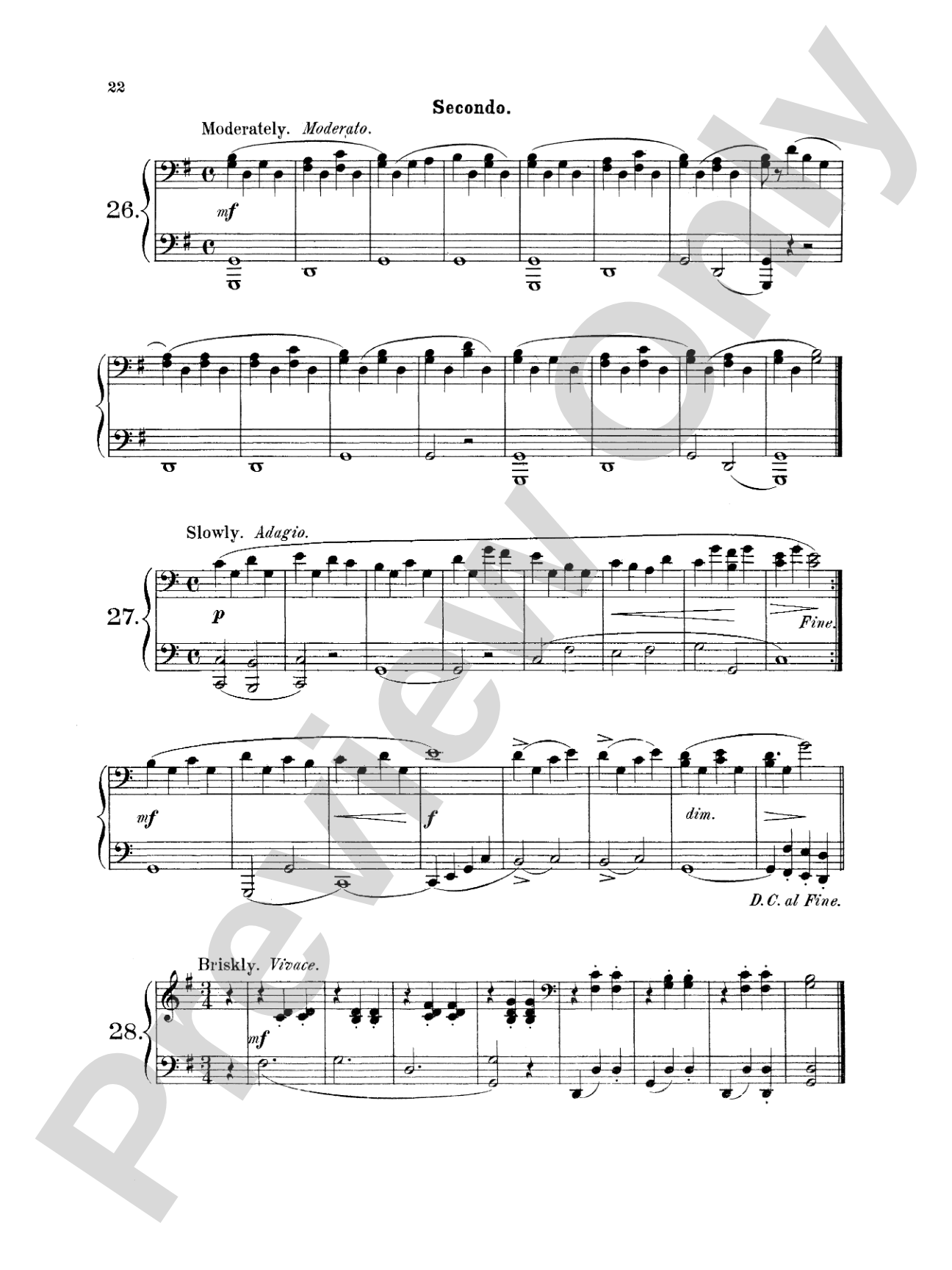
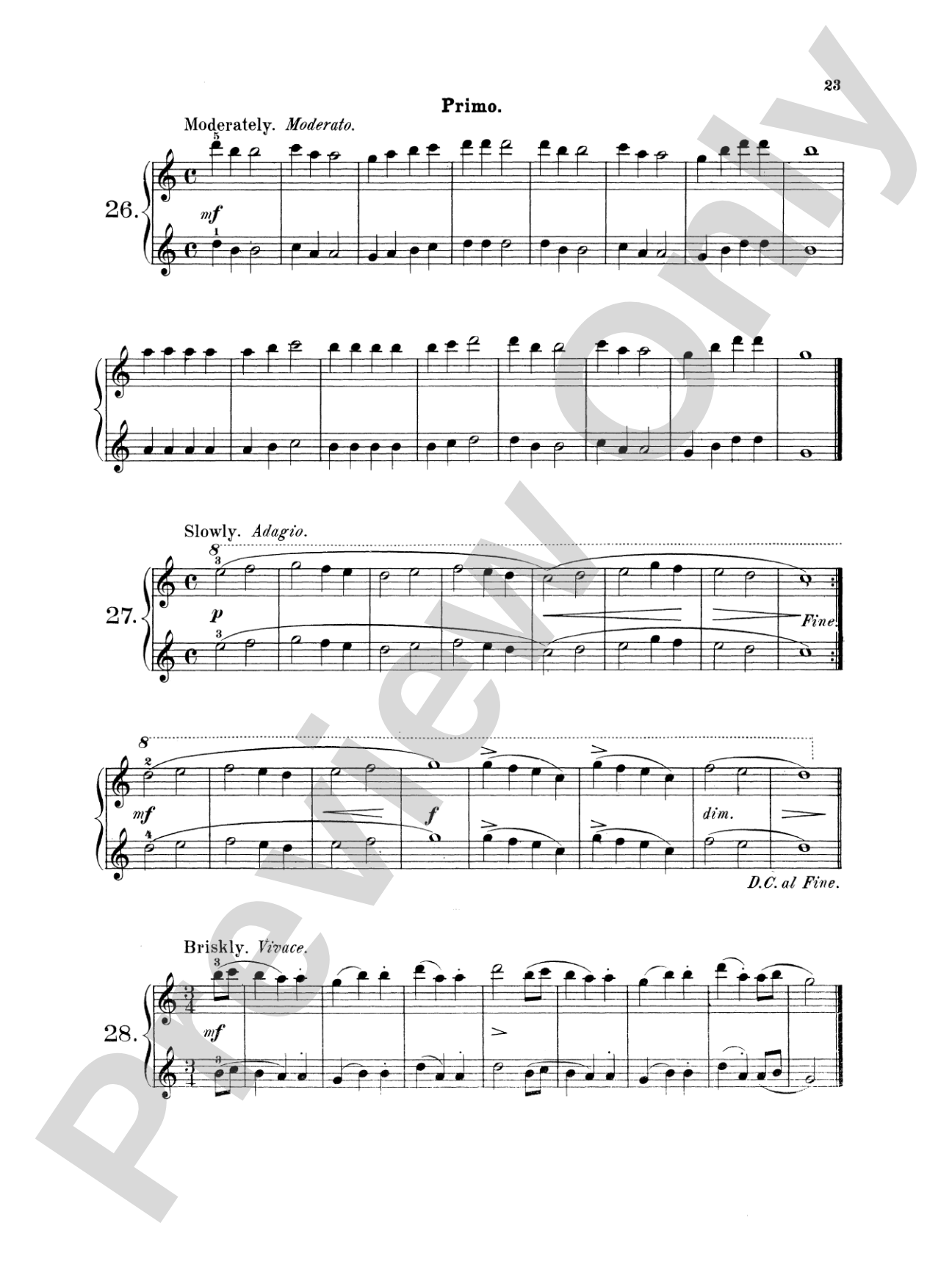
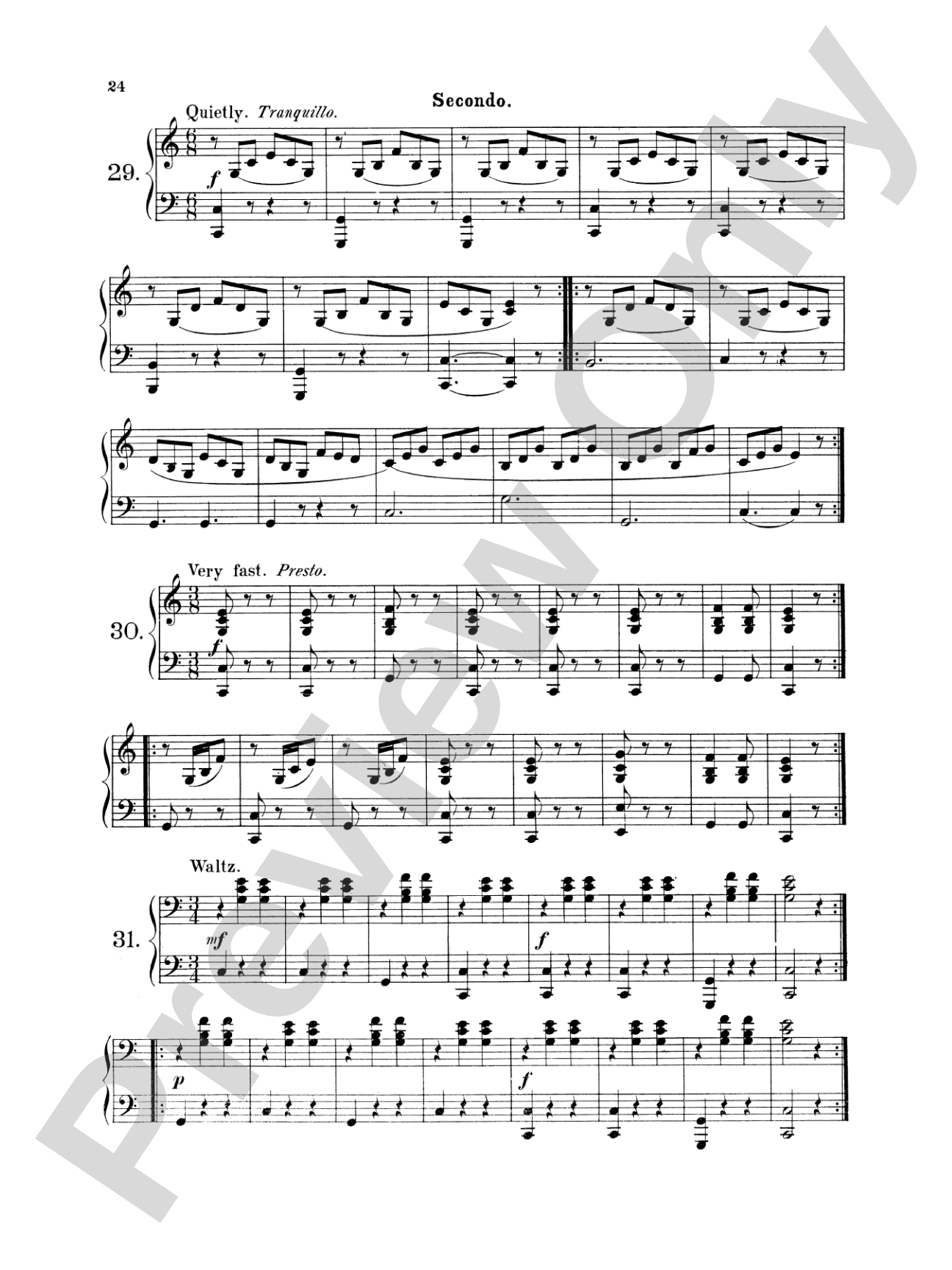
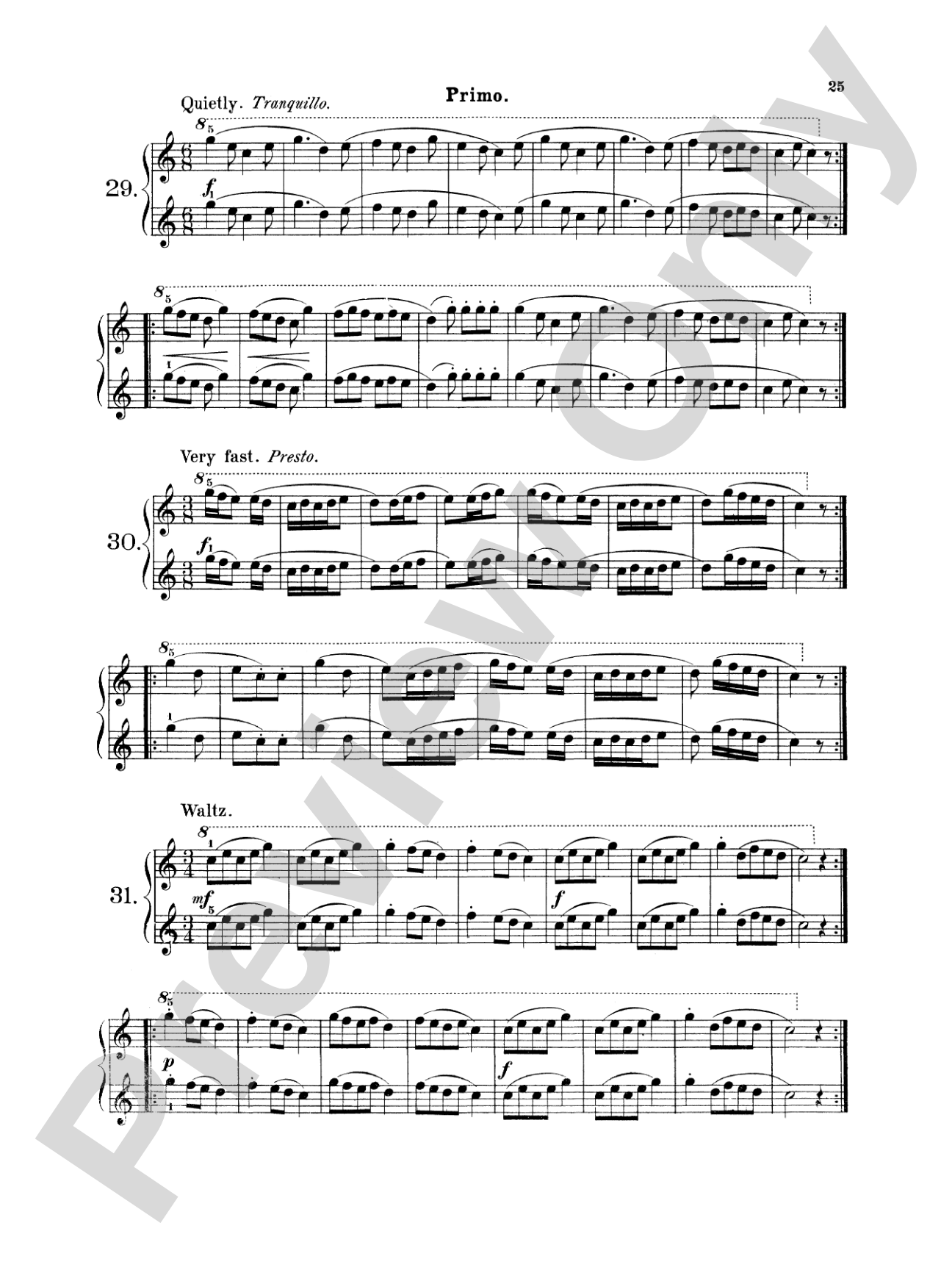
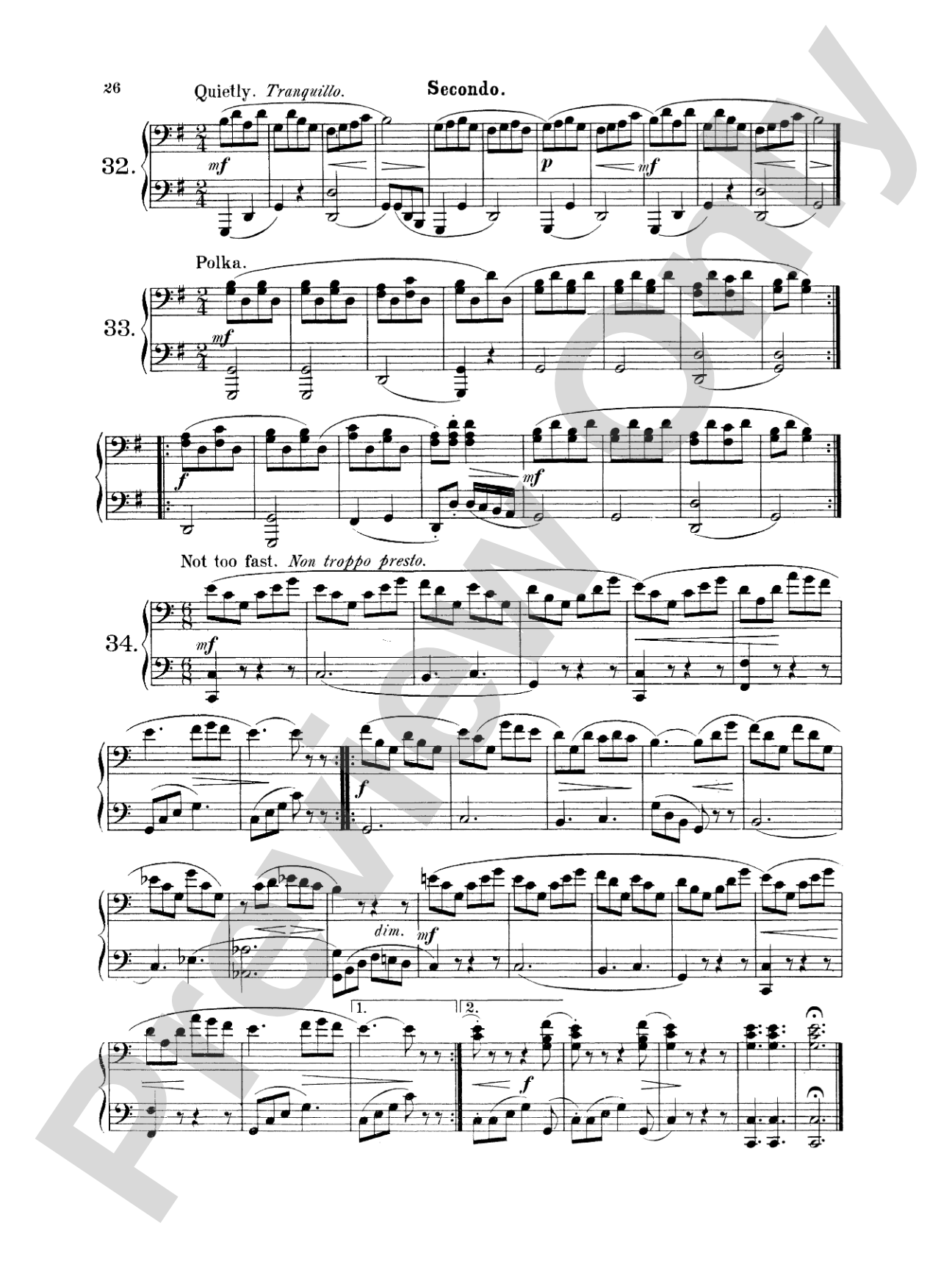
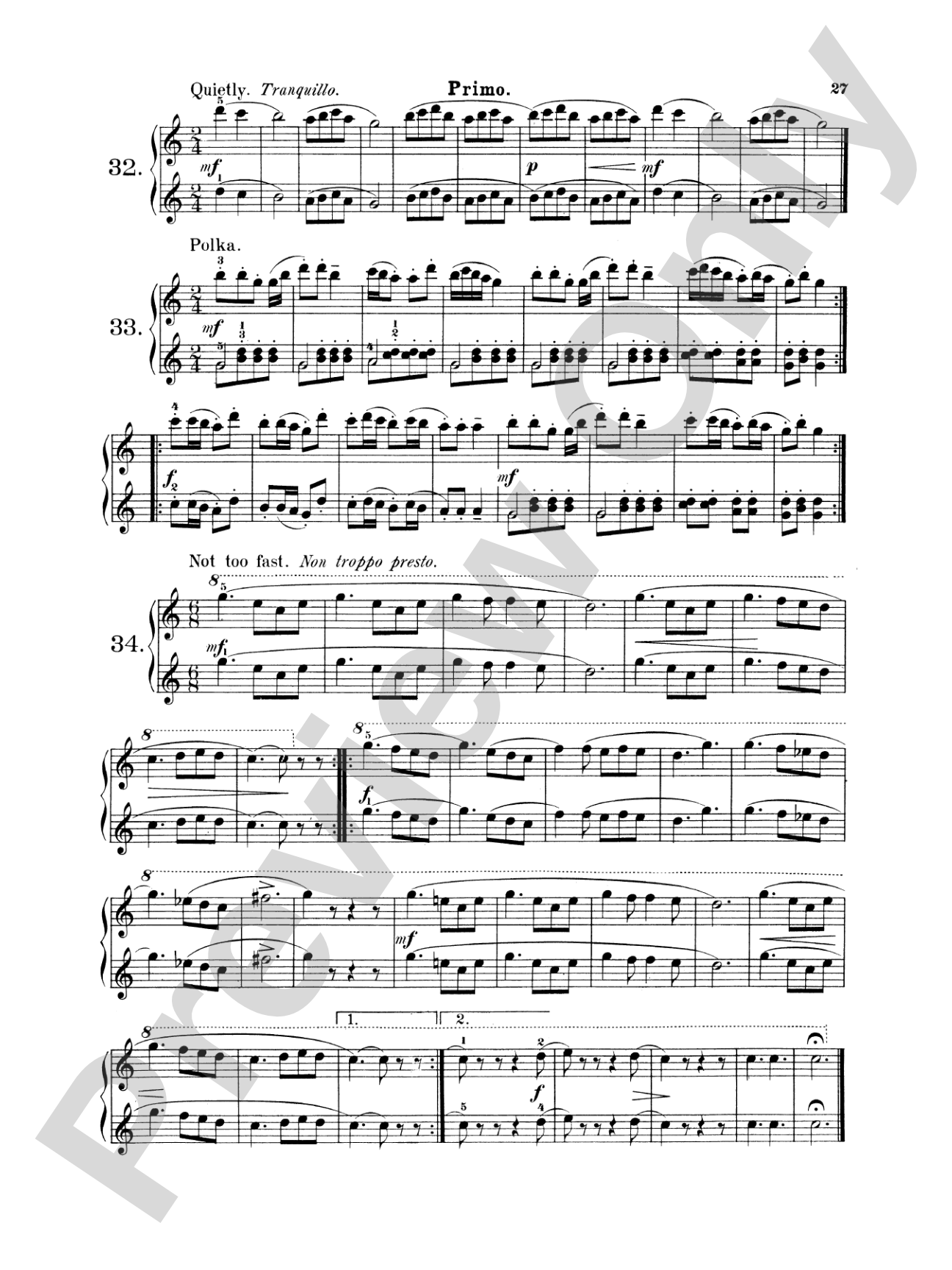
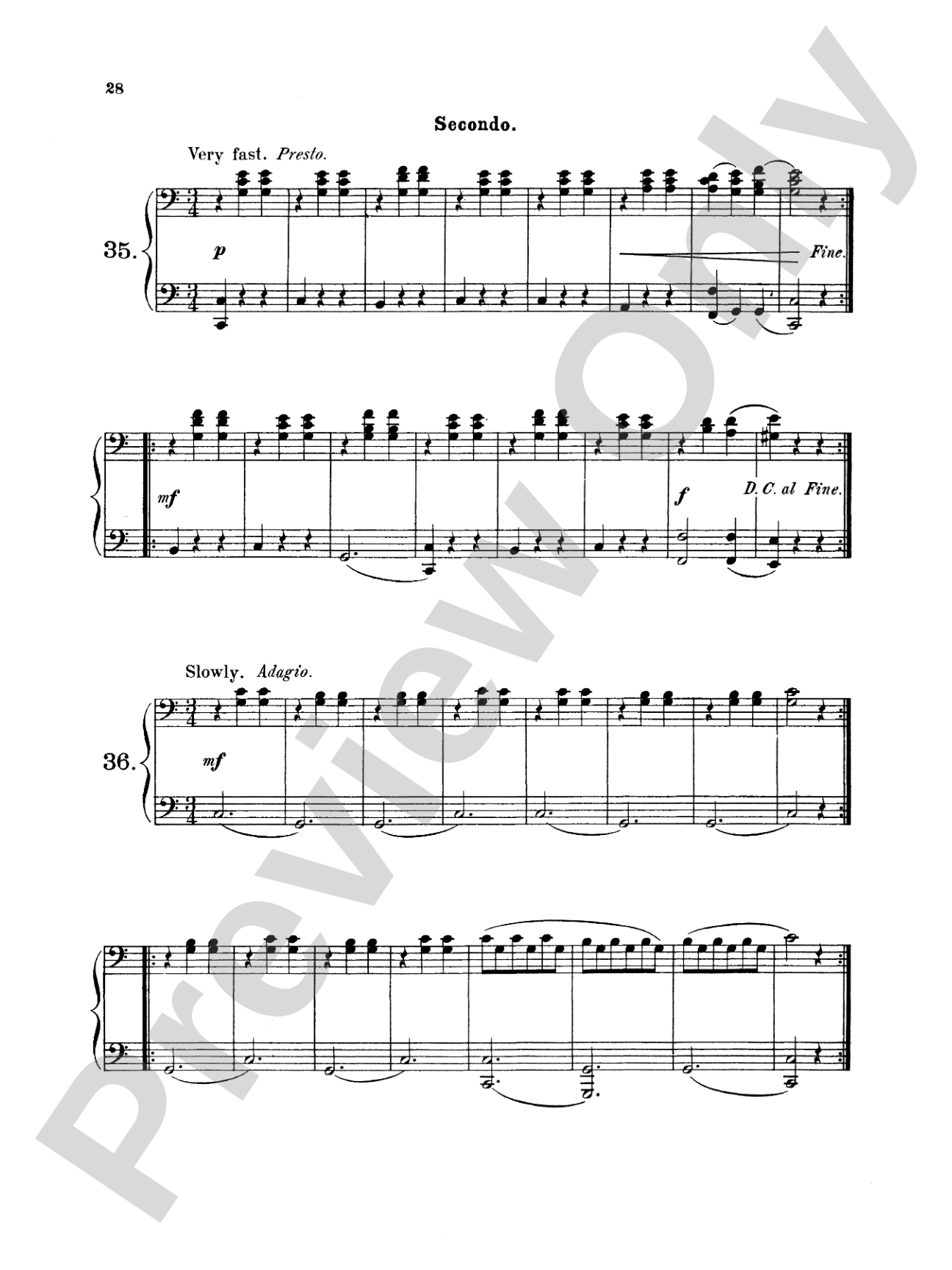
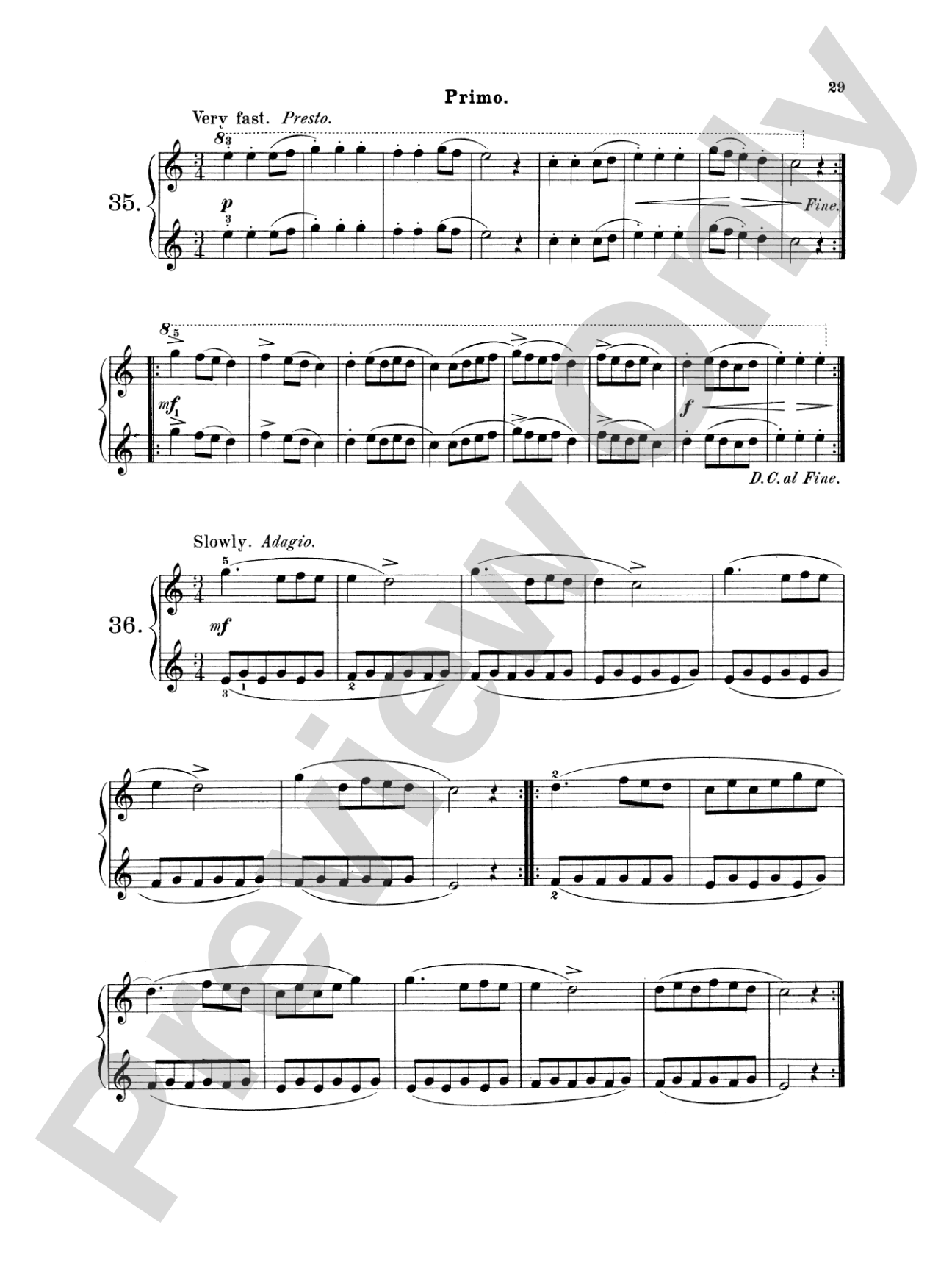
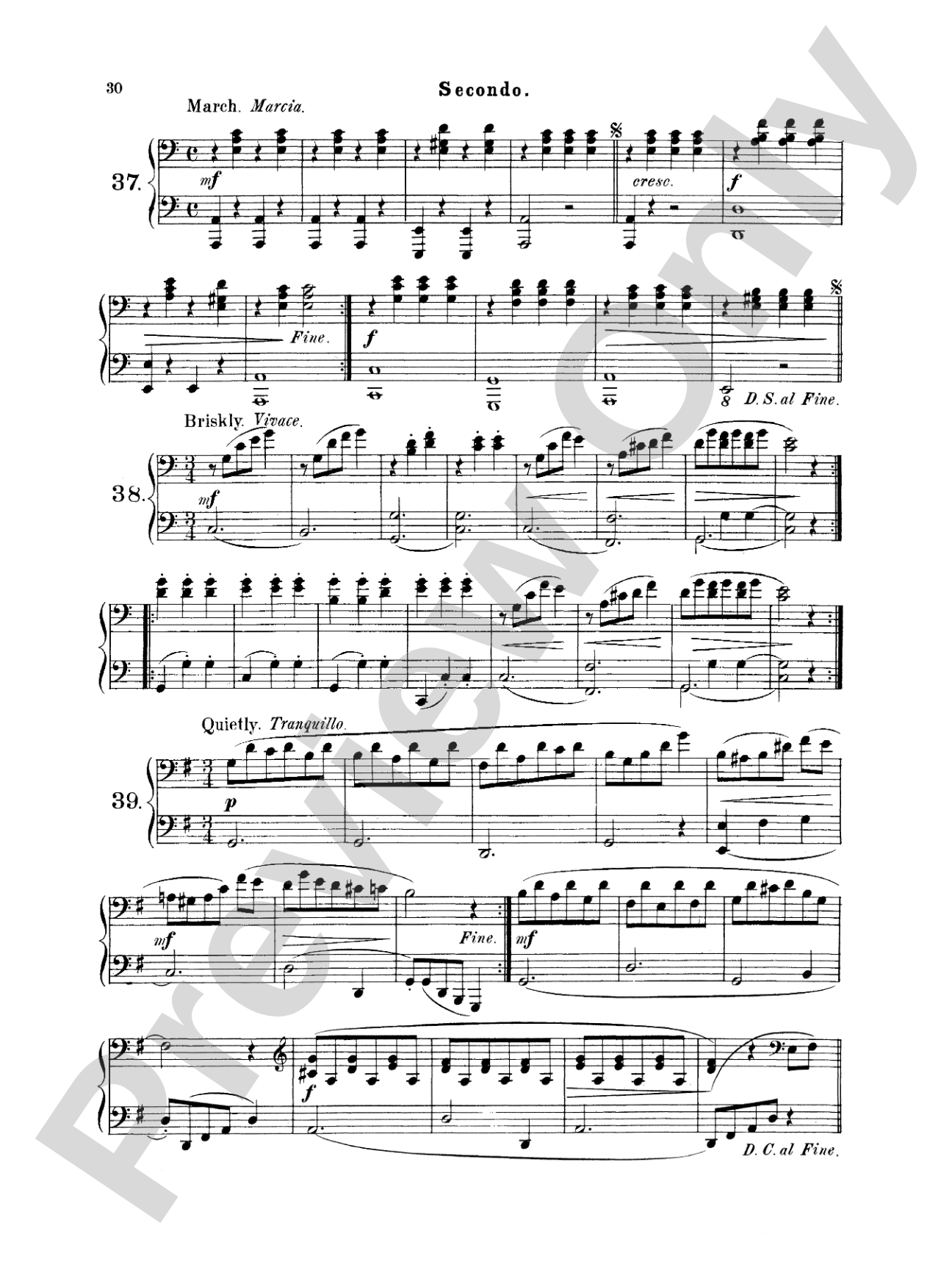
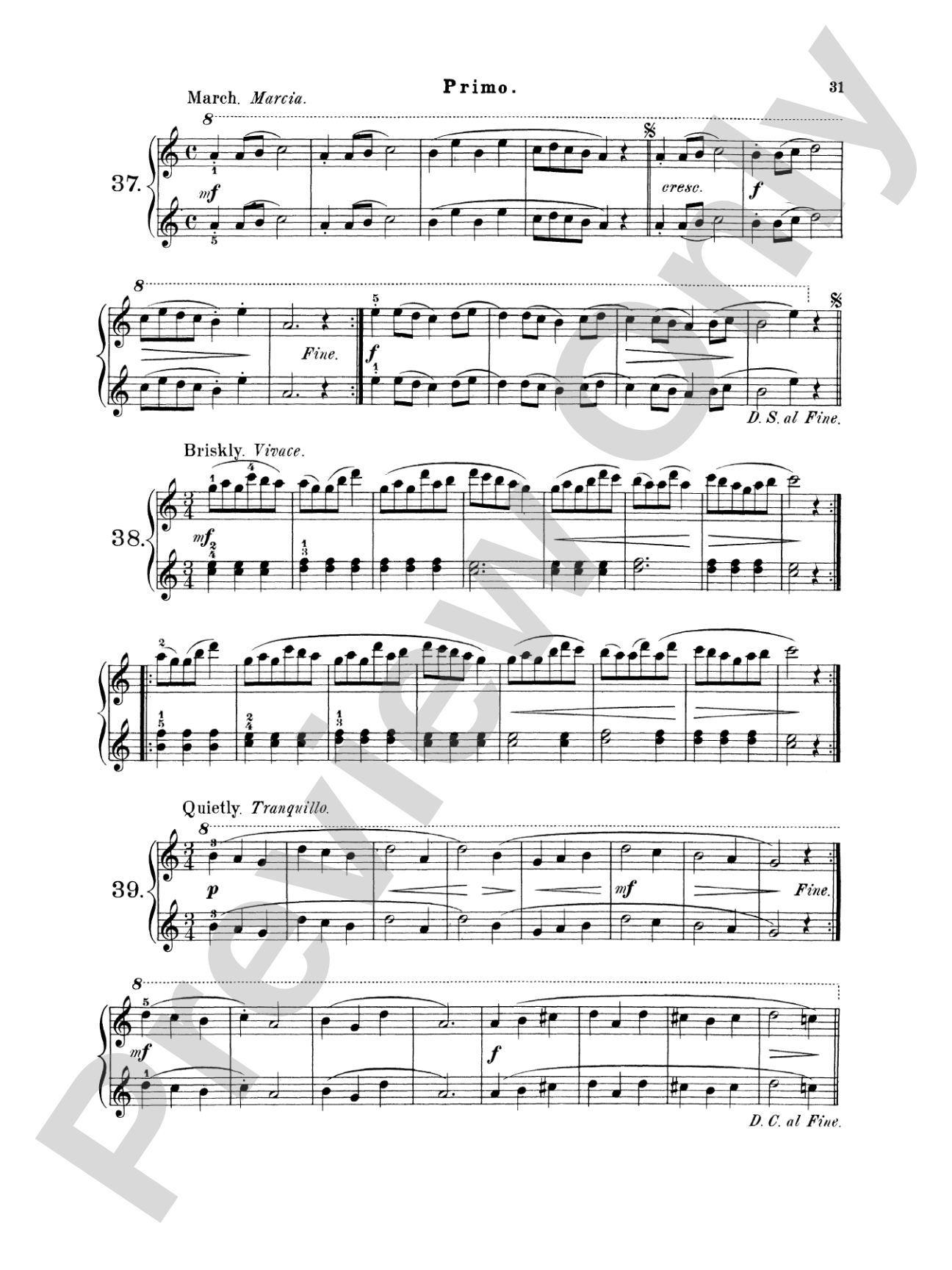
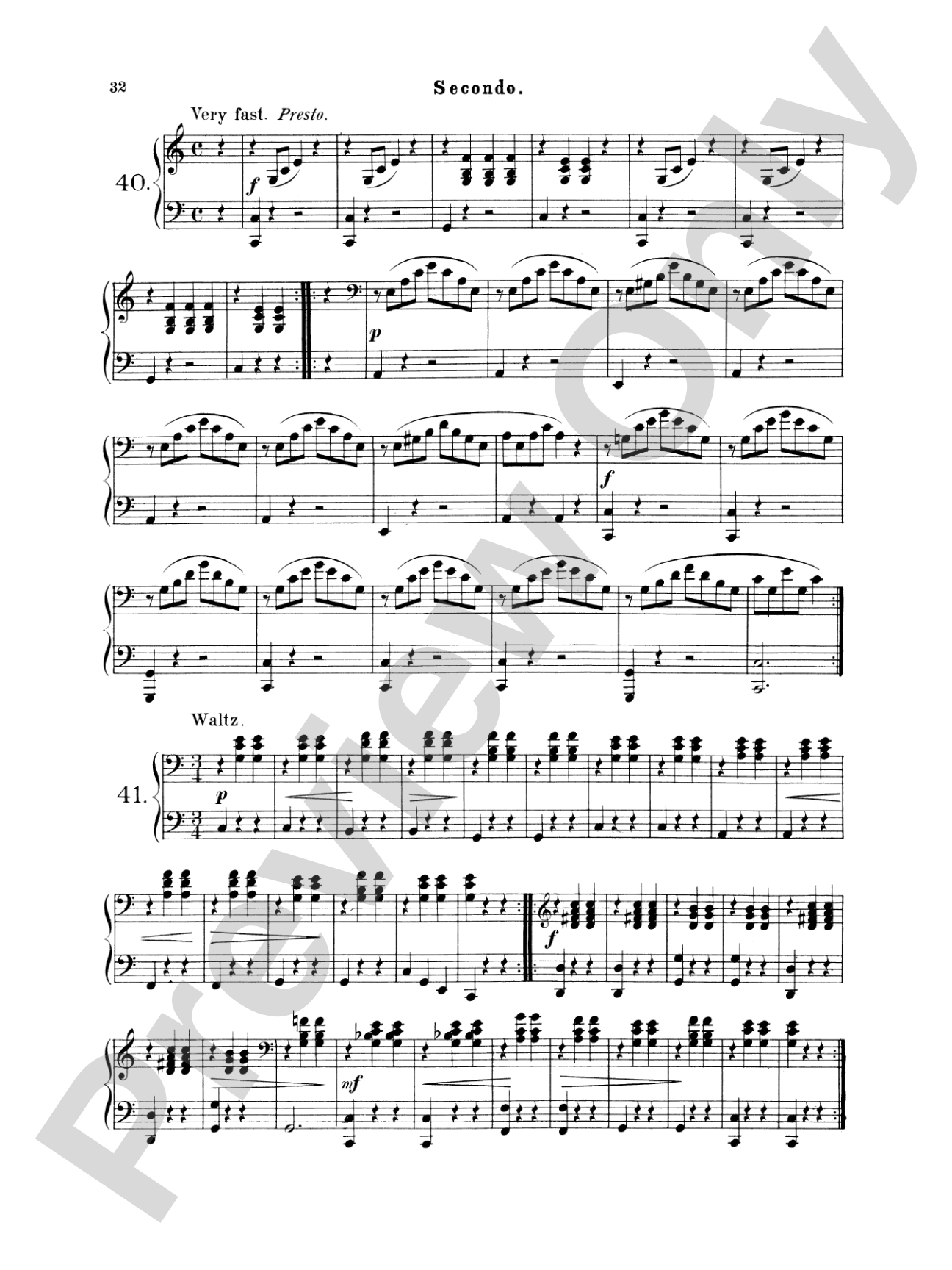
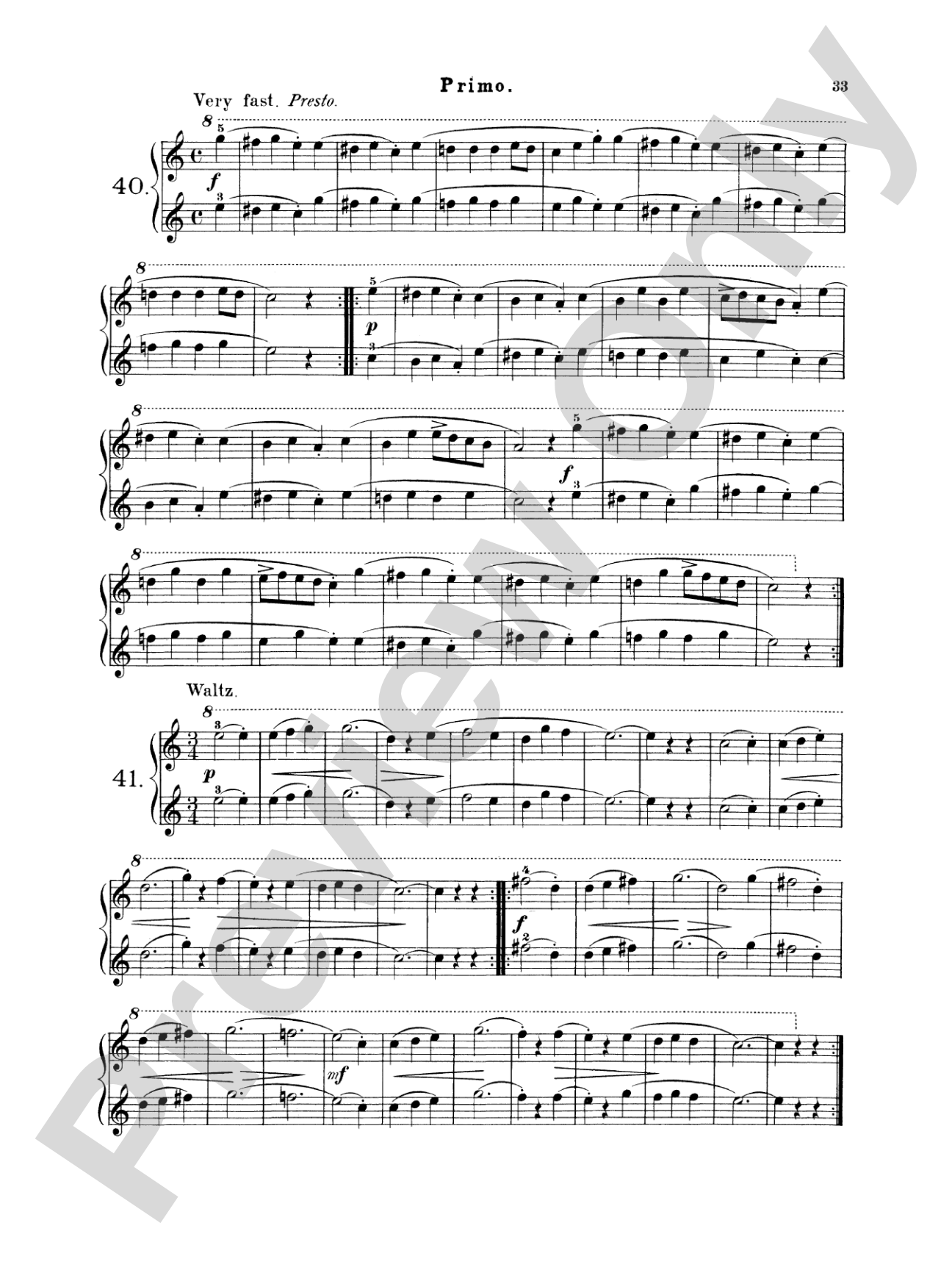
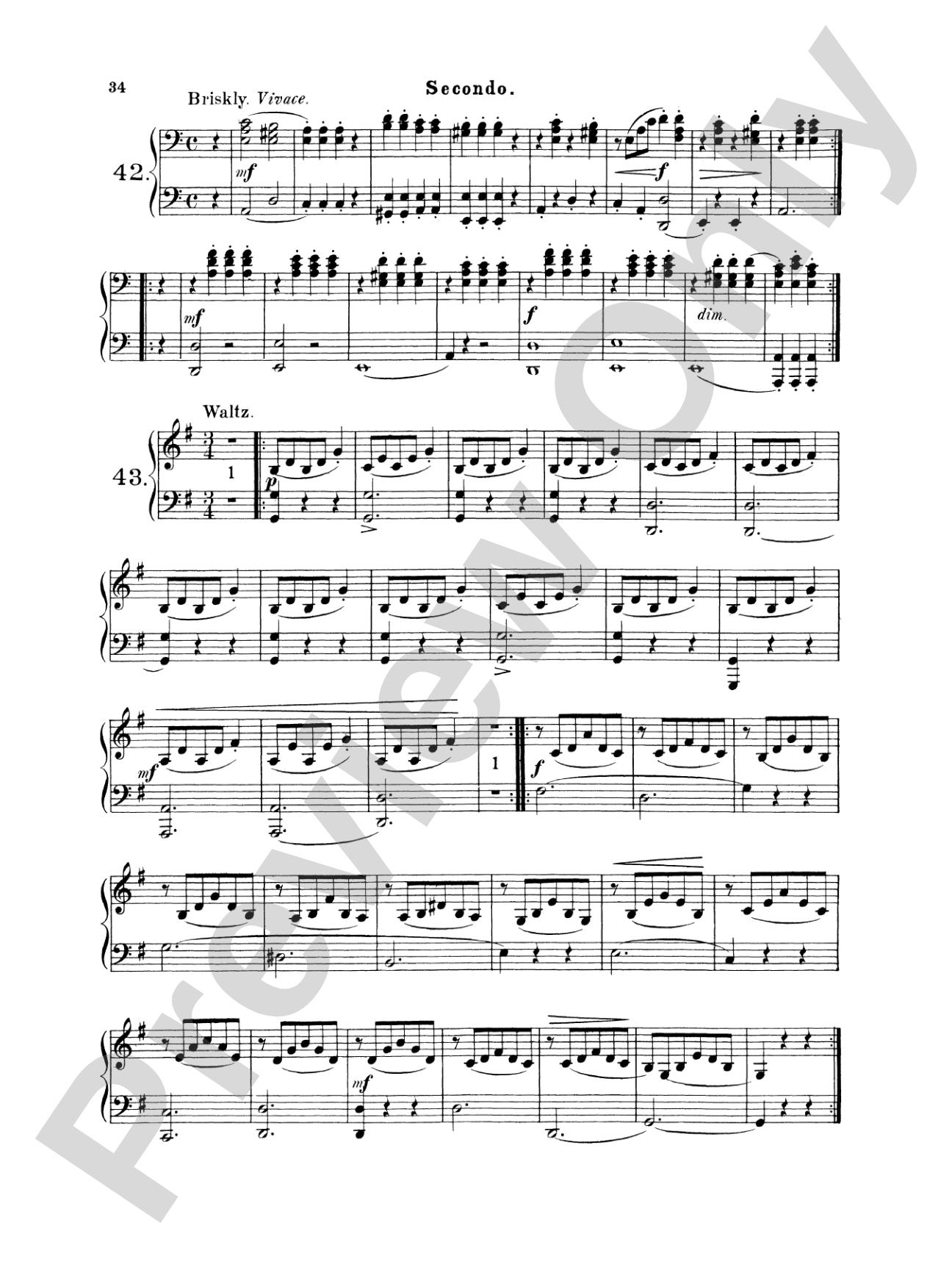
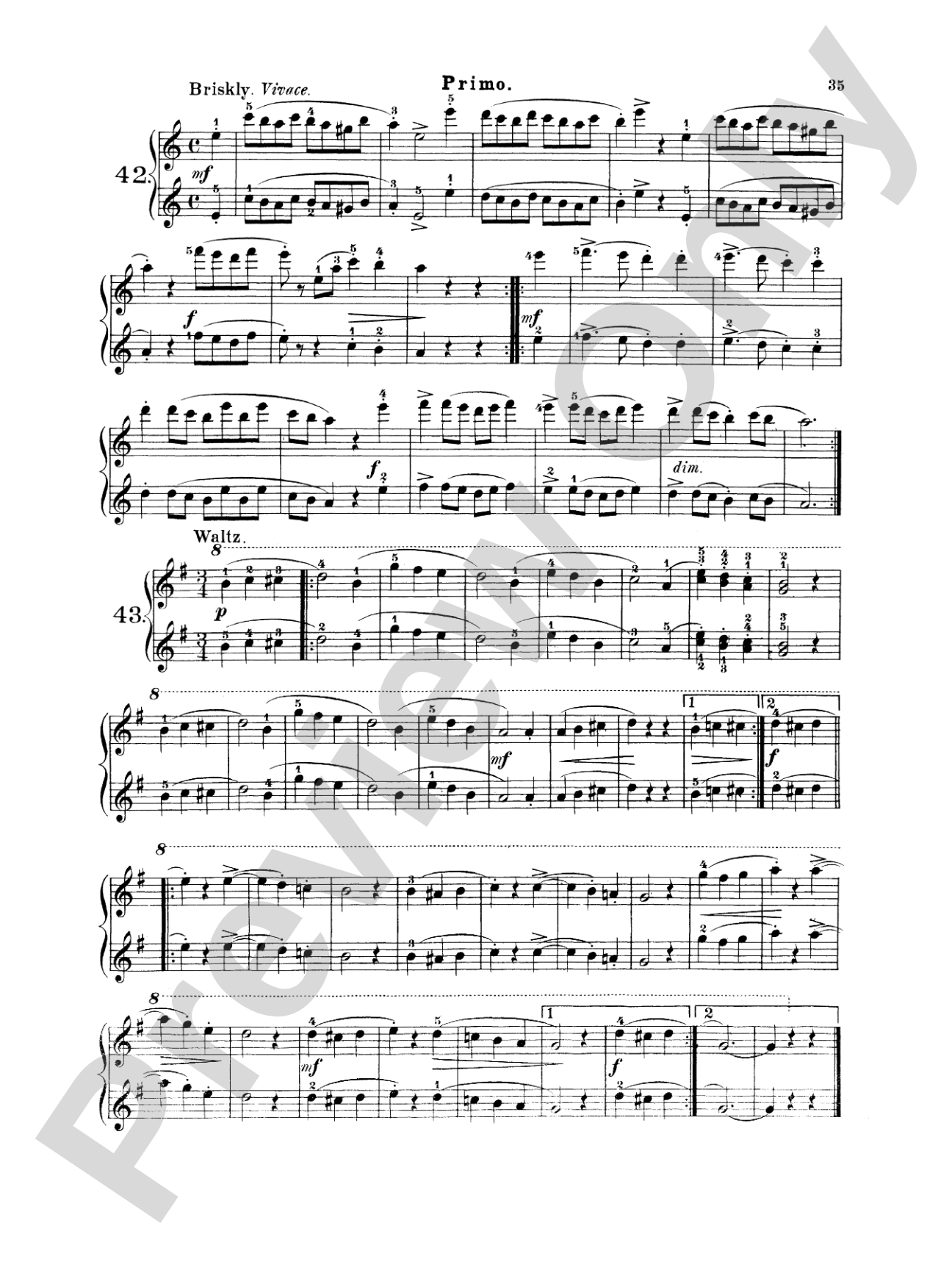
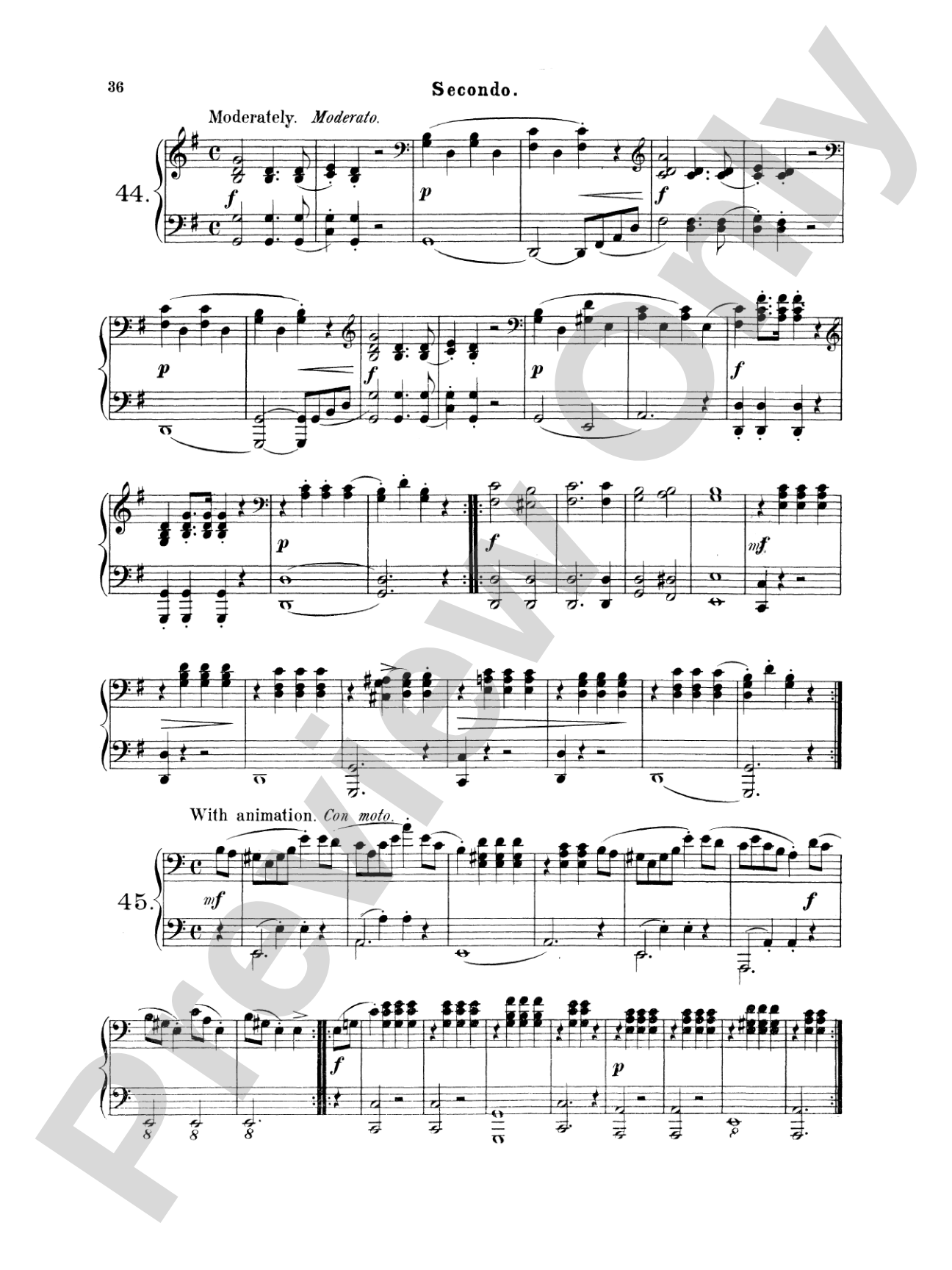
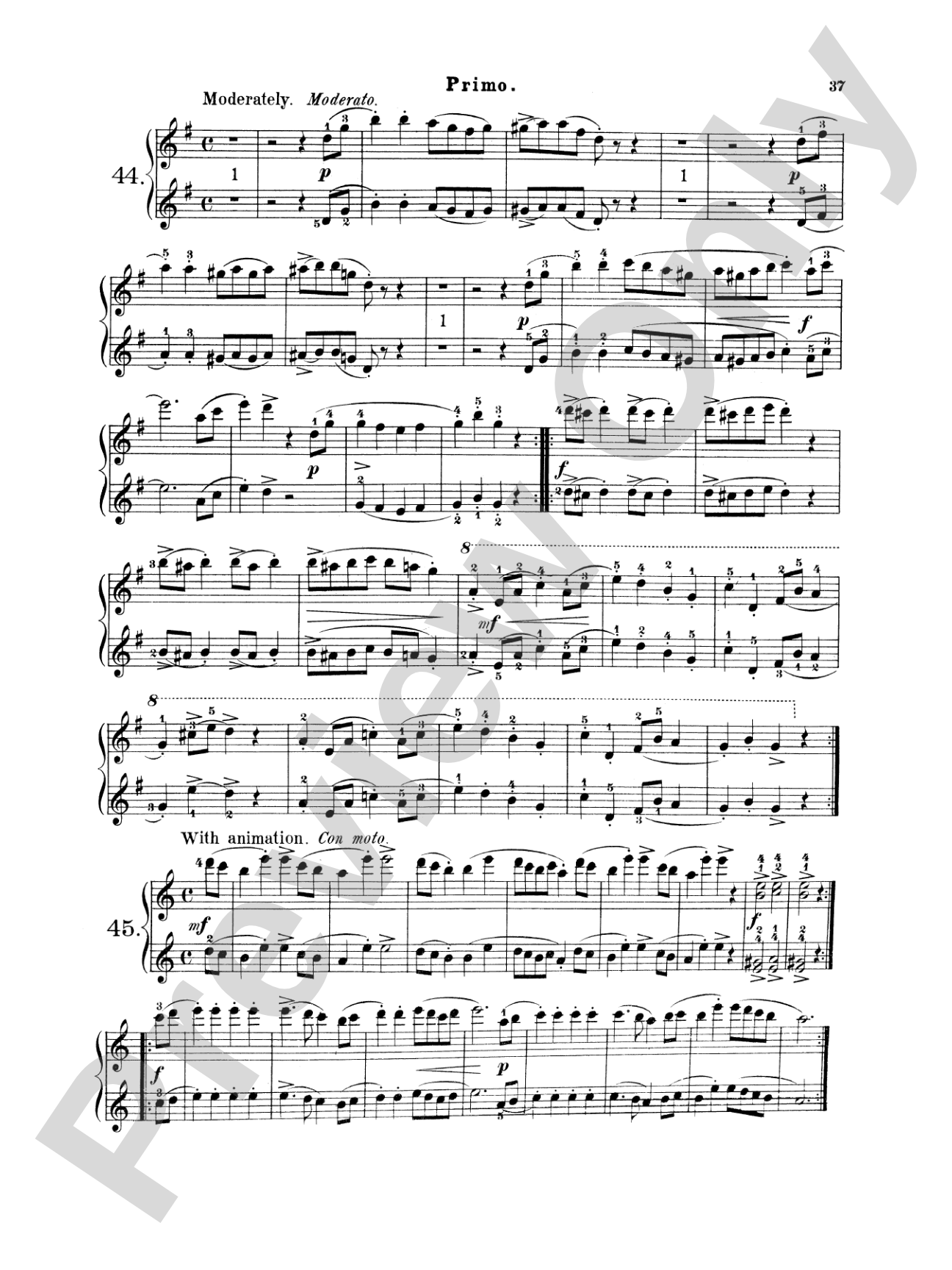
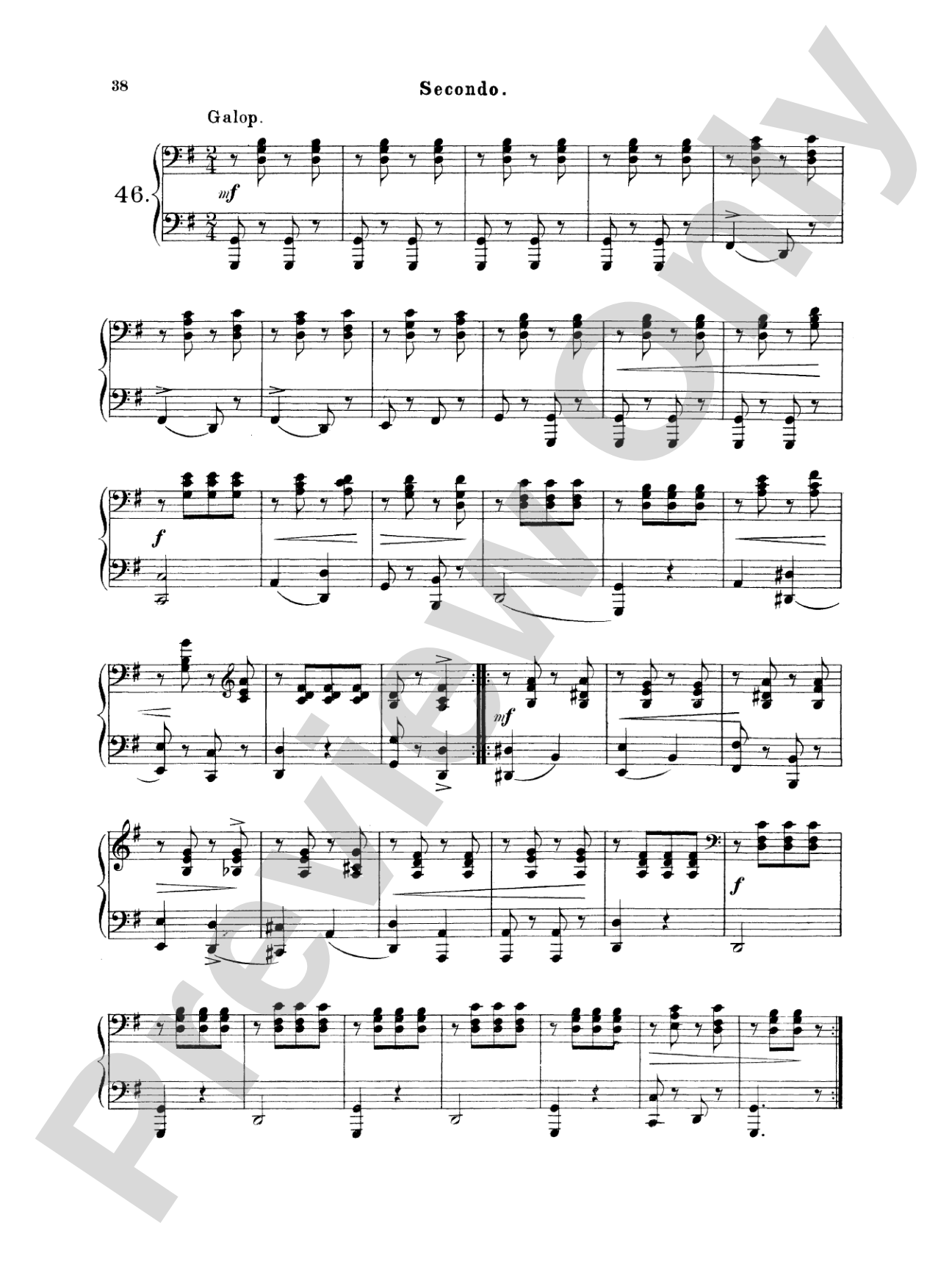
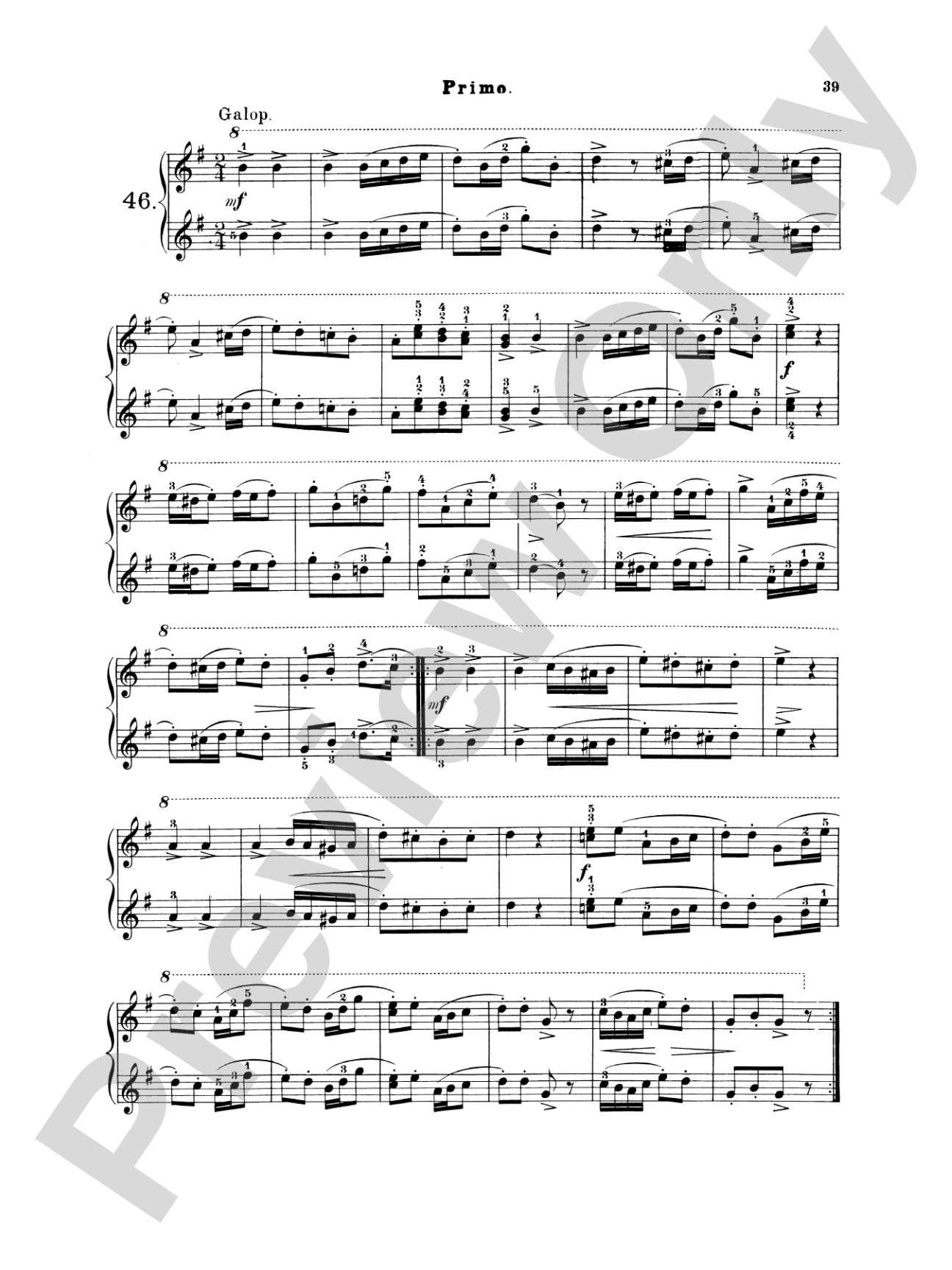
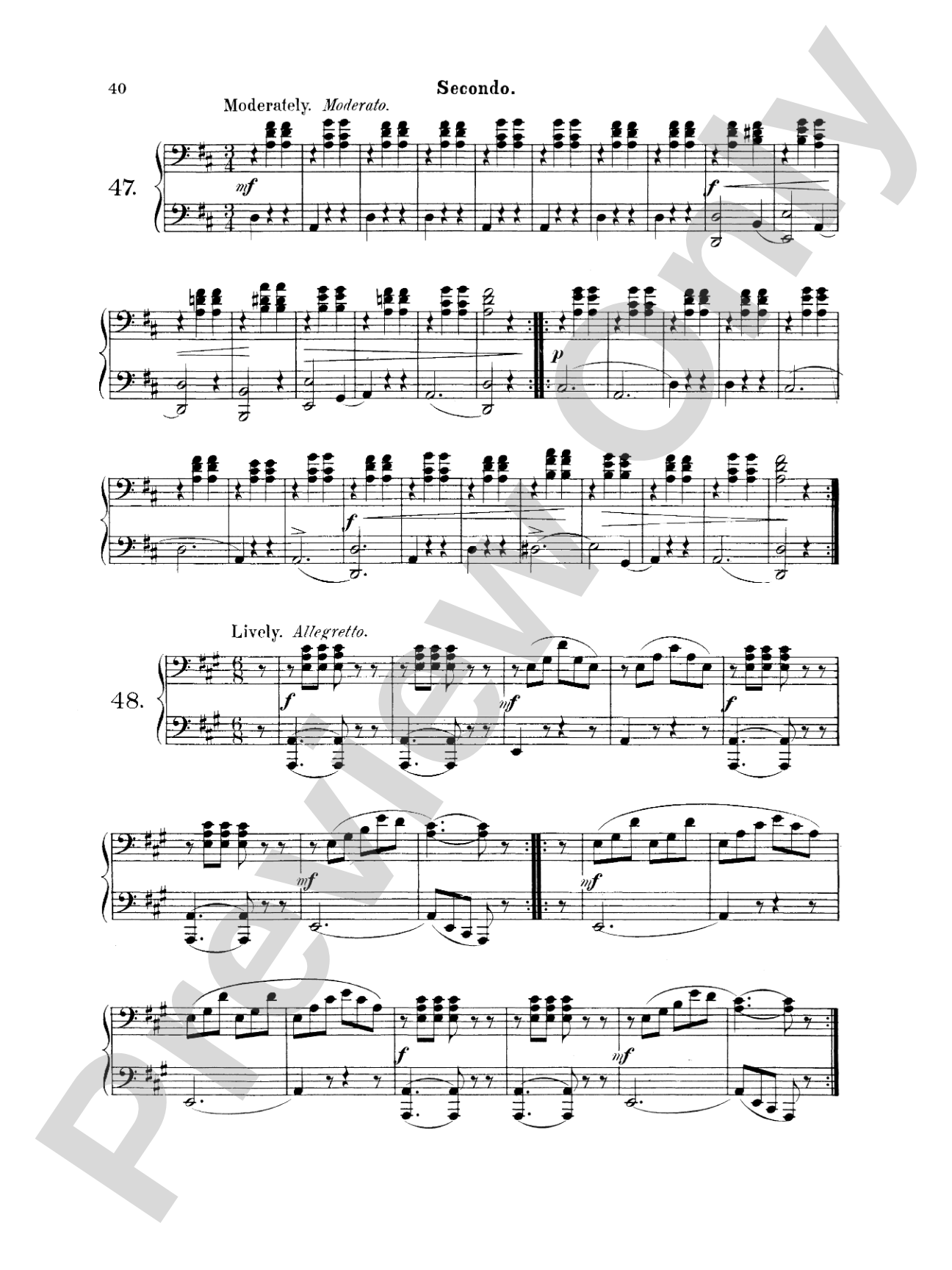


Wohlfahrt: Easy Four Hand Pieces for Children, Op. 87: Piano Duet (1 Piano, 4 Hands) Book
By Heinrich Wohlfahrt
Level: Early Intermediate / Late Intermediate
Item: 00-PK-0003385

$9.95
Pickup currently not available
Buy Extra Parts (Digital PDF Download)
| Product | Price | Quantity |
|---|---|---|
| Wohlfahrt: Easy Four Hand Pieces for Children, Op. 87 | $8.95 |
Parts Added to Cart!
Related Items
Easy Four Hand Pieces for Children, Opus 87: Piano Duet (1 Piano, 4 Hands) Book |
$9.95
|
View |
Description
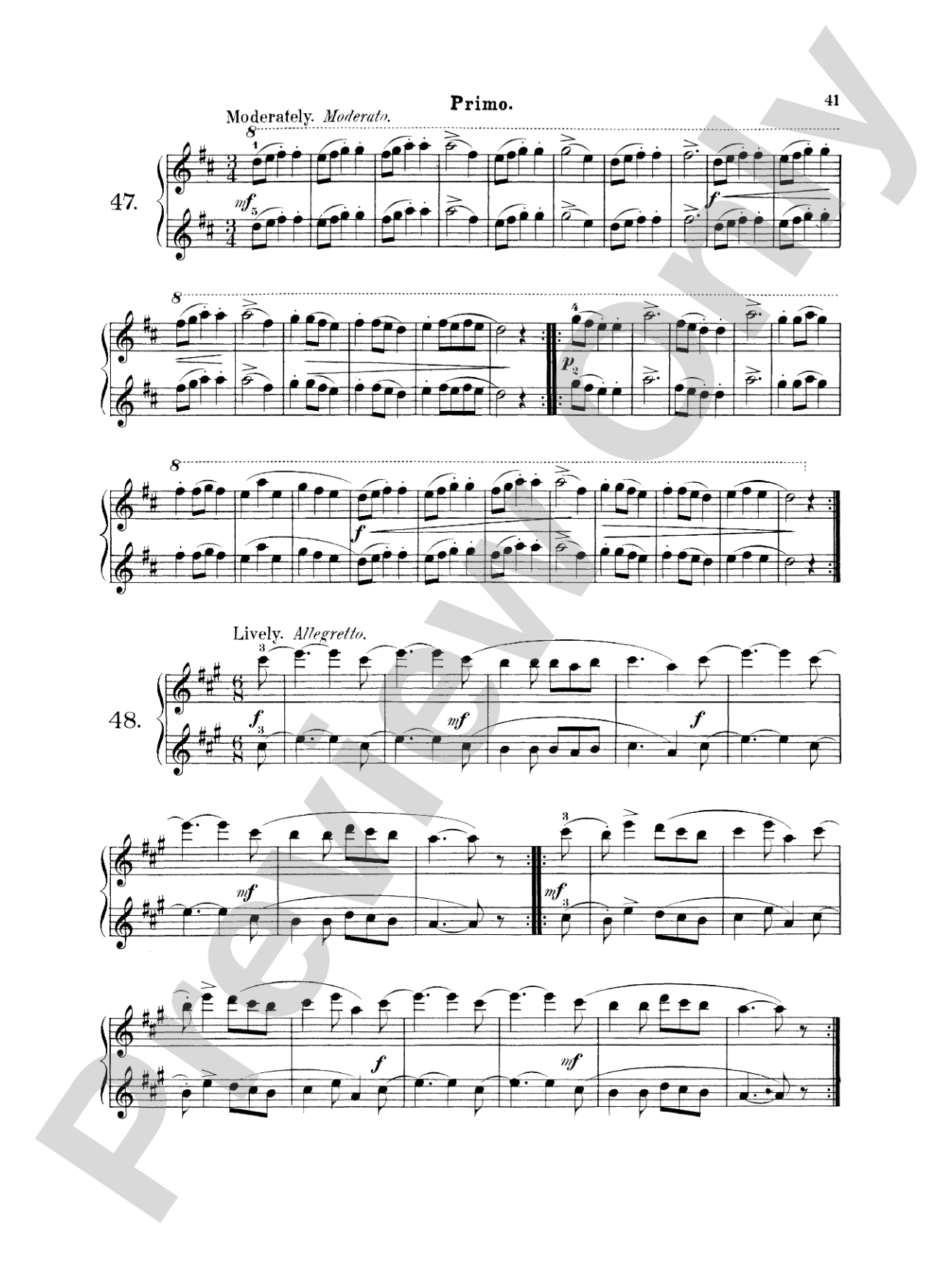
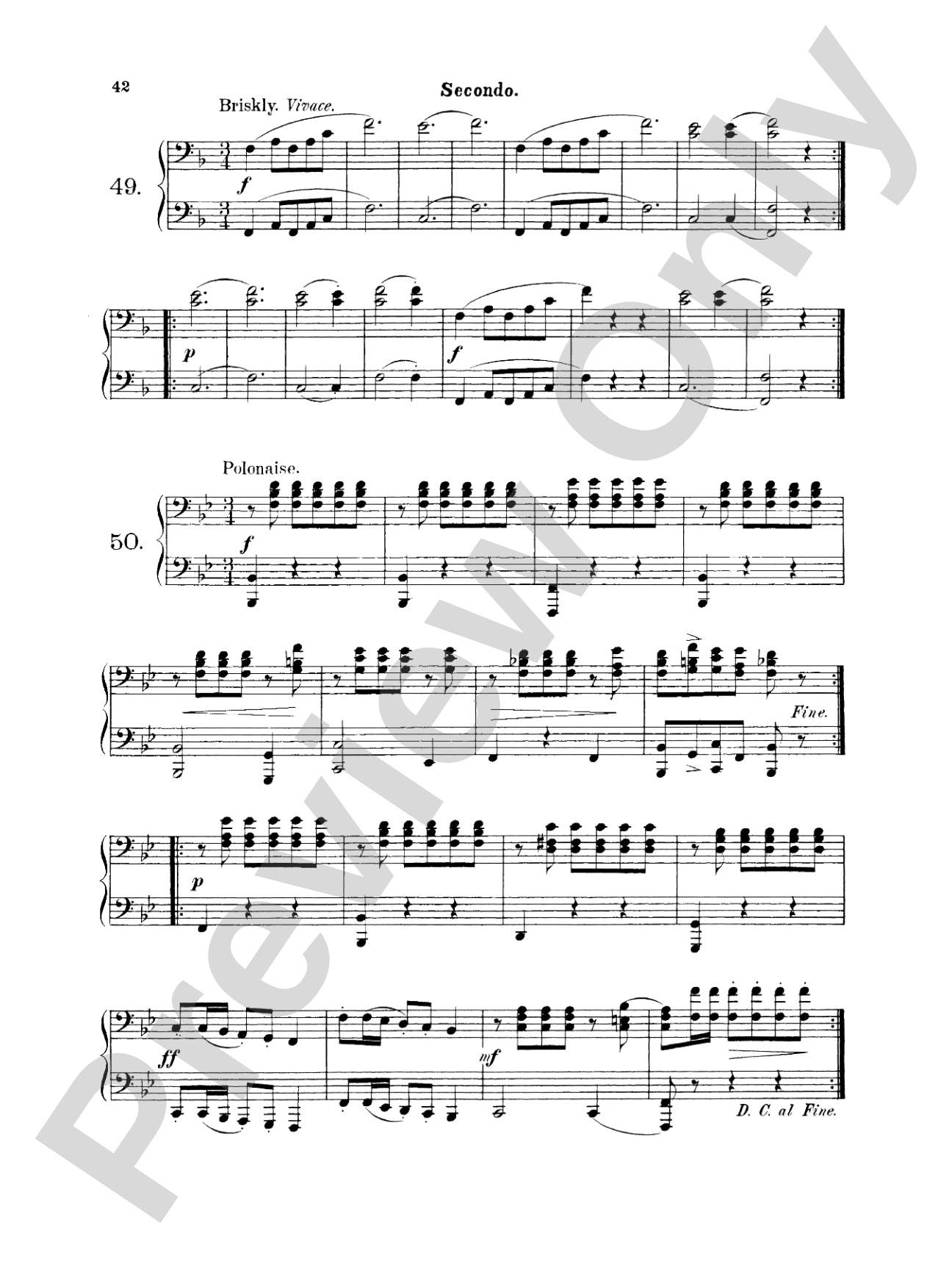
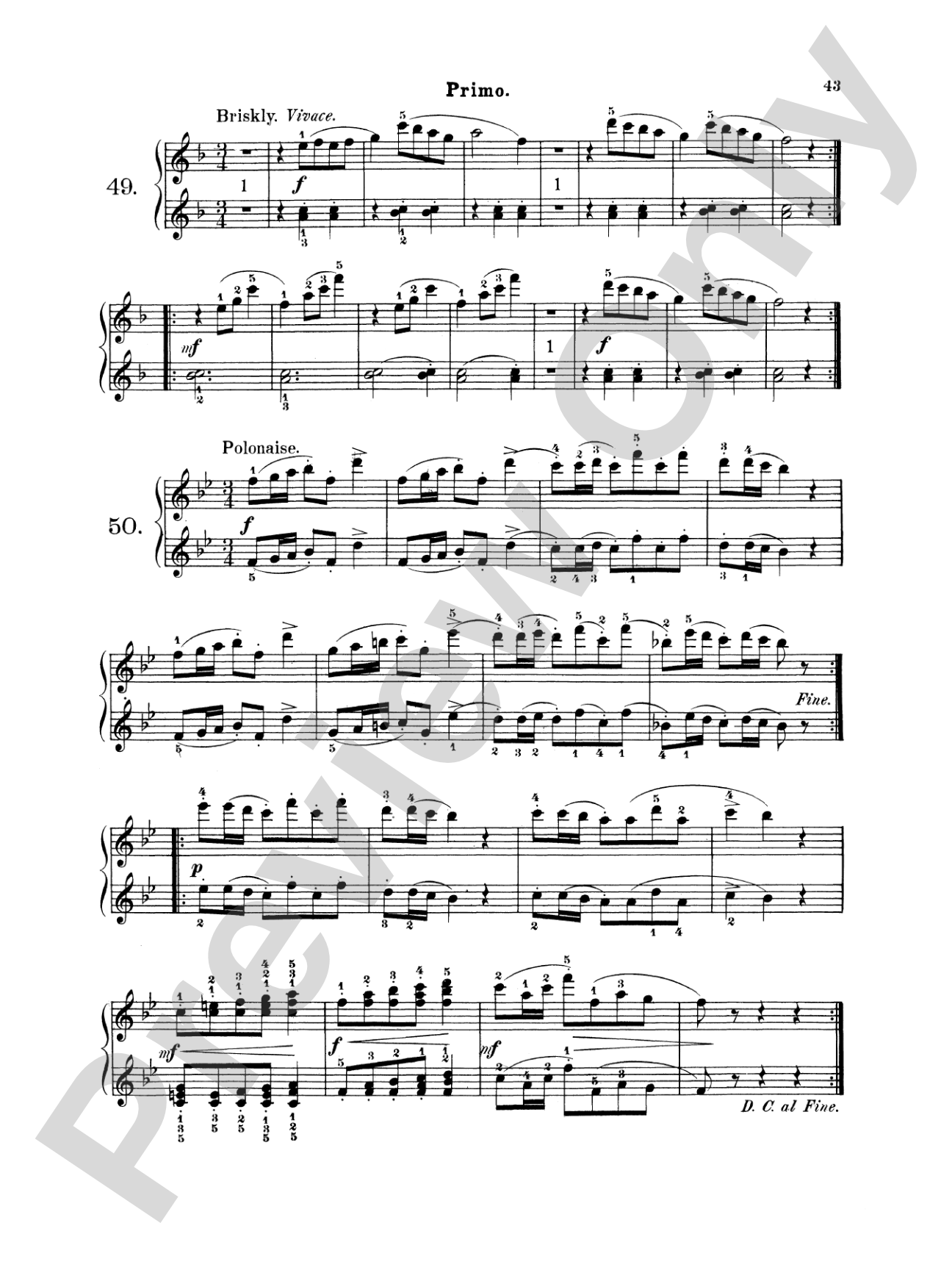
A Piano Duet for 1 Piano, 4 Hands, composed by Heinrich Wohlfahrt.


Don't just read it, hear it, play along with it, and watch your students grow with it. In MakeMusic Cloud, Wohlfahrt: Easy Four Hand Pieces for Children, Op. 87: Piano Duet (1 Piano, 4 Hands) Book comes alive with professional accompaniment, adjustable tempo, and built-in practice tools that turn solo practice into real progress.
Open in the Player
Jump straight in and assign it today.
Start Your Free Trial
Open this title and explore the full library in minutes.
Sample Audio
No sample audio found.
Sample Video
No sample videos found.
Additional Details
Series:
Kalmus Edition
Publisher:
Alfred Music
Page Count:
44
SKU:
00-PK-0003385
More about this title
About the Composer: Heinrich Wohlfahrt
Heinrich Wohlfahrt (1797-1883) was a German pedagogue and composer whose prolific output shaped 19th-century piano instruction. His gift lay in crafting pieces that matched developing technique to genuine musicality, refusing the trap of dry etude writing that many of his contemporaries fell into.
Wohlfahrt's duet collections remain valuable because they understand what young pianists need: material that builds independence between hands while keeping both players engaged and challenged. He wrote for the student's actual journey, not an imagined shortcut to it.
Why we love this
Wohlfahrt's duet writing sits in that sweet spot where neither hand is relegated to block chords or filler. The primo and secondo parts have genuine musical conversation, making these pieces feel collaborative rather than hierarchical. Studios and teachers return to this collection because students actually want to play them again.
What to expect
Wohlfahrt's duets radiate the gentle optimism of Romantic miniatures without sacrificing craftsmanship. Melodies bloom naturally, accompaniments support without fussiness, and the overall effect is one of clarity and warmth. You're hearing a composer who trusted that young musicians could handle beauty.
Who it's for
Early intermediate through late intermediate pianists who are ready for duet playing but still building secure technique. These pieces work equally well for a teacher-student partnership or for two students at comparable levels who need engaging collaborative material.
How to get the most out of it
- Establish who leads and who follows before rehearsal begins. Mark phrasing and breathing together so the ensemble breathes as one unit, not as two separate pianists.
- Balance the texture by letting the melody singer (whether primo or secondo) project slightly more weight than the accompanying voice. Resist the urge to make both parts equally prominent.
- Practice hands separately first at each keyboard station. Younger duet players benefit from knowing their own line cold before attempting coordination.
- Listen through the entire score together before the first rehearsal. Hearing how the pieces sit together prevents surprises on performance day.
How to use it
Feature these in studio recitals or ensemble concerts where duet repertoire is thin on the ground. They also pair well with solo repertoire from the same era as a contrasting program segment that demonstrates collaborative musicianship.
Skills your students will build
- Maintaining independent rhythmic integrity while listening to a second pianist
- Balancing melody and accompaniment at the keyboard
- Reading and executing clear phrasing and dynamic markings across an extended piece
- Coordinating ensemble entries and releases without verbal communication
- Managing tempo consistency and musical shape over a full multi-movement work