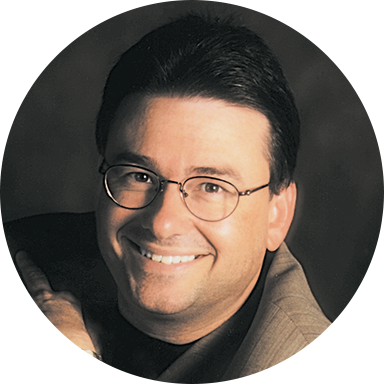
Joseph M. Martin studied piano performance at Furman University and earned a master's degree from the University of Texas at Austin, where he later taught in the Piano Pedagogy Department for five years. His career spans solo recitals and symphony collaborations across the United States and Mexico, including a featured performance with the Guadalajara Symphony Orchestra following his Nina Plant Wideman Competition win. His sacred music and arrangements now reach congregations and church musician conferences throughout North America, with performances documented at venues ranging from Carnegie Hall to regional theaters.
Based in Austin, Texas, Martin continues to compose and perform while maintaining a commitment to church music and worship settings. His catalog demonstrates remarkable range, from concert works to functional liturgical pieces that serve the practical needs of working church musicians and choirs.
Why we love this
Martin and Angerman craft an Easter anthem that moves beyond predictable melodic gestures, building genuine momentum through strategic harmonic shifts and rhythmic drive. The text setting feels natural for singers while maintaining enough musical substance to reward careful rehearsal, making it equally effective in a modest service or a full concert setting.
What to expect
The piece inhabits that essential Easter space between reflection and affirmation. Voices build gradually, creating moments of vulnerability alongside passages of genuine strength and declaration.
Who it's for
This octavo works well for intermediate to advanced church choirs and concert ensembles preparing Easter music. The ten-page score accommodates groups with solid reading skills and rehearsal time, whether in a liturgical setting or a standalone concert program.
How to get the most out of it
Balance the soprano line against inner voices during the opening section; the melody needs presence without drowning out the harmonic foundation beneath it.
Lock the rhythm section into a unified pulse during transitional moments where the tempo or texture shifts, keeping forward momentum even as the arrangement opens up.
Shape the final phrases with gradual dynamic growth rather than sudden shifts; allow the triumphant conclusion to build naturally from what precedes it.
Attend closely to any key modulations in the piece; these moments define the arc, and singers must understand where they fall to execute the transfer cleanly.
How to use it
Slot this into a concert's second half or as a concluding anthem in a spring choral program, where it can stand alongside both classical and contemporary works. The sacred language and triumphant character make it equally at home in a Sunday service or a dedicated Easter concert.
Skills your students will build
SATB voice part independence and blend
Executing text-driven phrasing across harmonic changes
Sustaining vocal line clarity during modulations
Building dynamic shape across extended phrases
You May Also Like
Scan to Complete Your Purchase
Use your phone's camera to scan the code below
You'll log in on your phone and the order will be added to your account