


Winter Medley: Concert Band Conductor Score & Parts
Arr. Larry Henry
Grade: 0.5 (Very Easy)
Item: 00-PK-0000828

$52.00
Pickup currently not available
Buy Extra Parts (Digital PDF Download)
| Product | Price | Quantity |
|---|---|---|
| Winter Medley: Score | $6.00 | |
| Winter Medley: Flute | $3.00 | |
| Winter Medley: Oboe | $3.00 | |
| Winter Medley: 1st B-flat Clarinet | $3.00 | |
| Winter Medley: E-flat Alto Clarinet | $3.00 | |
| Winter Medley: B-flat Bass Clarinet | $3.00 | |
| Winter Medley: E-flat Alto Saxophone | $3.00 | |
| Winter Medley: B-flat Tenor Saxophone | $3.00 | |
| Winter Medley: E-flat Baritone Saxophone | $3.00 | |
| Winter Medley: 1st B-flat Trumpet | $3.00 | |
| Winter Medley: 1st F Horn | $3.00 | |
| Winter Medley: 1st Trombone | $3.00 | |
| Winter Medley: Baritone T.C. | $3.00 | |
| Winter Medley: Tuba | $3.00 | |
| Winter Medley: Bells | $3.00 | |
| Winter Medley: 1st Percussion | $3.00 | |
| Winter Medley: Timpani | $3.00 | |
| Winter Medley: (wp) 1st Horn in E-flat | $3.00 | |
| Winter Medley: (wp) Bb Trombone B.C. | $3.00 | |
| Winter Medley: (wp) Bb Trombone T.C. | $3.00 | |
| Winter Medley: (wp) B-flat Baritone B.C. | $3.00 | |
| Winter Medley: (wp) B-flat Tuba B.C. | $3.00 | |
| Winter Medley: (wp) B-flat Tuba T.C. | $3.00 | |
| Winter Medley: (wp) E-flat Tuba B.C. | $3.00 | |
| Winter Medley: (wp) E-flat Tuba T.C. | $3.00 |
Parts Added to Cart!
Description
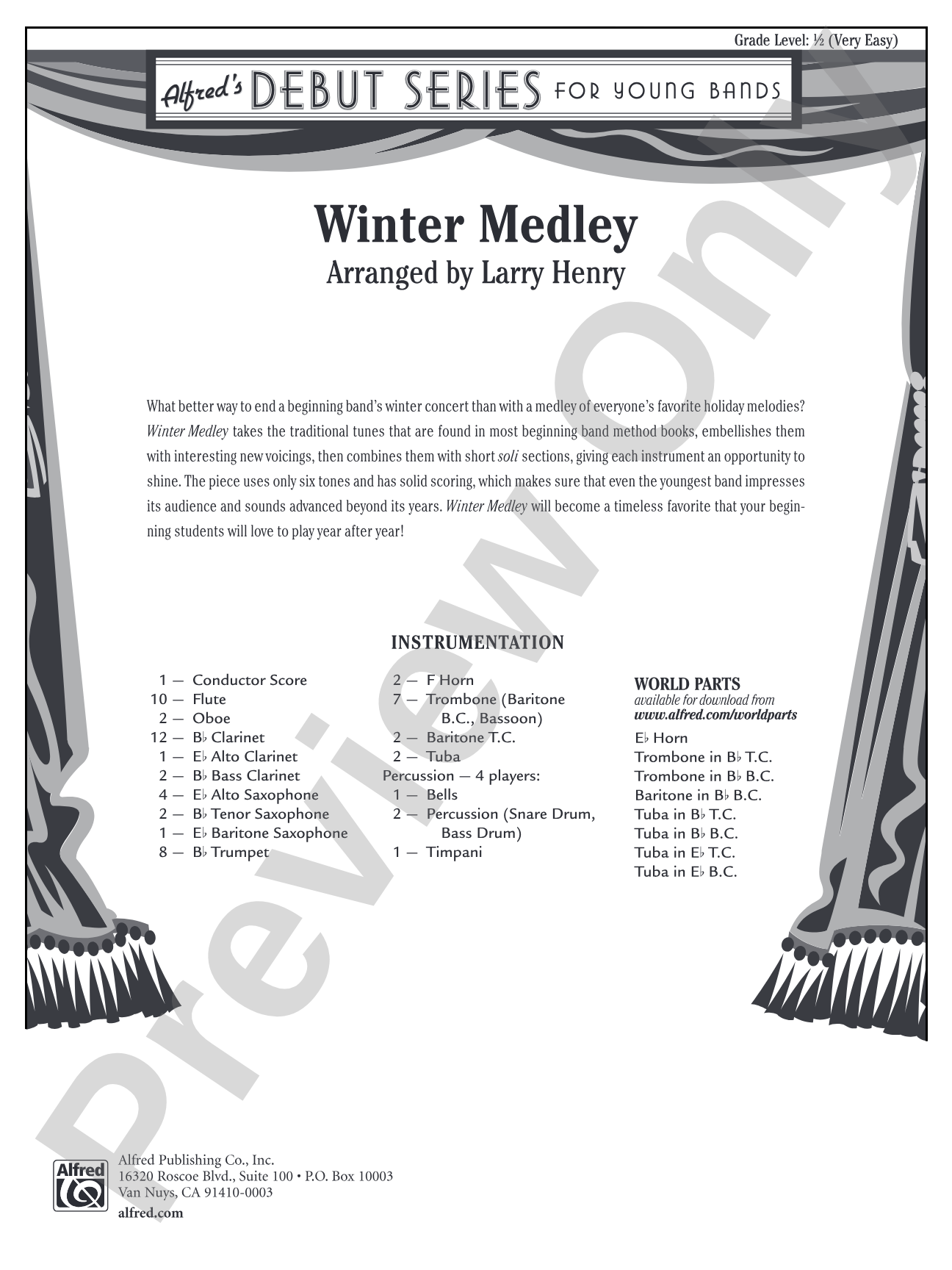
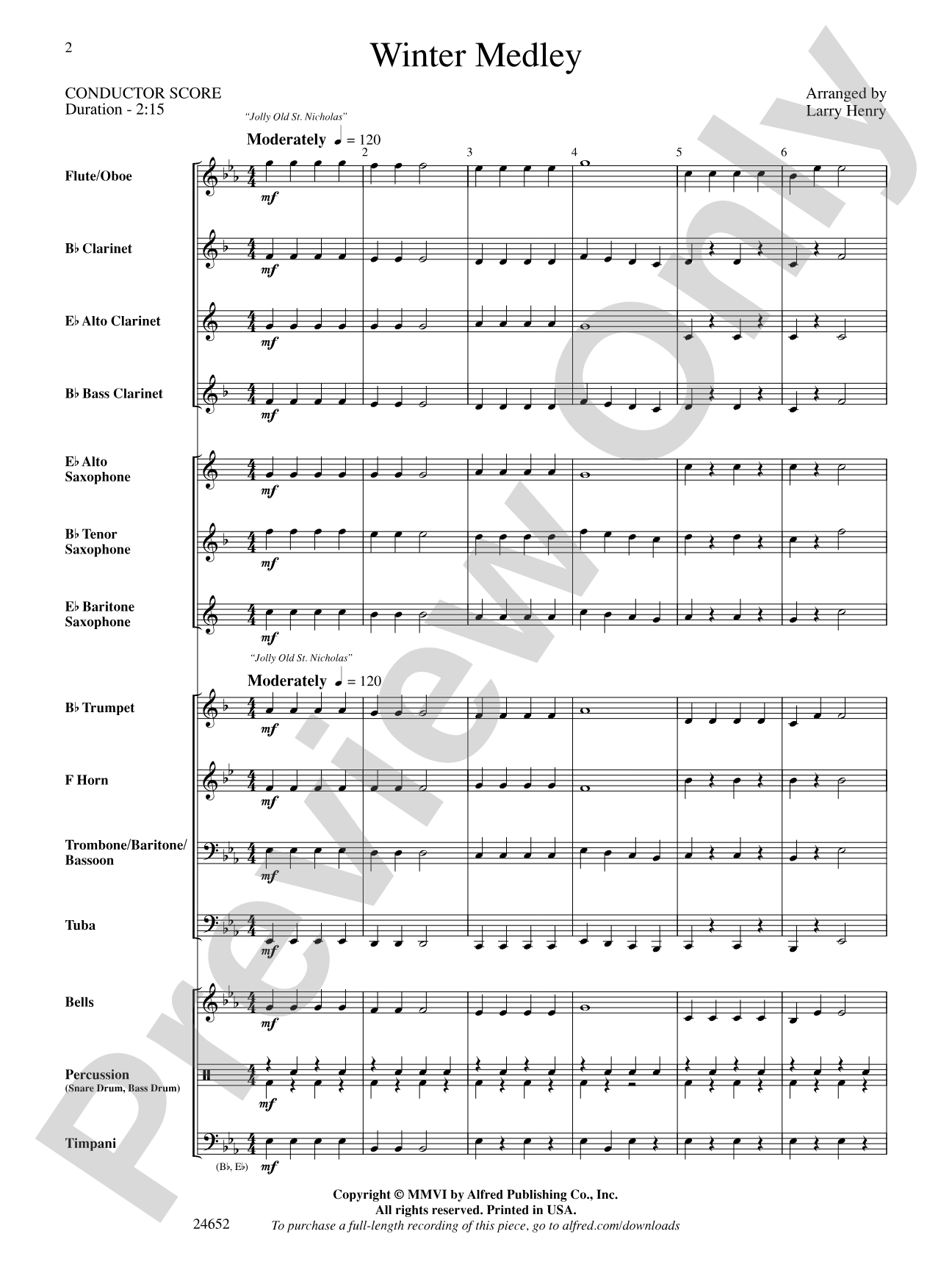
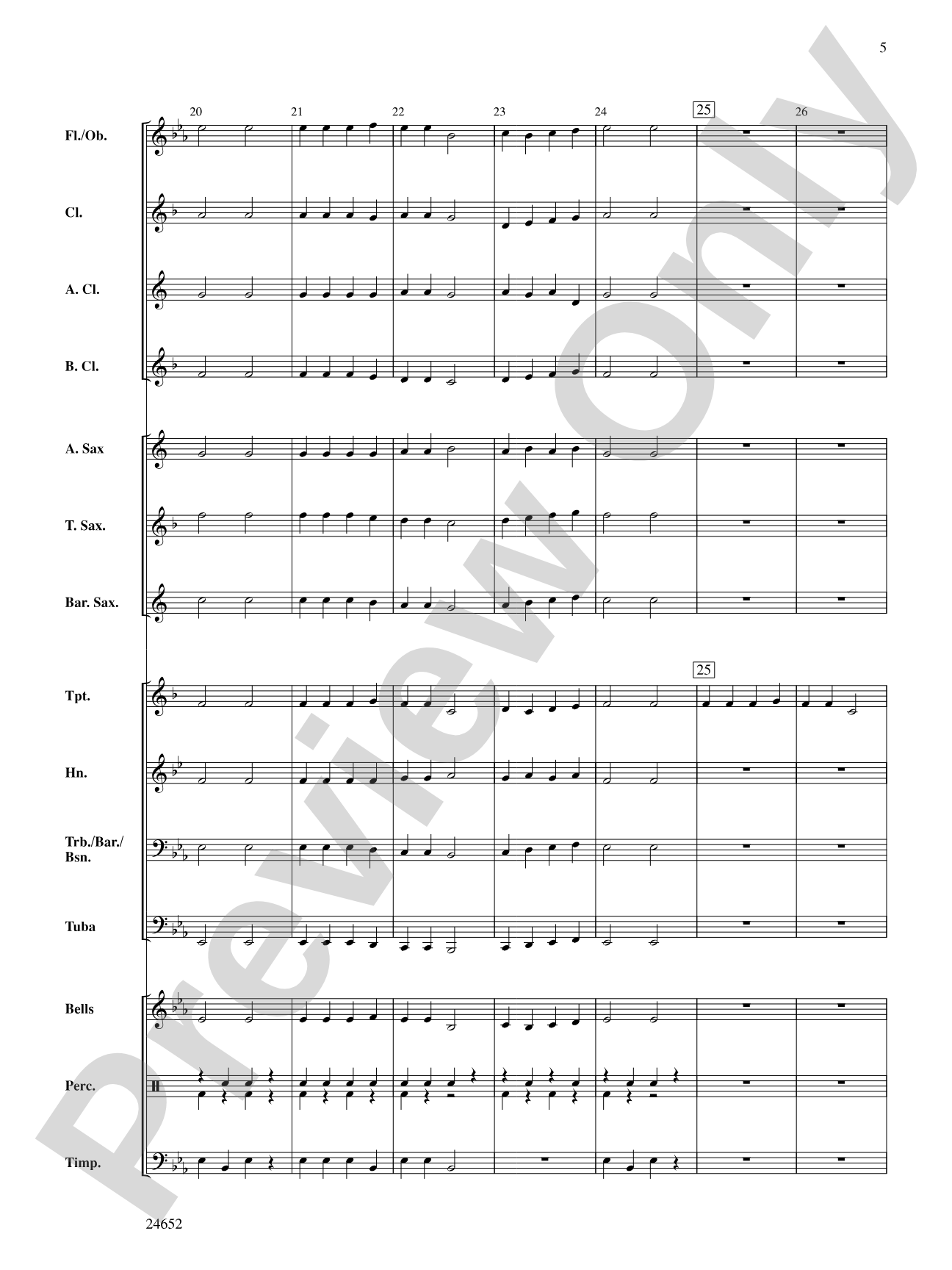
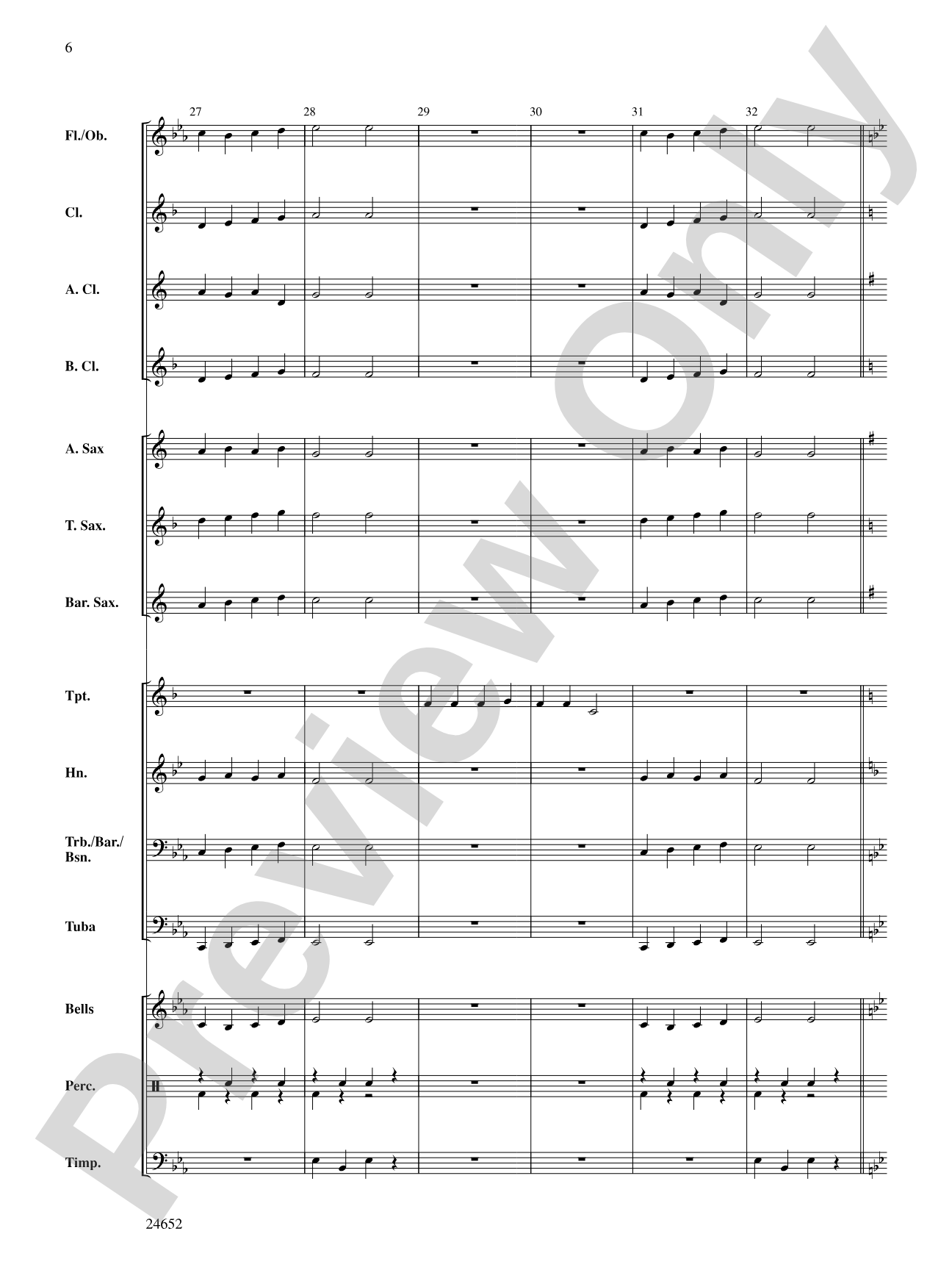
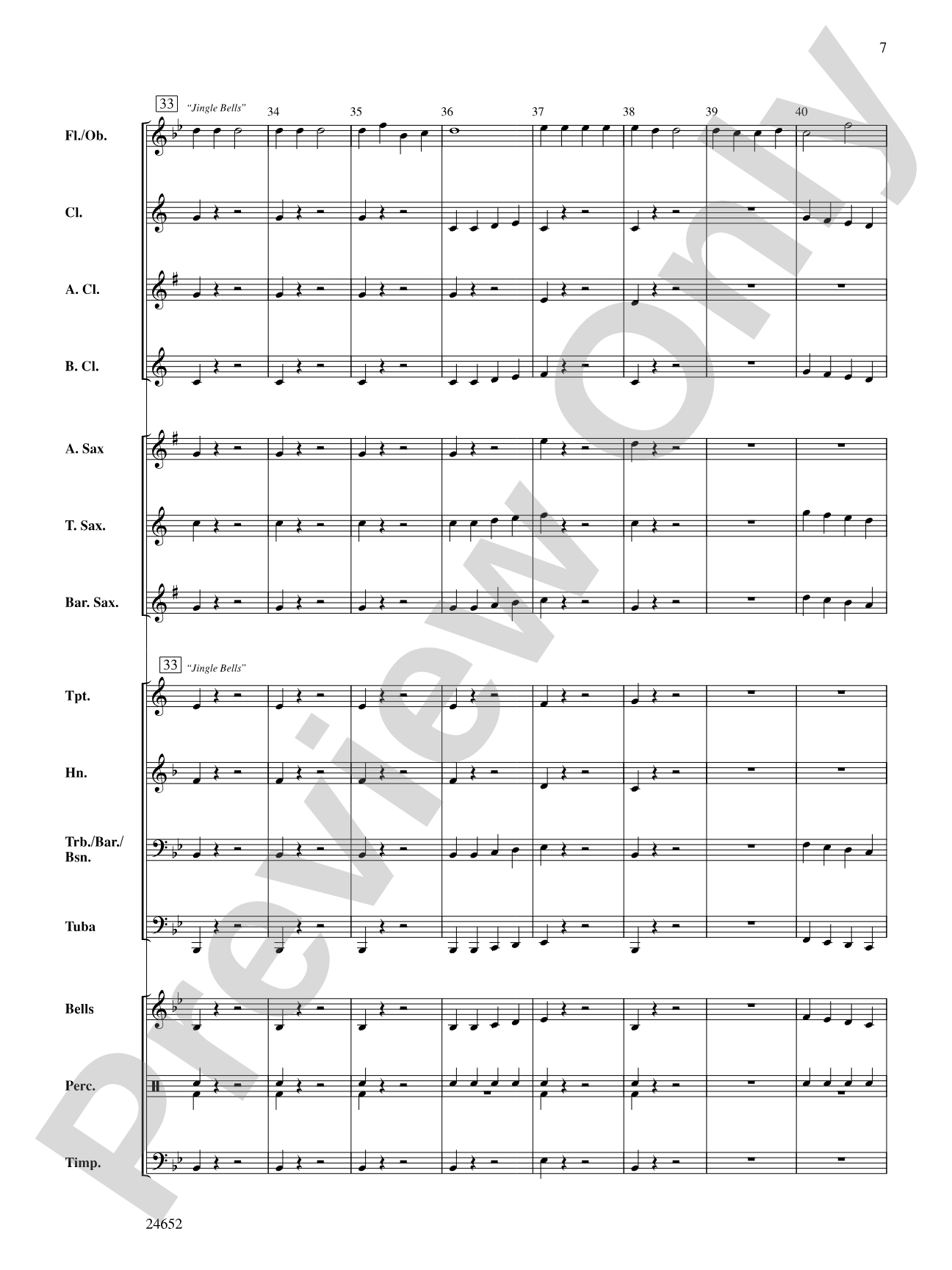
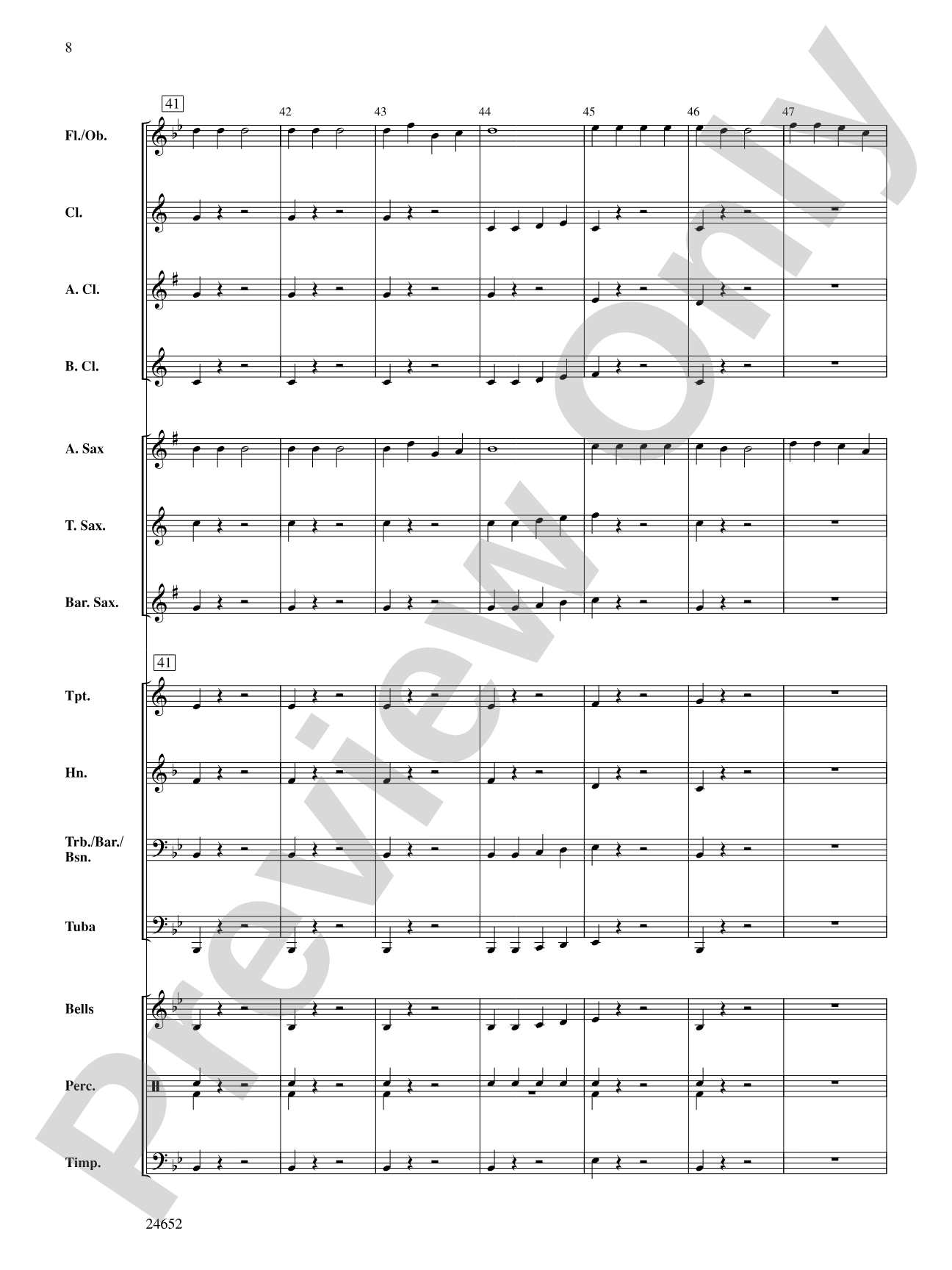
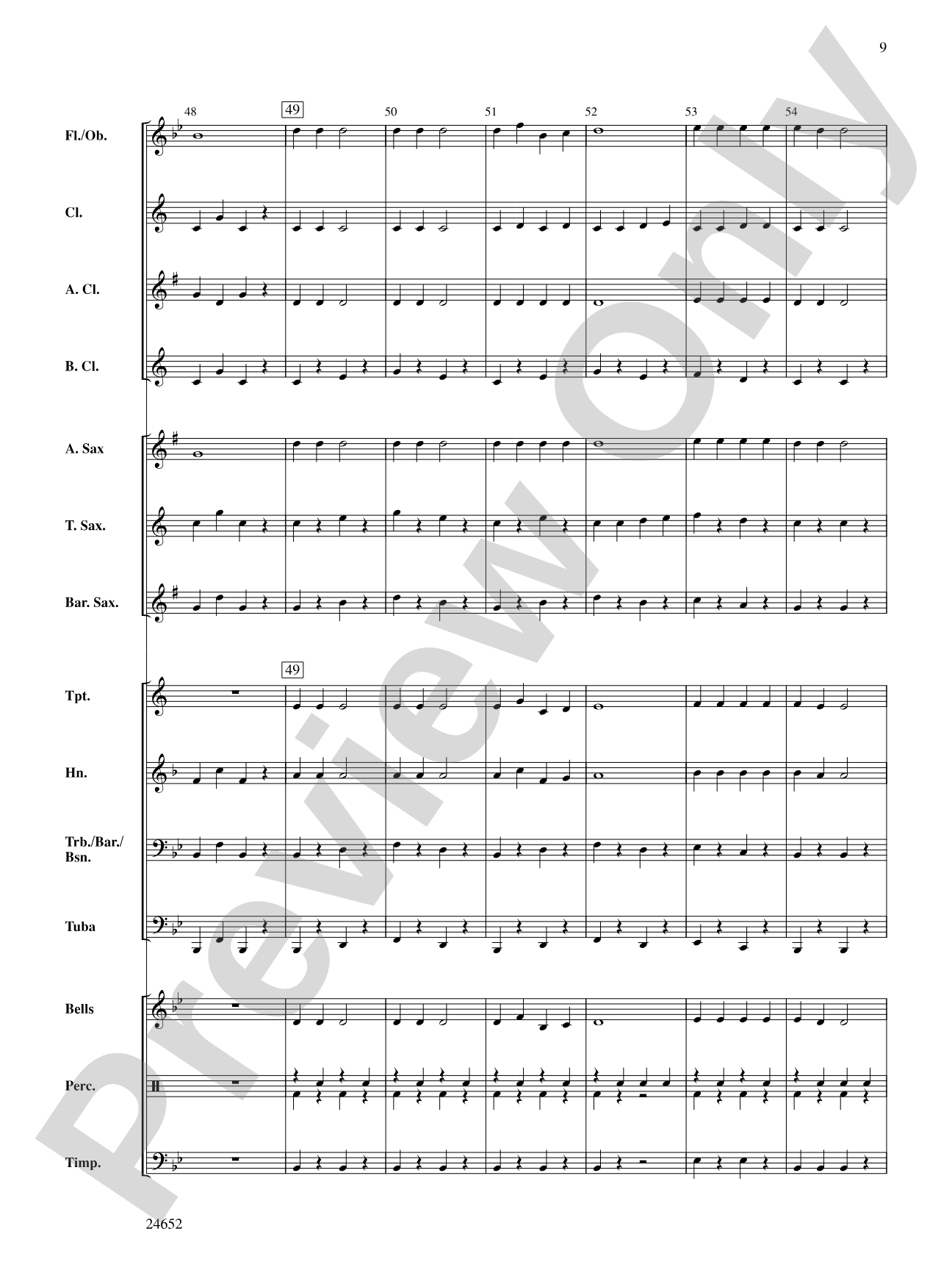
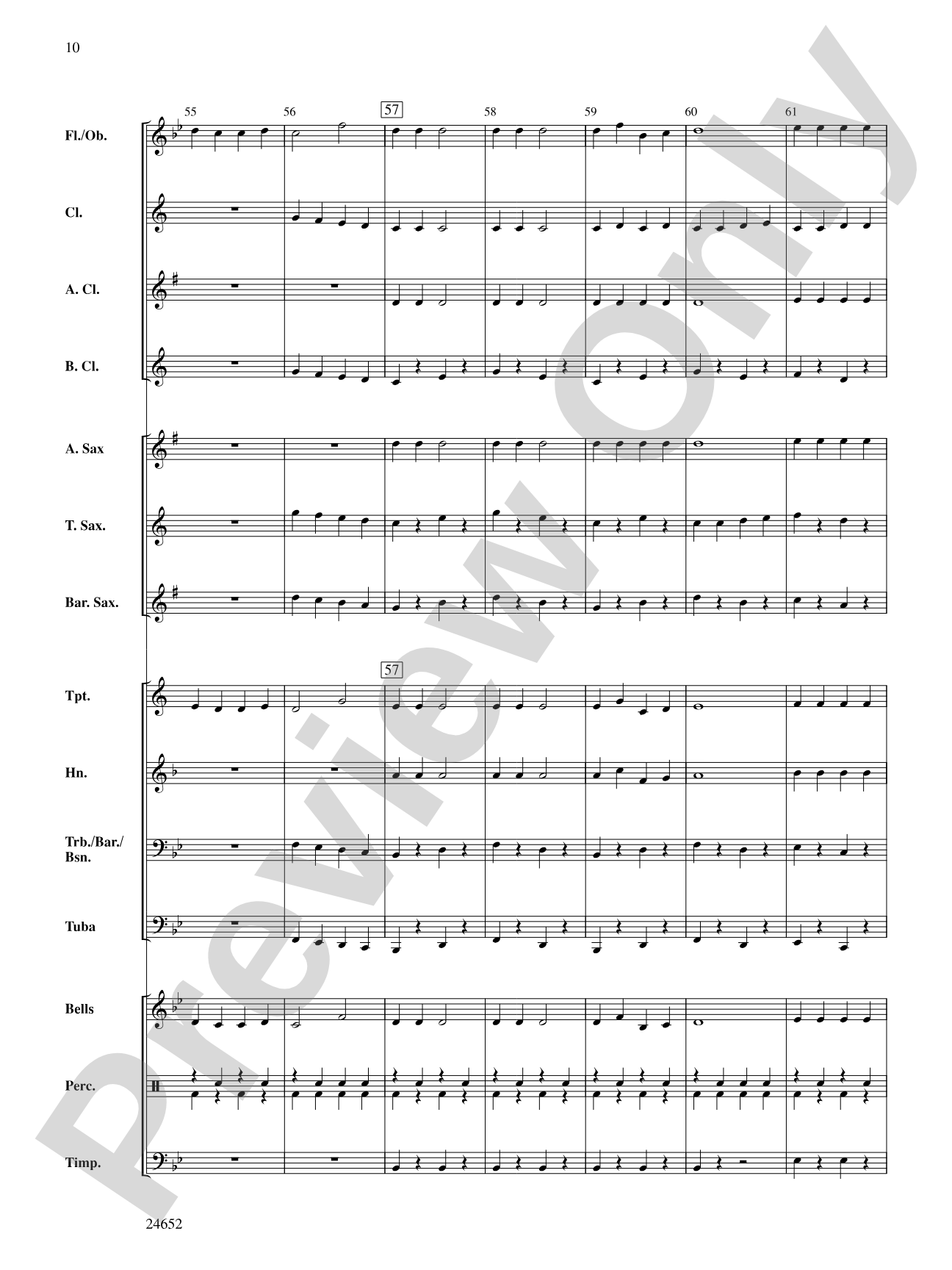
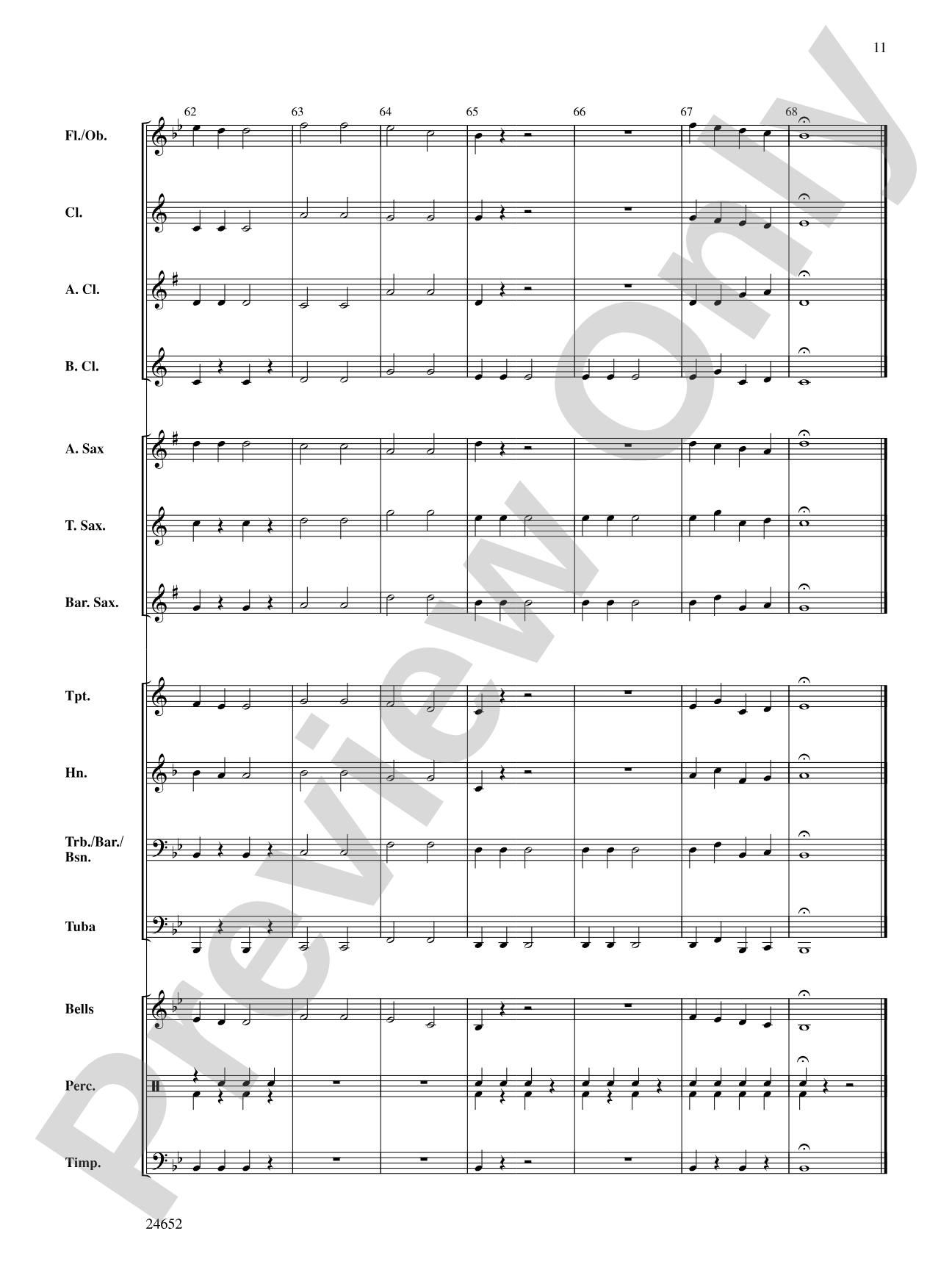
A medley of everyone's favorite holiday tunes is the perfect way to end the beginning band's winter concert. Winter Medley combines traditional tunes found in most beginning band method books, embellishing them with interesting voicing, and little soli sections, giving each instrument their turn to shine brightly. Using only six tones, the solid scoring will ensure that your beginning band will impress their audience, making even the youngest band sound advanced beyond their years. This will be a timely favorite your beginning students can use year after year. (2:15)


Don't just read it, hear it, play along with it, and watch your students grow with it. In MakeMusic Cloud, Winter Medley: Concert Band Conductor Score & Parts comes alive with professional accompaniment, adjustable tempo, and built-in practice tools that turn solo practice into real progress.
Open in the Player
Jump straight in and assign it today.
Start Your Free Trial
Open this title and explore the full library in minutes.
Sample Audio
1
Audio File
--:--
0:00
0:00
Sample Video
No sample videos found.
Additional Details
Series:
Alfred Debut Series
Publisher:
Alfred Music
Page Count:
118
SKU:
00-PK-0000828
More about this title
Why we love this
The scoring here respects where beginning bands actually are while refusing to sound elementary. Each section gets genuine musical moments rather than sustained accompaniment, and the constraint of six tones becomes a strength, forcing clean part-writing that teaches students how to listen to each other. It's the rare holiday arrangement that doesn't ask you to compromise on sound quality.
What to expect
Bright, accessible, and genuinely festive without saccharine orchestration. The familiar melodies ground the listener while unexpected harmonic choices and instrumental soli keep the ear engaged. It sounds like a complete holiday performance, not a simplified one.
Who it's for
Beginning band students ready to tackle something concert-worthy but not yet equipped for complex ranges or rhythmic vocabulary. Directors programming holiday concerts for freshman or sixth-grade ensembles will find this invaluable, and experienced groups can use it as a palate cleanser between heavier works.
How to get the most out of it
- Balance the soli passages carefully. These brief moments showcase individual sections, so resist the urge to let the full band swell underneath. Let each instrument group own their turn.
- Bring out the embellishments that distinguish this from the original melodies. The interesting voicing is what separates this from a straight-ahead medley, so highlight those additions in rehearsal.
- Treat the transitions between tunes as musical moments, not dead time. Even if a transition is brief, shape it deliberately so the medley flows as one piece rather than three separate songs.
- Record a rehearsal run-through and listen back for blend across sections. With limited range, tuning and balance become more audible; clean sonority will make the arrangement sound far more sophisticated.
How to use it
This works beautifully as a concert finale, especially on a program that includes more serious or challenging works earlier. It's also ideal for the final rehearsal before winter break, giving students something celebratory to take home in their ears. Some directors keep this in the repertoire rotation and program it every year as a holiday tradition.
Skills your students will build
- Balancing solo passages against accompaniment
- Identifying and highlighting harmonic movement through voicing
- Sustaining focused tone within a six-tone range
- Listening for blend across extended unison or homophonic passages
- Transitioning smoothly between contrasting musical ideas