
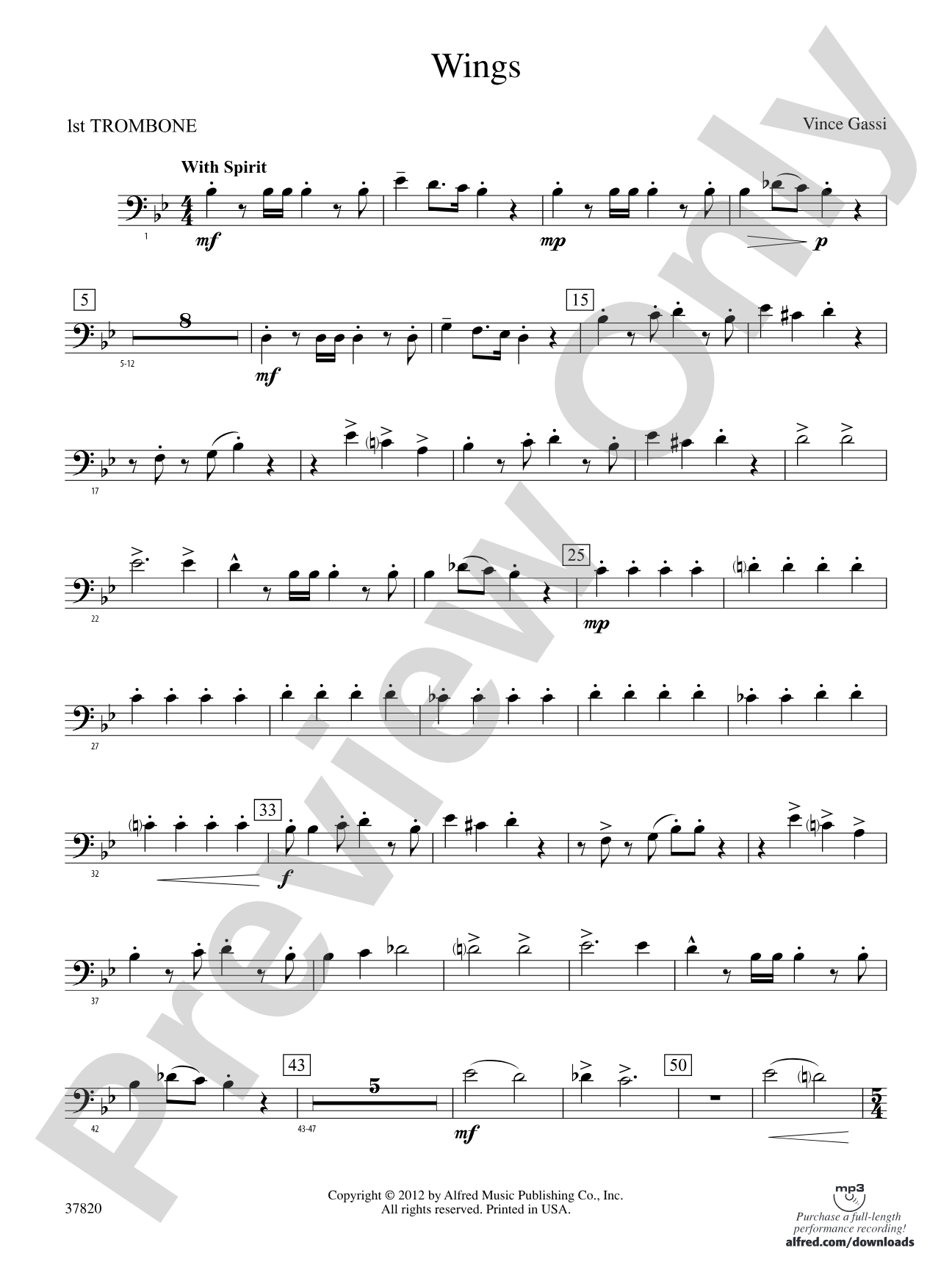

Wings: 1st Trombone
From the Armed Forces Suite
By Vince Gassi
Grade: 2.5 (Medium Easy)
Item: 00-PC-0015350_TN1
$3.00
Pickup currently not available
Description
The men and women of the Royal Canadian Air Force are the inspiration behind this original composition by Vince Gassi. The first work in his Armed Forces Suite, it takes off with a bright, spirited theme first heard in the flutes. The rest of the ensemble soon joins in the maneuvers and offers a fuller tactical report. Clarinets take over with dignity, providing a lyrical contrast, and are supported by a stately accompaniment. It isn't long before we start to feel the "spirit of adventure" building to a contrasting section conveying images of stealth and intrigue. Covert operations lead finally to a restatement of the opening theme by the brass with flute and clarinet obligato. Interlace with fragments from the covert section and we are carried to a soaring conclusion. If you are looking for a spirited concert opener or closer, look no further! (3:10) This title is available in MakeMusic Cloud.


Don't just read it, hear it, play along with it, and watch your students grow with it. In MakeMusic Cloud, Wings: 1st Trombone comes alive with professional accompaniment, adjustable tempo, and built-in practice tools that turn solo practice into real progress.
Open in the Player
Jump straight in and assign it today.
Start Your Free Trial
Open this title and explore the full library in minutes.
Sample Audio
1
Audio File
--:--
0:00
0:00
Sample Video
No sample videos found.
Additional Details
Series:
Young Symphonic
Publisher:
Alfred Music
Page Count:
254
SKU:
00-PC-0015350_TN1
More about this title
About the Composer: Vince Gassi
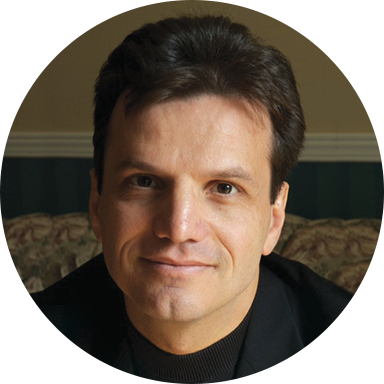
Vince Gassi has been publishing with Alfred Music since 2006 and has built a catalog of more than 100 compositions that appeal consistently to young musicians and their directors. A conductor, clinician, and educator, he completed his Bachelor of Music at the University of Western Ontario, pursued advanced study in composition and arranging at the Dick Grove School of Music in Los Angeles, and earned his Ph.D. from York University in Toronto. His pieces appear regularly on festival and contest programs across North America, Europe, and Japan, and are frequent selections at the Midwest Clinic.
Gassi spent twenty-five years teaching instrumental music at the elementary and secondary levels and remains in high demand as a guest conductor, adjudicator, and clinician throughout the United States and Canada. His workshops on creative engagement and digital workflows for music directors have shaped how educators approach both compositional projects and modern ensemble management. He continues to receive commissions and actively develops works that balance musical substance with student accessibility.
Why we love this
Wings combines immediate musical appeal with genuine substance. The dramatic arc from spirited opening through stealth-themed intrigue to brass triumph gives your band a complete emotional journey in just over three minutes, making it equally effective as your concert opener or closer. Gassi's orchestration keeps the medium-easy grade level honest while offering rewarding moments for each section to shine.
What to expect
Wings delivers a cinematic quality rarely found at this grade level. It opens with infectious optimism, shifts into introspection and mystery, then lands firmly in triumph. The military subject matter translates into clear musical imagery: bright tactical movement, stealth and shadow, and finally an unapologetic celebration.
Who it's for
This work suits bands preparing their first concert of the year or needing a strong closing number that leaves audiences energized. Grade 2.5 ensembles will find the writing accessible without feeling oversimplified, offering each section satisfying material while keeping rehearsal time realistic.
How to get the most out of it
- Shape the opening flute theme with forward momentum and clarity; this bright statement sets the character for everything that follows, so lock in the tempo early with your woodwinds.
- Balance the clarinet chorale carefully against its stately accompaniment. This section provides crucial contrast, so let it breathe without rushing.
- Build intensity gradually through the "spirit of adventure" and covert sections. Slight tempo flexibility here supports the cinematic storytelling without losing cohesion.
- Feature the brass confidently on the final statement of the opening theme. The flute and clarinet obligatos work best when placed just behind the brass, creating texture rather than competing for prominence.
How to use it
Program this as your opener if you want the audience immediately engaged, or reserve it for your closer if you prefer to build toward an energetic final statement. Its patriotic resonance makes it fitting for Veterans Day or Armed Forces Day programming, though the strong musical writing stands on its own for any season.
Skills your students will build
- Sustained articulation and phrasing across thematic statements
- Dynamic contrast between lyrical and spirited material
- Balance between solo and ensemble textures
- Cinematic tempo flexibility within a steady underlying pulse
- Sectional independence while maintaining ensemble unity