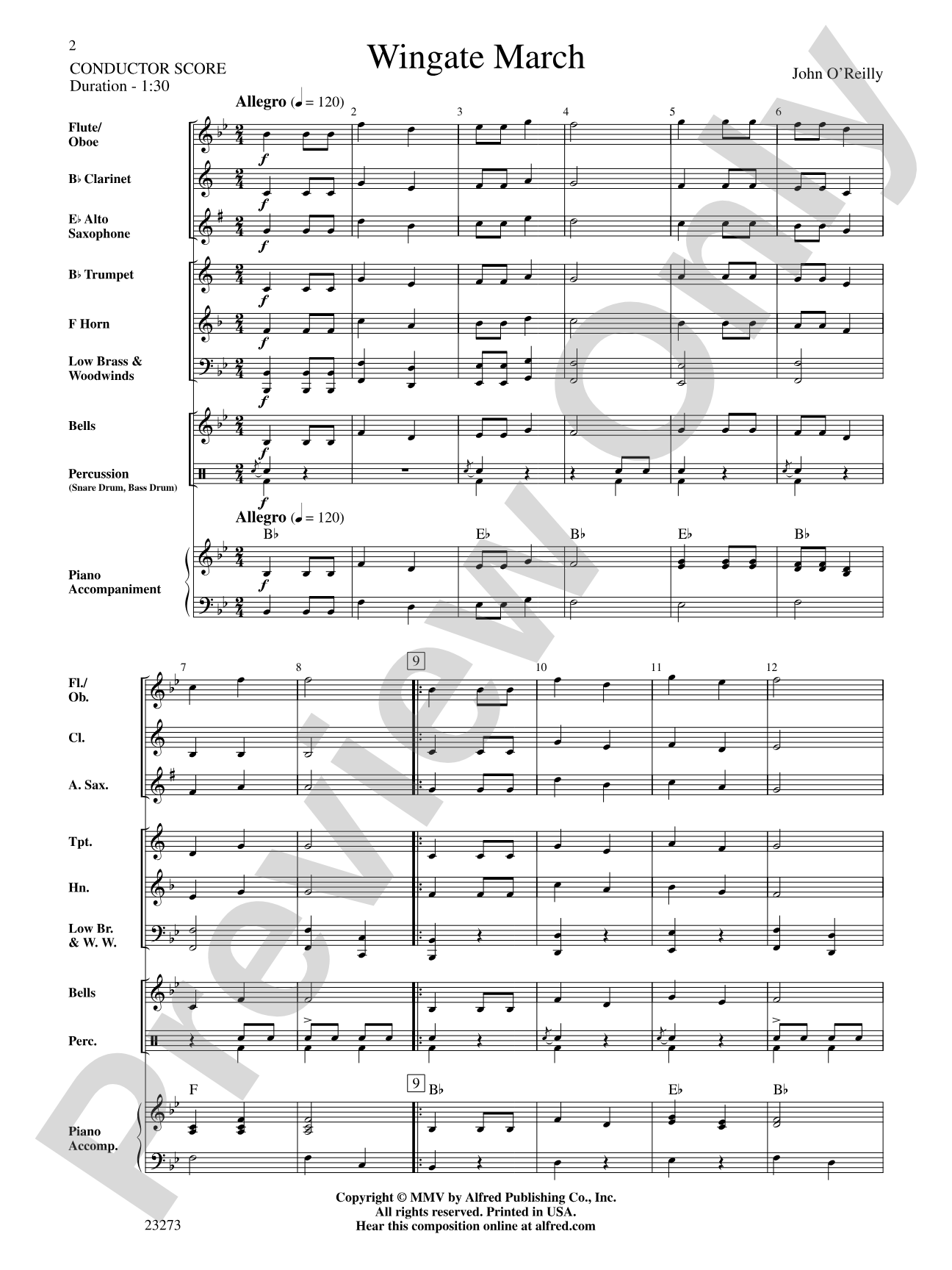
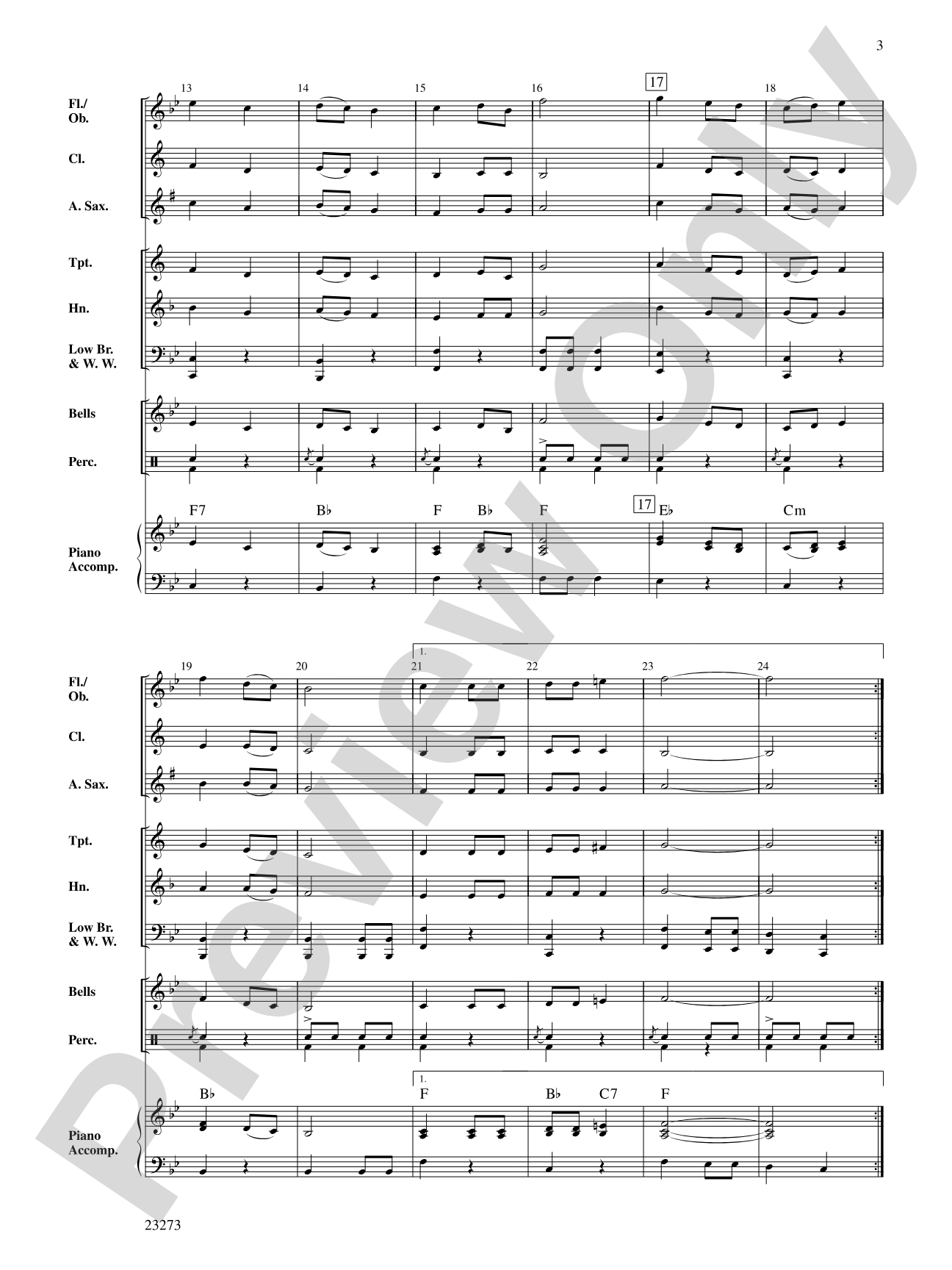
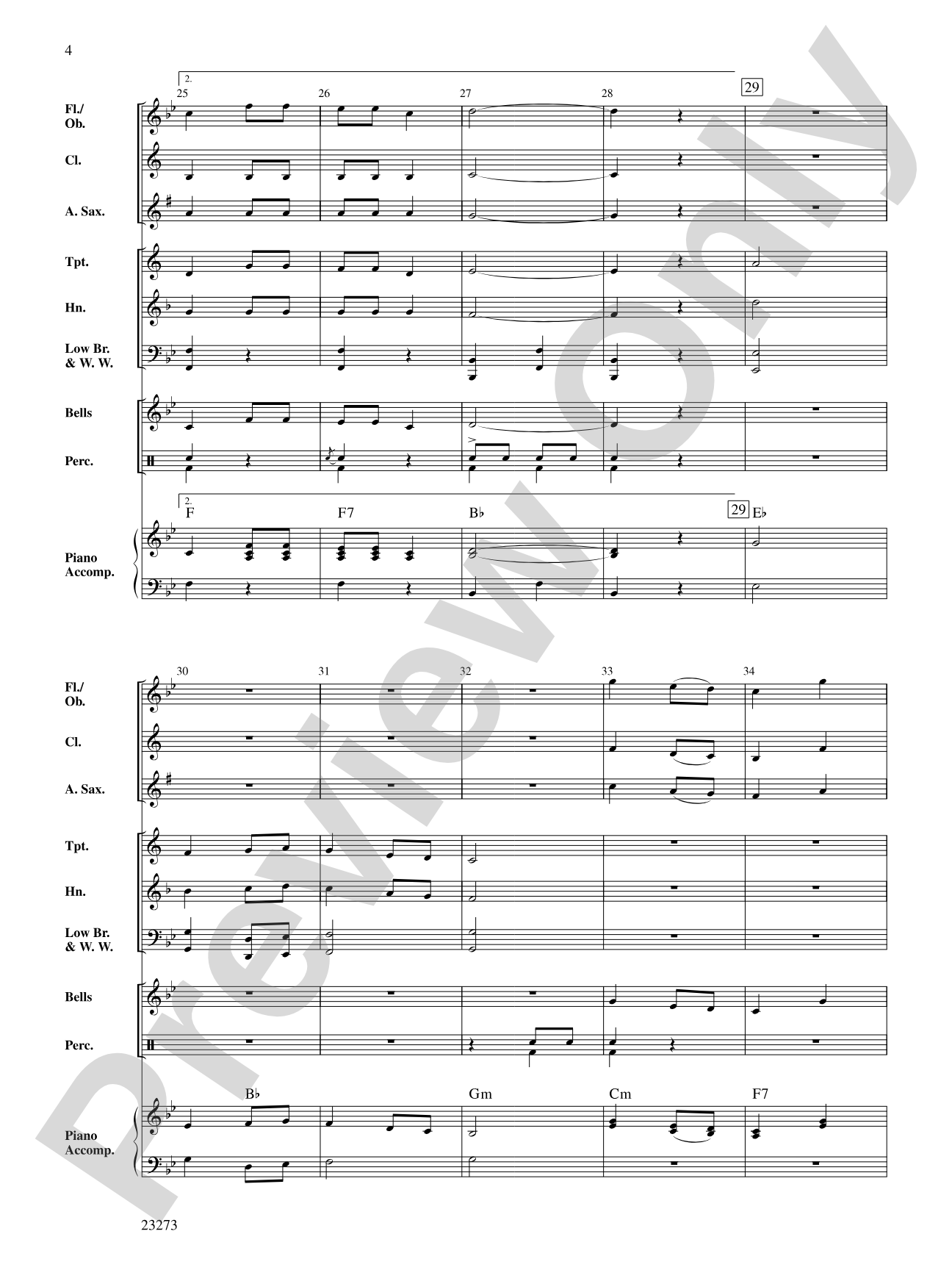
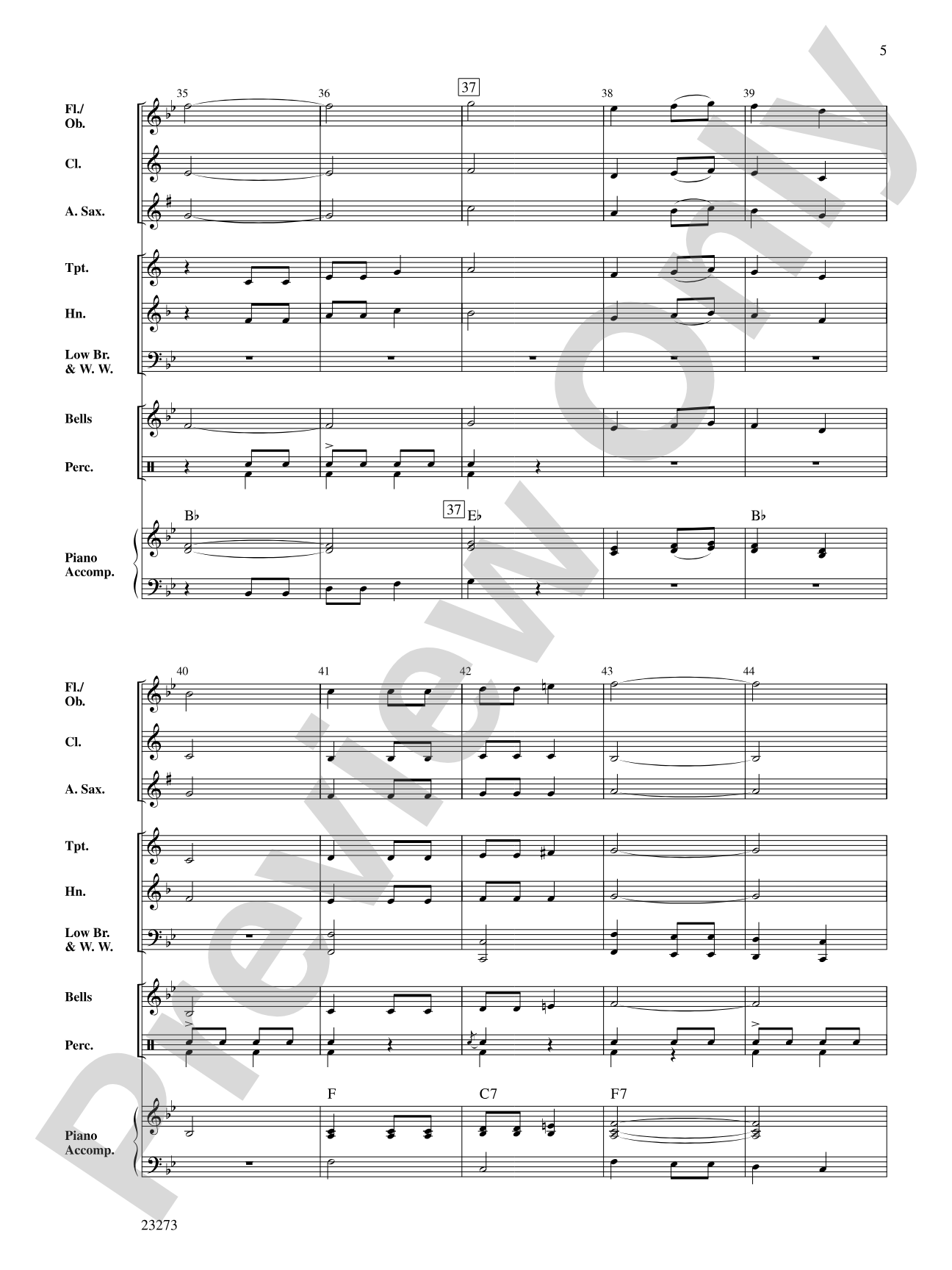
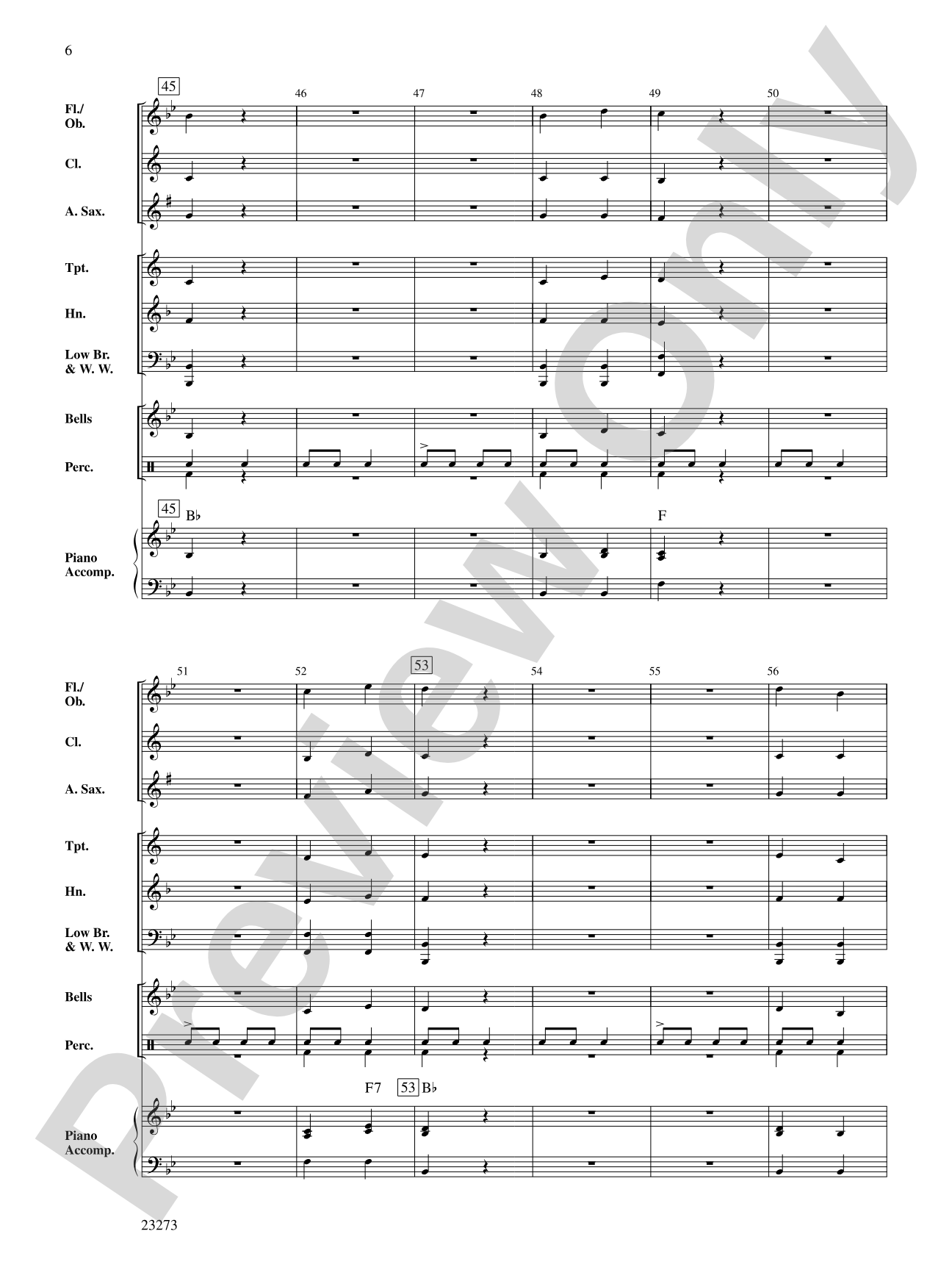
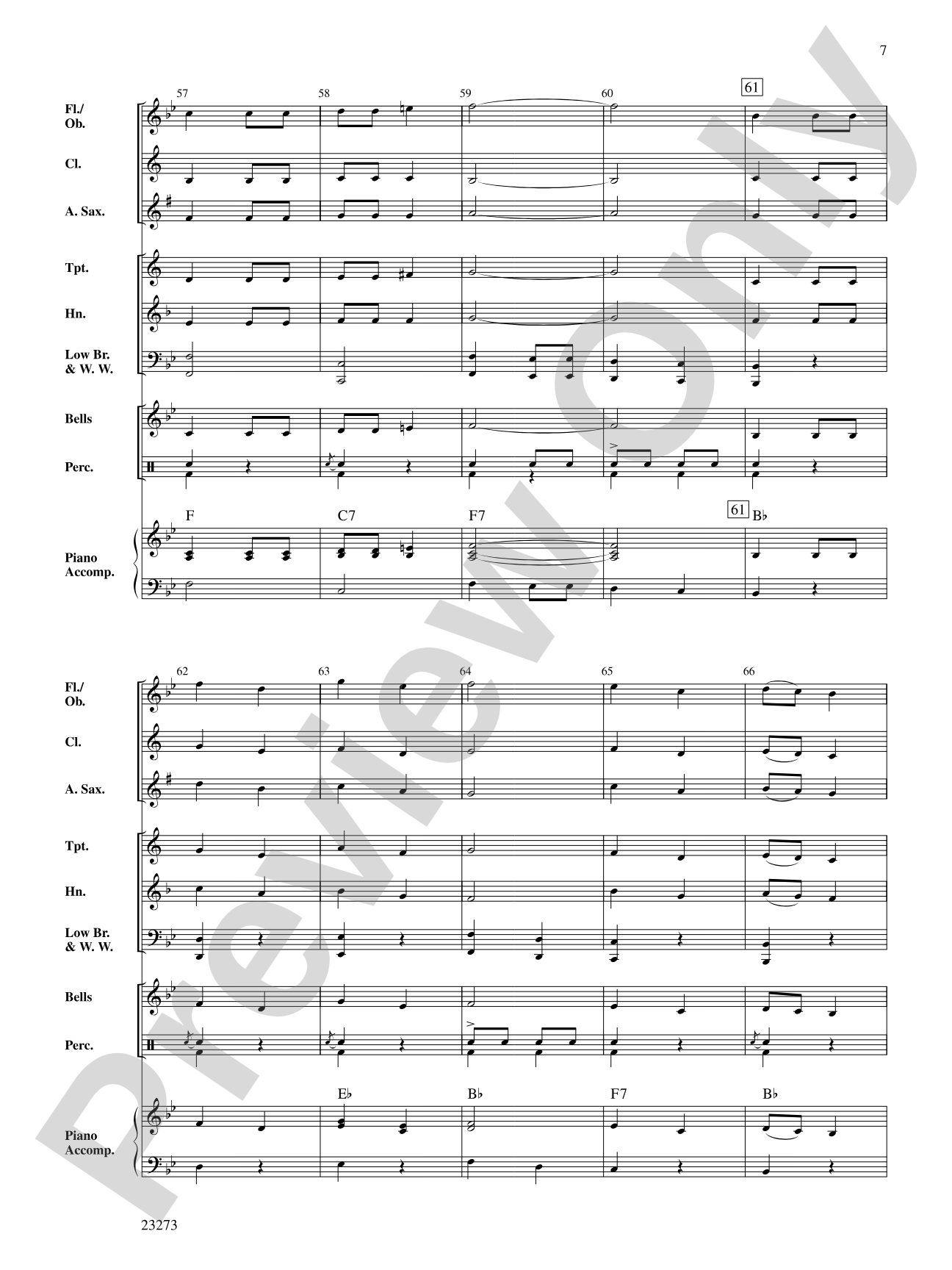
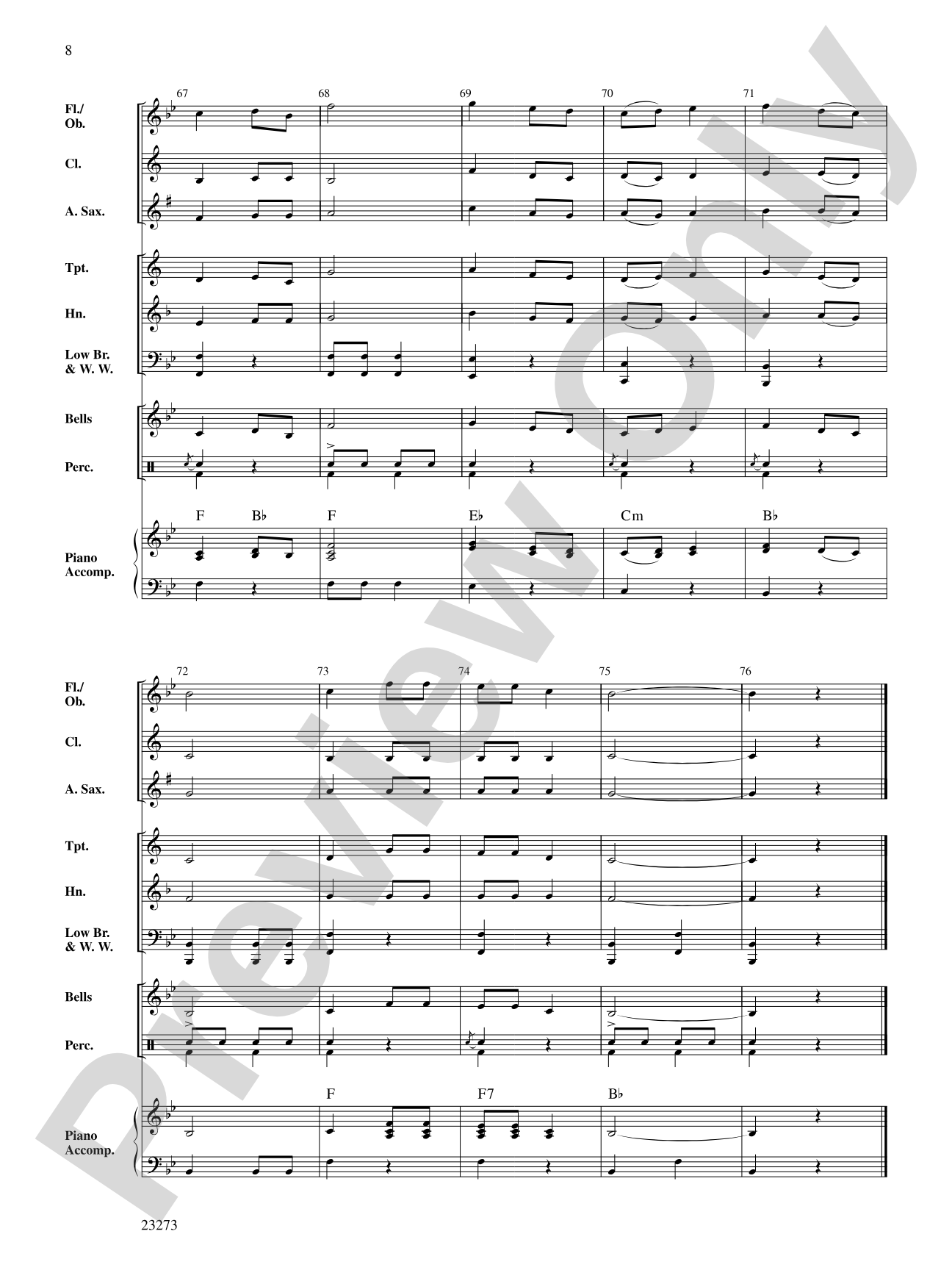
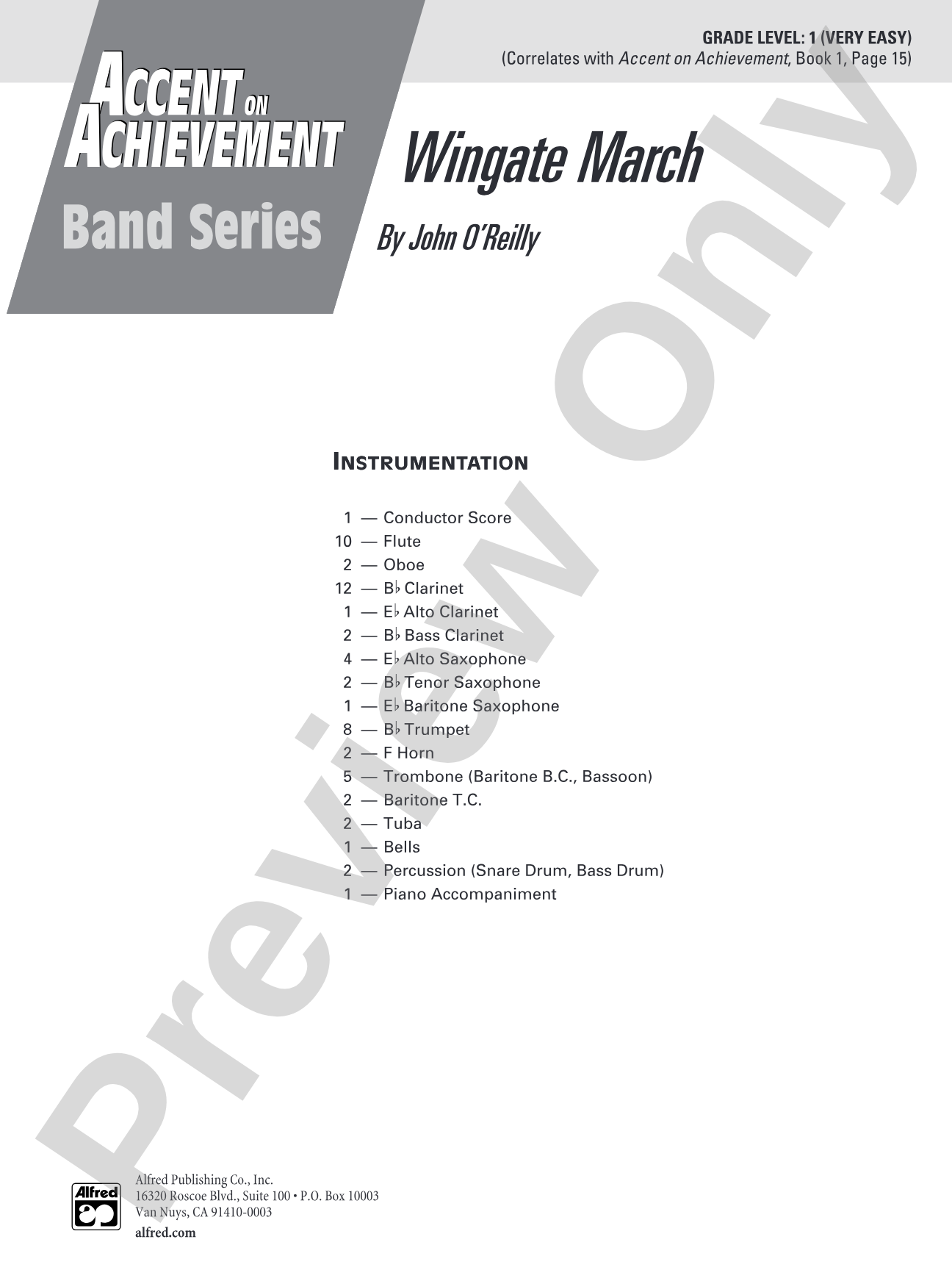
Wingate March: Score Sheet Music Preview

Wingate March: Score

By John O'Reilly

Grade: 1 (Very Easy)

Item: 00-PR-0000617

Digital Download
$7.00
Description
This bright and bold march is perfect for your first year band. The melodic range is limited and simple quarter and eighth note patterns dominate. The effective snare drum part includes flams and paradiddles but no rolls. Correlates to Accent on Achievement, Book 1, page 15. This title is available in MakeMusic Cloud.

Don't just read it, hear it, play along with it, and watch your students grow with it. In MakeMusic Cloud, Wingate March: Score comes alive with professional accompaniment, adjustable tempo, and built-in practice tools that turn solo practice into real progress.

Sample Audio
0:00
0:00
Sample Video
Additional Details
Series: Accent on Achievement
Publisher: Alfred Music
Page Count: 116
SKU: 00-PR-0000617

More about this title

About the Composer: John O'Reilly

John O'Reilly is a composer and educator whose works appear throughout the Accent on Achievement curriculum, establishing him as a trusted voice in beginner band pedagogy. His compositions balance musicality with accessibility, creating pieces that sound mature without overwhelming young players.

Why we love this

This march gives your first year band a piece that feels substantial without requiring advanced rhythmic or technical reading. The snare drum work (flams and paradiddles without rolls) provides percussion students with genuine musicianship challenges while the straightforward melodic writing keeps the entire ensemble confident and engaged.

What to expect

Bright and purposeful. The march moves with steady conviction, buoyed by its clear melodic contour and energetic rhythmic drive. It feels like a real march, not a simplified exercise.

Who it's for

First year concert bands and beginner ensembles preparing their first public performances. Conductors working with players in their first 6 to 12 months of study will find this piece directly supports the Accent on Achievement curriculum while building confidence and musicianship.

How to get the most out of it

  • Balance the snare drum flams and paradiddles so they enhance the march character rather than dominating the texture. Young drummers often rush these figures when they're excited.
  • Use the conductor score to shape phrase direction through dynamics and slight tempo flexibility. Even at Grade 1, the march benefits from subtle breathing and forward motion.
  • Lock the ensemble's quarter-note pulse before addressing articulation details. A rock-solid foundation makes everything else fall into place.
  • Work the parts section by section before conducting the full score. Clarinet and trumpet carry the primary melody, so their intonation and phrasing set the standard for the whole band.

How to use it

Program this early in the concert season or at a first concert when your band's reading fluency is still developing. It works well alongside other Grade 1 literature as a statement of achievement and carries enough character to hold its own on a full concert program.

Skills your students will build

  • Reading mixed rhythm patterns in quarter and eighth notes
  • Executing flams and paradiddles with control and clarity
  • Balancing melody and accompaniment across the ensemble
  • Phrasing and shaping simple melodic lines
  • Maintaining ensemble pulse and alignment in a march context

You May Also Like