
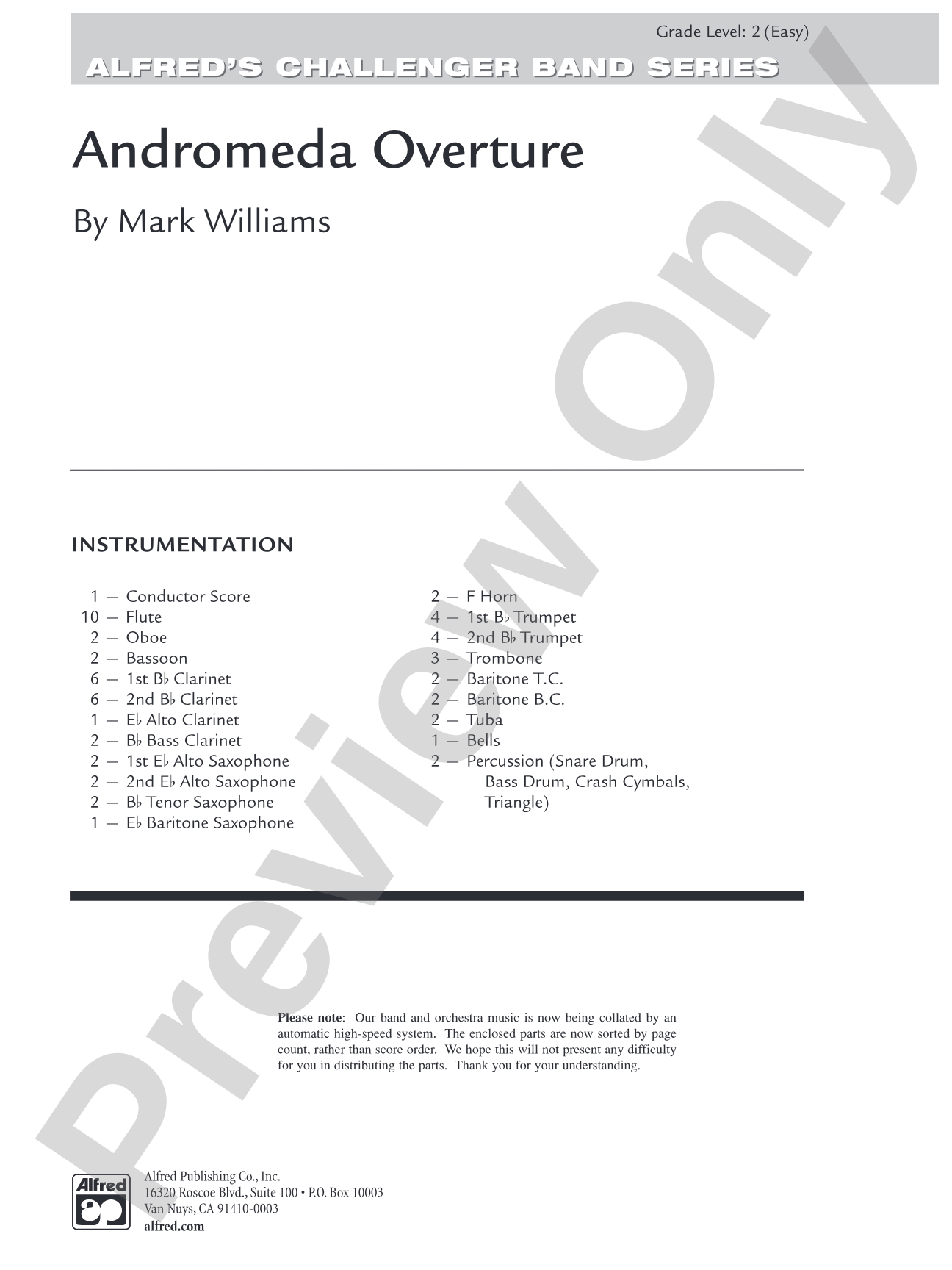

Windsong: Concert Band Conductor Score & Parts
By Mark Williams
Grade: 1.5 (Easy)
Item: 00-PK-0000405

$42.00
Pickup currently not available
Buy Extra Parts (Digital PDF Download)
| Product | Price | Quantity |
|---|---|---|
| Windsong: Score | $5.00 | |
| Windsong: Flute | $3.00 | |
| Windsong: Oboe | $3.00 | |
| Windsong: Bassoon | $3.00 | |
| Windsong: 1st B-flat Clarinet | $3.00 | |
| Windsong: 2nd B-flat Clarinet | $3.00 | |
| Windsong: E-flat Alto Clarinet | $3.00 | |
| Windsong: B-flat Bass Clarinet | $3.00 | |
| Windsong: E-flat Alto Saxophone | $3.00 | |
| Windsong: 2nd E-flat Alto Saxophone | $3.00 | |
| Windsong: B-flat Tenor Saxophone | $3.00 | |
| Windsong: E-flat Baritone Saxophone | $3.00 | |
| Windsong: 1st F Horn | $3.00 | |
| Windsong: 1st B-flat Trumpet | $3.00 | |
| Windsong: 2nd B-flat Trumpet | $3.00 | |
| Windsong: 1st Trombone | $3.00 | |
| Windsong: Baritone T.C. | $3.00 | |
| Windsong: Baritone B.C. | $3.00 | |
| Windsong: Tuba | $3.00 | |
| Windsong: Bells | $3.00 | |
| Windsong: 1st Percussion | $3.00 |
Parts Added to Cart!
Related Items
Windsong: Concert Band Conductor Score |
$5.00
|
View |
Description
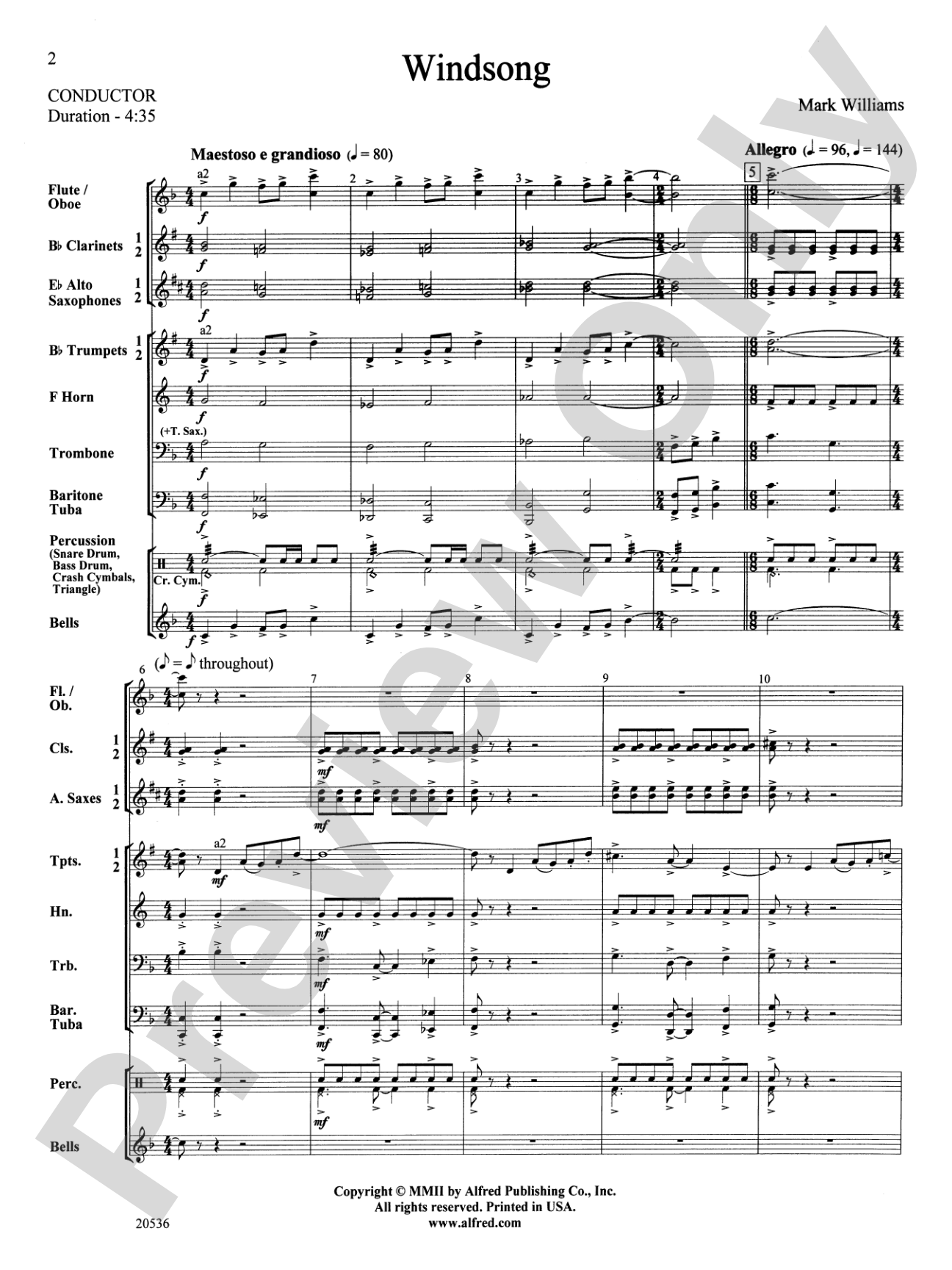
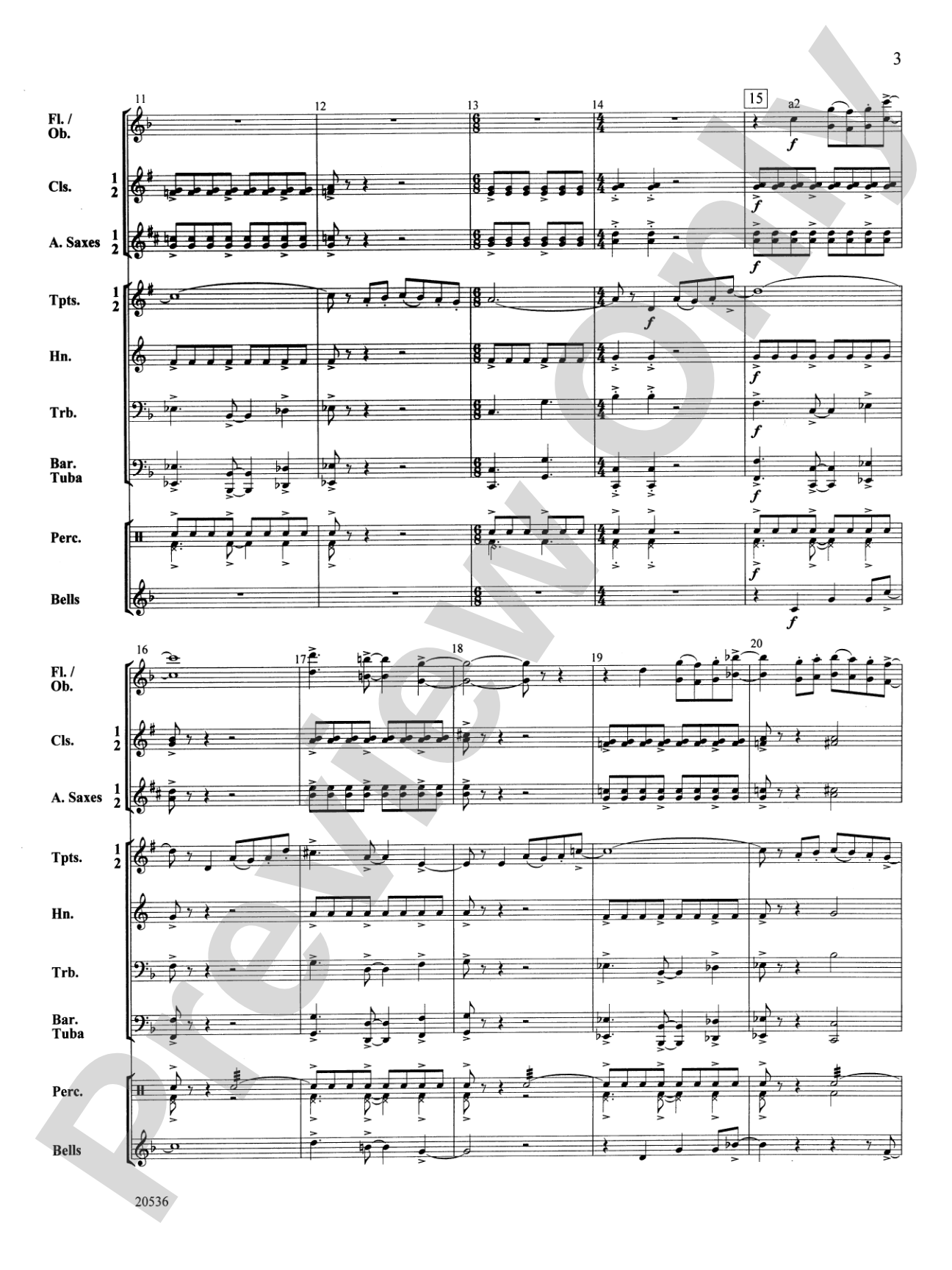
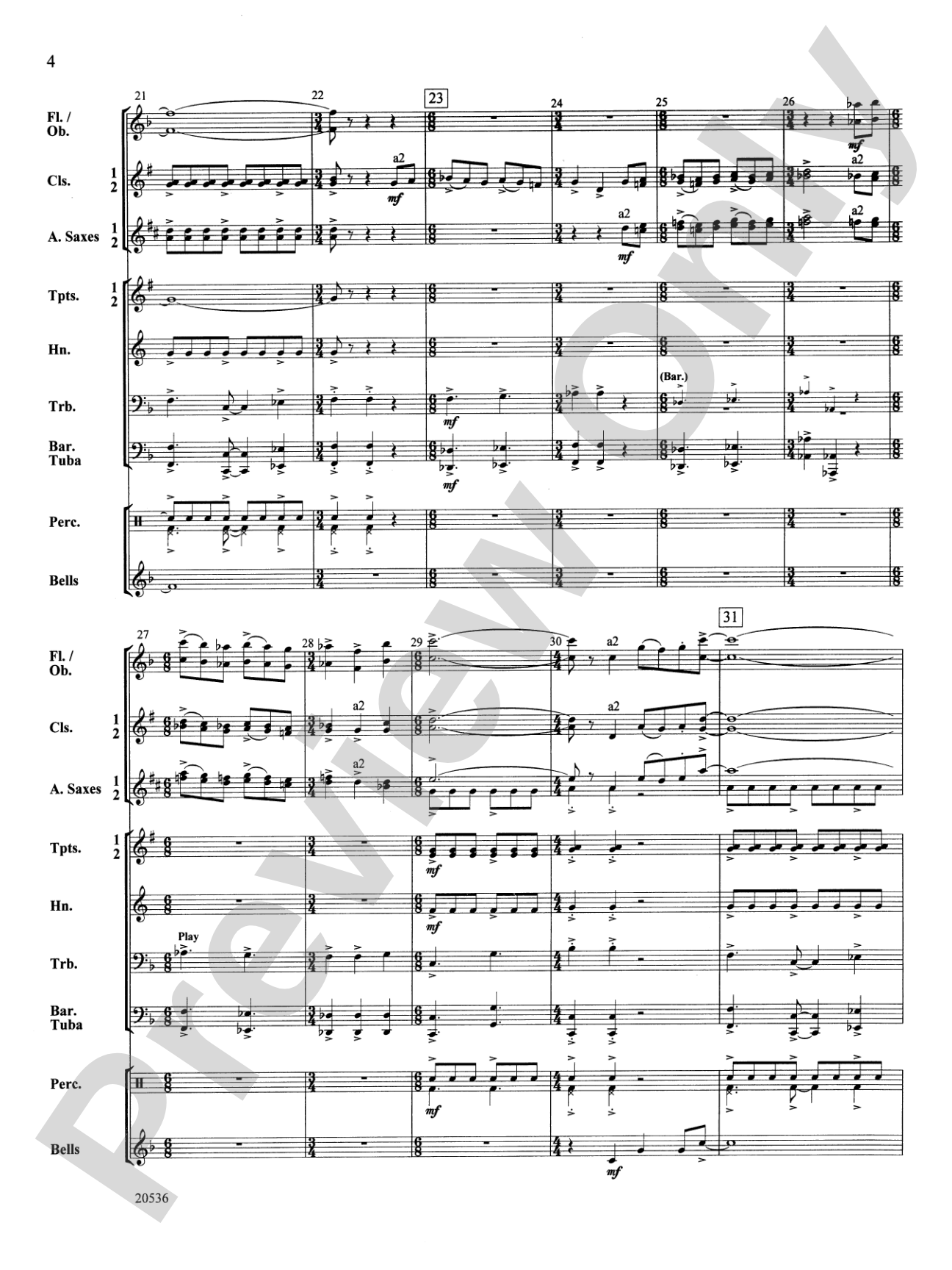
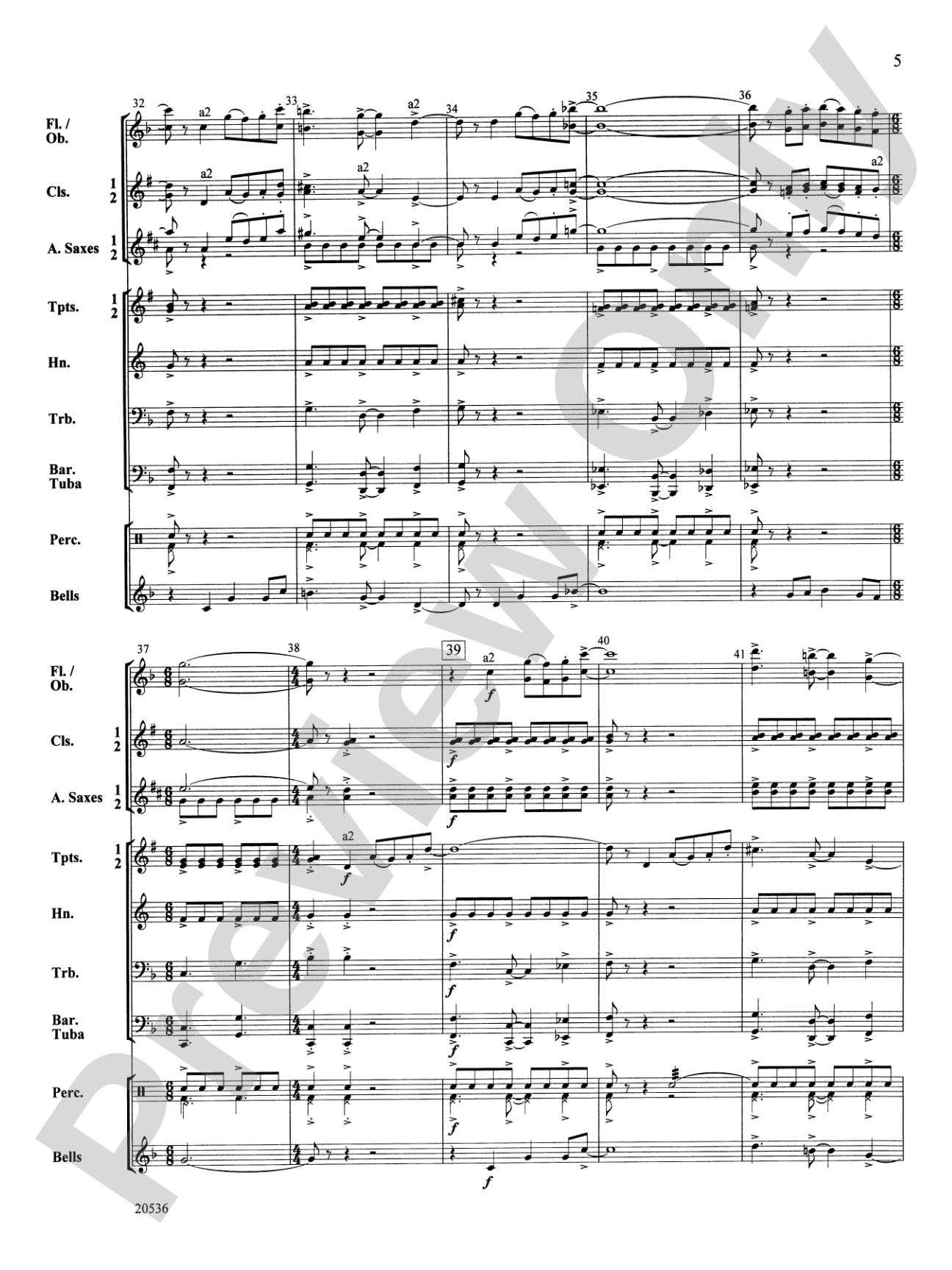
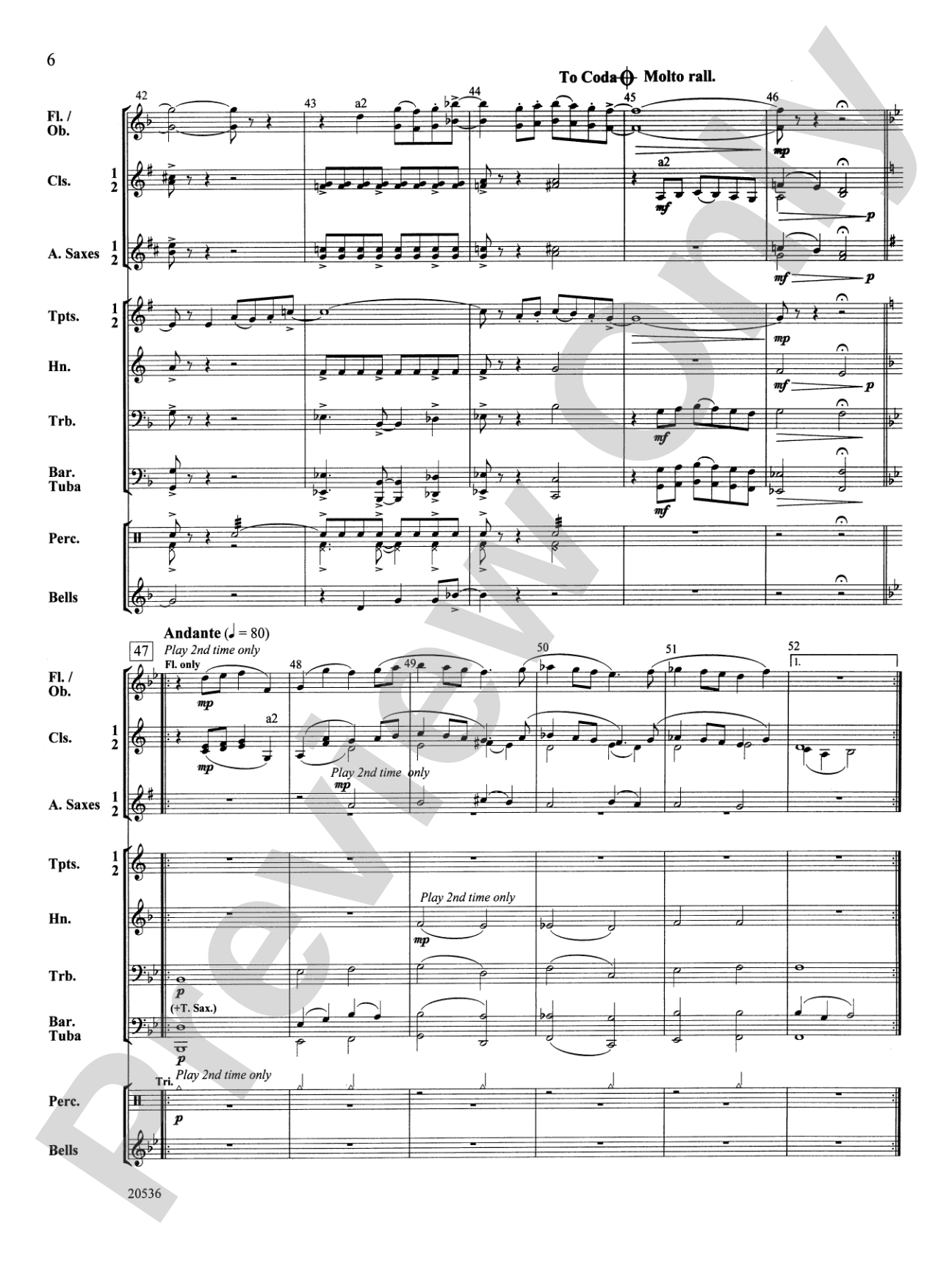
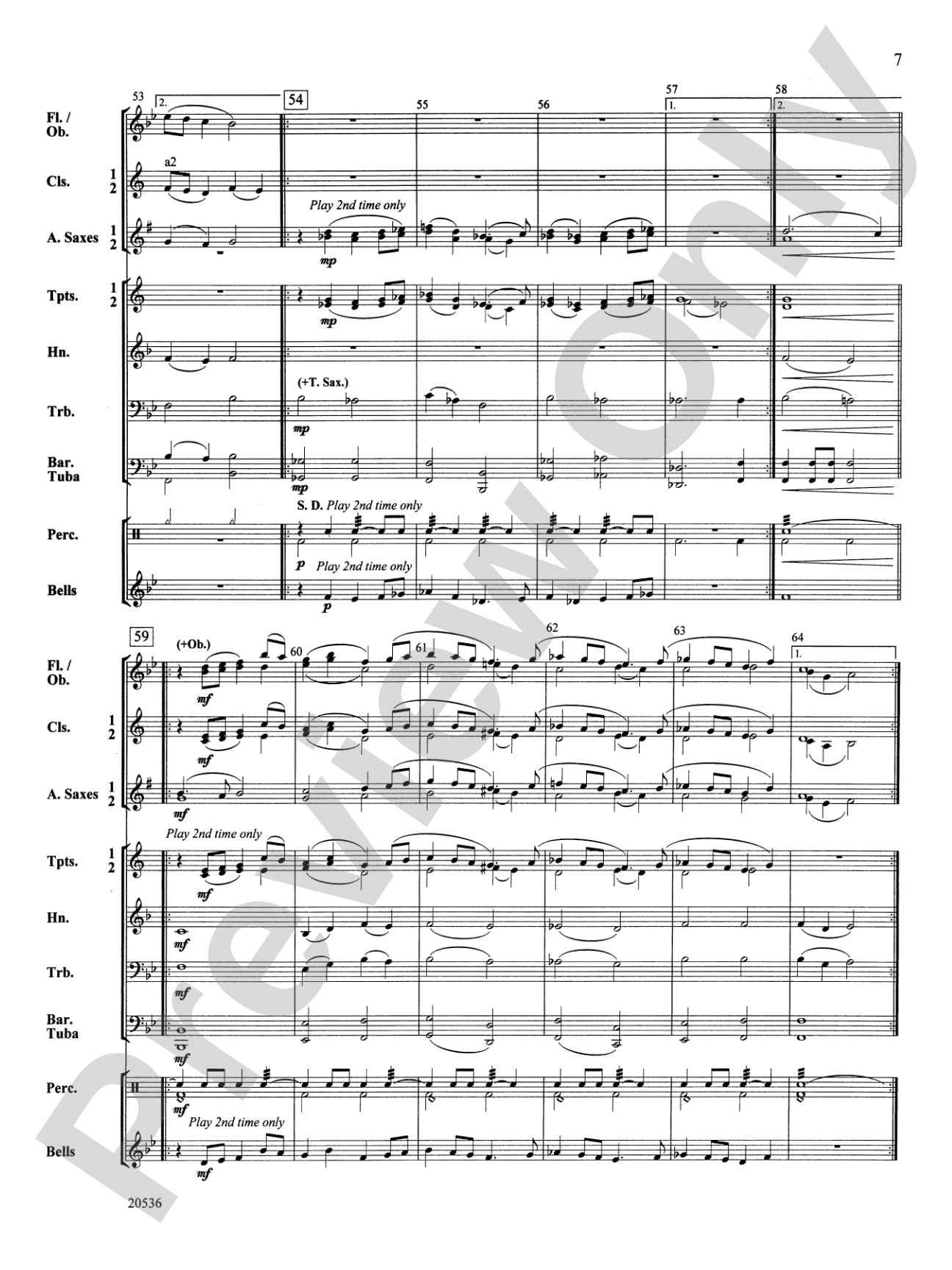
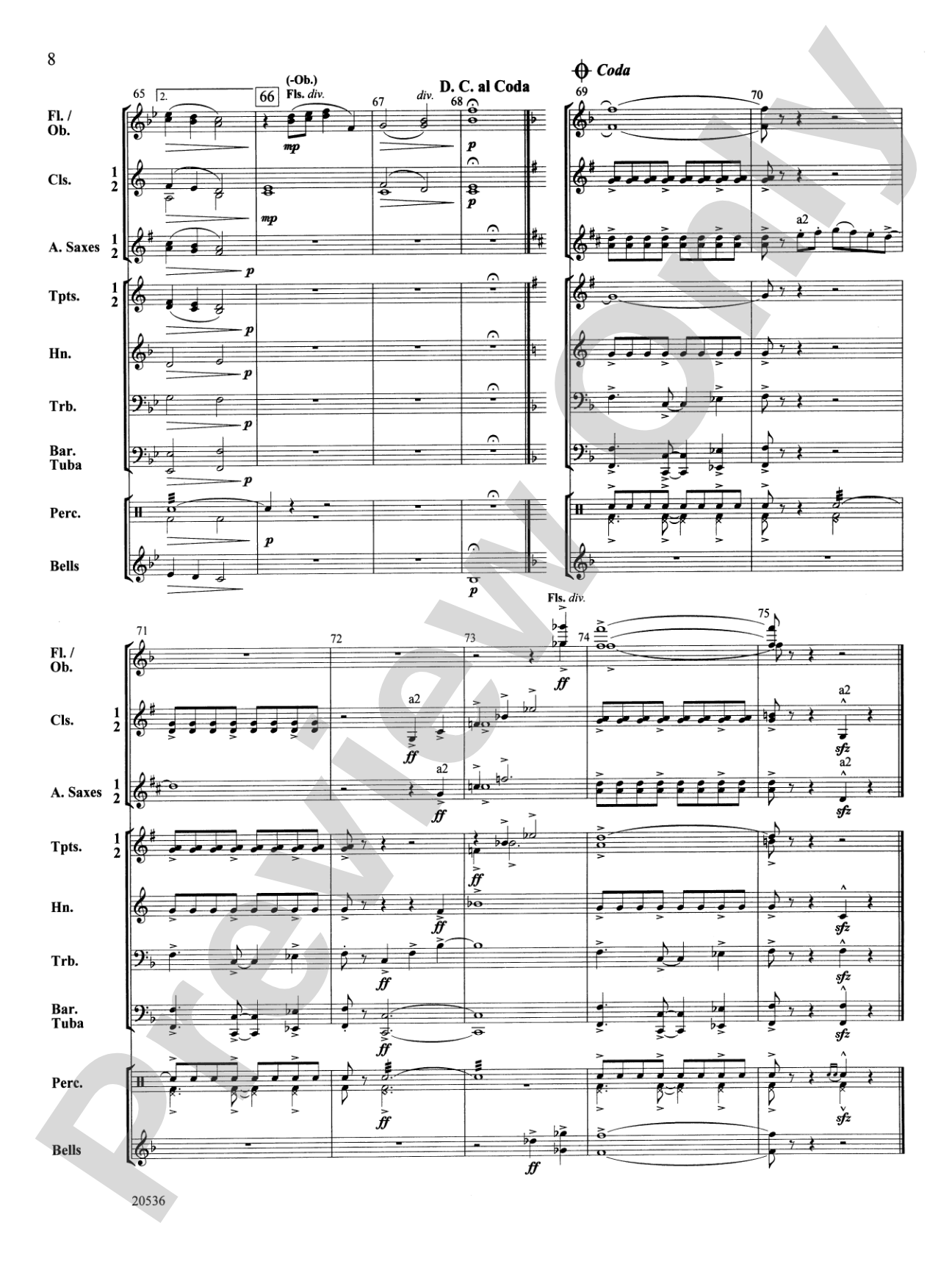
Hold onto your hats and get ready to play Windsong! Meter changes are in abundance, as are interesting harmonic shifts. The contemplative middle section allows for expressive playing, and the rousing conclusion is one that you've come to expect from the pen of Mark Williams. Perfect for contest!


Don't just read it, hear it, play along with it, and watch your students grow with it. In MakeMusic Cloud, Windsong: Concert Band Conductor Score & Parts comes alive with professional accompaniment, adjustable tempo, and built-in practice tools that turn solo practice into real progress.
Open in the Player
Jump straight in and assign it today.
Start Your Free Trial
Open this title and explore the full library in minutes.
Sample Audio
1
Audio File
--:--
0:00
0:00
Sample Video
No sample videos found.
Additional Details
Series:
Challenger Band Series
Publisher:
Alfred Music
Page Count:
1
SKU:
00-PK-0000405
More about this title
About the Composer: Mark Williams

Mark Williams established himself as one of the most prolific and respected composers for school bands, with over 200 published works spanning band, orchestra, and choral settings. His influence on music education extended far beyond the page; he traveled extensively as a clinician and guest conductor across 34 states, five Canadian provinces, and Australia, while maintaining a long career teaching elementary band in Washington state. Williams co-authored the widely adopted Accent on Achievement Band Method, shaping how generations of young musicians learned their instruments.
Born in Chicago and raised in Spokane, Washington, Williams earned degrees in music education from Eastern Washington University and served as a woodwind performer and arranger for the 560th Air Force Band. His compositions garnered significant recognition, including wins at the Western International Band Clinic's Gralia Competition and multiple ASCAP Special Awards. Beyond his composing and conducting work, he performed regularly on bassoon and served as Conductor and Artistic Director for the Spokane British Brass Band, demonstrating a deep commitment to the brass band tradition.
Why we love this
Williams packs genuine musicality into a Grade 1.5 package without sacrificing interesting harmonic language or structural variety. The meter shifts and harmonic movement keep the ensemble engaged while remaining accessible, and the contrasting sections give young musicians real expressive challenges without overwhelming them technically. It's the kind of piece that makes a beginning band sound more sophisticated than they might expect.
What to expect
Windsong opens with forward momentum and textural interest, then pulls back into a quiet, introspective middle section that feels almost improvisatory. The journey from contemplation to exuberant conclusion gives the piece real dramatic arc, making it engaging for both players and listeners despite its accessible difficulty level.
Who it's for
Beginning concert bands (grades 4-6) who are ready to tackle meter changes and harmonic interest without excessive technical demands. This piece works especially well for groups preparing for contests or festivals where musicality and form matter as much as note accuracy.
How to get the most out of it
- Secure the meter changes by rehearsing them independently before putting all parts together. Have each section count through the transitions several times.
- Shape the contemplative middle section with dynamic control and a slightly relaxed tempo; this section rewards subtle voice leading and balance work.
- Drive toward the rousing conclusion with increased intensity and rhythmic precision, making sure the full ensemble locks in on the energy shift.
How to use it
Program this on a concert where you want to showcase your band's developing musicianship and harmonic sophistication. It pairs well with more traditional Grade 1-2 selections, as the expressive middle section and energetic finale demonstrate that young musicians can handle structural variety and musical storytelling.
Skills your students will build
- Reading and executing meter changes (transitions between different time signatures)
- Responding to harmonic shifts and non-diatonic movement
- Balancing and blending across sections in a contemplative passage
- Building dynamic control and expressive shaping in contrasting musical ideas
- Maintaining rhythmic precision in driving, energetic passages