

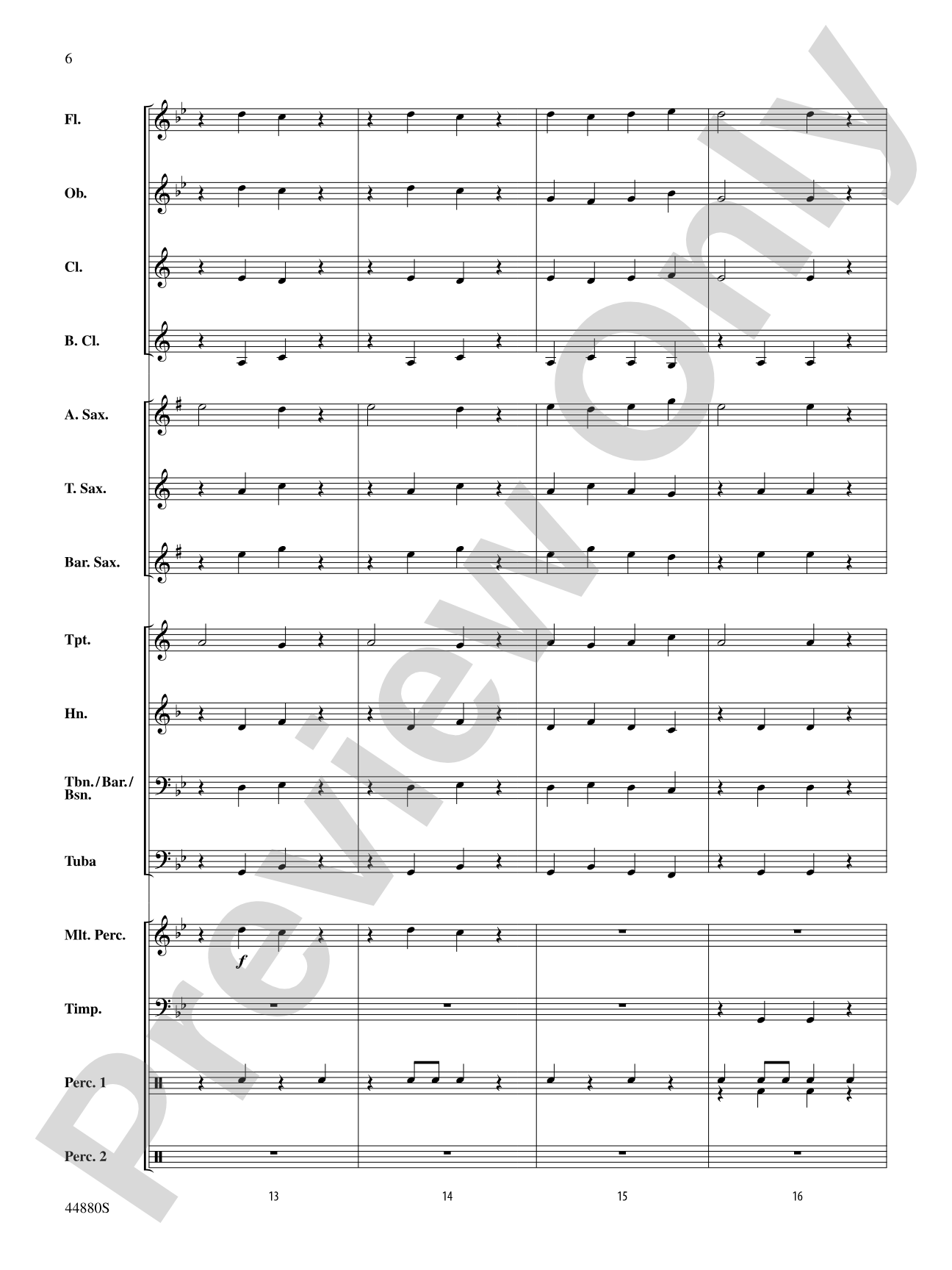
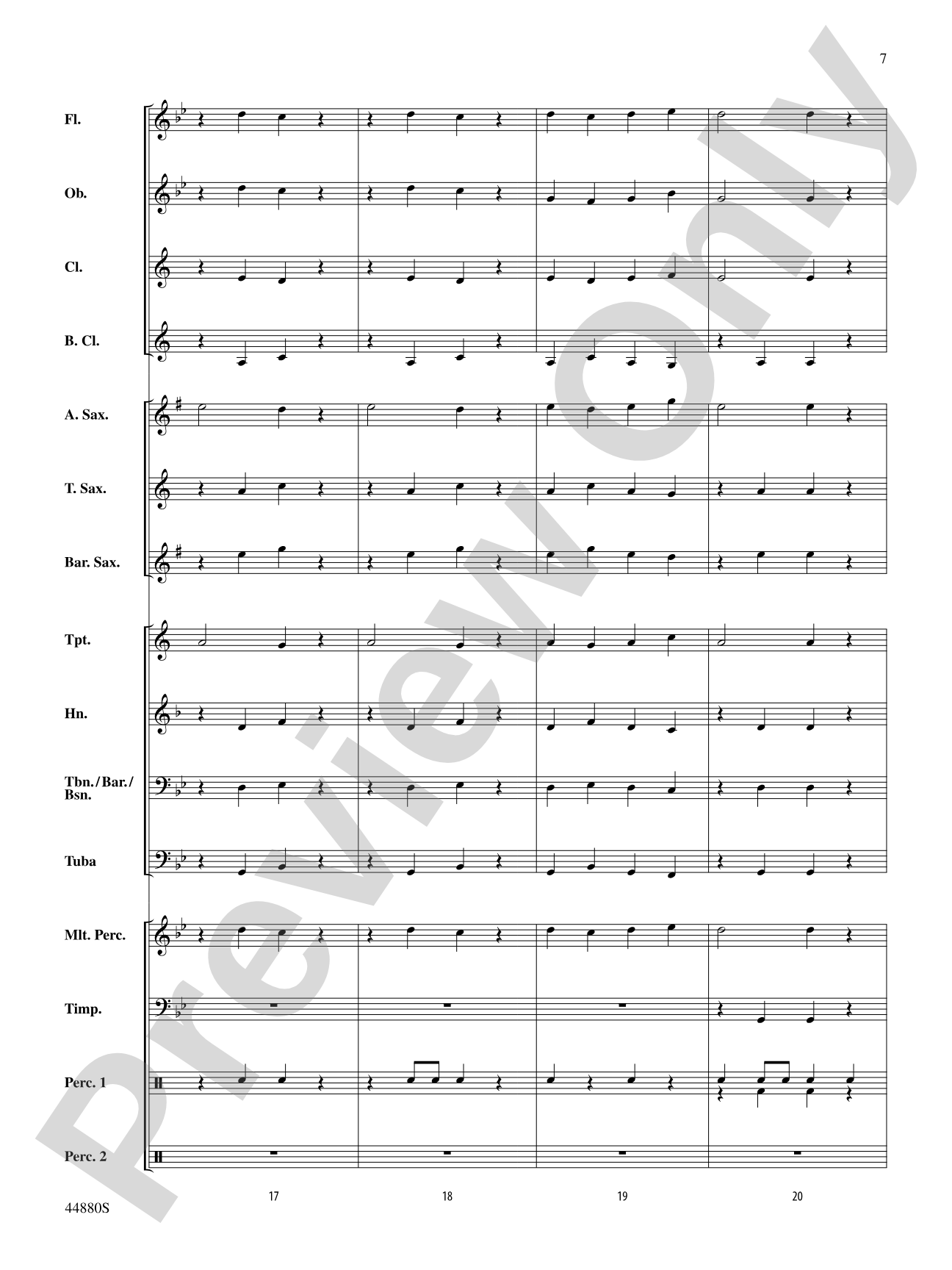
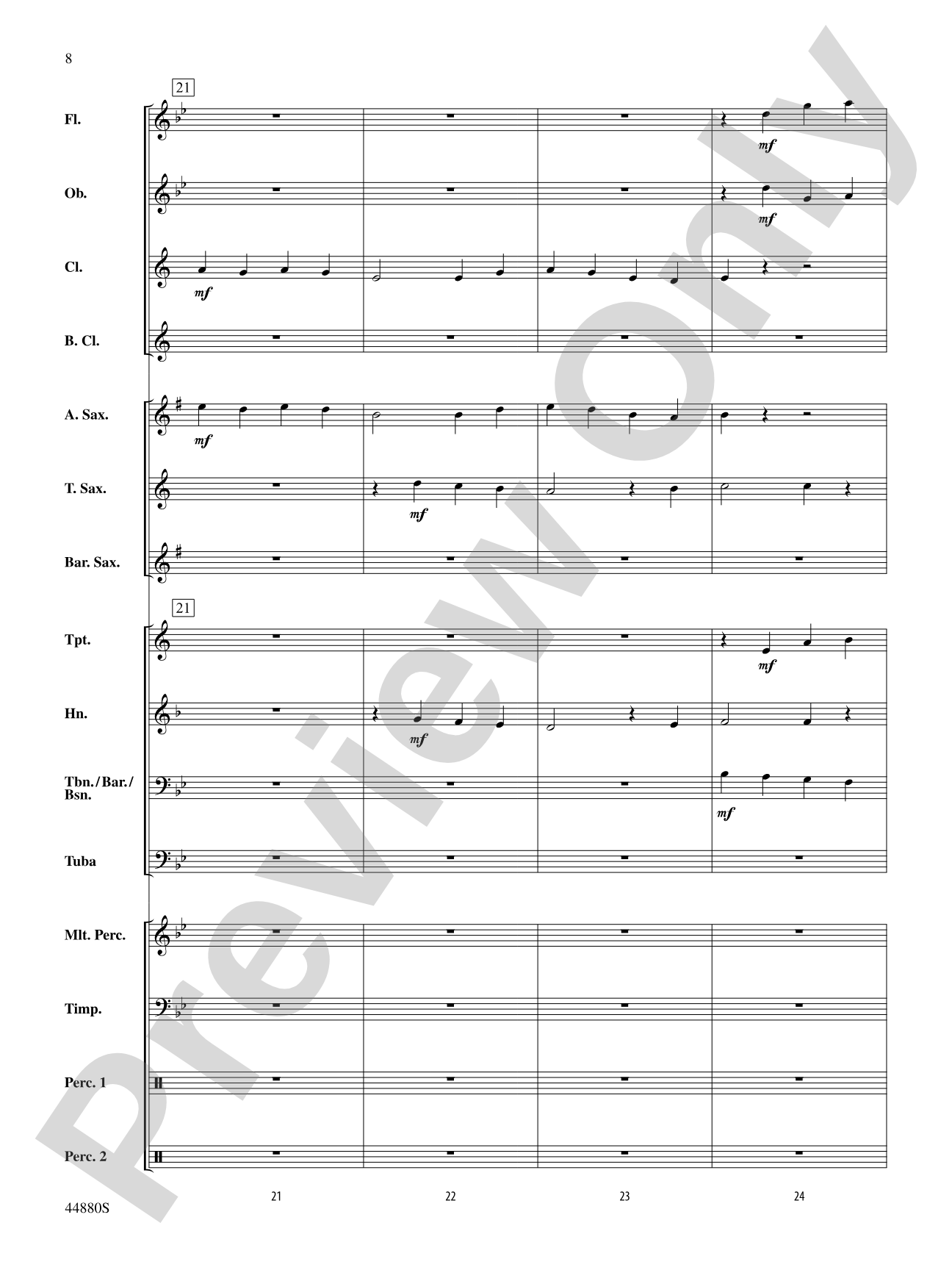
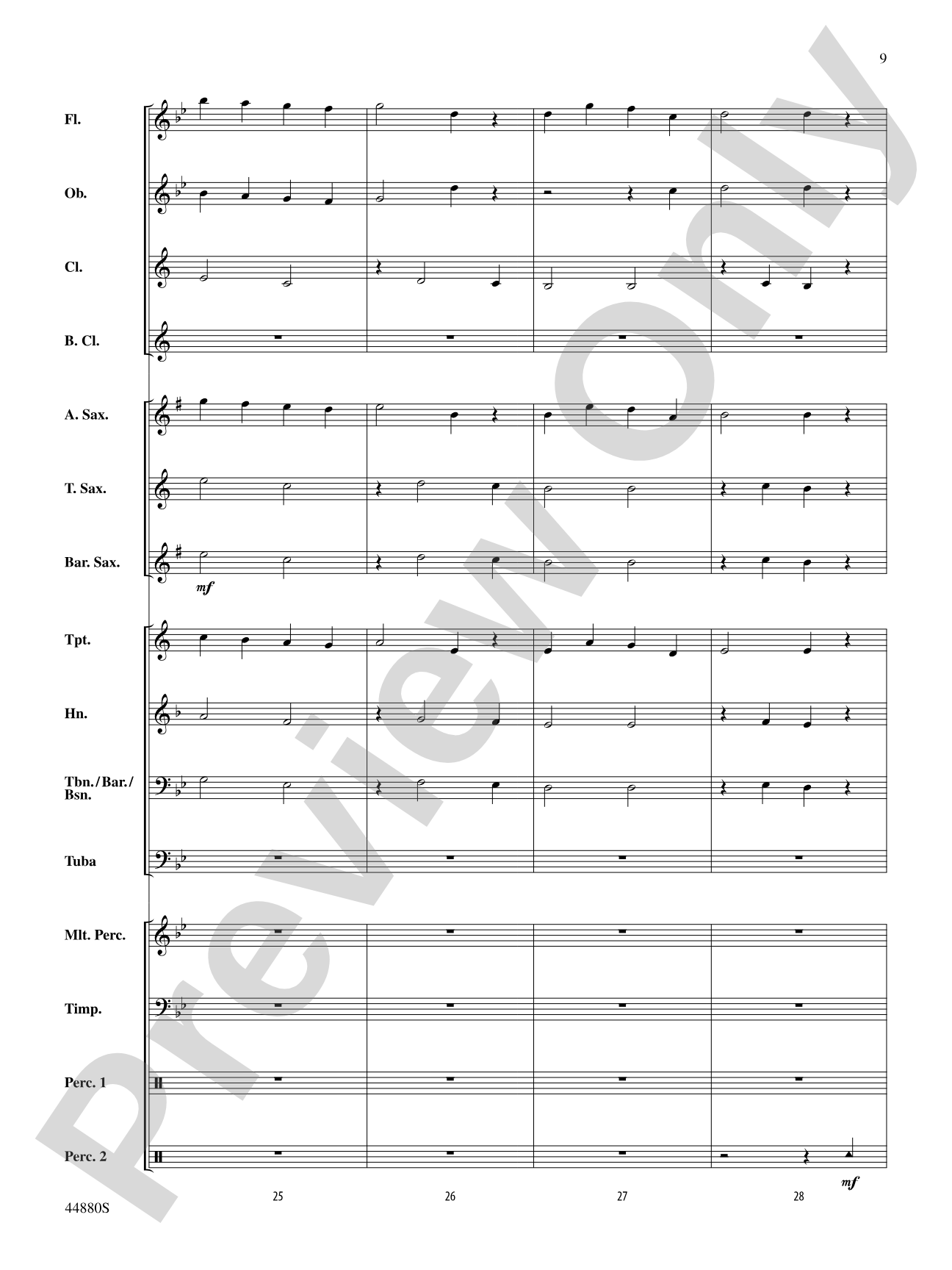
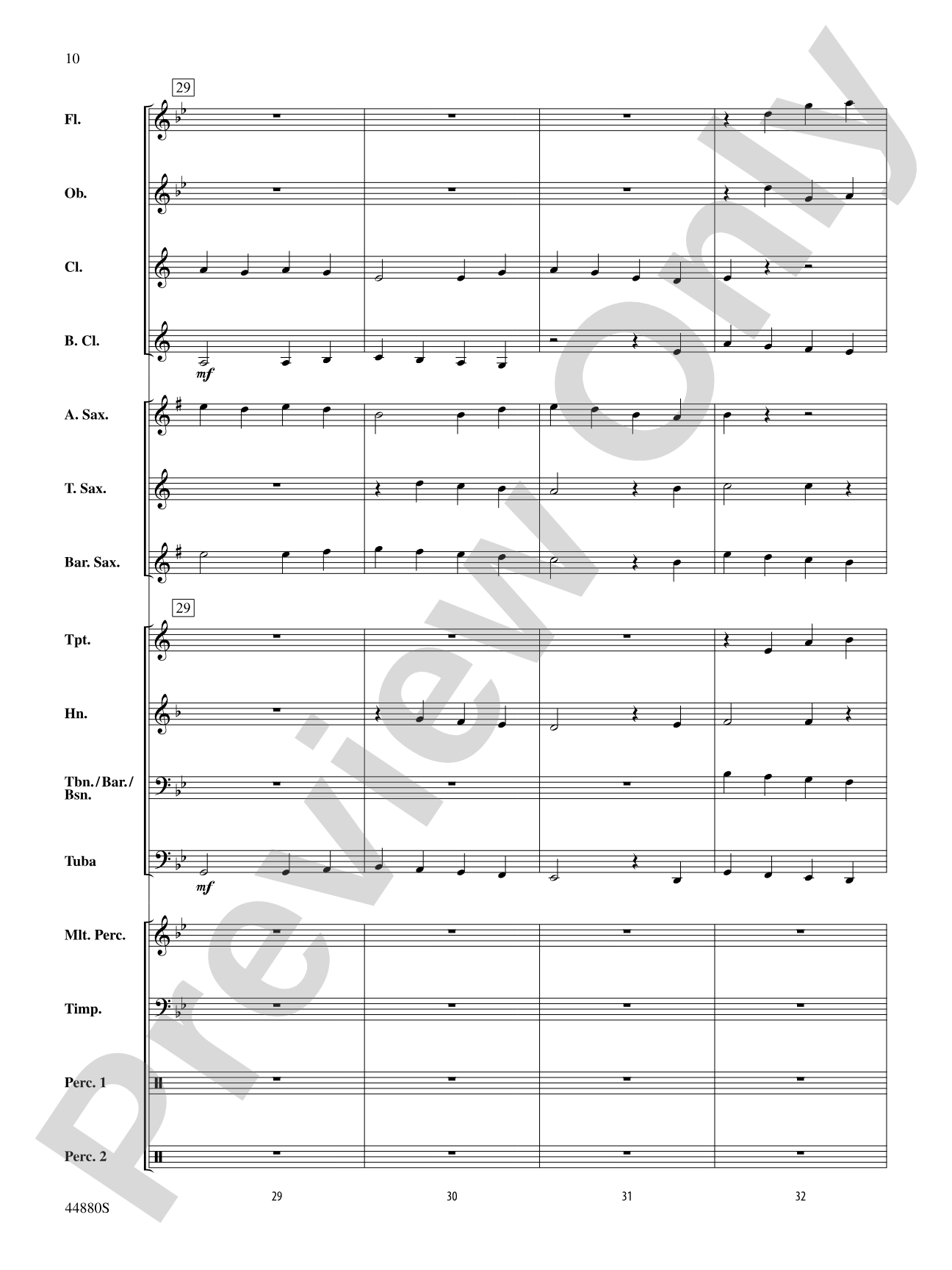
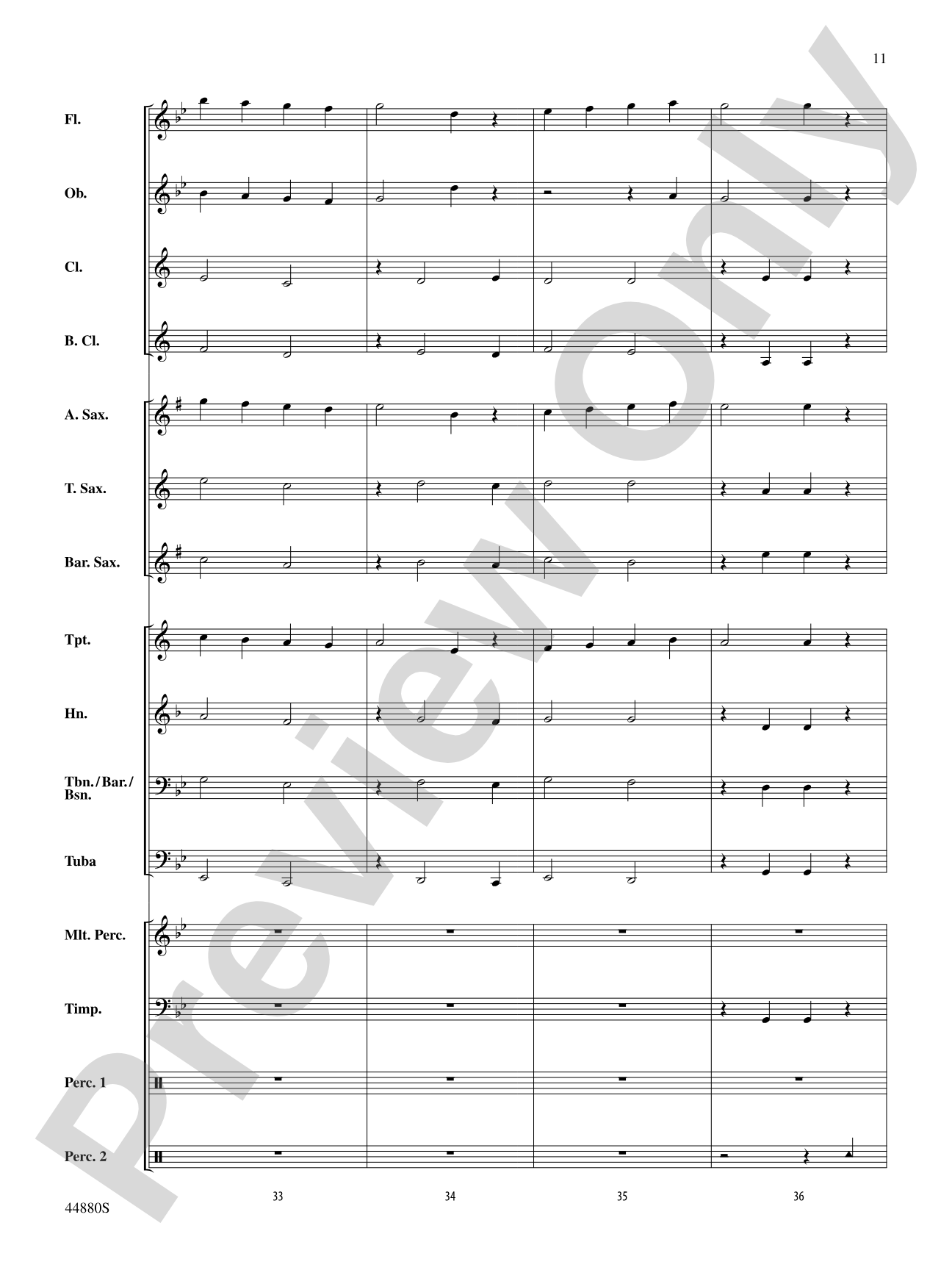
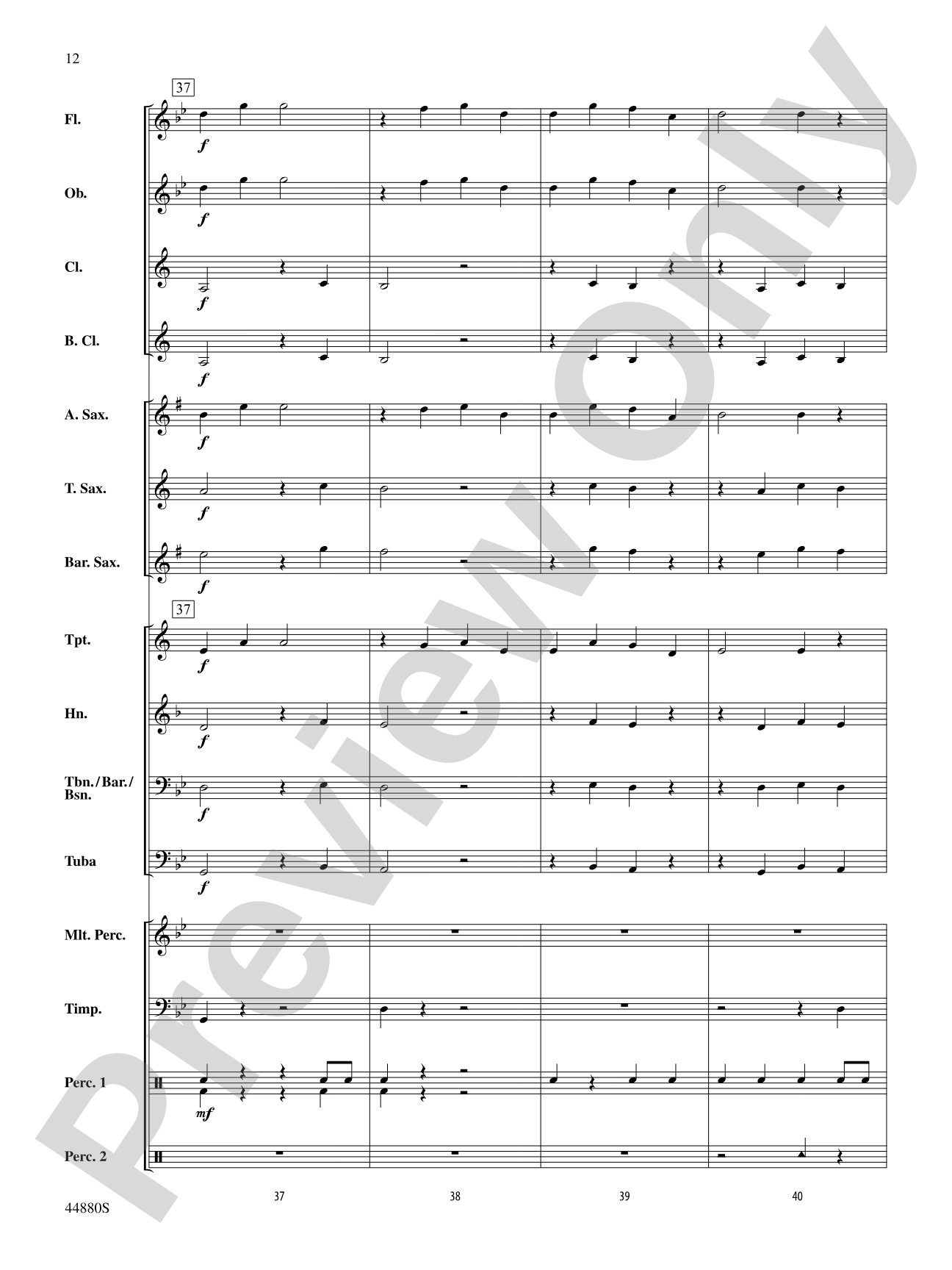
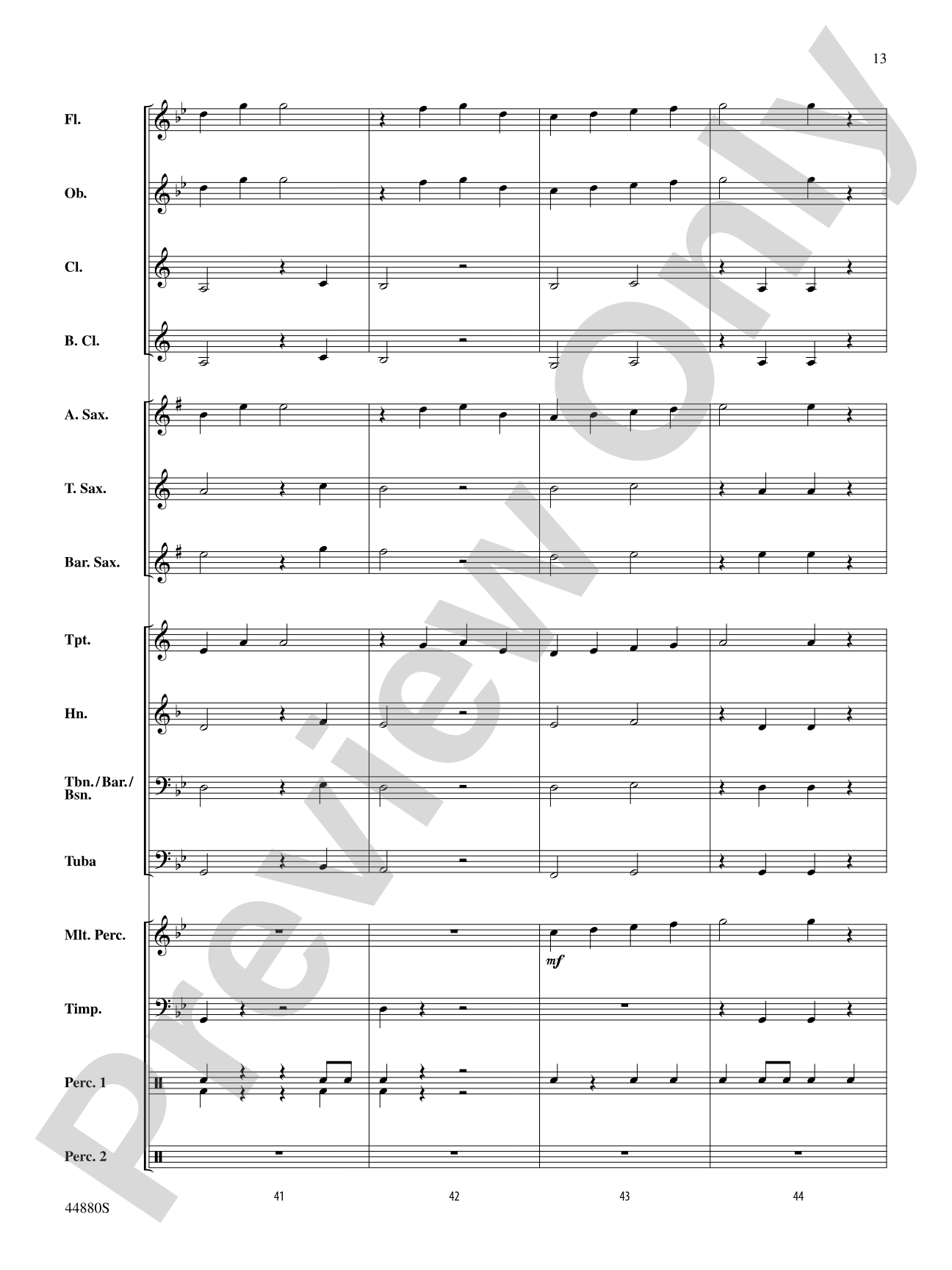

Windforce: Score
By Douglas E. Wagner
Grade: 0.5 (Very Easy)
Item: 00-PR-0005656
$9.00
Pickup currently not available
Description
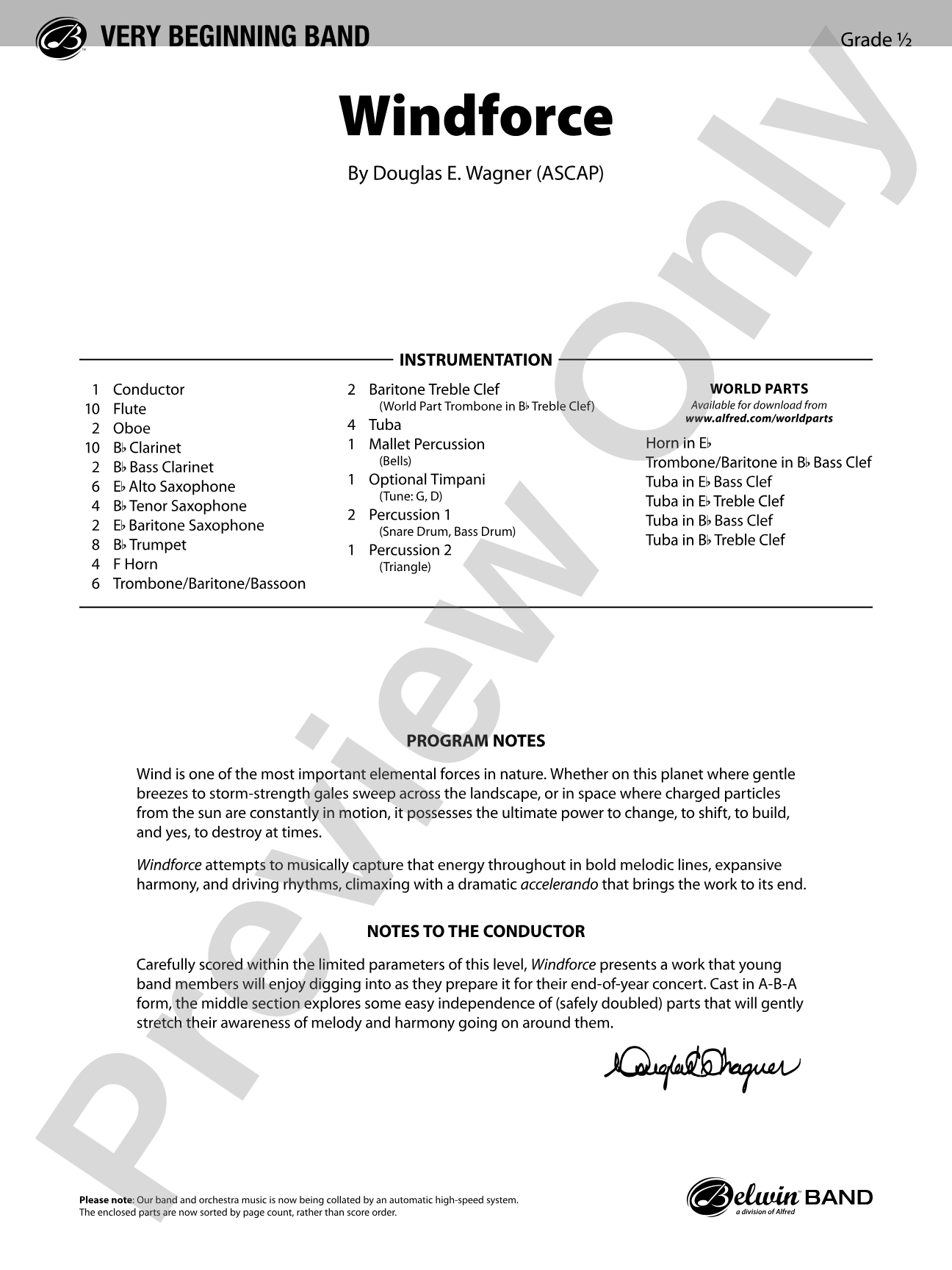
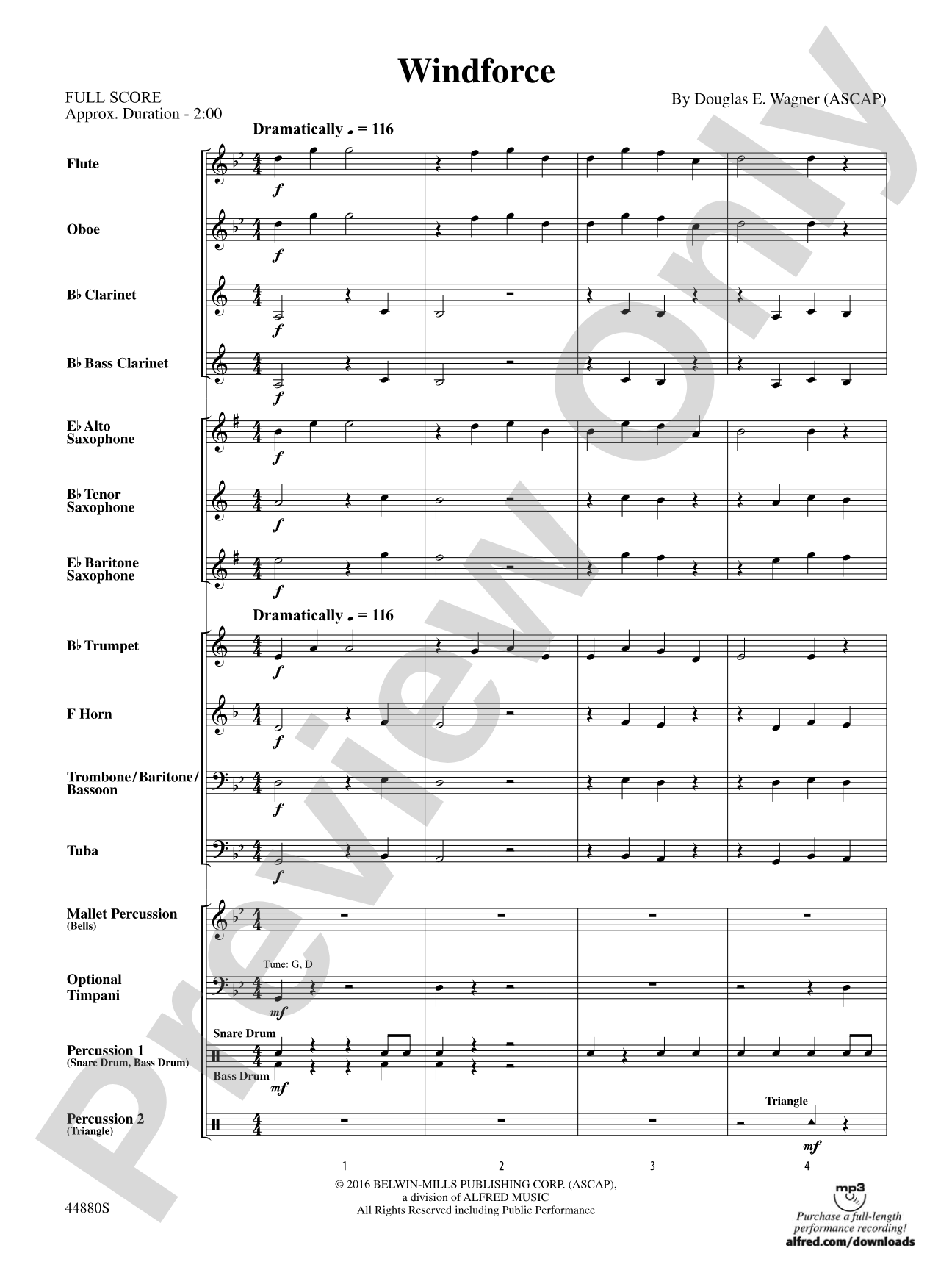
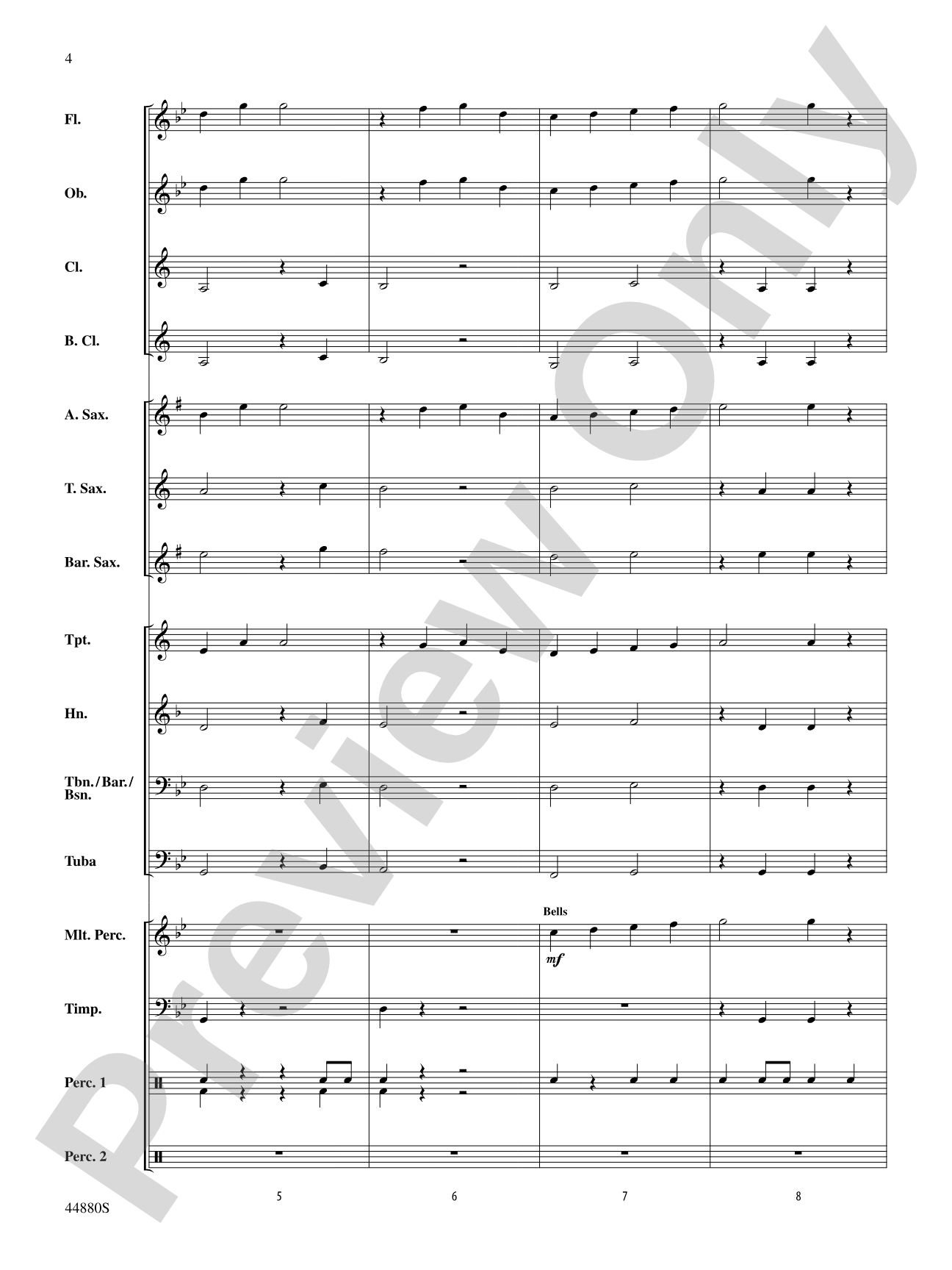
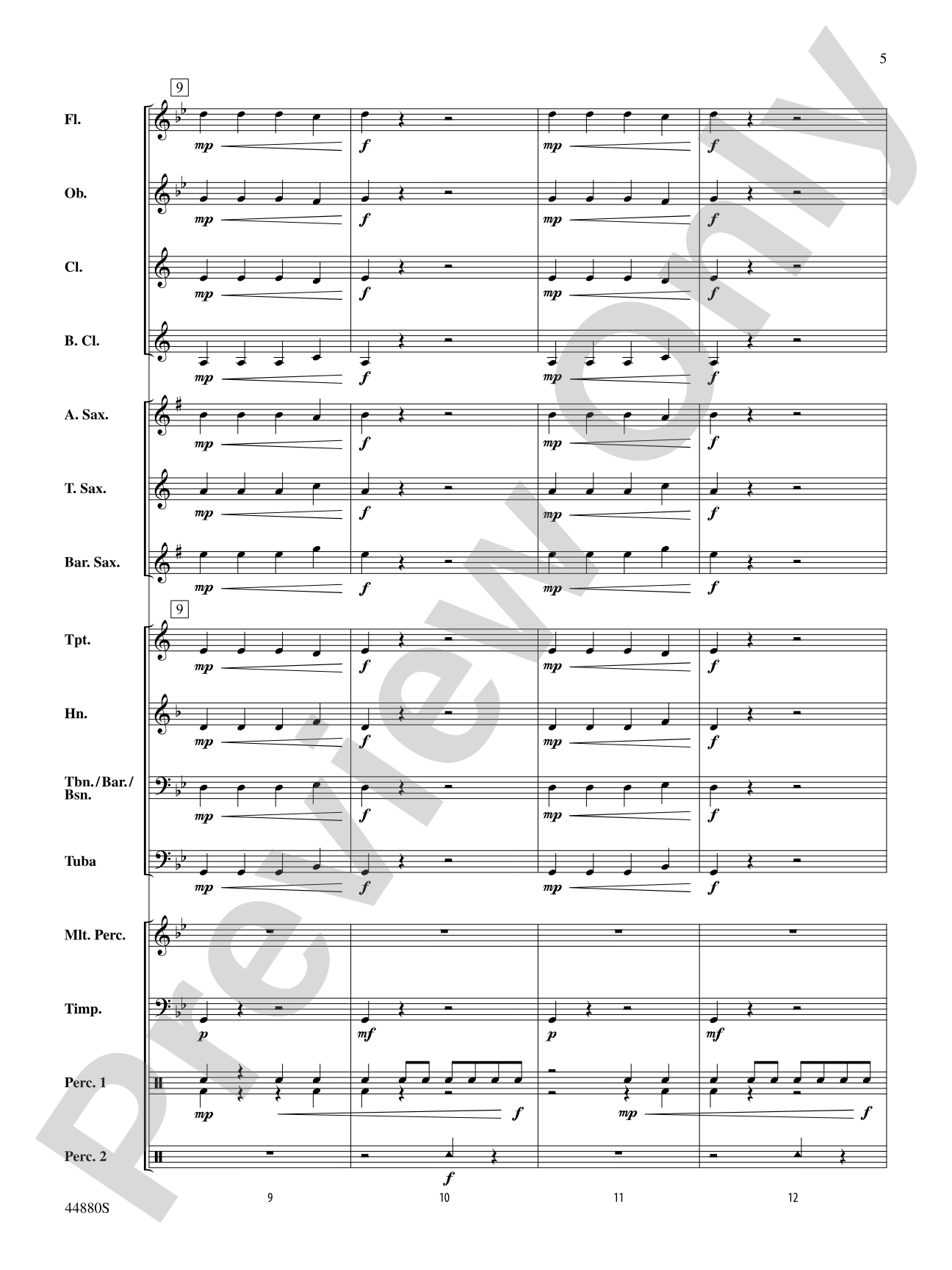
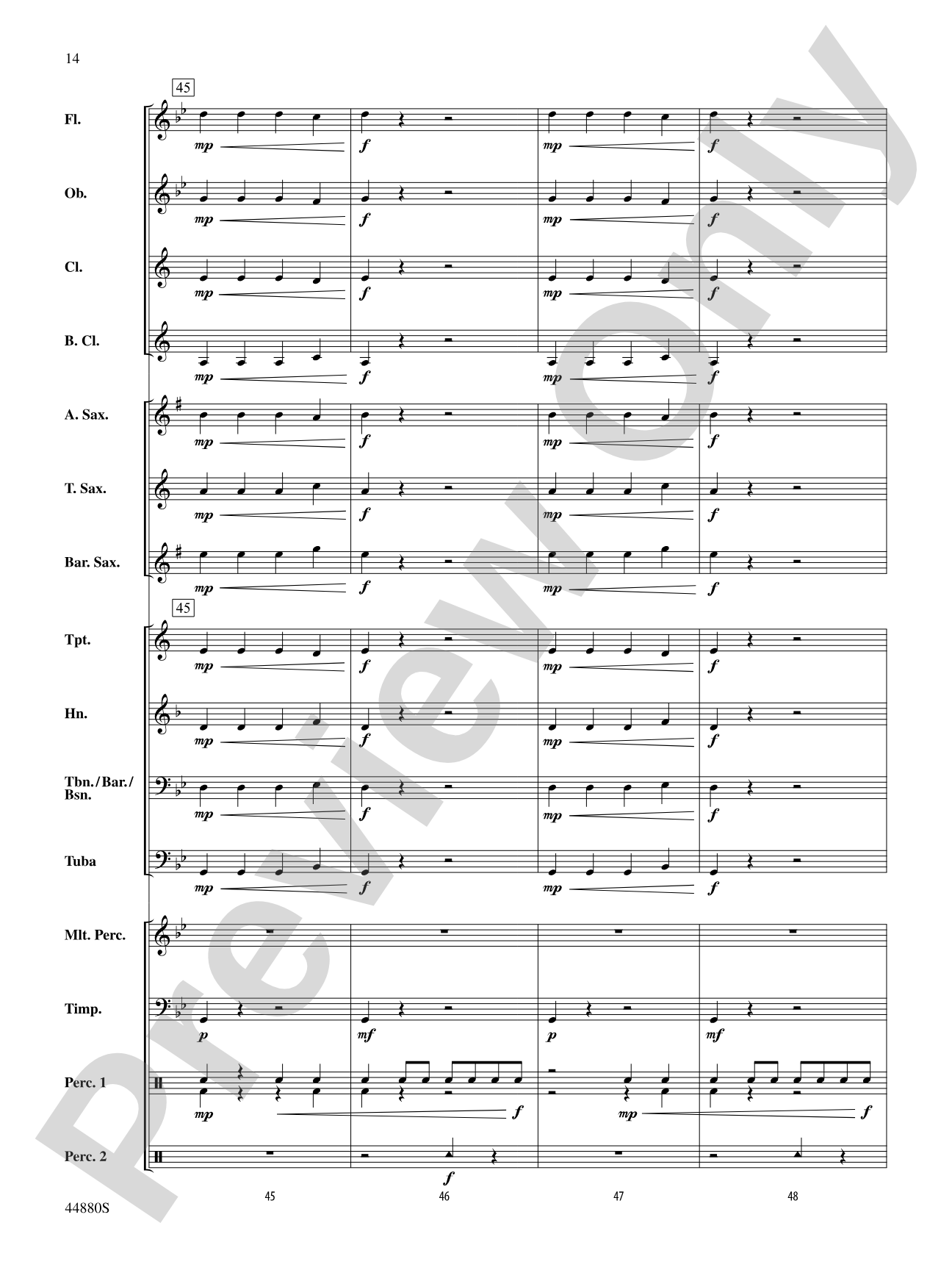
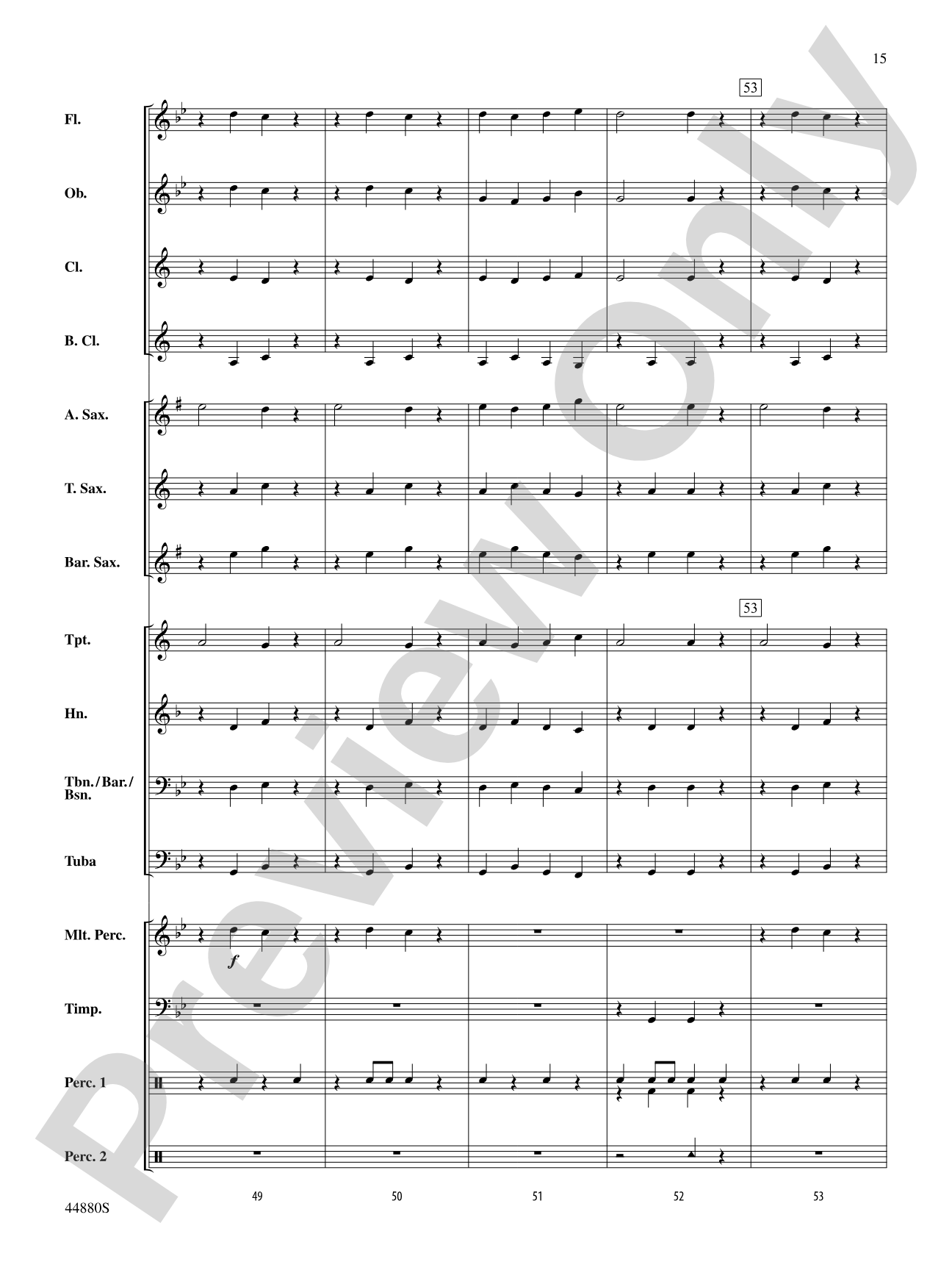
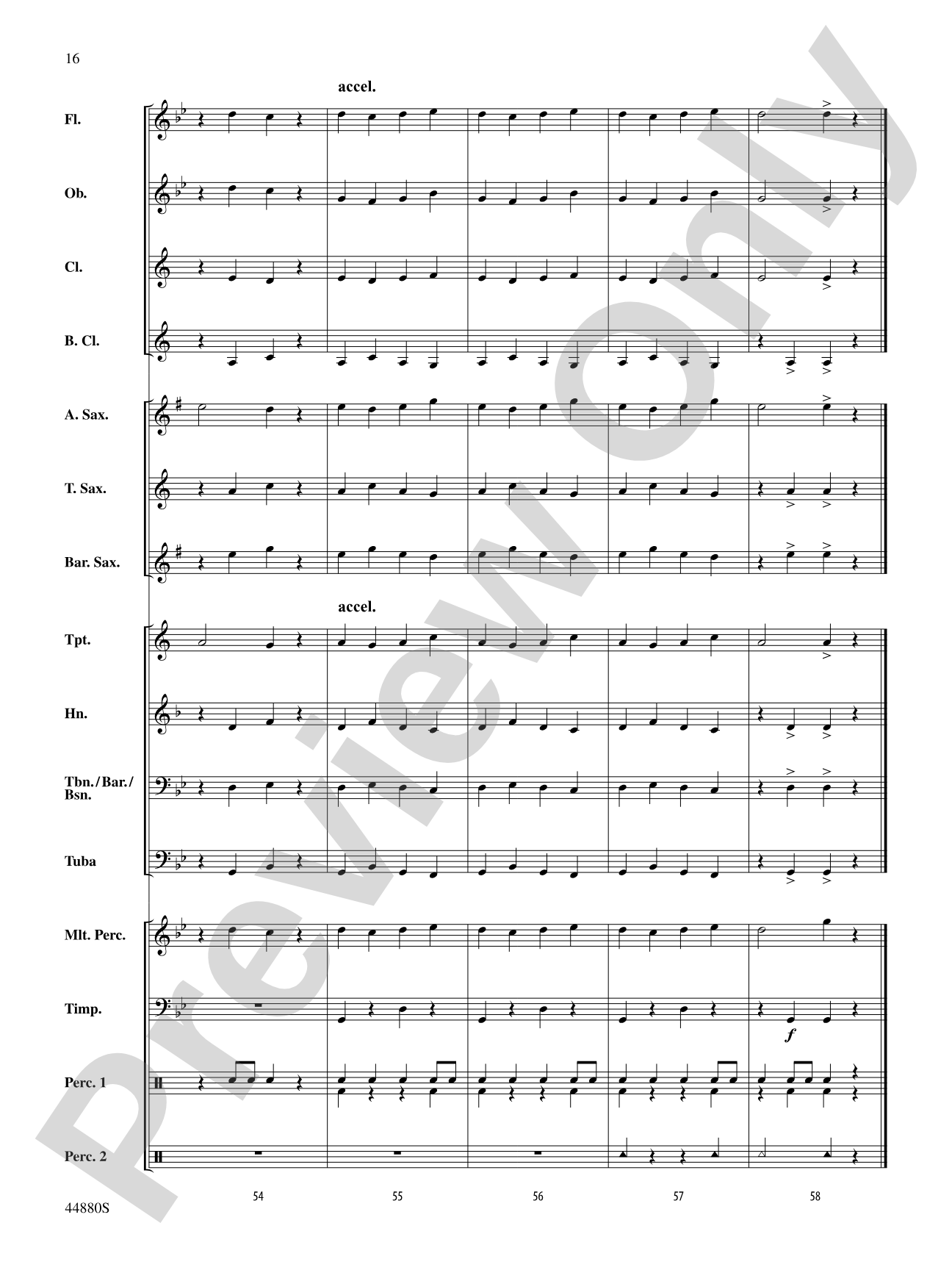
Wind is one of the most important elemental forces in nature. This original work musically captures that energy with bold melodic lines, expansive harmony, and driving rhythms, climaxing with a dramatic accelerando that brings the work to its dramatic conclusion. (2:00)


Don't just read it, hear it, play along with it, and watch your students grow with it. In MakeMusic Cloud, Windforce: Score comes alive with professional accompaniment, adjustable tempo, and built-in practice tools that turn solo practice into real progress.
Open in the Player
Jump straight in and assign it today.
Start Your Free Trial
Open this title and explore the full library in minutes.
Sample Audio
1
Audio File
--:--
0:00
0:00
Sample Video
Additional Details
Series:
Belwin Very Beginning Band
Publisher:
Alfred Music
Page Count:
130
SKU:
00-PR-0005656
More about this title
About the Composer: Douglas E. Wagner

Douglas E. Wagner grew up in Chicago and earned degrees in music from Butler University before spending three decades as a high school music director and administrator. Since 1973, he has published more than 3,500 compositions across multiple genres—concert band, choir, orchestra, handbell ensemble, organ, piano, and voice—with sales exceeding seventeen million copies worldwide.
Wagner's music reaches audiences through concert halls, broadcasts, and festival performances across the United States and internationally. He now works full time as a composer and arranger and lives in Indianapolis with his wife, Sandy.
Why we love this
Wagner captures genuine elemental drama here without overwhelming a beginning band. The bold melodic writing sits comfortably for young musicians while the driving rhythms and dramatic accelerando finish give students real ownership over a piece that feels substantial on the program.
What to expect
Wind captured as raw natural force: bold opening statements give way to sweeping harmonic textures before the piece accelerates into an urgent, exhilarating finish. The musical arc mirrors wind itself—present, building, and finally powerful.
Who it's for
Beginning concert bands and very young musicians ready for their first full-length original composition. This Grade 0.5 work fits bands just completing foundational exercises and moving into genuine concert repertoire.
How to get the most out of it
- Establish a steady pulse in the opening bold melodic lines; ask players to feel the weight of each note rather than rushing through the statement.
- Shape the expansive harmonic movement with careful attention to inner voice balance so the harmonic richness comes through clearly.
- Build the accelerando gradually in the final section with clear hand gestures that signal the tempo increase, giving the ensemble time to respond and stay together.
- Use the dramatic conclusion as an opportunity to talk with students about dynamic control; the payoff depends on restraint earlier in the work.
How to use it
Open a concert with this piece to energize your audience and your ensemble at the start. The two-minute length and approachable level make it ideal for a spring program or festival performance early in the concert order.
Skills your students will build
- Sustaining long melodic lines with consistent tone and phrasing
- Responding to clear accelerando gestures with rhythmic precision
- Balancing ensemble voices to support harmonic clarity
- Interpreting dynamic contrast to shape musical narrative