

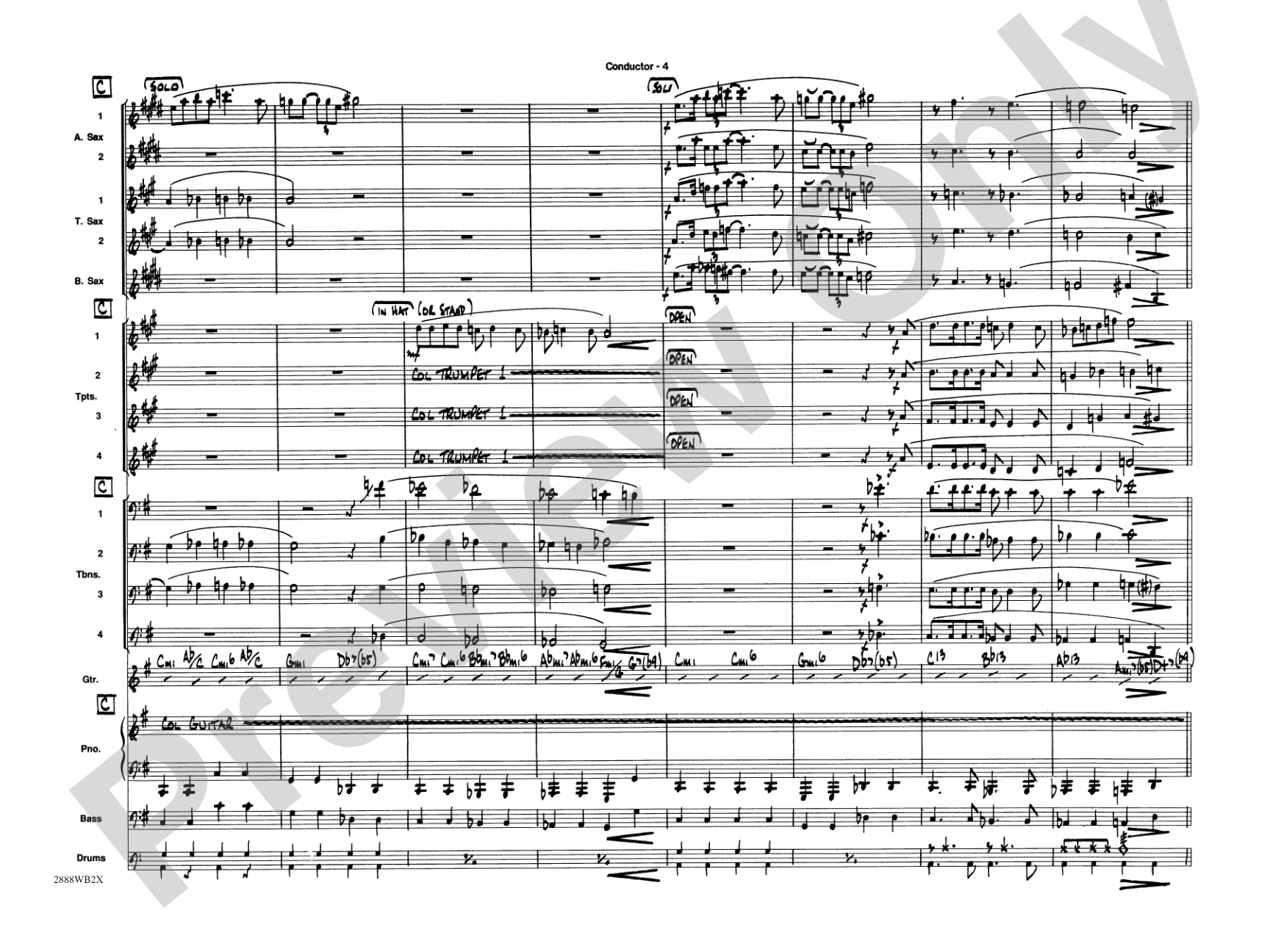
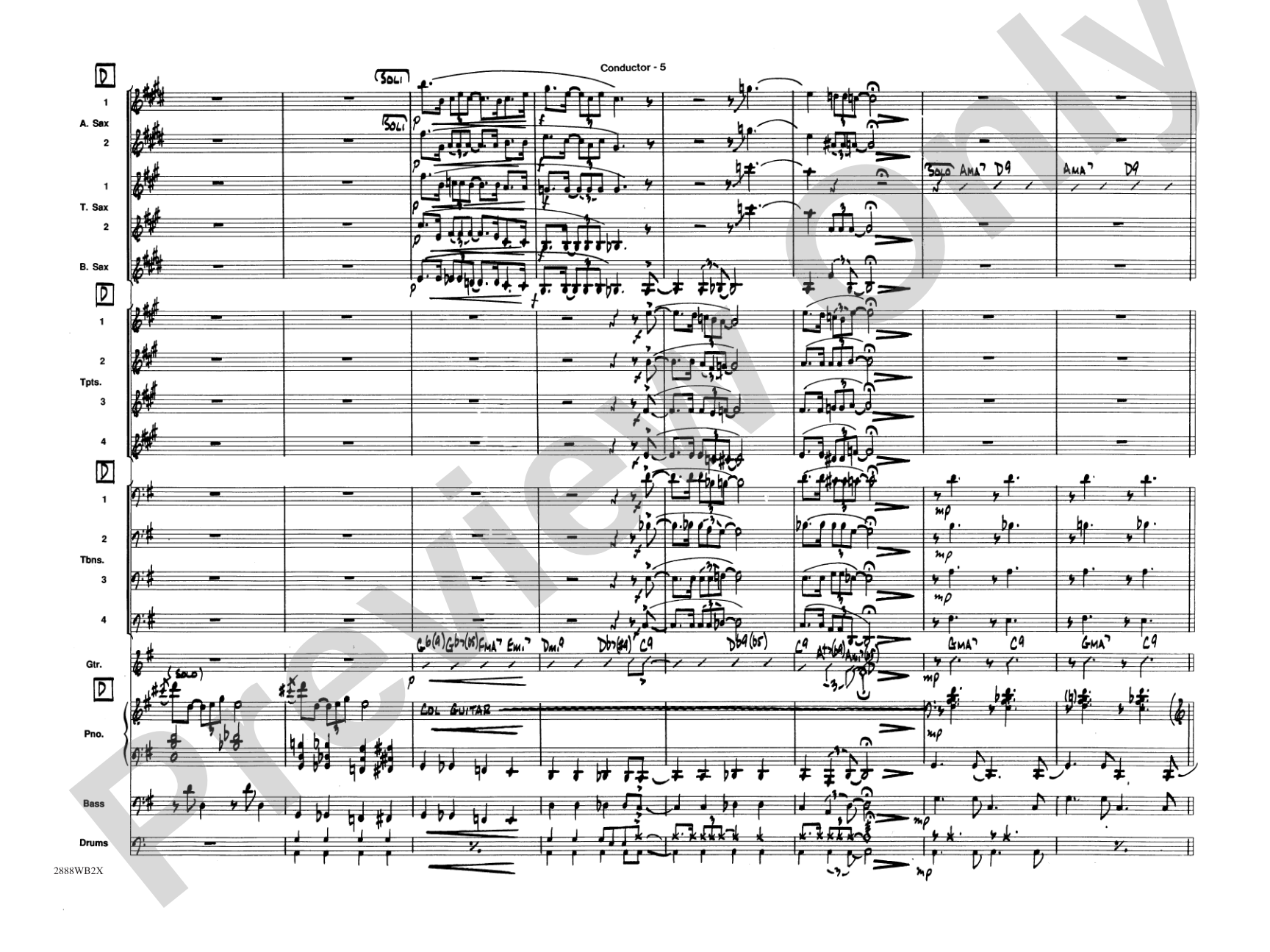
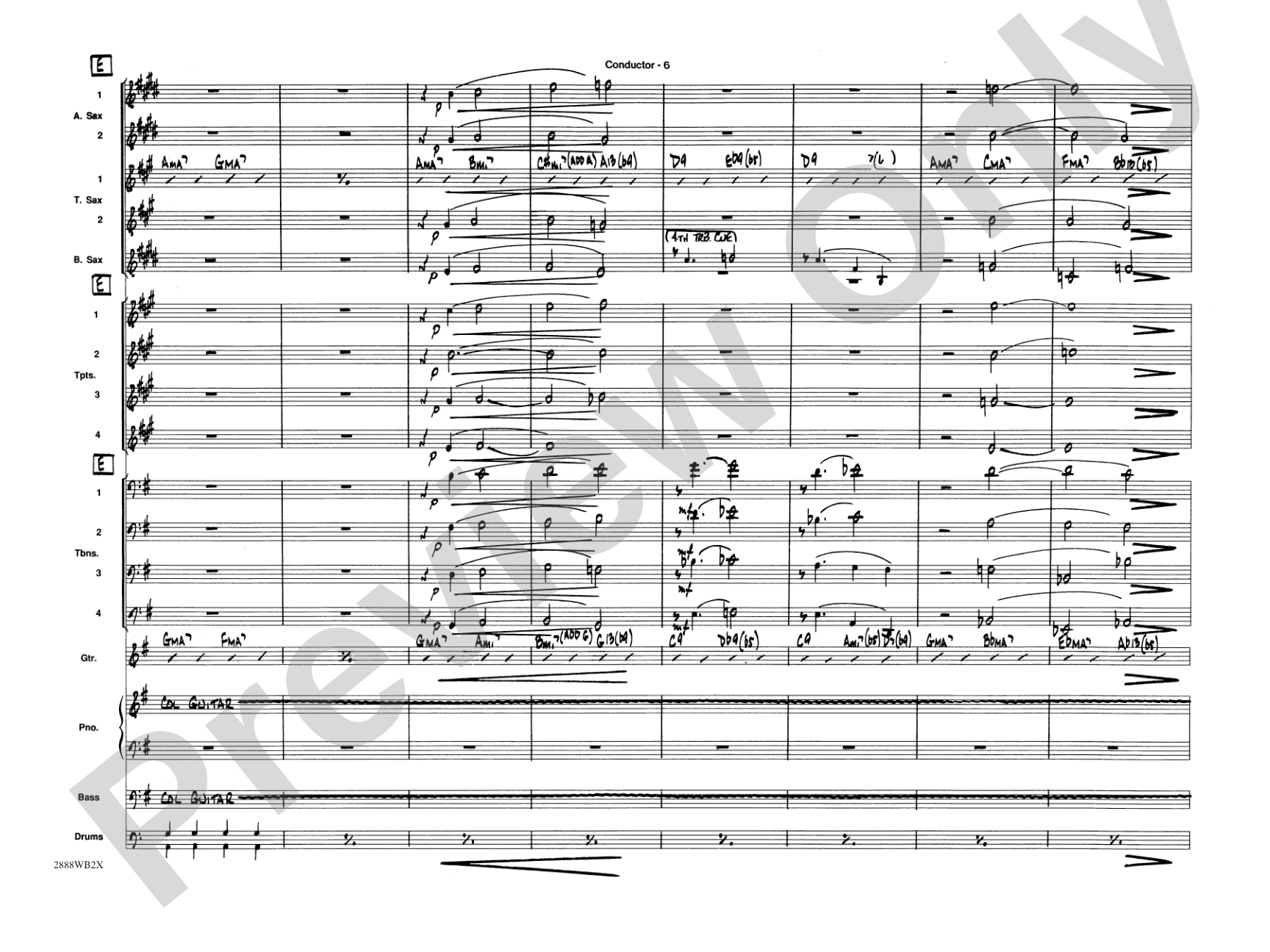
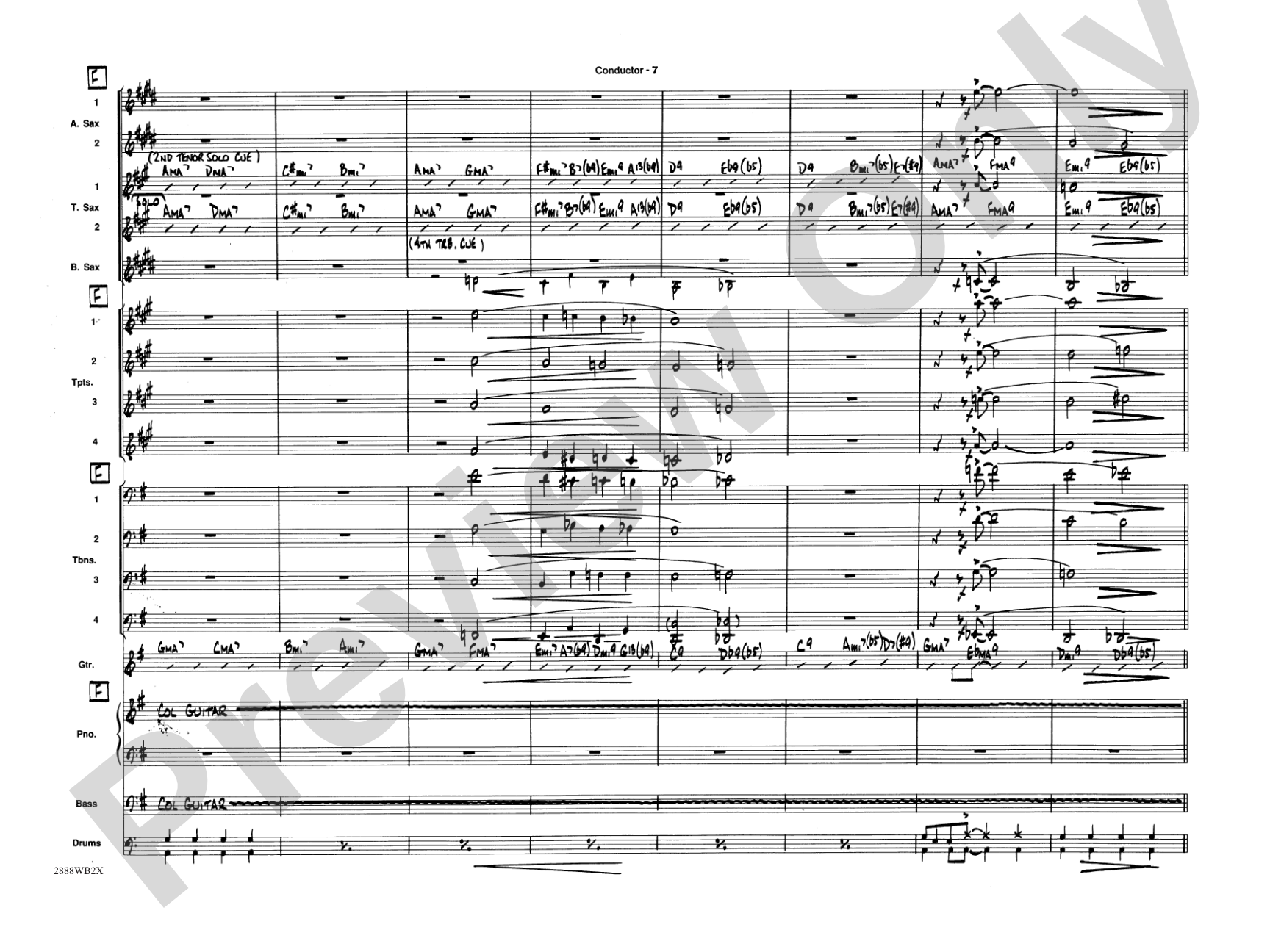
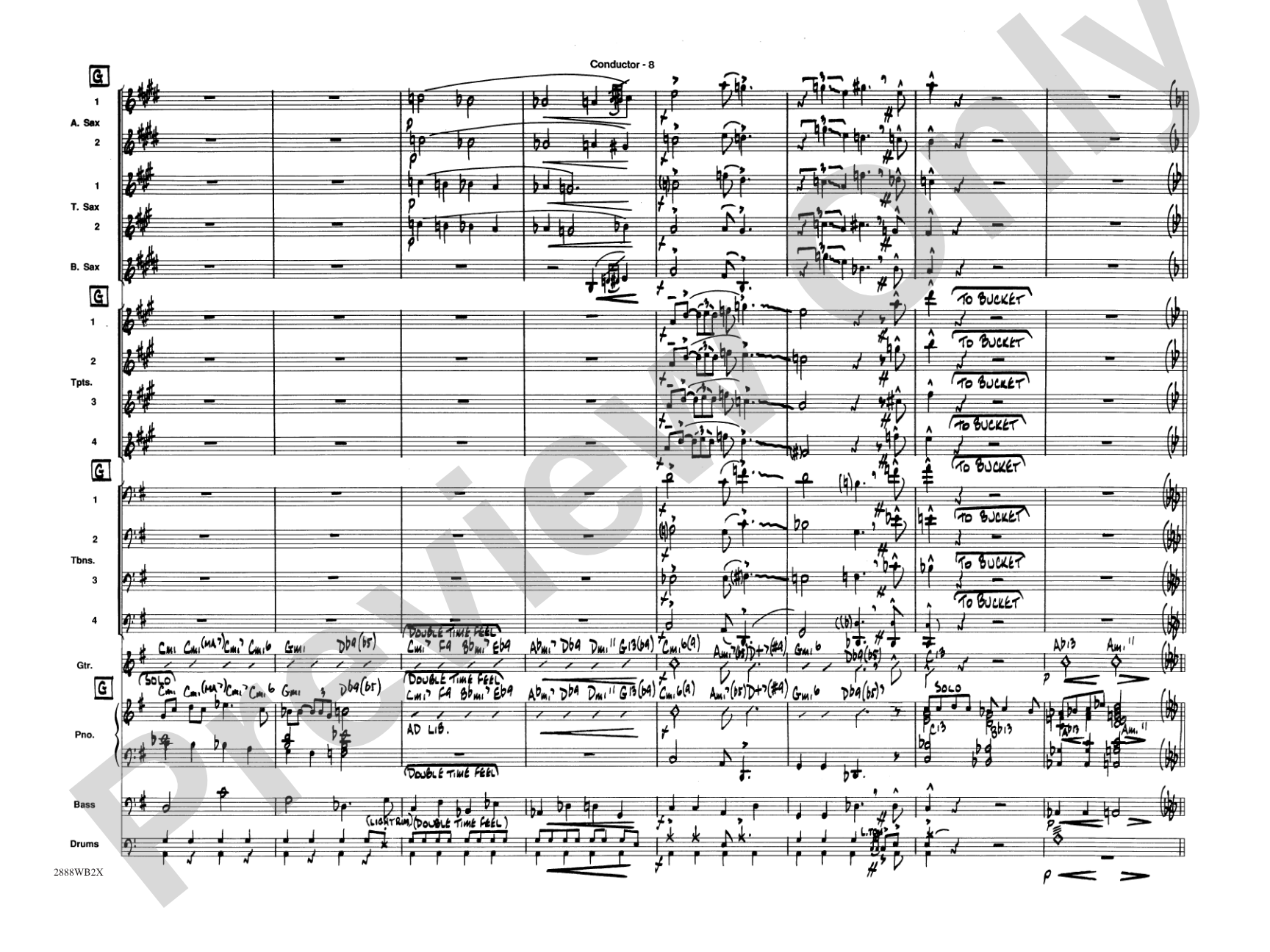
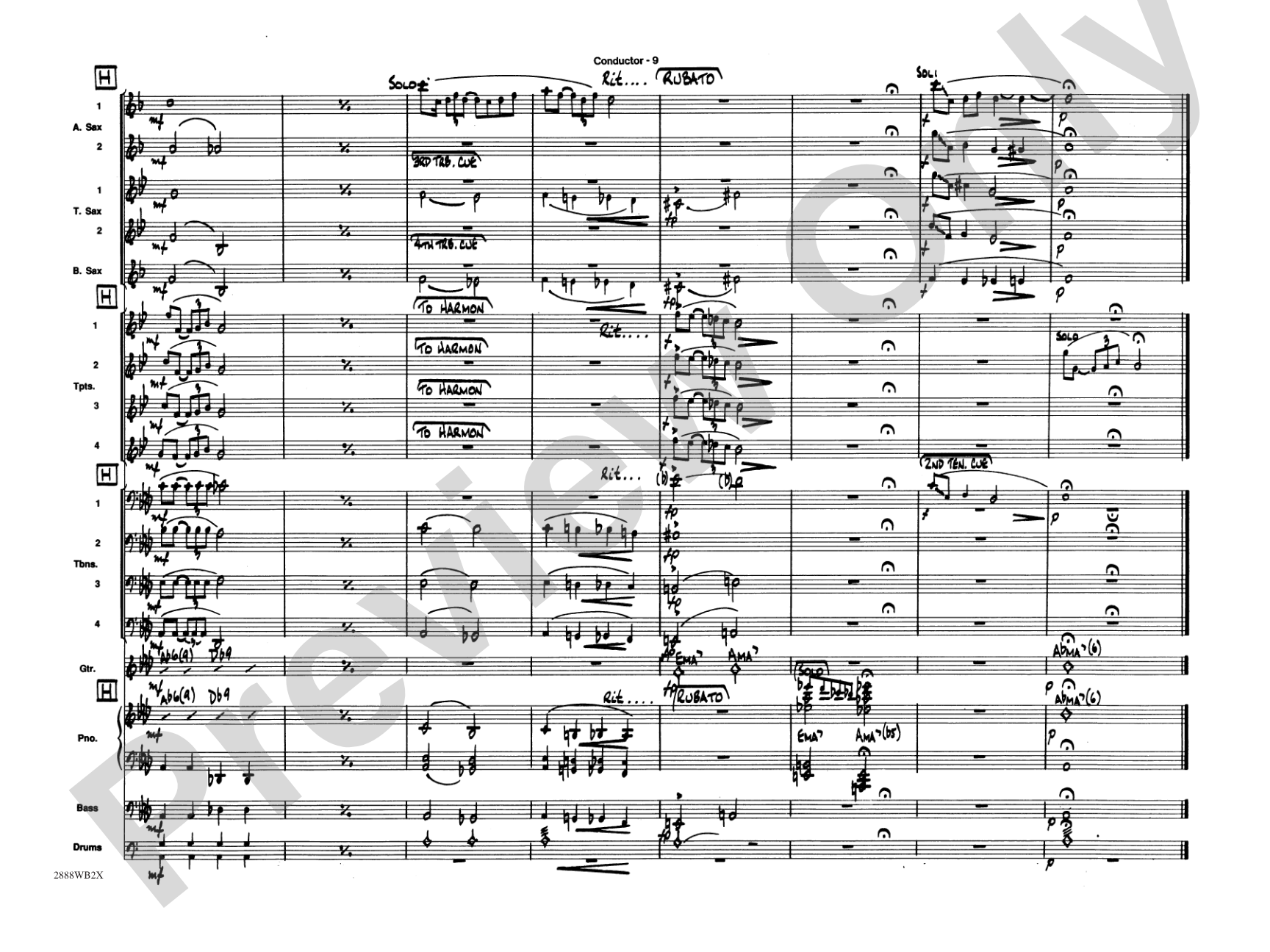


Willow Weep for Me: Jazz Ensemble Conductor Score & Parts
By Ann Ronell / arr. Dave Wolpe
Grade: 4 (Medium Advanced / Difficult)
Item: 00-PK-0001373

$60.00
Pickup currently not available
Buy Extra Parts (Digital PDF Download)
Parts Added to Cart!
Description
This great jazz classic was made for Dave Wolpe's pen. The lush harmonies, the beautiful melody and the aura of this famous song have haunted jazz musicians for years. Now, it's available in a Wolpe arrangement you won't soon forget!


Don't just read it, hear it, play along with it, and watch your students grow with it. In MakeMusic Cloud, Willow Weep for Me: Jazz Ensemble Conductor Score & Parts comes alive with professional accompaniment, adjustable tempo, and built-in practice tools that turn solo practice into real progress.
Open in the Player
Jump straight in and assign it today.
Start Your Free Trial
Open this title and explore the full library in minutes.
Sample Audio
No sample audio found.
Sample Video
No sample videos found.
Additional Details
Series:
Dave Wolpe Jazz Ensemble
Publisher:
Alfred Music
Page Count:
37
SKU:
00-PK-0001373
More about this title
About the Composer: Ann Ronell
Ann Ronell (1906, 1993) was a composer, lyricist, and pianist who worked across Broadway, film, and popular music during the golden age of American songwriting. She wrote the music and lyrics for "Willow Weep for Me" in 1932, creating one of the era's most enduring jazz standards. Ronell's gift for crafting memorable melodies with sophisticated harmonic underpinnings made her work a favorite for jazz interpreters and classical musicians alike.
Why we love this
Dave Wolpe's arrangement honors the emotional depth and harmonic richness of Ronell's composition while creating engaging material for every section of the ensemble. The voicings and solo opportunities give Grade 4 ensembles a chance to explore the lyrical storytelling that makes this standard endure, and the orchestration rewards careful listening and sensitive ensemble balance.
What to expect
There's an ache in this melody that Wolpe's arrangement amplifies through carefully crafted harmony and space. The piece invites introspection; it moves with a quiet dignity that feels both intimate and orchestral, with moments of tender dialogue between sections that create genuine musical conversation.
Who it's for
Jazz ensembles at the advanced high school or early college level who are ready to tackle a standard with real harmonic sophistication and emotional maturity. Conductors seeking repertoire that develops musicians' sense of phrasing, balance, and the interplay between melody and harmony will find this a rewarding choice.
How to get the most out of it
- Establish the balladic character early by anchoring the rhythm section's time feel; this melody demands space and breath, not rigidity.
- Balance the melody against the harmonic voices carefully, particularly in unison passages where blend matters as much as intonation.
- Identify moments where Wolpe writes countermelody or fills and rehearse those voices separately so they support rather than compete with the lead.
- Let the lush harmonies speak by giving each chord time to resonate; avoid rushing transitions between section hits.
How to use it
Program this on a concert built around jazz standards or Great American Songbook material, where it can sit alongside other Wolpe arrangements or works by contemporary jazz composers. It also works beautifully as a concert opener or closer, offering a sophisticated moment that signals your ensemble's interpretive depth to the audience.
Skills your students will build
- Reading and interpreting jazz articulation and phrasing in an ensemble context
- Balancing melody against rich harmonic accompaniment
- Responding to rubato and expressive conducting without losing rhythmic cohesion
- Trading solos and fills while maintaining overall form and structure
- Intonation and blend in complex jazz voicings