

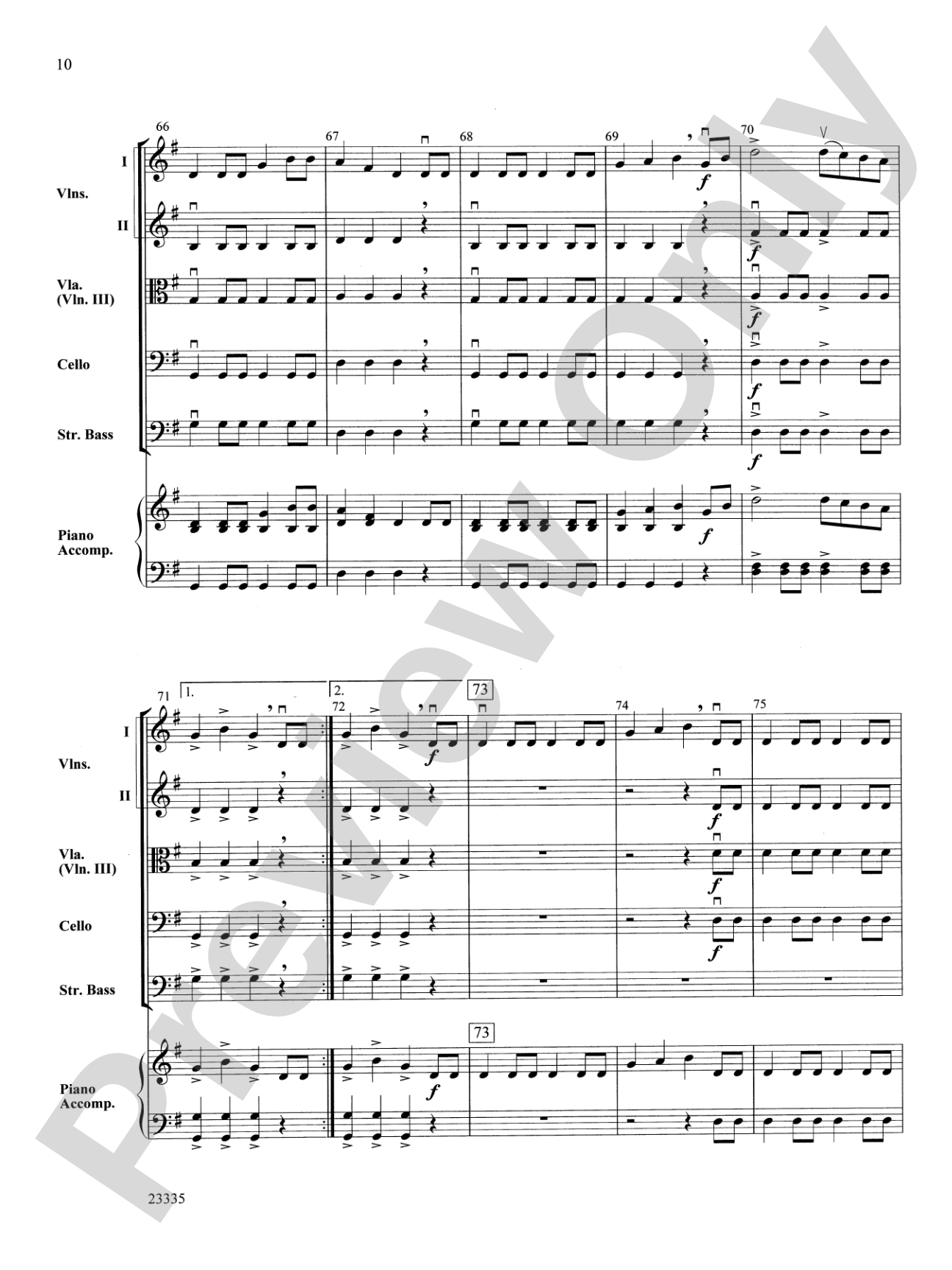
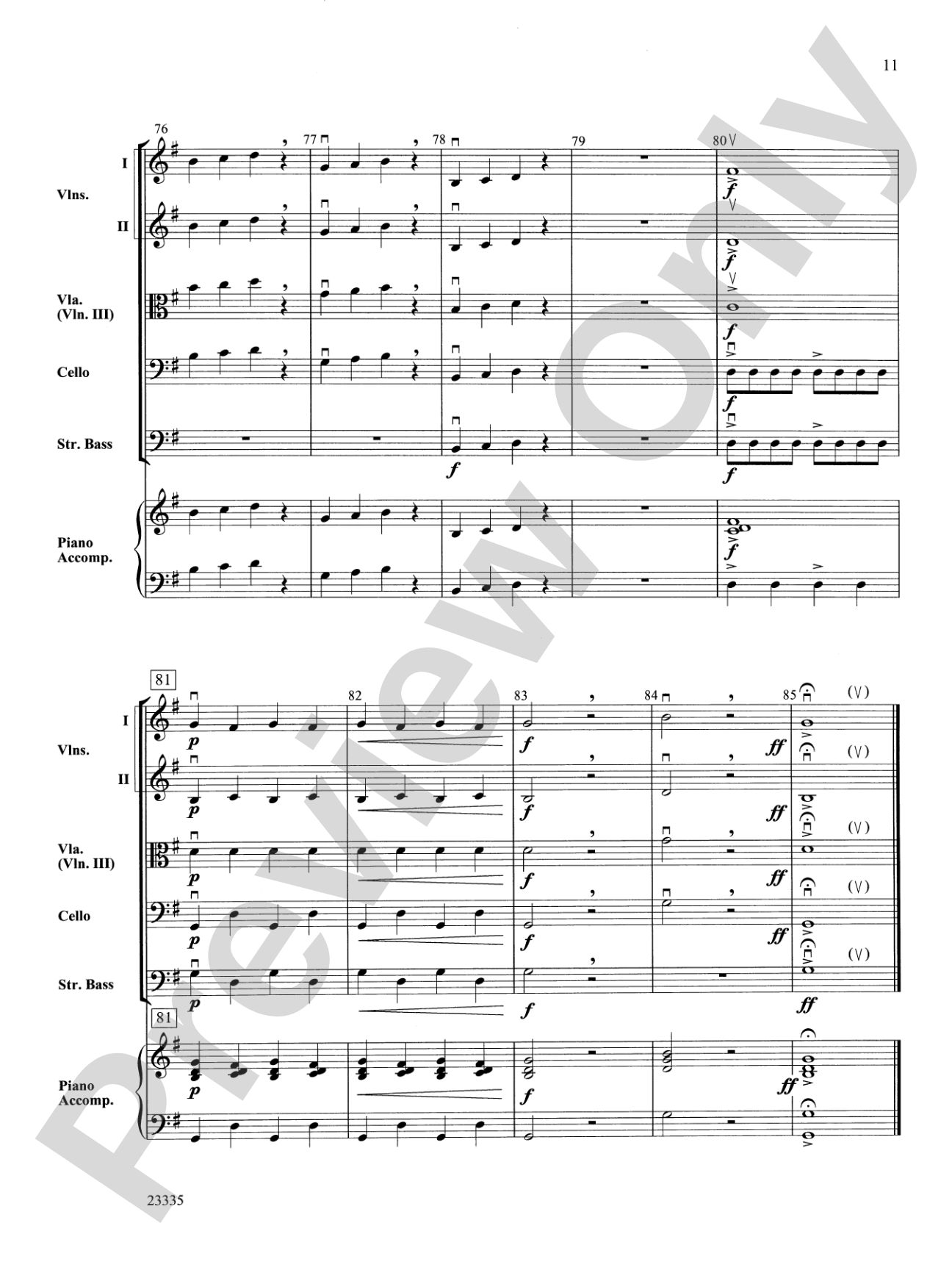


William Tell Overture: String Orchestra Conductor Score & Parts
By Gioacchino Rossini / arr. Richard Meyer
Grade: 2
Item: 00-PK-0000689

$46.00
Pickup currently not available
Buy Extra Parts (Digital PDF Download)
| Product | Price | Quantity |
|---|---|---|
| William Tell Overture: Score | $8.00 | |
| William Tell Overture: 1st Violin | $5.99 | |
| William Tell Overture: 2nd Violin | $5.99 | |
| William Tell Overture: 3rd Violin (Viola [TC]) | $5.99 | |
| William Tell Overture: Viola | $5.99 | |
| William Tell Overture: Cello | $5.99 | |
| William Tell Overture: String Bass | $5.99 | |
| William Tell Overture: Piano Accompaniment | $5.99 |
Parts Added to Cart!
Description
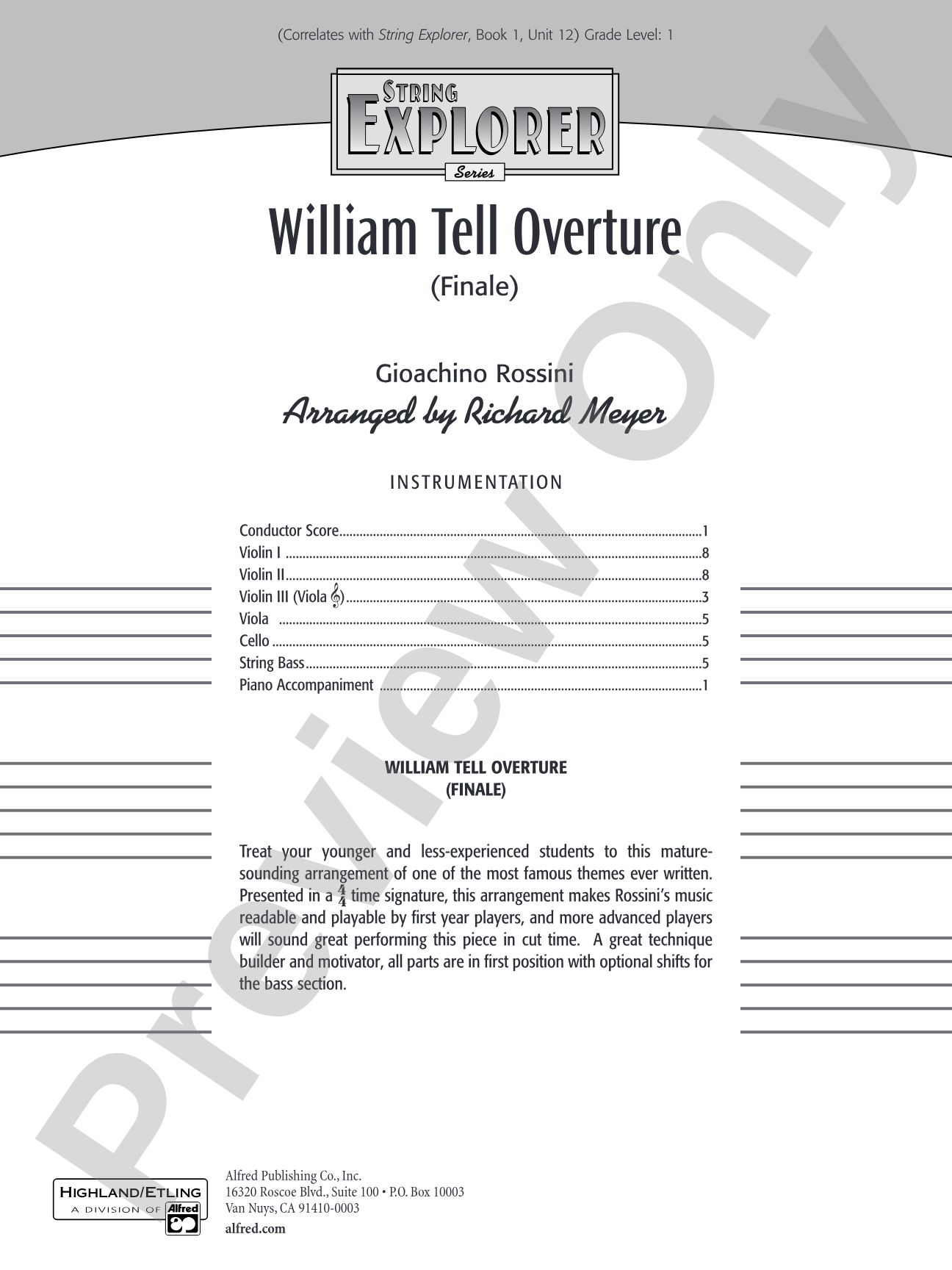
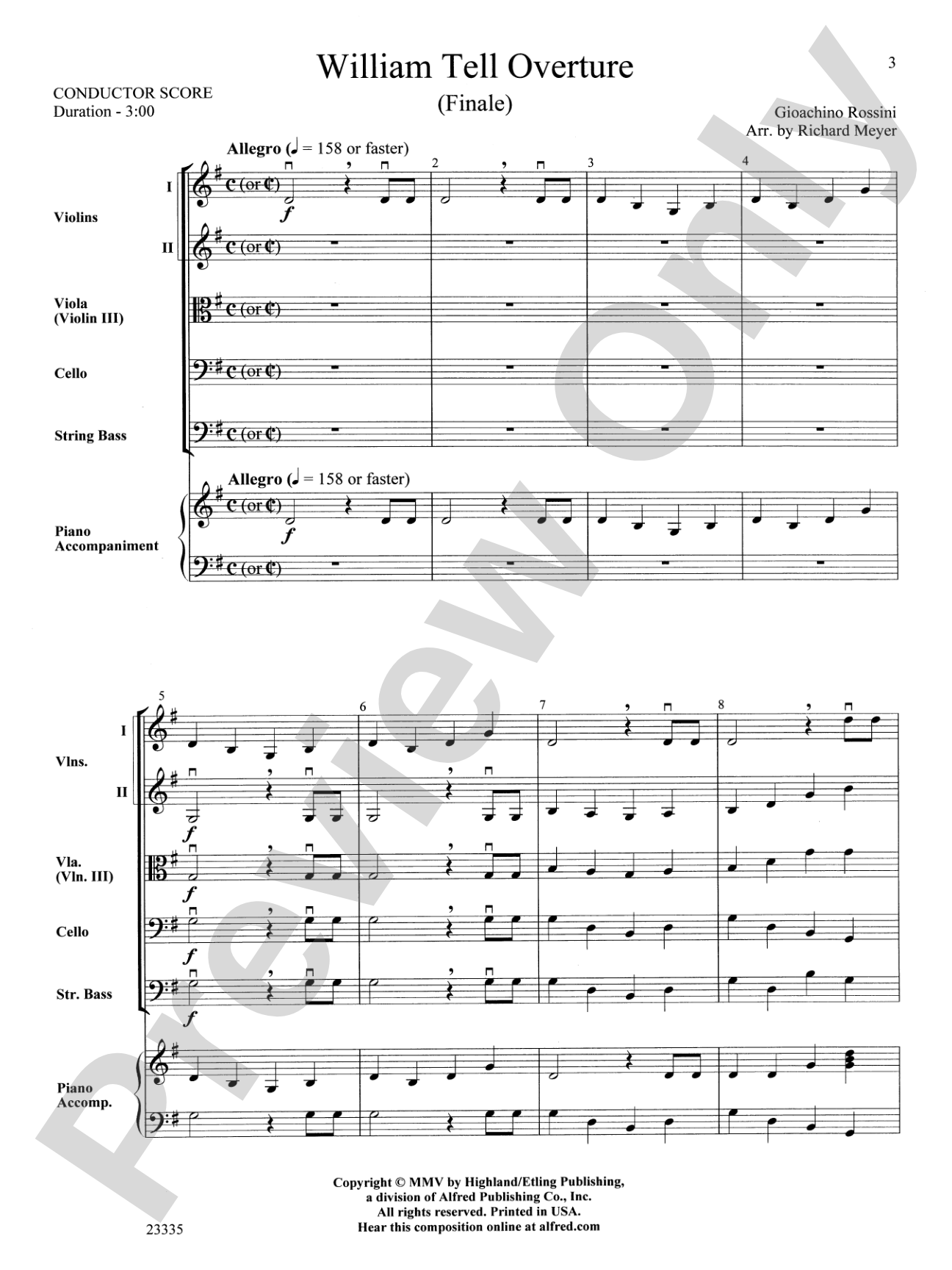
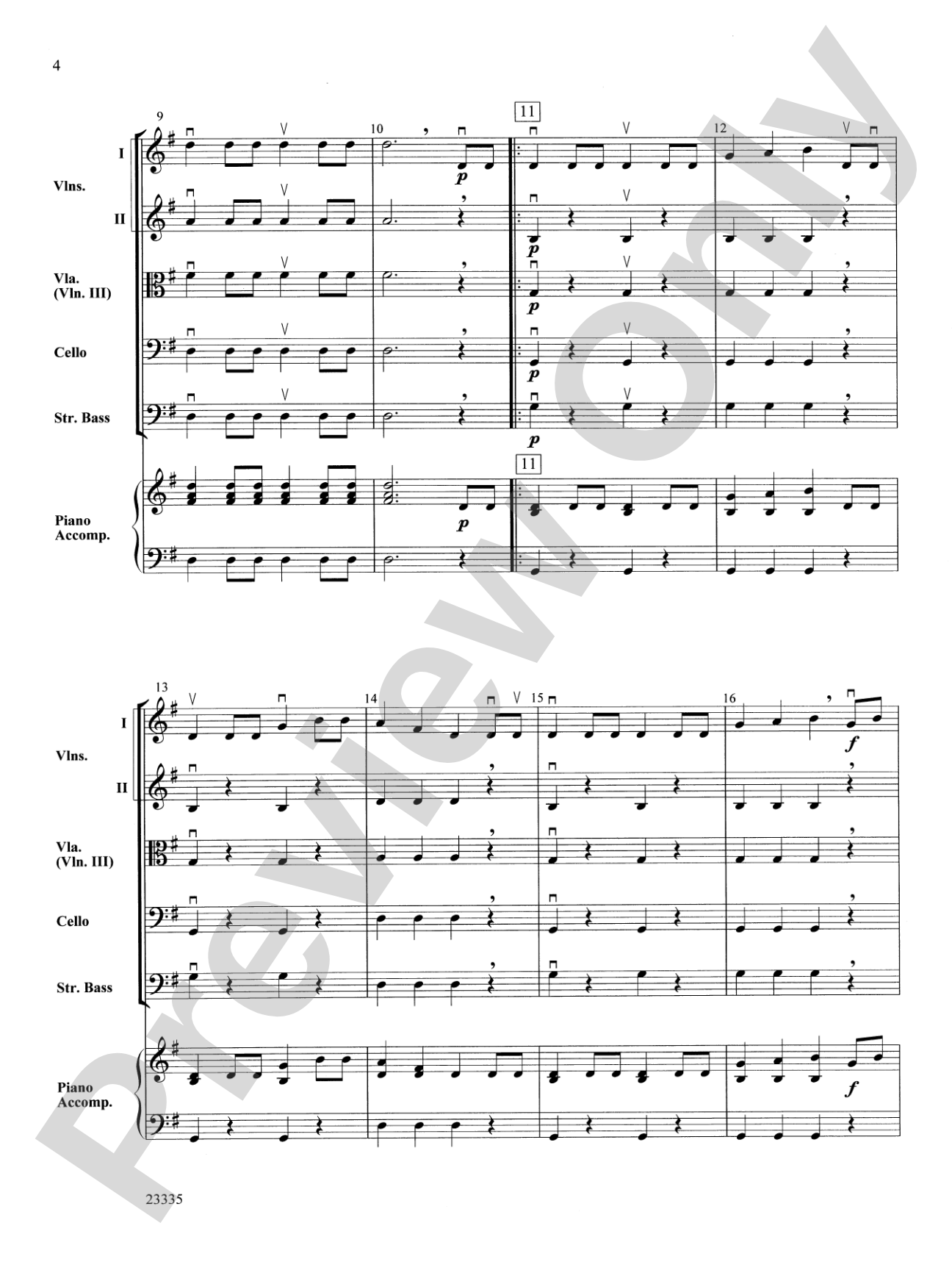
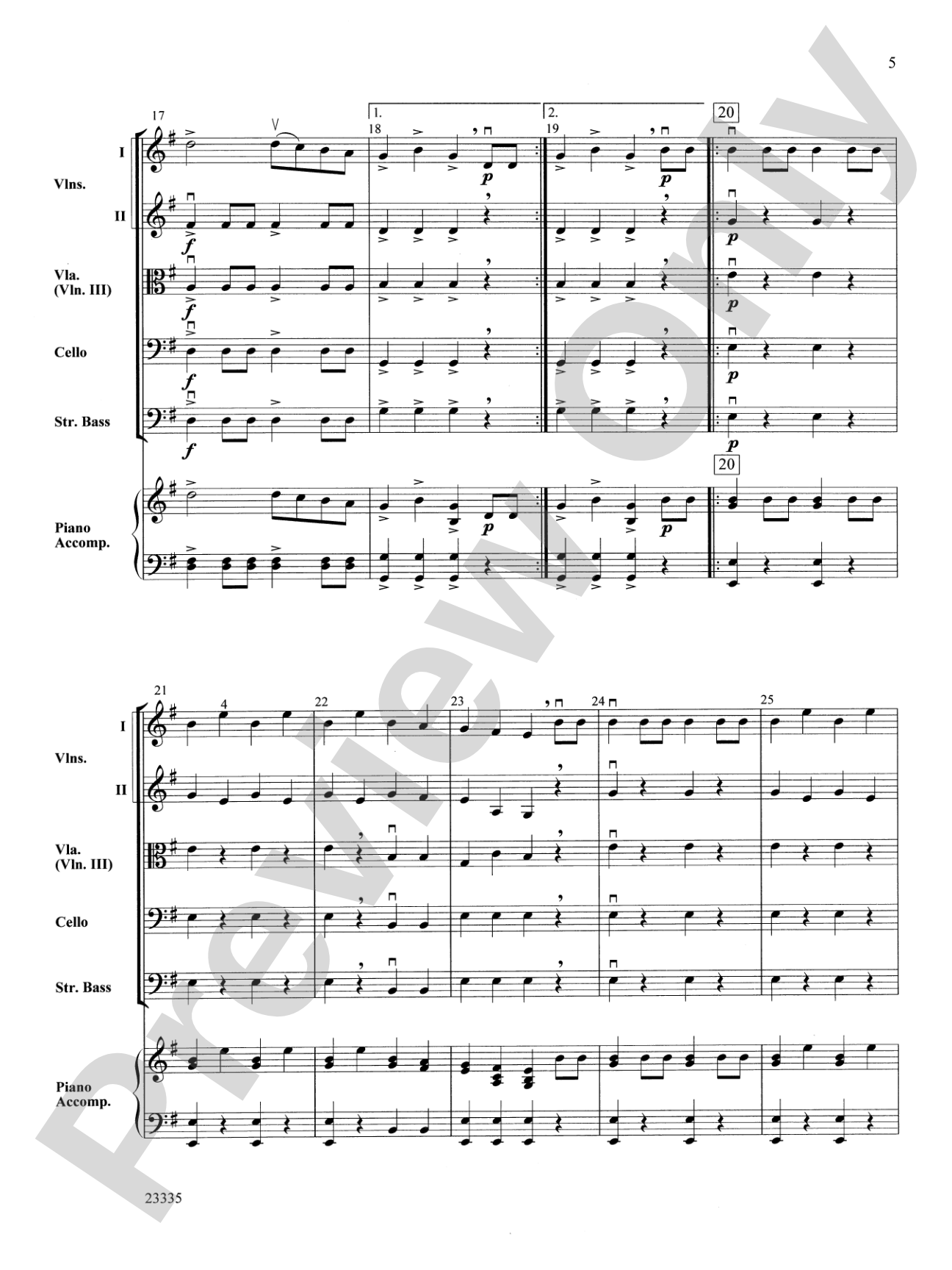
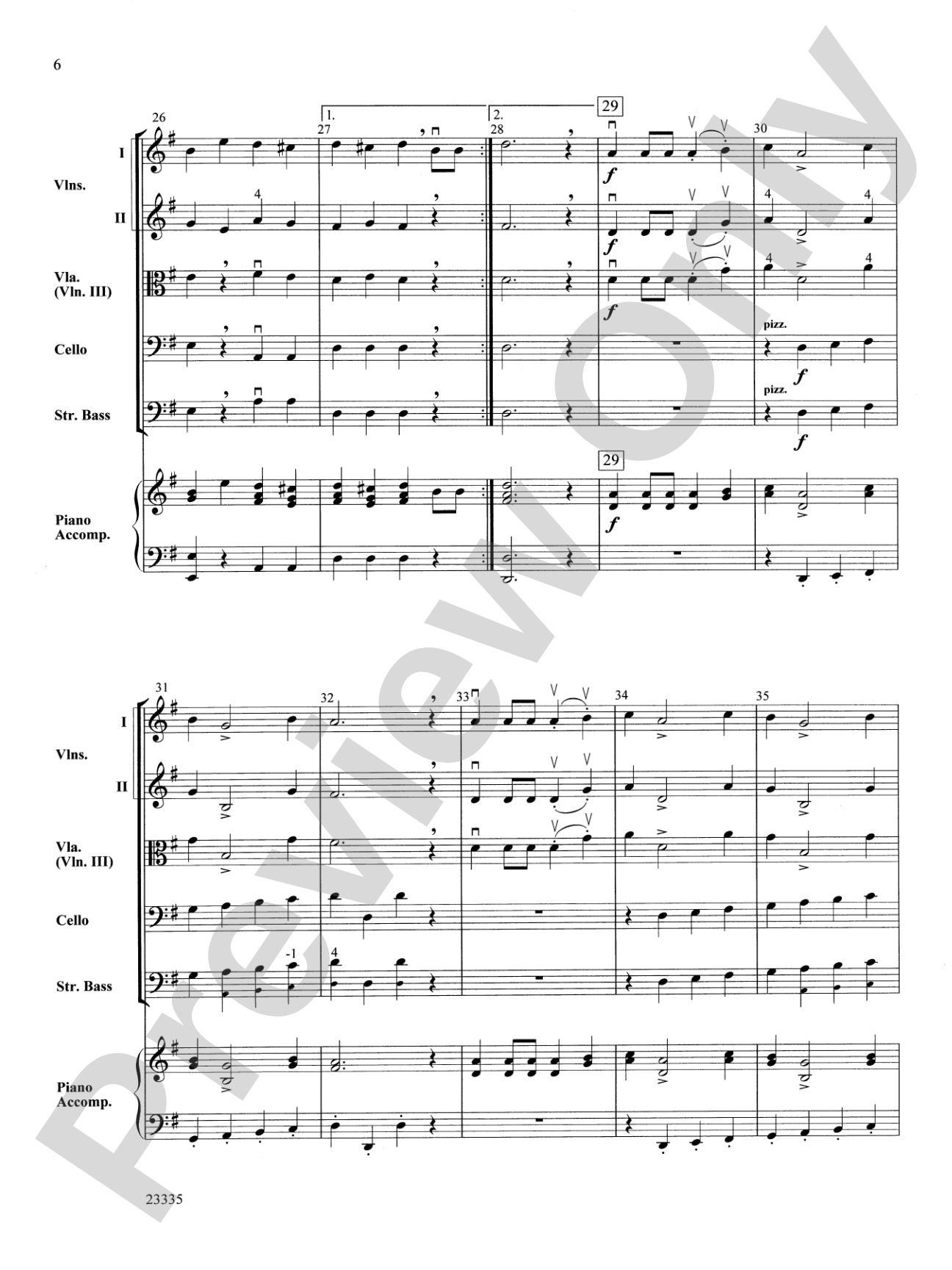
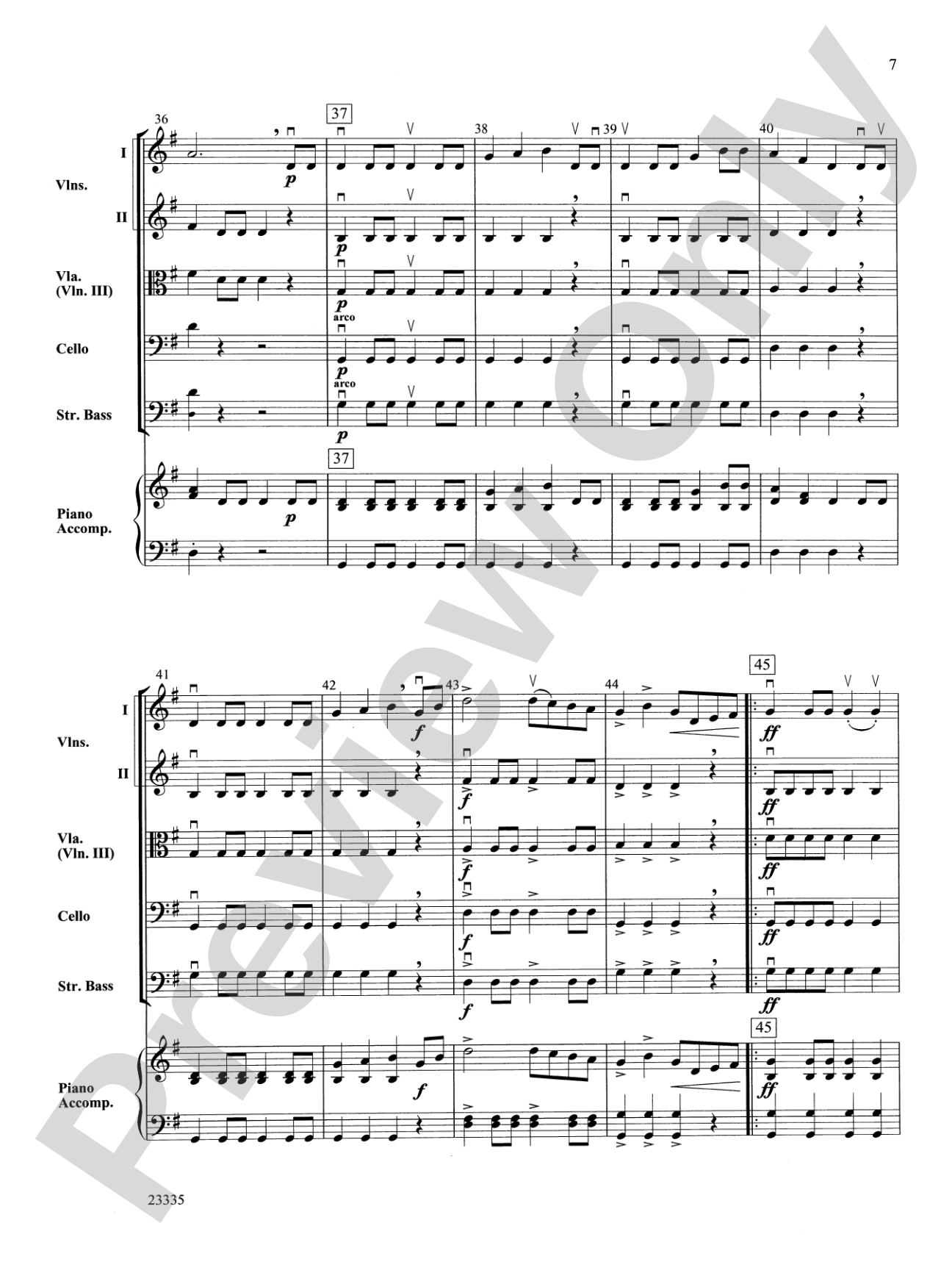
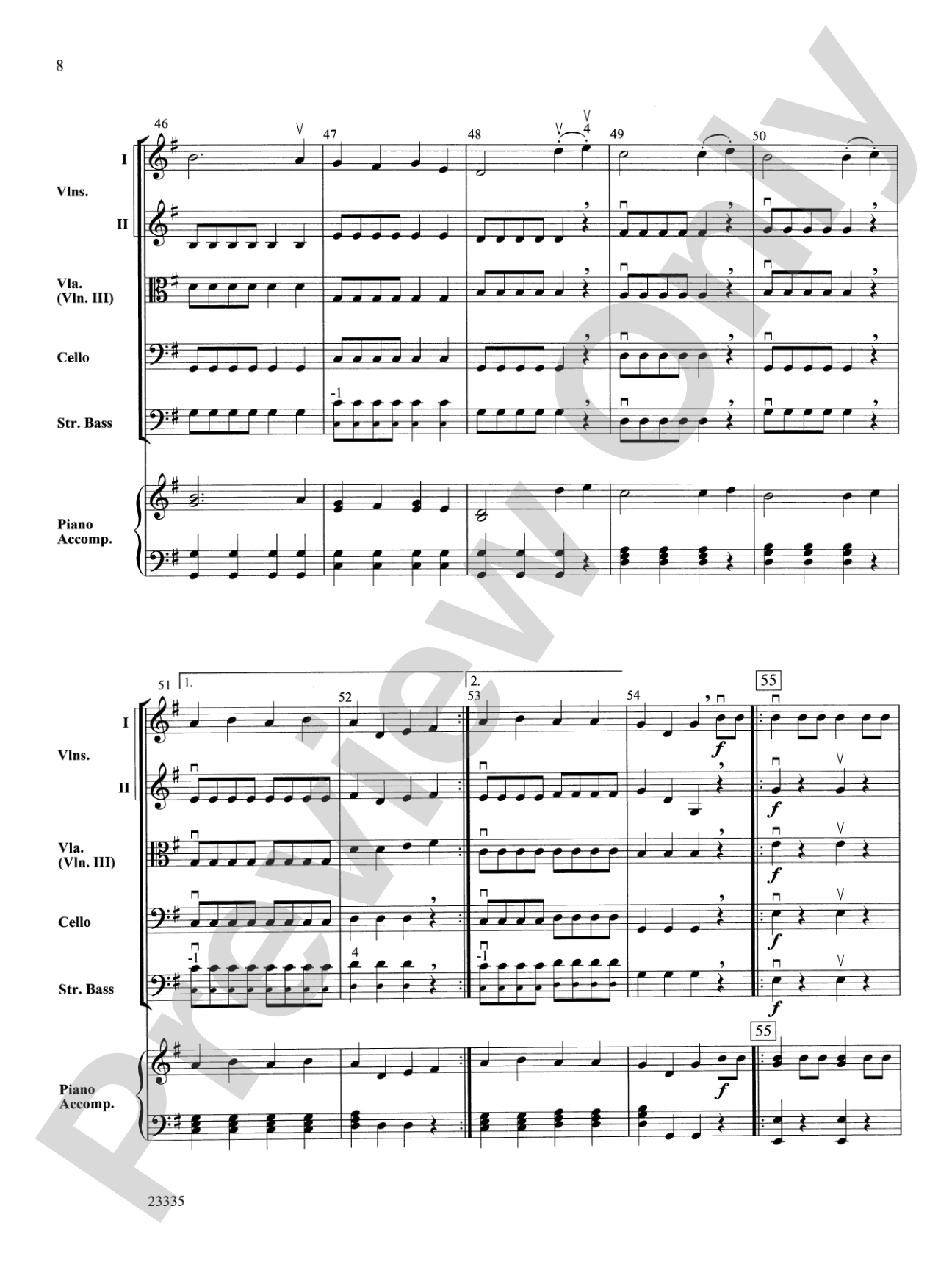
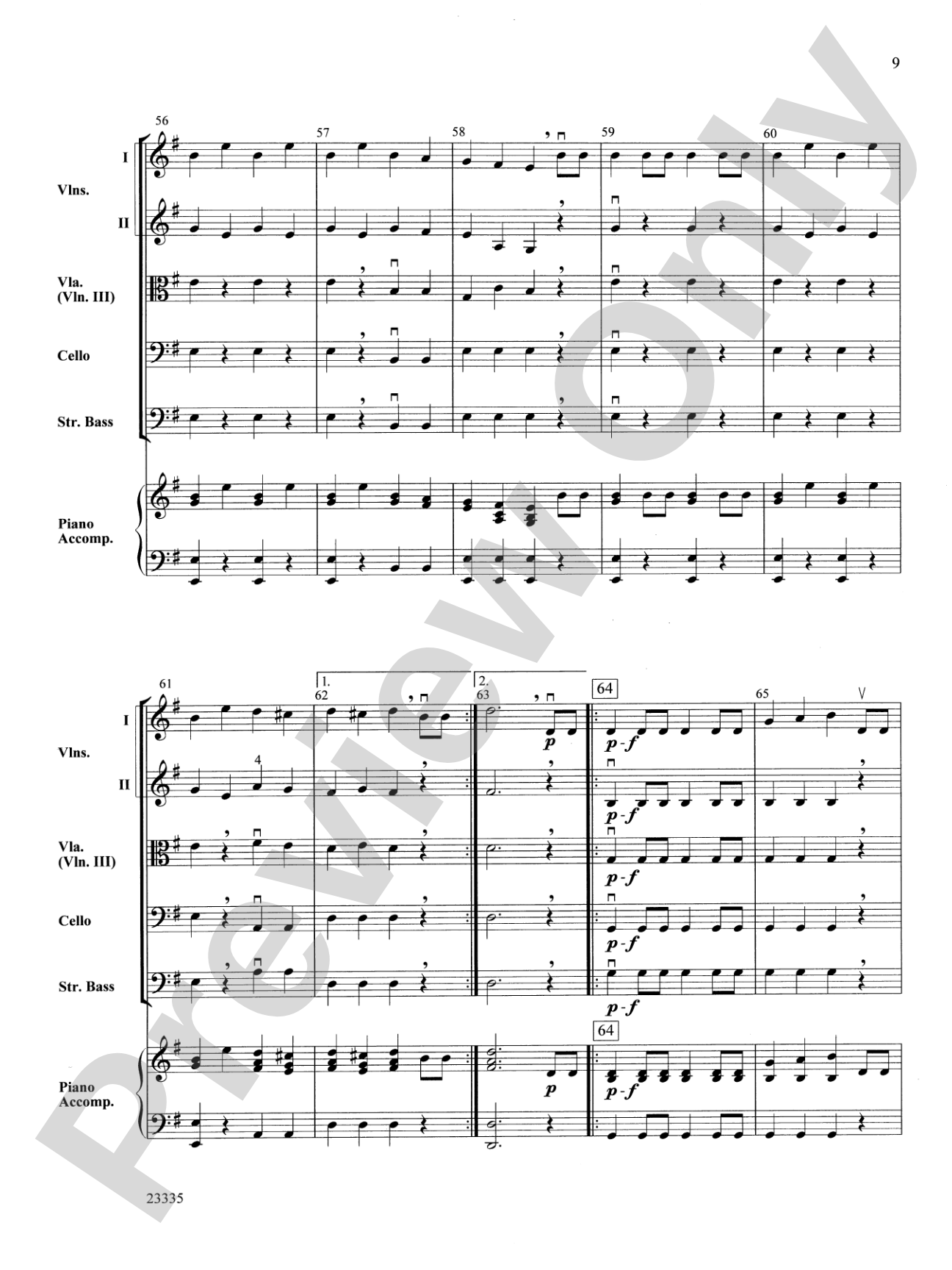
Treat your younger and less-experienced students to this mature-sounding arrangement of one of the most famous themes ever written. Presented in a 4/4 time signature, this arrangement makes Rossini's music readable and playable by first-year players, and more advanced players will sound great performing this piece in cut time. A great technique builder and motivator, all parts are in first-position with optional shifts for the bass section.


Don't just read it, hear it, play along with it, and watch your students grow with it. In MakeMusic Cloud, William Tell Overture: String Orchestra Conductor Score & Parts comes alive with professional accompaniment, adjustable tempo, and built-in practice tools that turn solo practice into real progress.
Open in the Player
Jump straight in and assign it today.
Start Your Free Trial
Open this title and explore the full library in minutes.
Sample Audio
1
Audio File
--:--
0:00
0:00
Sample Video
No sample videos found.
Additional Details
Series:
Highland/Etling String Explorer
Publisher:
Alfred Music
Page Count:
140
SKU:
00-PK-0000689
More about this title
About the Composer: Gioacchino Rossini
Gioacchino Rossini (1792-1868) composed some of the most instantly recognizable melodies in all of classical music. His gift for writing soaring, singable themes and his mastery of orchestral color made him one of the most performed composers of the 19th century, and his works remain staples of both opera and concert halls worldwide.
The William Tell Overture stands as one of Rossini's greatest achievements. Written in 1829 for his final opera, it showcases his genius for building drama through instrumental storytelling. The famous galloping theme alone has entered popular culture so thoroughly that generations of students encounter it long before they understand its power as a complete orchestral statement.
Why we love this
This arrangement captures the essence of why students love playing Rossini: infectious melodies, obvious musical architecture, and instant gratification. Young players hear themselves creating something genuinely impressive from the first rehearsal, which builds confidence and sustains motivation through the entire piece.
What to expect
Heroic and energetic, with moments of sweeping lyricism. The galloping theme creates forward momentum and excitement, while the contrasting sections let students breathe and shape longer melodic lines. Every player feels like they're part of something grand.
Who it's for
First-year string students who need a confidence builder and experienced students looking for an orchestral showpiece that sounds polished without requiring advanced technique. This works equally well for orchestras of mixed ability levels, since the famous material carries the piece even when technical demands are modest.
How to get the most out of it
- Let the first-position writing speak for itself early on. Students can focus entirely on tone quality and phrasing rather than wrestling with hand position changes.
- The galloping theme demands rhythmic clarity and ensemble tightness. Use a metronome in sectionals to lock the rhythmic drive before combining sections.
- Encourage violins to shape the main melody with subtle dynamic swells. Even modest dynamic shaping transforms a technically simple passage into something expressive.
- If your students attempt the cut-time option, mark phrase breaths clearly in the parts and conduct deliberately to keep the larger architecture visible.
How to use it
Program this as a crowd-pleaser on any concert where you need to showcase your ensemble's growth and maturity. It works beautifully as a closer (especially with the cut-time option for added drive) or paired with other Romantic-era arrangements to build a cohesive half of a program.
Skills your students will build
- Maintaining rhythmic precision in repeated figures
- Playing with sustained dynamic control across phrases
- Reading and performing from a conductor's gestures at varying tempos
- Balancing melody and accompaniment roles within an orchestra
- Understanding orchestral form through recognizable thematic structure