
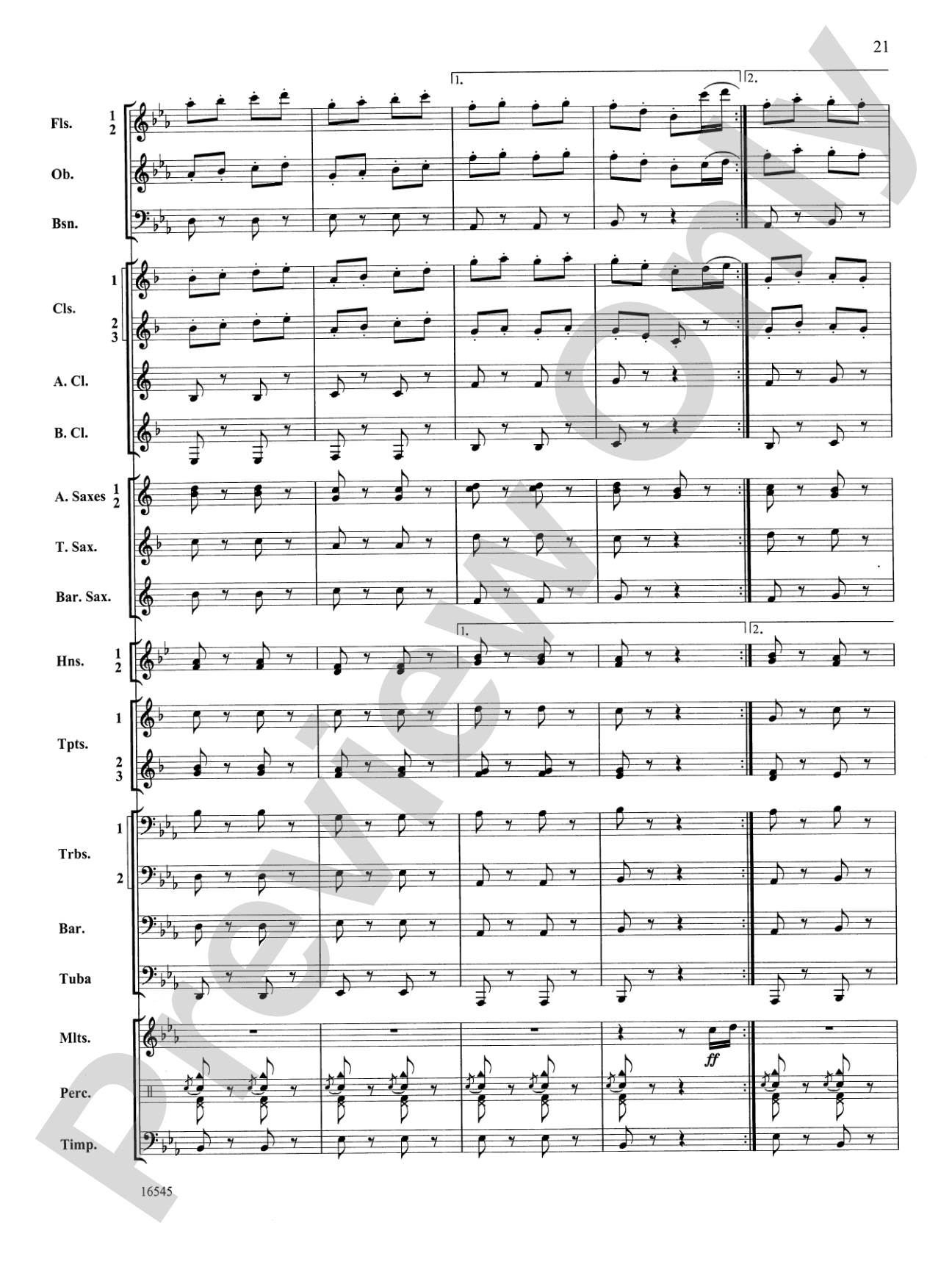
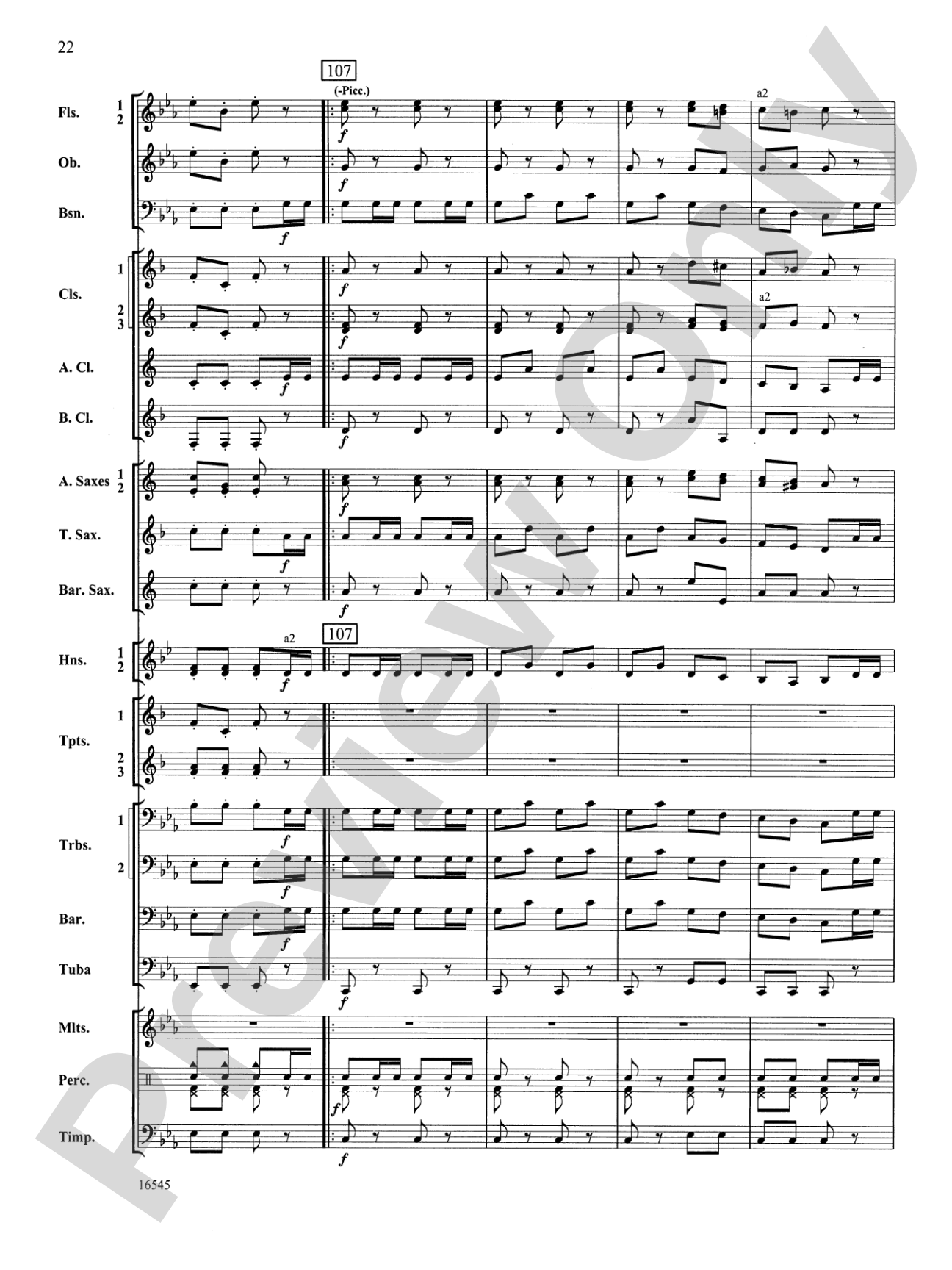
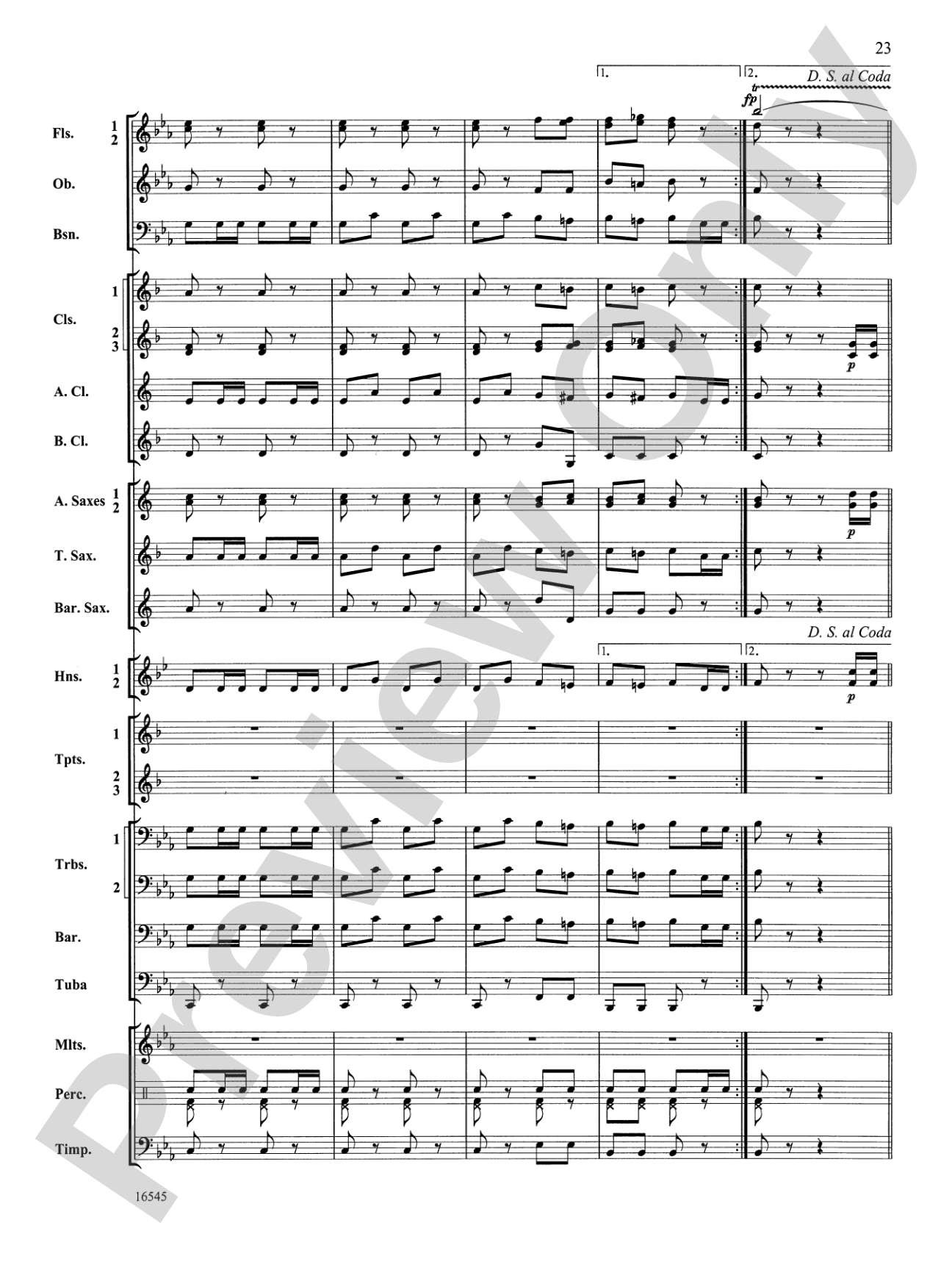
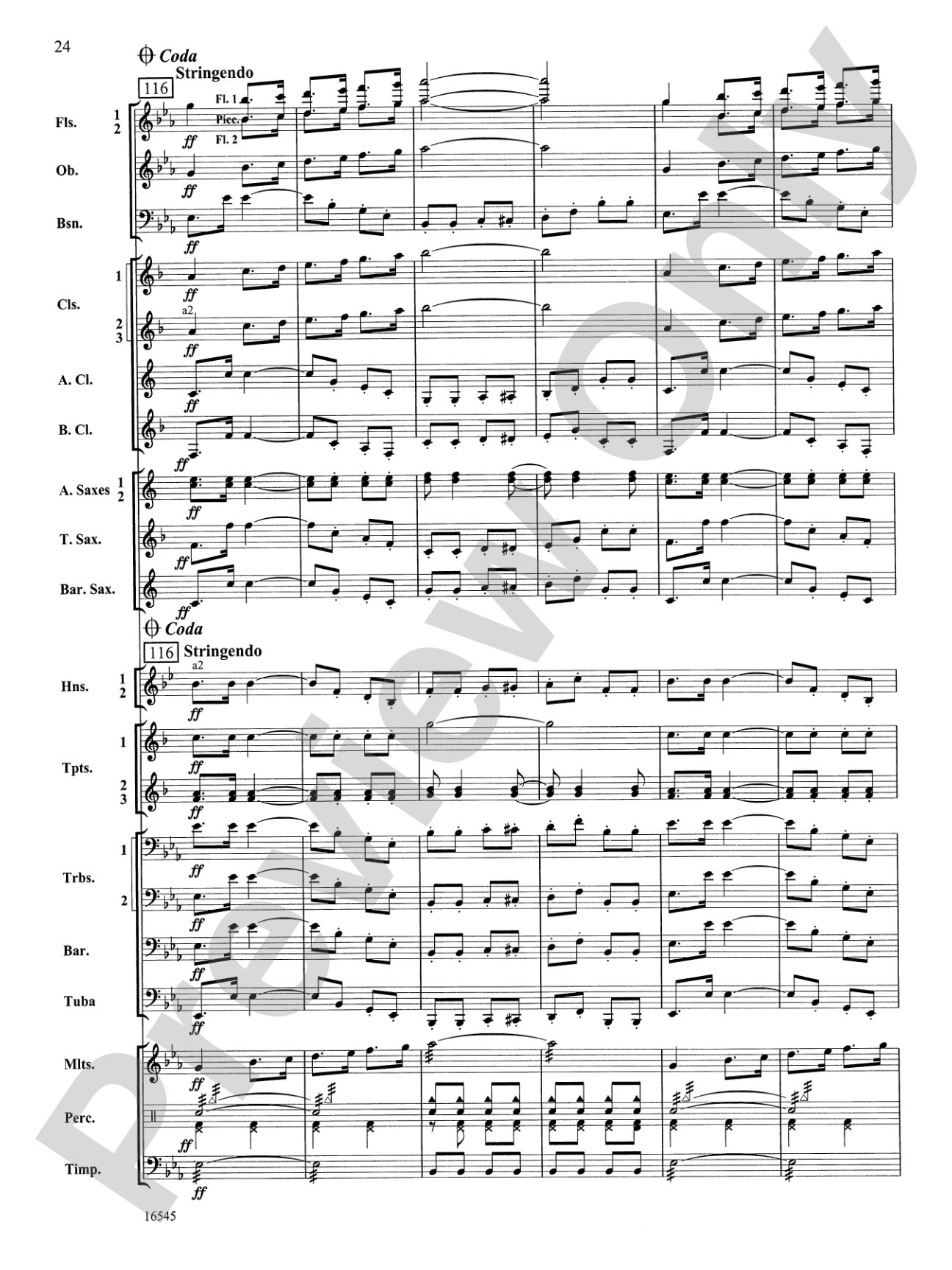

William Tell Overture: Concert Band Conductor Score & Parts
By Gioacchino Rossini / arr. Mark Williams
Grade: 3 (Medium)
Item: 00-PK-0000189

$75.00
Pickup currently not available
Buy Extra Parts (Digital PDF Download)
Parts Added to Cart!
Description
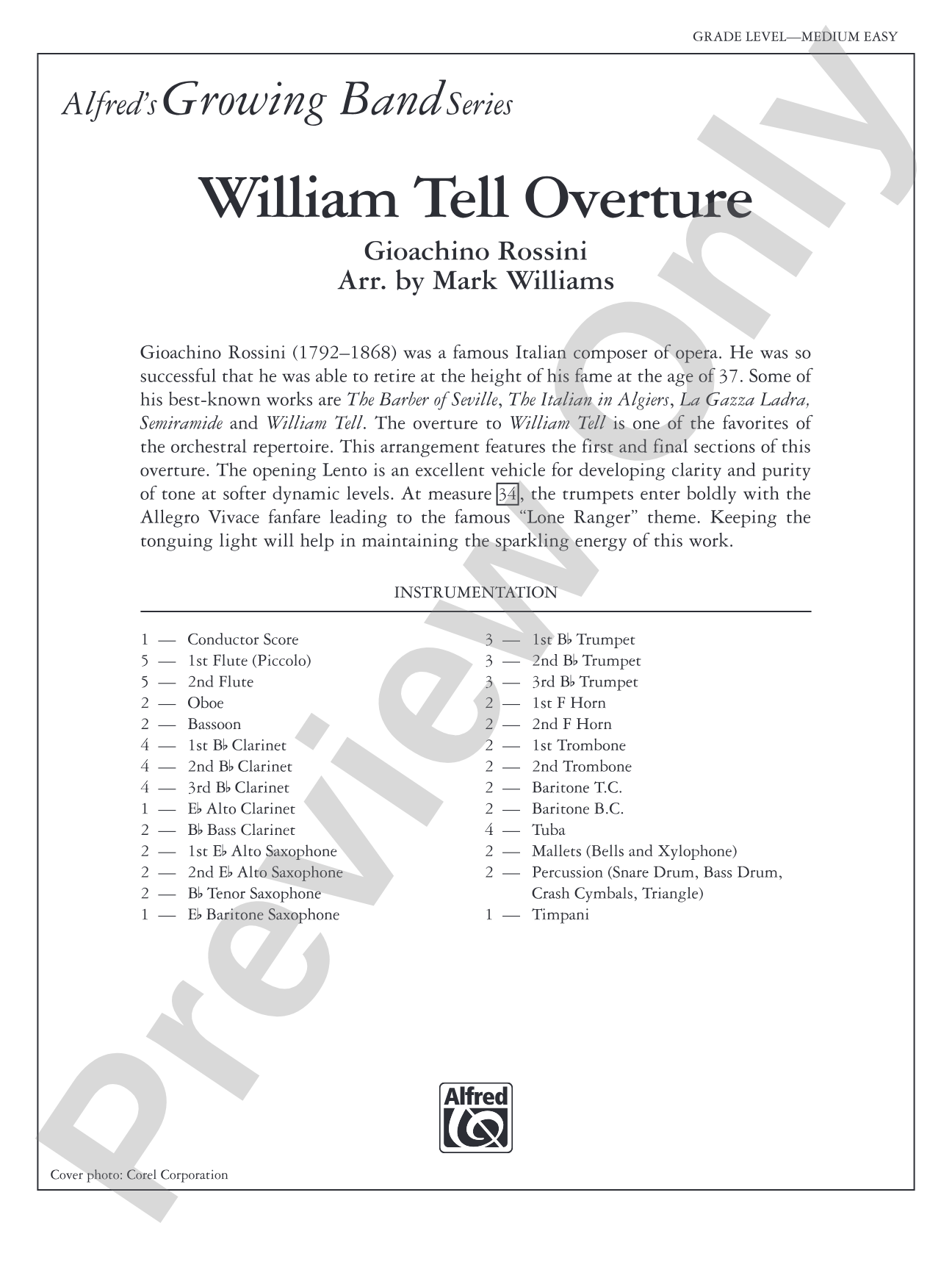
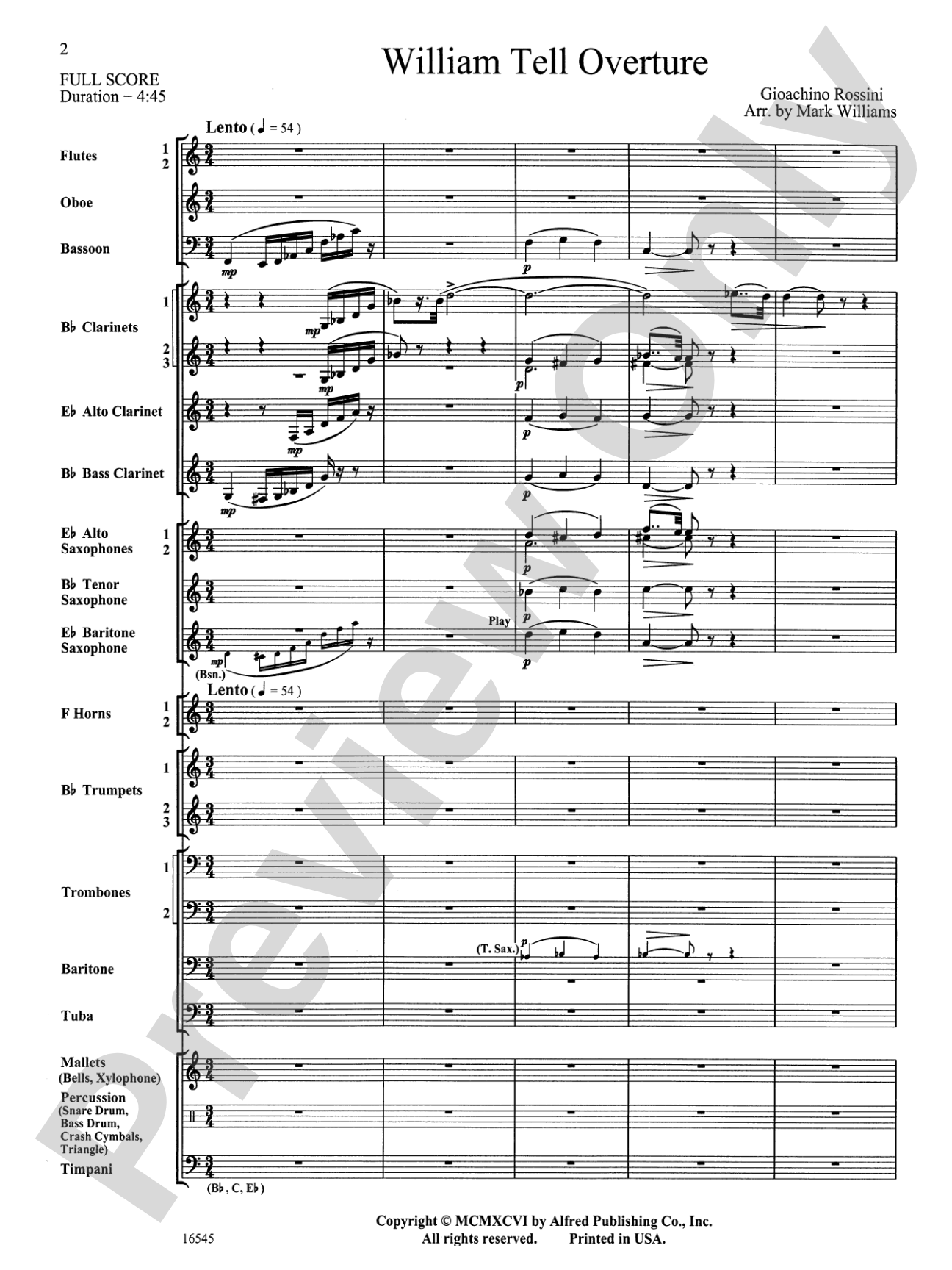
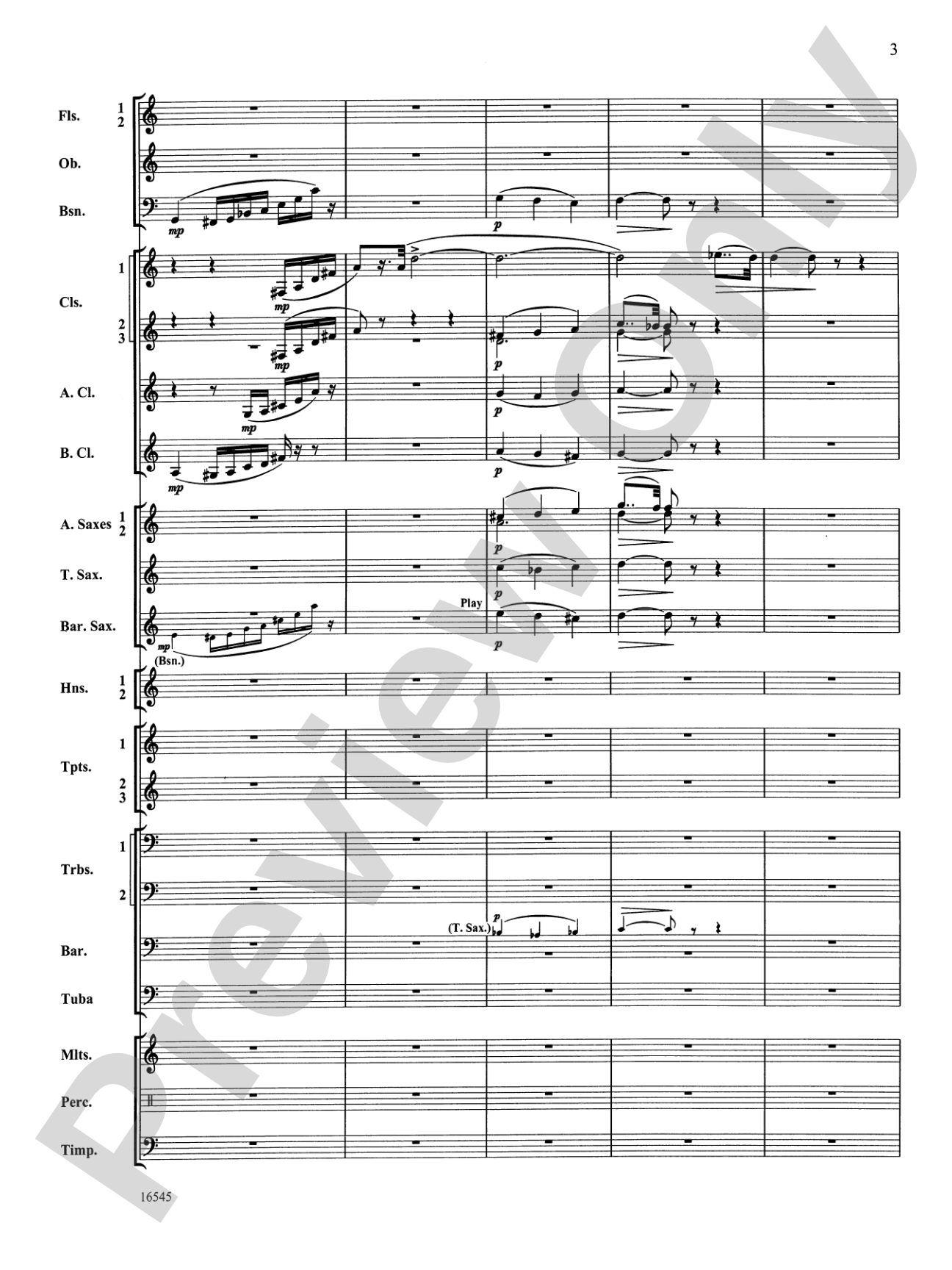
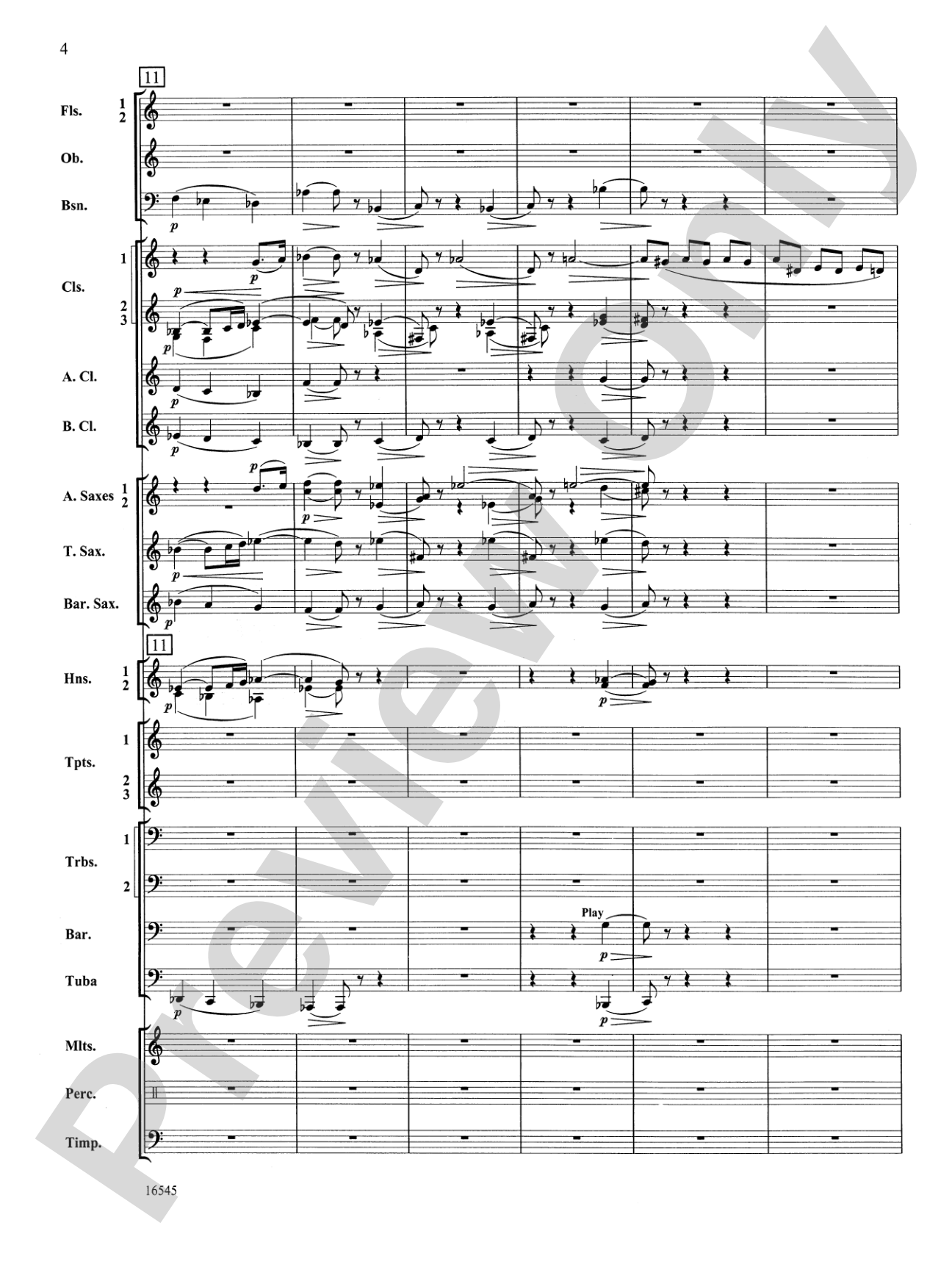
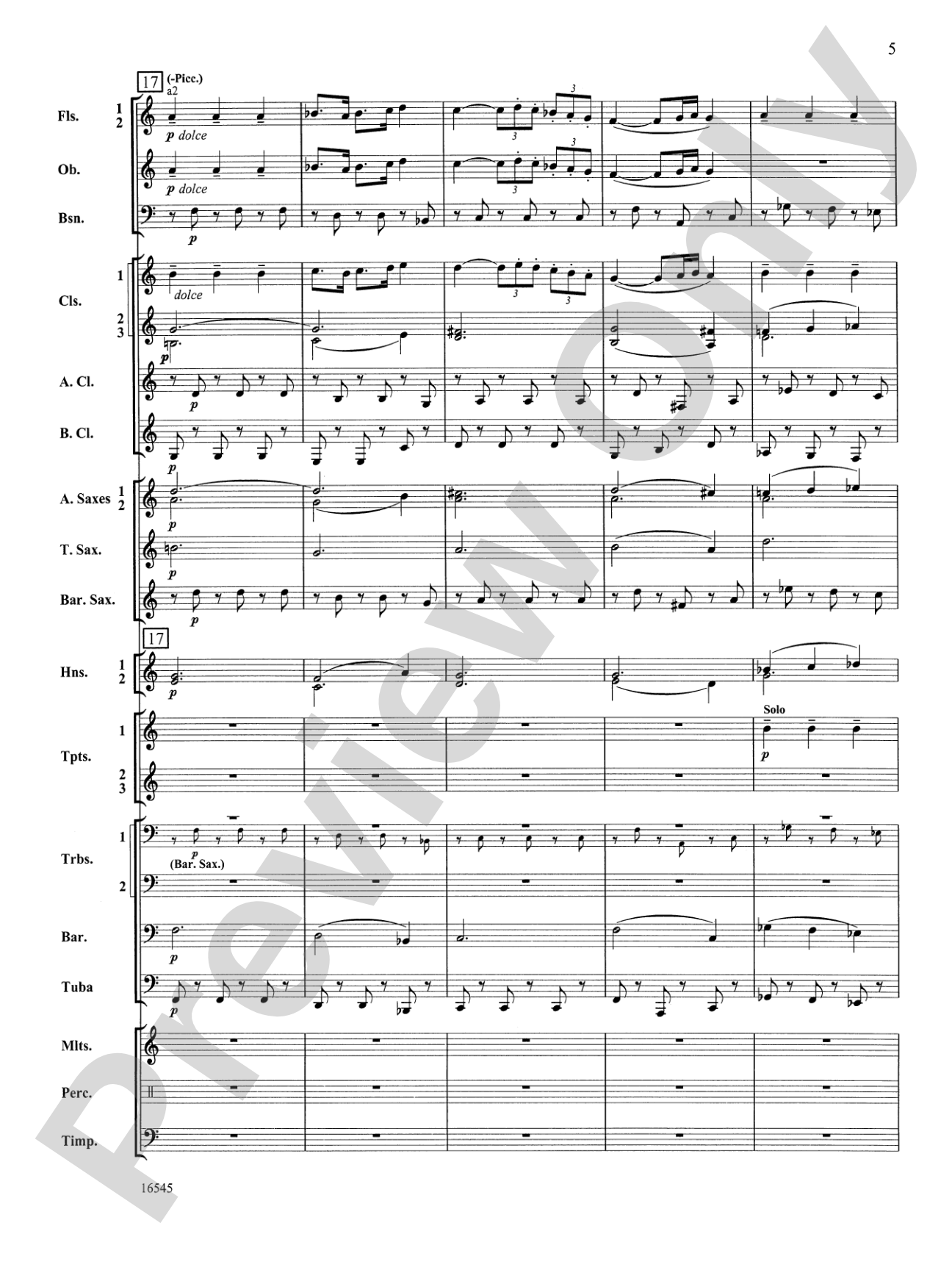
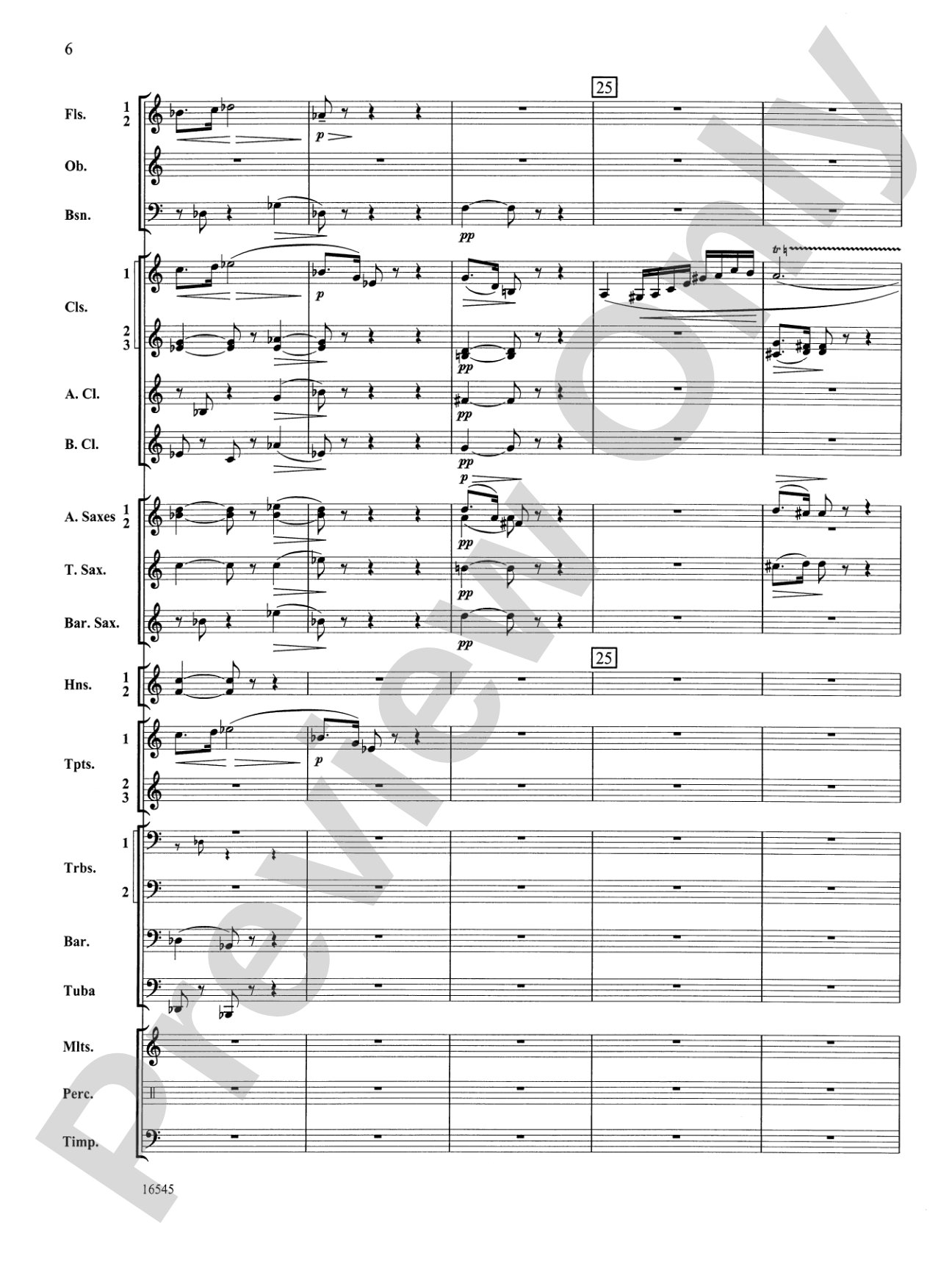
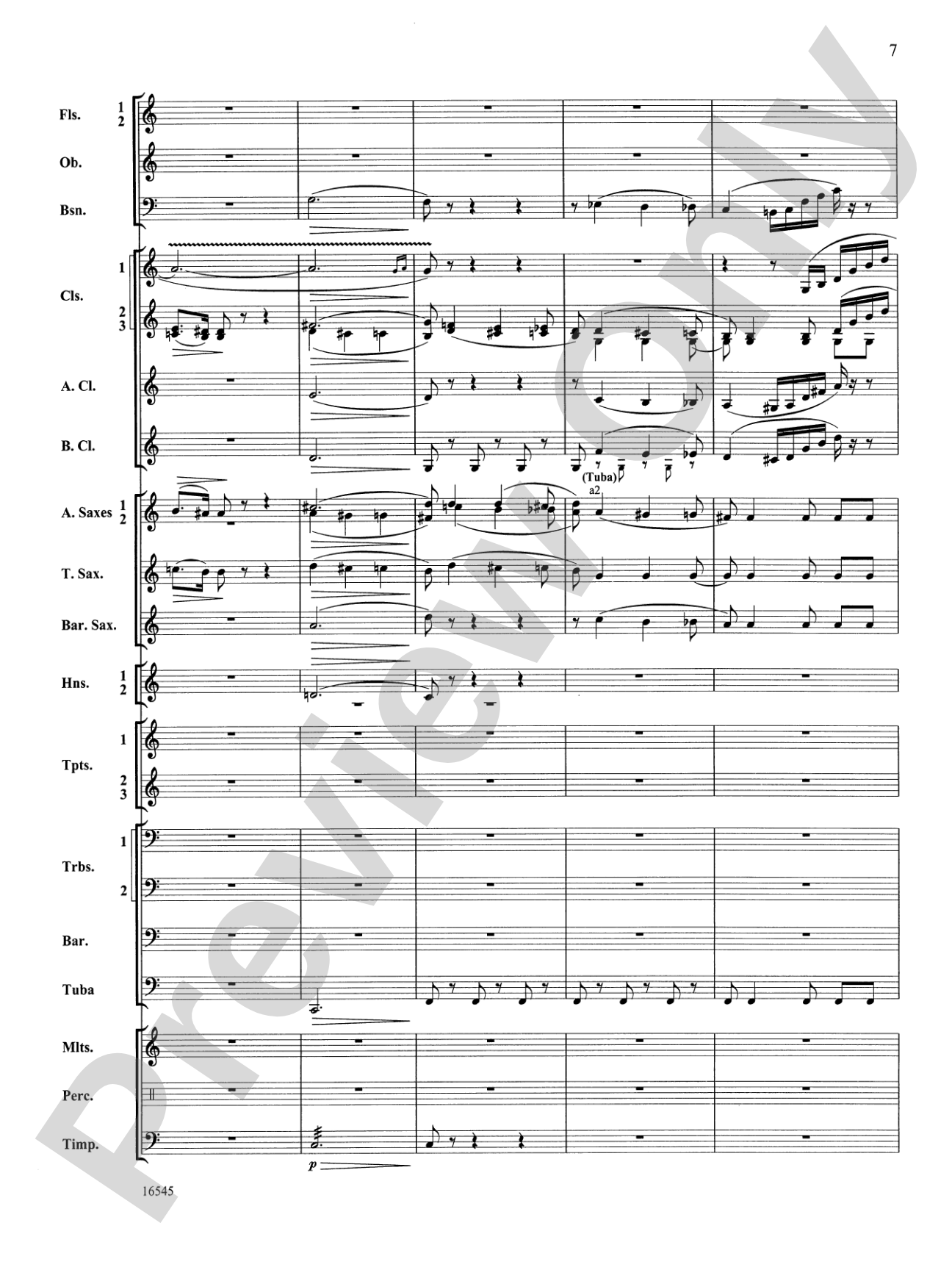
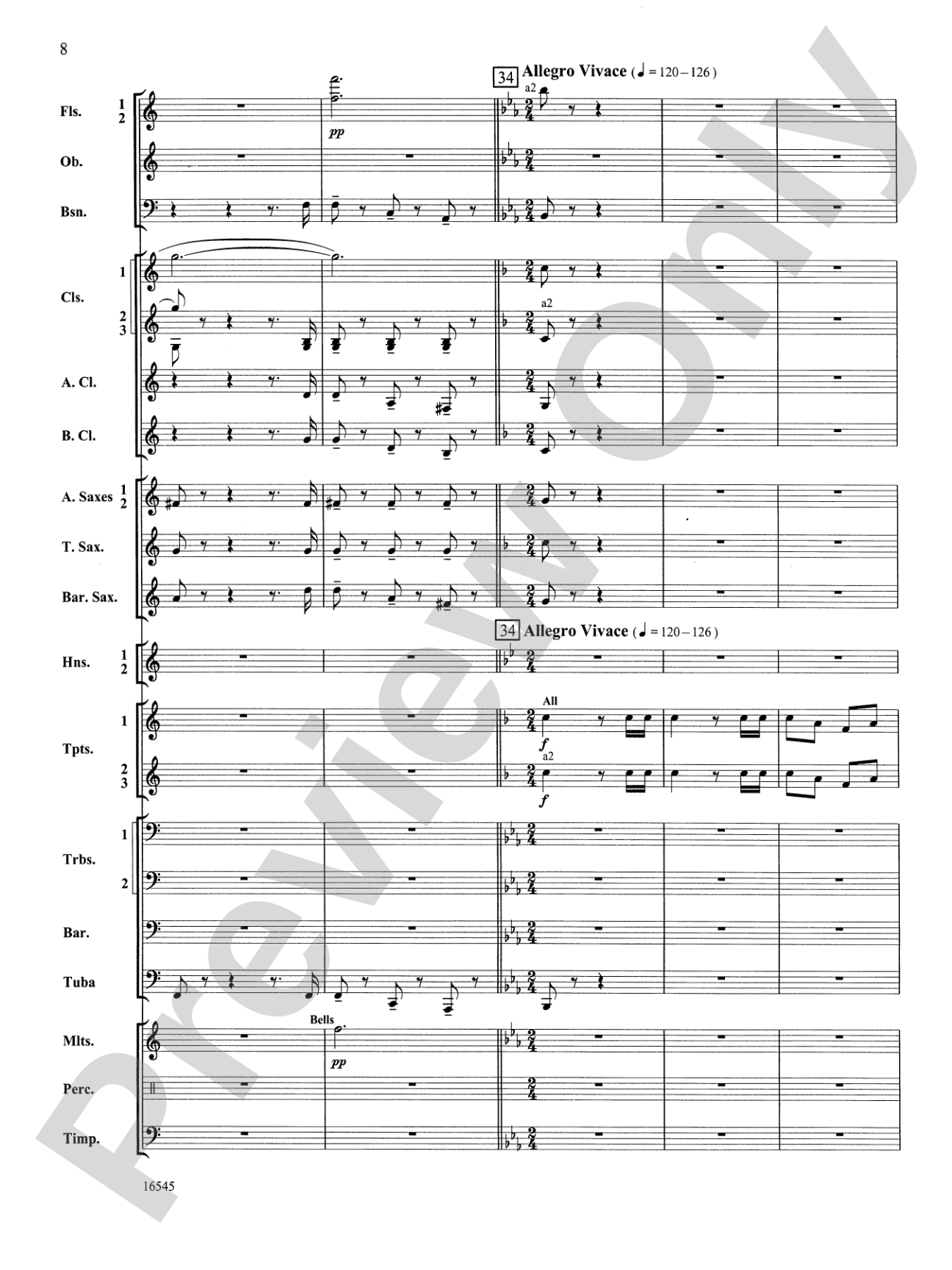
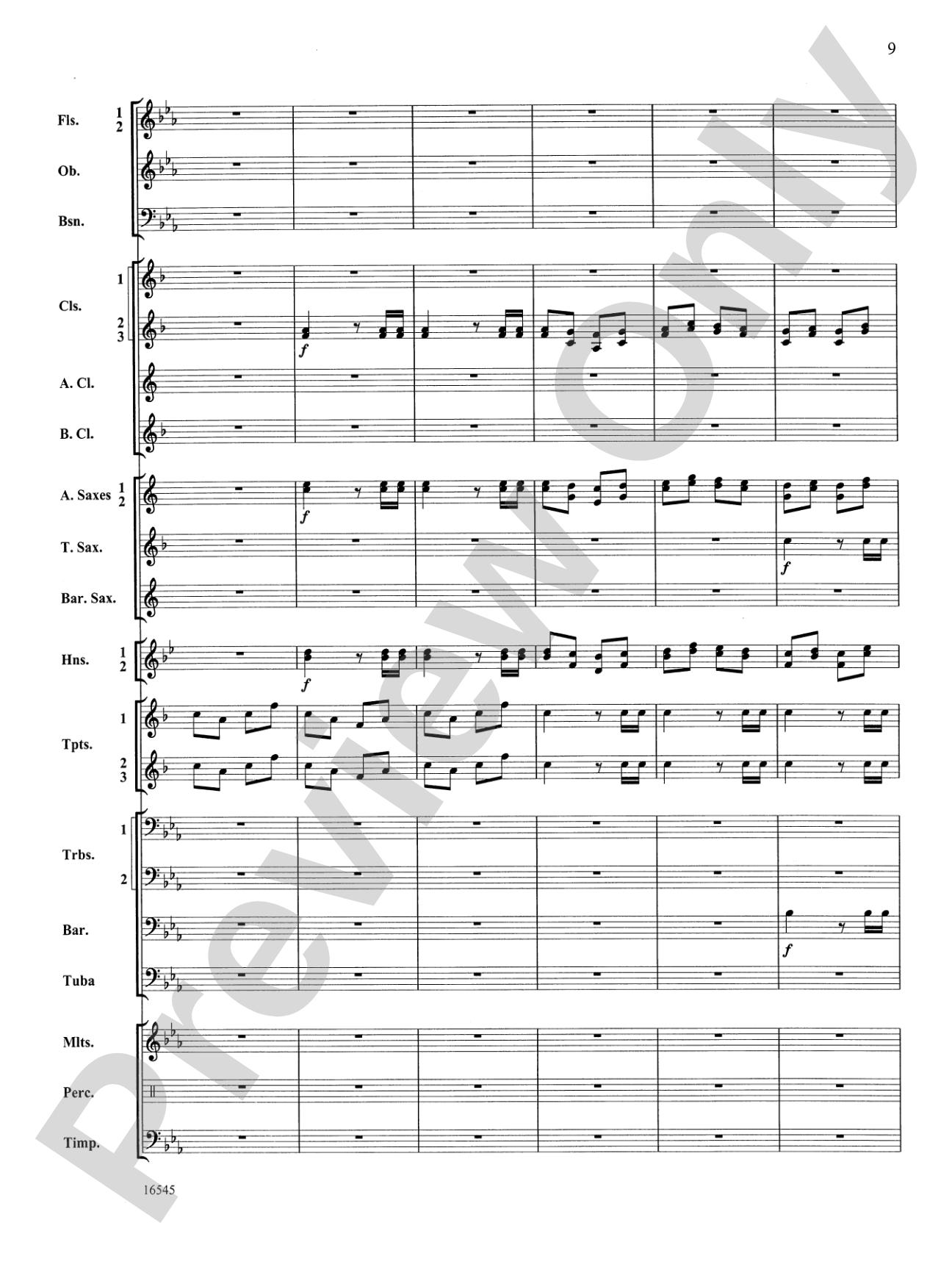
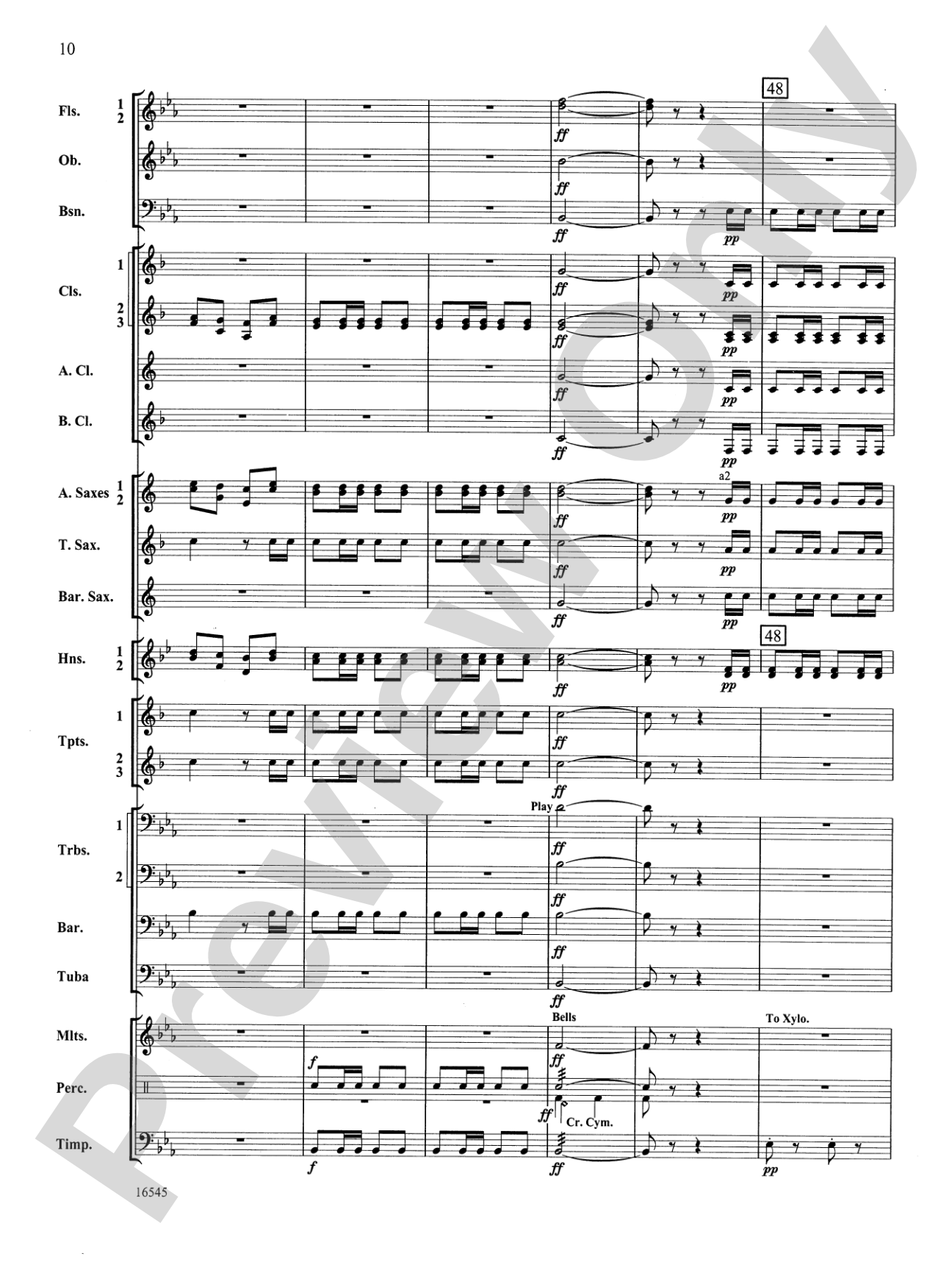
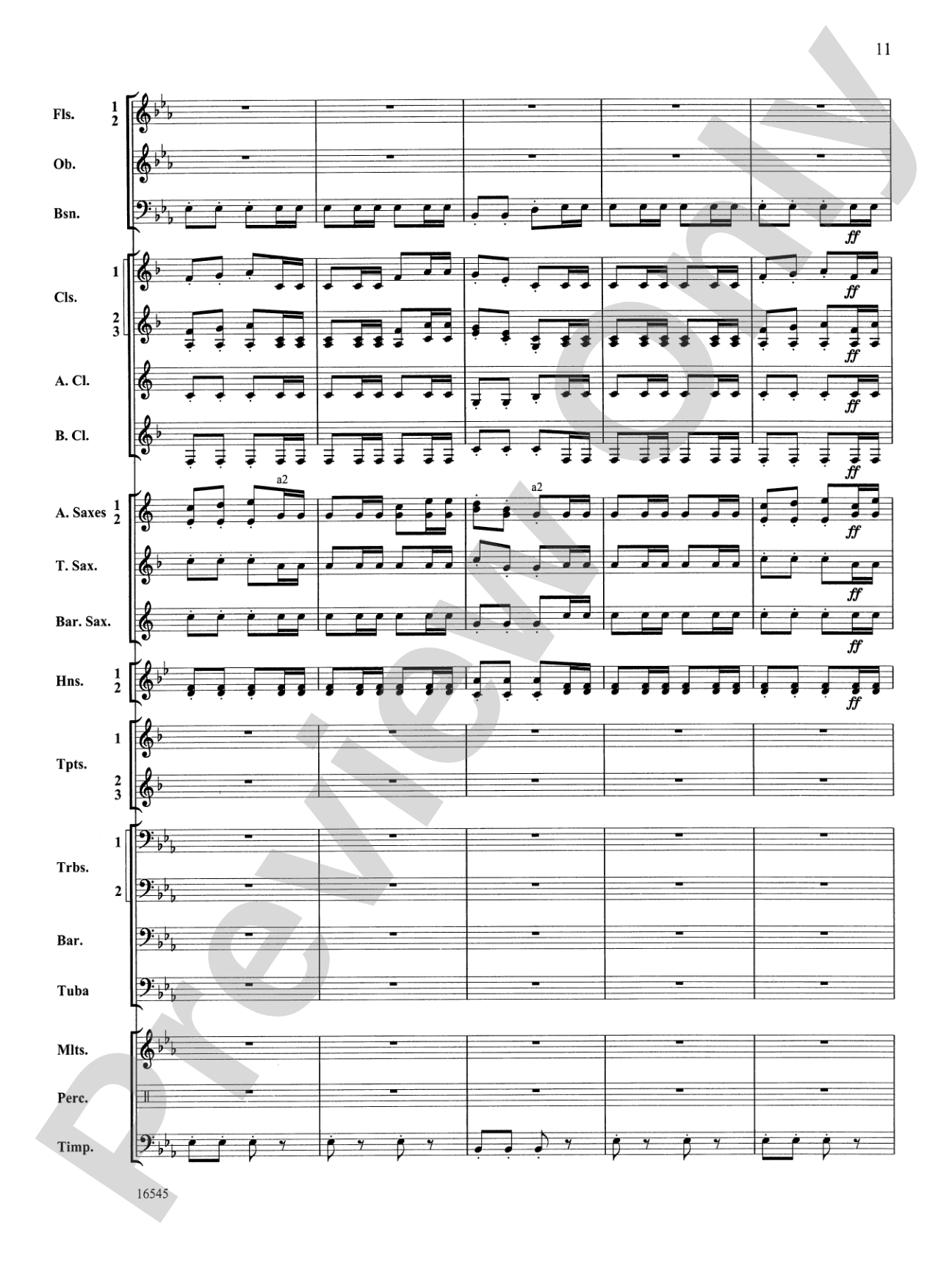
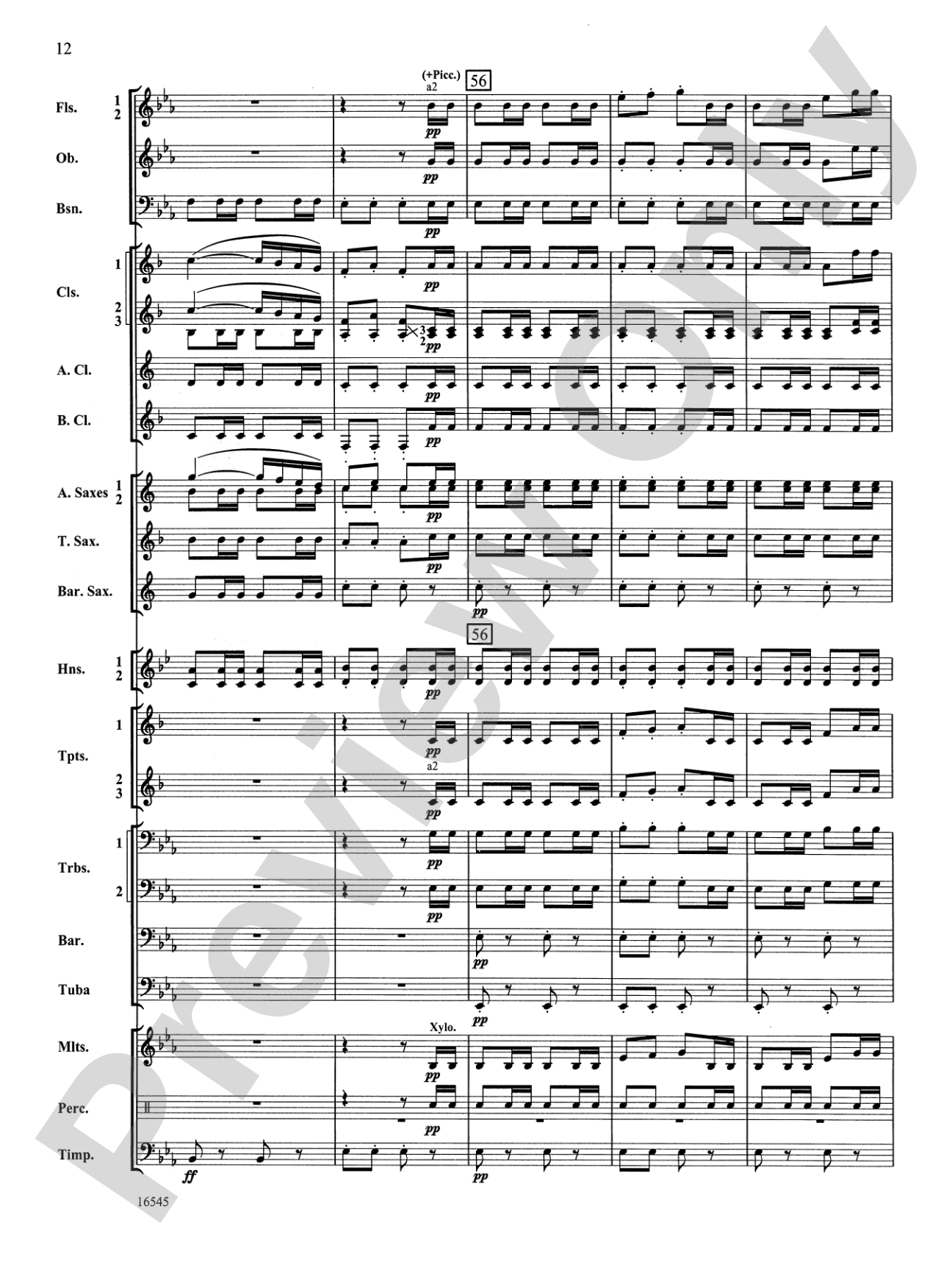
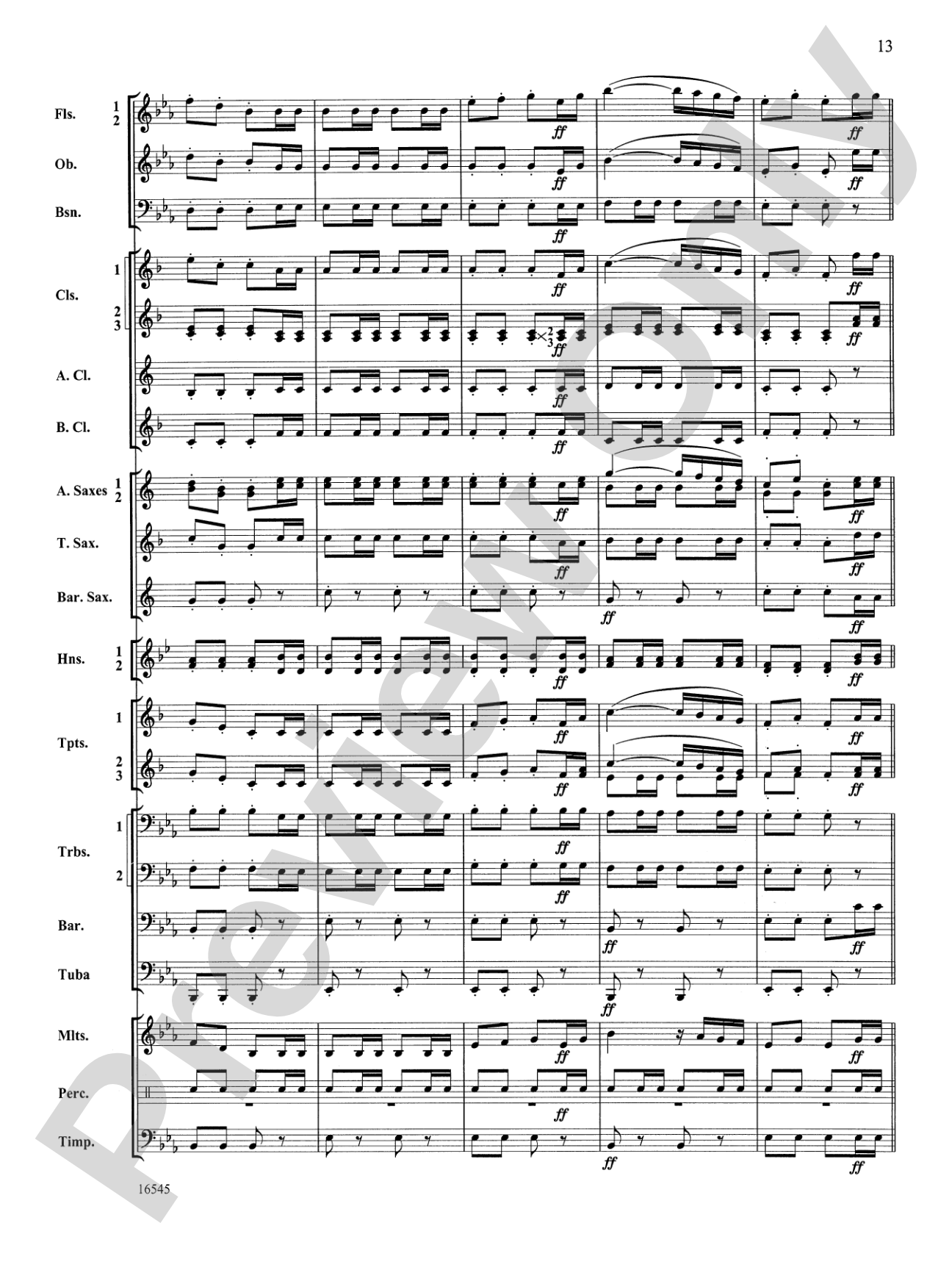
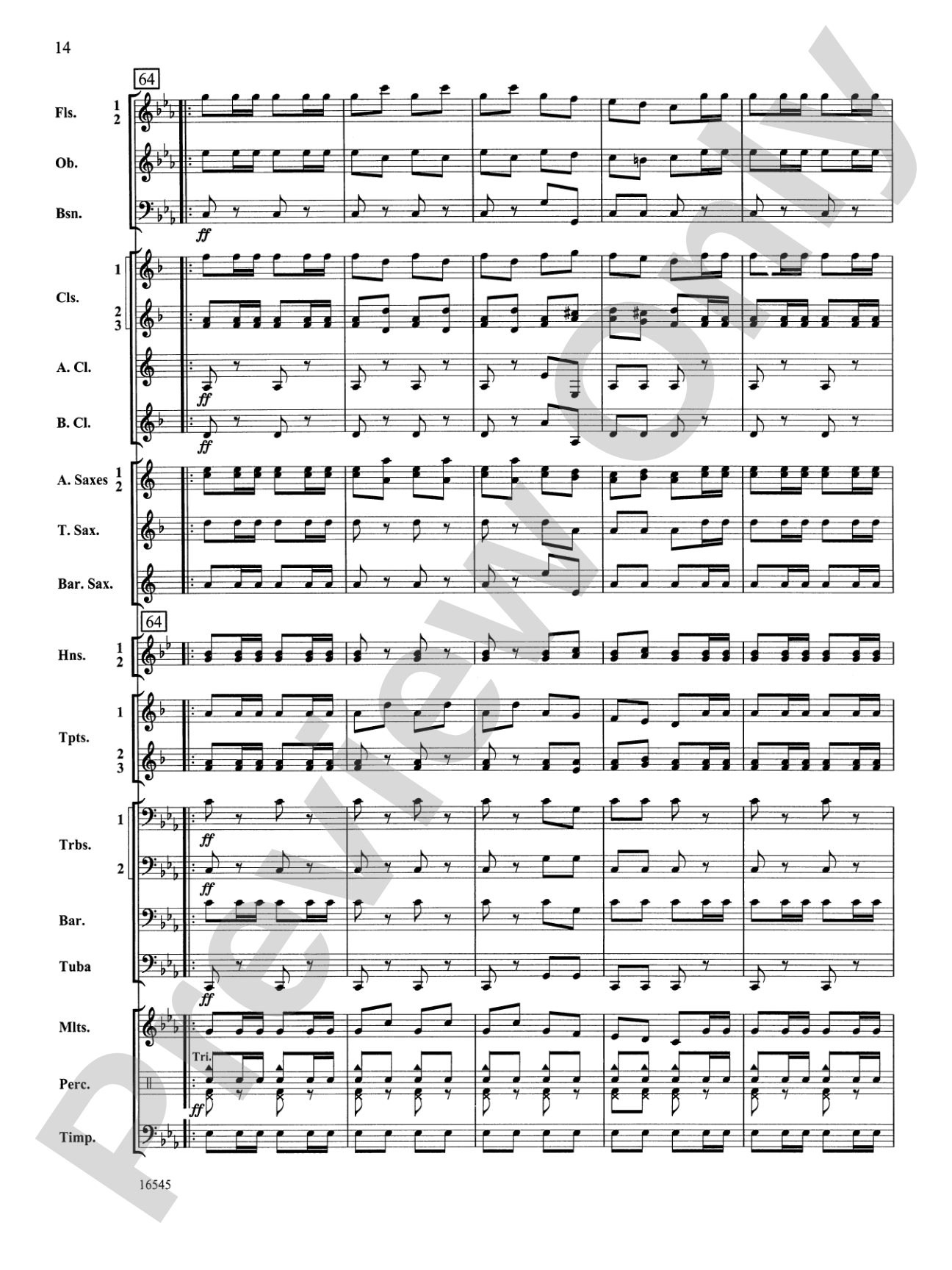
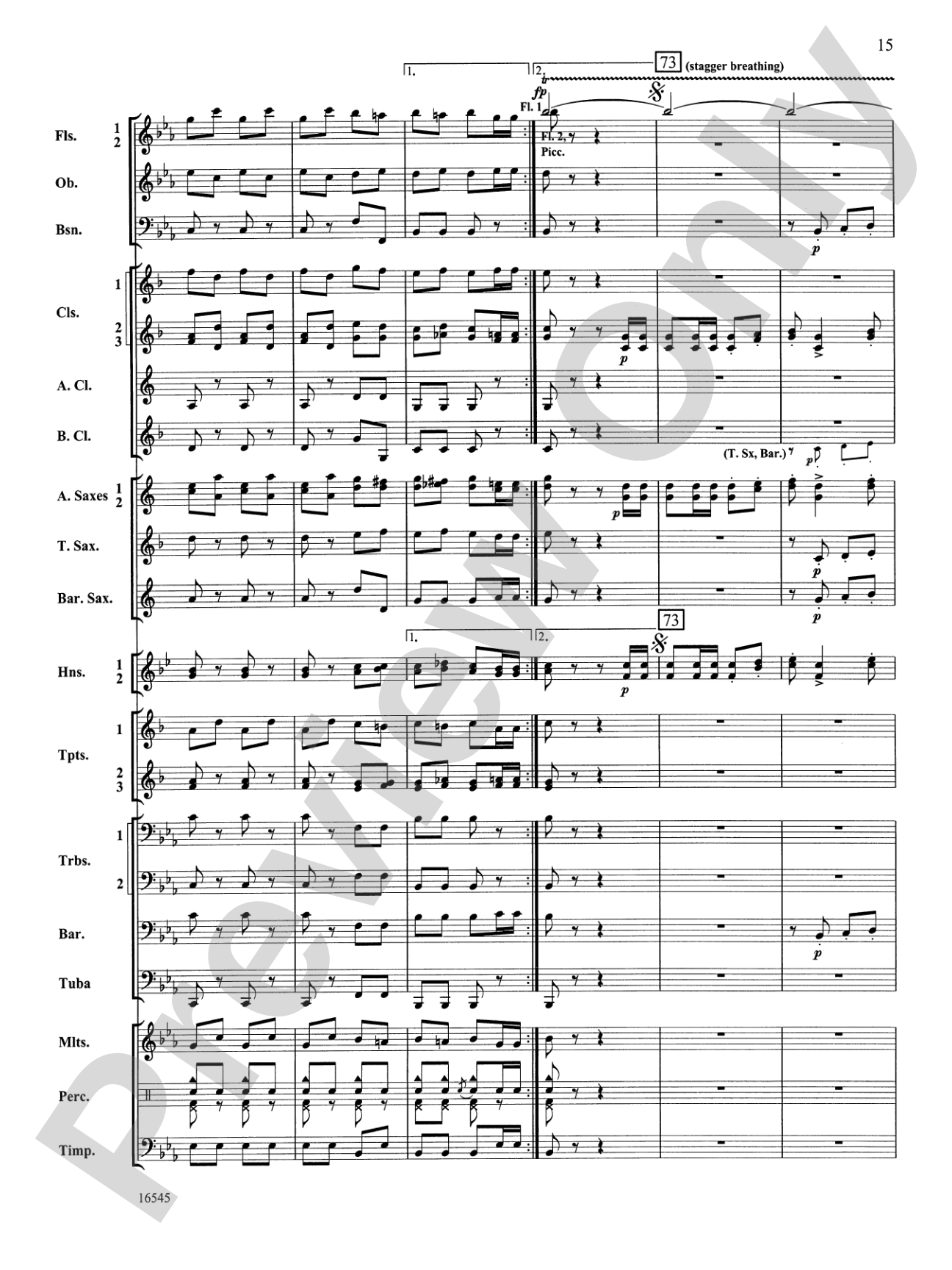
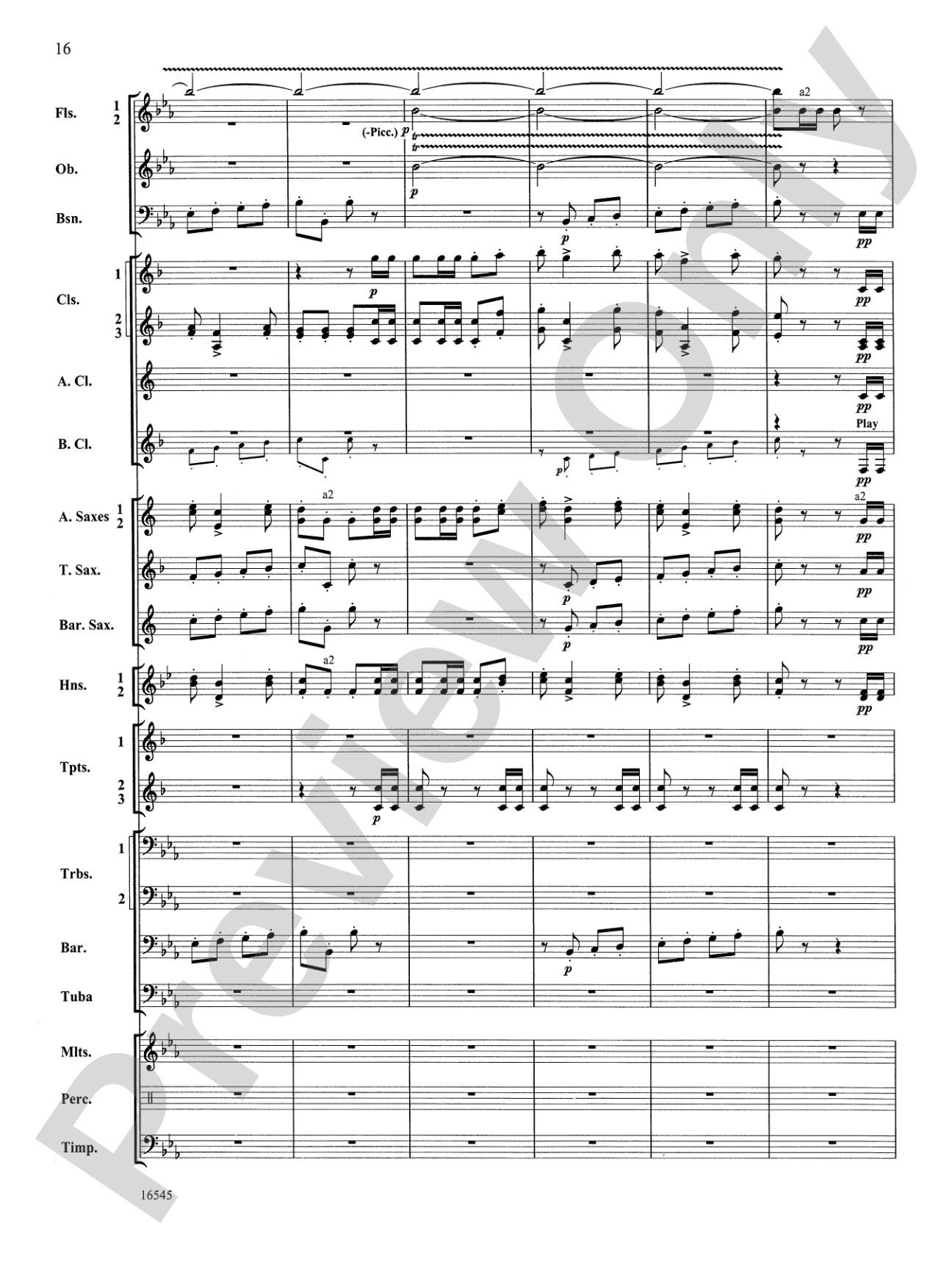
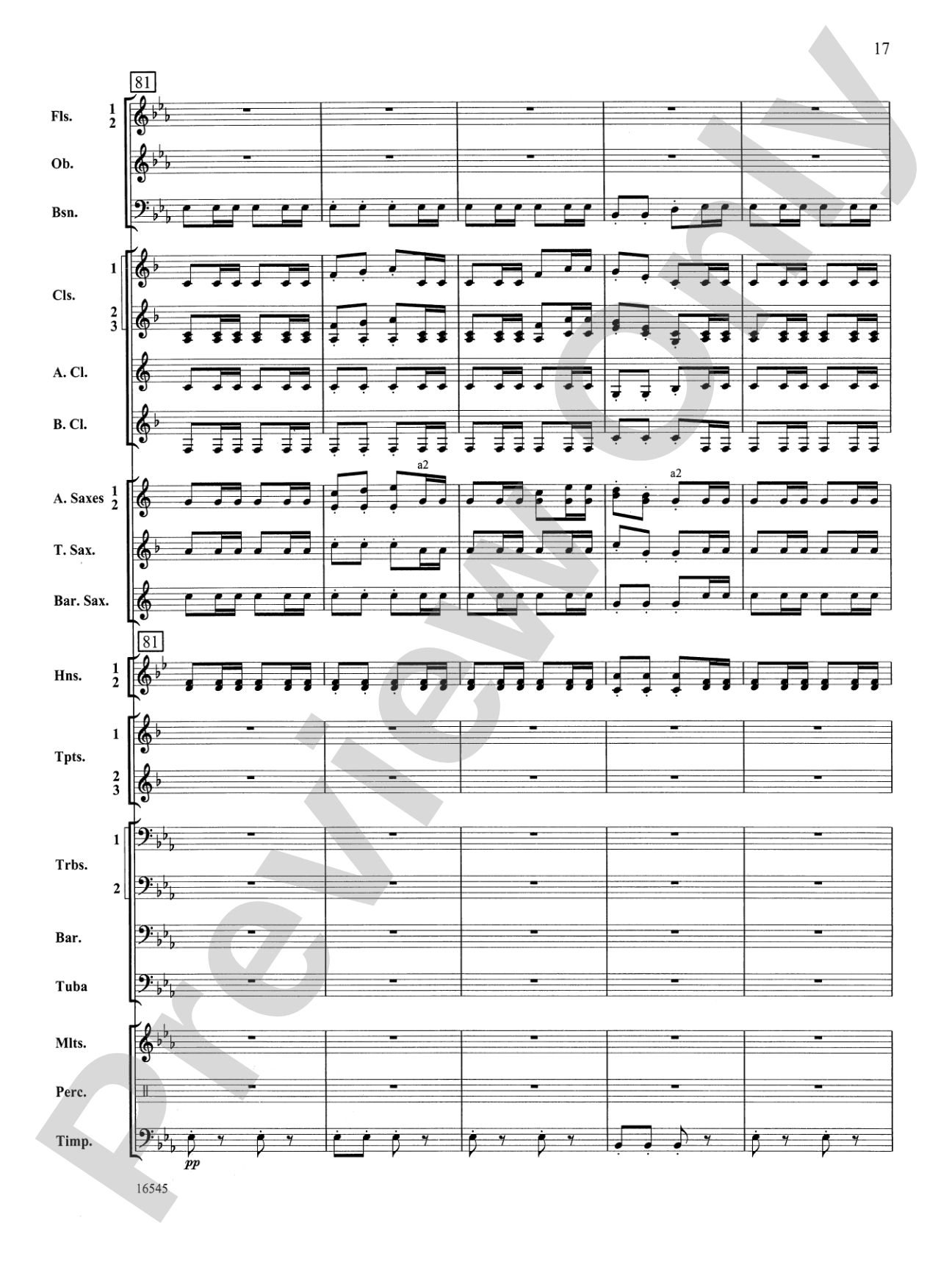
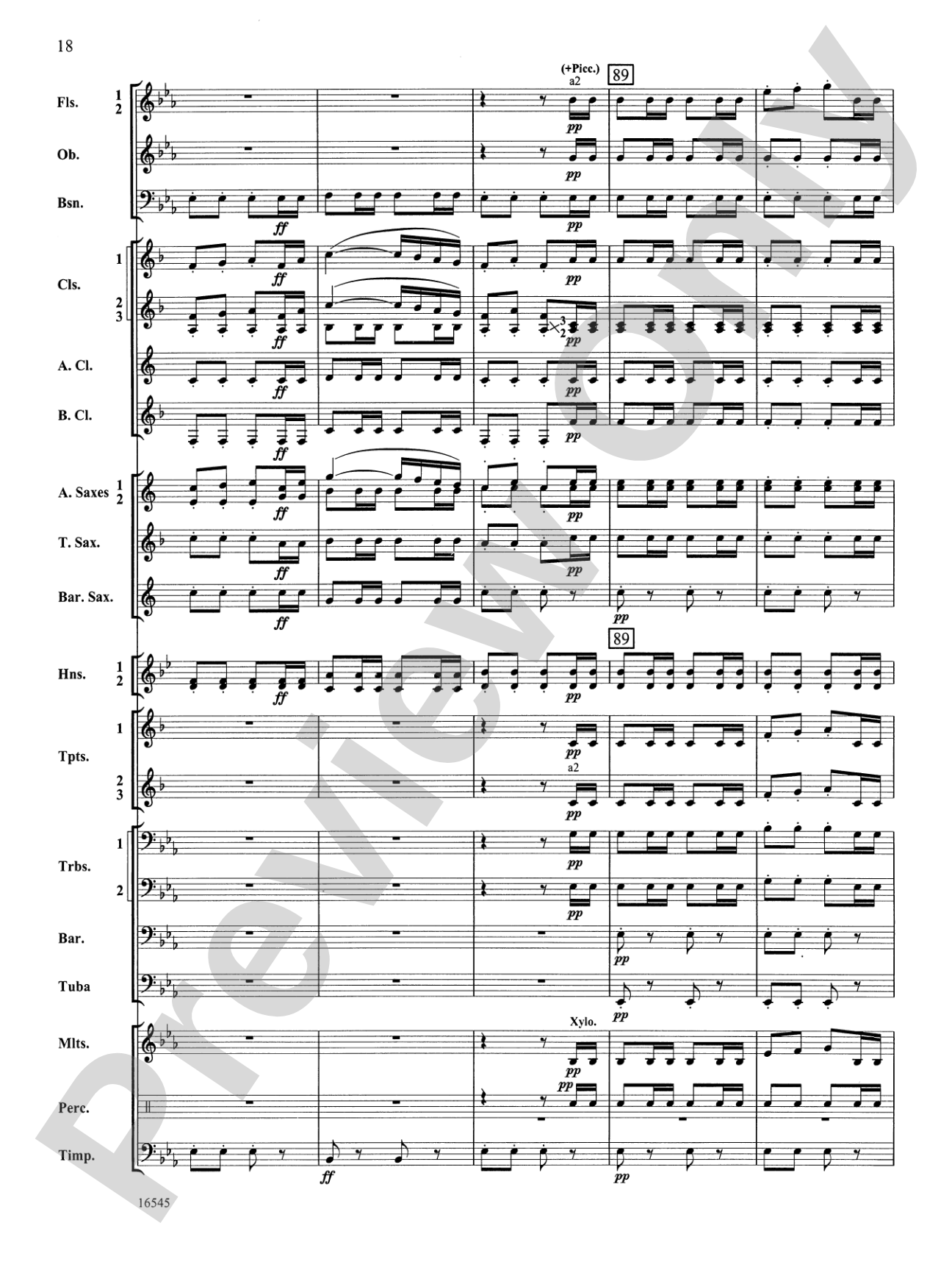
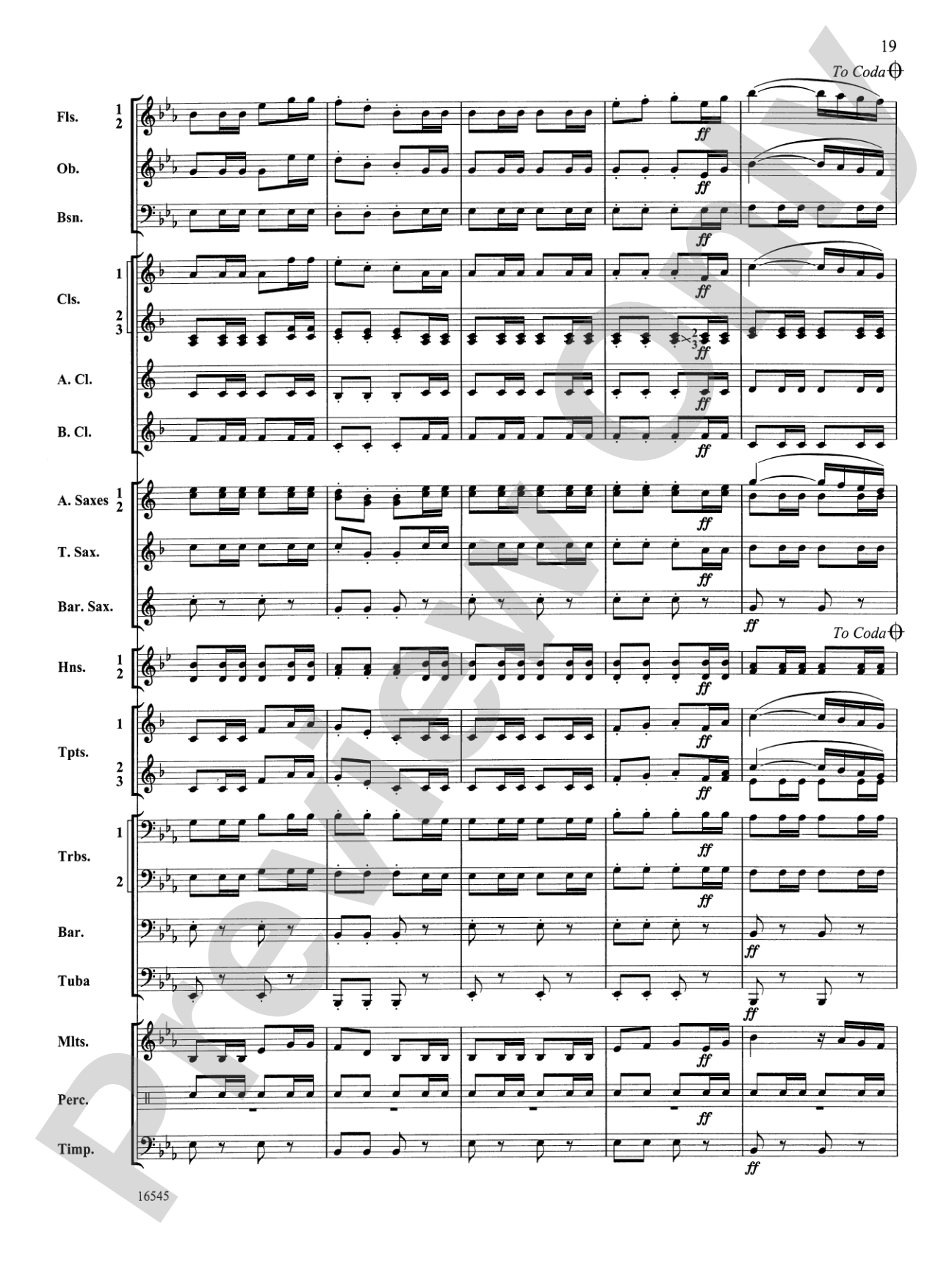
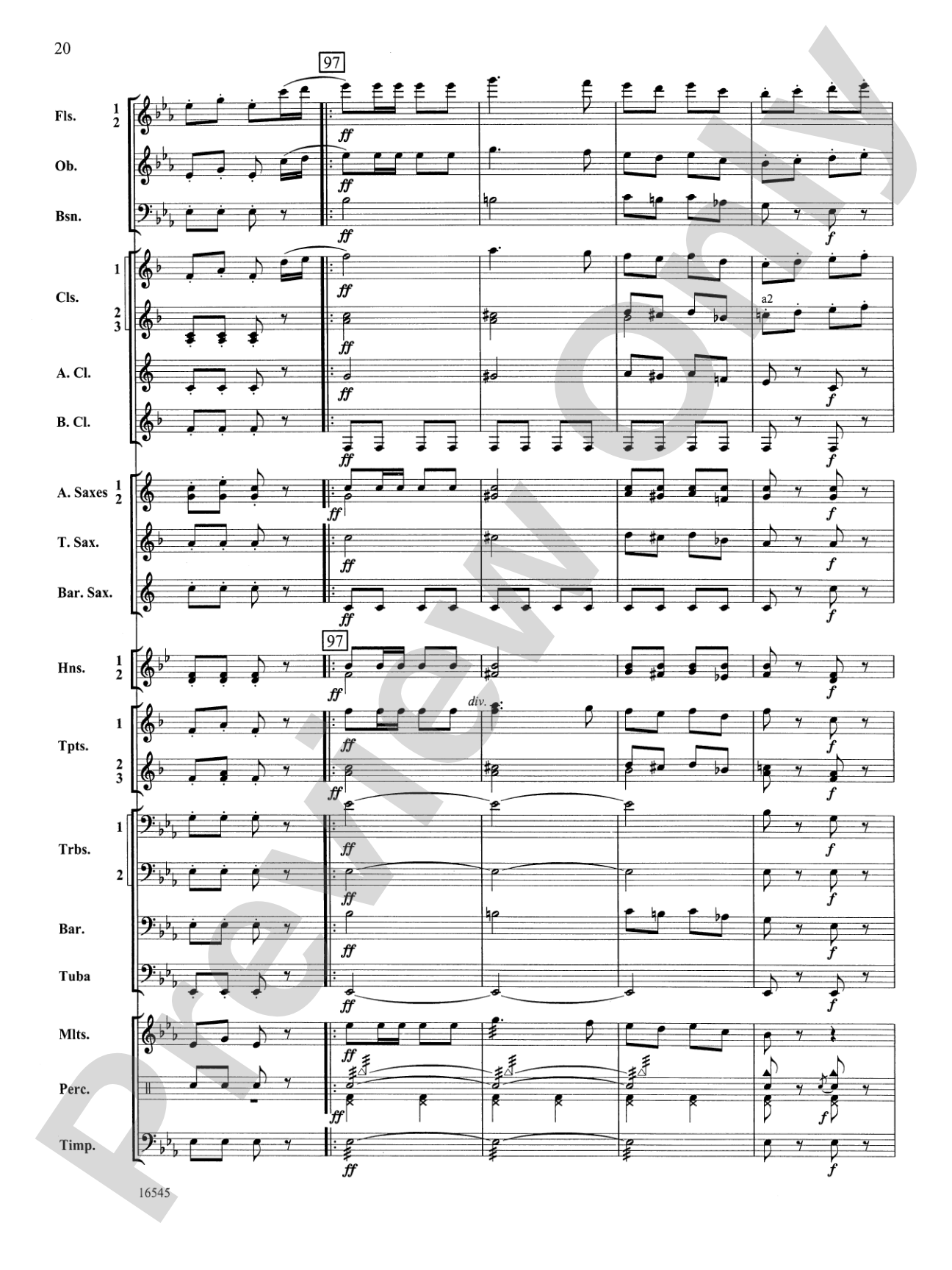
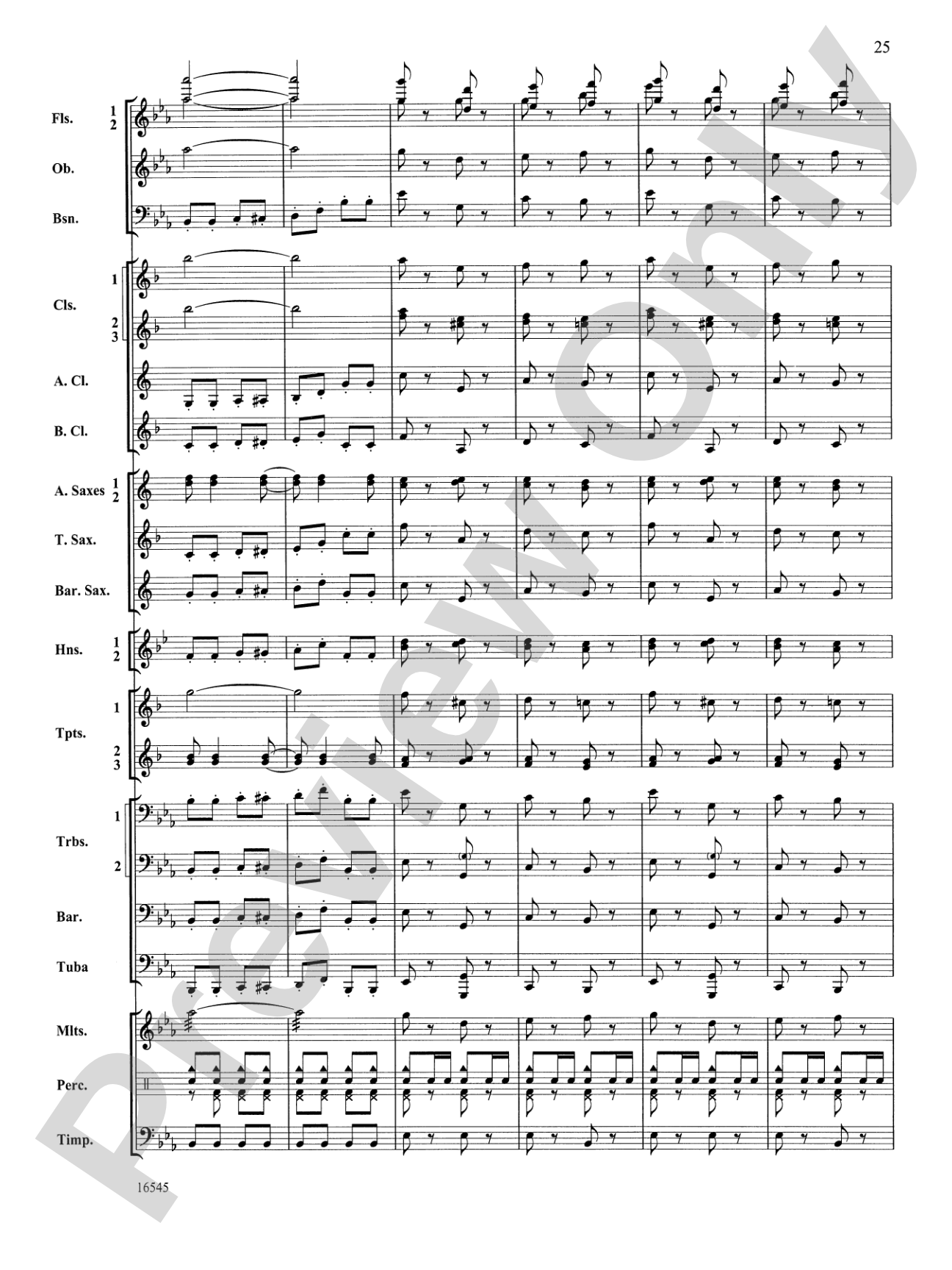
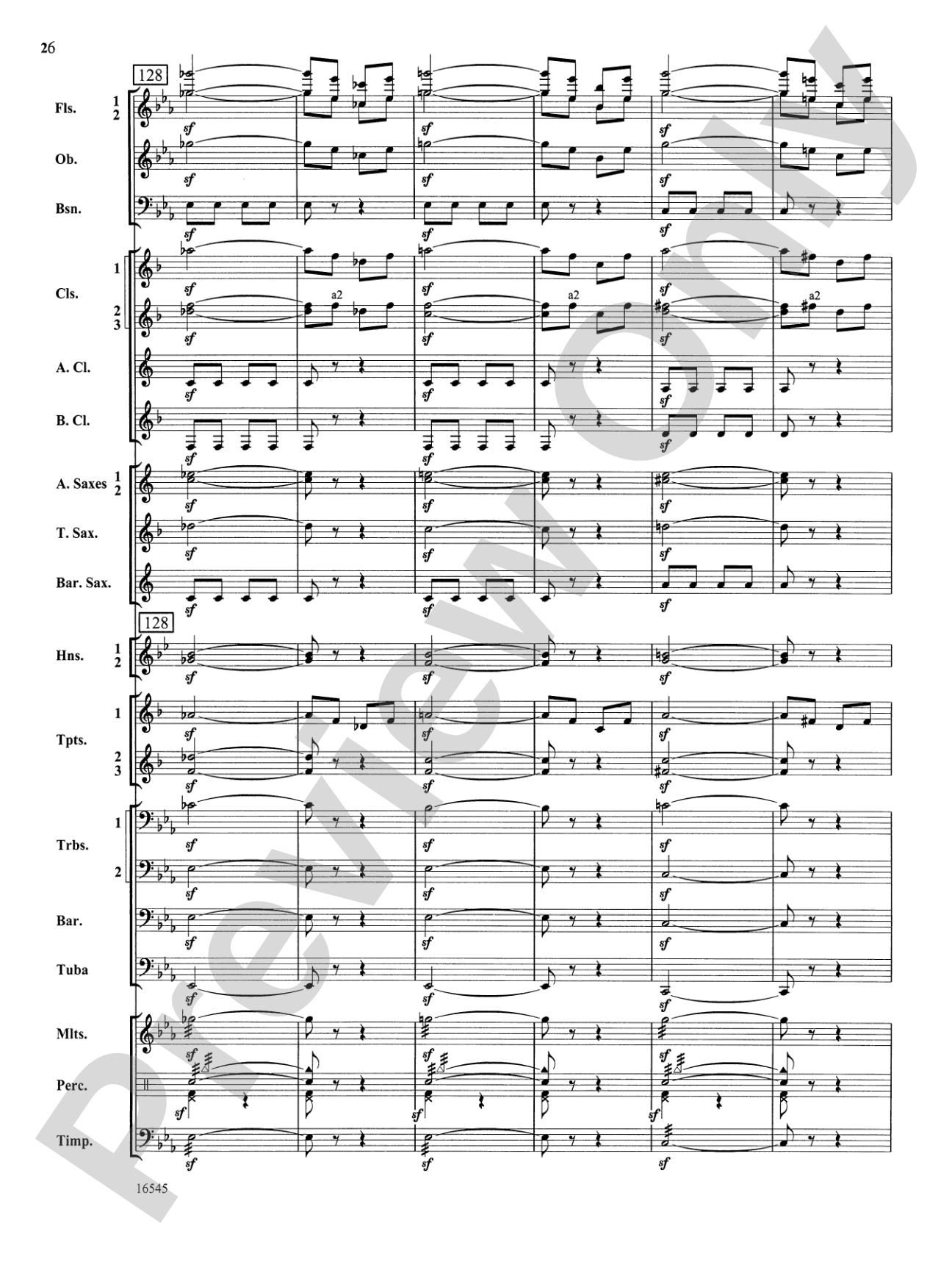
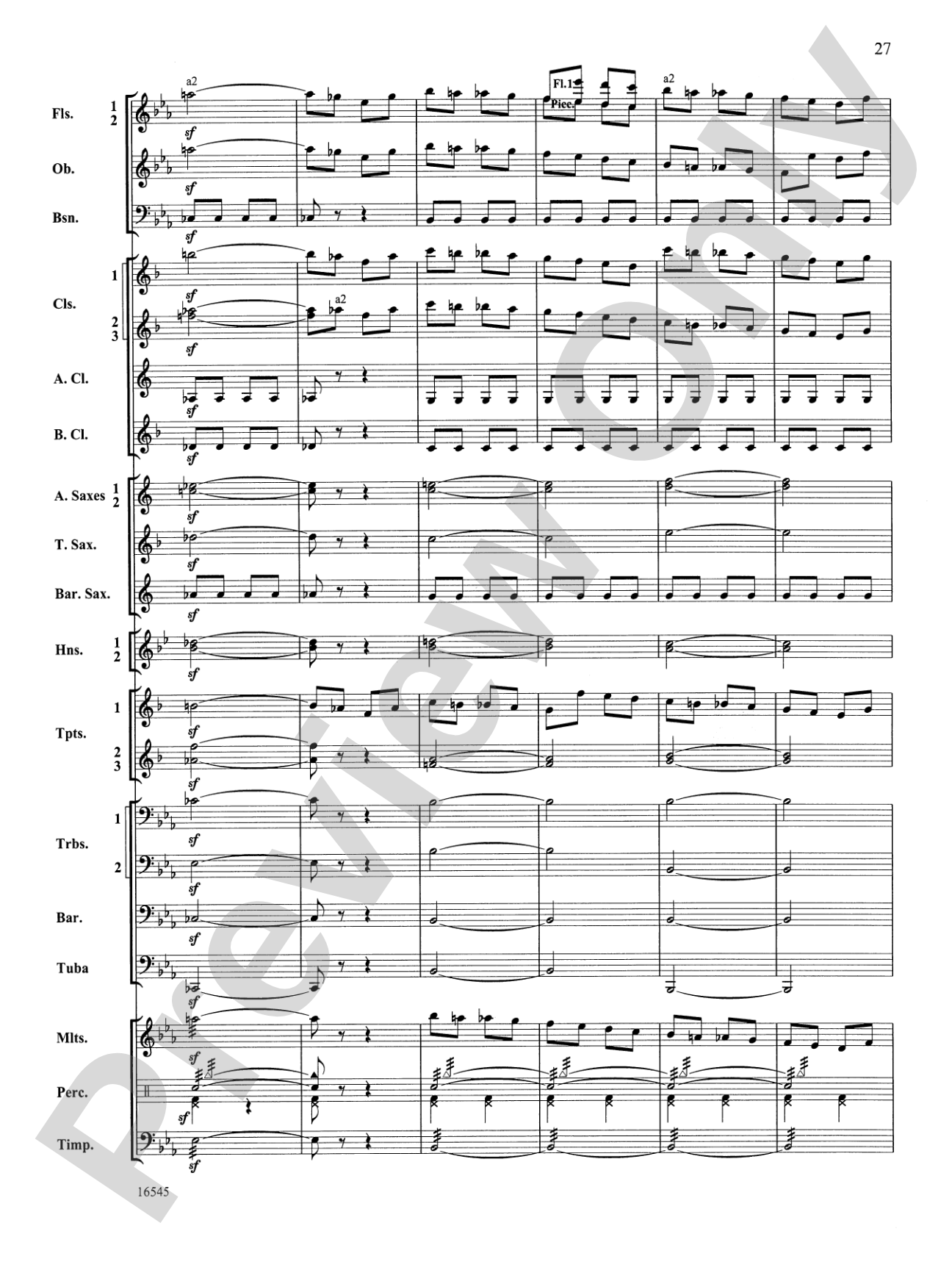
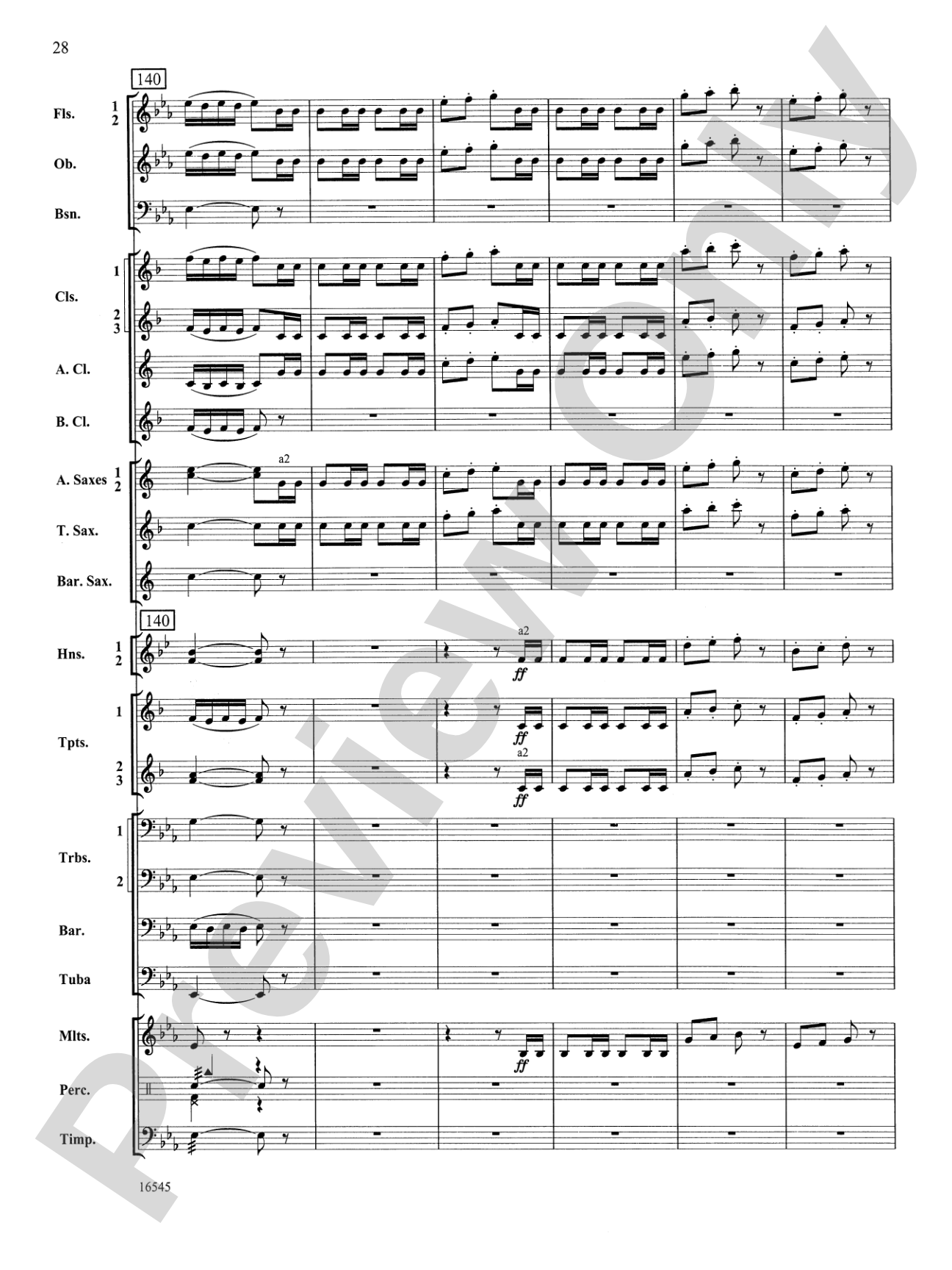
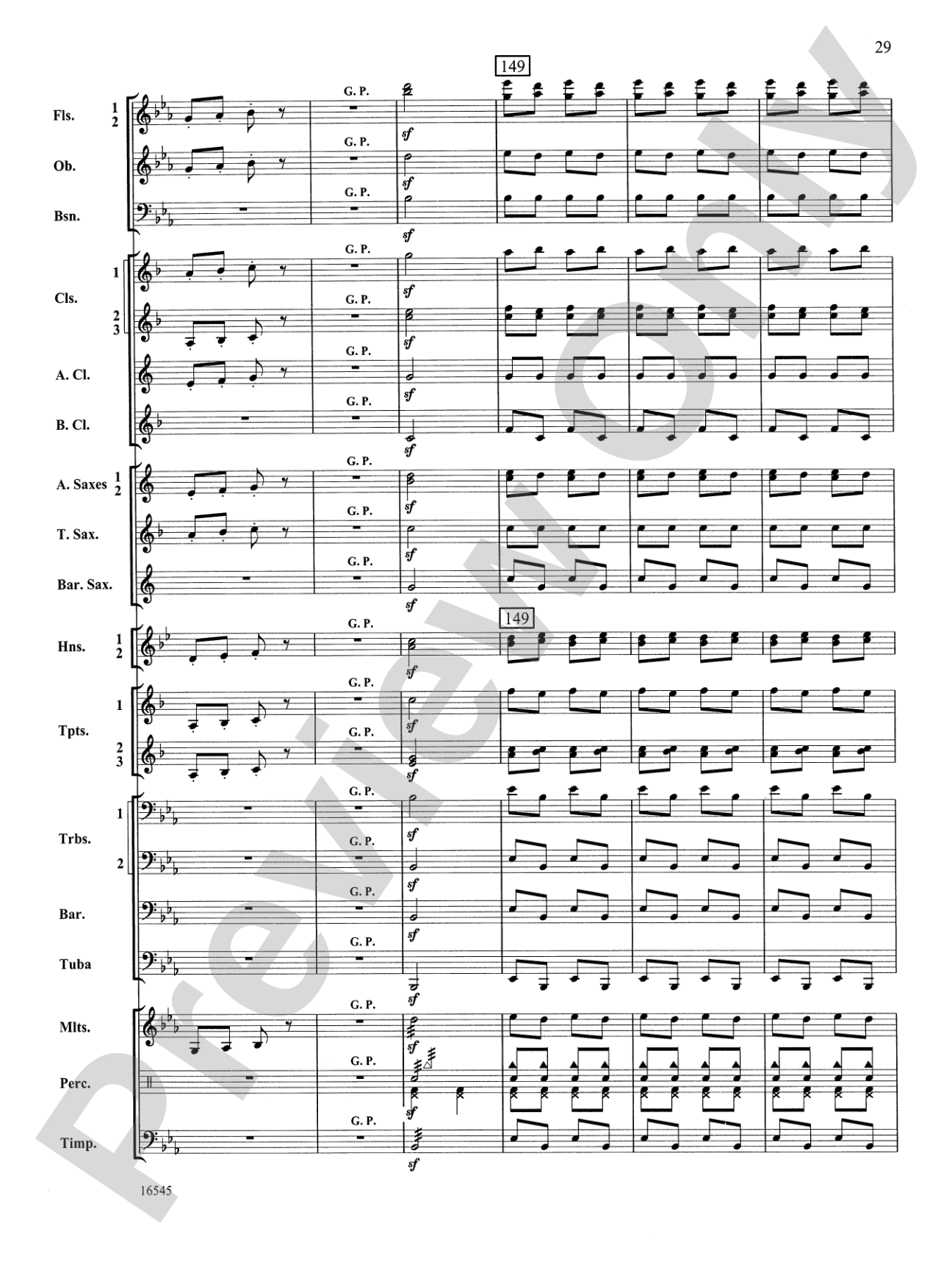
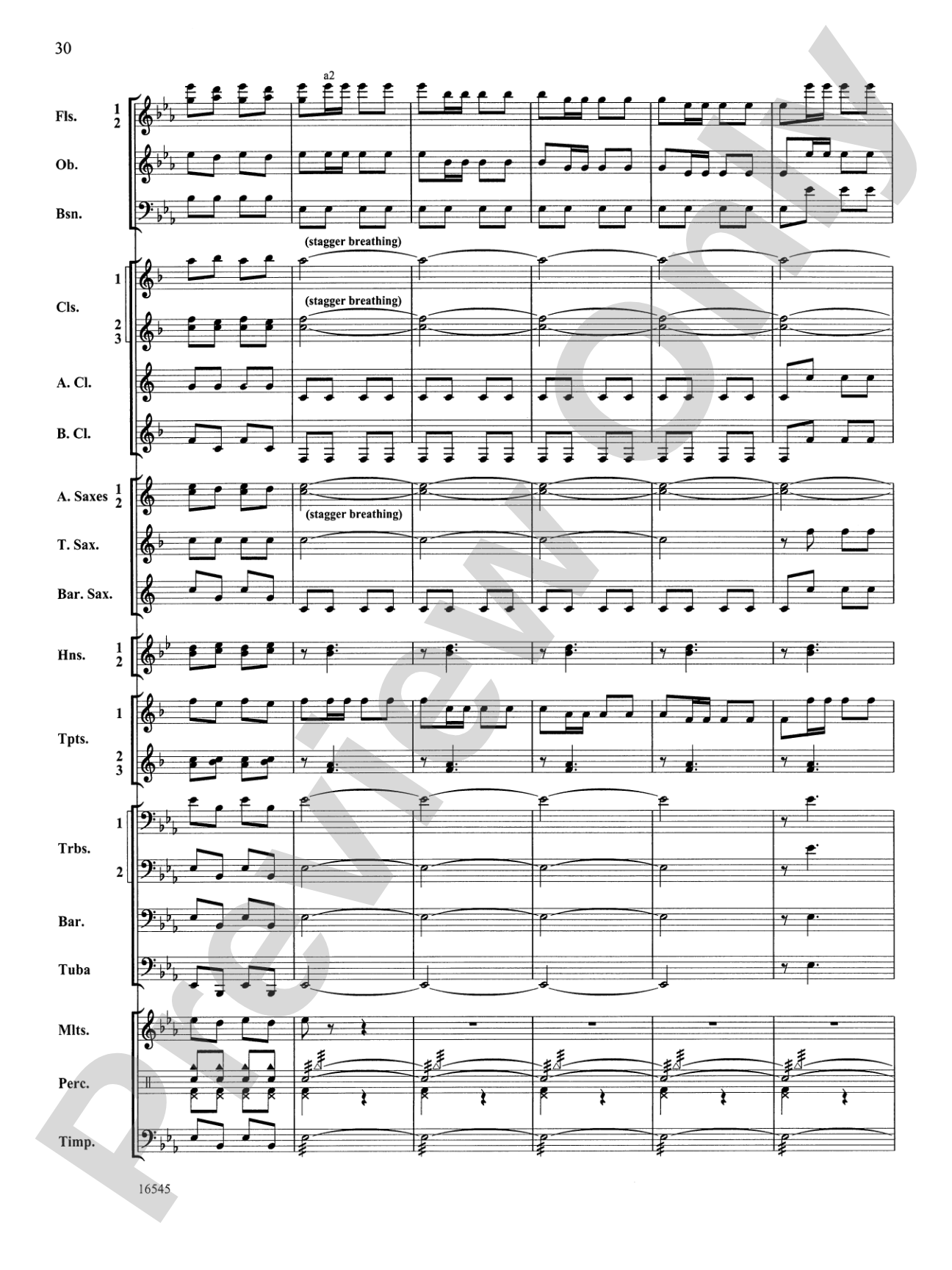
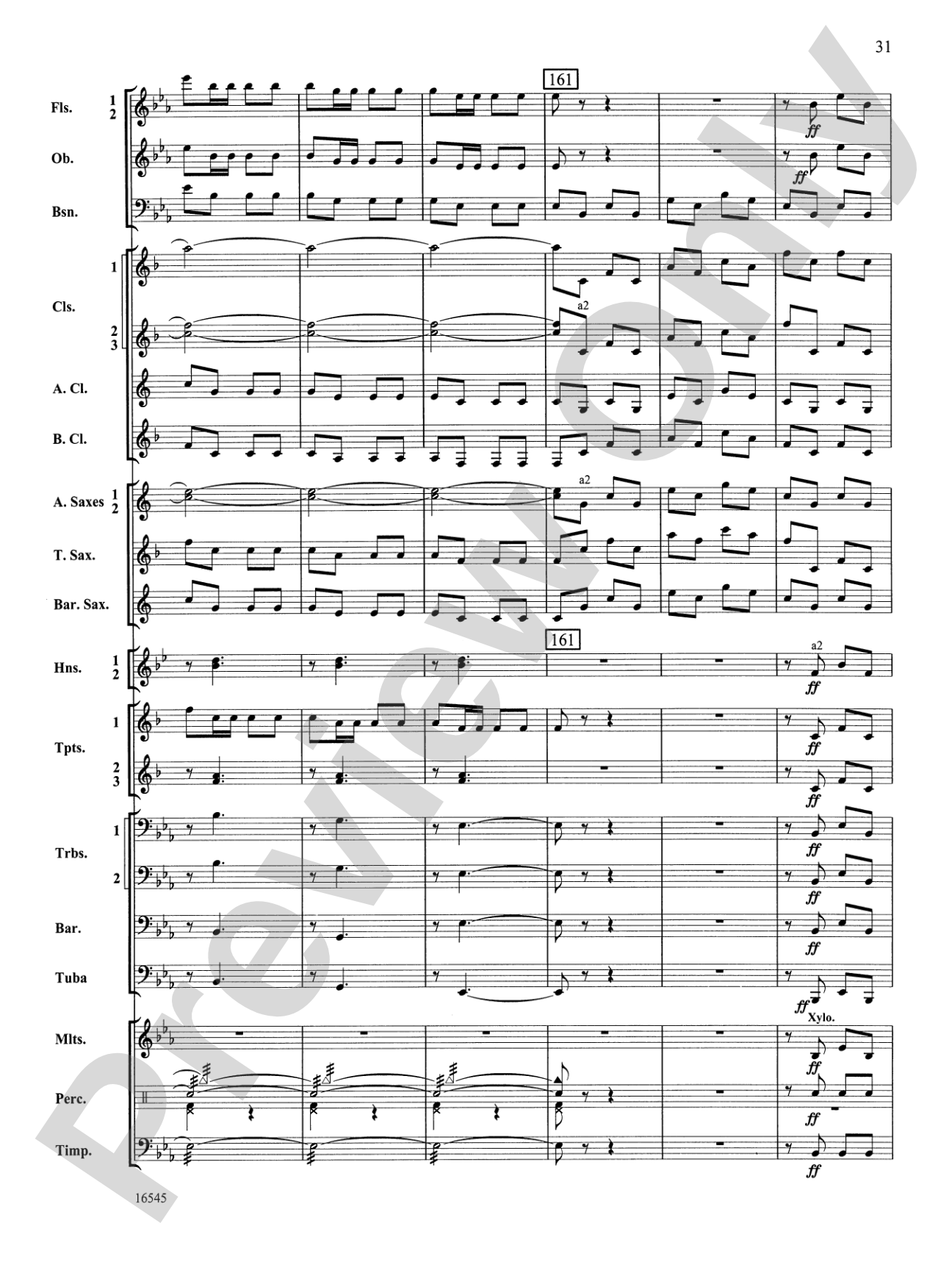
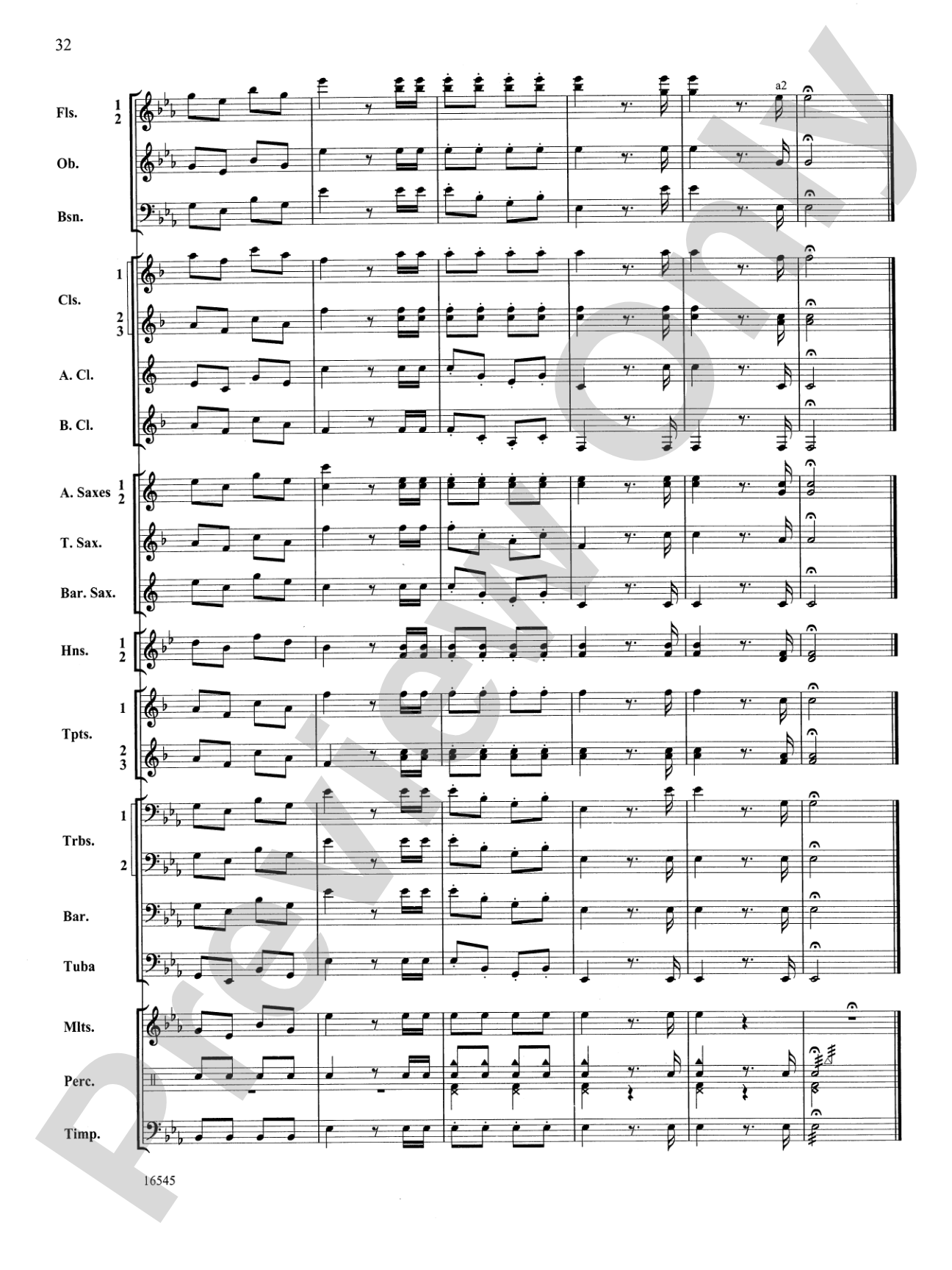
Here's another great arrangement from Mark Williams! This arrangement of selections from the beloved William Tell Overture will enthrall listeners and performers alike. The Lento introduction features the woodwind section and sets the stage for the trumpet section which sounds the familiar "Lone Ranger" theme to begin the famous Allegro vivace which runs the full dynamic range from tense pianissimo to pounding fortissimo.


Don't just read it, hear it, play along with it, and watch your students grow with it. In MakeMusic Cloud, William Tell Overture: Concert Band Conductor Score & Parts comes alive with professional accompaniment, adjustable tempo, and built-in practice tools that turn solo practice into real progress.
Open in the Player
Jump straight in and assign it today.
Start Your Free Trial
Open this title and explore the full library in minutes.
Sample Audio
1
Audio File
--:--
0:00
0:00
Sample Video
No sample videos found.
Additional Details
Series:
Growing Band Series
Publisher:
Alfred Music
Page Count:
264
SKU:
00-PK-0000189
More about this title
About the Composer: Gioacchino Rossini
Gioachino Rossini (1792, 1868) composed some of the most spirited and technically brilliant music of the early 19th century. His ability to craft memorable melodies, deploy orchestration with precision, and build momentum through rhythmic vitality made him one of Europe's most celebrated composers during his lifetime. The William Tell Overture stands as perhaps his most enduring work, a masterclass in dramatic structure that has transcended opera houses to become part of popular culture.
Rossini's gift for orchestral writing made his works natural candidates for band arrangement. His melodies are immediately singable, his harmonic language is clear and direct, and his sense of pacing gives arrangers plenty of material to work with. For student musicians, his compositions offer the rare combination of accessibility and sophistication.
Why we love this
Mark Williams has captured the essential drama of Rossini's overture while keeping the orchestration playable for Grade 3 ensembles. The arrangement respects the structure you hear in the original, from the hushed woodwind opening through the brilliant trumpet entrance and into the kinetic Allegro vivace, making this a genuine musical experience rather than a simplified excerpt.
What to expect
The overture unfolds like a miniature operatic drama: intimate and mysterious in the opening, then suddenly urgent and brilliant as the familiar melody arrives. The final section becomes a celebration of momentum and color, with every section of the band getting moments to shine.
Who it's for
Directors programming Grade 3 concert bands who want a recognizable, crowd-pleasing work with genuine musical substance. This arrangement is ideal for ensembles ready to handle dynamic contrast, exposed woodwind writing, and the ensemble cohesion required in the fast section.
How to get the most out of it
- Balance the Lento woodwind introduction carefully; the ensemble must sit as an accompaniment to the exposed melodic lines rather than crowding them.
- Enter the famous "Lone Ranger" theme with clarity and confidence when the trumpets take over. This is the audience's anchor point, so lock the intonation across the trumpet section.
- Shape the dynamic arc in the Allegro vivace deliberately. The range from pianissimo to fortissimo only works if both extremes are clean and intentional, not accidental.
- Let the rhythmic figures drive forward in the fast section. Rossini's energy comes from precision and commitment, not from pushing tempo.
How to use it
This arrangement works beautifully as a concert opener, particularly if you're building a program around Romantic-era masterworks or a patriotic theme. It's also an excellent choice for community concerts and pops events where the "Lone Ranger" reference guarantees immediate recognition and engagement.
Skills your students will build
- Dynamic shaping across a wide range (pianissimo to fortissimo)
- Balanced ensemble voicing in four-part writing
- Rhythmic precision in fast passages with sixteenth-note figures
- Exposed melodic playing in woodwind and trumpet sections
- Coordination of contrasting sections within a single movement