
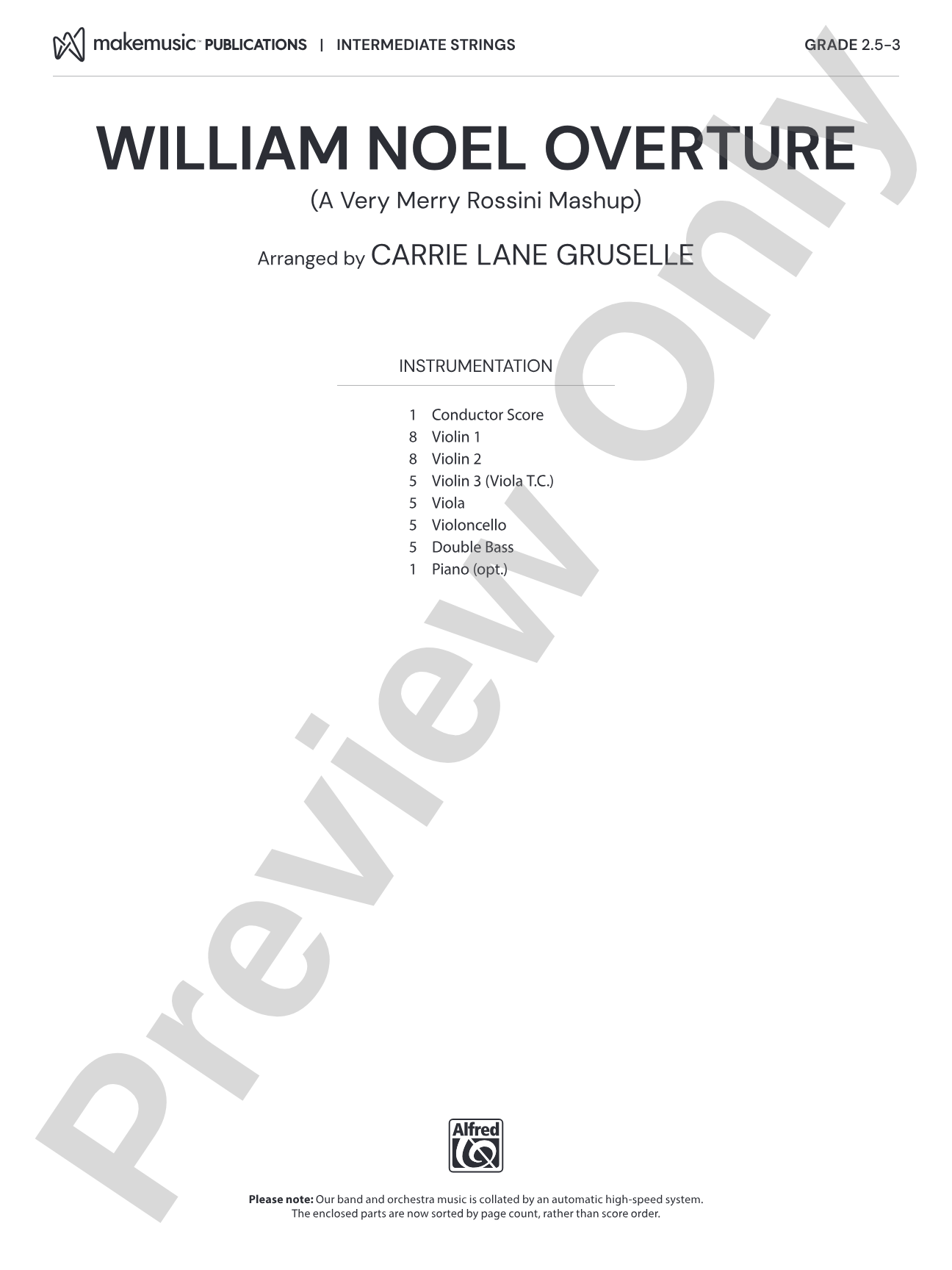
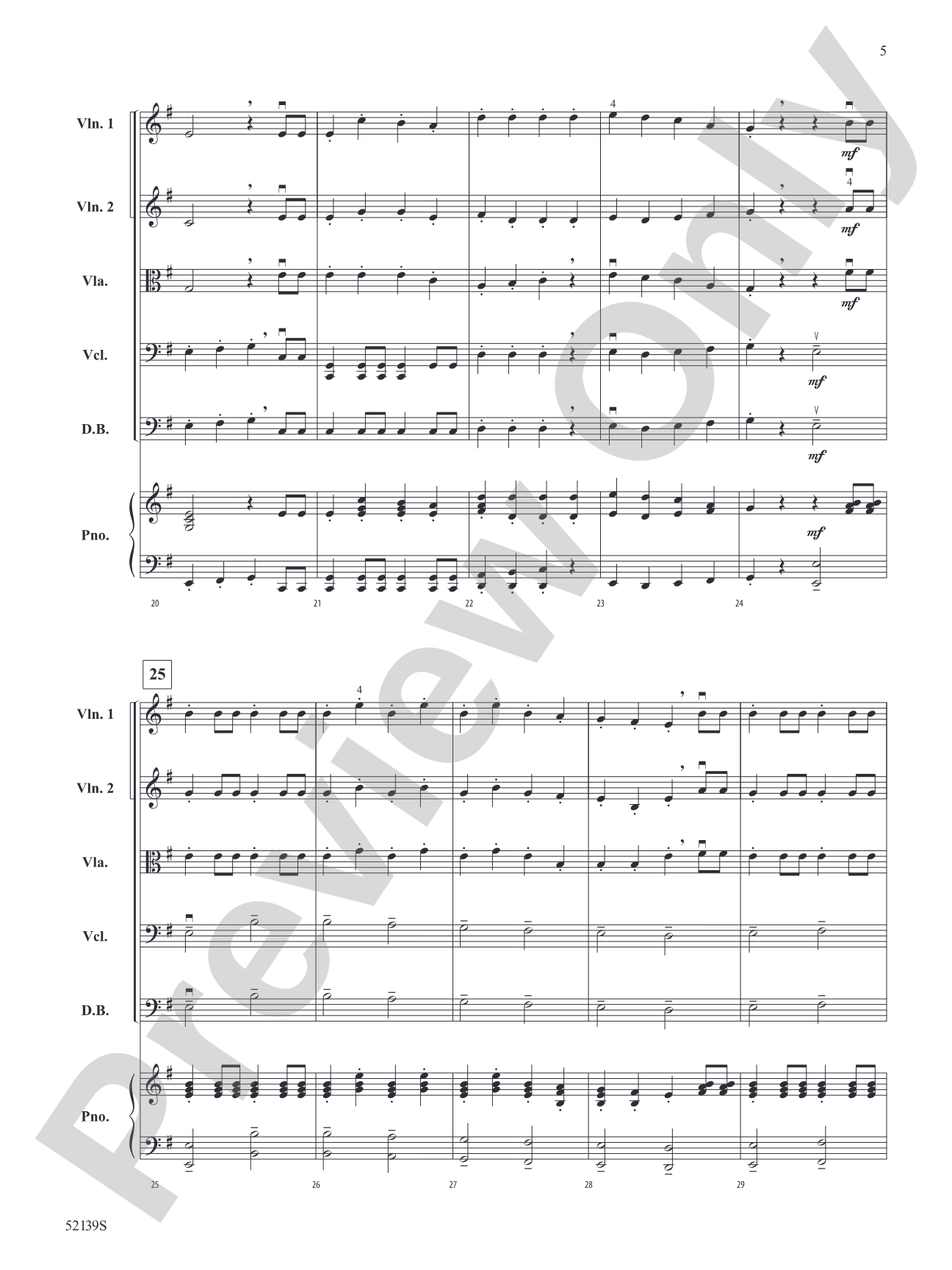
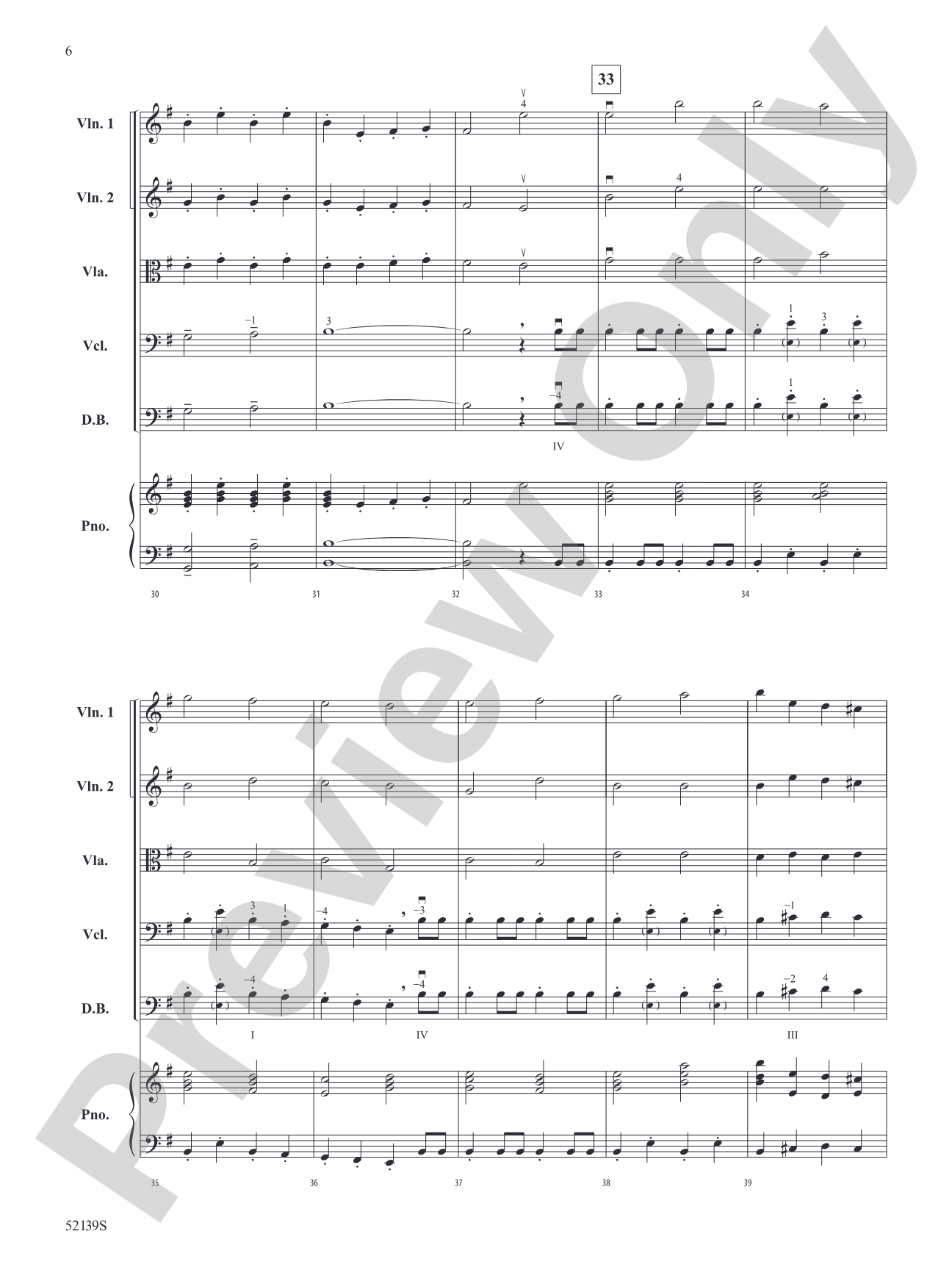
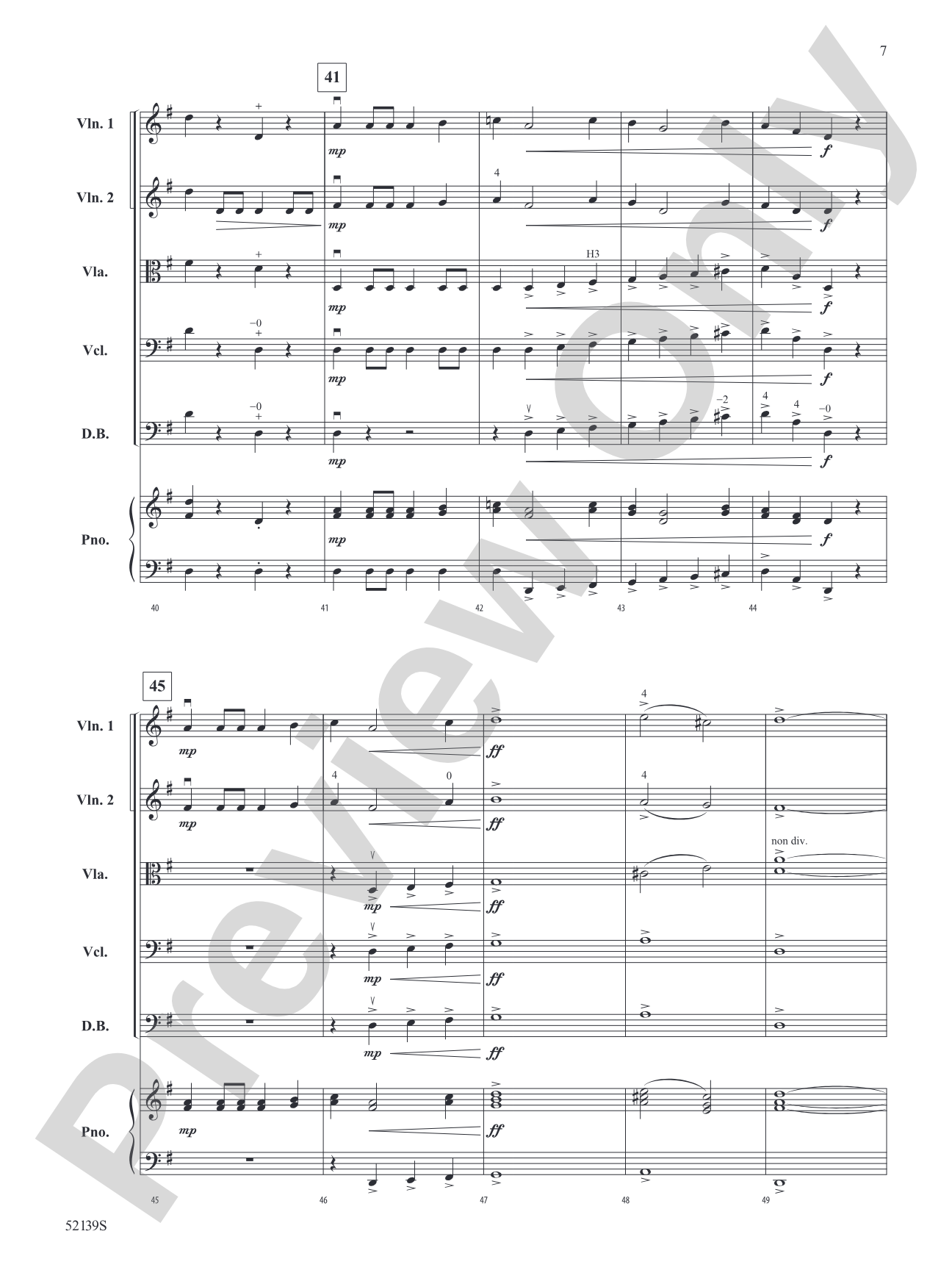
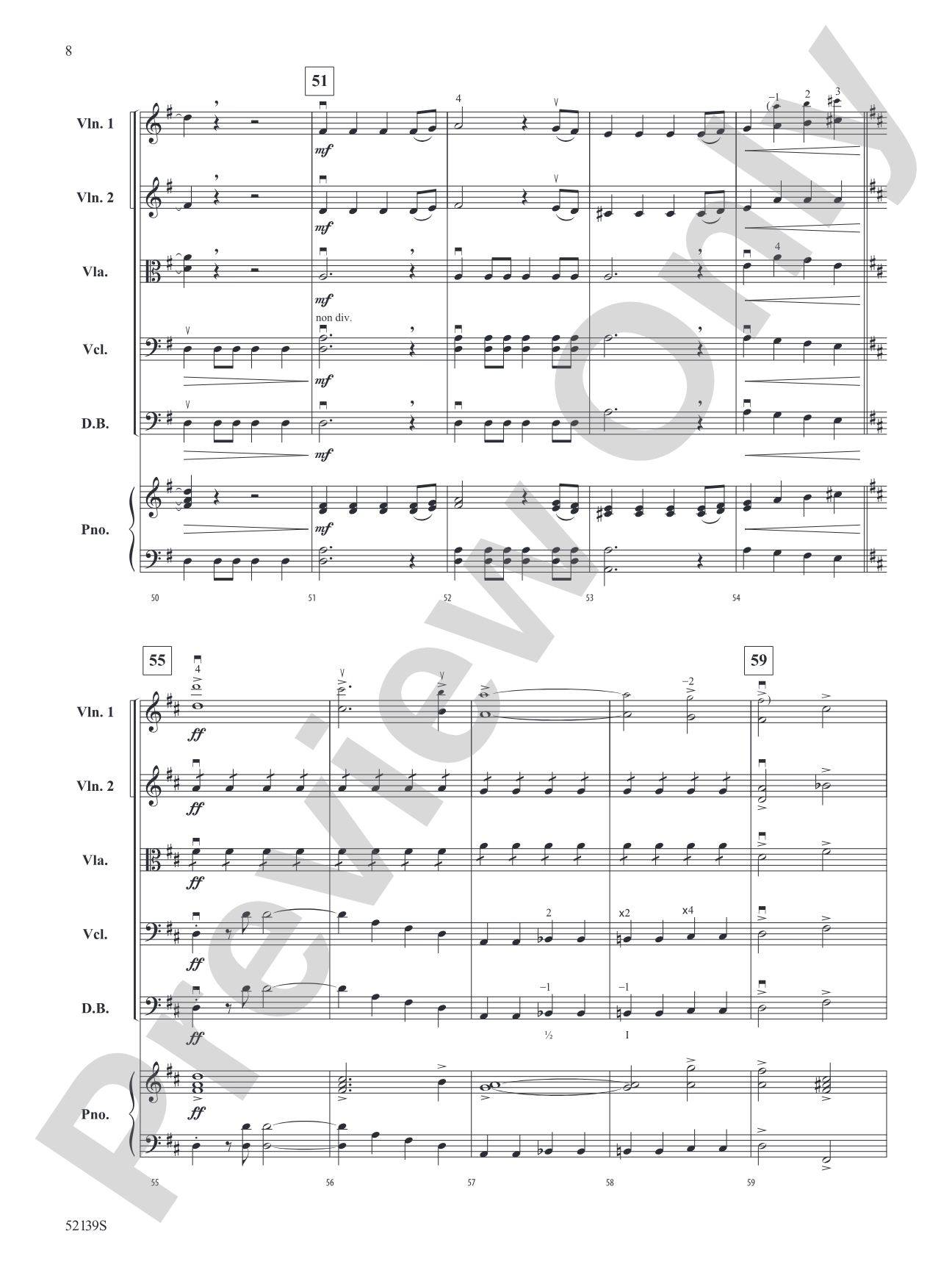
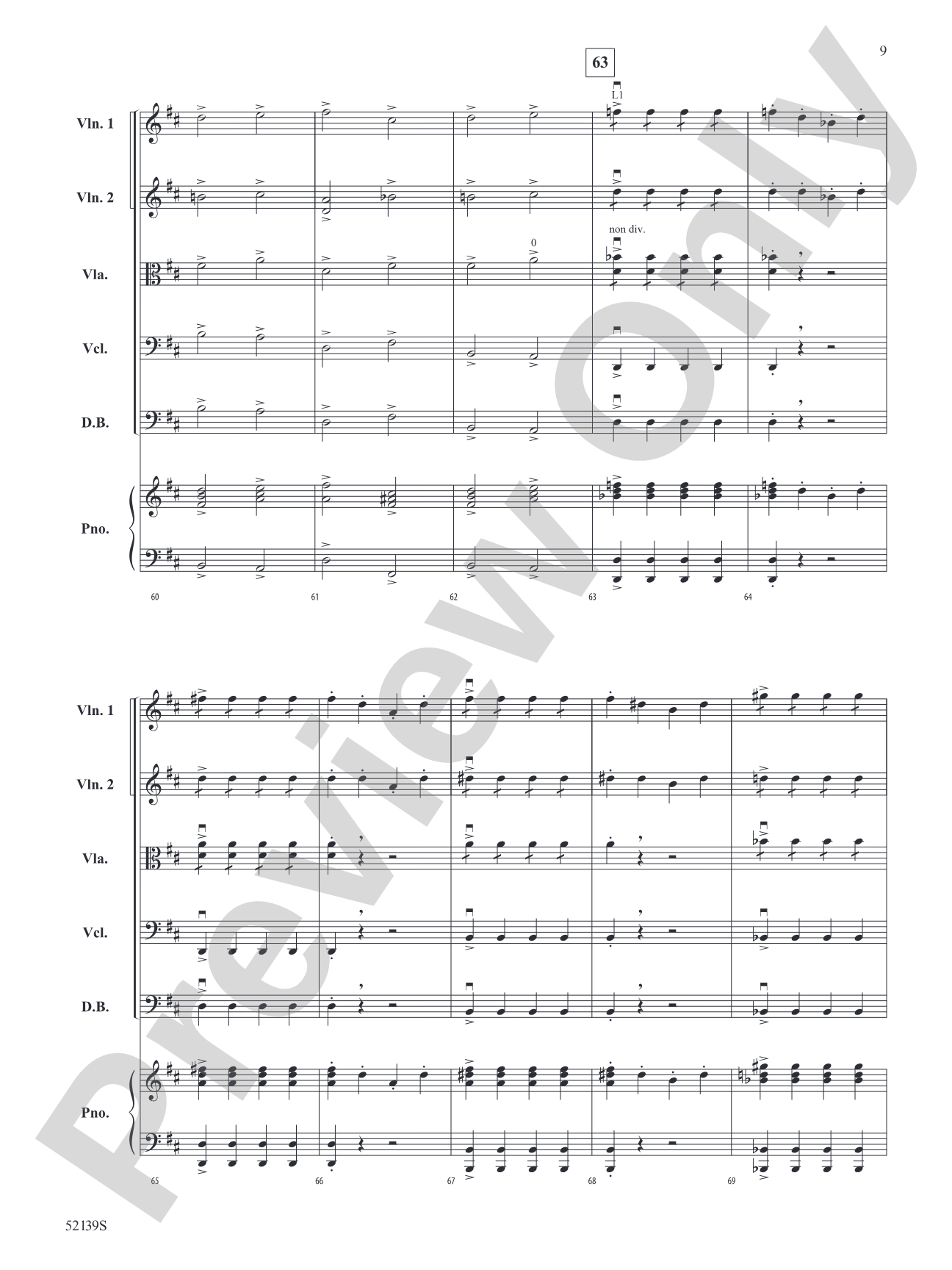
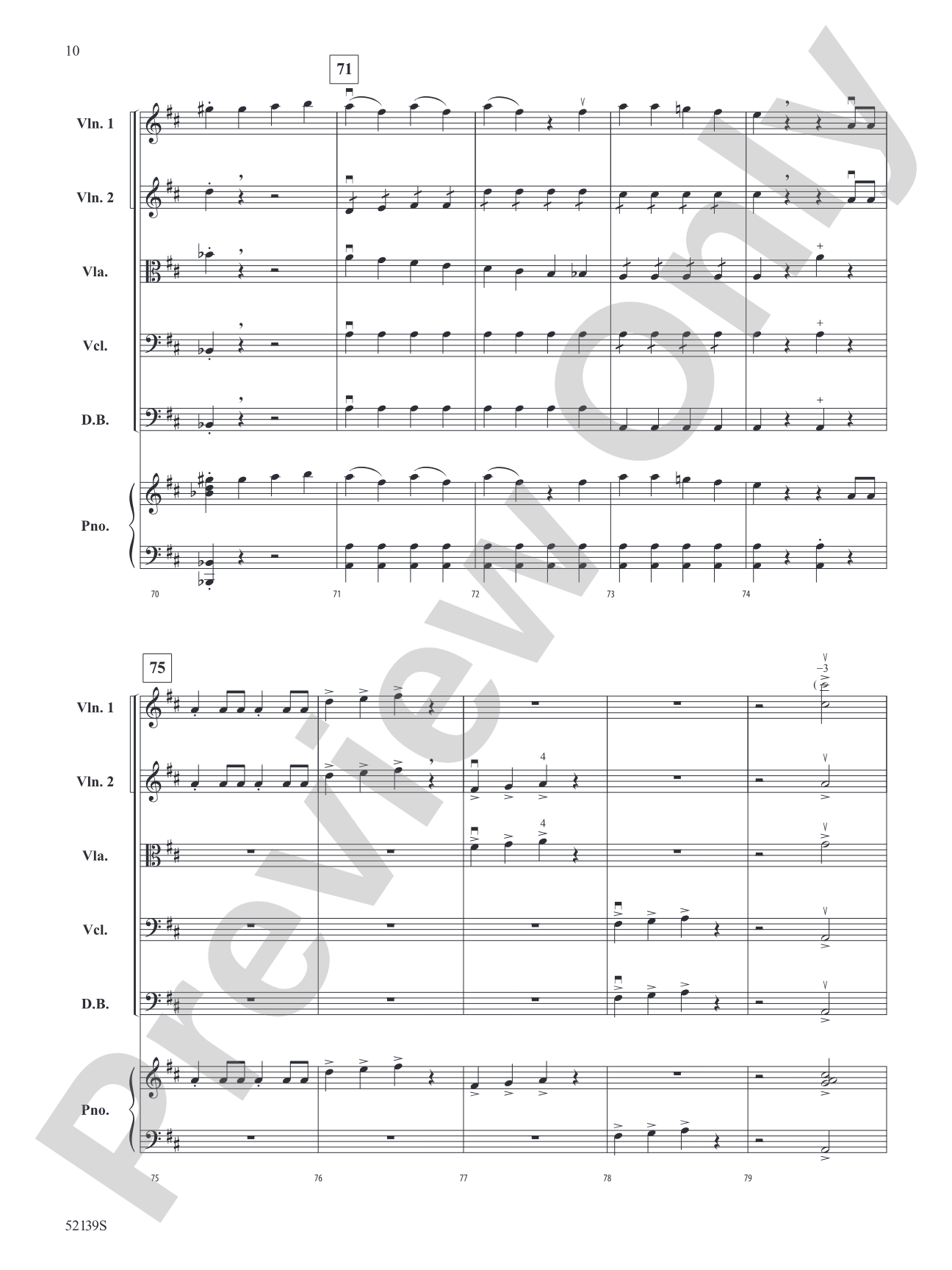
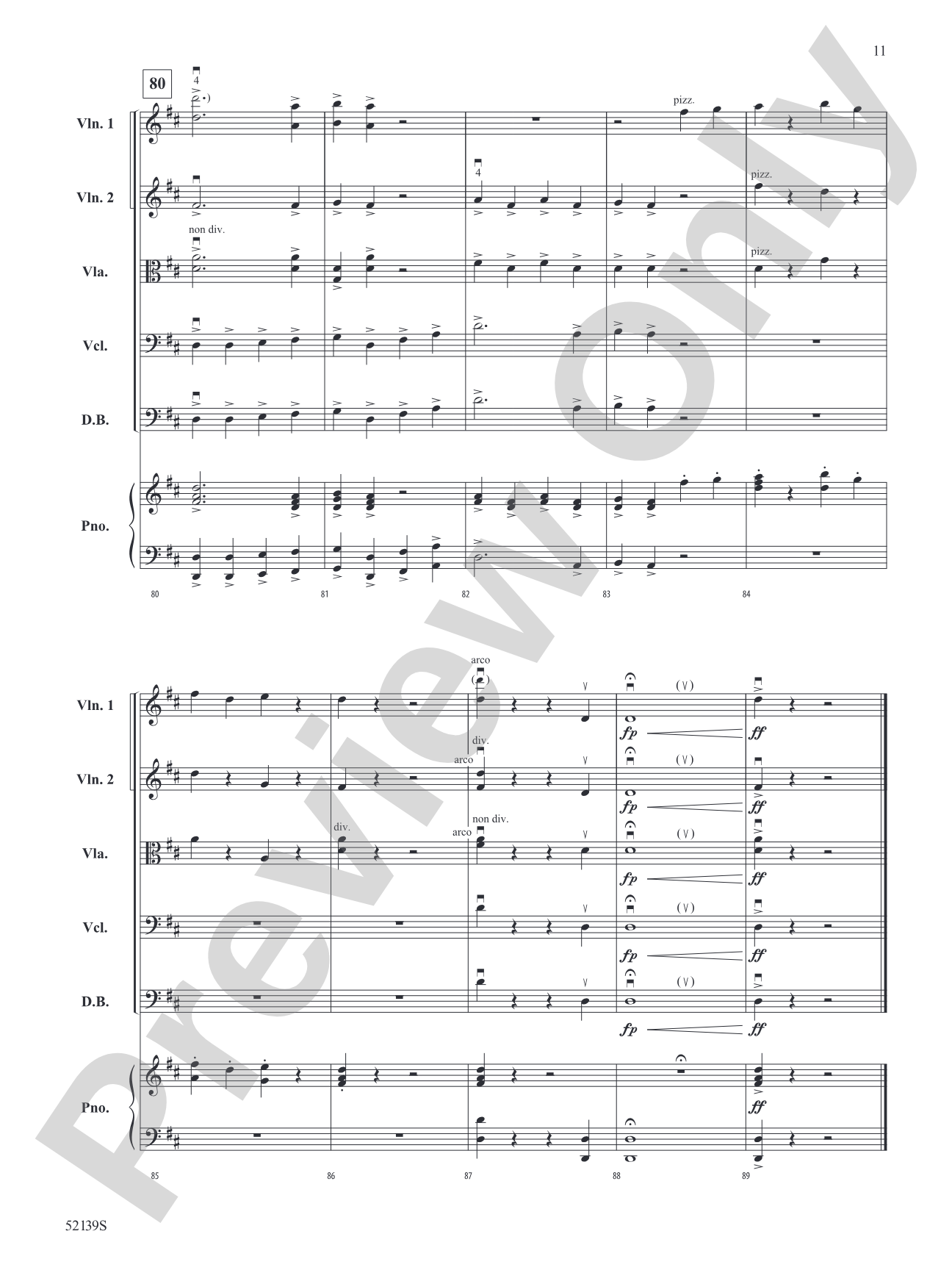

William Noel Overture: String Orchestra Conductor Score & Parts
(A Very Merry Rossini Mashup)
Arranged by Carrie Lane Gruselle
Grade: 2.5
Item: 00-PK-0009560

$65.00
Pickup currently not available
Buy Extra Parts (Digital PDF Download)
| Product | Price | Quantity |
|---|---|---|
| William Noel Overture: Score | $12.00 | |
| William Noel Overture: 1st Violin | $3.00 | |
| William Noel Overture: 2nd Violin | $3.00 | |
| William Noel Overture: 3rd Violin (Viola [TC]) | $3.00 | |
| William Noel Overture: Viola | $3.00 | |
| William Noel Overture: Cello | $3.00 | |
| William Noel Overture: String Bass | $3.00 | |
| William Noel Overture: Piano Accompaniment | $3.00 |
Parts Added to Cart!
Description
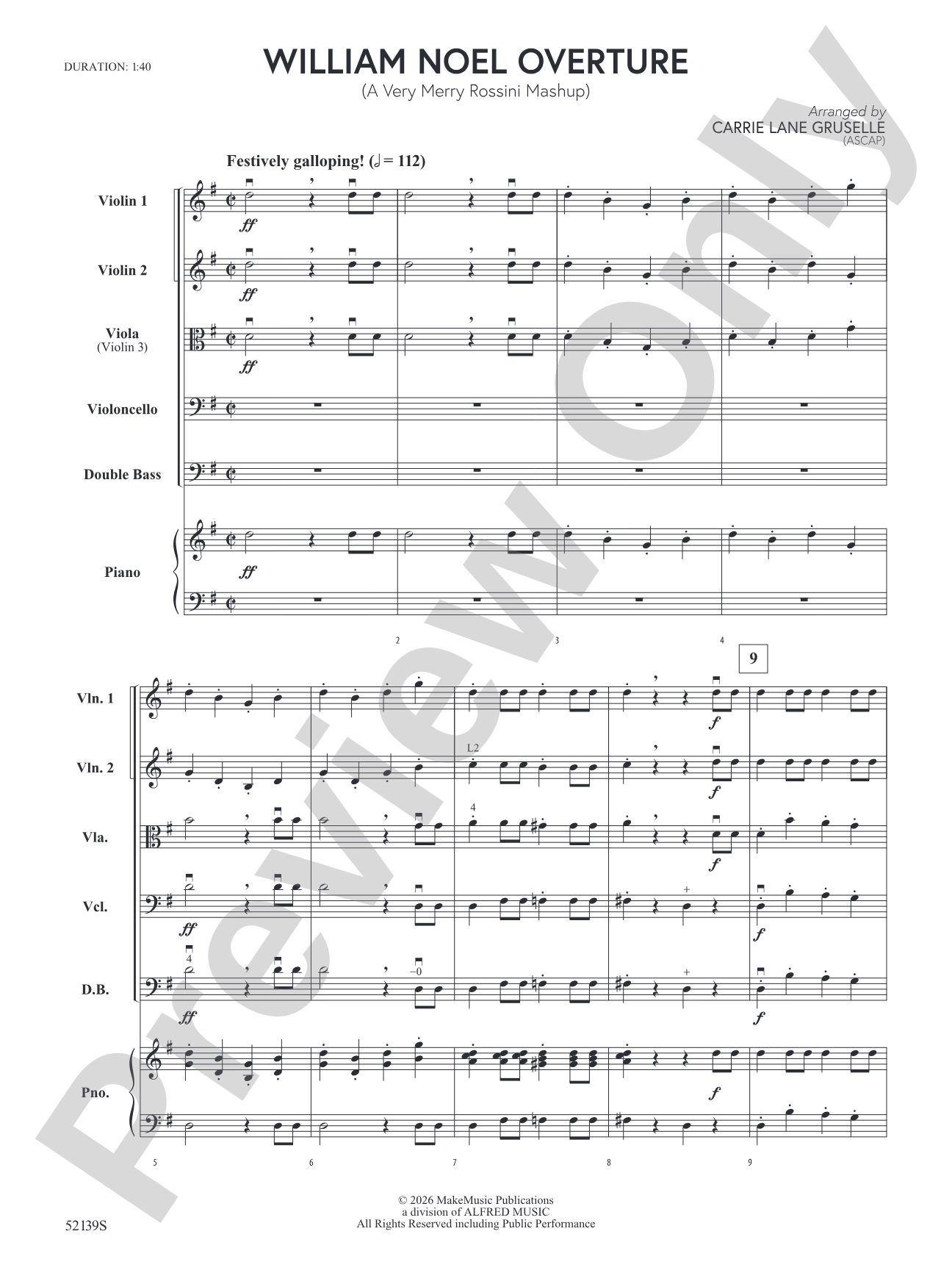
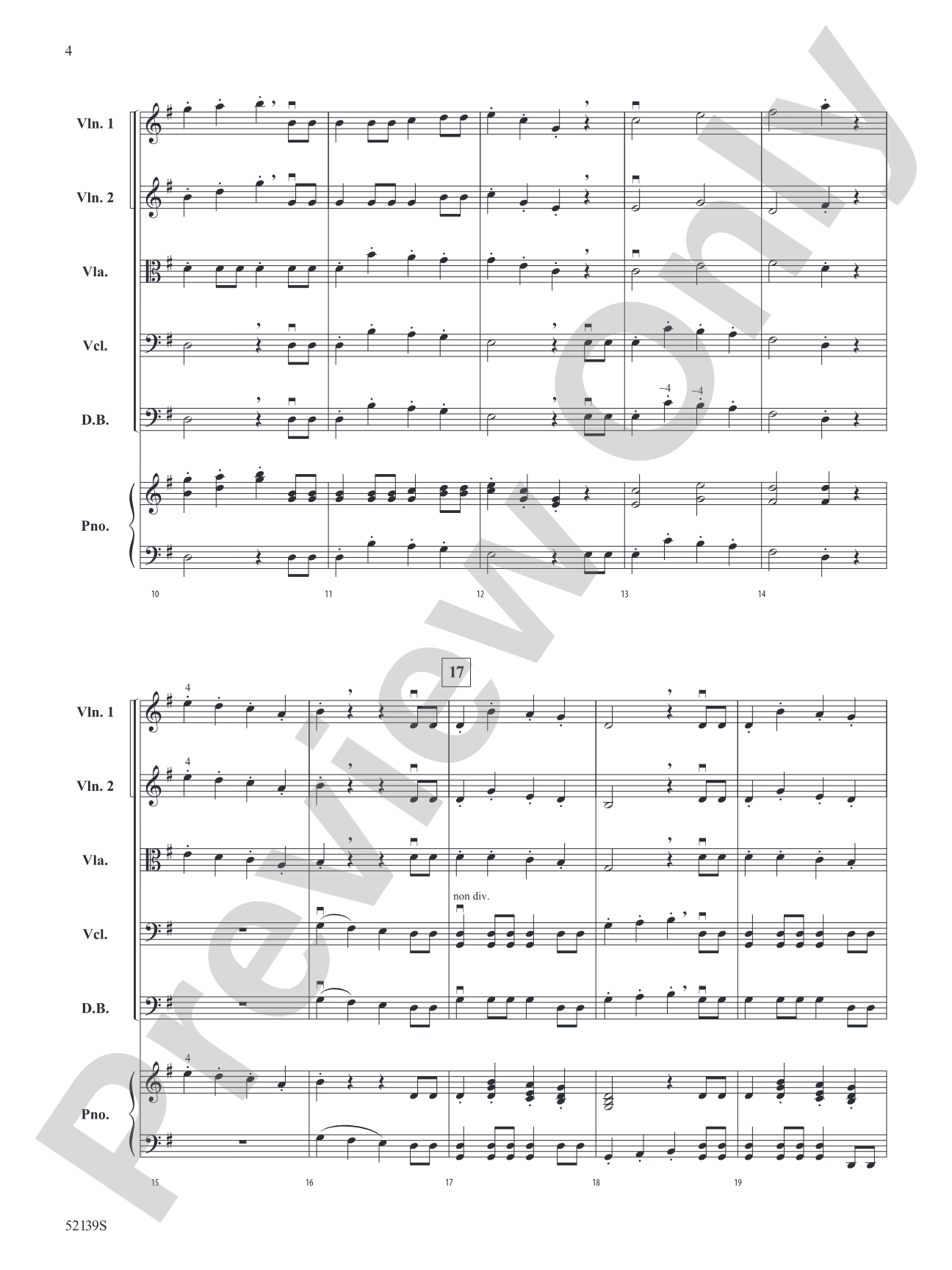
Unleash festive fun with William Noel Overture, a joyous mash-up from Carrie Lane Gruselle, who overlays a bunch of holiday classics on Rossini's famous William Tell Overture. It's a blast for audiences and a great teaching tool for bow techniques, dynamics, key changes, and more. A holiday hit and an educational win! (1:40)


Don't just read it, hear it, play along with it, and watch your students grow with it. In MakeMusic Cloud, William Noel Overture: String Orchestra Conductor Score & Parts comes alive with professional accompaniment, adjustable tempo, and built-in practice tools that turn solo practice into real progress.
Open in the Player
Jump straight in and assign it today.
Start Your Free Trial
Open this title and explore the full library in minutes.
Sample Audio
1
Audio File
--:--
0:00
0:00
Sample Video
Additional Details
Series:
MakeMusic Intermediate Strings
Publisher:
MakeMusic Publications
SKU:
00-PK-0009560
More about this title
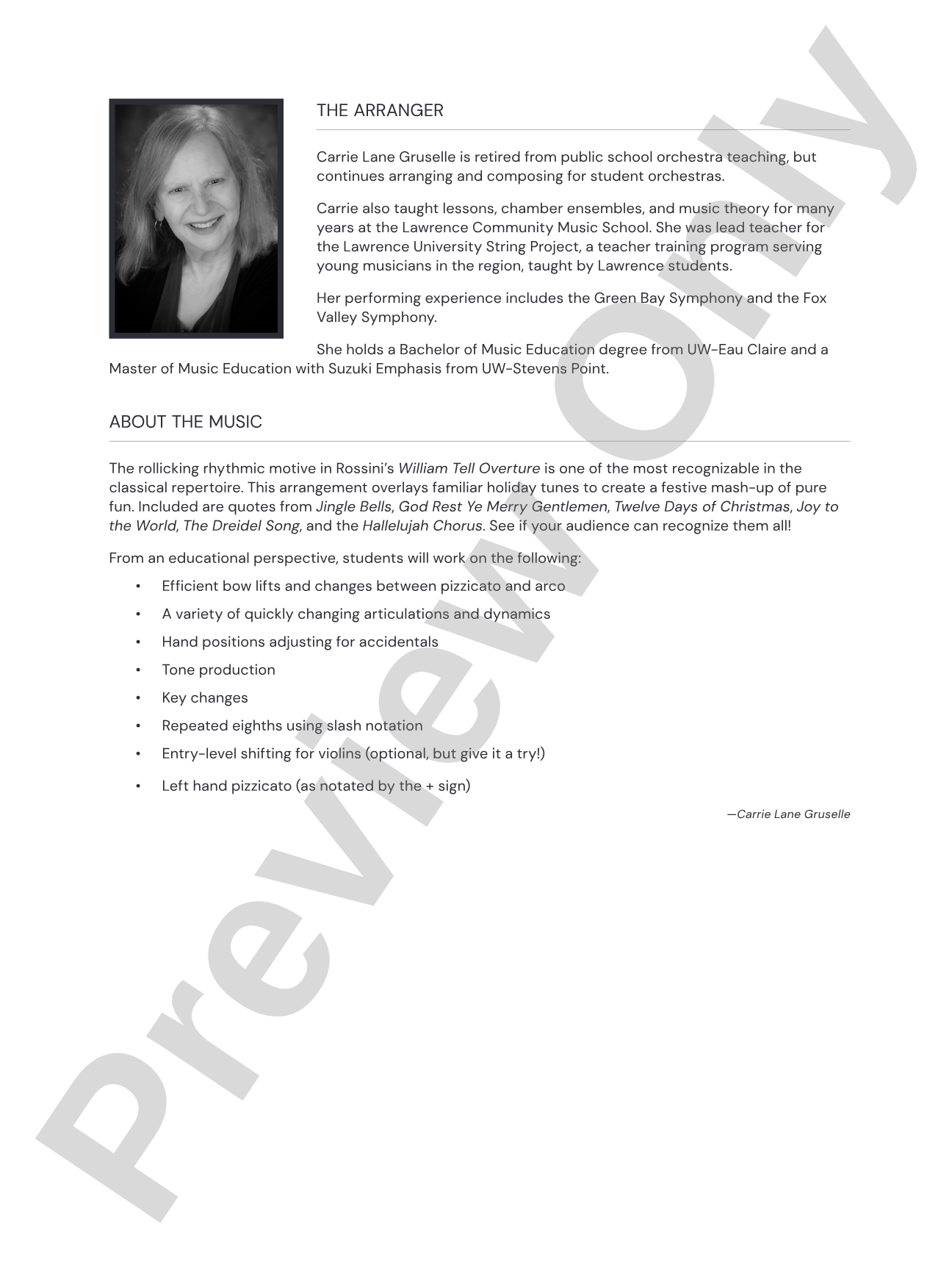
About the Arranger: Carrie Lane Gruselle

Carrie Lane Gruselle earned her Bachelor of Music Education from the University of Wisconsin, Eau Claire and her Masters of Music Education from the University of Wisconsin, Stevens Point, where she specialized in Suzuki pedagogy. She teaches strings to elementary and middle school students in the Appleton Area School District and maintains a cello studio through the Lawrence University Arts Academy.
Gruselle brings both classroom experience and private instruction expertise to her arrangements, understanding what works for student ensembles at multiple levels. Her work balances musical sophistication with accessibility, making her pieces valuable teaching tools.
Why we love this
Gruselle's arrangement captures the infectious energy of Rossini's most recognizable melody while threading in beloved holiday tunes, creating a piece that delights both audiences and players without sacrificing musical substance. The writing gives Grade 2.5 orchestras genuine work on bow control, dynamic contrast, and modulation while keeping the fun factor high. It's the kind of holiday selection that feels fresh rather than obligatory.
What to expect
Brilliant and buoyant. The familiar gallop of William Tell meets unexpected harmonic turns and the gentle warmth of holiday melody, creating something celebratory without being saccharine. The piece radiates kinetic energy from start to finish, with moments of clarity that let individual voices shine through the dense texture.
Who it's for
String orchestras at the Grade 2.5 level, including middle school and developing high school ensembles. Directors seeking a winter concert piece that entertains audiences while offering genuine pedagogical content in bow technique, dynamics, and harmonic awareness.
How to get the most out of it
- Isolate the bow technique passages in sectional rehearsals before putting the full orchestras together. The dynamic shifts and articulation changes define this arrangement's character.
- Balance the overlaid melodies carefully during key changes. Make sure the primary voice projects while secondary material stays proportional and clear.
- Lock tempos during the transitions between sections. Even small rushing or dragging during modulations disrupts the rhythmic drive that makes this work bounce.
- Bring out the humor in the mashup through intentional phrasing choices. Crisp articulation and clear phrase endings help audiences hear the moment when a new holiday tune enters the texture.
How to use it
Perfect as a second-half opener on a winter concert, where its infectious momentum can energize both audience and ensemble after more introspective pieces. It works equally well as a finale if you want to send the audience out smiling. The 1:40 duration makes it ideal for balancing longer works on a concert program.
Skills your students will build
- Bow control across dynamic ranges and articulation styles
- Reading key changes and transpositions
- Balancing multiple melodic lines within a single texture
- Precision in rhythmic ensemble playing during tempo transitions
- Listening for and responding to harmonic movement