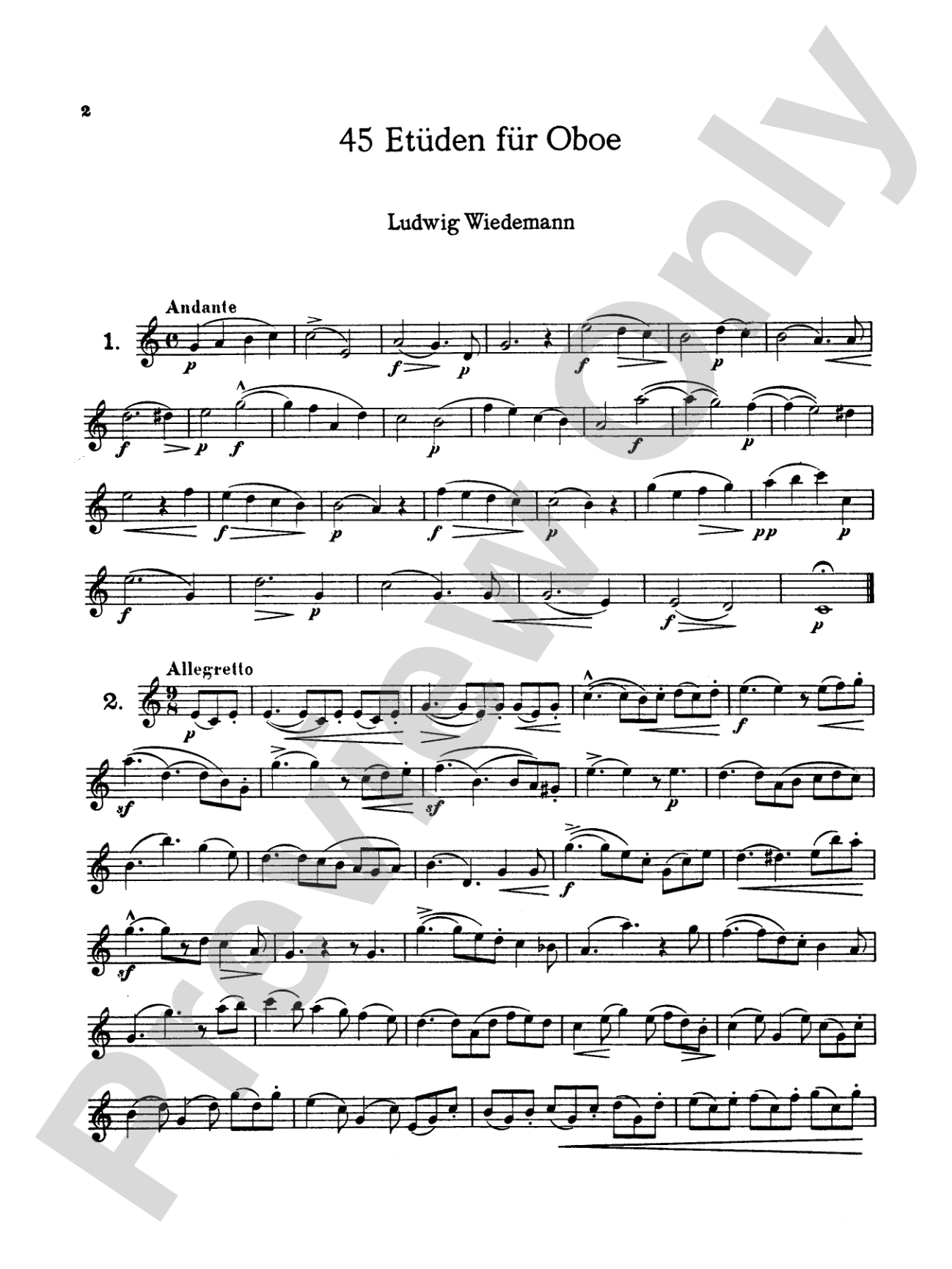
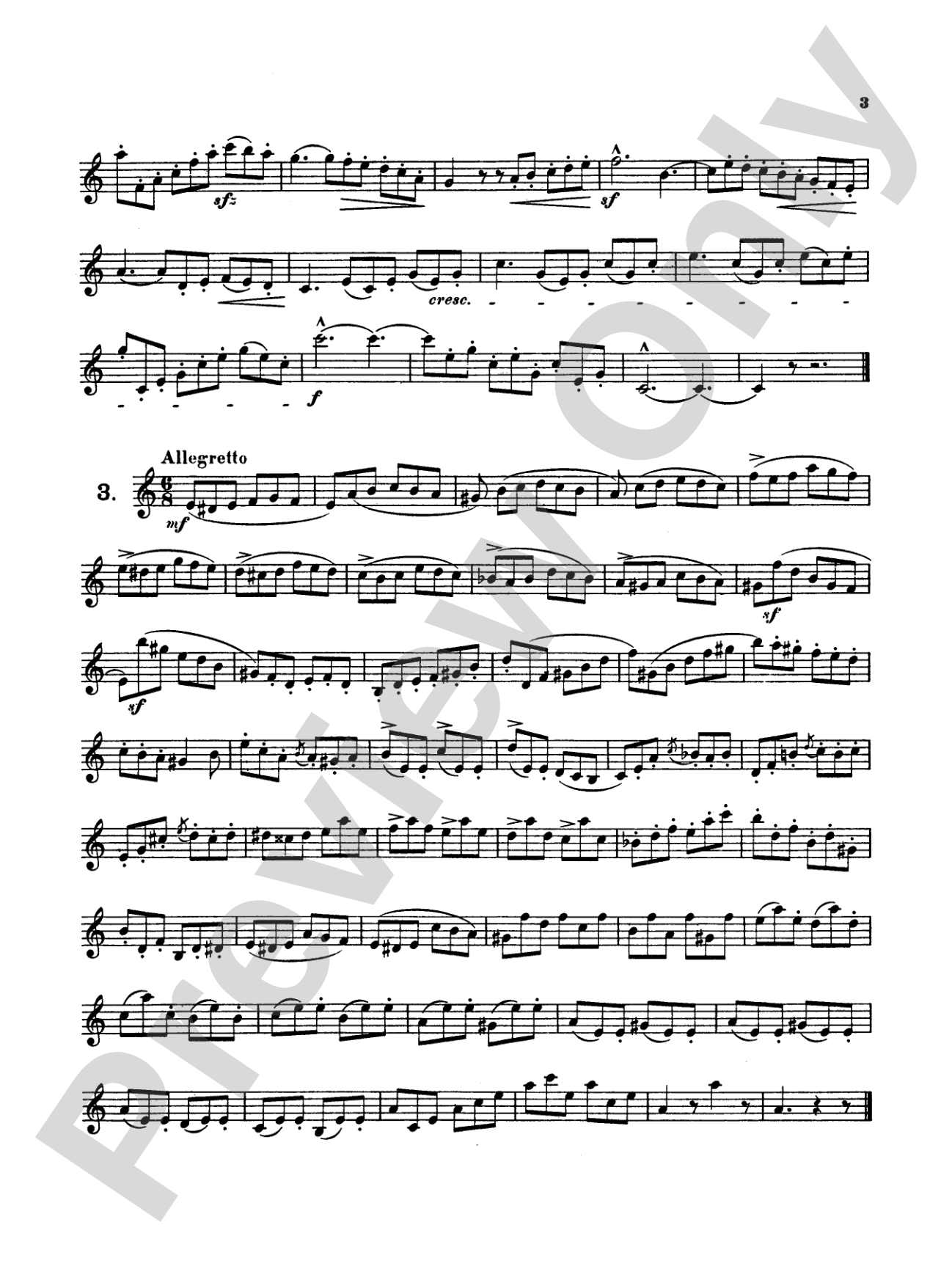
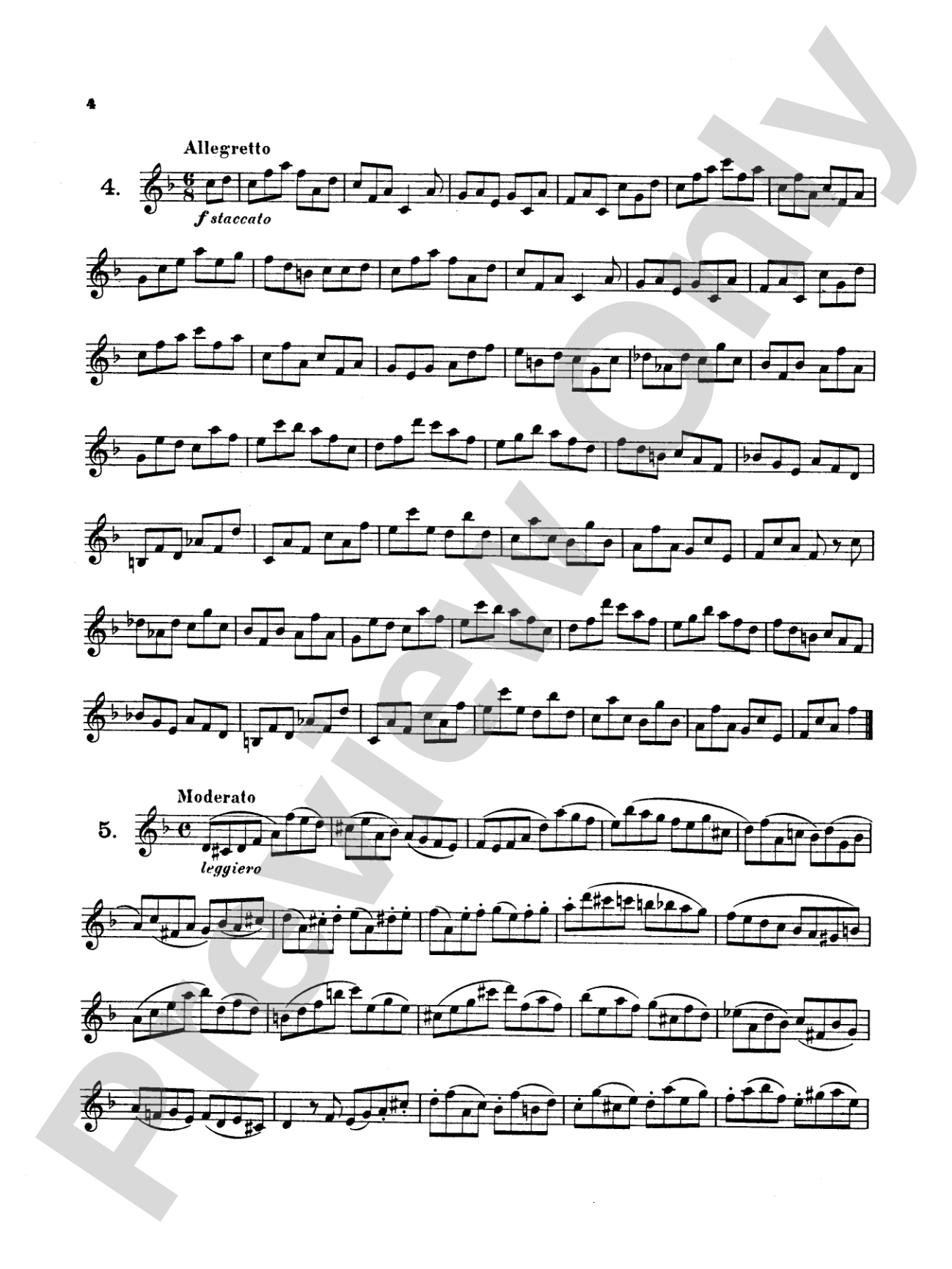
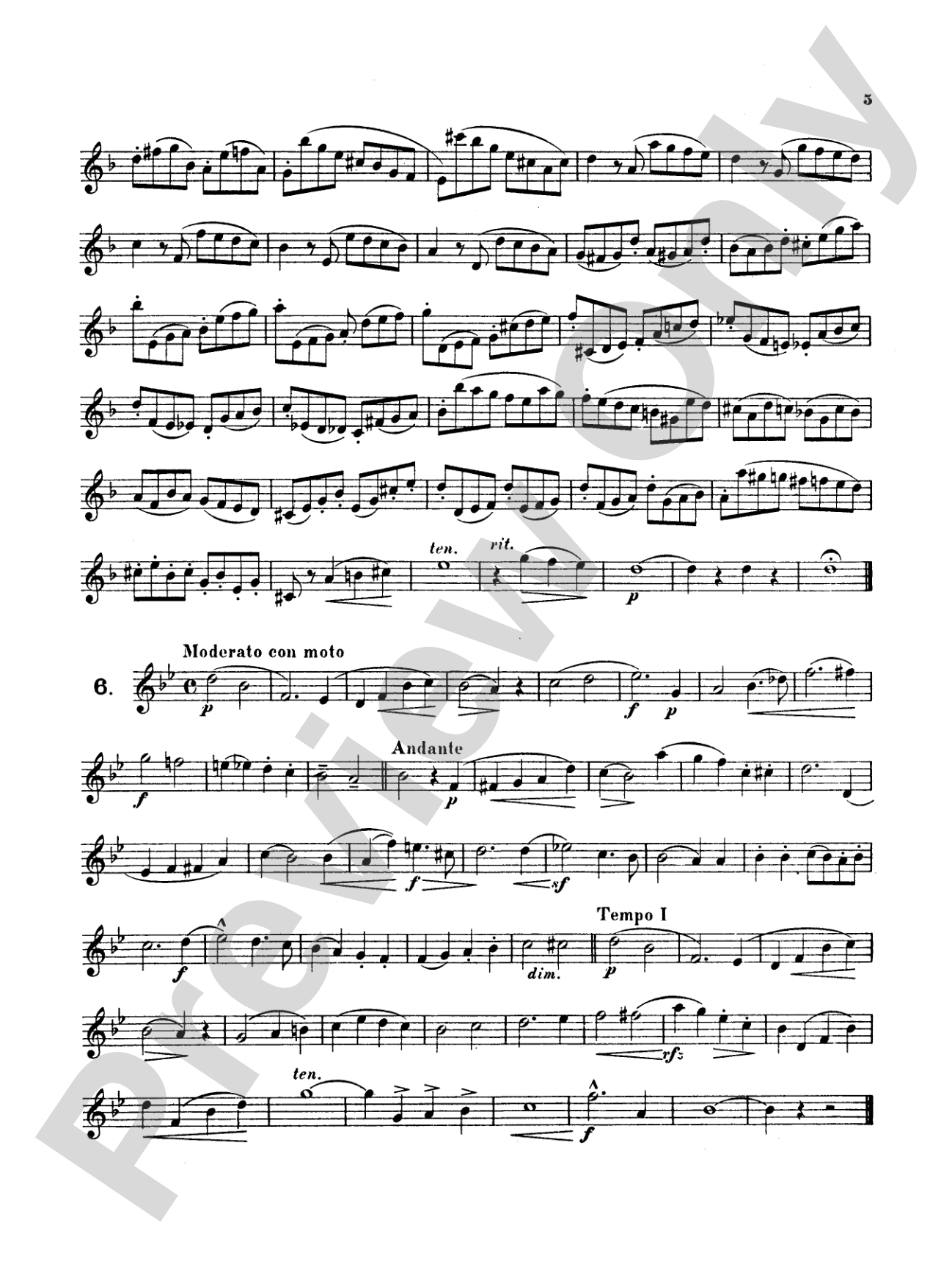
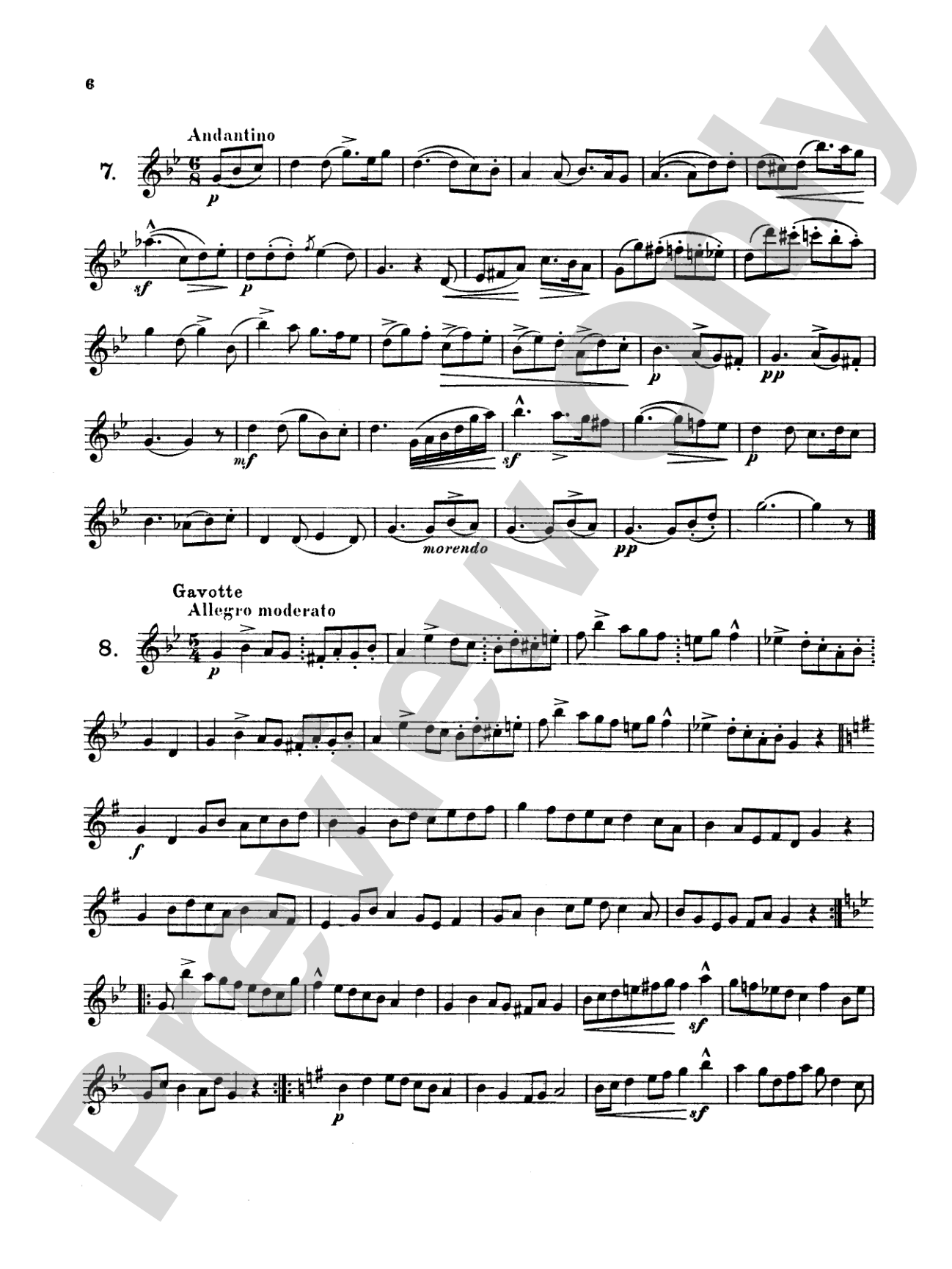
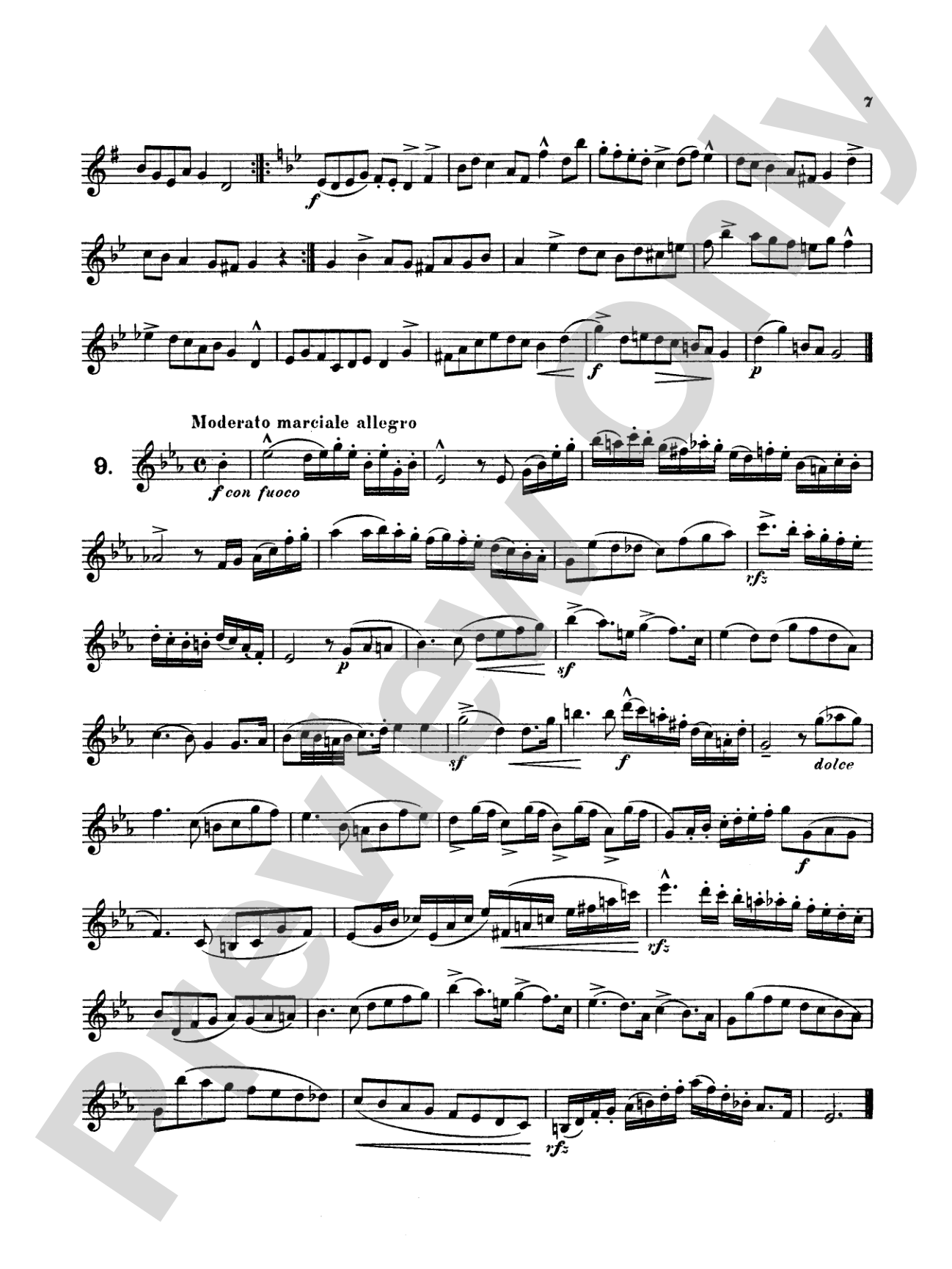
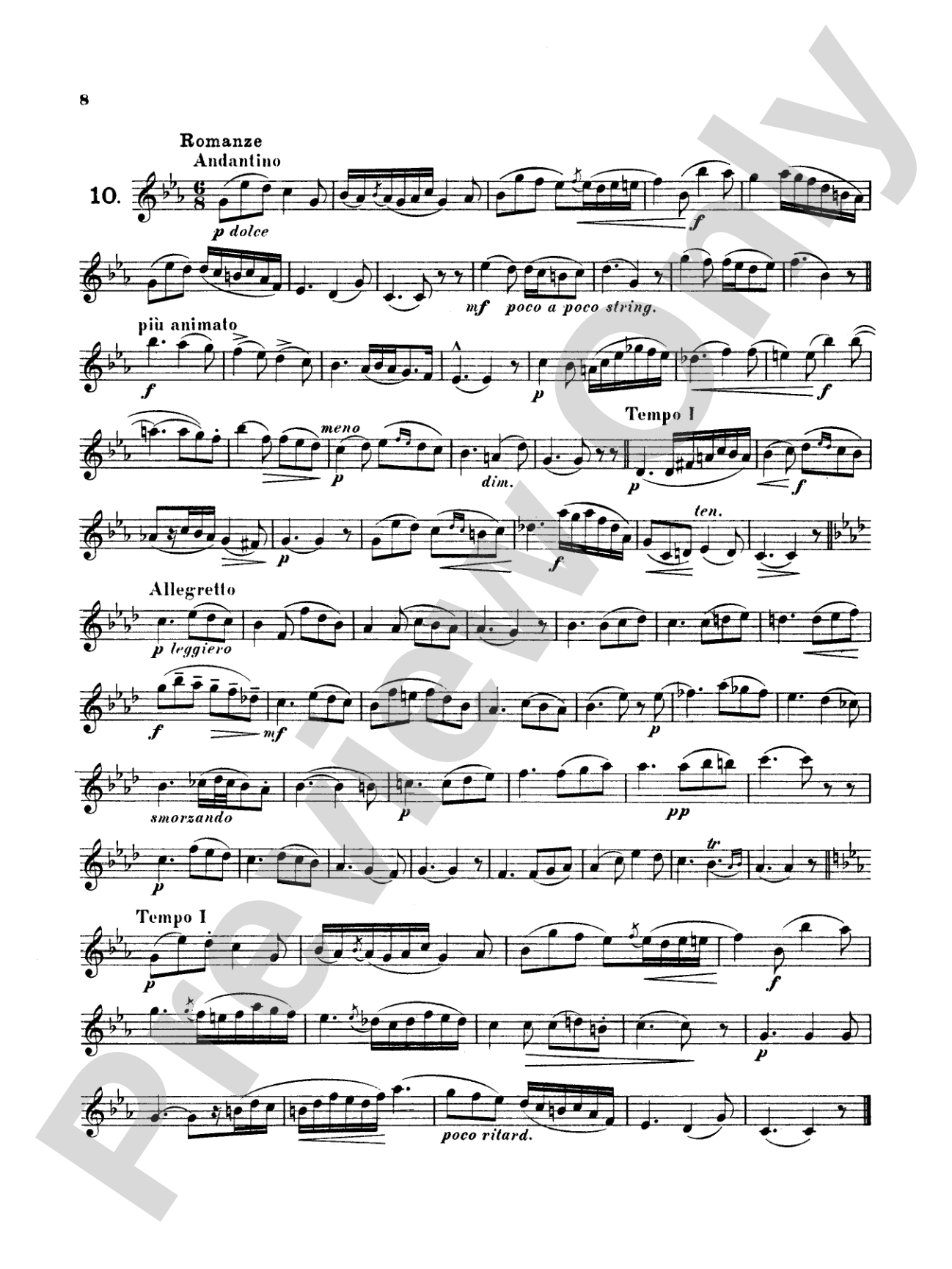
Wiedemann: 45 Etudes Sheet Music Preview

Wiedemann: 45 Etudes

By Ludwig Weidemann

Item: 00-PC-0009885

Digital Download
$9.95
Description
A collection of exercises, for Oboe, composed by L. Weidemann.

Don't just read it, hear it, play along with it, and watch your students grow with it. In MakeMusic Cloud, Wiedemann: 45 Etudes comes alive with professional accompaniment, adjustable tempo, and built-in practice tools that turn solo practice into real progress.

Sample Audio
No sample audio found.
Sample Video
Additional Details
Series: Kalmus Edition
Publisher: Alfred Music
Page Count: 40
SKU: 00-PC-0009885

More about this title

About the Composer: Ludwig Wiedemann

Ludwig Wiedemann was a 19th-century oboist and pedagogue whose etude collections became standard repertoire for advancing woodwind students across Europe. His systematic approach to technical development reflected the performance demands of the Romantic era, balancing mechanical facility with musical expressiveness.

Why we love this

These 45 etudes occupy a crucial spot between elementary method work and advanced solo literature, offering genuine musical ideas wrapped around focused technical challenges. Wiedemann avoids the trap of mindless finger work; each study has character and melodic interest, which keeps students engaged and makes daily practice feel purposeful rather than obligatory.

What to expect

Wiedemann's etudes move with purposeful grace through contrasting moods: some lyrical and singing, others quick and spirited, still others introspective and technically refined. The writing respects the oboe's voice without asking it to do the impossible, creating studies that feel rewarding to play rather than punitive.

Who it's for

Intermediate to advanced oboe students (roughly grades 4-6) who have mastered fundamental fingerings and are developing secure technique across the full range. Studio teachers and band directors use this collection to build endurance, agility, and musicianship in students preparing for solo repertoire or advanced ensemble roles.

How to get the most out of it

  • Treat each etude as a complete musical statement rather than a technical obstacle course. Shape the phrasing and listen for tonal consistency across register shifts.
  • Work through them sequentially to build cumulative strength and confidence; progression is intentional.
  • Use a metronome at a tempo where you can execute cleanly, then gradually increase speed only after rhythmic and intonation accuracy are secure.
  • Pay close attention to Wiedemann's articulation and dynamic markings; they define the character of each study and refine your interpretive control.

How to use it

Assign these systematically as part of a student's weekly technical foundation, rotating through different etudes to address specific weaknesses (articulation clarity, interval accuracy, passage work). They also make excellent recital openers for student performances, offering polished five-minute pieces that showcase growth without requiring piano accompaniment.

Skills your students will build

  • Legato and articulation control across the range
  • Intervallic accuracy and intonation in extended passages
  • Rhythmic precision and subdivision in varied meters
  • Tonal consistency and dynamic control
  • Sight-reading fluency through exposure to diverse melodic and harmonic contexts
  • Stamina and endurance in mid-range and upper register

You May Also Like