
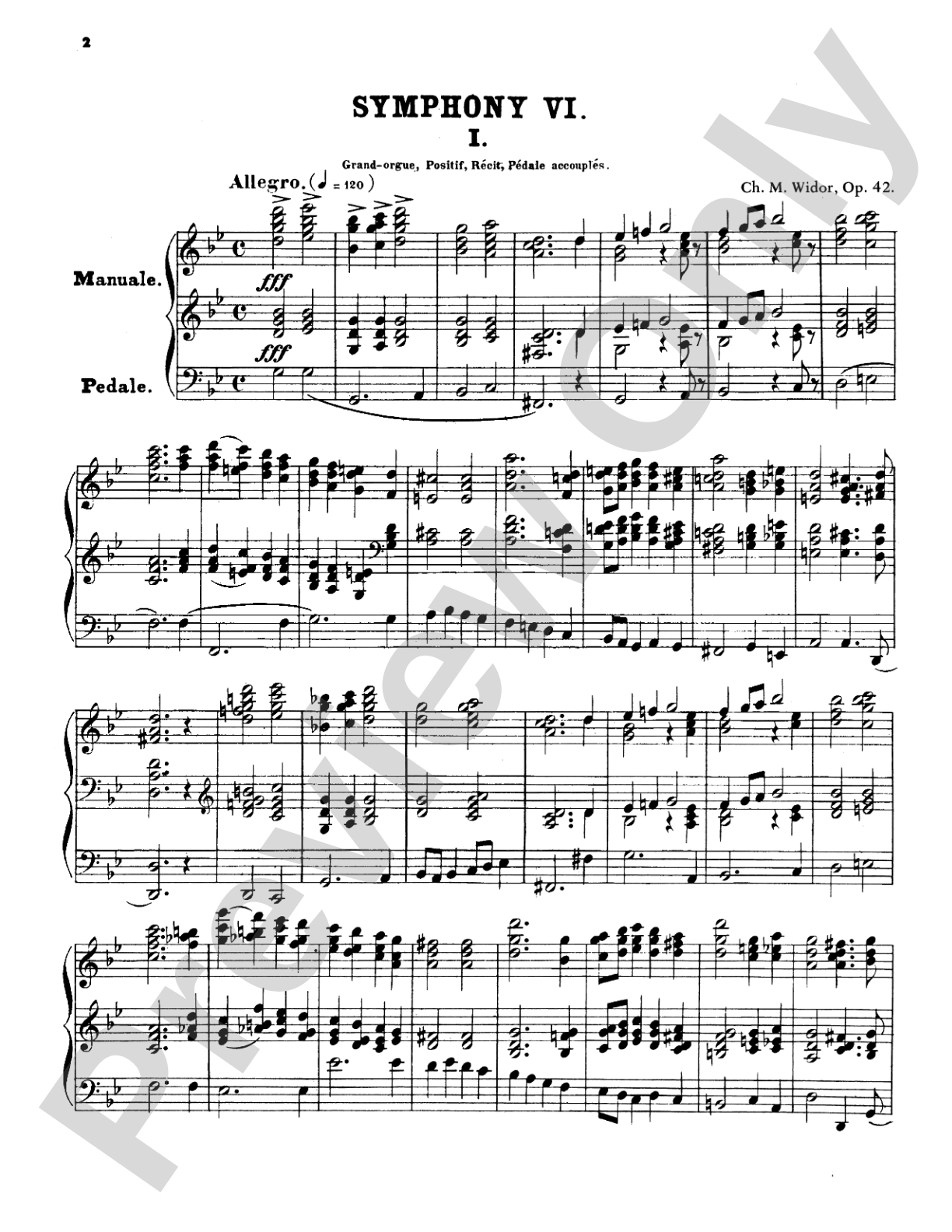
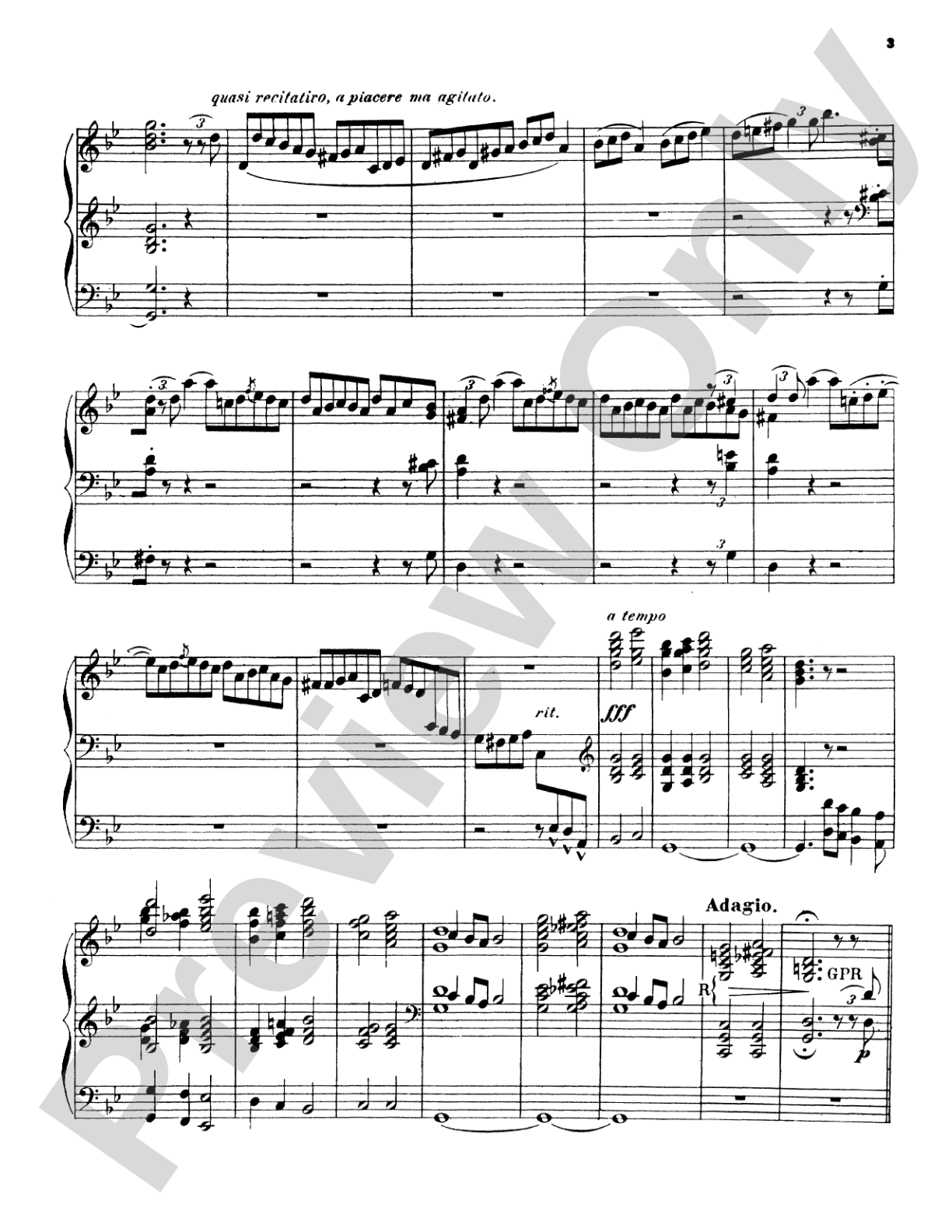
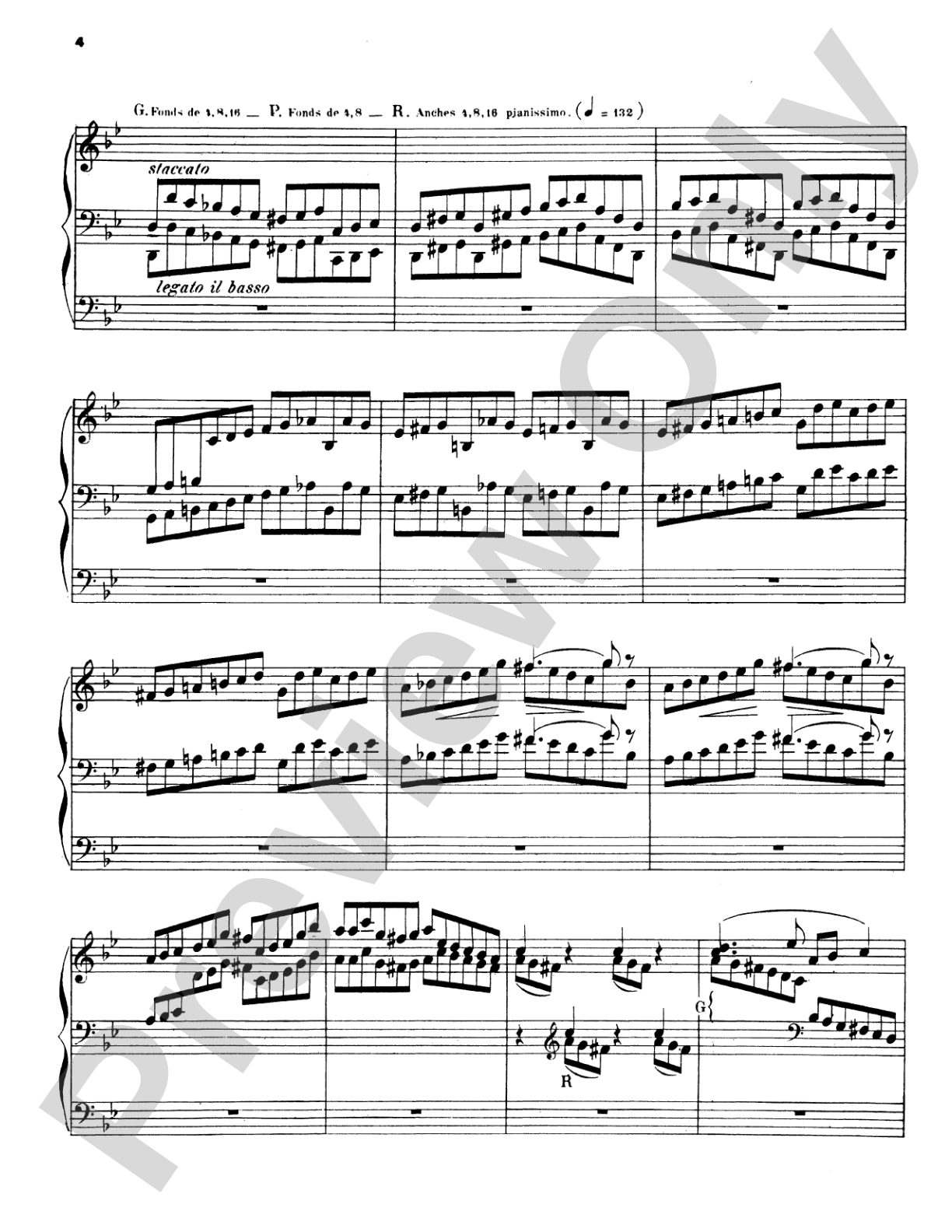
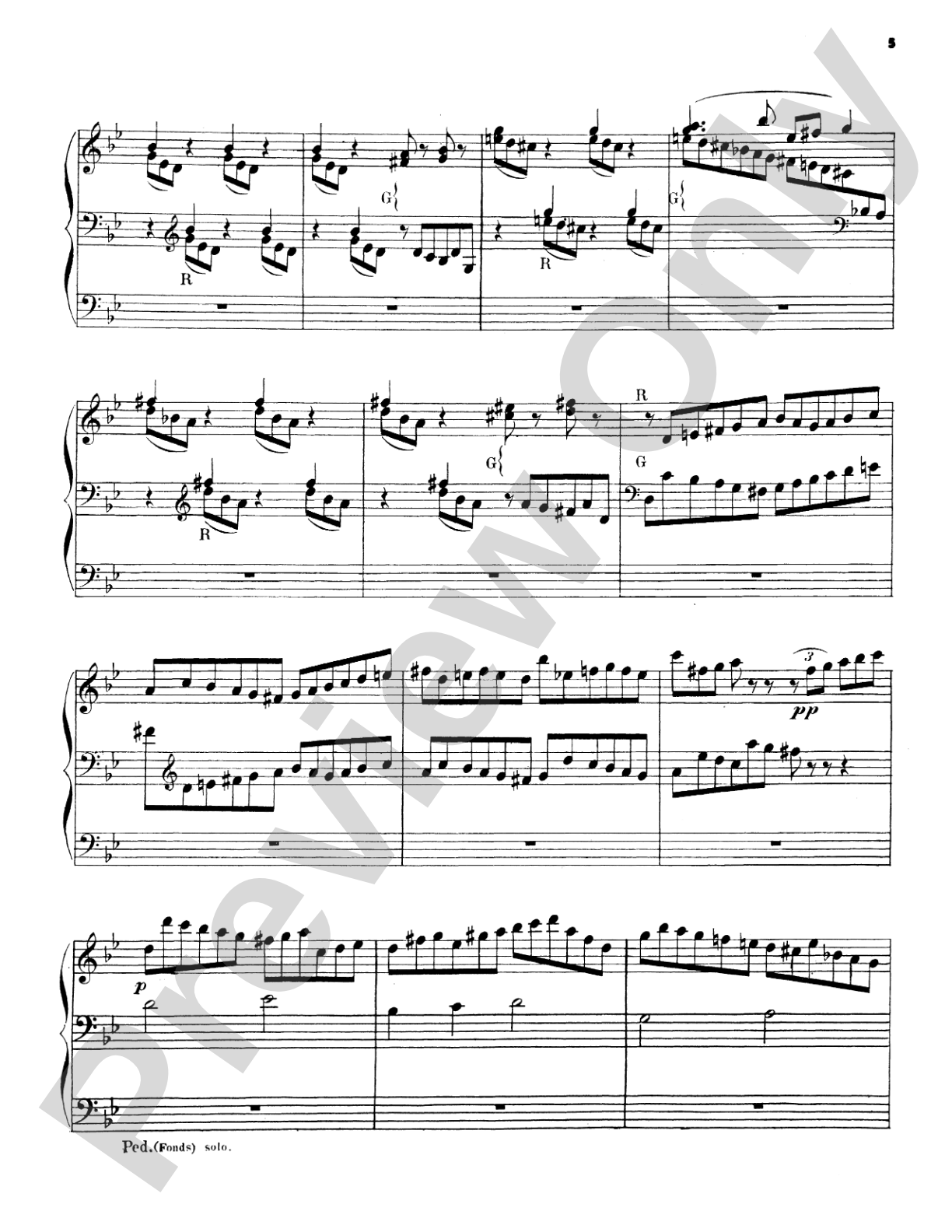
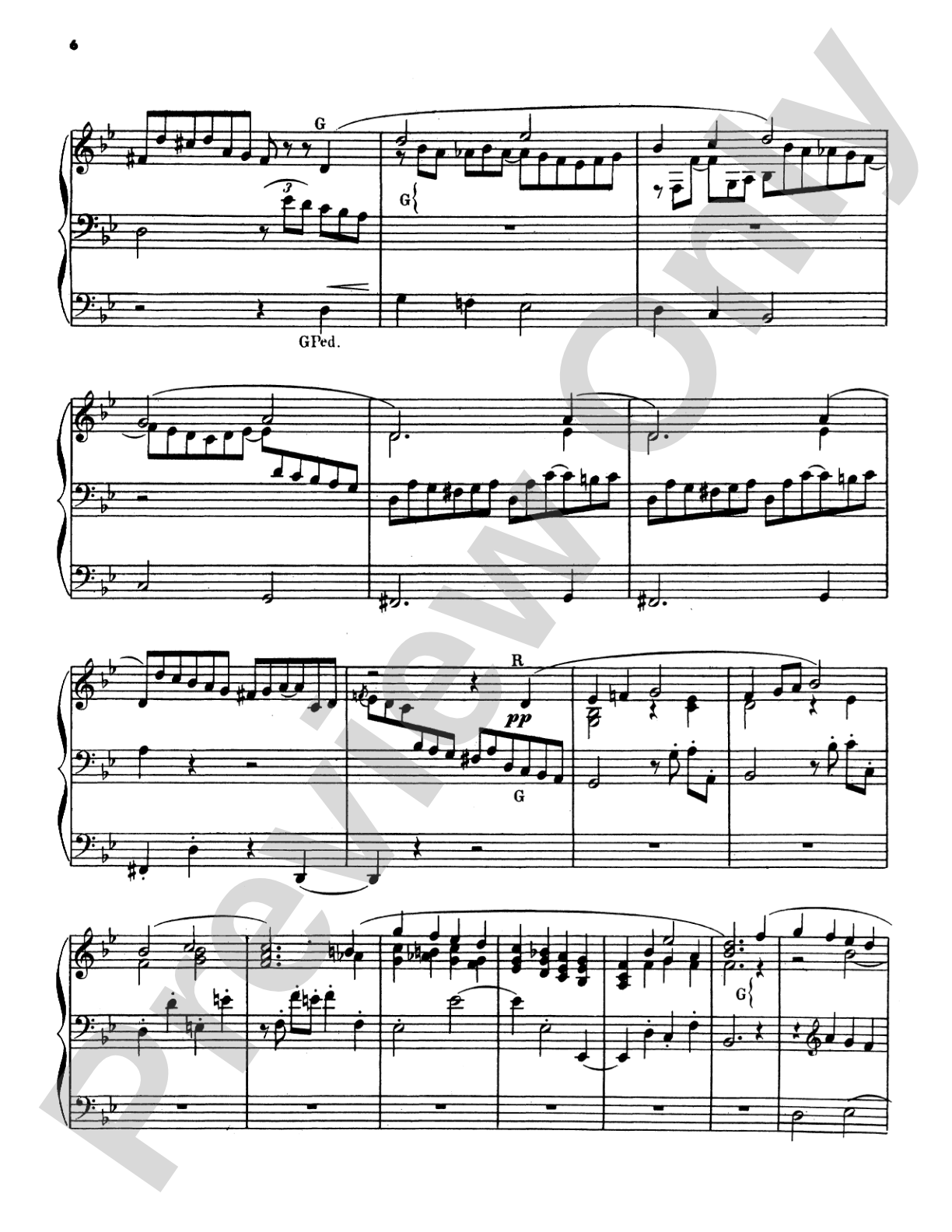
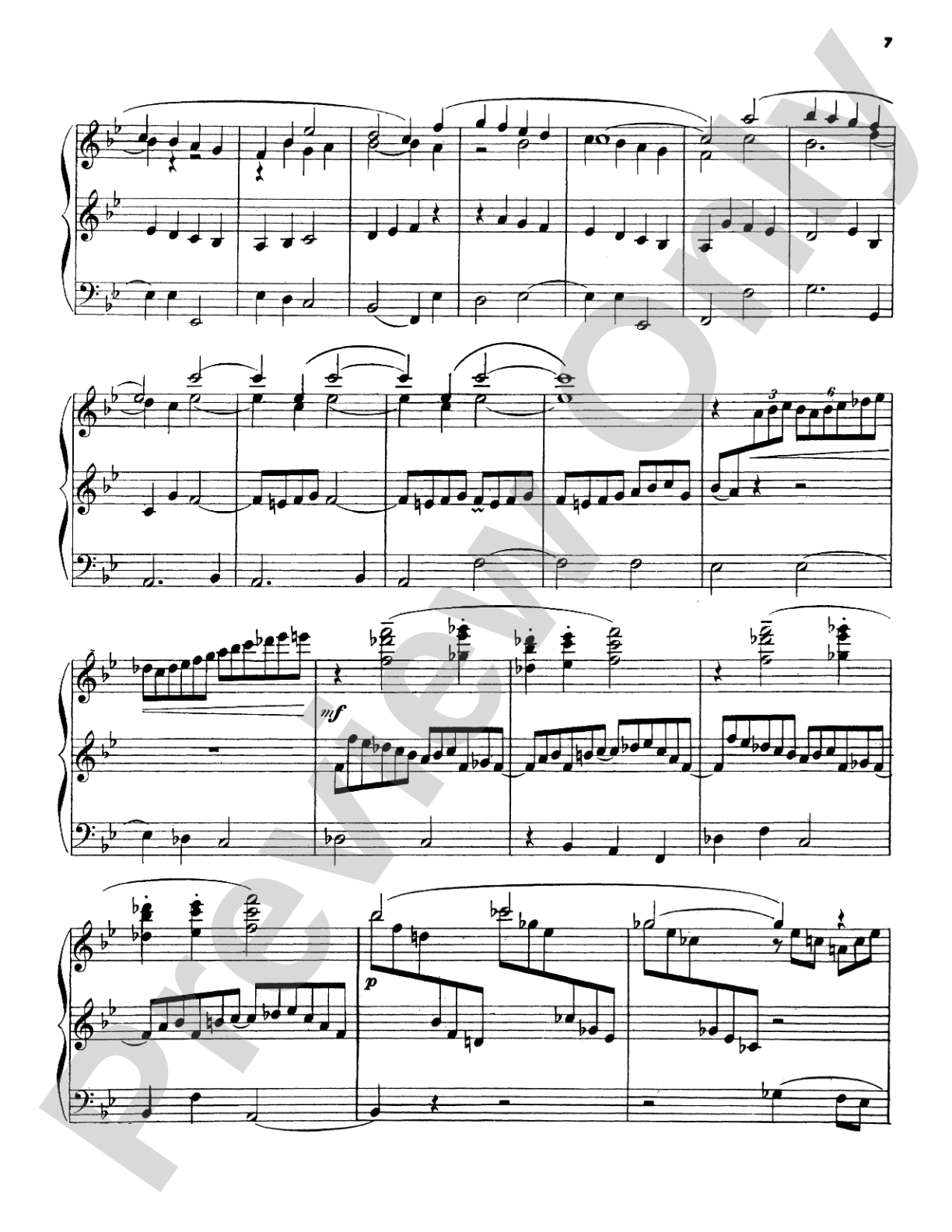
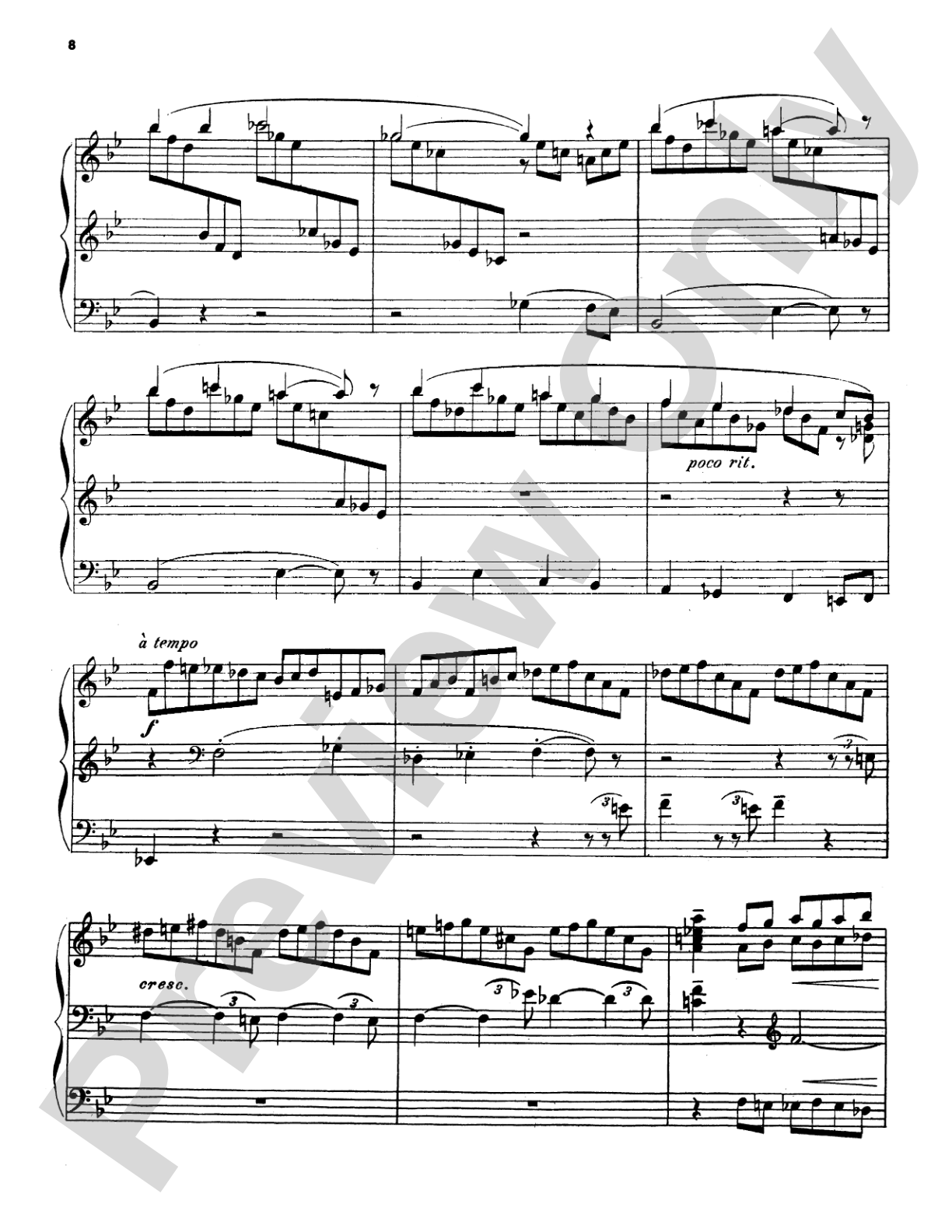
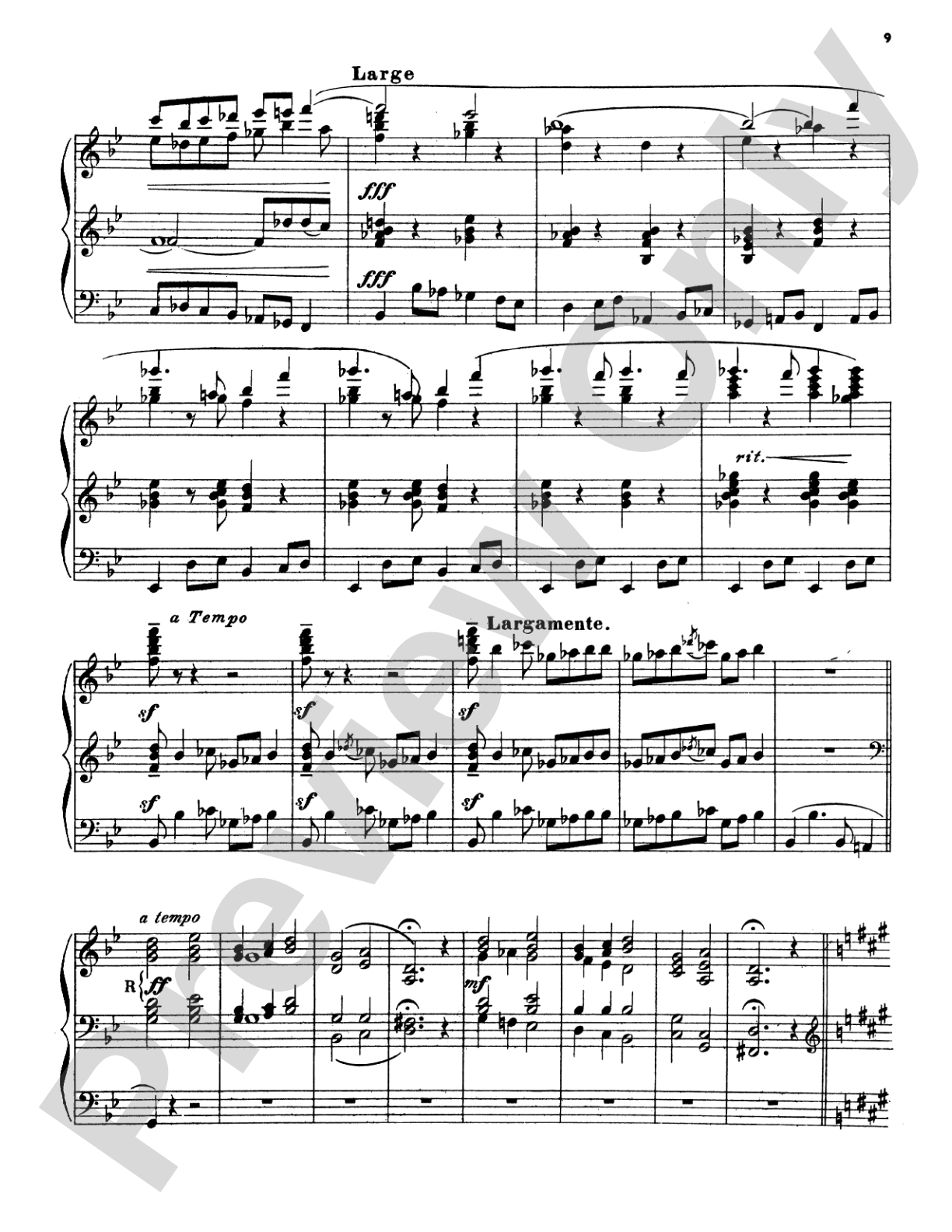
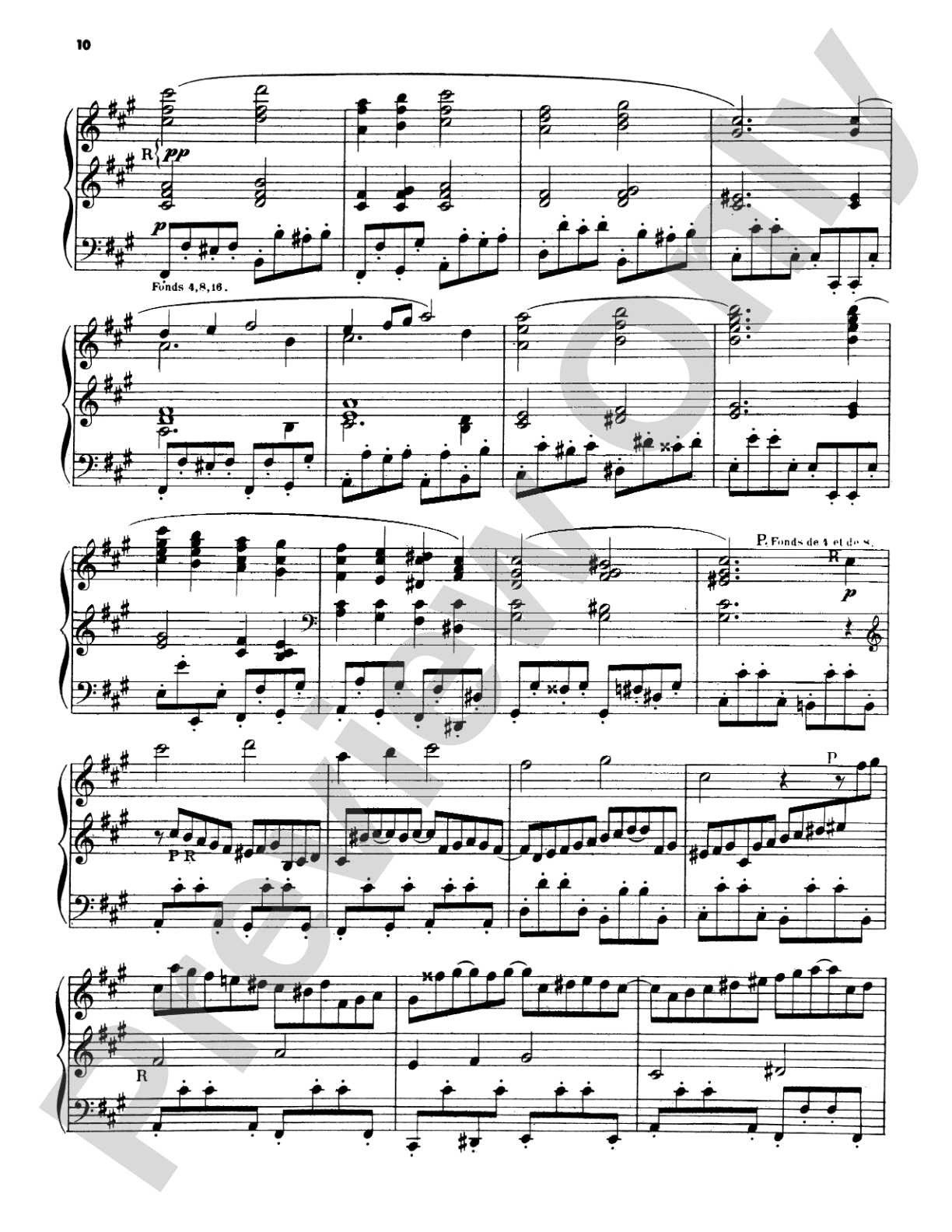
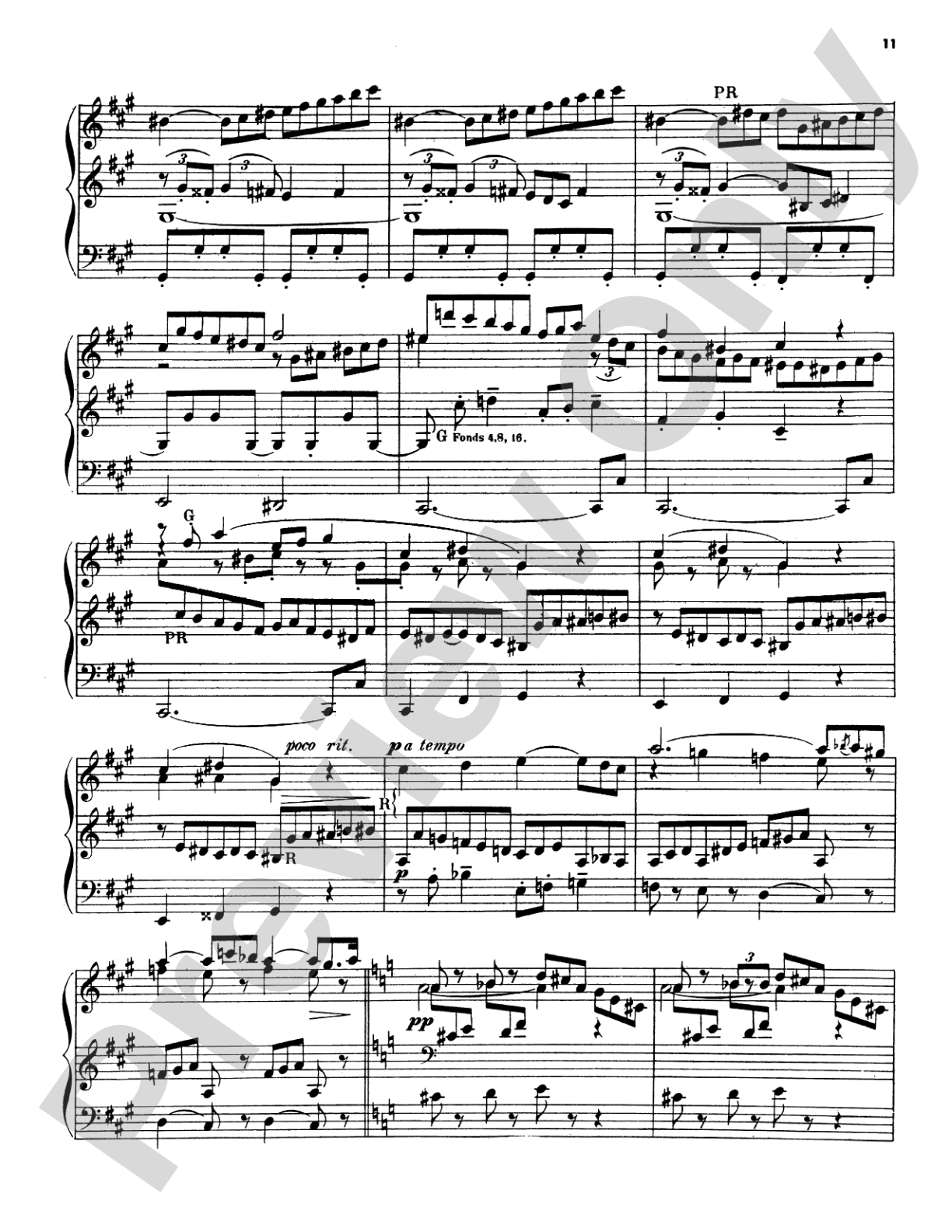
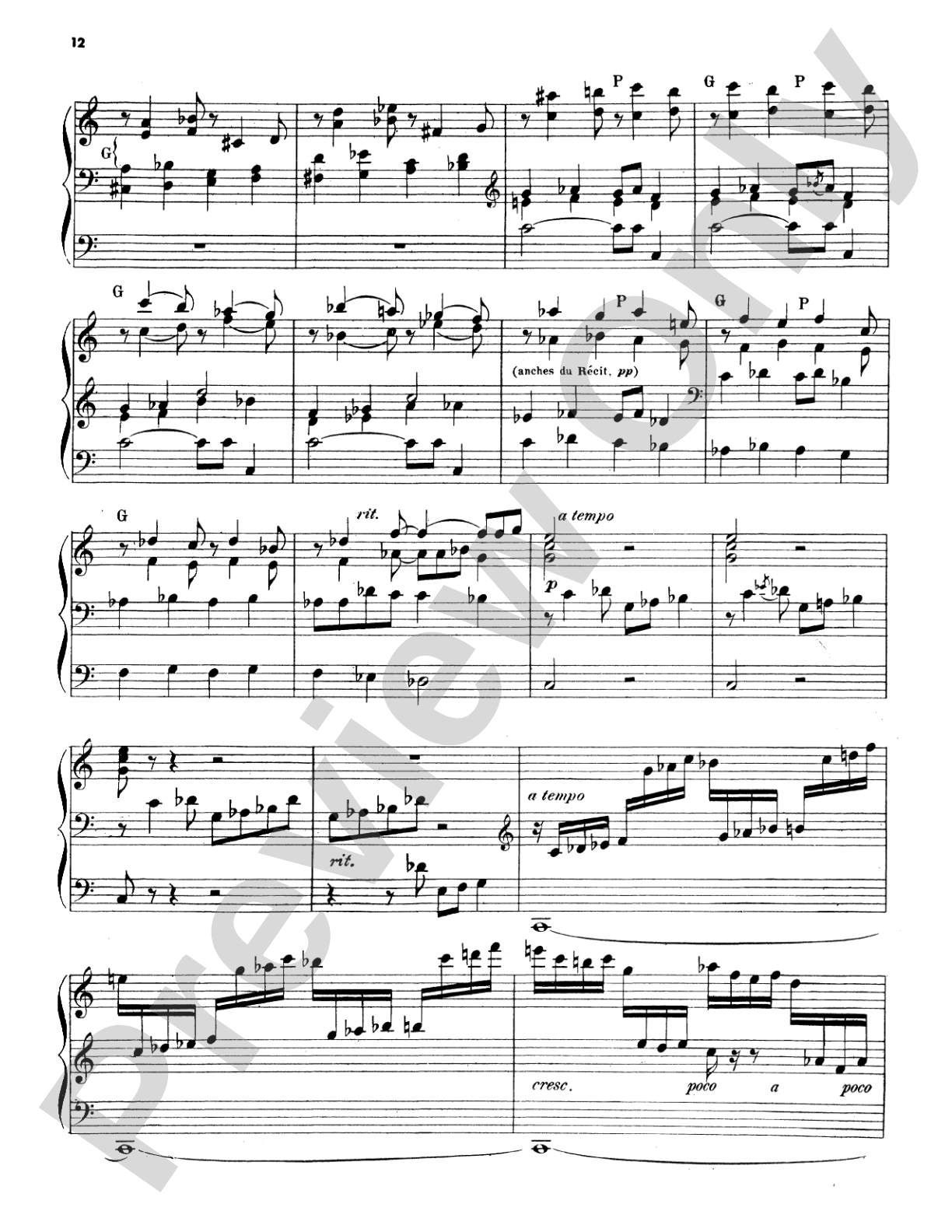
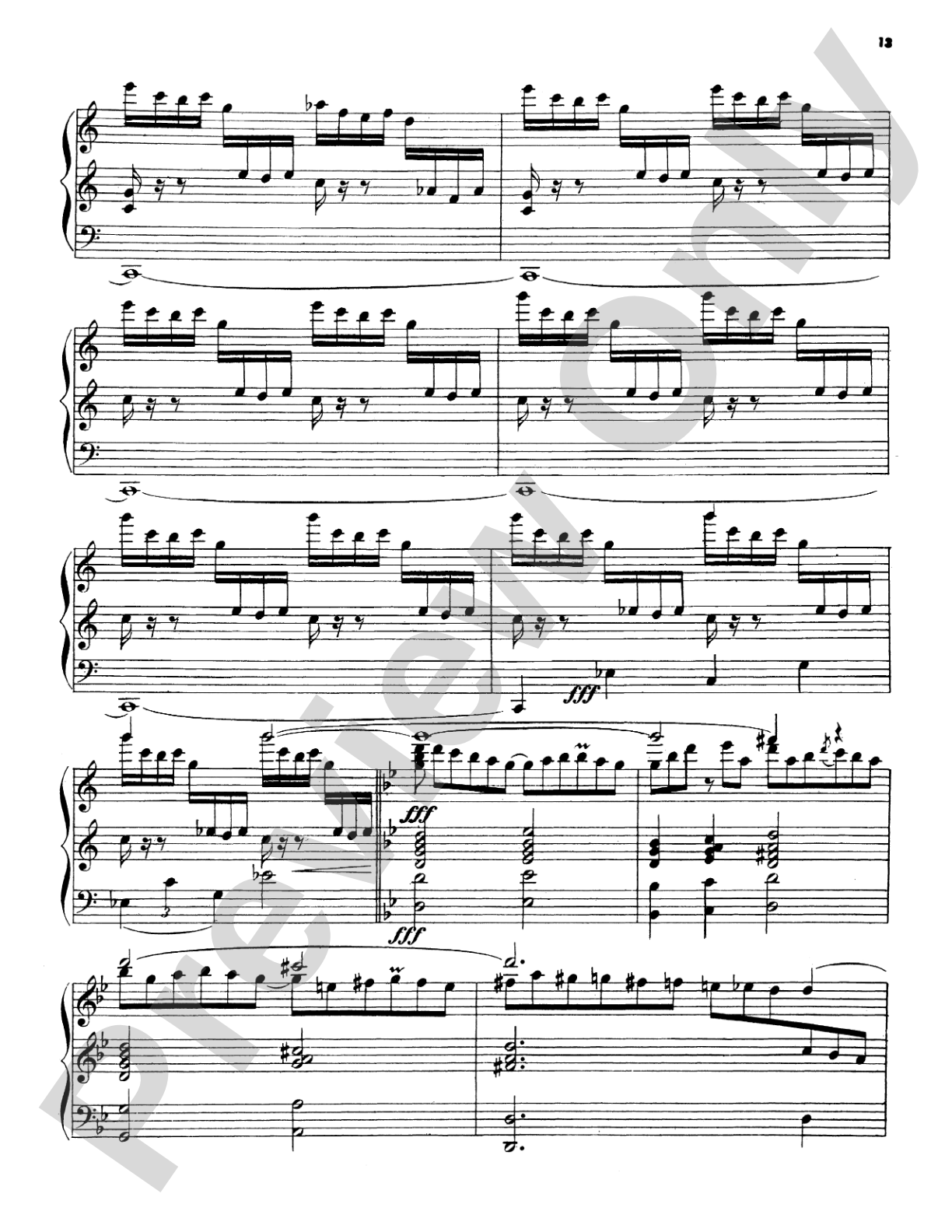
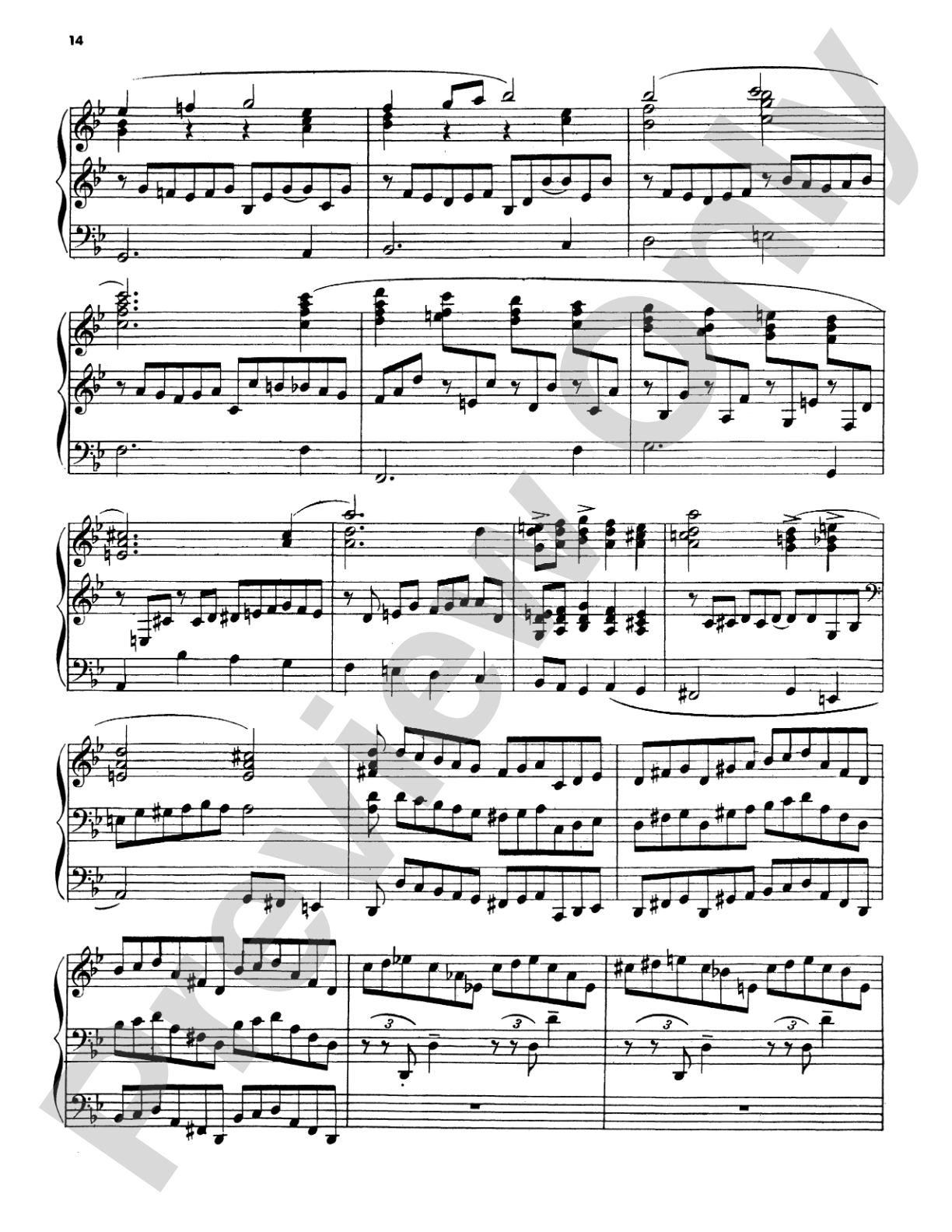
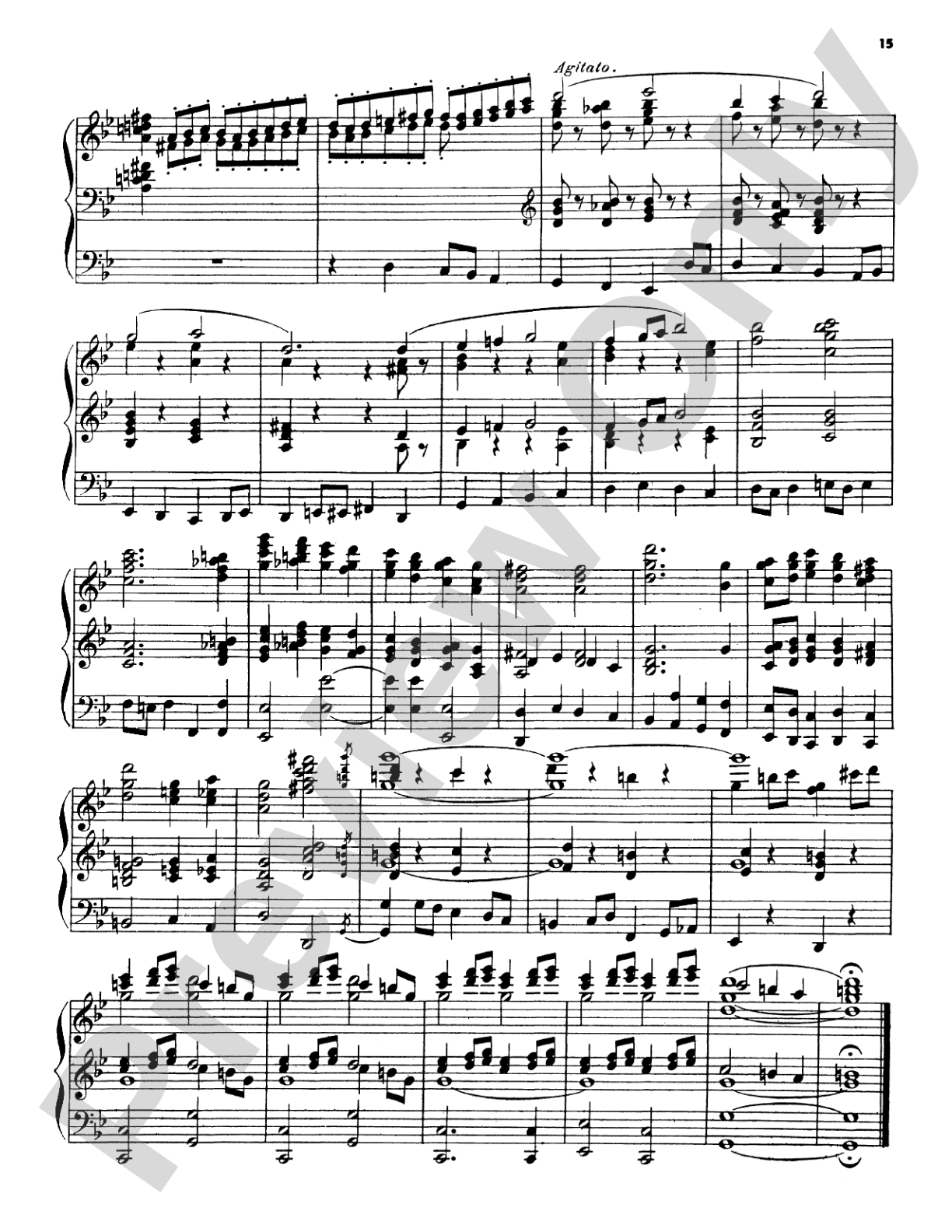

Widor: Symphony No. 6 in G Minor, Op. 42: Organ Sheet
By Charles-Marie Widor
Item: 00-PK-0003382

$12.99
Pickup currently not available
Buy Extra Parts (Digital PDF Download)
| Product | Price | Quantity |
|---|---|---|
| Widor: Symphony No. 6 in G Minor, Op. 42 | $1.99 | |
| Widor: Symphony No. 6 in G Minor, Op. 42 | $1.99 | |
| Widor: Symphony No. 6 in G Minor, Op. 42 | $1.99 | |
| Widor: Symphony No. 6 in G Minor, Op. 42 | $1.99 | |
| Widor: Symphony No. 6 in G Minor, Op. 42 | $1.99 |
Parts Added to Cart!
Related Items
Symphony No. 6 in G Minor, Opus 42: Organ Sheet |
$12.95
|
View |
Description
Expertly arranged Organ Solo by Charles-Marie Widor from the Kalmus Edition series. This is from the Romantic era.


Don't just read it, hear it, play along with it, and watch your students grow with it. In MakeMusic Cloud, Widor: Symphony No. 6 in G Minor, Op. 42: Organ Sheet comes alive with professional accompaniment, adjustable tempo, and built-in practice tools that turn solo practice into real progress.
Open in the Player
Jump straight in and assign it today.
Start Your Free Trial
Open this title and explore the full library in minutes.
Sample Audio
No sample audio found.
Sample Video
No sample videos found.
Additional Details
Series:
Kalmus Edition
Publisher:
Alfred Music
Page Count:
48
SKU:
00-PK-0003382
More about this title
About the Composer: Charles-Marie Widor
Charles-Marie Widor (1844-1937) was a French organist and composer whose ten symphonies for organ remain central to the concert repertoire. He served as organist at Saint-Sulpice in Paris for over sixty years, a position that shaped his deep understanding of the instrument's capabilities and his approach to large-scale form.
Widor's organ symphonies bridge the gap between the French symphonic tradition and the organ's unique sonic possibilities. His works demand technical facility, musical maturity, and the ability to shape long architectural phrases. He influenced generations of organists through both his compositions and his pedagogical legacy at the Paris Conservatoire, where he taught composition.
Why we love this
The Sixth Symphony showcases Widor at his most structurally ambitious while remaining musically accessible to performers building toward his more famous Toccata from Symphony No. 5. The G minor tonality gives the work a serious, introspective character that contrasts effectively with brighter romantic fare. Programming this work signals depth and invites audiences into the organ's symphonic capabilities.
What to expect
The symphony unfolds with dramatic purpose and structural clarity, moving through passages of lyrical warmth and moments of genuine brilliance. G minor lends the work a searching quality, introspective without becoming melancholic. The orchestral ambitions of Widor's writing create the sensation of a full ensemble unfolding beneath your hands.
Who it's for
Advanced organists working toward concert-level Romantic repertoire will find this symphony both rewarding and achievable. It suits performers who have solid command of multi-manual coordination, pedal technique, and the stamina required for extended forms. This work fits naturally into the programs of church musicians seeking to expand beyond liturgical settings into the concert hall.
How to get the most out of it
- Shape the opening theme with clear voicing across the manuals; the dramatic potential depends on transparency, not volume alone.
- Work with your instrument's registration system early in learning the score. Widor's symphonies require planned manual changes and stop combinations that should feel inevitable, not abrupt.
- Use the printed page to understand Widor's architectural thinking. He builds longer melodic spans than many organists initially realize, so mark phrase endpoints and breathing points in the score.
- Balance pedal independence from the hands throughout. Widor expects the pedal line to be heard as a true voice, never buried or merely supportive.
How to use it
Place this work on a recital devoted to French organ music, pairing it with Franck or Vierne for a complete picture of the tradition. It also stands as a serious showpiece when you want to demonstrate what the organ can accomplish as a solo concert instrument. Consider it for a special liturgical concert or festival program where the parish or venue provides adequate performance time.
Skills your students will build
- Managing sustained phrase architecture across multiple systems
- Coordinating independent manual and pedal lines
- Reading and executing complex registration changes
- Interpreting romantic-era keyboard idiom
- Building technical confidence in Widor's characteristic figurations