
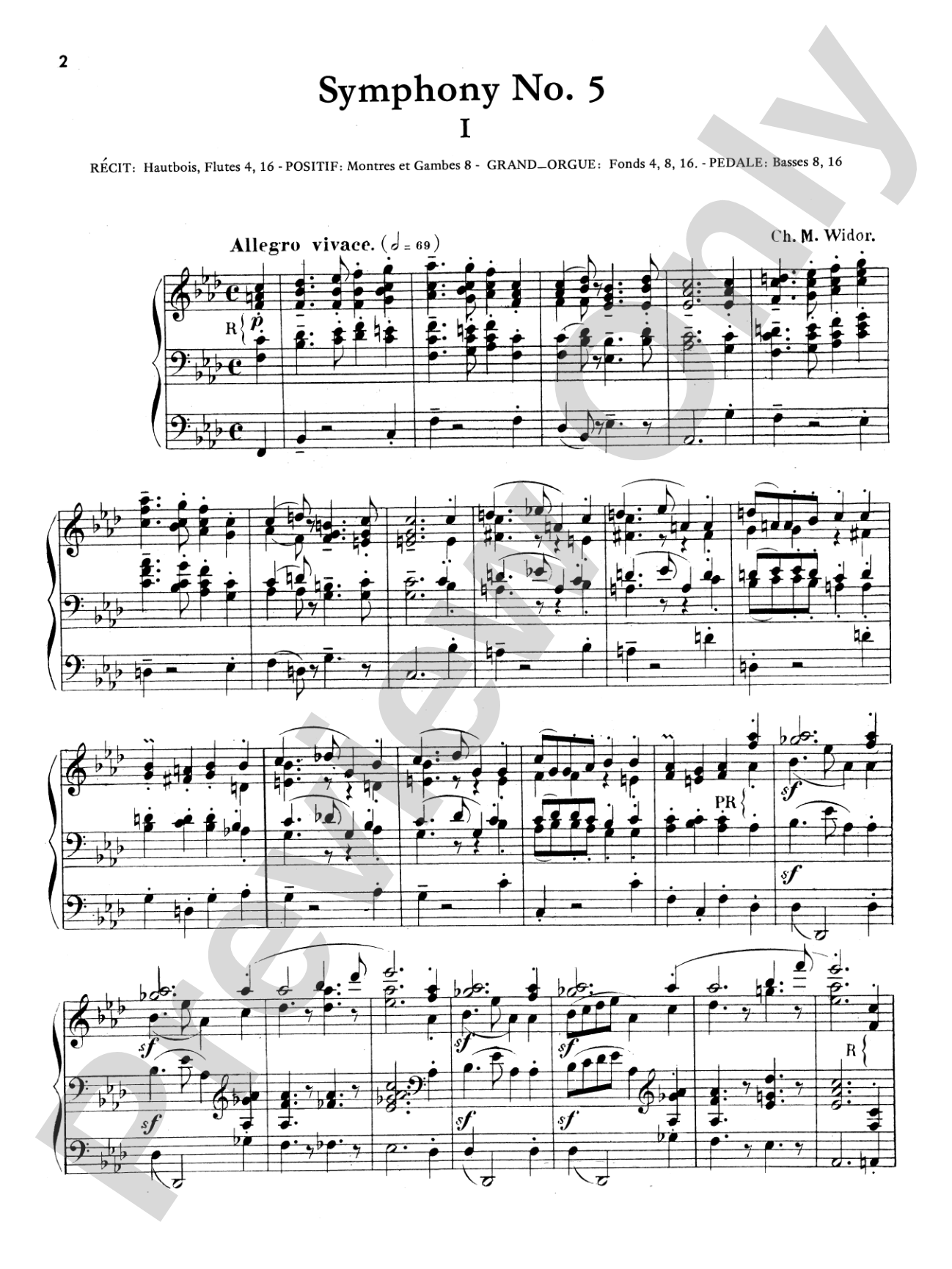
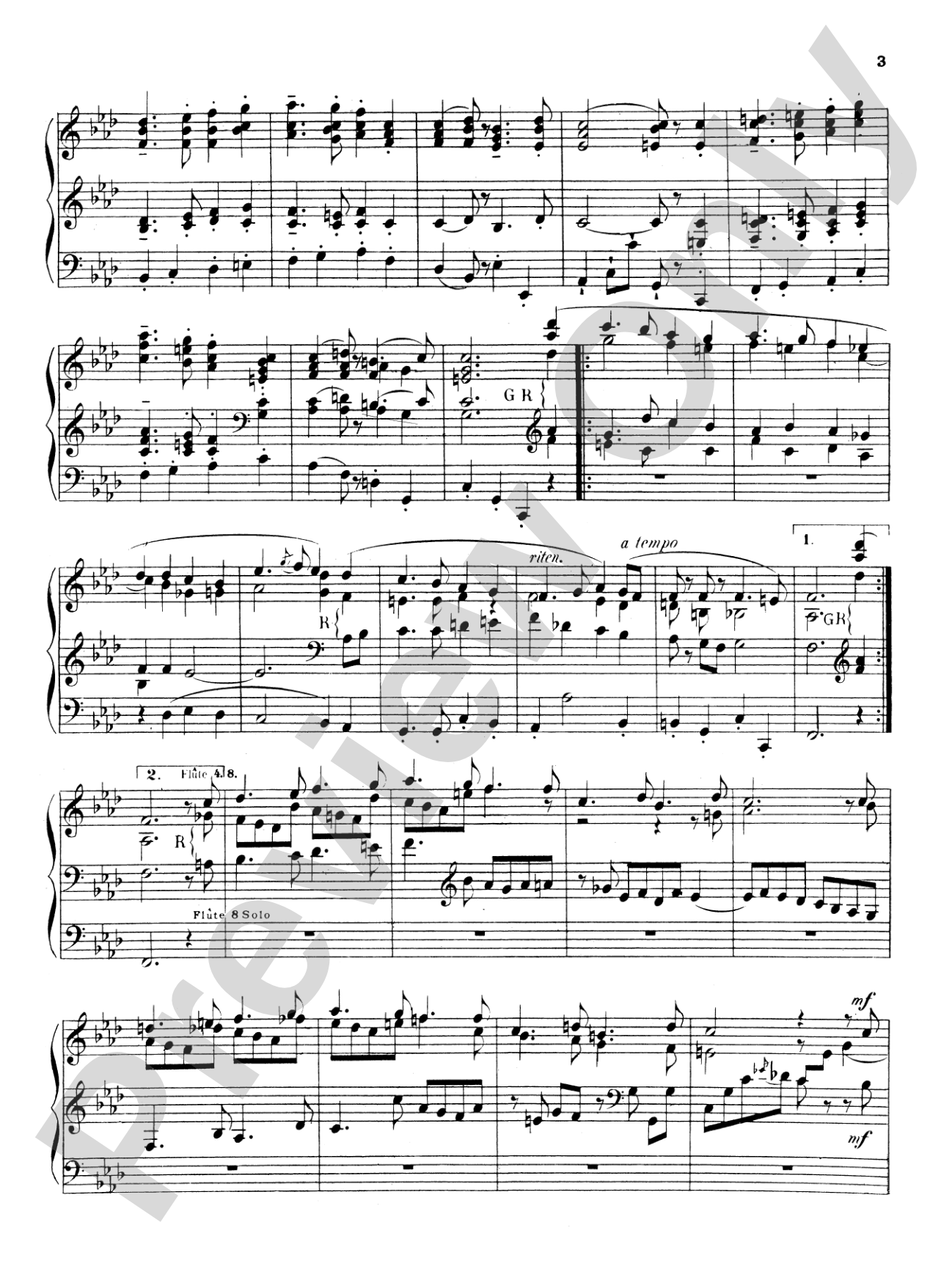
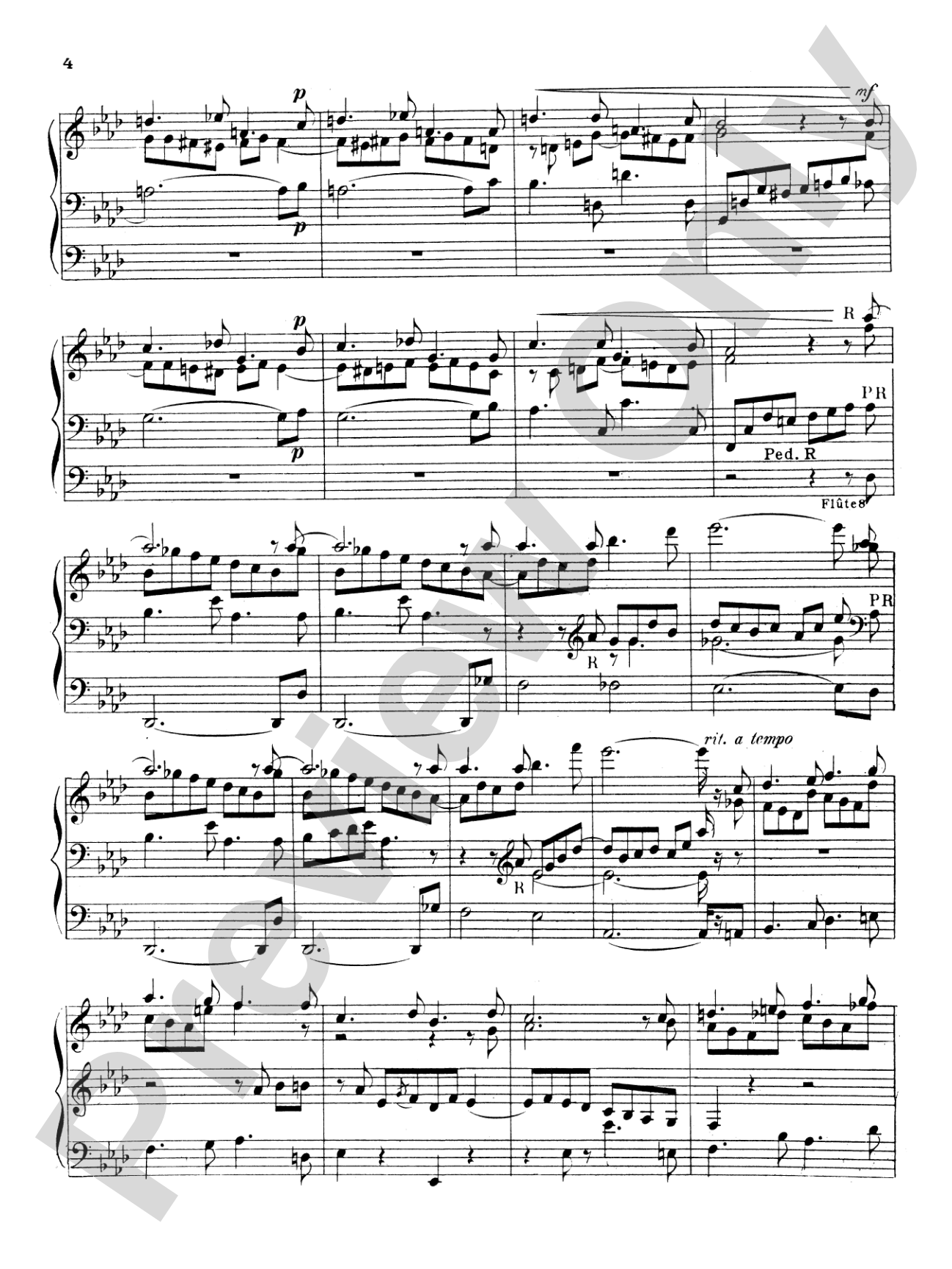
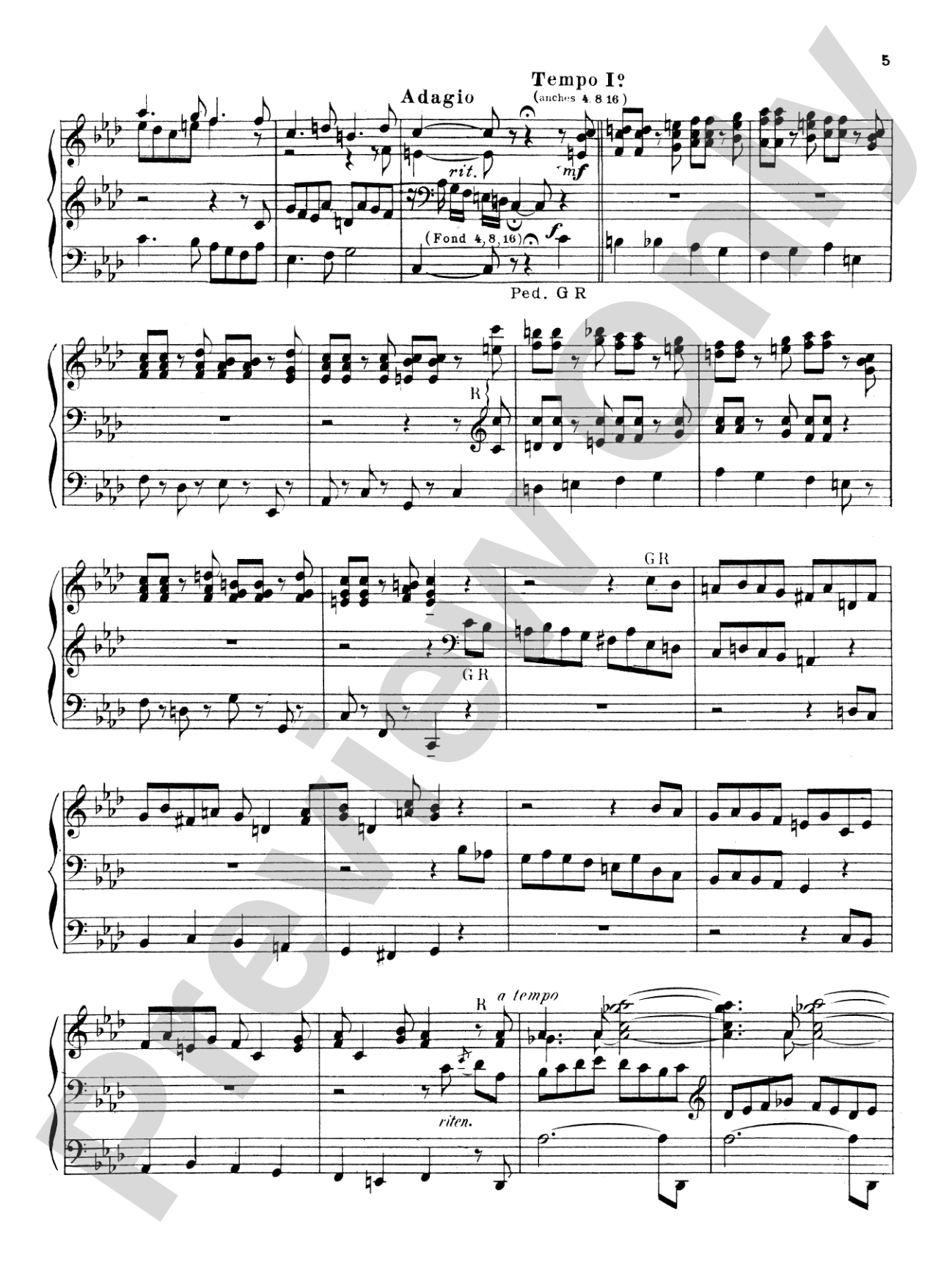
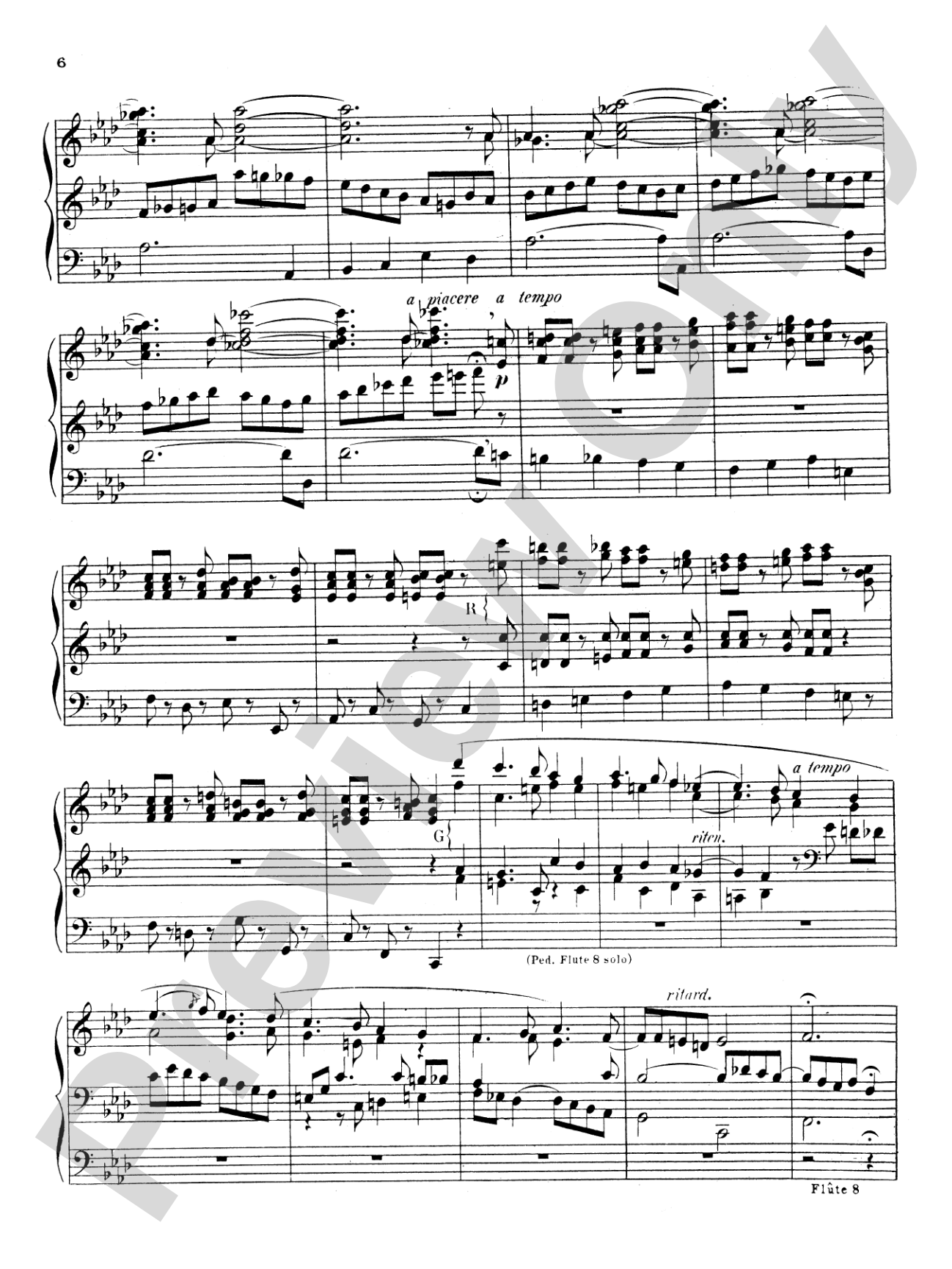
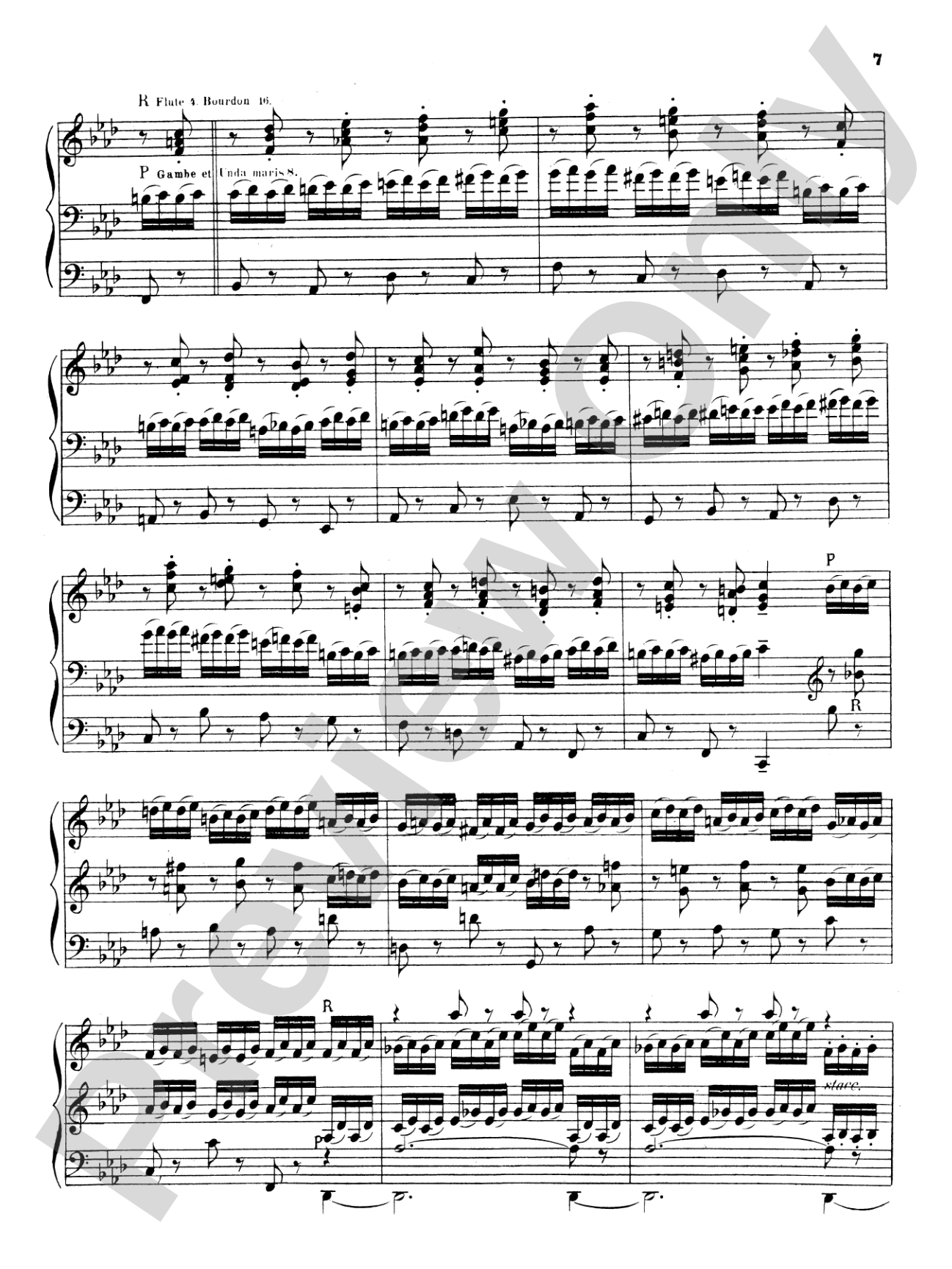
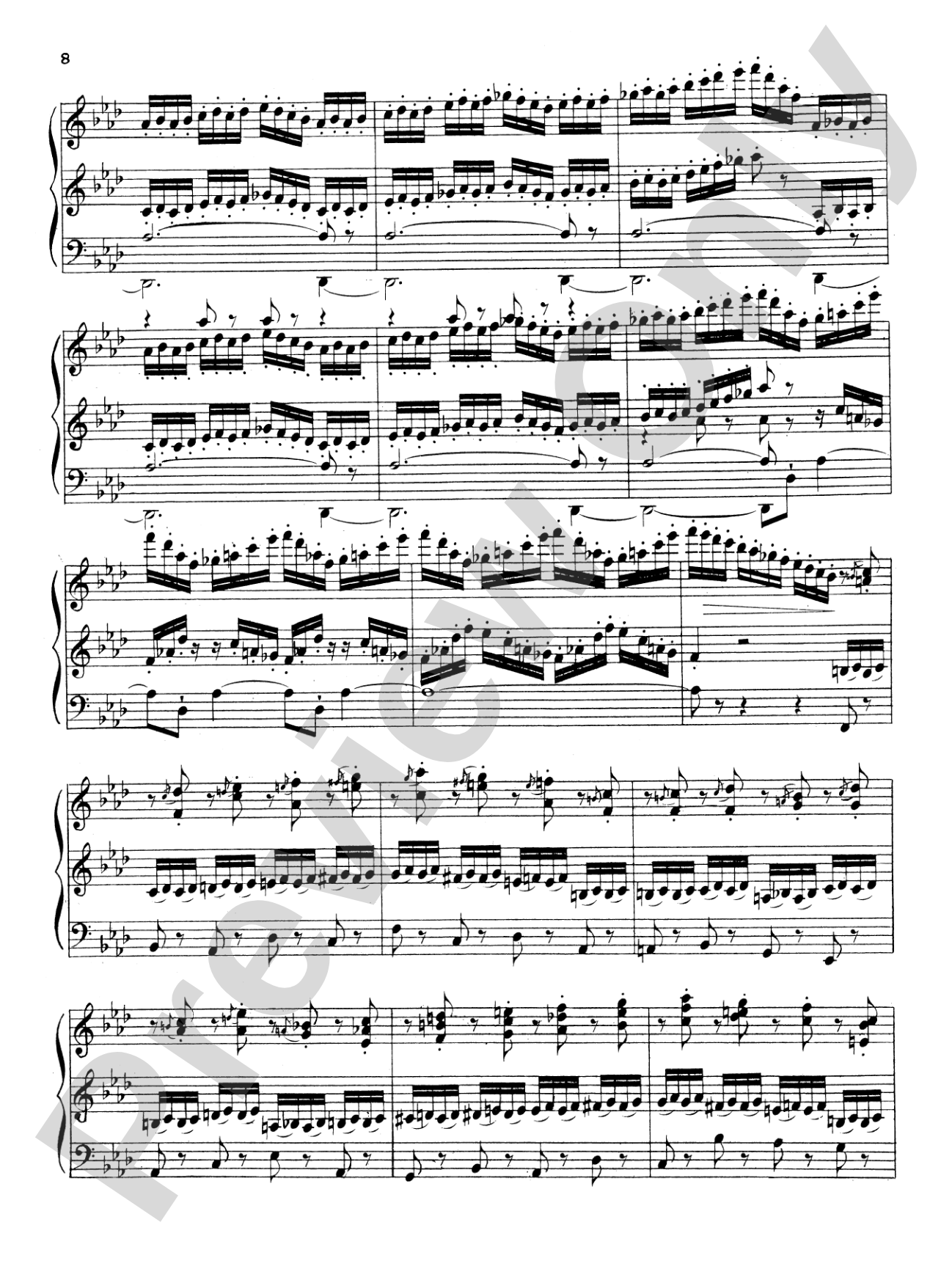
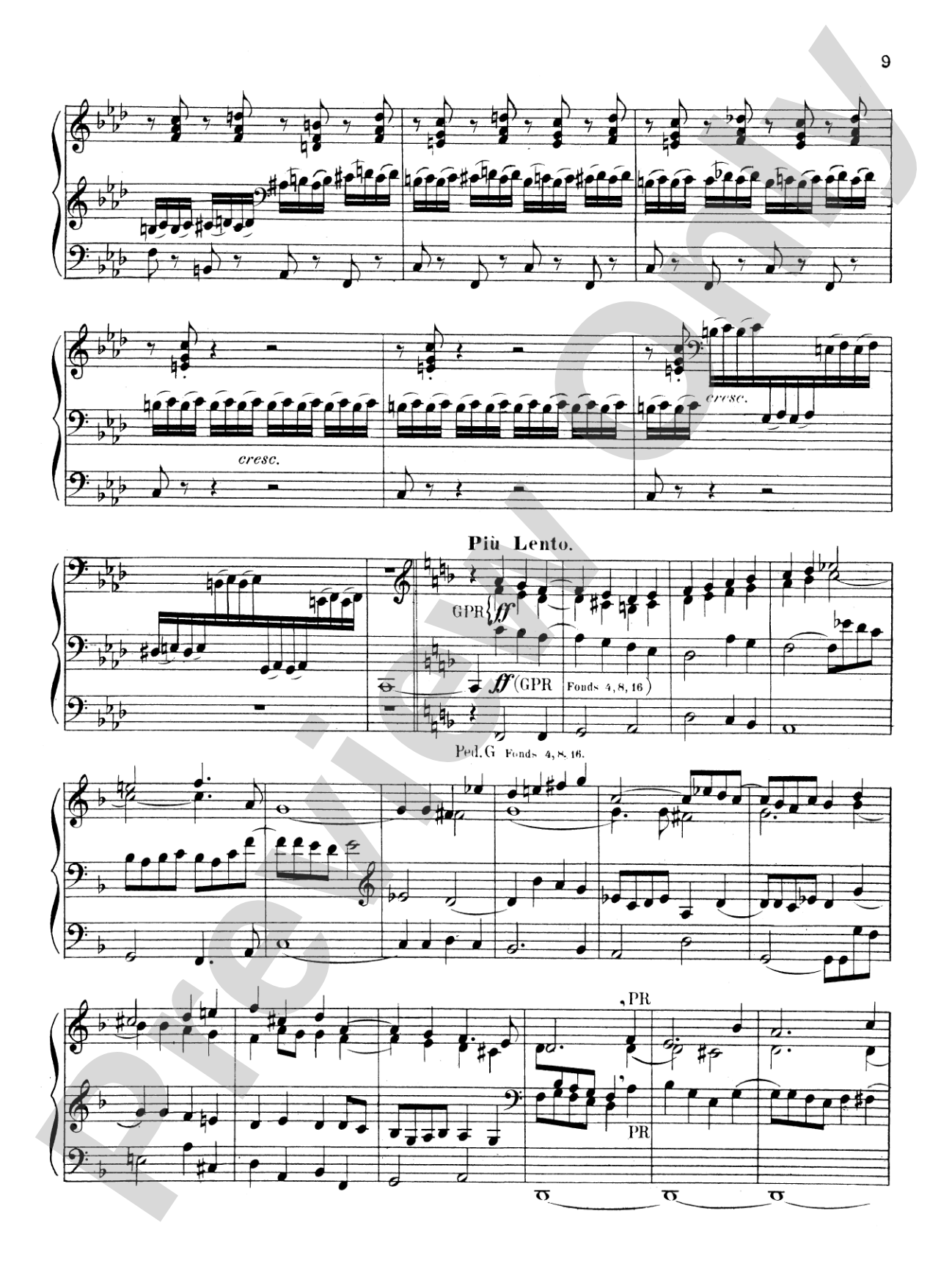
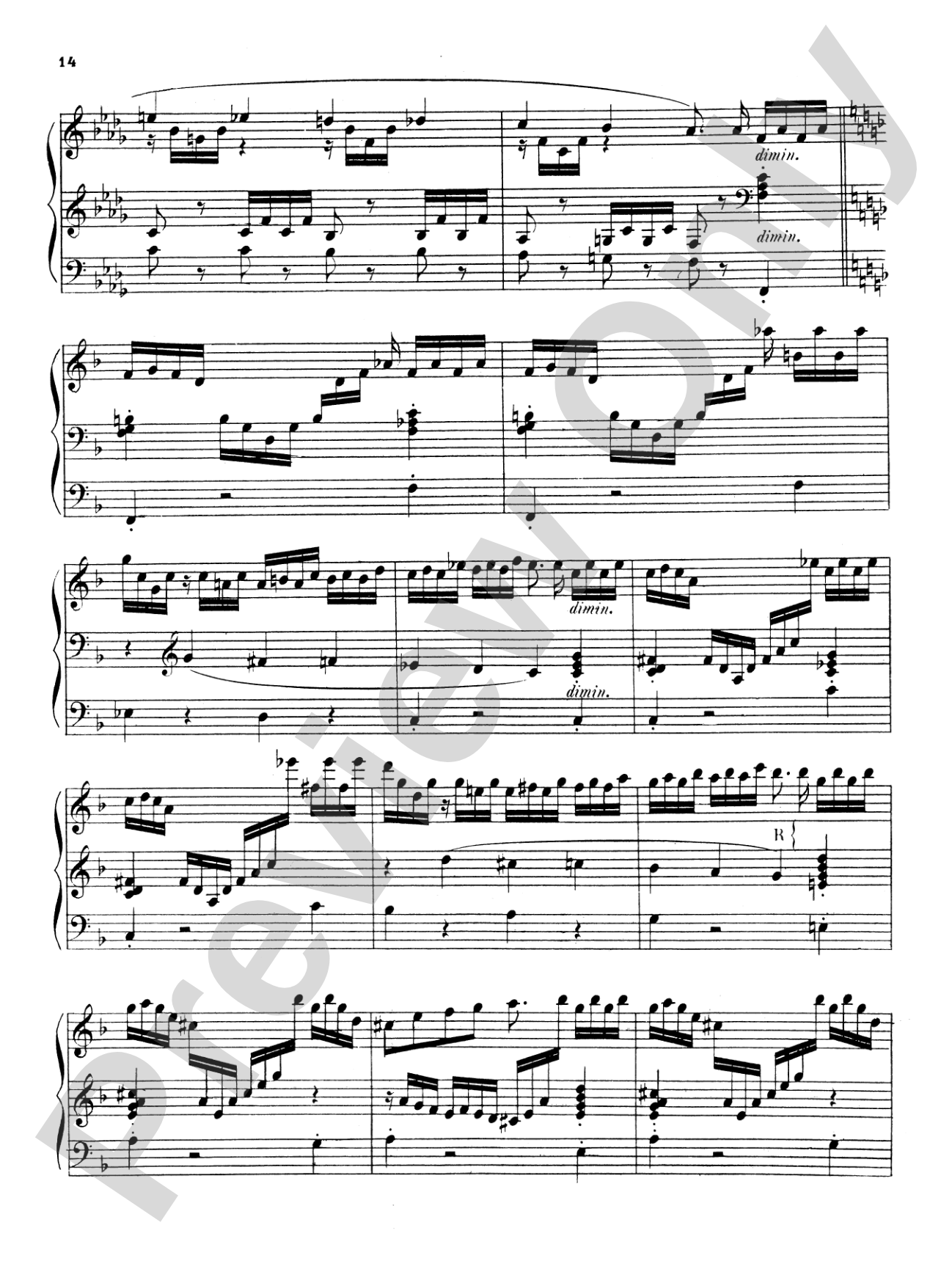
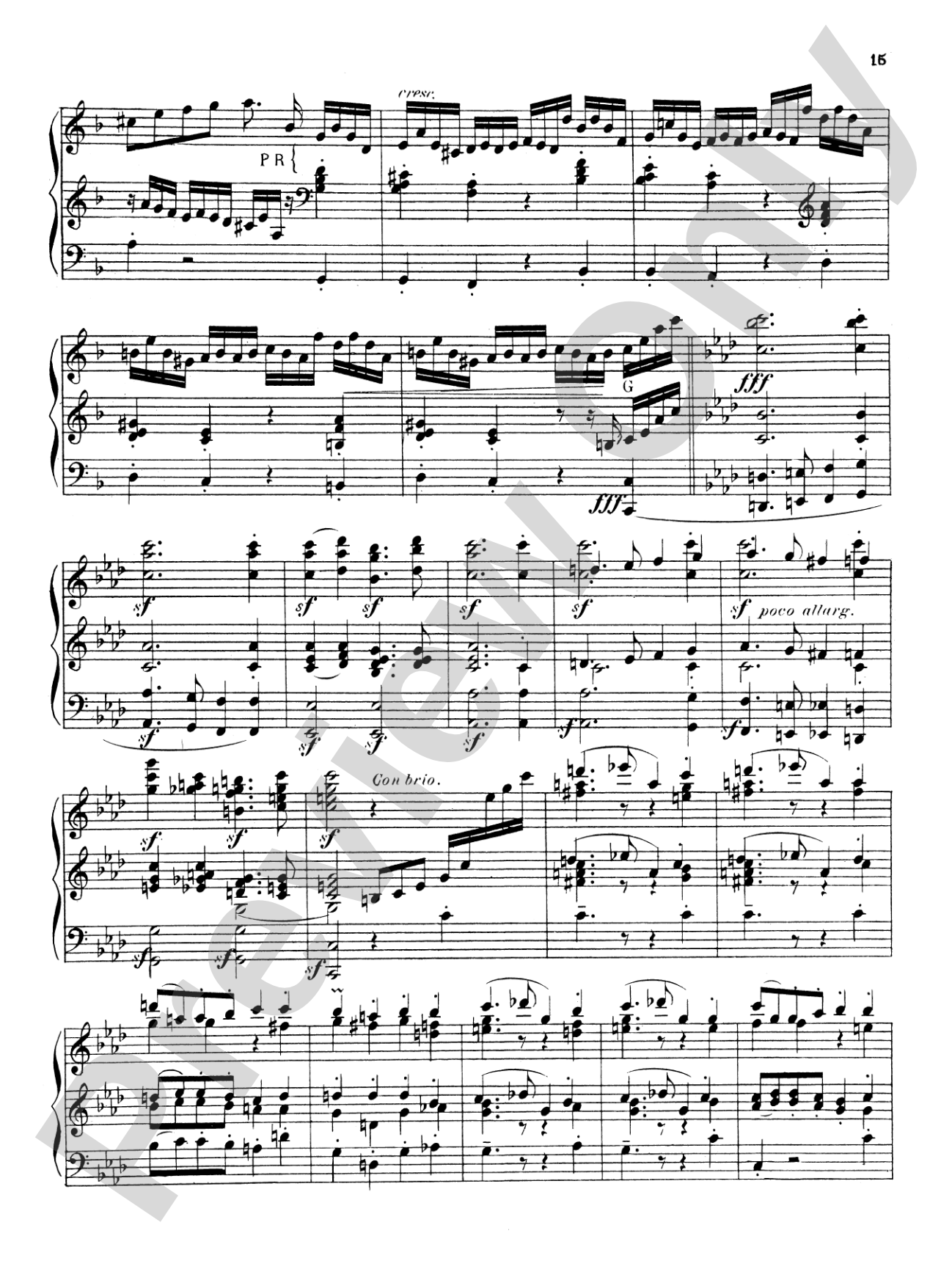
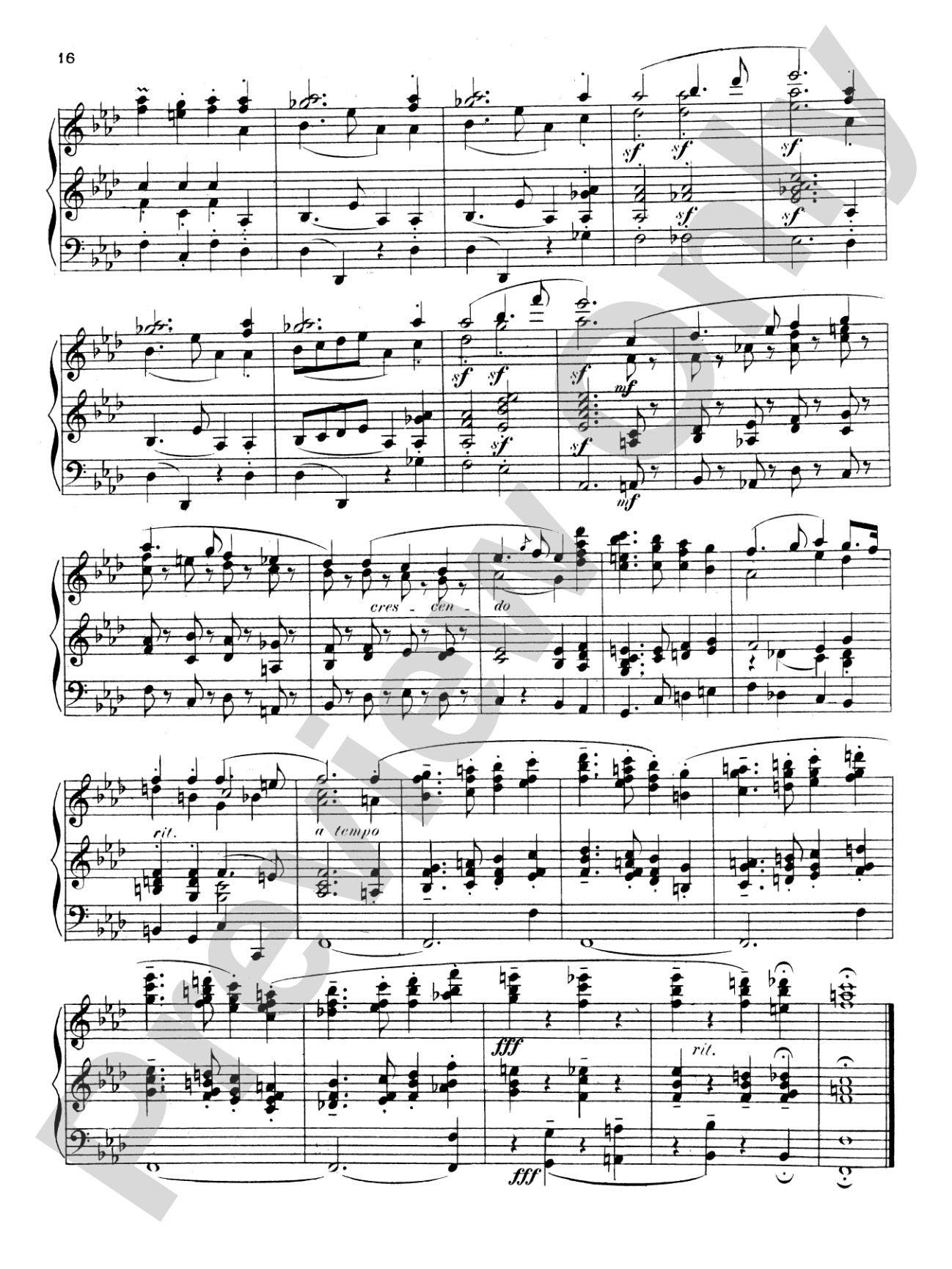

Widor: Symphony No. 5 in F, Op. 42: Organ Book
By Charles-Marie Widor
Item: 00-PK-0003381

$11.99
Pickup currently not available
Buy Extra Parts (Digital PDF Download)
| Product | Price | Quantity |
|---|---|---|
| Widor: Symphony No. 5 in F, Op. 42 | $1.99 | |
| Widor: Symphony No. 5 in F, Op. 42 | $1.99 | |
| Widor: Symphony No. 5 in F, Op. 42 | $1.99 | |
| Widor: Symphony No. 5 in F, Op. 42 | $1.99 | |
| Widor: Symphony No. 5 in F, Op. 42 | $1.99 |
Parts Added to Cart!
Related Items
Symphony No. 5, Opus 42: Organ Book |
$11.99
|
View |
Description
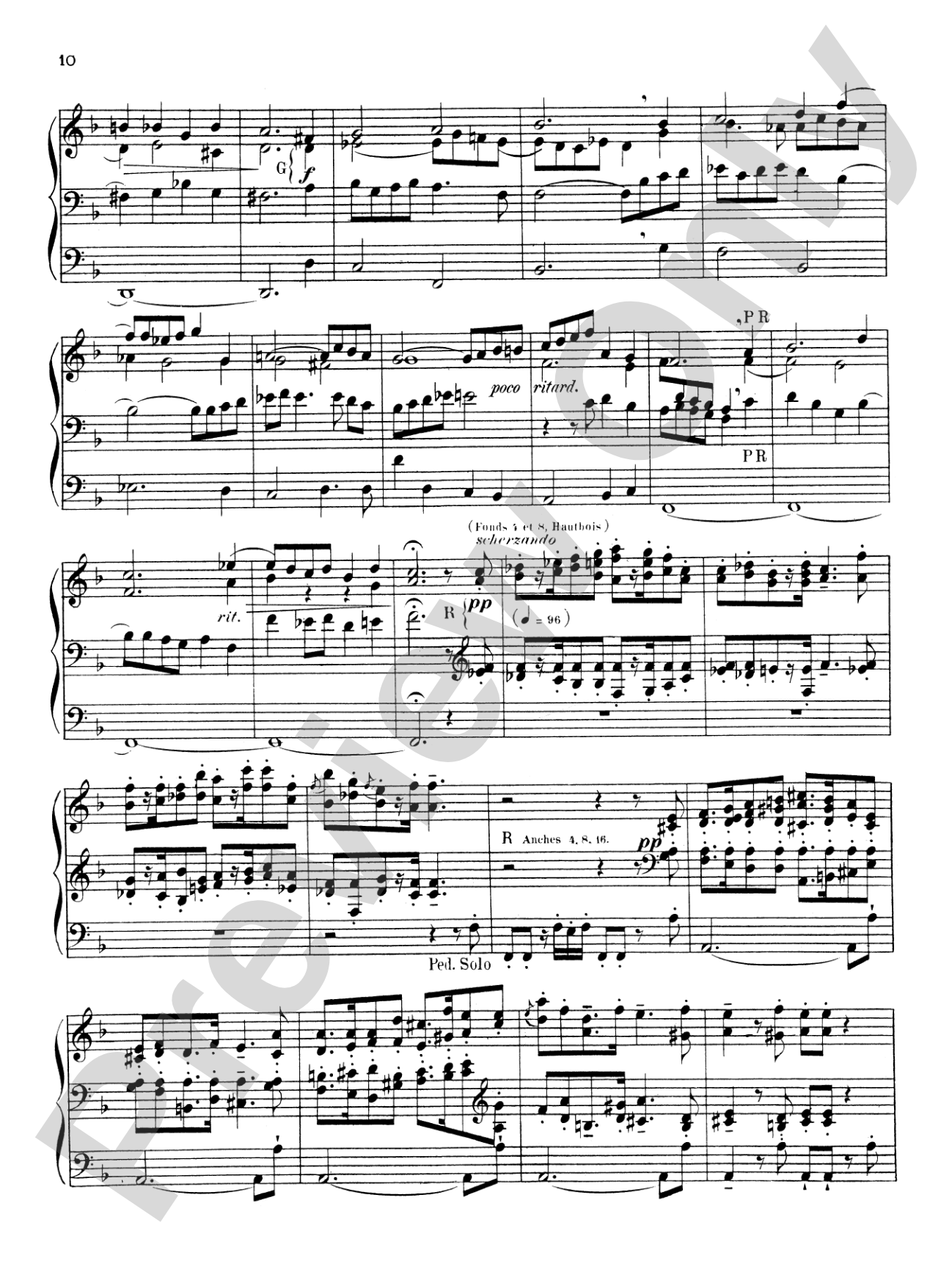
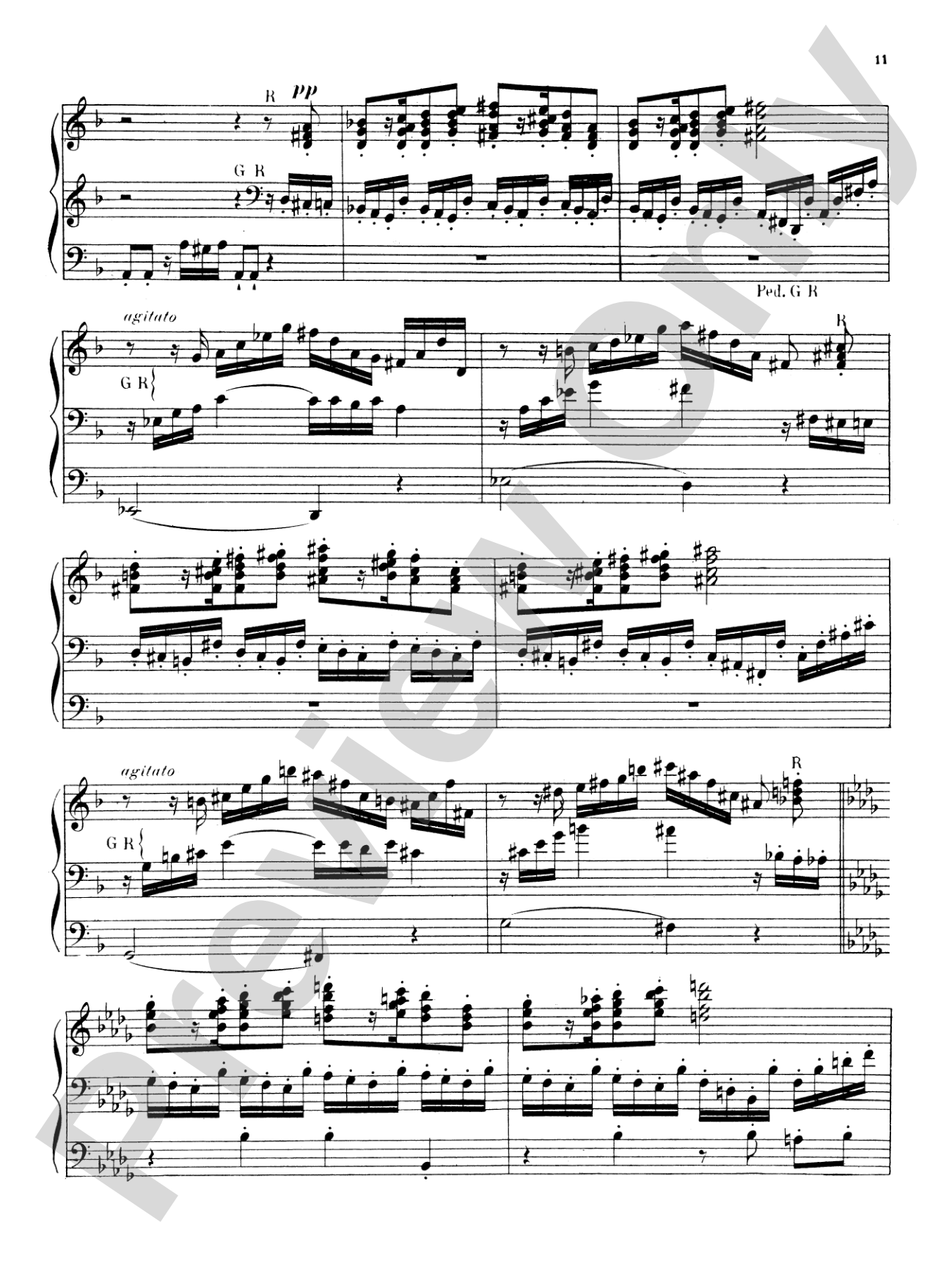
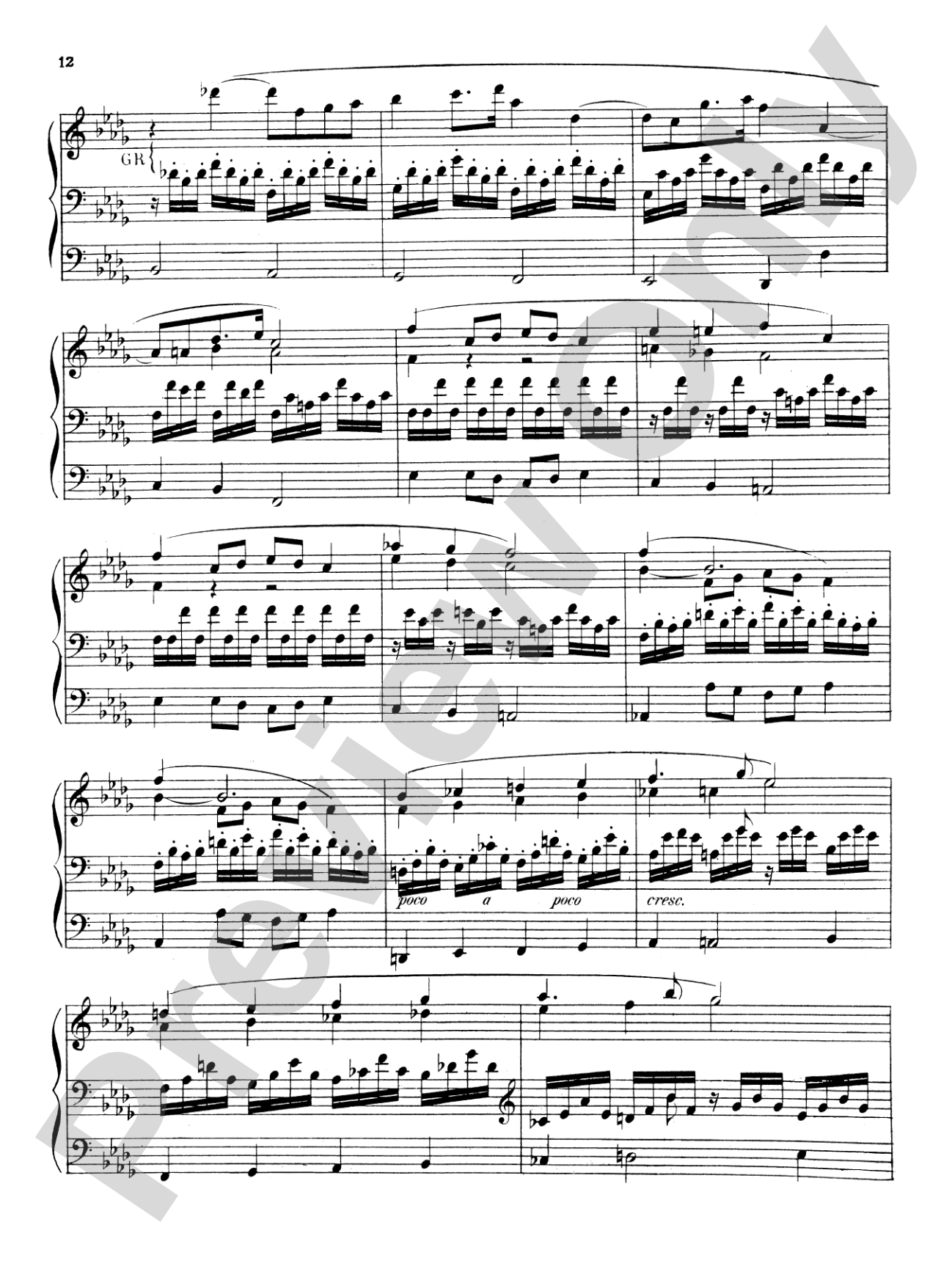
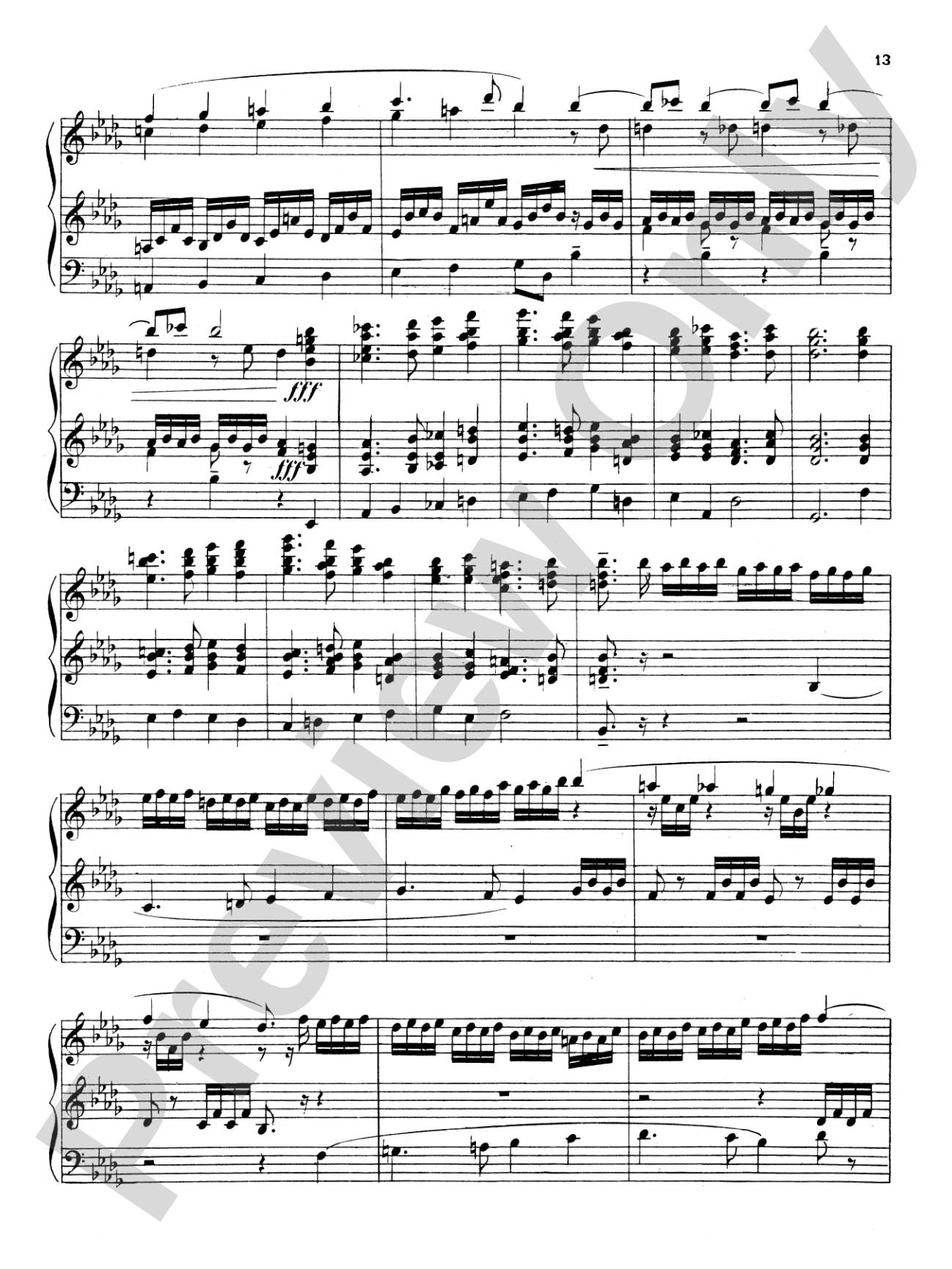
Expertly arranged Organ Solo by Charles-Marie Widor from the Kalmus Edition series. This is from the Romantic era.


Don't just read it, hear it, play along with it, and watch your students grow with it. In MakeMusic Cloud, Widor: Symphony No. 5 in F, Op. 42: Organ Book comes alive with professional accompaniment, adjustable tempo, and built-in practice tools that turn solo practice into real progress.
Open in the Player
Jump straight in and assign it today.
Start Your Free Trial
Open this title and explore the full library in minutes.
Sample Audio
No sample audio found.
Sample Video
No sample videos found.
Additional Details
Series:
Kalmus Edition
Publisher:
Alfred Music
Page Count:
48
SKU:
00-PK-0003381
More about this title
About the Composer: Charles-Marie Widor
Charles-Marie Widor (1844-1937) was a French organist and composer whose ten organ symphonies stand as pillars of the Romantic organ repertoire. As organist of Saint-Sulpice in Paris for over 60 years, he shaped the instrument's artistic possibilities and wrote extensively for it, establishing himself as a master of the form.
Widor's symphonies blend the structure of classical symphonies with the tonal palette and improvisational spirit of the organ. His music bridges 19th-century Romanticism with the emerging modern era, making his works essential study for any organist serious about repertoire depth and technical command.
Why we love this
The Fifth Symphony ranks among the most performed Widor symphonies for good reason: it balances ambitious architectural scope with moments of genuine lyricism and virtuosic flair. This Kalmus Edition presents the work in a clean, legible format that lets organists focus on the musical substance rather than struggling with notation, making it accessible for study and performance at a level far below what performances typically demand.
What to expect
Widor's Fifth Symphony unfolds with the grandeur and rhetorical sweep of a Romantic symphony, complete with contrasting movements that traverse intimate melody, intricate counterpoint, and brilliant passagework. The work radiates confidence and architectural coherence, drawing the listener through a carefully planned journey that rewards both performer and audience with moments of genuine eloquence.
Who it's for
This work suits advanced organists preparing recital repertoire or studying the symphonic organ literature in depth. College-level organists and semi-professional players will find it rewarding both as a performance goal and a window into Romantic organ aesthetics.
How to get the most out of it
- Map the registration strategically before rehearsal begins. Widor's symphonic form demands tonal variety across movements, and organ control over these shifts is fundamental to the work's architecture.
- Attend closely to the pedal line in rapid passages. The pedal work is idiomatic and often carries harmonic weight; clarity here supports the entire texture.
- Shape the lyrical passages with the same attention you would give a string section. Romantic organ writing thrives on sustained phrasing, not mechanical precision alone.
- Practice the manual transitions at tempo well before the final run-through. Widor's writing often requires quick hand movement between manuals, and fumbling these disrupts momentum.
How to use it
Program this as the centerpiece of an organ recital devoted to Romantic literature, where it can anchor a set of shorter French pieces and works by contemporaries. Alternatively, present it in a concert series exploring the evolution of organ music across the 19th century, where its technical and musical substance commands full attention.
Skills your students will build
- pedal technique in rapid and sustained passages
- manual transitions and registration changes at tempo
- phrasing across long-line melodies in multi-movement form
- managing tonal architecture across contrasting harmonic and textural sections
- interpreting Romantic expression within a clearly structured symphonic framework