
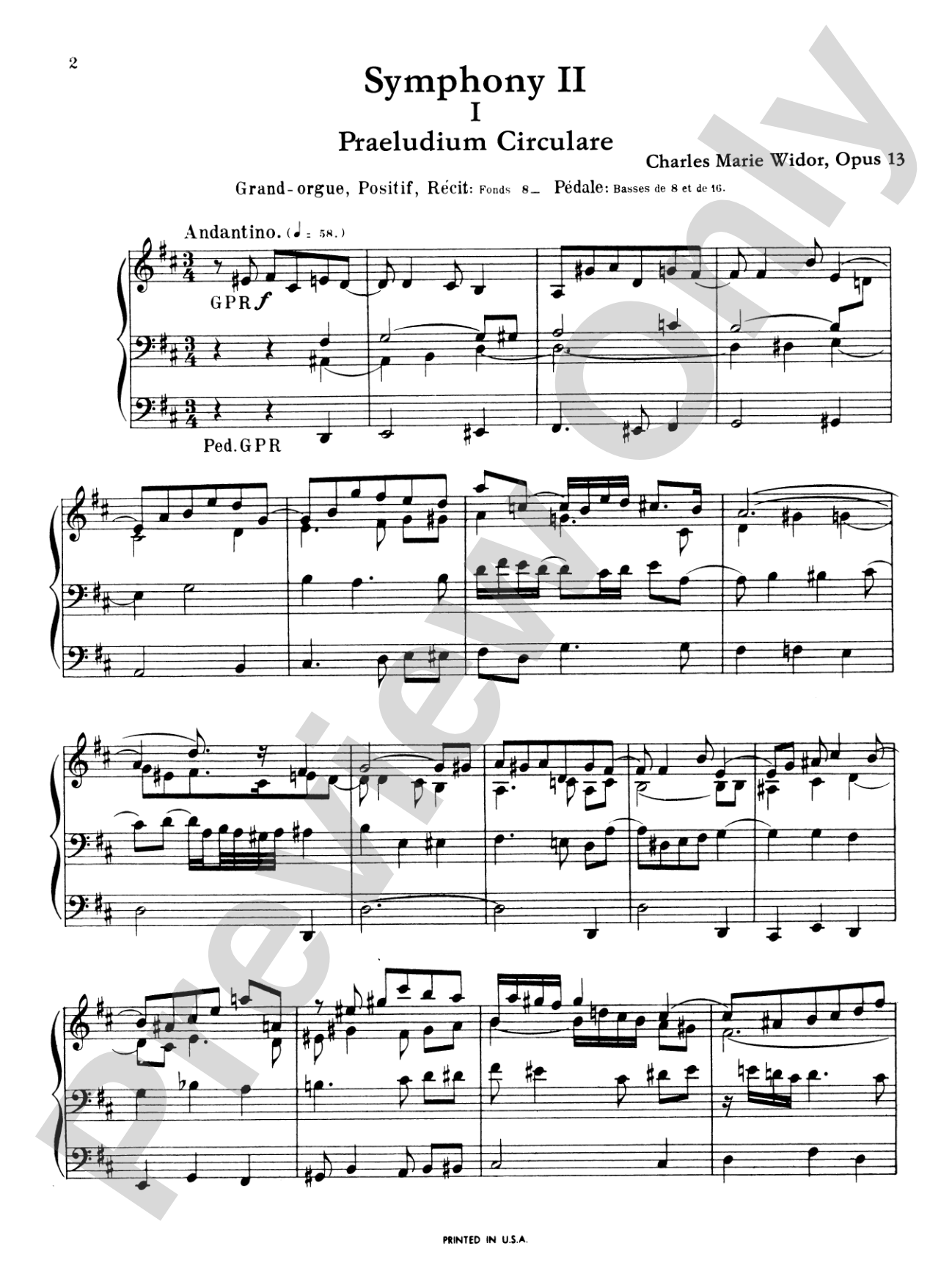
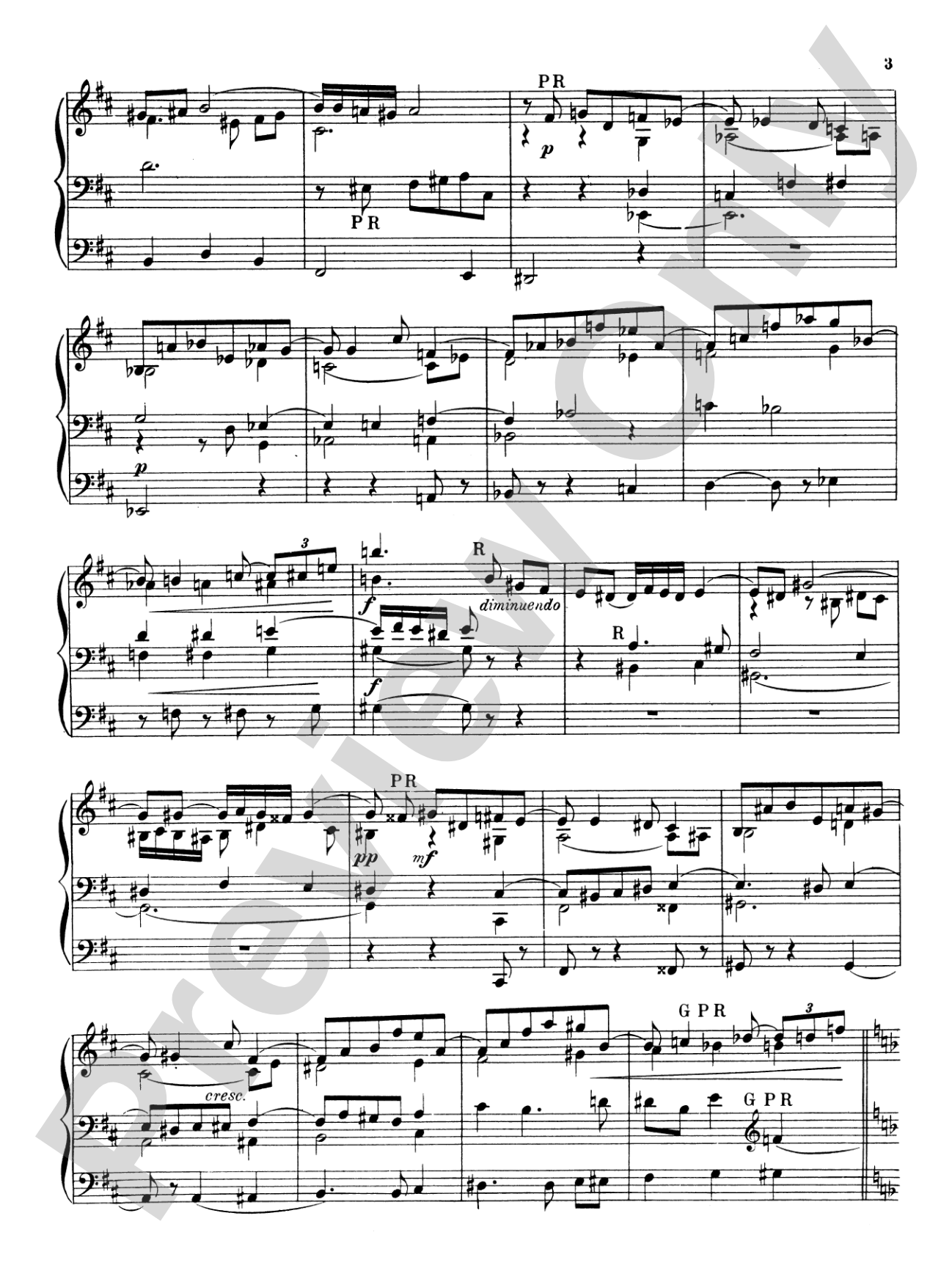
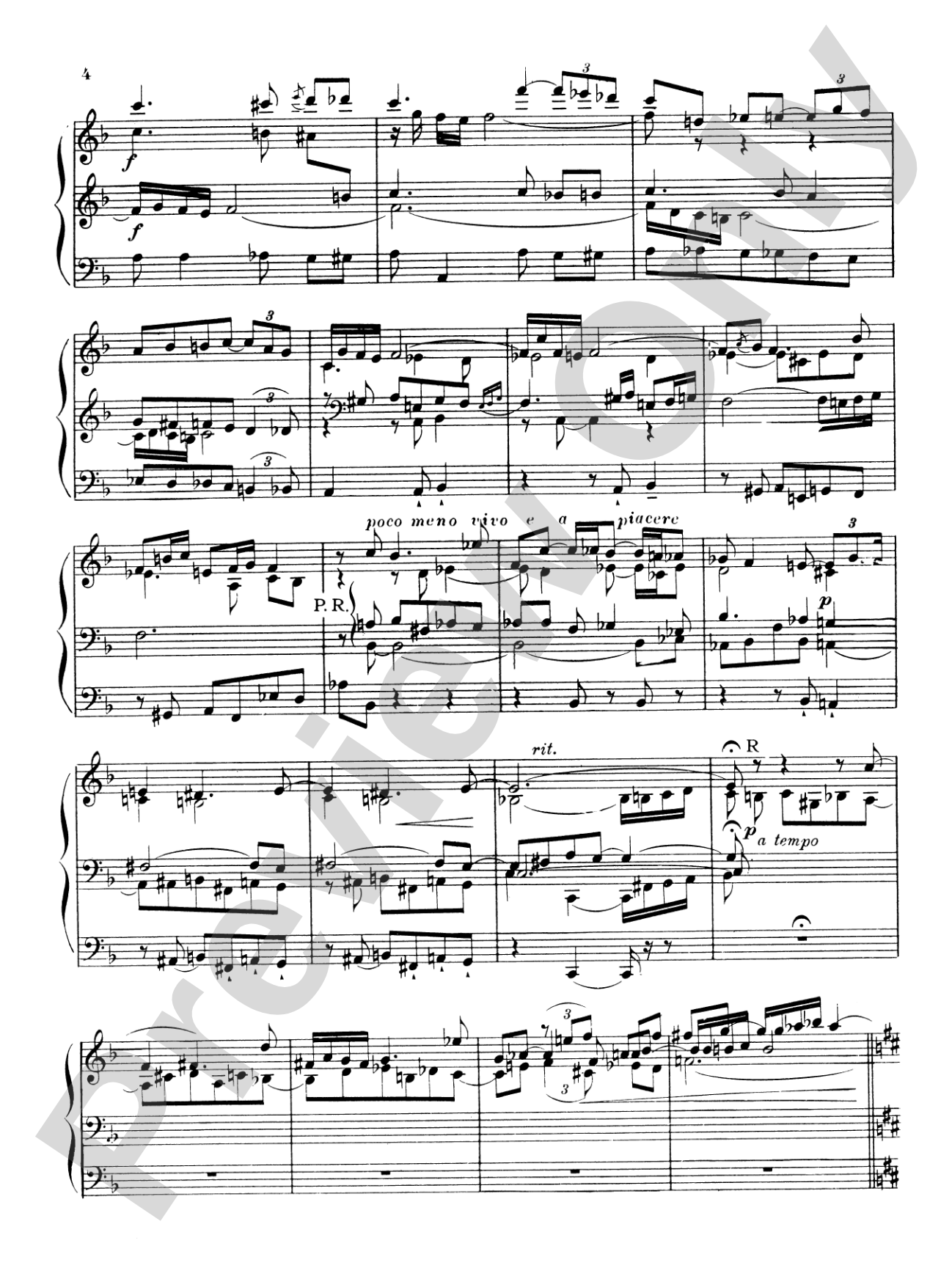
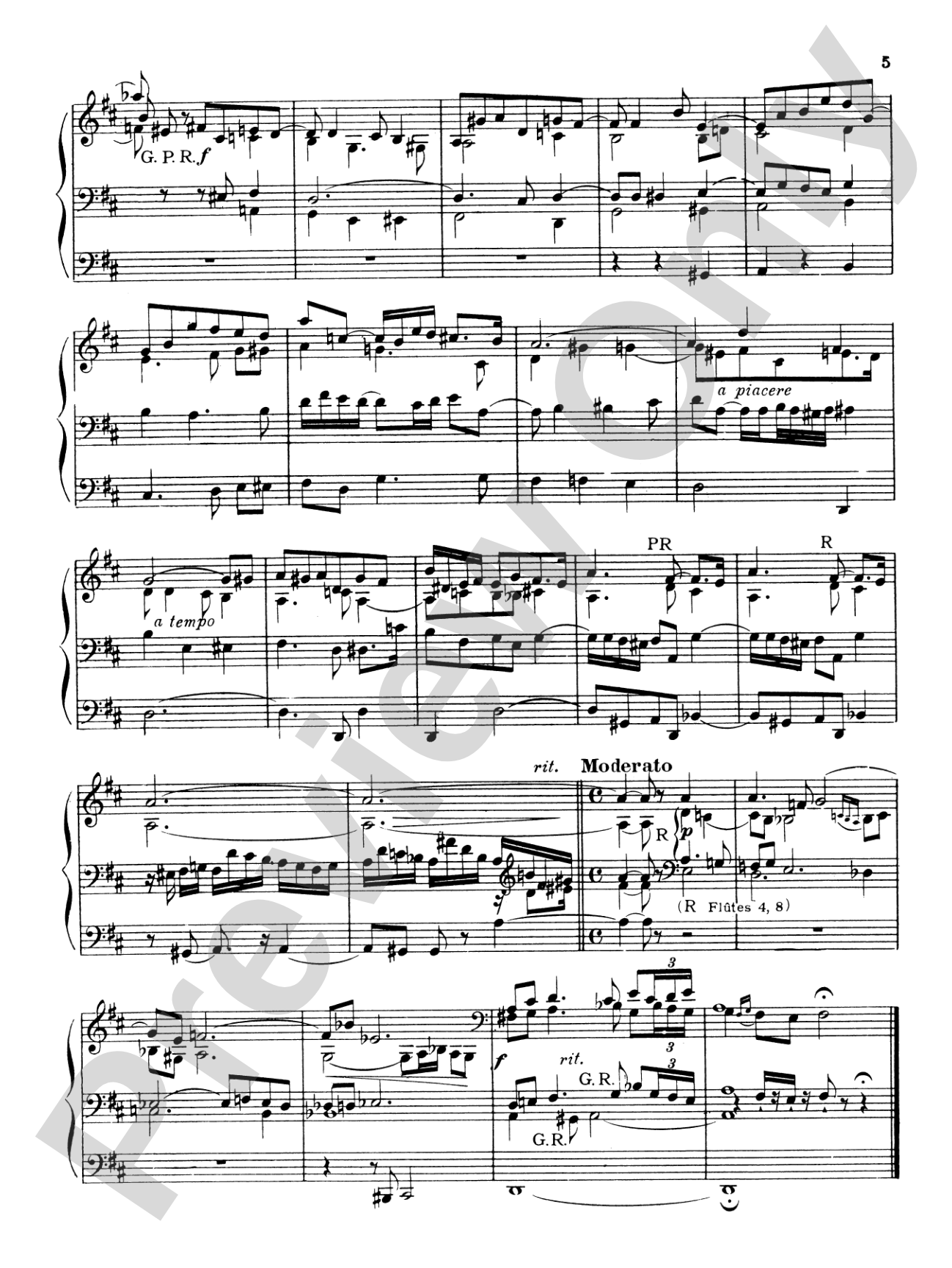

Widor: Symphony No. 2 in D Major, Op. 13: Organ Sheet
By Charles-Marie Widor
Item: 00-PK-0003378

$9.99
Pickup currently not available
Buy Extra Parts (Digital PDF Download)
| Product | Price | Quantity |
|---|---|---|
| Widor: Symphony No. 2 in D Major, Op. 13 | $0.99 | |
| Widor: Symphony No. 2 in D Major, Op. 13 | $0.99 | |
| Widor: Symphony No. 2 in D Major, Op. 13 | $0.99 | |
| Widor: Symphony No. 2 in D Major, Op. 13 | $0.99 | |
| Widor: Symphony No. 2 in D Major, Op. 13 | $0.99 | |
| Widor: Symphony No. 2 in D Major, Op. 13 | $0.99 |
Parts Added to Cart!
Related Items
Symphony No. 2 in D, Opus 13: Organ Sheet |
$9.95
|
View |
Description
An Organ solo composed by Charles-Marie Widor.


Don't just read it, hear it, play along with it, and watch your students grow with it. In MakeMusic Cloud, Widor: Symphony No. 2 in D Major, Op. 13: Organ Sheet comes alive with professional accompaniment, adjustable tempo, and built-in practice tools that turn solo practice into real progress.
Open in the Player
Jump straight in and assign it today.
Start Your Free Trial
Open this title and explore the full library in minutes.
Sample Audio
No sample audio found.
Sample Video
No sample videos found.
Additional Details
Series:
Kalmus Edition
Publisher:
Alfred Music
Page Count:
32
SKU:
00-PK-0003378
More about this title
About the Composer: Charles-Marie Widor
Charles-Marie Widor (1844-1937) was a French organist and composer who shaped the modern organ repertoire during the late Romantic period. As organist at Saint-Sulpice in Paris for over 60 years, he witnessed and influenced the evolution of the concert organ, writing ten symphonies for the instrument that remain central to advanced organist training worldwide.
Widor's organ works are celebrated for their architectural clarity, harmonic sophistication, and integration of French symphonic ideals into keyboard writing. His legacy extends beyond composition; his editions of Bach's works and his teaching of the young Marcel Dupré established him as a formative figure in twentieth-century organ pedagogy.
Why we love this
The Second Symphony showcases Widor's gift for lyric expression within rigorous formal structures, making it an essential stepping stone between early Romantic keyboard writing and the virtuosic demands of his later symphonies. Organists value it for its balance of technical challenge and musical coherence; every passage serves the overall architecture rather than indulging empty display. Programming this work signals serious engagement with the concert organ repertoire and rewards audiences with music that is both intellectually engaging and genuinely moving.
What to expect
The Second Symphony opens with lyric warmth and conversational phrasing before building toward moments of genuine grandeur. The harmonic language is more restrained than some of Widor's later works, yet it possesses an elegant intricacy that rewards close listening; passages flow naturally from one tonal area to another, creating a sense of inevitability and purpose. Performing it feels like inhabiting a carefully constructed musical argument that unfolds with both logic and emotional resonance.
Who it's for
This work is designed for advanced organists preparing for recital programs, competitions, or formal study of the Romantic symphonic organ tradition. It demands secure command of the pedalboard, refined manual technique, and the musical maturity to realize Widor's subtle harmonic language and formal sophistication.
How to get the most out of it
- Attend carefully to Widor's registration markings; they reflect the specific tonal palette he expected from the French symphonic organ and guide your choices about which manuals to employ for dramatic contrast.
- Shape phrases by adjusting both tempo and dynamic nuance rather than relying on pedal swells alone; the writing often demands subtle rhythmic flexibility that brings out the harmonic logic underneath.
- Practice the pedal part independently before integrating it with the hands, particularly in rapid passagework where rhythmic precision becomes the foundation for musical coherence.
- Balance the dialogue between manual groups to highlight thematic material; Widor frequently distributes the melody across different registers, and clear articulation of this distribution makes the form immediately audible to listeners.
How to use it
This work functions excellently as the centerpiece of a recital devoted to French organ repertoire, pairing naturally with shorter character pieces or toccatas by Widor's contemporaries. It also serves as an ideal anchor for a program exploring the evolution of symphonic form on the organ, bridging early Romantic approaches and the virtuosic demands of later nineteenth-century writing.
Skills your students will build
- Independent pedal technique in rapid scalar and chromatic passages
- Registration planning and tonal balance across manual groupings
- Harmonic understanding of Romantic-era key relations and modulation
- Phrase shaping through subtle tempo and dynamic adjustment
- Reading and interpreting historical performance markings specific to the French organ tradition