Widor: Symphony No. 1 in C Minor, Op. 13 Sheet Music Preview

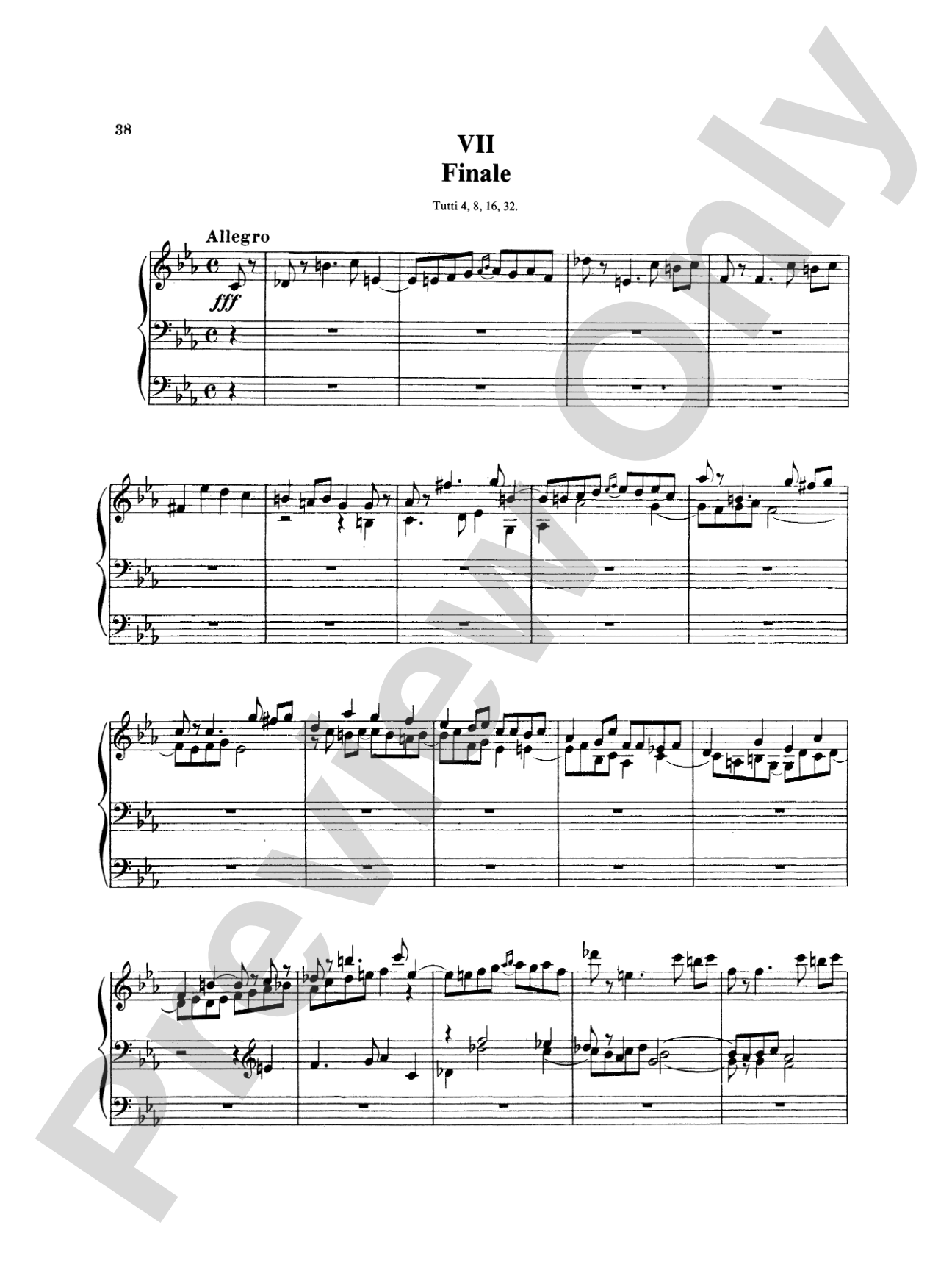
Widor: Symphony No. 1 in C Minor, Op. 13

By Charles-Marie Widor

Item: 00-PC-0009591

Digital Download
$0.99
Description
An Organ solo composed by Charles-Marie Widor.

Don't just read it, hear it, play along with it, and watch your students grow with it. In MakeMusic Cloud, Widor: Symphony No. 1 in C Minor, Op. 13 comes alive with professional accompaniment, adjustable tempo, and built-in practice tools that turn solo practice into real progress.

Sample Audio
No sample audio found.
Sample Video
Additional Details
Series: Kalmus Edition
Publisher: Alfred Music
Page Count: 44
SKU: 00-PC-0009591

More about this title

About the Composer: Charles-Marie Widor

Charles-Marie Widor (1844-1937) was a dominant figure in French organ music and one of the most prolific composers for the instrument. His ten organ symphonies remain cornerstones of the concert organ repertoire, prized for their architectural ambition, harmonic sophistication, and technical demands that push organists to master the full expressive range of the instrument.

Widor served as organist at Saint-Sulpice in Paris for over 60 years, a position that shaped his compositional voice and gave him intimate knowledge of the concert organ's possibilities. His symphonies bridge Romantic grandeur with Baroque structural clarity, establishing a model that influenced generations of organ composers and continue to define what a major organ work can accomplish.

Why we love this

This symphony opens the cycle with architectural rigor and emotional depth that rewards serious study. The Kalmus Edition provides a clear, playable text for working through one of the organ's most significant 19th-century contributions to concert music, making it accessible without sacrificing Widor's original conception.

What to expect

The C minor tonality anchors this symphony in introspective gravity, with grand Romantic gestures built on a foundation of Baroque contrapuntal logic. You move between intimate, almost intimate passages and moments of full-organ splendor, encountering moments of genuine grandeur that feel earned rather than mere display.

Who it's for

Intermediate to advanced organists with solid technique and access to a concert or large church instrument capable of handling Widor's full orchestral textures. This work suits recitalists preparing concert programs and students serious about exploring the 19th-century organ canon.

How to get the most out of it

  • Approach the registration changes as structural signposts; Widor's shifts between manual and pedal textures articulate formal divisions as clearly as any written tempo marking.
  • Study the pedal writing separately before integrating it with manual work; Widor demands independence and dexterity that requires isolated technical practice.
  • Honor the Romantic harmonic language without over-romanticizing the tempo; Widor's pacing stays grounded even in passages of high emotion.
  • Balance the organ's inherent sustain against Widor's rhythmic clarity; use the swell box judiciously to shape phrases rather than blur them.

How to use it

Program this as a major recital centerpiece or the anchor work in a program exploring French Romantic organ music. Its scale and ambition command respect as a concert event, and its four movements offer natural programming flexibility if paired with shorter contemporary works or Baroque selections.

Skills your students will build

  • Advanced pedal technique and pedal-manual independence
  • Registration planning and tonal balance across a large instrument
  • Reading extended harmonic language within Baroque-derived forms
  • Sustained interpretive control across large-scale formal structures
  • Managing technical demands while maintaining musical architecture

You May Also Like