
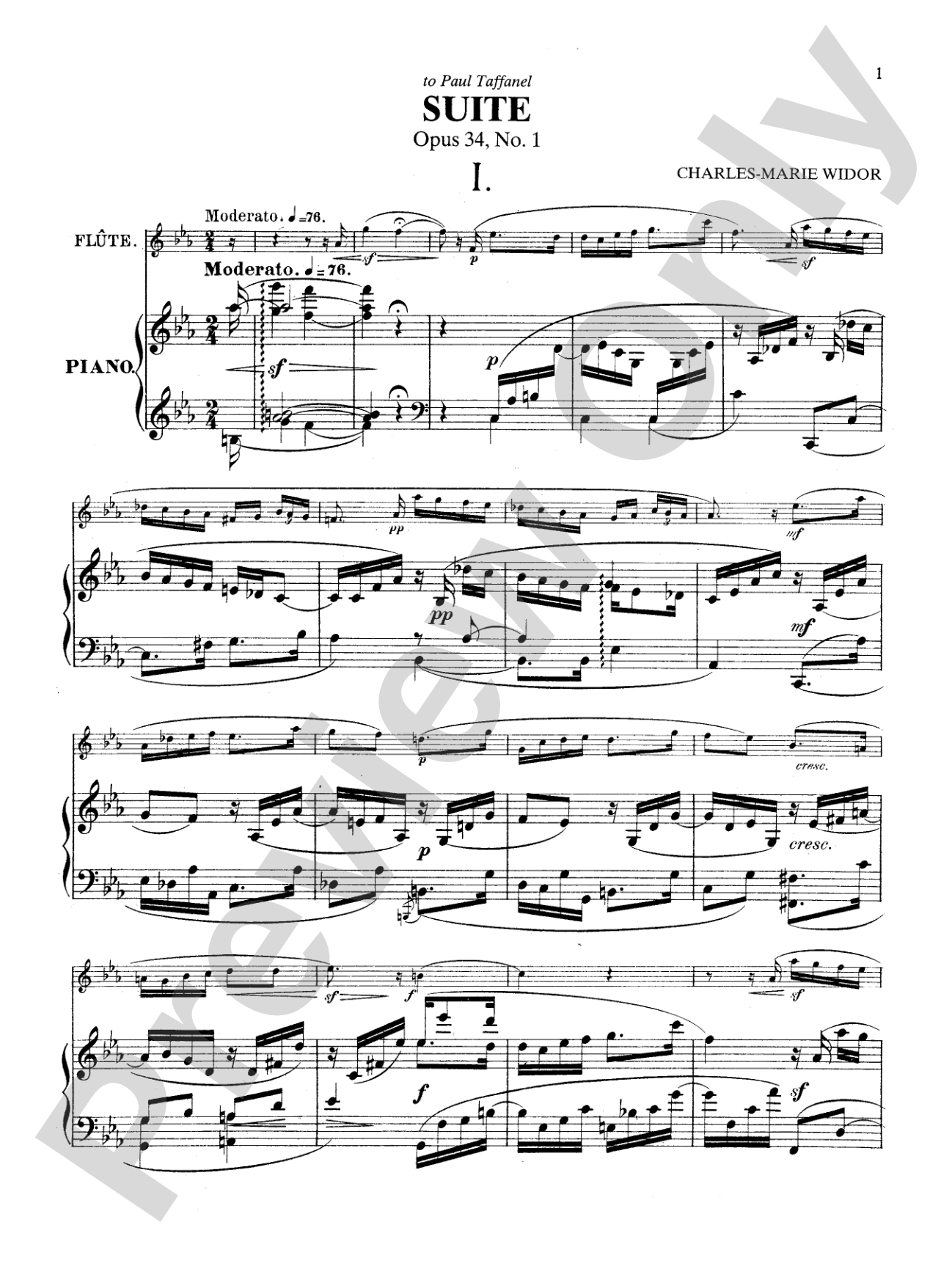
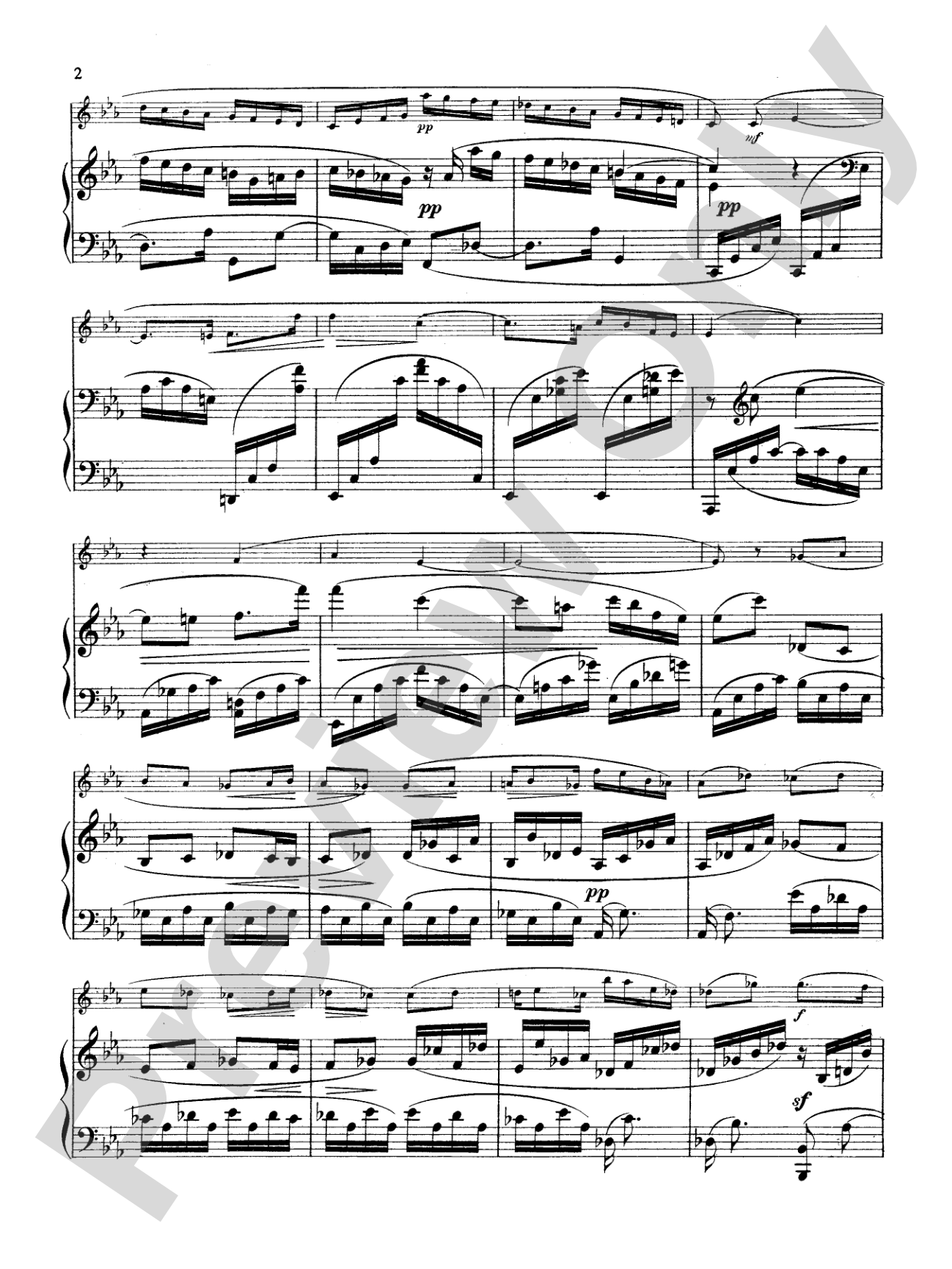
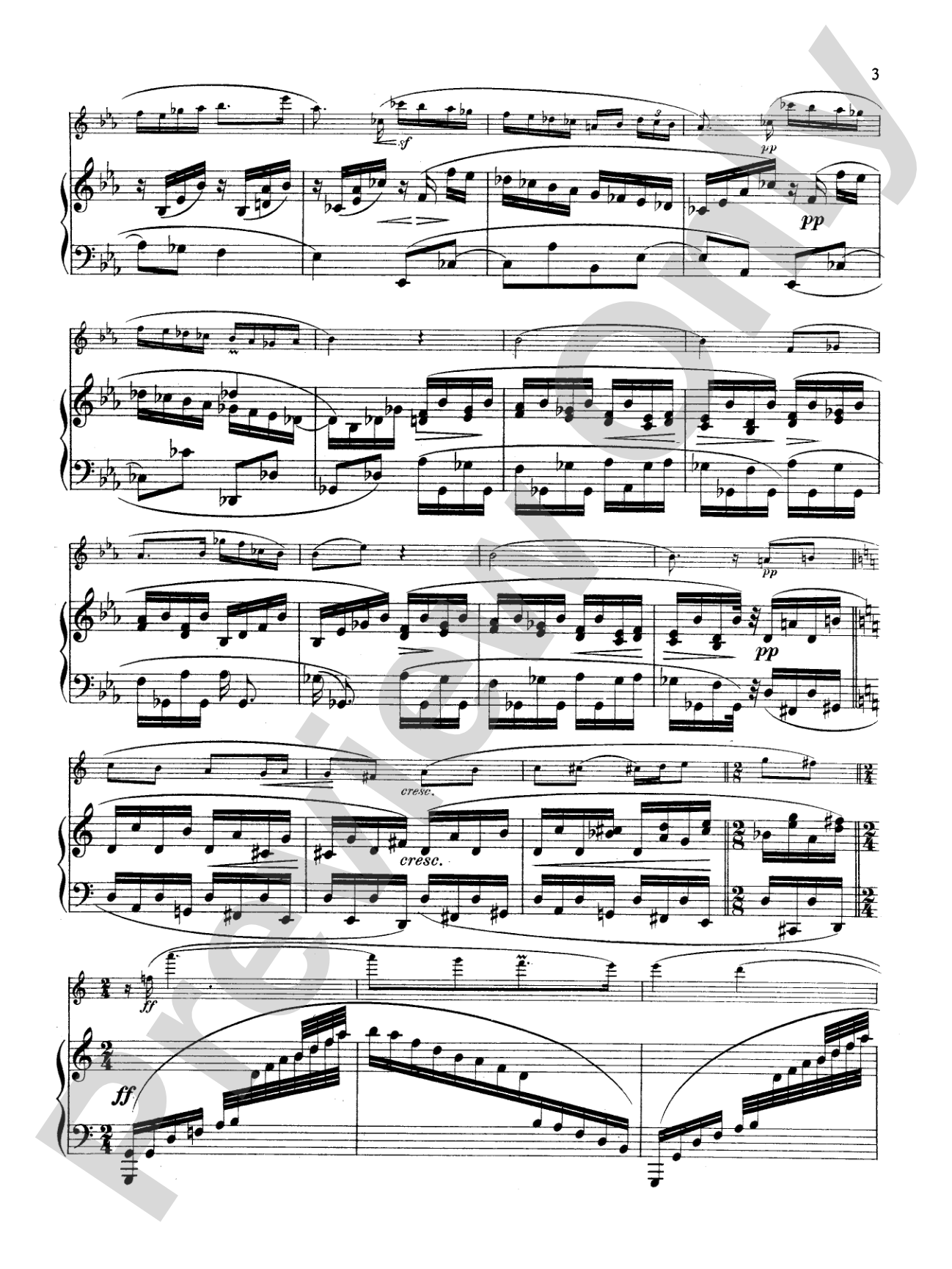
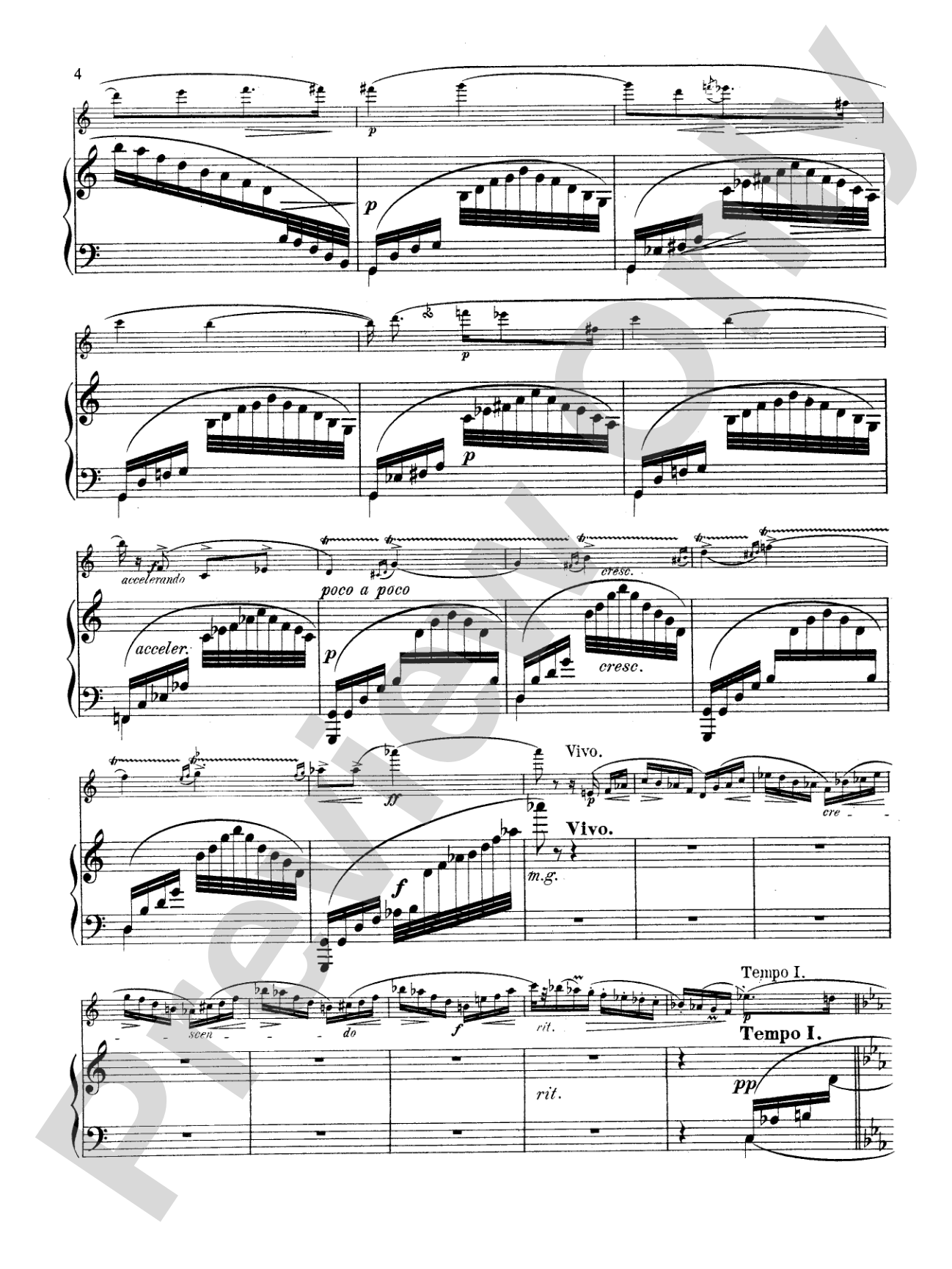
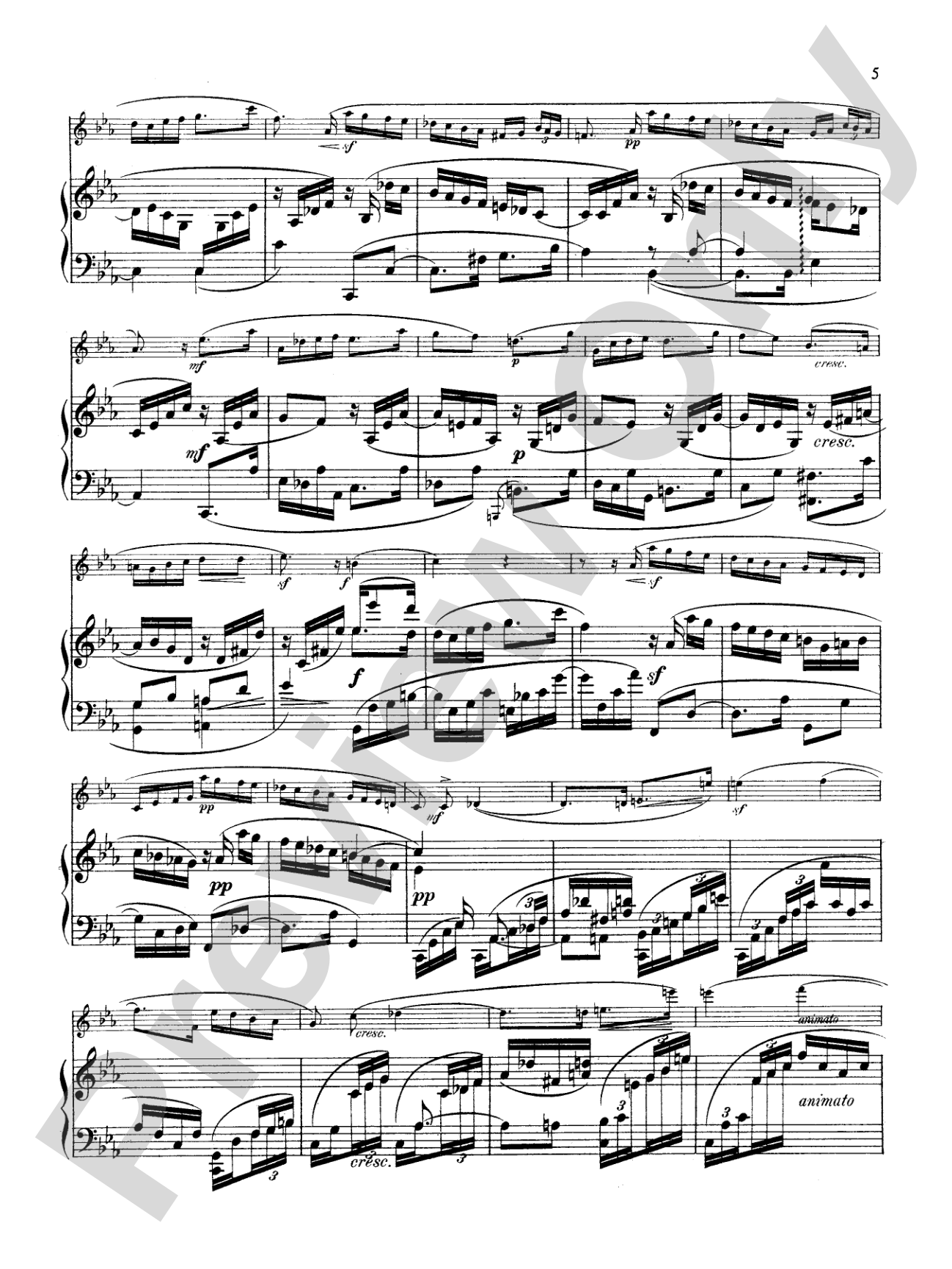
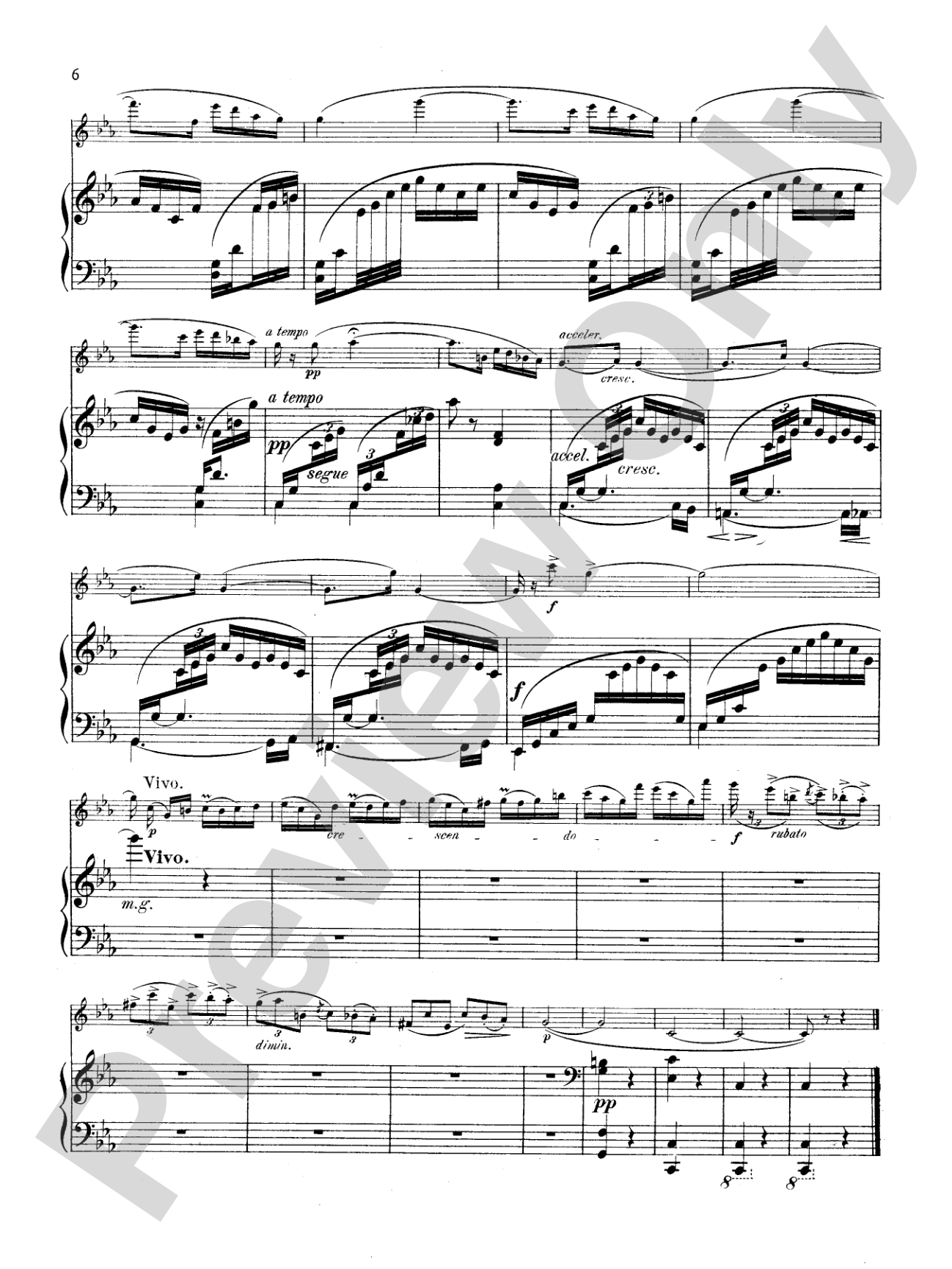
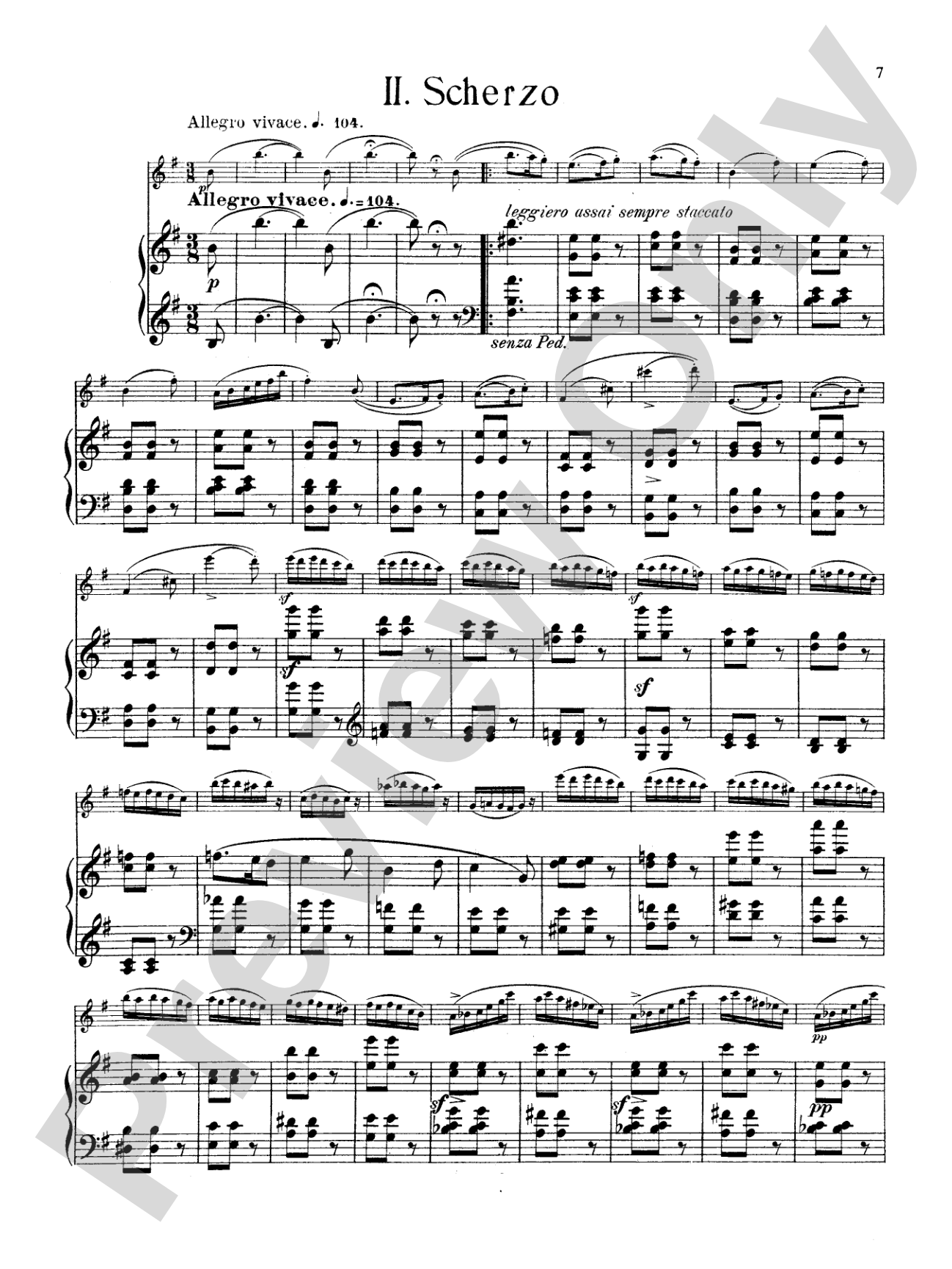
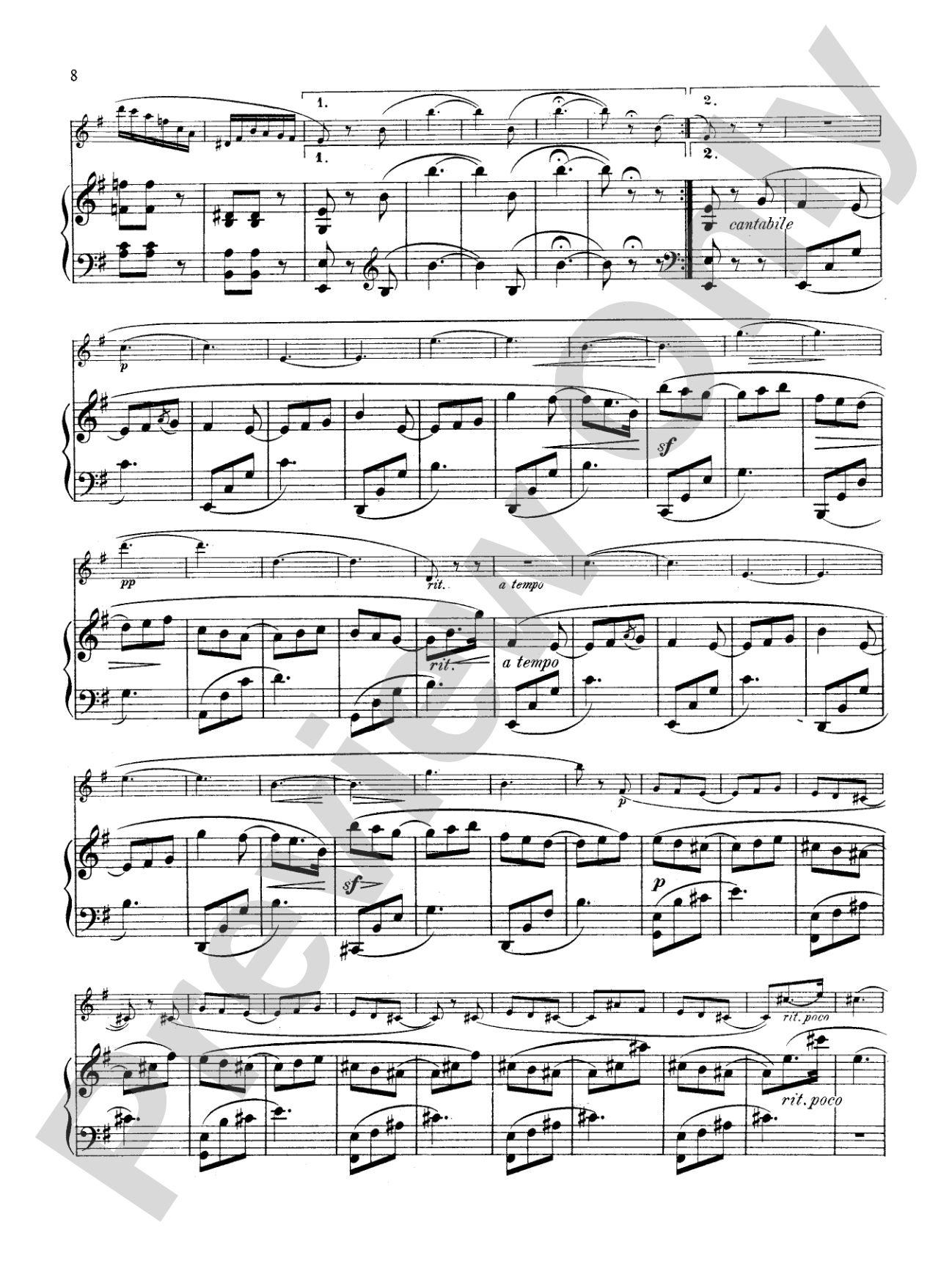
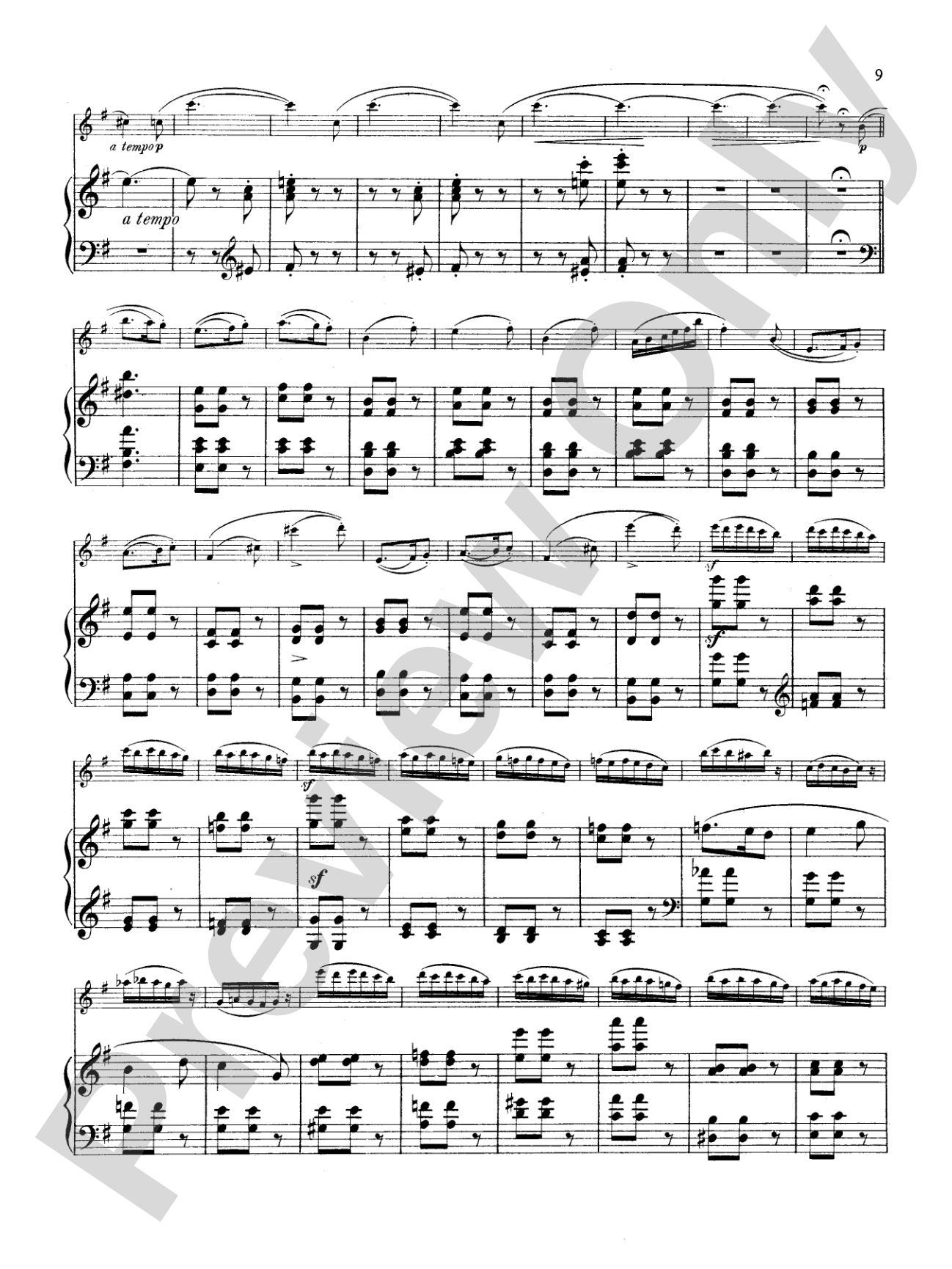
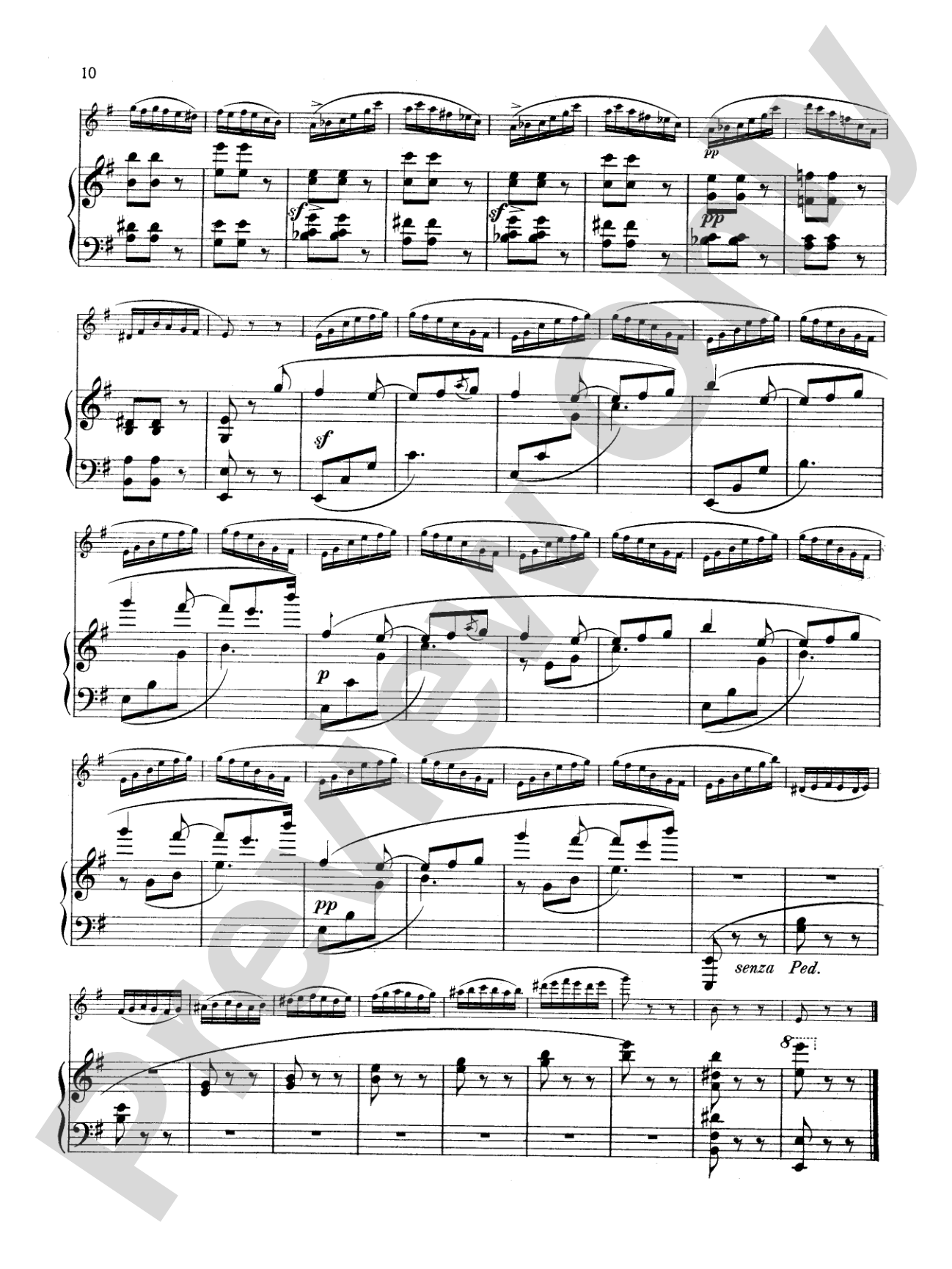
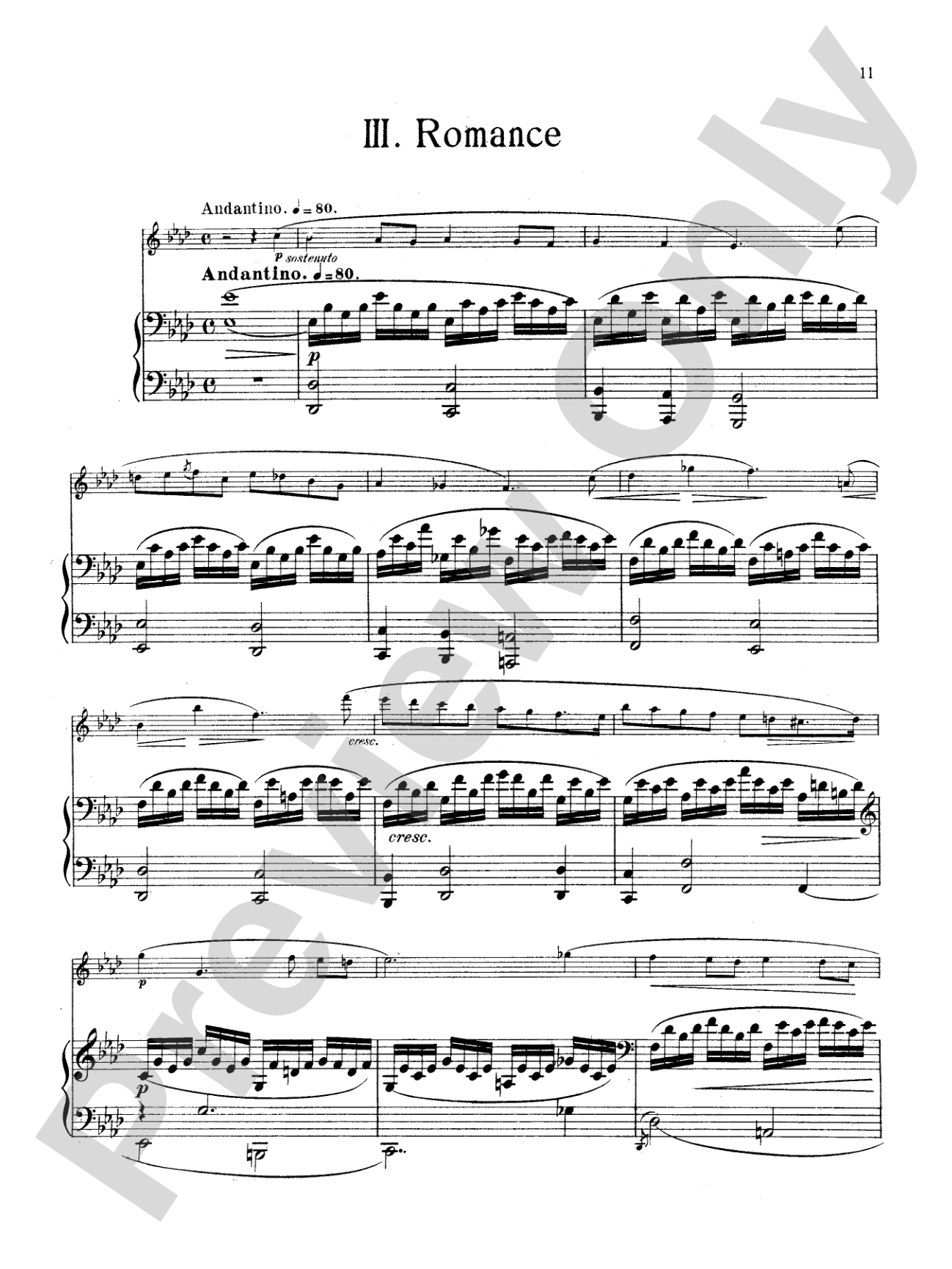
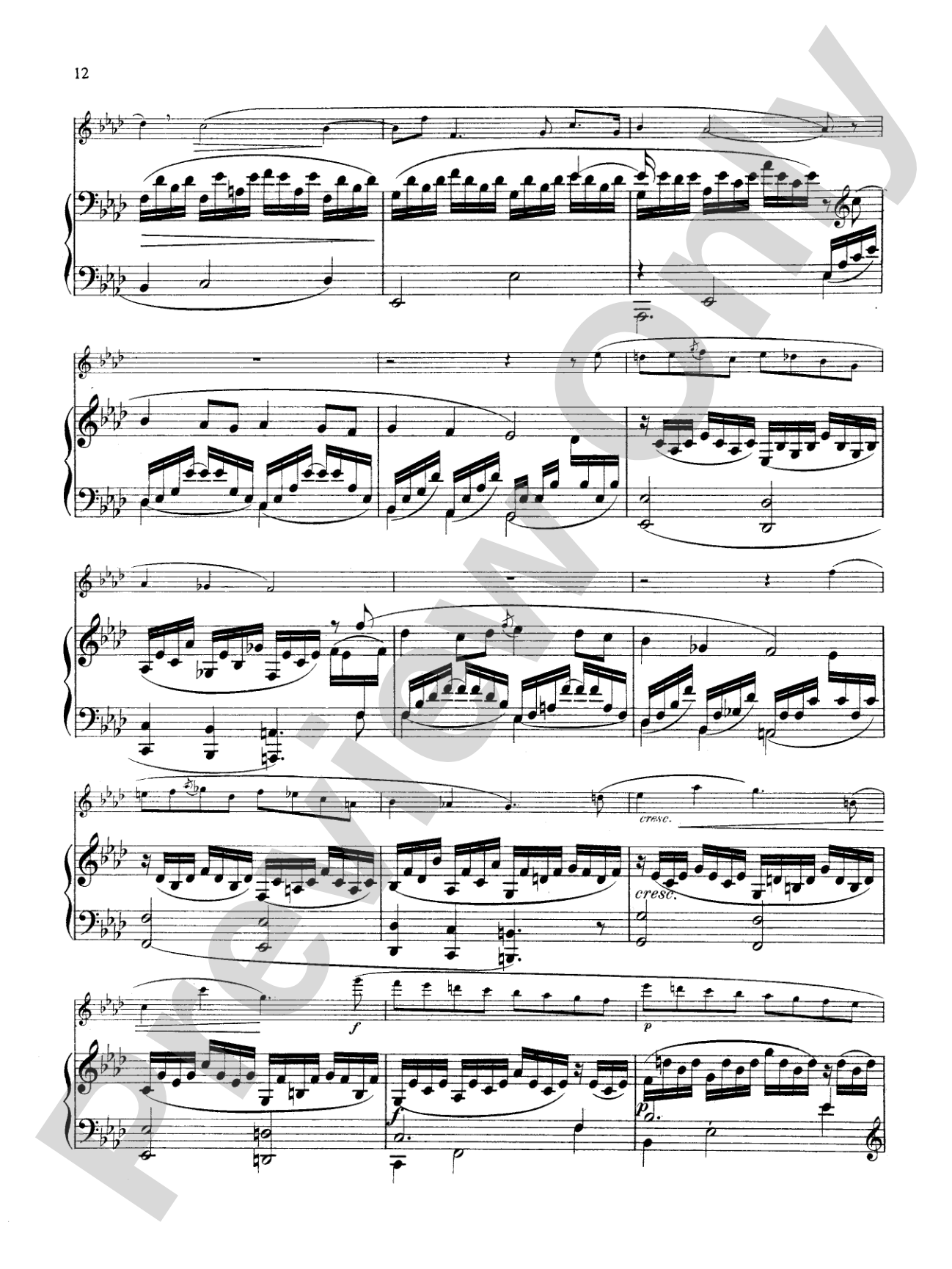
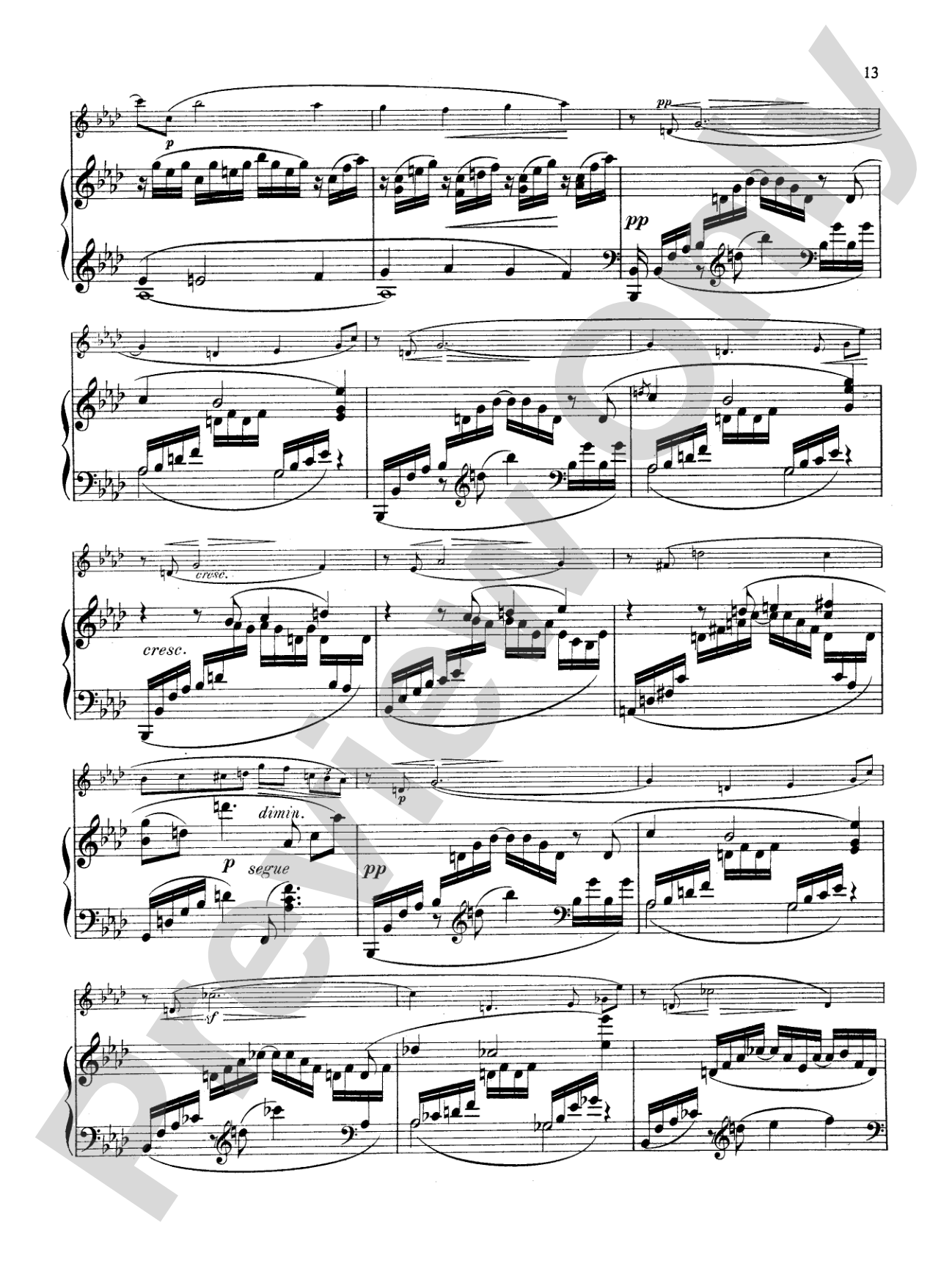
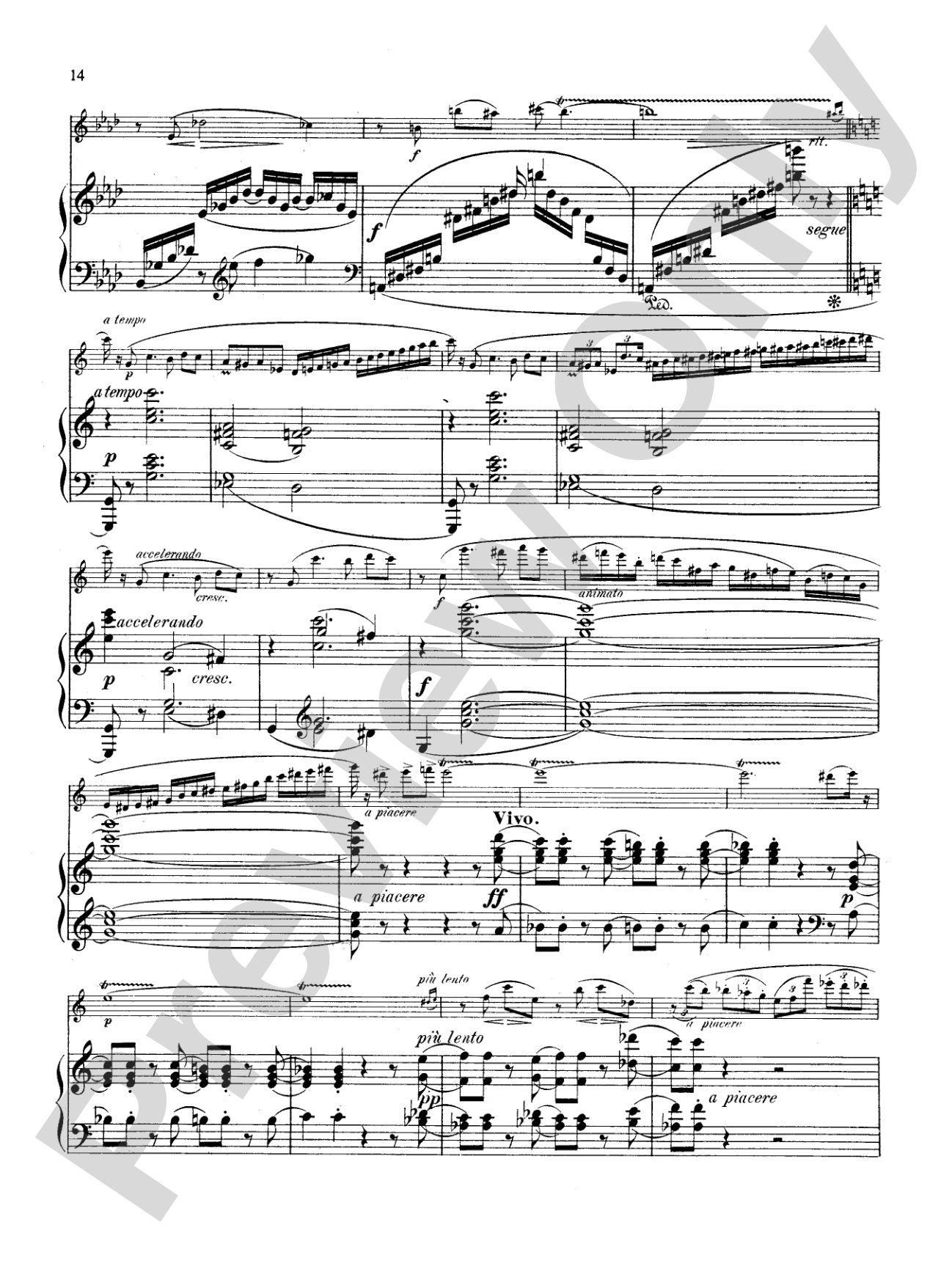
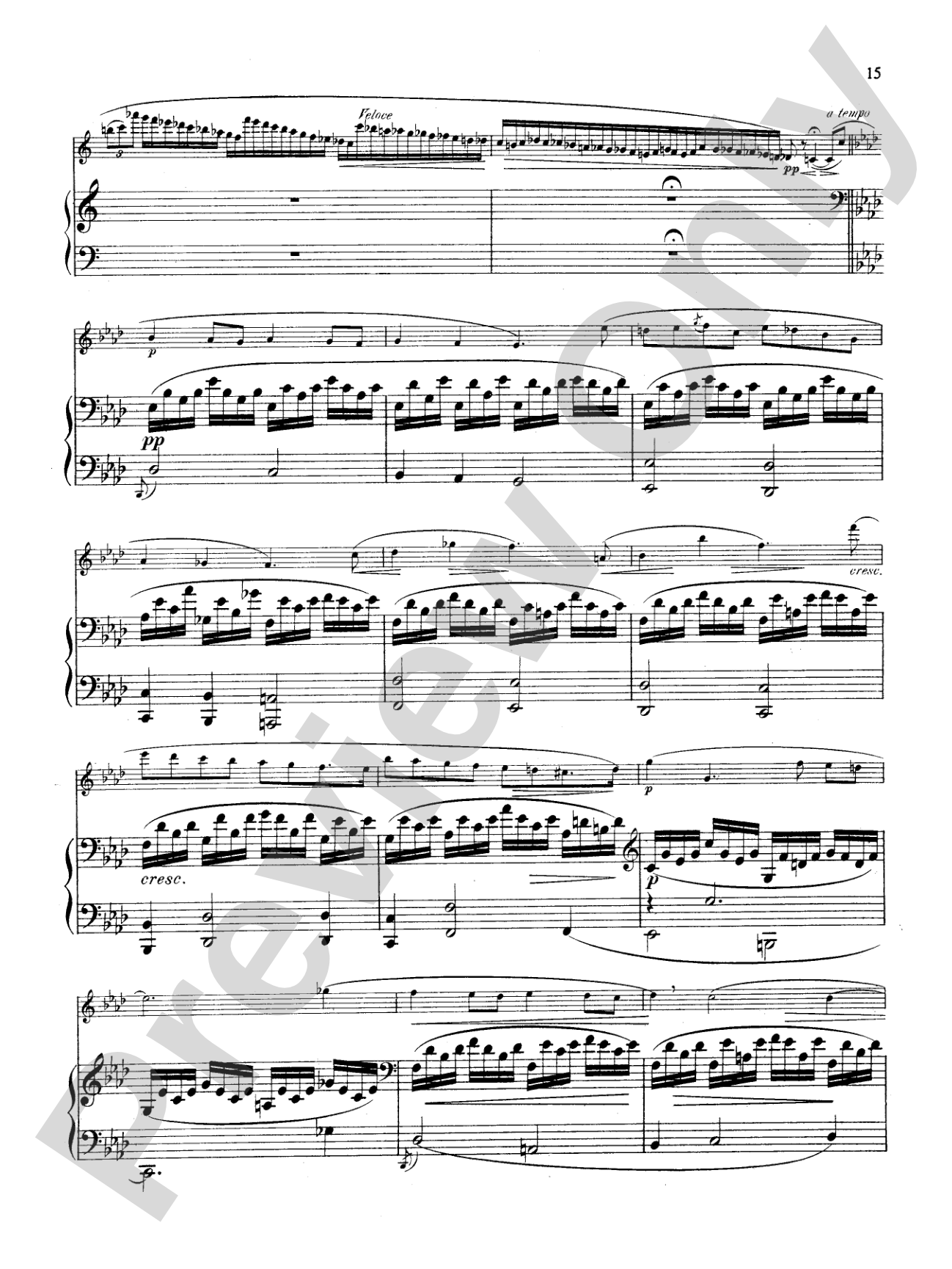
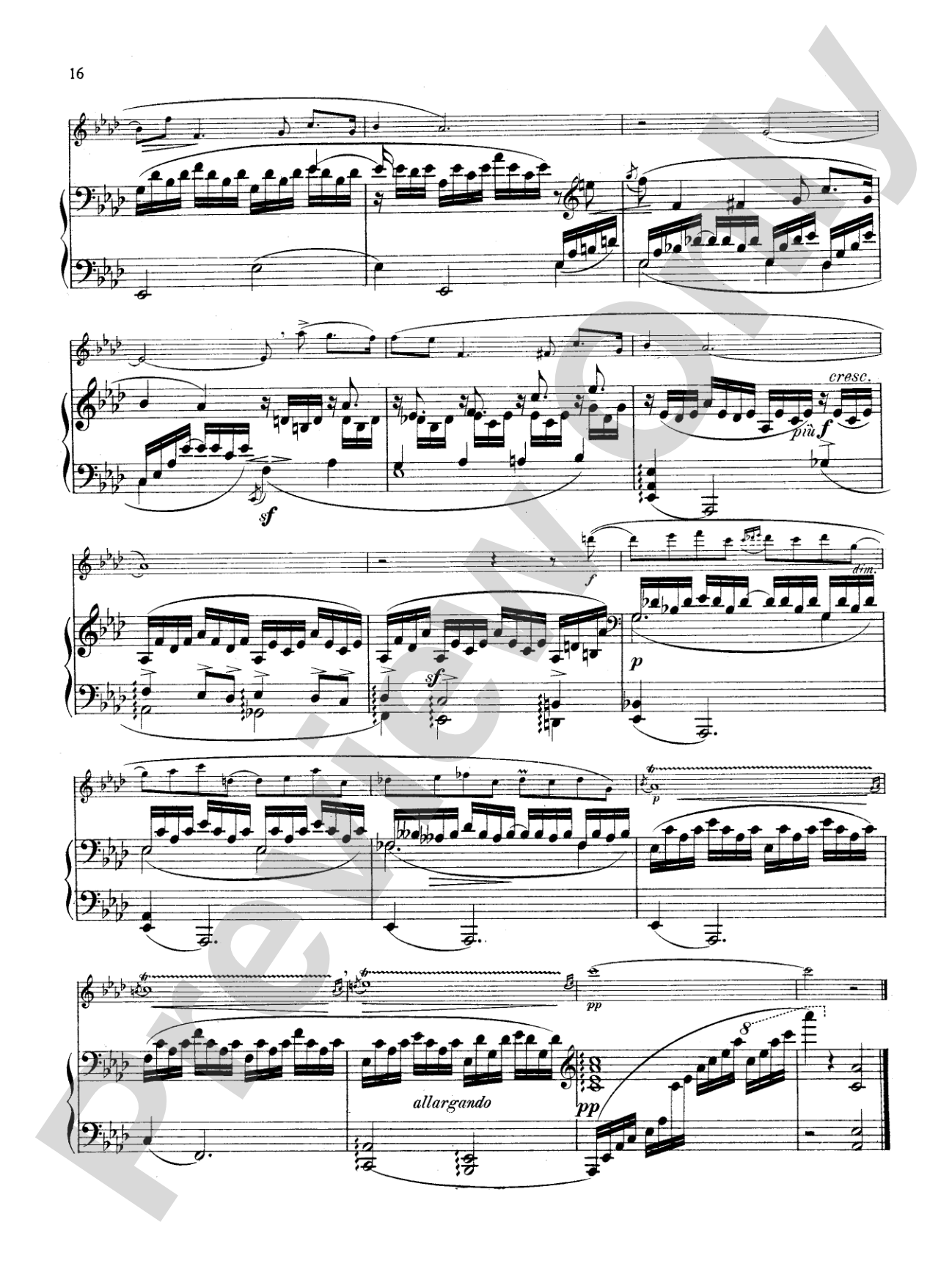
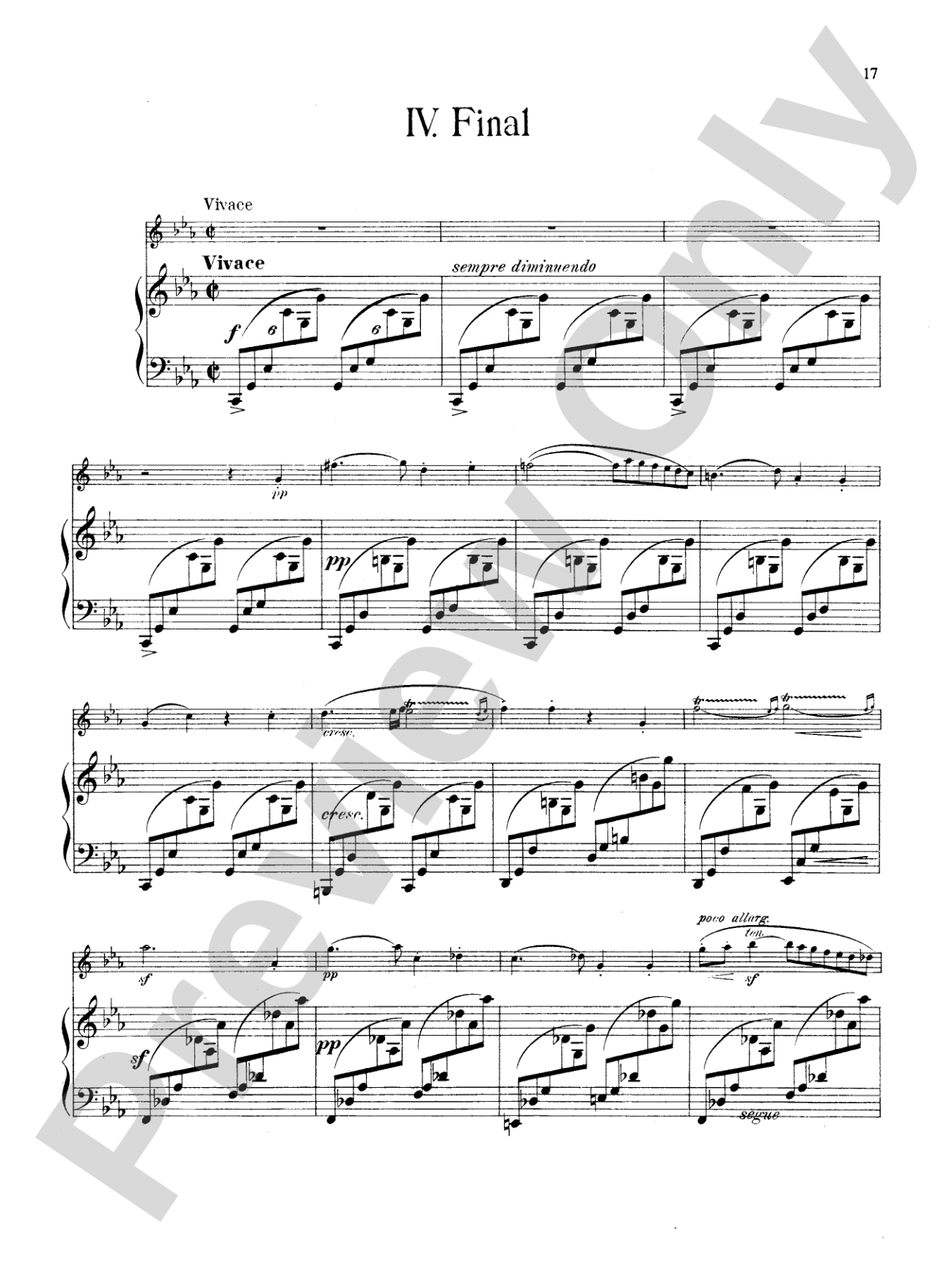
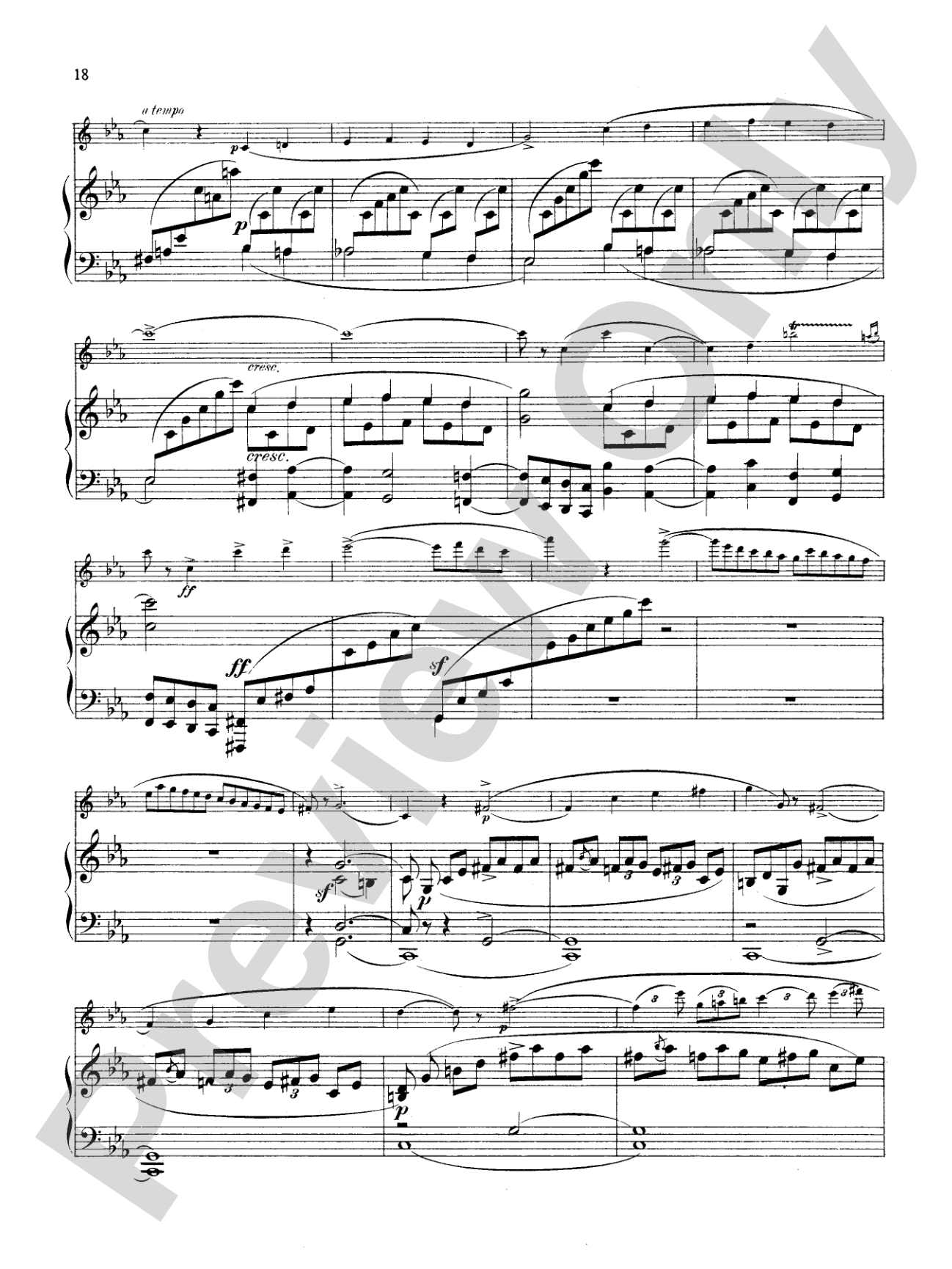
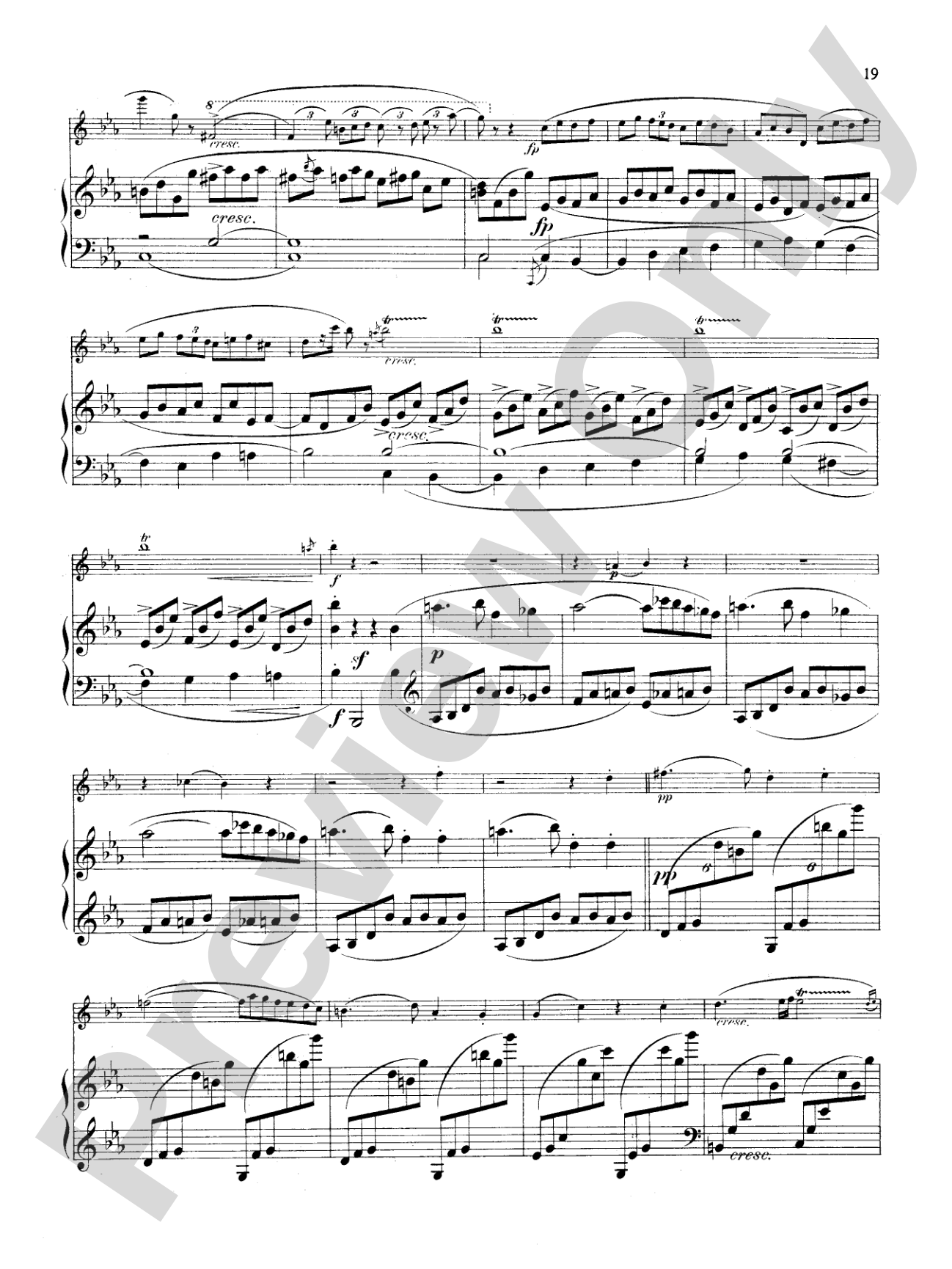
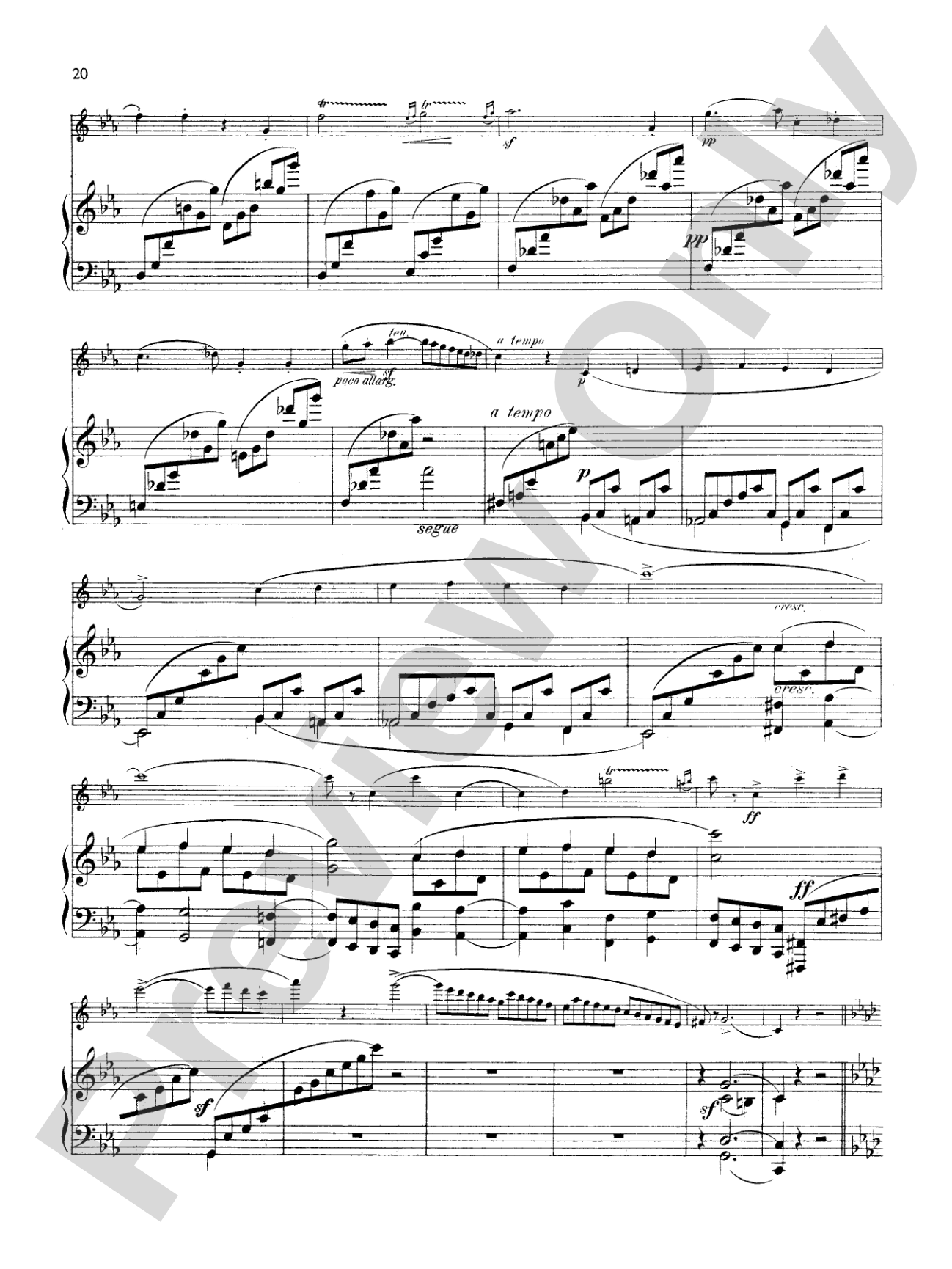
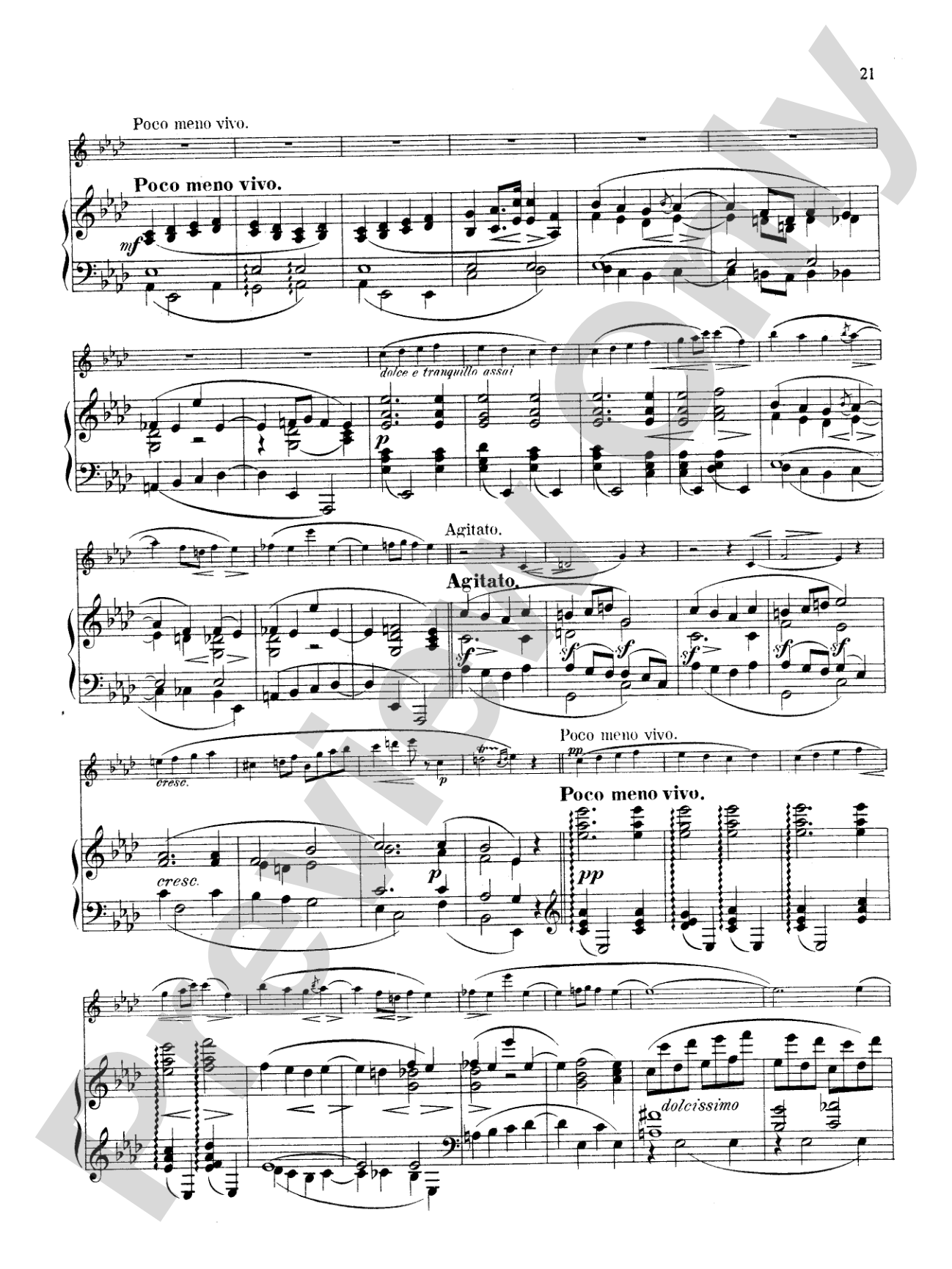
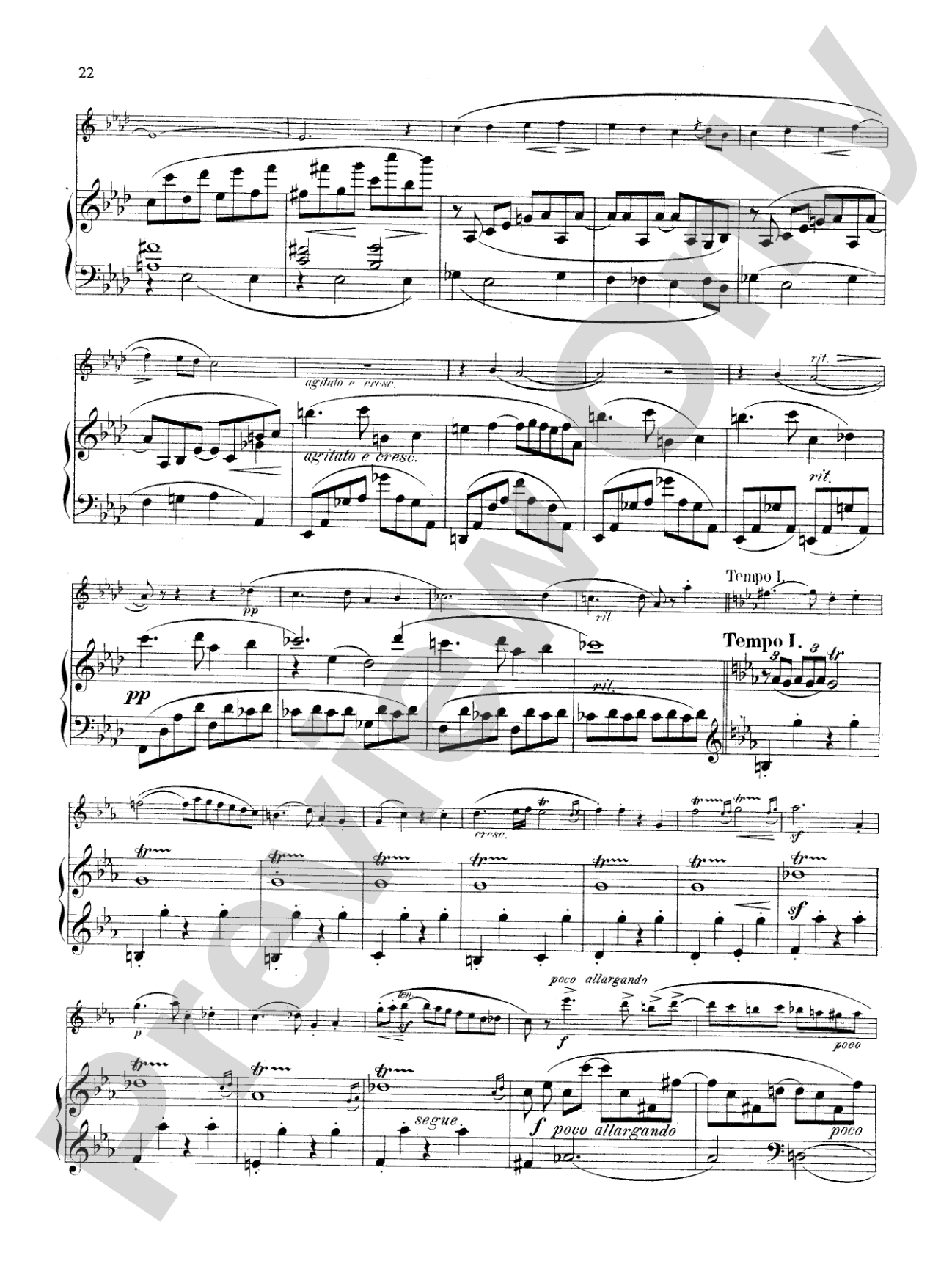
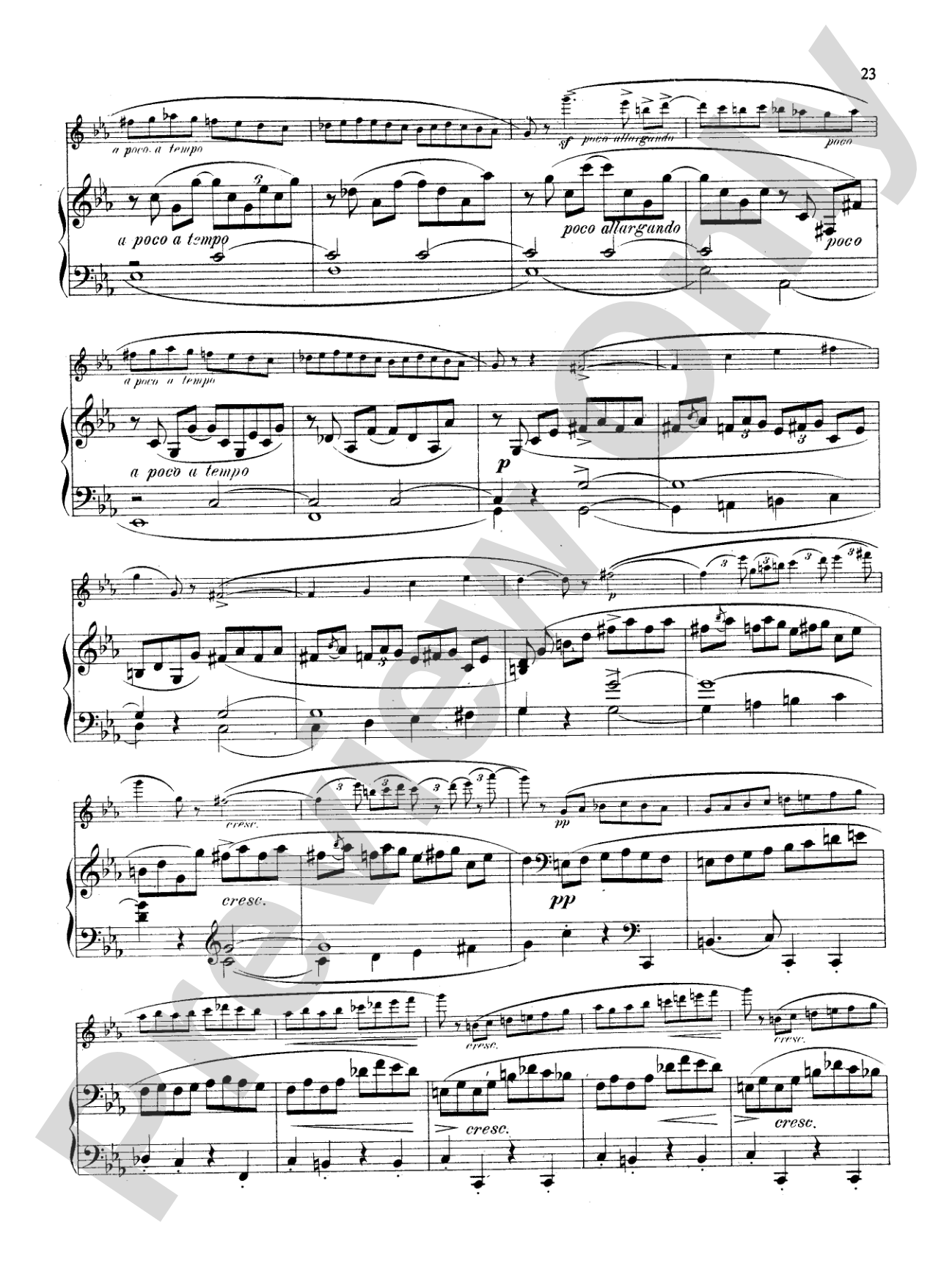
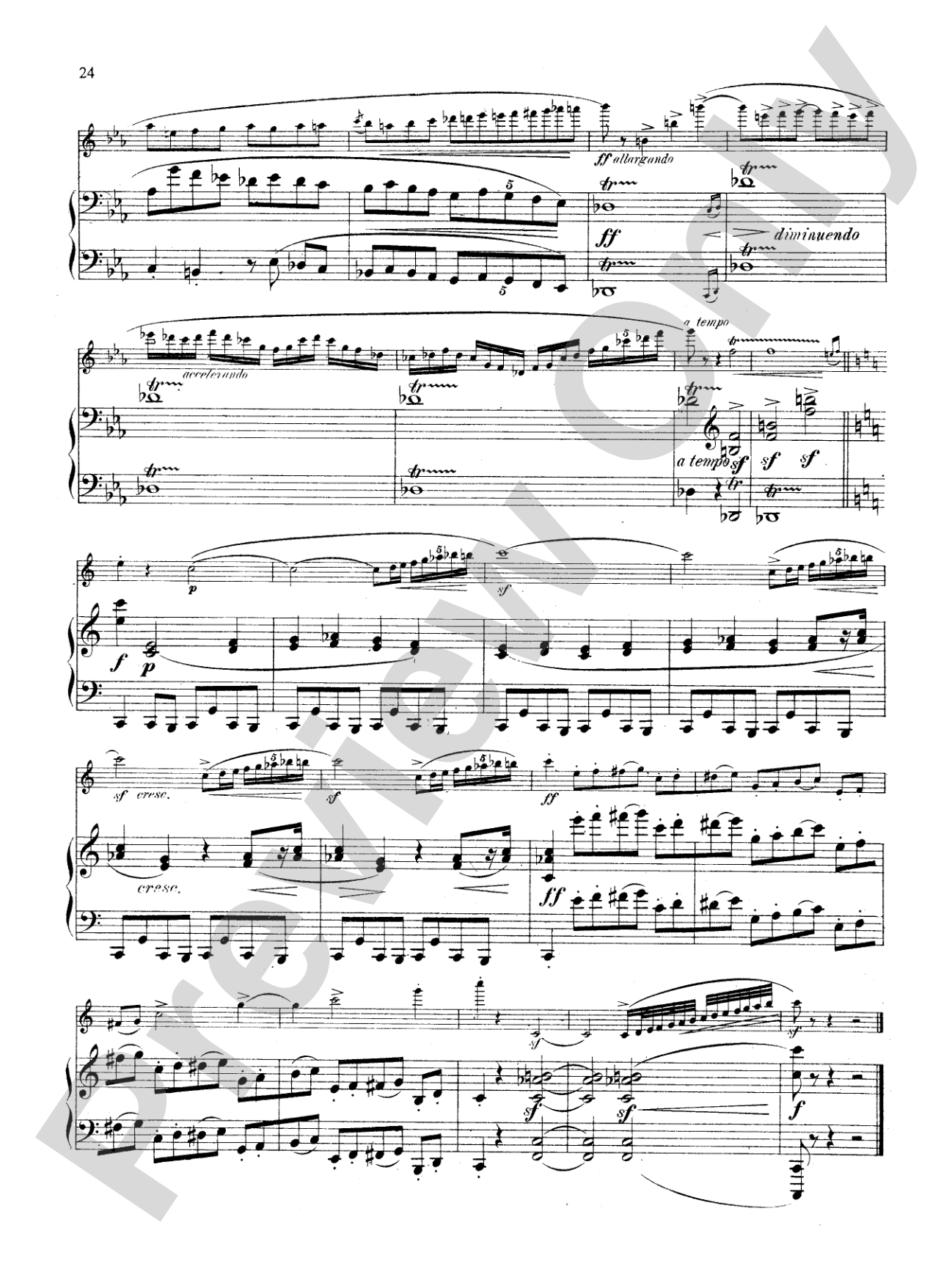

Widor: Suite, Op. 34, No. 1: Flute Part(s)
By Charles-Marie Widor
Item: 00-PK-0002789

$9.99
Pickup currently not available
Parts Added to Cart!
Related Items
Suite, Opus 34, No. 1: Flute Part(s) |
$9.99
|
View |
Description
In four movements.


Don't just read it, hear it, play along with it, and watch your students grow with it. In MakeMusic Cloud, Widor: Suite, Op. 34, No. 1: Flute Part(s) comes alive with professional accompaniment, adjustable tempo, and built-in practice tools that turn solo practice into real progress.
Open in the Player
Jump straight in and assign it today.
Start Your Free Trial
Open this title and explore the full library in minutes.
Sample Audio
No sample audio found.
Sample Video
No sample videos found.
Additional Details
Series:
Kalmus Edition
Publisher:
Alfred Music
Page Count:
32
SKU:
00-PK-0002789
More about this title
About the Composer: Charles-Marie Widor
Charles-Marie Widor (1844-1937) was a French organist and composer whose works bridged the Romantic and early modern eras. Known primarily for his monumental organ symphonies, Widor also wrote extensively for other instruments, bringing the same architectural ambition and lyrical warmth to chamber and solo literature. His Suite, Op. 34 demonstrates how deeply he understood the expressive capabilities of wind instruments.
Widor's long tenure as organist at Saint-Sulpice in Paris and later as professor of composition at the Paris Conservatory gave him both the technical expertise and the platform to shape French musical taste. His compositions for flute reflect the same mastery of form and orchestral thinking that made his organ works enduring fixtures of the concert hall.
Why we love this
This four-movement suite sits in an uncommon space: substantial enough to command serious attention from accomplished flutists, yet written with genuine understanding of the instrument's lyrical and technical character. Widor's formal control and melodic generosity make this an excellent choice for advanced students seeking repertoire that offers both musical satisfaction and technical challenge without veering into pure virtuosity.
What to expect
The Suite evokes the elegant, introspective world of late-19th-century French music. Across its four movements, you'll encounter lyrical passages that soar with genuine emotional weight, contrasted with sections of spirited figurework that sparkle without becoming shallow. The overall character is refined and purposeful, rewarding both the player and listener with moments of genuine beauty.
Who it's for
This suite is designed for advanced high school flutists and college-level students who have developed solid command of articulation, phrasing, and musical style. It works equally well as a solo recital piece or a festival/competition submission for performers ready to step into substantial Romantic repertoire.
How to get the most out of it
- Approach the phrasing with the long lines and harmonic momentum you would bring to vocal music; Widor's flute writing is fundamentally songful, even in technically active passages.
- Balance technical clarity in faster movements with the singing quality of slower sections; avoid letting passage work overshadow the underlying melody.
- Study the full suite as a unified arc across all four movements rather than as separate pieces; this understanding will shape your interpretation of each section's role in the overall architecture.
- Pay close attention to dynamic shaping within phrases, which often builds gradually over several measures; this subtlety of expression distinguishes polished performances from merely correct ones.
How to use it
Program this suite as the centerpiece of a flute recital, where its four-movement span and formal completeness create a natural anchor for an entire concert. Alternatively, select individual movements for festival competitions, or pair the entire work with contrasting modern or baroque flute literature to frame it historically.
Skills your students will build
- Phrasing across longer melodic arcs with dynamic shape and harmonic awareness
- Technical facility in running passages while maintaining tone quality
- Stylistic sensitivity to late Romantic idiom and French musical aesthetics
- Formal analysis and interpretation of multi-movement suite structure
- Expressive control in varying textural contexts (solo lines, accompaniment figures, dialogue passages)