Who Will Be A Witness? Sheet Music Preview

Who Will Be A Witness?: SATB Choral Octavo

Arranged by Kirby Shaw

Item: 35-DS00431159

Digital Download
$2.99
Description

Who Will Be A Witness?: SATB Choral Octavo isn't in MakeMusic Cloud just yet...but it could be. Let us know you'd like to see it, and you'll help shape what comes next. In the meantime, start a free trial and dive into thousands of interactive titles your students can play along with today.

Sample Audio
No sample audio found.
Sample Video
Additional Details
Publisher: Hal Leonard
Page Count: 11
SKU: 35-DS00431159

More about this title

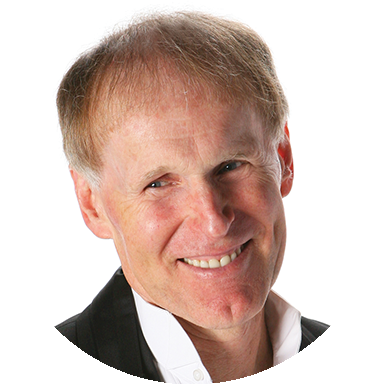
About the Arranger: Kirby Shaw

Kirby Shaw

Kirby Shaw stands among the most prolific and respected arrangers in American choral music, with over 2500 published works that have sold nearly 20 million copies worldwide. His formal training includes degrees in Music Education and Choral Composition from San Jose State University and a doctorate in Choral Conducting from the University of Washington. For decades, he has worked directly with legendary vocalists including Bobby McFerrin, Al Jarreau, and Jon Hendricks, absorbing their artistry and channeling it into arrangements that elevate student choirs.

Shaw's teaching career spans public schools, major universities (Colorado State, University of Missouri at Kansas City, Southern Oregon University), and international workshops across five continents. Known for blending technical rigor with infectious enthusiasm, he founded and directed award-winning vocal jazz ensembles while simultaneously building a catalog of choral music sung by groups from elementary schools to professional choirs. The Mormon Tabernacle Choir has commissioned his work, and his arrangements consistently earn ASCAP recognition. Beyond his compositional output, Shaw co-created an original musical adaptation of A Christmas Carol with his wife, Markita.

Why we love this

Shaw's treatment of this spiritual carries the rhythmic vitality and textural sophistication you expect from someone steeped in both choral pedagogy and jazz tradition. The arrangement invites singers into a piece with genuine spiritual weight while remaining fully accessible to high school and community choirs, making it a rare find at this level of writing.

What to expect

The spiritual emerges with quiet urgency, its questioning refrain creating an intimate conversation that builds to collective conviction. Shaw's arrangement honors the genre's call-and-response DNA while layering in contemporary harmonic color that feels both respectful and alive.

Who it's for

SATB choirs at the intermediate to advanced high school level and beyond will find this arrangement both vocally rewarding and spiritually substantive. Directors seeking a concert spiritual with genuine artistic depth will appreciate Shaw's sophisticated harmonic language and rhythmic nuance.

How to get the most out of it

  • Build the intensity gradually across the form. Resist the urge to sing at full volume from the start; let the spiritual's power accumulate through the journey.
  • Balance clarity in the text with vocal blend. The message of the piece depends on listeners understanding the lyrics, but not at the expense of unified vowels and tone.
  • Shape phrases around the natural cadence of the spiritual tradition rather than impose metered phrasing. Allow breathing room that honors the style's conversational, questioning nature.
  • Lock the harmonic foundation first in sectionals before adding interpretive elements. This eleven-page arrangement has enough textural interest to distract from core pitch accuracy if singers aren't grounded.

How to use it

Program this as the centerpiece of a spirituals set or as a standalone choral moment that shifts the emotional temperature of a concert. It works especially well following lighter repertoire, where its reflective opening and growing intensity can land with full impact.

Skills your students will build

  • Singing spiritual style with authentic phrasing and rhythmic flexibility
  • Balancing individual line independence with ensemble blend in a complex harmonic texture
  • Projecting vocal confidence and conviction through sustained dynamic control
  • Interpreting text as the foundation for musical interpretation rather than decoration

You May Also Like